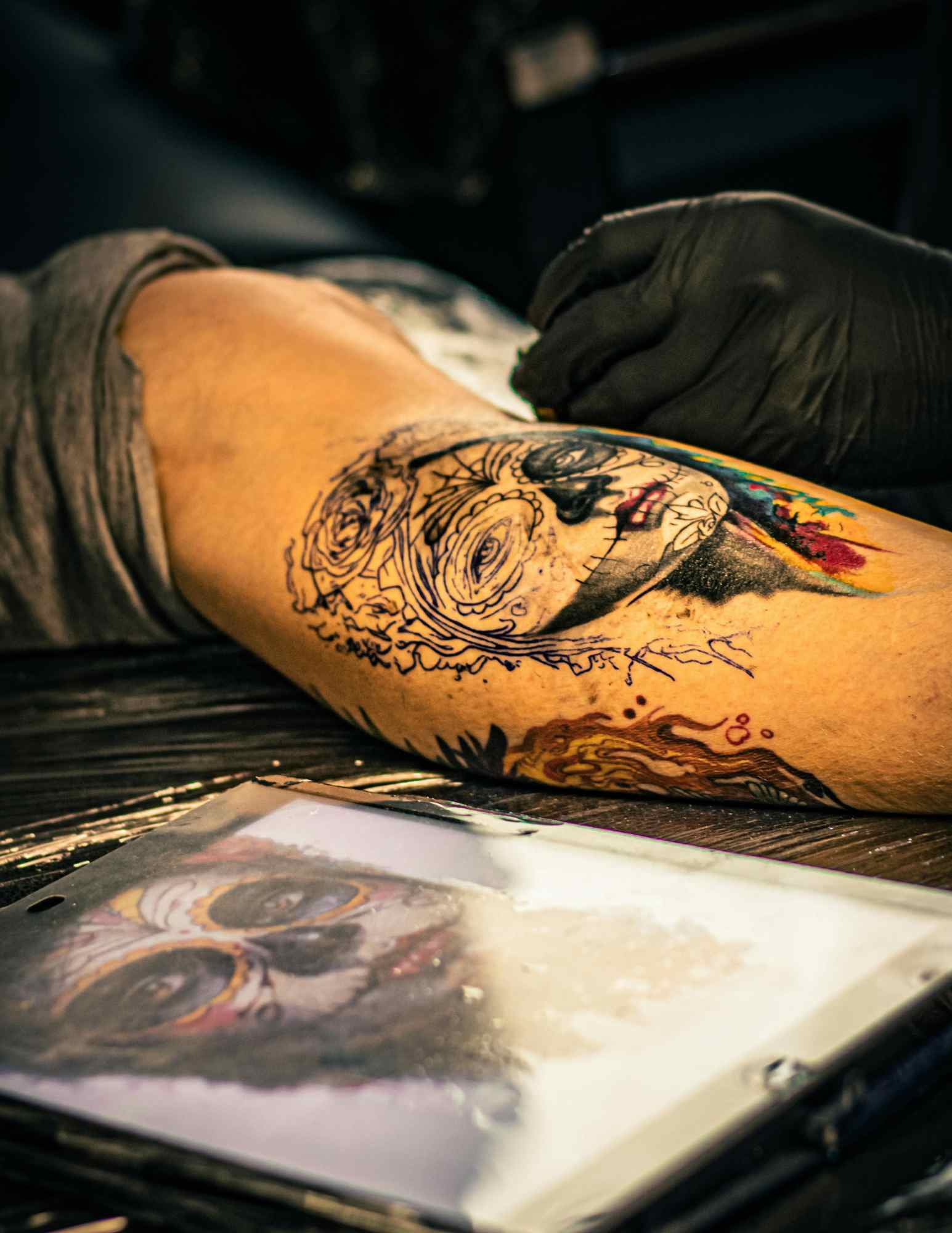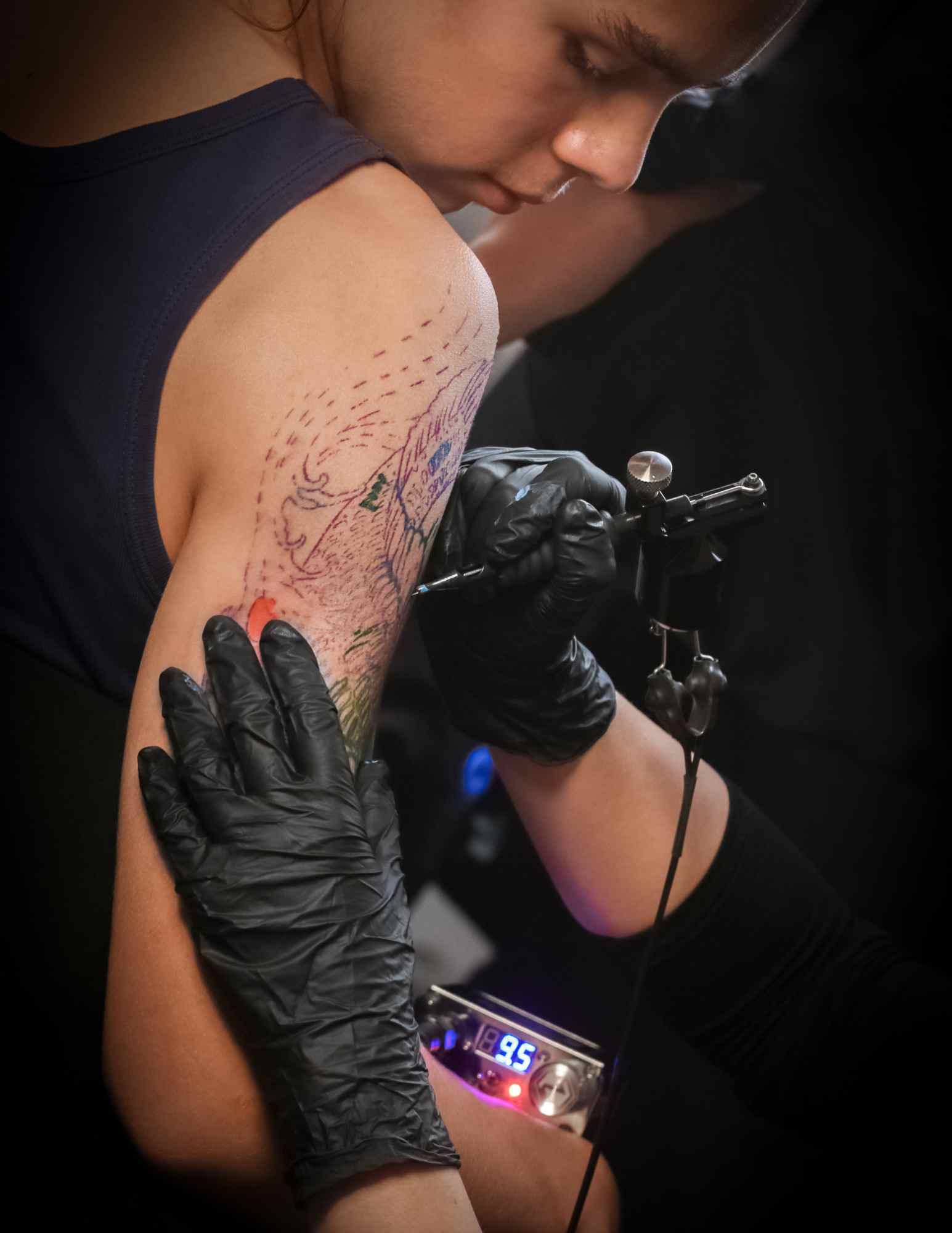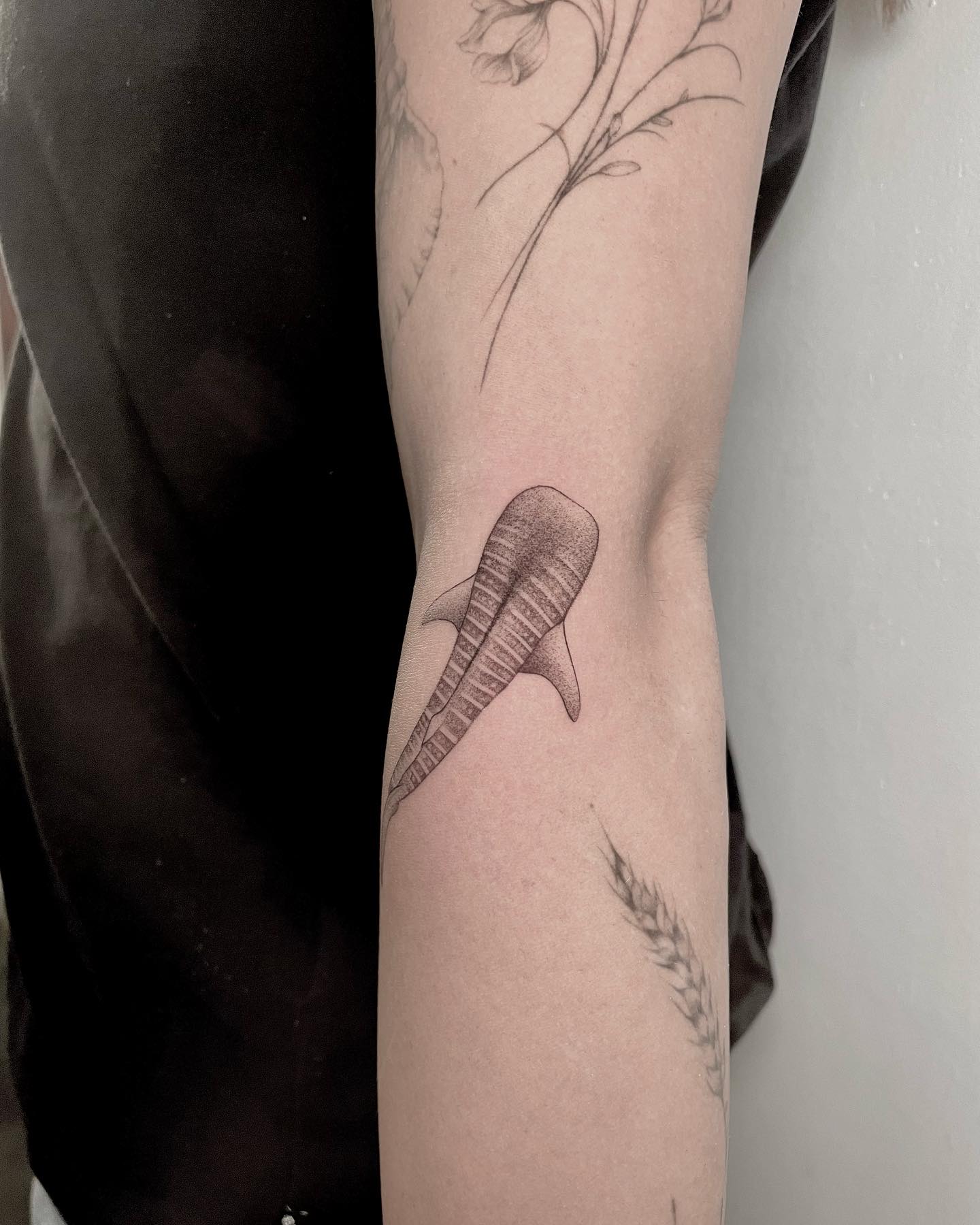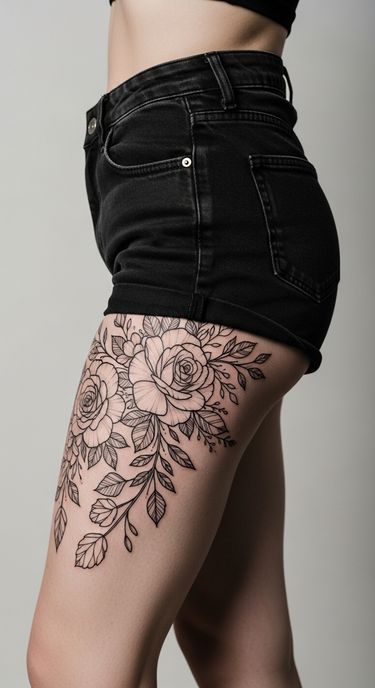
If you have been circling the question “does getting a tattoo hurt,” here is the short version: yes, it hurts — but for most first-timers it is a dull, scratchy, entirely survivable kind of hurt, not the ordeal your imagination has been building.
I have sat for pieces on the outer thigh, the forearm, and once — foolishly, as a third tattoo — along the ribs. Those three sessions felt like three different sensations entirely.
The variable that matters most is not your pain tolerance. It is where on your body the needle lands, and how long it stays there. If you want the full ranking, our guide to the most painful tattoo spots breaks it down placement by placement.
Below is what the sensation actually feels like, which areas earn their reputation, and the preparation that has made the biggest difference for me and for every artist I have asked.
How Much Will It Hurt Where You Want It?
Pain rankings are subjective, so treat the table below as a general map rather than a promise. It reflects what artists consistently report and what I have felt personally.
| Placement | Typical Pain Level | What It Feels Like | Good First Tattoo? |
|---|---|---|---|
| Outer thigh | Low | Warm scratching, easy to zone out | Yes — the gentlest large canvas |
| Outer upper arm | Low | Persistent scratch, minimal sting | Yes |
| Calf | Low to moderate | Dull burn that builds slowly | Yes |
| Outer forearm | Moderate | Sharp on the outline, fine on shading | Yes |
| Upper back / shoulder blade | Moderate | Comfortable until the needle finds bone | Usually |
| Inner bicep / inner forearm | Moderate to high | Ticklish, then a nervy electric sting | Only if small |
| Ribs and sternum | High | Vibration straight into bone; breathing interferes | Not recommended |
| Spine | High | Sharp, jarring, hard to stay still | No |
| Hands, feet, fingers | High | Bright, bony, nerve-dense pain | No |
| Neck, throat, behind the ear | High | Loud, buzzing, close to the skull | No |
What Actually Causes Tattoo Pain
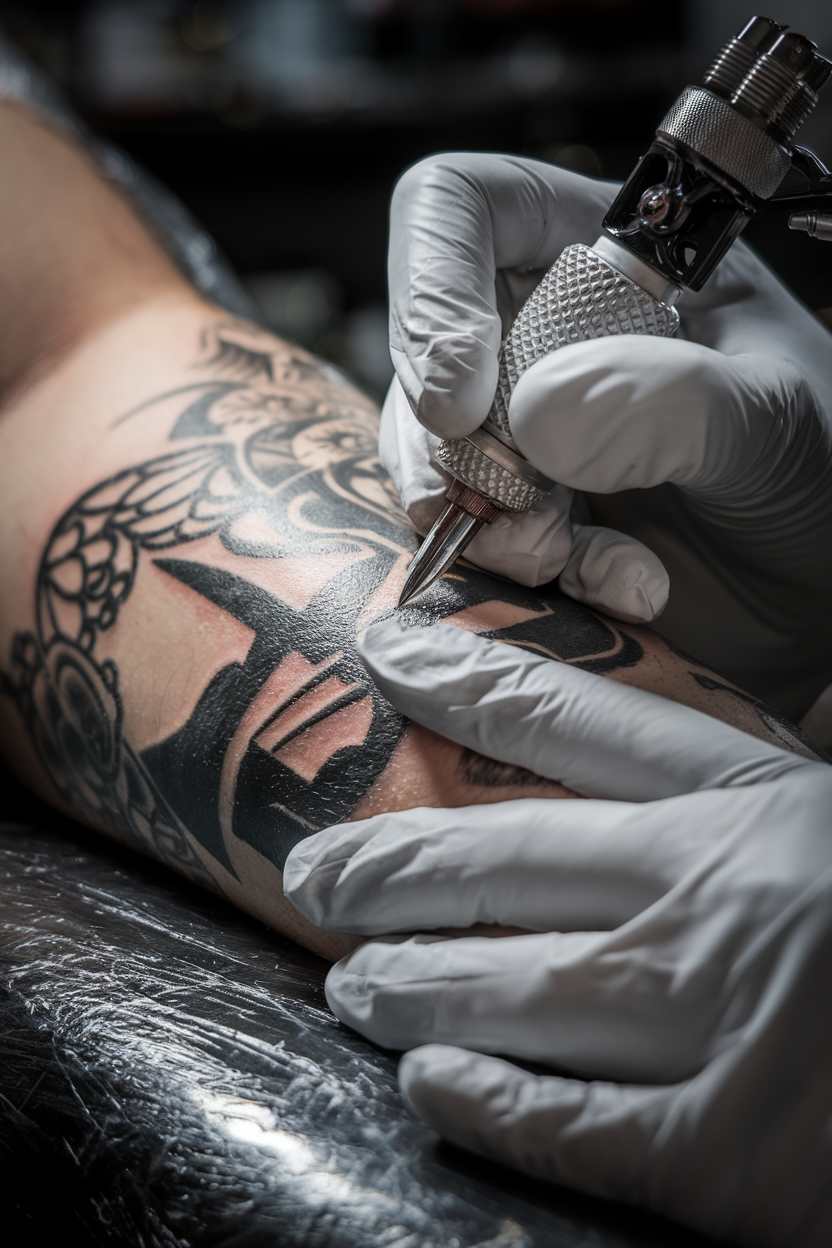
A tattoo machine drives a grouping of needles in and out of the skin many times per second, depositing pigment into the dermis — the layer sitting roughly one to two millimetres below the surface.
That depth is the whole point. Ink placed any shallower sloughs off with the epidermis; any deeper and it blurs. The dermis is also where a dense network of nerve endings lives, which is exactly why the process registers.
The pain is not a single sensation but three overlapping ones: the mechanical scratch of the needle, the sting of the skin’s inflammatory response, and the ache of holding one position for a long time.
The third one surprises people. On my thigh session, the tattoo itself was easy — my lower back seized up from lying still for two and a half hours, and that was what I complained about afterwards.
Inflammation also explains why hour three feels worse than hour one on identical skin. The area is already swollen and sensitised by the time the artist doubles back to finish it. If you are working out what to book at all, our guide to getting a tattoo for the first time covers the practical side.
Tattoo Pain by Body Part
Fleshy Areas: Thigh, Outer Arm, Calf
These are the places artists steer nervous clients toward, and for good reason. A generous layer of fat and muscle sits between the needle and any bone, which blunts the sensation considerably.
On my outer thigh I could hold a conversation the entire time. The feeling was closer to a cat scratching the same stripe over and over than to anything I would call sharp.
If this is your first tattoo and you have any flexibility about placement, start here. You learn what the sensation is actually like without the stakes, and you find out how your body handles a long sit.
The one caveat is that these areas are large, which tempts people into large designs — and a four-hour easy tattoo can still leave you wrung out.
Forearm and Shoulder: The Reliable Middle
The outer forearm is the most-tattooed real estate on most people for a reason. It hurts, but predictably and moderately.
The outline is the sharp part. Once the artist switches to shading, the sensation flattens into heat and pressure and becomes much easier to sit through.
Watch out for the wrist end. As the skin thins toward the joint and the ulna sits closer to the surface, the last inch or two is a genuine step up from the rest.
Shoulder blades behave similarly — comfortable across the muscle, noticeably worse when the needle crosses the bony ridge itself.
Inner Arm and Inner Bicep: The Sneaky One
This is the placement people most often underestimate. It looks soft and fleshy, so it should be easy — and it is not.
The skin there is thin, rarely exposed, and densely supplied with nerves. Several artists have told me clients who breezed through a forearm piece struggle badly on the inner bicep of the same arm.
The sensation is less of a scratch and more of an electric, nervy sting that can make the whole arm want to flinch away.
It is a fine placement for something small and meaningful. It is a difficult one to choose for your first long sitting.
Ribs and Sternum: The Reputation Is Earned
My rib piece is the only tattoo I have needed to stop partway through. There is essentially nothing between the needle and bone, and the vibration travels.
The complication nobody warns you about is breathing. Your ribcage moves constantly, so you end up taking shallow breaths to keep the skin still, which makes you lightheaded, which makes the pain harder to manage.
Sternum work is comparable and often worse, since the bone is right at the surface across the whole area. If you are set on the placement, sternum tattoo ideas are worth browsing for designs that suit the shape of the area.
Book these as multiple shorter sessions rather than one marathon. Every artist I have asked prefers it that way for ribs, and the results are usually cleaner.
Spine and Centre Back
Spine tattoos are among the sharpest common placements. The vertebrae sit close to the surface and the sensation is jarring rather than merely sore.
Staying still is the practical challenge. Lying face down for hours while the needle works directly over bone takes real endurance, and involuntary flinching is common.
The good news is that the surrounding back muscle is far easier, so designs that flank the spine rather than sitting on it are considerably more comfortable.
If safety rather than pain is your concern, we covered that separately in are spine tattoos dangerous.
Hands, Fingers and Feet
These are nerve-dense, bony, and thin-skinned all at once, which is the worst possible combination for comfort.
The pain here is bright and specific rather than a dull ache. Fingers in particular tend to produce a sharp, tooth-nerve quality of pain that people remember vividly.
There is a second cost too: hands and feet regenerate skin constantly and see heavy friction, so these tattoos commonly fade and need touch-ups sooner than tattoos elsewhere.
Most artists I have spoken to will do them, but few recommend them as a first piece.
Neck, Throat and Behind the Ear
Beyond the physical pain, the proximity to your skull makes these placements psychologically loud — the machine’s buzz conducts through bone and is genuinely hard to tune out.
The throat and the front of the neck are the sharpest of the group. The back of the neck, over muscle, is a noticeable step down.
Behind the ear is small enough that most pieces are over in fifteen or twenty minutes, which is the main thing that makes it tolerable.
Short duration is doing a lot of work in every “it wasn’t that bad” story about high-pain placements.
What Changes the Pain Beyond Placement
Style and Technique
Fine-line work uses fewer needles and lighter passes, so a single line stings less. Solid black fill and colour packing require repeated passes over skin that is already irritated, which is the harder experience overall.
Whip shading and soft grey wash tend to feel like warmth and pressure. Bold traditional outlines feel like a knife tip. Our tattoo styles guide explains what each approach involves.
Session Length
Hour one is rarely the problem. Somewhere around the two-hour mark most people hit a wall where the accumulated soreness stops being background noise.
Splitting a large piece across two appointments almost always costs less discomfort than pushing through in one, even though it costs more in scheduling.
Your State on the Day
Sleep, food and hydration matter more than people expect. The worst sessions I have had were the ones where I turned up tired and under-fed.
Anxiety amplifies everything. The anticipation in the ten minutes before the needle starts is, for most people, worse than the first ten minutes of the tattoo itself.
Size and Scale
A small piece on a bad placement often beats a large piece on a good one, purely on total time under the needle. Scale your first design to the sit you can realistically handle, not to the space available.
How to Prepare So It Hurts Less
Eat a real meal within two hours of your appointment and bring something sugary for a long session. Low blood sugar is the single most common cause of clients going pale and needing to stop.
Skip alcohol for at least 24 hours beforehand. It thins the blood, which means more bleeding, more ink pushed back out, and a more sensitive experience overall.
Ask about numbing cream before the day, never on the day. Some artists work with it happily and some find it changes how the skin takes ink; the answer varies by artist, so ask. Our overview of tattoo numbing cream covers how these products actually work and where they fall short.
During the session, breathe out slowly through the sharp parts rather than holding your breath, and take every break you are offered. For a fuller checklist, see our tattoo pain management tips.
Pain After the Session — and What Is Not Normal
For the first day or two the area usually feels like a moderate sunburn: sore, warm, a little swollen, tender to touch. That is expected.
The itching phase during peeling is, for a lot of people, more irritating than the tattoo itself was. Our breakdown of the tattoo healing stages covers what each week should look like.
Pain that increases after day three is the signal worth taking seriously. Spreading redness, hot skin, yellow or green discharge, a rash, or a fever are not part of normal healing — contact your artist and see a doctor rather than waiting it out. The Mayo Clinic’s overview of tattoo risks and the FDA’s guidance on tattoo safety are both worth reading before your first appointment.
Nothing here is medical advice. If something about your healing worries you, a professional artist or a doctor beats an article every time.
Common Mistakes — and Still Not Sure Where to Start?
The most common mistake I see is choosing a high-pain placement for a first tattoo because it photographs well, then discovering two hours in that it also has to be sat through.
The second is turning up hungover or on an empty stomach, which turns a manageable session into a difficult one for reasons that have nothing to do with the tattoo.
The third is not speaking up. Artists would far rather pause for five minutes than have you faint or tense the skin for an hour.
If you are still choosing a design, browse first tattoo ideas for women or first tattoo ideas for men for pieces that suit forgiving placements.
Frequently Asked Questions
Does getting a tattoo hurt more than you expect?
In most cases, no — the anticipation is usually worse than the sensation. The common reaction from first-timers is relief that it feels like a persistent hot scratch rather than anything stabbing. The exception is high-pain placements like ribs, spine, hands and feet, which tend to meet or exceed expectations. Session length is the other factor that catches people out, since a comfortable tattoo can still become exhausting after three hours.
What is the least painful place to get a first tattoo?
The outer thigh and the outer upper arm are the two placements artists most often recommend to nervous first-timers. Both have enough fat and muscle to cushion the needle from bone, and both give you room for a reasonably sized design. Calves and outer forearms are close behind. If you want something small and quick, the outer forearm gives you a piece you will actually see every day.
Can I take painkillers before getting tattooed?
Avoid aspirin and ibuprofen beforehand, because they thin the blood and can increase bleeding during the session. Paracetamol or acetaminophen is generally considered the safer option, but check with your artist and, if you take regular medication, with your doctor. Alcohol should be avoided entirely for at least 24 hours before. This is general information rather than medical advice, so ask a professional about your own situation.
Does numbing cream actually work for tattoos?
Topical lidocaine-based creams do reduce sensation, but usually only for the first hour or two, and only in the upper layers of skin. Some artists report that numbed skin behaves differently under the needle, so you must ask before booking rather than turning up pre-applied. Application timing and coverage matter a great deal to whether it works at all. Never use a product on broken skin or exceed the labelled amount.
How long does the pain last after getting a tattoo?
Most people find the soreness fades substantially within two to three days, though tenderness can linger for up to a week on larger pieces or bony placements. After that, itching during the peeling phase usually replaces the pain. Pain that worsens after day three, rather than improving, is not typical and is worth having looked at. Following your artist’s aftercare instructions closely shortens the uncomfortable window.
Quick Summary
- Yes, tattoos hurt — but the sensation is closer to a persistent hot scratch than to sharp stabbing.
- Placement matters more than personal pain tolerance; thin skin over bone is always the worst combination.
- Outer thigh, outer upper arm, calf and outer forearm are the friendliest starting points.
- Ribs, sternum, spine, hands, feet and neck earn their reputations and are poor first choices.
- Session length compounds everything — split large pieces across appointments rather than pushing through.
- Eat properly, hydrate, skip alcohol for 24 hours, and ask about numbing cream well before the day.
- Soreness for two to three days is normal; pain that worsens after day three needs a professional opinion.