
Designing your own tattoo does not require artistic skill in the conventional sense. What it requires is clarity about what you want, the ability to communicate that clearly to the artist who will execute it, and an understanding of what translates well from concept to permanent ink. Most people who think they want to design their own tattoo actually want to be closely involved in the design process, which is a different and more achievable goal.
What Designing Your Own Tattoo Actually Means
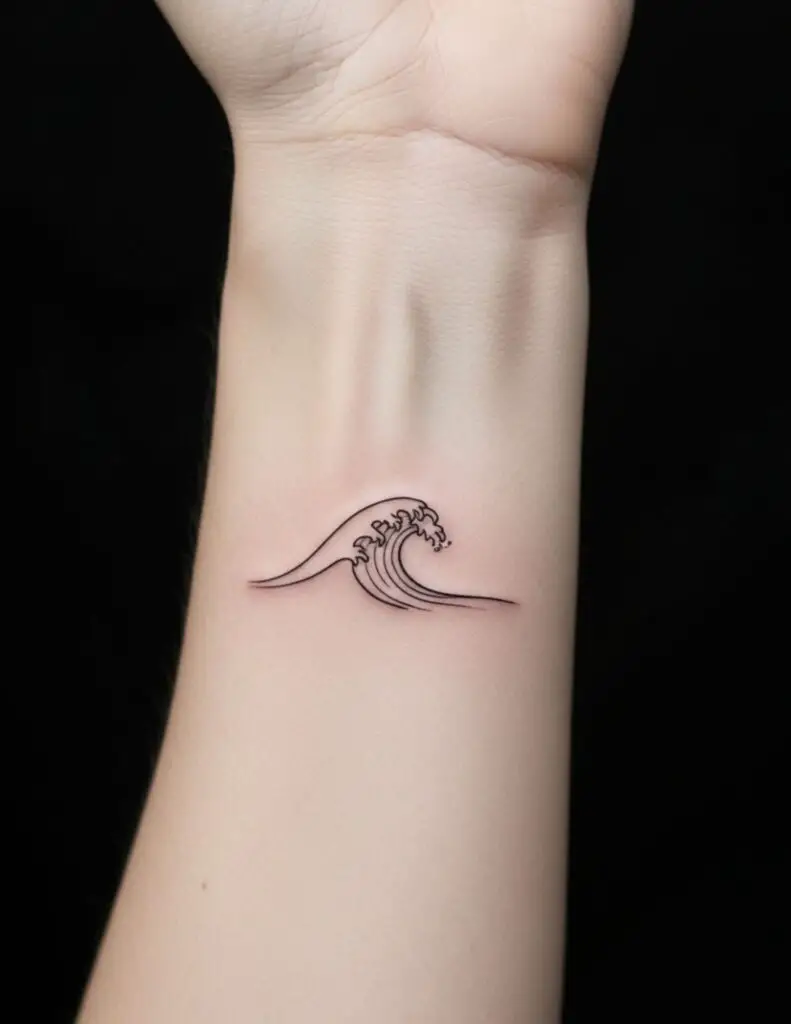
There is a spectrum between “I want a specific pre-existing image tattooed exactly” and “I want to create the design myself with no external input.” Most people end up somewhere in the middle: they have a concept, subject matter, and aesthetic preferences that they want to develop collaboratively with an artist who can translate those ideas into a design that works as a tattoo.
The most effective approach for most people is to develop a clear concept brief, gather reference imagery, and bring that to an artist consultation where the actual design is developed by the artist incorporating your input. This gives you genuine authorship of the tattoo without requiring drafting skills.
Step 1: Define Your Concept Clearly
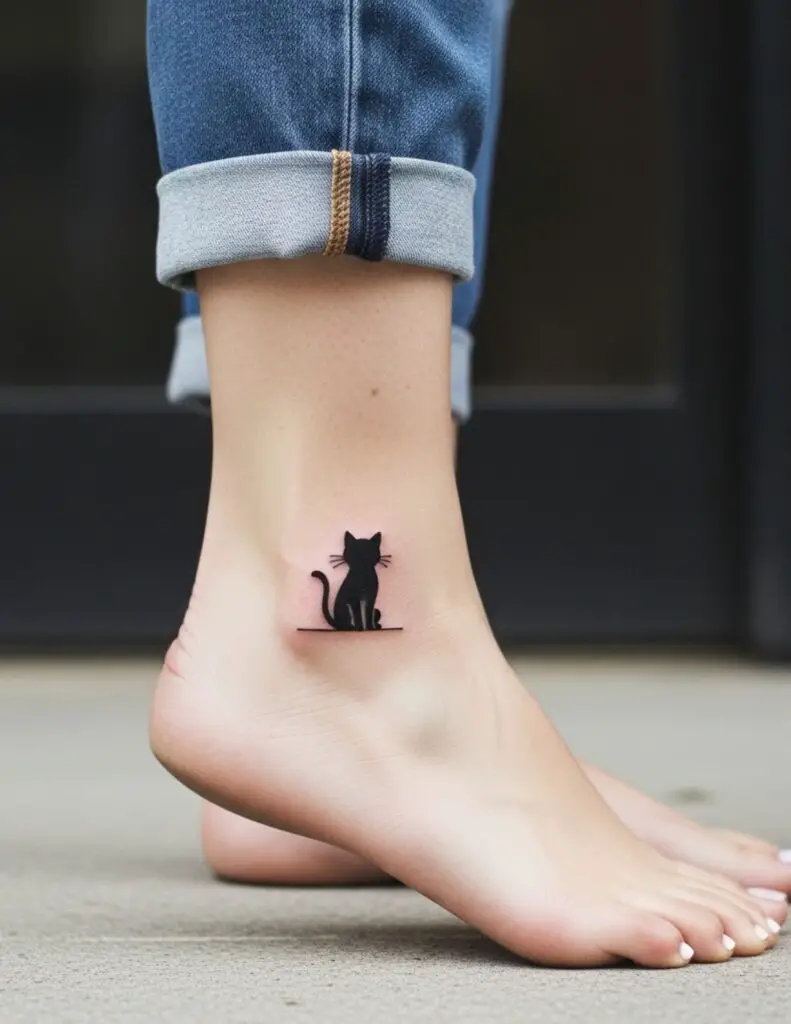
Before you look at any reference imagery, write down in plain language what you want the tattoo to be about. Not the visual elements yet: the meaning. What does this tattoo represent? What should it make you think of when you look at it? What feeling should it carry? This conceptual foundation prevents the common mistake of choosing visual elements that look good in isolation but do not add up to a cohesive design.
Then add the practical parameters: where on your body, approximately what size, and whether you have a preference for colour or black and grey. These constraints shape the design significantly and the earlier you define them, the more focused your reference gathering will be.
Step 2: Gather Reference Images
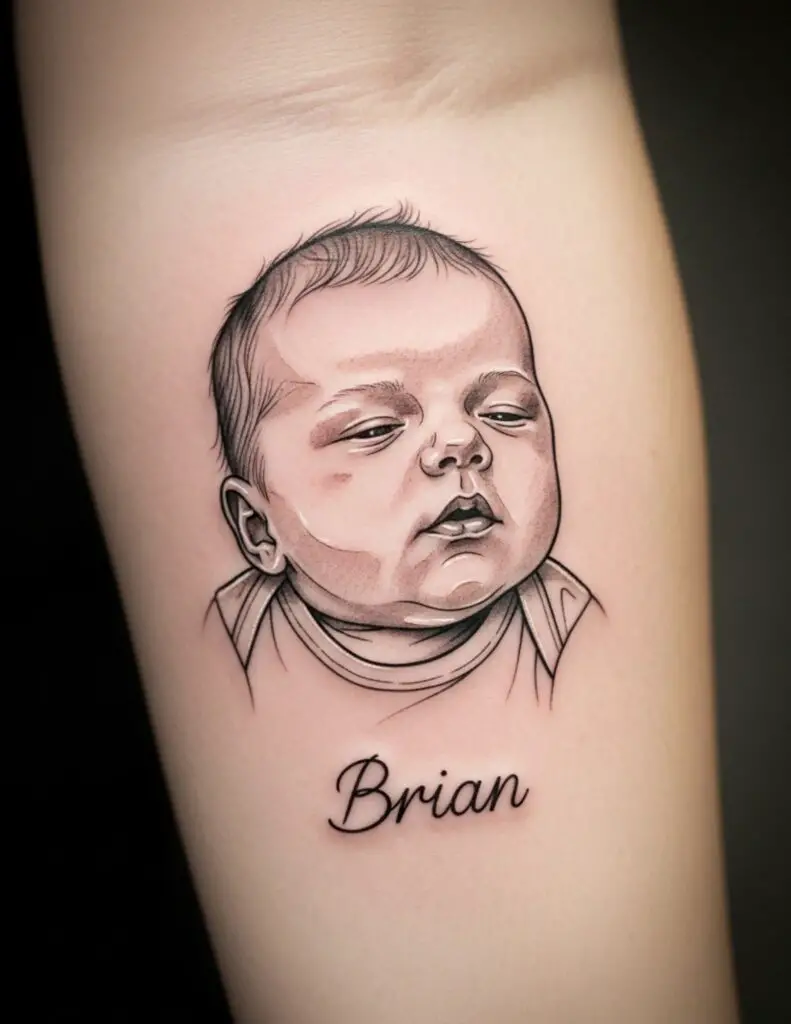
Reference images are not the design: they are the vocabulary for the design conversation. Collect images across three categories.

First, subject reference: images of the actual thing or things you want tattooed. If you want a wolf, collect photographs of wolves in various poses, moods, and lighting conditions. If you want a specific flower, gather botanical images of that flower from multiple angles. The artist needs to understand the subject deeply to render it accurately.
Second, style reference: tattooed examples of designs you like, specifically as tattoos rather than as illustrations or photographs. This tells the artist what aesthetic language resonates with you. Fine line botanical versus bold neo-traditional makes an enormous difference to the final result, and showing this through images is far more effective than describing it in words.
Third, composition reference: images that capture the spatial arrangement you are imagining. A single centred subject, a horizontal design, a design that follows the arm’s length, elements arranged in a specific relationship to each other. Composition reference can come from any visual source, not just tattoos.
Pinterest boards and Instagram saves are practical tools for this. The goal is to arrive at the consultation with enough visual material that the artist can see exactly what you are imagining rather than having to interpret a verbal description.
Step 3: Understand What Works as a Tattoo
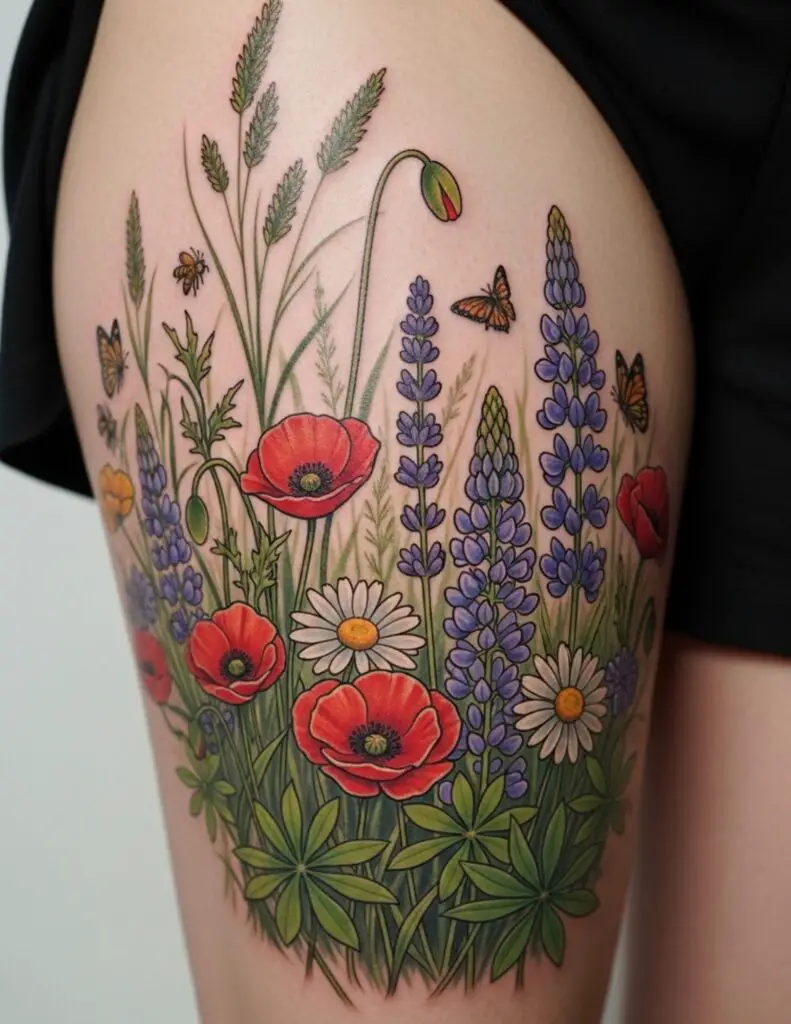
Not every visual idea translates well to permanent ink. Some design principles that work in illustration, photography, or digital art do not hold up over years of healing, aging skin, and daily life. Understanding these constraints before you develop your concept prevents frustration during the design process.
Lines need sufficient weight to hold over time. Very fine lines (thinner than a human hair) fade and blur within years on most skin types. Designs that depend entirely on very fine line detail at small scale often look significantly different after healing than they appeared in fresh photos.
Solid black areas hold better than grey fills in many cases. Gradients from very dark to very light can look muddy after healing rather than smooth. Colours that look vibrant fresh can change significantly as the ink settles: yellows and light greens are particularly prone to appearing different in healed work versus fresh work.
Complex designs work better at larger scales. The detail that reads clearly at forearm scale becomes illegible at wrist scale. If your concept has significant detail, plan the size accordingly.
Step 4: Sketch Your Ideas (Even Badly)
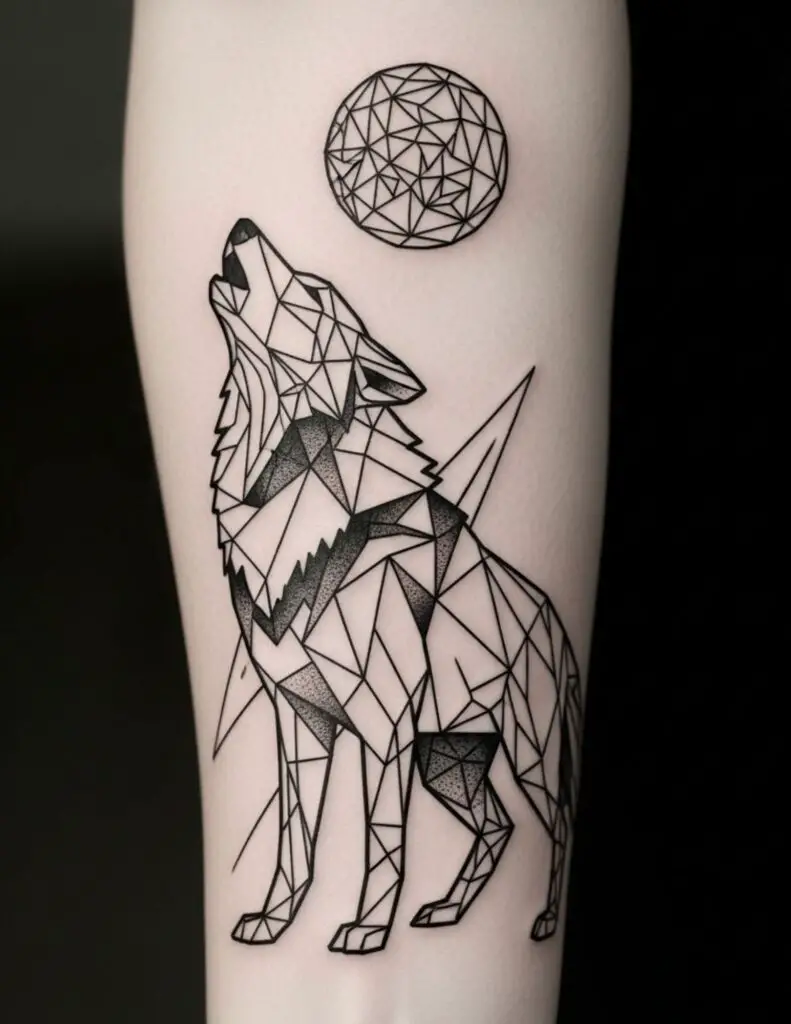
You do not need to produce a finished drawing. What rough sketches do is force you to make decisions about composition that you cannot make by describing verbally or assembling references. Draw your idea as simply and badly as you like: the goal is to understand where the elements go relative to each other, not to produce usable artwork.
A rough sketch that shows the artist that you want the wolf on the left, the moon in the upper right, and a pine tree in the background tells them something your reference images and verbal description might not. Simple diagrams and annotated photographs of the placement are equally useful.
Step 5: Find the Right Artist
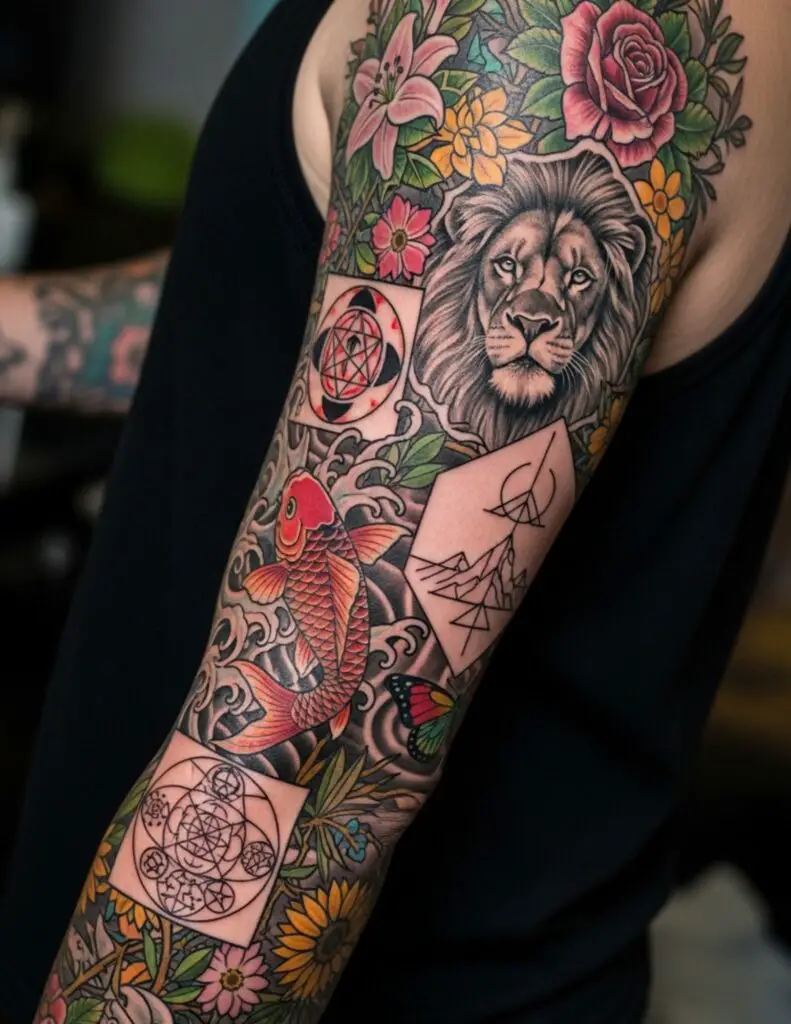
The artist is not just the executor of your design. The artist is a design partner whose skills, style, and experience will determine whether your concept becomes the tattoo you imagined or something that misses. Research artists whose portfolio style matches the aesthetic you want. Do not book an artist specialising in traditional American tattooing for a design that requires fine line botanical realism. The style match is more important than location or price.
Once you have identified artists whose work suits your concept, look at their consultation process. Most serious tattoo artists offer a consultation before committing to a design, either in person or remotely. This consultation is where your brief becomes the artist’s design plan.
Step 6: The Consultation
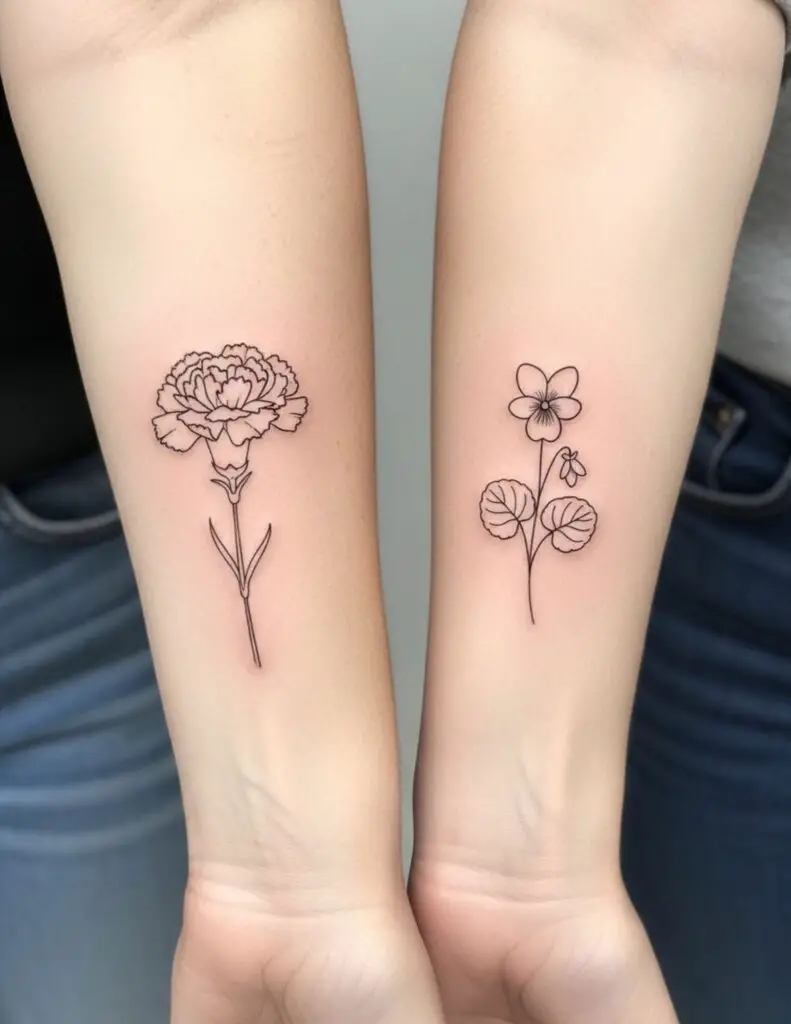
Arrive at the consultation with your concept brief, your reference folders, and your rough sketches. Present them clearly and then listen. A good artist will ask questions, offer perspective on what works and what needs adjustment, and begin sketching preliminary ideas. The consultation is a dialogue, not a presentation.
Be specific about what is non-negotiable in your concept and open about what is flexible. The artist needs to know which elements are fundamental to your vision and which are open to their creative interpretation. This prevents both the frustration of getting a design that missed the essential thing and the missed opportunity of the artist improving on your initial idea.
Step 7: Review the Design Before Committing
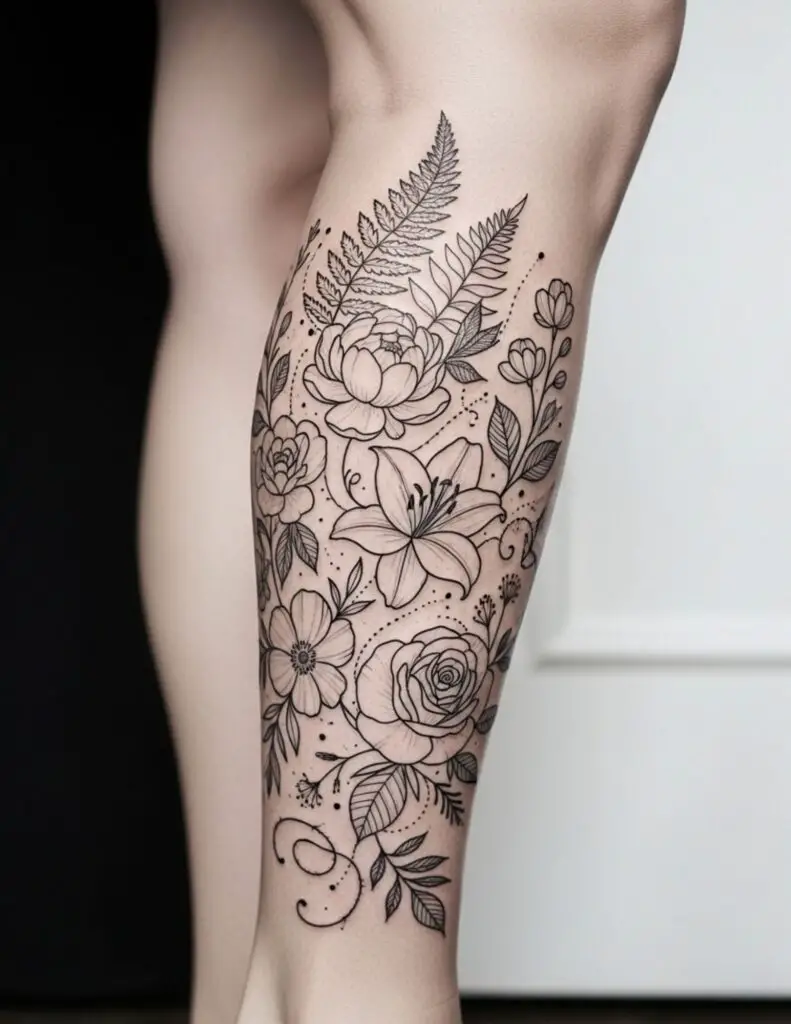
Most artists provide a design for review before the session date. Look at it carefully. Mentally place it on your body. Consider how it will read at the actual scale and placement. If something is not right, say so clearly and specifically: not “it feels off” but “the wolf’s expression reads as more passive than I wanted, can we make it more alert?” Specific feedback produces specific improvements.
It is acceptable to ask for revisions. It is also important to understand the difference between a revision that improves the design and a revision that reflects uncertainty about the concept itself. If you are uncertain about the fundamental concept, resolve that before asking for revisions to the design that is executing it.
Common Mistakes to Avoid
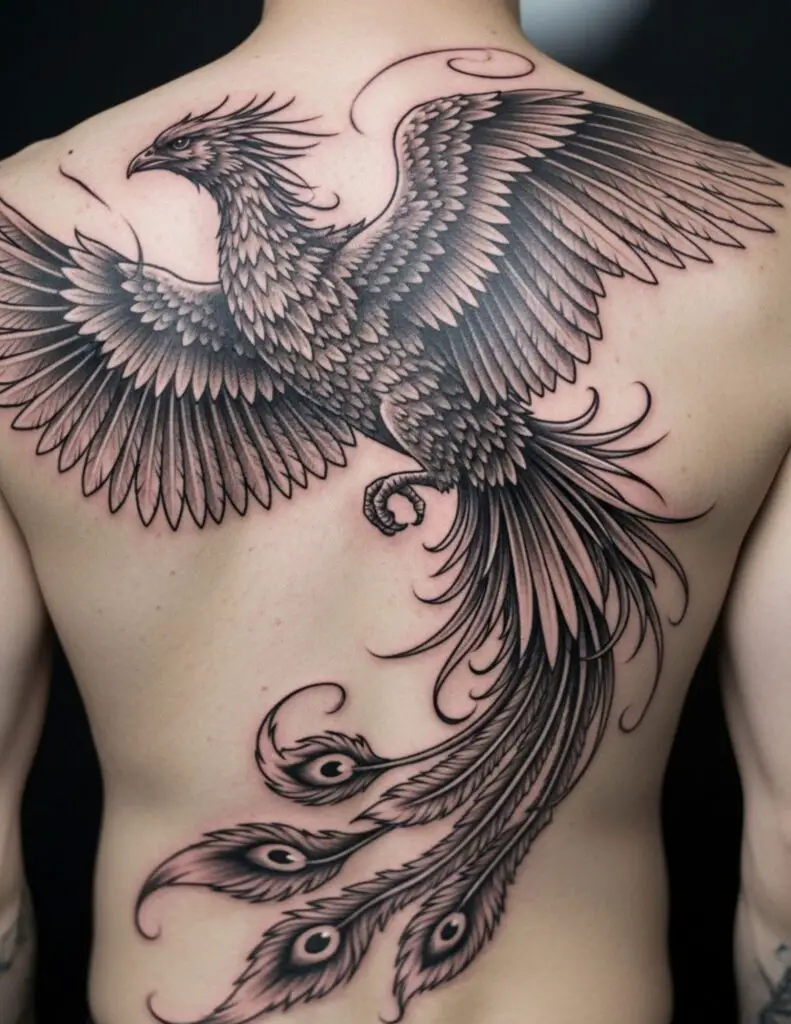
Choosing a design you like as an image without considering whether it works as a tattoo is the most common mistake. Ensure the design has been considered for the specific medium of permanent ink on skin rather than just being a visual you find appealing in other contexts.
Rushing the design process to meet an arbitrary timeline is the second most common. A tattoo is permanent. The time spent developing the right design is always worth it relative to living with the wrong one.
Not trusting the artist’s craft knowledge about what will hold and what will not is the third. Your concept may require adjustments to work well as a tattoo. When an experienced artist explains why a specific element needs to change, listen and engage with their reasoning rather than insisting on the original.