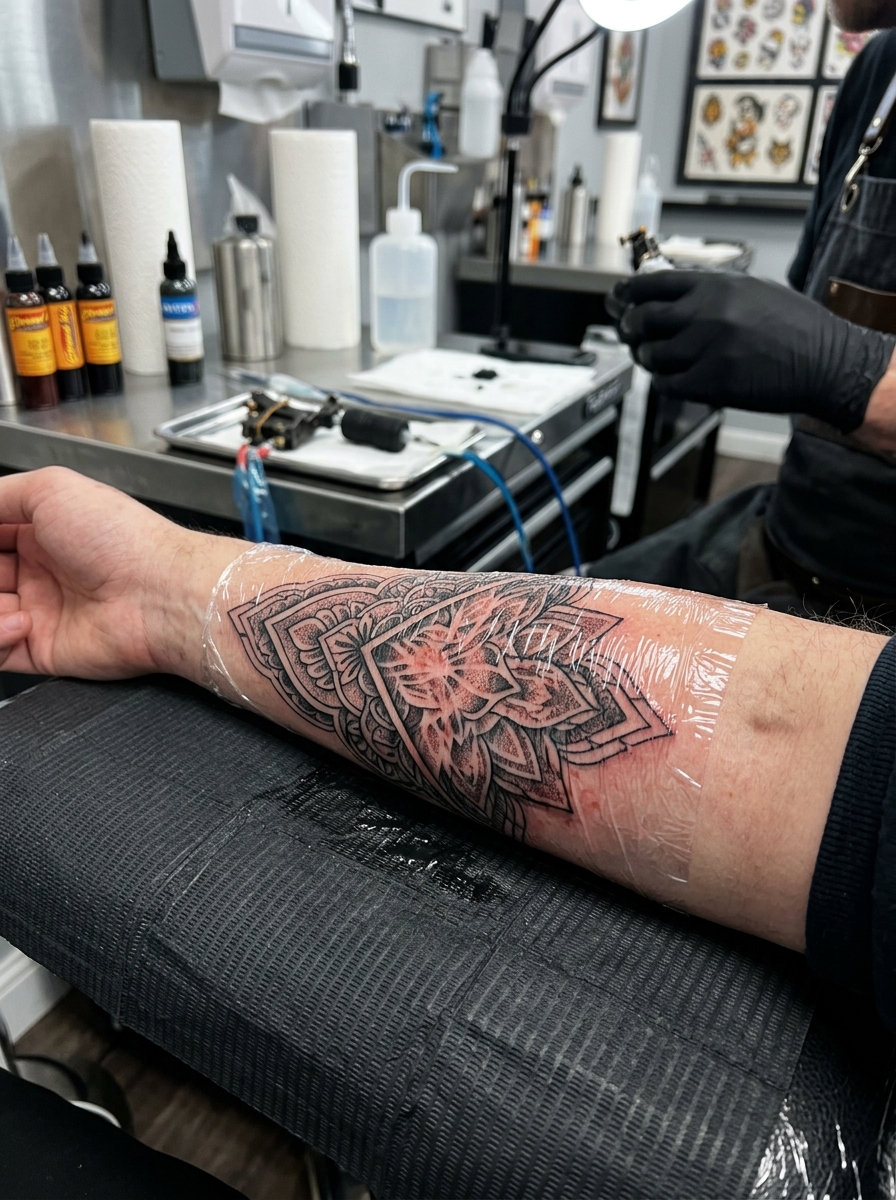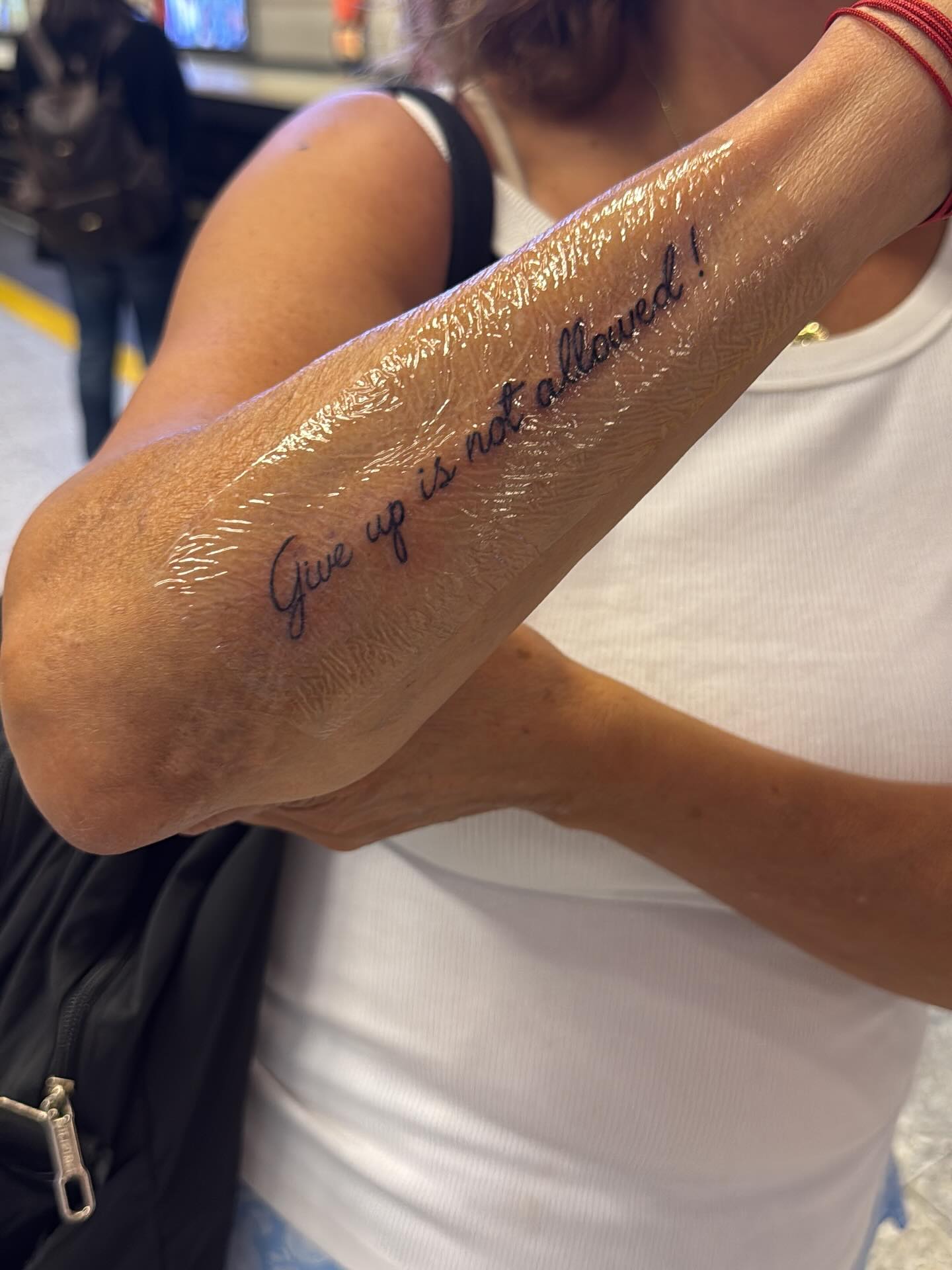
The first time an artist sealed my forearm under a sheet of clear film and told me not to peel it off for five days, I assumed I was being upsold. Saniderm turned out to be the single biggest improvement to my first week of tattoo aftercare in more than a decade of getting tattooed.
Saniderm is a breathable, waterproof polyurethane bandage. The same product sells under names like Dermshield, Recovery Derm Shield, Tegaderm and the generic “second skin”.
Used correctly, it shields a fresh wound, keeps it in a moist healing environment, and takes the messiest 48 hours of healing off your bedsheets. Used carelessly, it seals bacteria against open skin.
What follows is the full protocol as I use it and as the artists I sit with recommend it: application, timing, removal, the mistakes worth avoiding, and the honest limits. If you want the wider picture first, read our breakdown of the tattoo healing stages and come back.
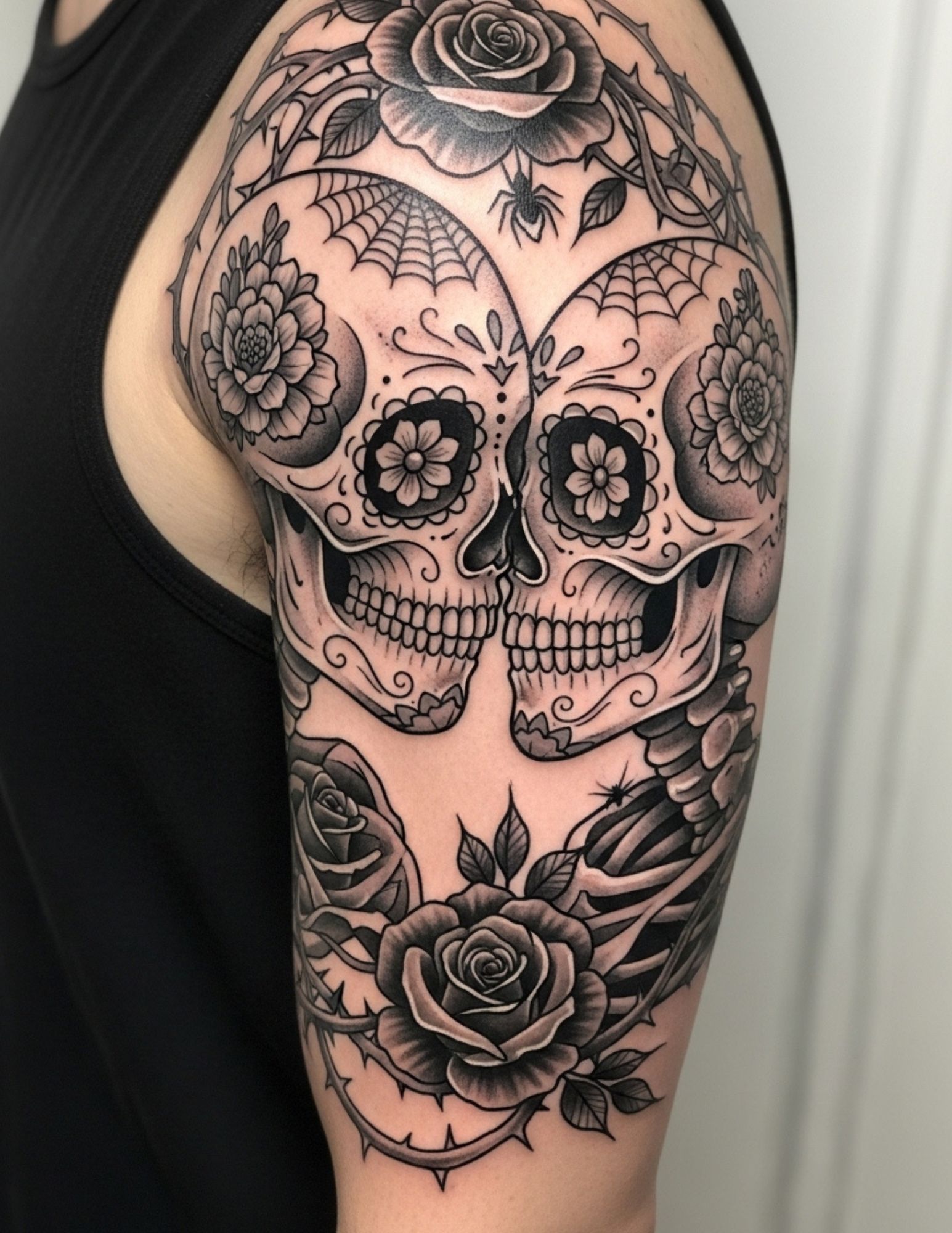
Image credit: todosxconsuelta_
Which First-Week Method Is Right for You?
Saniderm is not the only route through week one, and it is not automatically the best one for every person or every piece.
| Method | Typical Wear Time | Suits | Main Drawback |
|---|---|---|---|
| Saniderm / second skin | 24 hours, then a second piece for 3–6 days | Large blackwork, colour packing, ribs, feet, backs of knees | Adhesive reactions; cost per sheet |
| Cling film (plastic wrap) | 2–4 hours maximum | The journey home from the studio, nothing longer | Not breathable — unsafe for overnight wear |
| Wrap and ointment routine | Washed and re-creamed 2–3 times daily for 2 weeks | Adhesive-sensitive skin; small pieces | Labour-intensive, messy, easy to over-apply cream |
| Dry healing | No covering after day one | Small fine-line work on people who react to everything | Heavier scabbing and itch; ink loss if scabs are picked |
In my experience the gap between these methods narrows on small tattoos and widens sharply on big ones. A four-hour blackwork session is where second skin earns its price.
Why the First Week Decides How a Tattoo Looks
A new tattoo is an open wound spread across a wide surface area. Thousands of needle passes have broken the epidermis and deposited pigment in the dermis beneath it.
The body responds by pushing plasma to the surface. Left to dry in the air, that plasma hardens into scabs, and scabs are the enemy of clean line work.
Every patch of ink that comes away attached to a scab is ink you paid for and will not get back without a touch-up. That is the failure mode Saniderm is designed to prevent.
Moist wound healing is a long-established principle in wound care, not a tattoo-industry invention. Keeping a wound covered and hydrated generally lets new skin cells migrate across it more easily than a dry, crusted surface does.
The other half of the job is contamination. Bedding, pet hair, gym equipment and unwashed hands all reach a fresh tattoo, and how long that risk lasts is covered in our guide to how long a tattoo takes to heal.
How to Use Saniderm, Step by Step
Before You Leave the Studio
The first sheet is applied by your artist, on clean skin, minutes after the last line is finished. This is the application that matters most, because it covers the window when the wound is most exposed.
Ask two questions before you walk out: how long this first piece stays on, and whether they want you to apply a second one. Artists genuinely differ here, and their instruction beats anything you read online — including this article.
Ask what brand they used, too. Sheet sizes and adhesive strength vary between Saniderm and its competitors, and matching the second piece to the first saves guesswork.
Cleaning and Drying the Skin
Adhesive film sticks to dry skin and slides off damp skin. This step is where most self-applications fail.
Wash the tattoo and a wide margin of surrounding skin with lukewarm water and a fragrance-free antibacterial soap, using clean hands rather than a cloth or sponge.
Pat dry with a fresh paper towel, then wait. I give it a full five to ten minutes in still air — the skin feels dry long before it actually is.
Do not apply any ointment, balm or lotion under the film. Grease breaks the adhesive seal and there is nothing for a moisturiser to do inside a sealed moist environment.
Applying the Sheet Without Air Bubbles
Cut a piece that leaves at least 2–3cm of clear film beyond the tattoo on every side. A sheet that stops at the edge of the ink will lift within hours.
Peel the backing away gradually rather than all at once, laying the film down as you go so it cannot fold back onto itself.
Smooth from the centre outward with the flat of your hand, pushing air toward the edges. Small bubbles over solid skin are cosmetic; bubbles over the tattoo itself mean the film is not sealed there.
Keep the limb relaxed and in a neutral position while you apply. Film stretched over a flexed bicep will pull and lift the moment the arm straightens — a mistake I have made twice.
The First 24 Hours and the First Change
The most common protocol I hear from artists is 24 hours in the first sheet, then a fresh sheet worn for a further three to six days.
Some artists prefer one long-wear application of five to seven days and no change at all. Both approaches work; mixing instructions from two artists is what causes problems.
Take the film off early if it develops a genuine leak, if a large section lifts, or if the skin under it becomes hot, intensely itchy or angrily red at the borders.
Cling film, by contrast, is a two-to-four-hour bandage and nothing more. If your artist sent you home in plastic wrap, our guide on how long to keep a tattoo wrapped covers the timing in detail.
What the Fluid Under the Film Means
By hour twelve the sheet will usually hold a cloudy pool of plasma, a little blood and a surprising amount of loose pigment. It looks like the tattoo is dissolving.
It is not. That pigment is surface residue the skin was never going to keep, and the ink sitting in the dermis is unaffected.
The fluid should be cloudy or ink-tinted, never yellow-green, thick, or foul-smelling. Those last three are signs to remove the film, wash the area and speak to your artist or a doctor rather than wait it out.
The second sheet collects far less. By days five to six it is normally close to clear, which is the cue that the surface has closed.
Removing Saniderm Without Lifting Skin
Medical adhesive does not behave like a plaster, and ripping it off can tear away skin that has only just knitted.
Do it in a warm shower. Let water run over the film for a minute or two first — heat and moisture soften the adhesive dramatically.
Lift one corner, then pull the film back low and flat against the skin, in the direction of hair growth, while pressing the skin down just ahead of the peel with your other hand.
Wash away the residue with your fingertips and unscented soap, then pat dry. The whole removal should take two or three unhurried minutes.
After the Final Piece Comes Off
Skin that has spent a week under film usually looks further along than skin healed with wrap and ointment. Expect a smooth, slightly shiny surface rather than heavy flaking.
You move straight into ordinary maintenance: a thin layer of fragrance-free moisturiser once or twice a day for two to three weeks. Our roundup of the best lotion for tattoos covers what to look for.
Some light flaking and a dull, matte phase are still normal. The deeper dermal layers keep remodelling for weeks whatever you covered the surface with.
Alternatives and Variations
Other Second-Skin Brands
Dermshield, Recovery Derm Shield, Tegaderm and various studio-branded rolls all use the same basic polyurethane-and-acrylic-adhesive construction.
Differences I notice in practice are sheet width, backing design and how aggressive the adhesive feels on removal. If one brand irritates your skin, another sometimes will not.
The Single Long-Wear Application
Some artists apply one large sheet and ask you not to touch it for five to seven days, accepting the fluid build-up rather than changing at 24 hours.
It works, and it removes the risk of a botched self-application. It also means living with a cloudy window over your new tattoo for the better part of a week.
Traditional Wrap and Ointment
The classic routine — wash, pat dry, thin layer of ointment, repeat two or three times a day — still produces excellent results in careful hands.
It is the default fallback for anyone whose skin reacts to adhesive, and our guide to Aquaphor tattoo healing walks through the version most studios recommend.
Dry Healing
Dry healing means no covering and no product after the first day, letting the tattoo scab and flake naturally.
I would only consider it on small, lightly worked fine-line pieces, and only for people who genuinely cannot tolerate anything else. Thicker scabs mean more itch and more temptation to pick.
Tips That Make Saniderm Work Better
Buy sheets a size wider than you think you need. Trimming a large piece down is easy; taping two small pieces together leaves a seam that leaks, which I learned the expensive way on a thigh panel.
If you have any history of adhesive or plaster reactions, stick a small test square on untattooed skin a day or two before your appointment. Reactions usually show as redness and itching along the film’s border within a few hours.
Showering is fine — the film is waterproof — but soaking is not. Baths, hot tubs, lakes and pools all put prolonged pressure on the seal, and our guide on how long after a tattoo you can swim explains why that wait extends past the bandage.
Keep the finished tattoo out of direct sun and off sunbeds while it settles, and use high-factor sunscreen on it for life once healed. The American Academy of Dermatology and the US Food and Drug Administration both publish general guidance on tattoo risks worth reading before your first session.
Common Mistakes — and What to Do If You’re Still Not Sure
The mistake I see most often is applying a second sheet to skin that is still faintly damp. It lifts overnight and the wearer blames the product.
The second is leaving a leaking sheet on because the instructions said five days. Once the seal is broken, the film is holding fluid against a wound with an open route in — take it off, wash, and either re-apply cleanly or switch to a wrap-and-ointment routine.
The third is putting ointment underneath. It defeats the adhesive and does nothing useful; save it for after the film comes off, using a standard tattoo aftercare routine.
If patchiness or faded sections remain once the tattoo has fully settled — usually a month or more later — that is a conversation with your artist, not a healing problem. Our guide on how often tattoos need a touch-up sets realistic expectations, and if you are planning your first piece, how to prepare for a tattoo covers what to sort out beforehand.
Spreading redness, throbbing pain that worsens after day three, pus, or a fever are not normal healing. This article is general information rather than medical advice — see a doctor promptly if any of that appears.
Frequently Asked Questions
How long should Saniderm stay on a new tattoo?
The most common protocol is 24 hours for the first sheet, followed by a fresh sheet worn for another three to six days. Some artists prefer a single application left in place for five to seven days instead. Both are widely used and both work when followed consistently. Follow your own artist’s instruction rather than mixing the two, and remove the film early if it leaks or lifts badly.
Why is there cloudy fluid trapped under the bandage?
That is plasma, a small amount of blood and loose surface pigment that the tattoo weeps in the first day or two. It looks dramatic but it is the expected result of sealing a fresh wound. The ink held in the dermis is not going anywhere. Fluid that turns yellow-green, thickens or smells is a different matter and warrants removing the film and getting advice.
Can I shower and exercise with Saniderm on?
Showering is fine, since the film is waterproof, and it is the easiest way to keep the surrounding skin clean. Soaking in baths, pools or hot tubs is not, because prolonged immersion works the adhesive loose at the edges. Light exercise is usually manageable, though heavy sweating and friction against gym equipment can break the seal. Check the borders after any workout.
What if my skin reacts to the adhesive?
Adhesive reactions are uncommon but real, and they usually appear as redness, itching or small bumps along the edge of the film within the first few hours. Remove the bandage, wash the area gently and switch to a wrap-and-ointment routine. A test patch on untattooed skin before your appointment is the simplest way to find out in advance. If irritation spreads or blisters, see a doctor.
Can I apply Saniderm days after getting tattooed?
It is best applied to clean skin immediately after the session, which is why your artist does the first one. Applying it later, once scabs have already formed, traps that dried material against the tattoo and gives you little benefit. If you missed the window by a day or so, ask your artist before improvising. Past that point, a conventional wash-and-moisturise routine is the safer choice.
Quick Summary
- Saniderm is a breathable, waterproof polyurethane film that seals a fresh tattoo in a moist healing environment.
- Your artist applies the first sheet in the studio; that application matters most.
- Typical protocol is 24 hours in the first sheet, then a fresh one for three to six days.
- Skin must be washed and completely dry before any sheet goes on, with no ointment underneath.
- Leave 2–3cm of clear film beyond the tattoo on every side and smooth from the centre outward.
- Cloudy plasma and loose ink under the film are normal; yellow-green fluid, heat or spreading redness are not.
- Remove it slowly in a warm shower, pulling low and flat in the direction of hair growth.
- After the last sheet, move to a thin fragrance-free moisturiser and keep the tattoo out of the sun.