
Tattoo pain is real and the range of experience is genuinely wide. The same placement on two different people can register as mild discomfort for one and intense pain for the other. Skin thickness, proximity to bone, the individual’s nervous system, and the artist’s technique all contribute. What you can control is your preparation, your mindset, and how you manage the session itself.
These 18 tips are based on what actually makes a difference rather than what sounds reassuring.
Before the Session
1. Sleep Well the Night Before
Your pain tolerance is directly affected by sleep deprivation. A person who slept poorly processes pain more intensely than the same person well rested. This is not a placebo effect: it is the actual relationship between sleep and the pain processing systems of the nervous system. Get a full night’s sleep before your session. The difference is measurable.
2. Eat a Proper Meal Two Hours Before
Low blood sugar intensifies the physical stress response to pain. Eat a substantial meal with protein and complex carbohydrates two hours before your appointment. Not immediately before (nausea is possible during intense tattoo sessions) but close enough that your blood sugar is stable throughout. Arriving hungry is one of the most common and most avoidable preparation mistakes.
3. Stay Hydrated
Well-hydrated skin responds better to tattooing and hydrated bodies manage stress more effectively. Drink water consistently in the days before your session, not just the morning of. Hydrated skin takes ink more consistently and may bleed slightly less during the session.
4. Avoid Alcohol for 24 Hours Before
Alcohol thins the blood (making bleeding during the session more significant) and disrupts sleep quality even when it helps with initial sleep onset. It does not reduce tattoo pain and actively makes the session worse in multiple ways. Avoid it the day before and the night before your appointment.

5. Moisturise Your Skin in the Days Before
Well-moisturised skin accepts ink more evenly and may require fewer passes of the needle over the same area. Begin moisturising the placement area consistently starting three to five days before your session. Not on the day itself (wet skin can cause issues) but in the days leading up.
6. Consider Numbing Cream for Sensitive Placements
Topical numbing creams containing lidocaine are available over the counter and can meaningfully reduce surface pain for the first hour to ninety minutes of a session. They are most useful for placements known to be painful: ribs, spine, feet, inner arm. Apply according to the product directions, usually one to two hours before the session begins. Discuss with your artist before using, as some numbing products can affect skin texture and ink absorption.
7. Choose Your Artist Carefully
An artist with a heavy, inconsistent hand causes more pain than an equally skilled artist with a light, consistent technique. The same design placed by two different artists can produce significantly different pain experiences. An artist who works efficiently, completing clean lines without excessive revisiting, is typically less painful to sit for. Ask other clients about an artist’s comfort level before booking.
During the Session
8. Breathe Deliberately
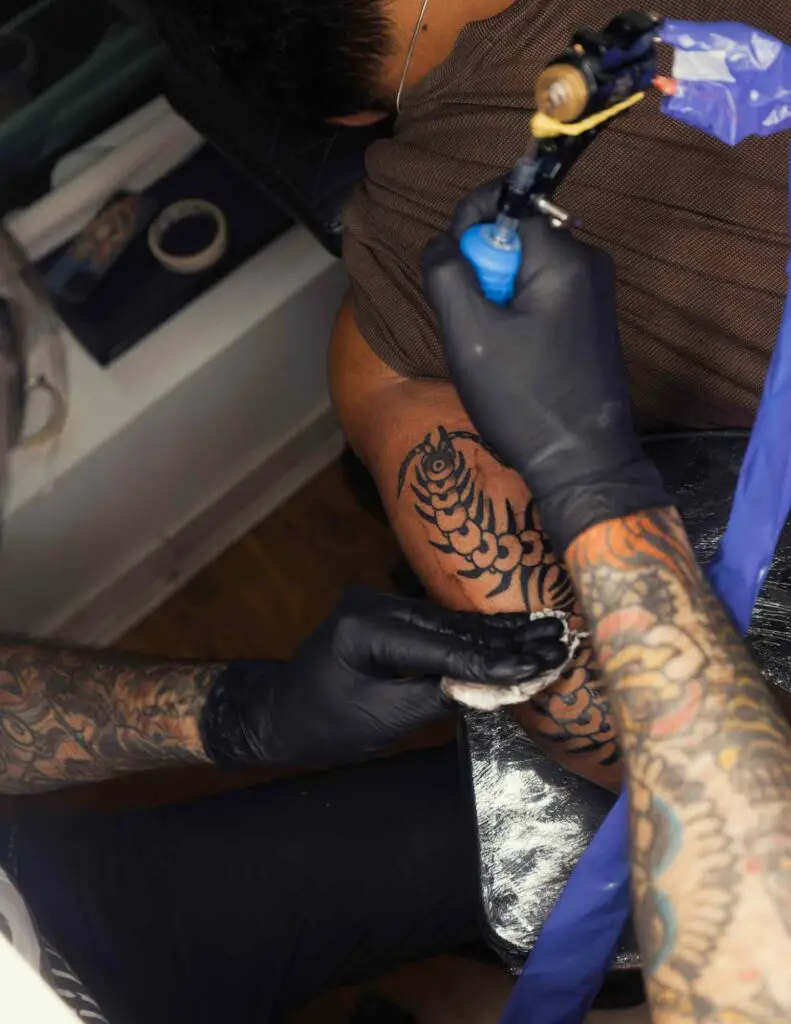
Controlled breathing is the most accessible pain management tool available. Deep, slow exhalation reduces the stress response and activates the parasympathetic nervous system. Box breathing (four counts in, four counts hold, four counts out, four counts hold) gives the mind something to focus on beyond the sensation. The breath is always available. Use it.
9. Do Not Tense Against the Pain
Tensing muscles during a tattoo increases discomfort and makes the artist’s work harder. The instinct is to tighten against pain, but the actual effect is to restrict blood flow and amplify the sensation. Consciously release muscle tension in the area being tattooed and in your shoulders, hands, and jaw. A tense jaw is a common holding point: relax it.
10. Ask for Breaks When Needed
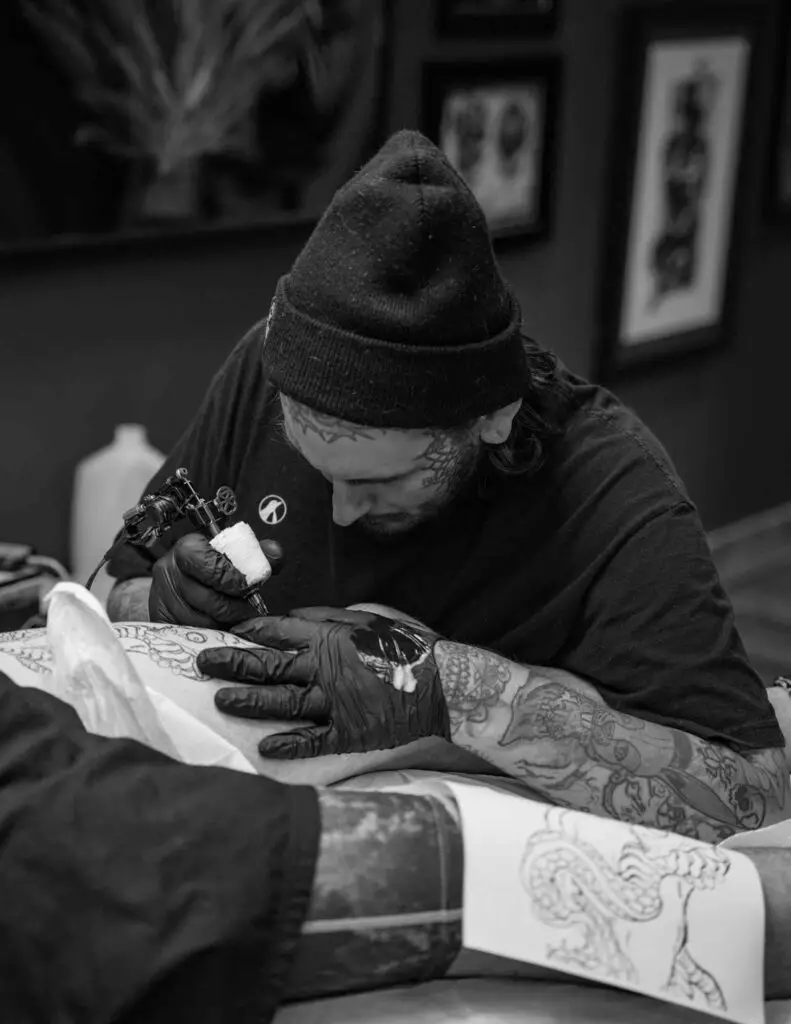
Taking a break during a long session is not weakness. It is practical management. The body’s adrenaline response to sustained pain depletes over time: the first thirty minutes of a session are often more manageable than the second hour. A five-minute break allows adrenaline to partially restore and blood sugar to stabilise. Most artists will break on request without judgment.
11. Bring Snacks and Sugary Drinks
A small sugary drink (juice, a non-caffeinated soda) or snack during a long session maintains blood sugar and counters the light-headedness that extended adrenaline depletion can cause. Some studios provide this; bring your own to be certain. The sugar hit during a difficult stretch of a session makes a measurable difference.
12. Distract Your Mind
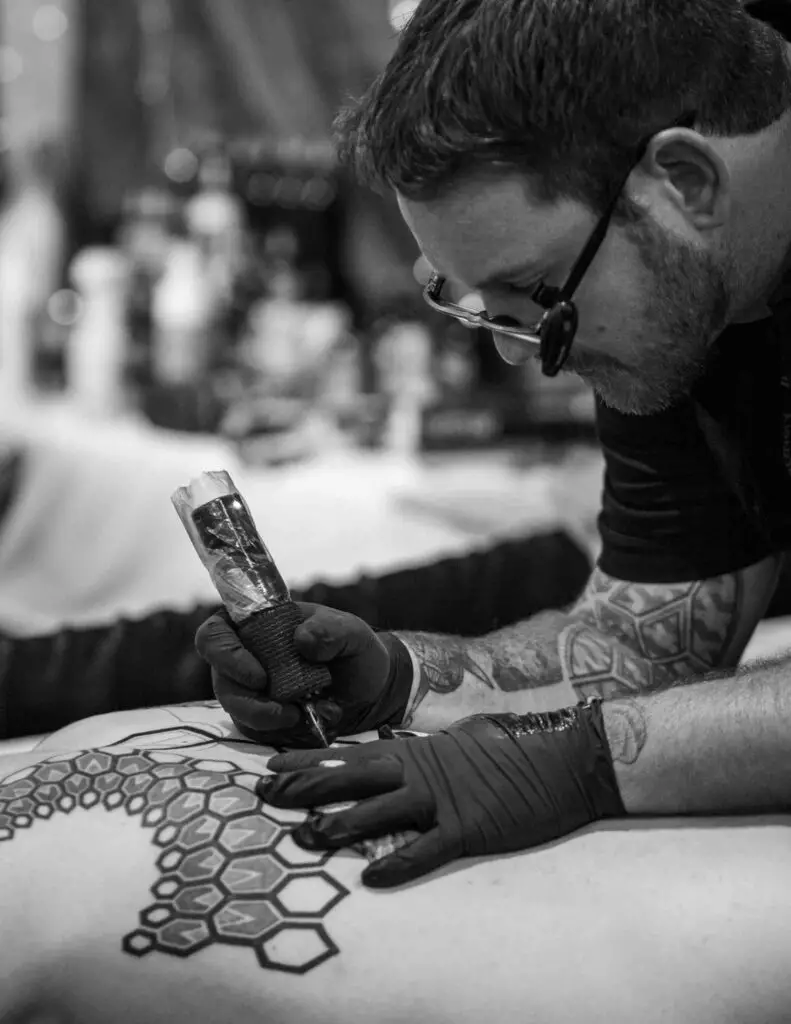
Focused attention on pain intensifies it. Distraction reduces it. Bring headphones and a playlist, podcast, or audiobook. Talk to your artist if conversation is welcomed. Count ceiling tiles. The mind that is occupied elsewhere processes pain signals at lower intensity than the mind that is focused on the needle.
13. Position Yourself Comfortably
Muscle fatigue from holding an uncomfortable position adds a second source of discomfort on top of the tattoo itself. Discuss positioning with your artist before the session begins. If a proposed position will be difficult to hold for the duration, say so. Good artists will find alternative positions that work for both the access they need and your comfort.
14. Communicate With Your Artist
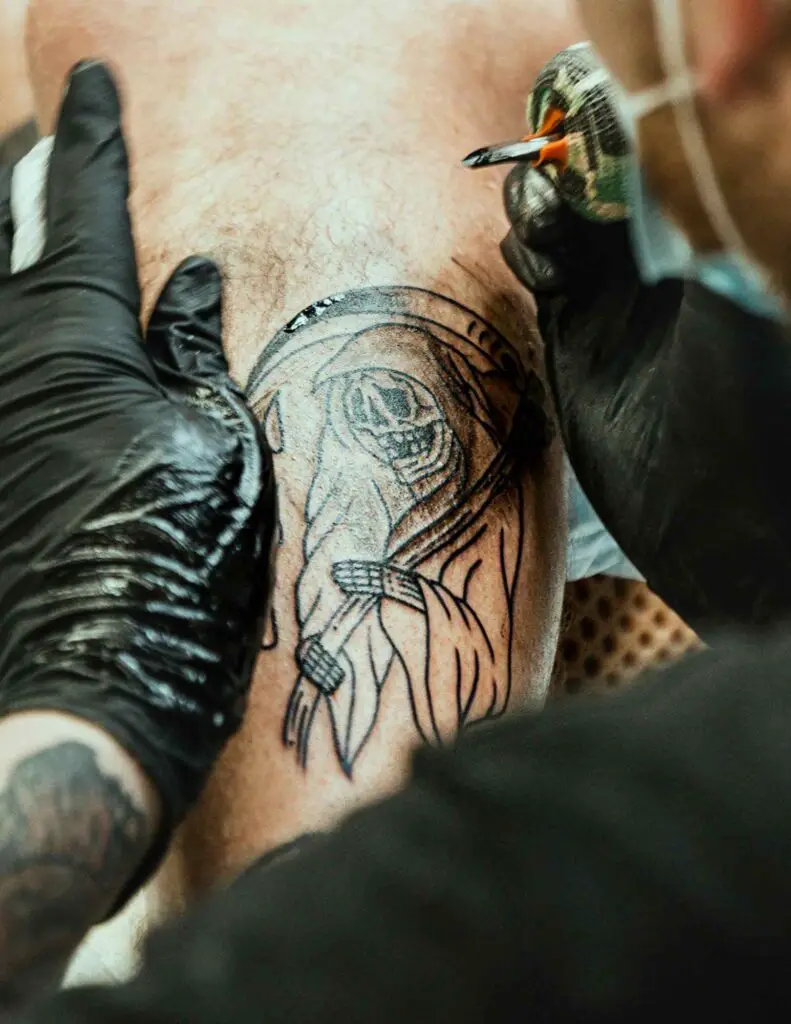
Your artist cannot manage what they do not know. If a specific area is more painful than expected, if you need to stop, if you are feeling light-headed, say so. Experienced tattoo artists have managed all of these situations many times and have strategies for each. Suffering in silence during a session helps no one and can lead to outcomes that require the session to stop prematurely.
After the Session
15. Eat and Drink Immediately After
The body has been in a sustained stress state. Eating and drinking immediately after the session begins the recovery process. Blood sugar restoration and rehydration reduce the post-session fatigue and occasional nausea that some people experience after long or intense sessions.
16. Rest on Session Days
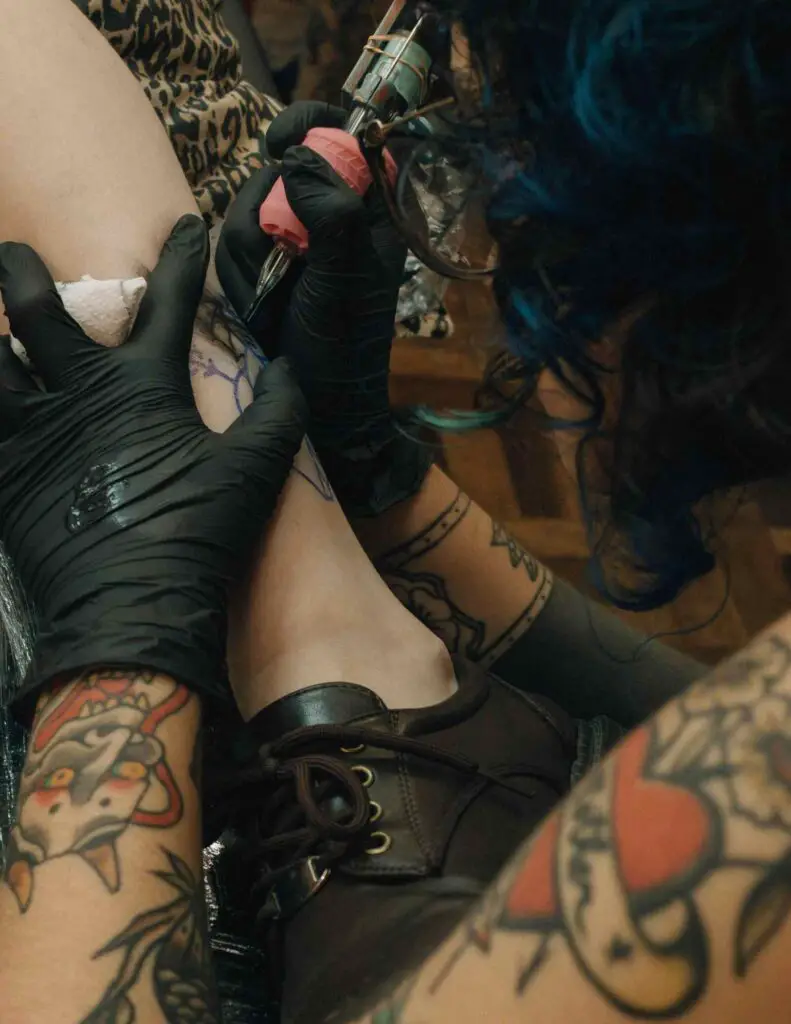
Plan your tattoo sessions for days when you can rest afterward. The body’s recovery from a tattooing session is real: the immune system is responding to what is effectively a controlled wound, and energy is being directed to that response. Physical exertion immediately after a session extends the recovery period and increases discomfort.
17. Follow Aftercare Instructions Precisely
The discomfort of healing is separate from the pain of the session, but poor aftercare makes it worse and longer. Follow your artist’s aftercare instructions exactly. Do not pick at the healing skin. Keep the tattoo clean and moisturised as directed. The healing discomfort, itching and tightness primarily, peaks around days three to five and reduces significantly after the surface skin has shed.
18. Plan Your Next Session Strategically
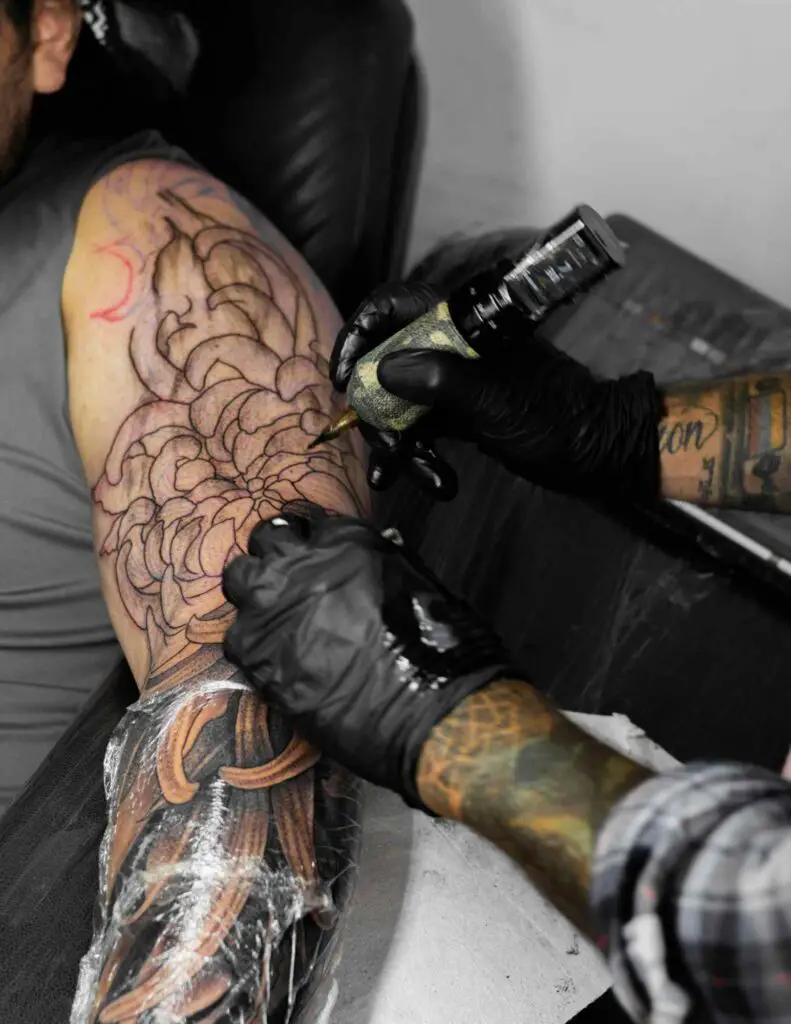
If a session was harder than expected, use that information for the next one. A painful rib session can be broken into shorter appointments. A painful session that coincided with poor sleep can be rescheduled for a time when sleep will be better. The session you dread can almost always be made more manageable through preparation rather than just endurance. Work with your artist to plan in advance.
Placement Pain Reference
As a general guide, the most painful placements tend to be: ribs, spine, sternum, feet, inner elbow, back of knee, neck, and hands. Less painful placements include: outer upper arm, thigh, calf, and upper back. Inner placements (where skin is thinner) are typically more painful than outer placements. Over bone is almost always more painful than over muscle. This is a general pattern and individual variation is significant: know your own body and plan accordingly.