
Ankle tattoos have long held a special place in the world of body art, especially among women who seek a harmonious balance of elegance, mystery, and self-expression.
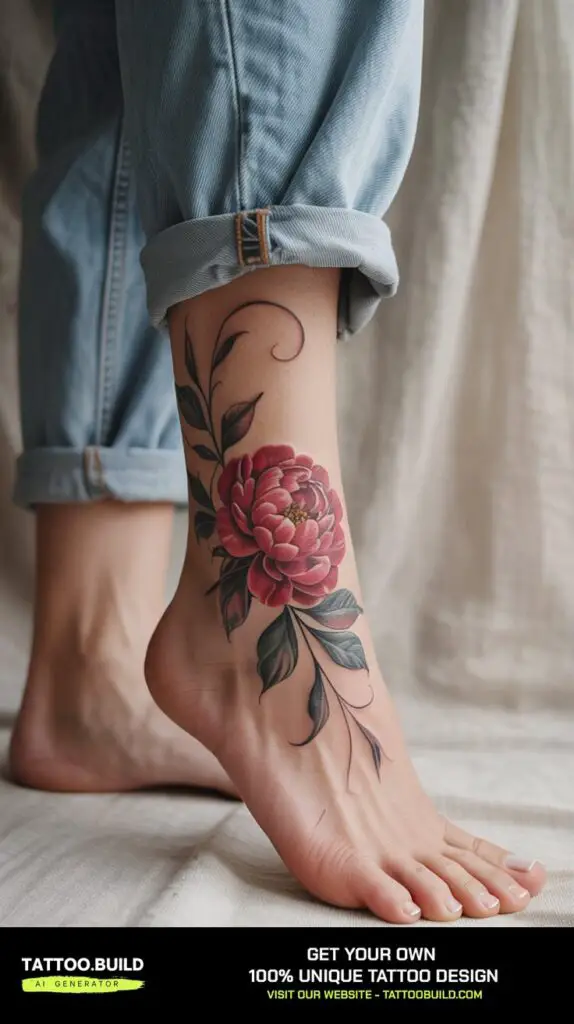
Though the ankle may be a smaller, more discreet canvas compared to other areas of the body, it is by no means limited in its potential for creativity or meaning. In fact, the ankle’s natural curvature, visibility, and mobility offer a uniquely charming appeal—allowing for tattoos that are both intimate and visually striking.
Why the Ankle Holds Such Allure

The ankle is not just a practical location for tattoos—it’s a place loaded with symbolic and stylistic significance. It’s close to the ground, yet feminine.
It’s a body part often adorned with jewelry like anklets, which makes it a natural fit for permanent decorative ink. For many women, the ankle represents freedom, grounding, or movement—both literal and metaphorical.
One of the primary reasons women choose ankle tattoos is the versatility of the placement. Whether you want something small and minimalist or an ornate band that wraps around the ankle bone, the area lends itself well to different styles.
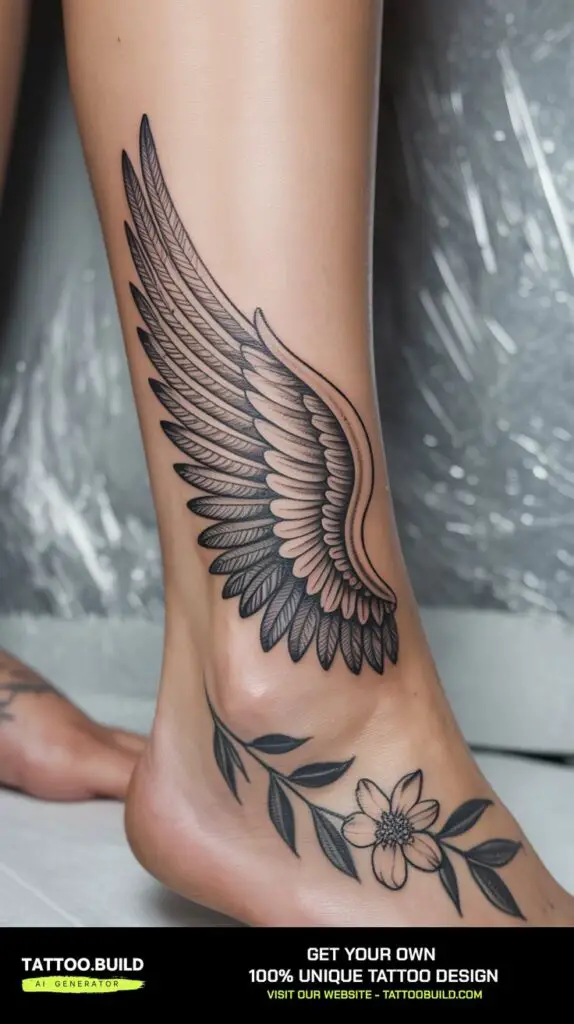
It can accommodate single designs or complex compositions that spill over into the foot or the lower leg. Additionally, it provides a strategic location for those who prefer tattoos that can be easily concealed or revealed.

There’s also something timeless about ankle tattoos. They’ve never gone out of fashion, evolving with trends while maintaining their core appeal. From traditional cultural symbols to modern fine-line minimalism, the ankle has served as a canvas for thousands of unique stories and personal milestones.
The Timeless Charm of Floral Ankle Tattoos

Flowers have always been one of the most popular motifs in tattooing, and their popularity among ankle tattoos is no surprise.
There’s something deeply poetic about placing a delicate blossom on such a graceful part of the body. Beyond aesthetics, flowers carry rich meanings, with each species symbolizing something different.

A cherry blossom, for instance, reflects the fleeting nature of life and beauty, capturing a sense of fragility and appreciation for the present moment.
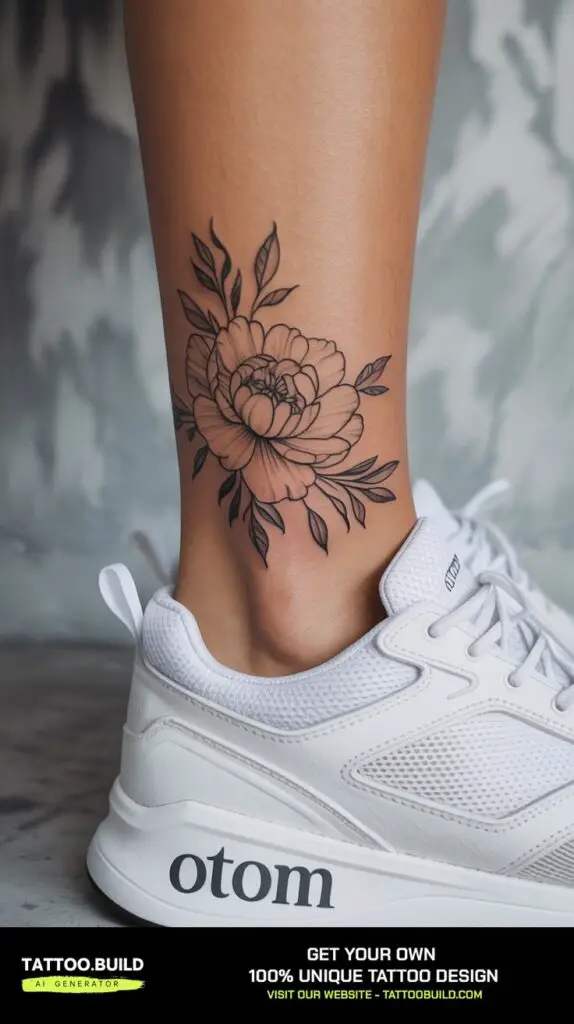
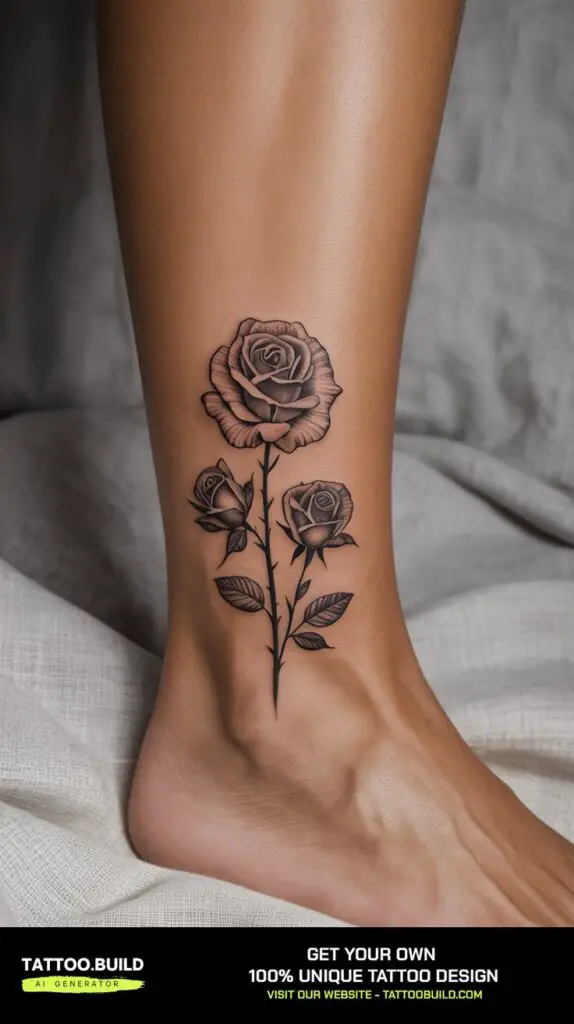
A single rose may signify love, desire, or loss—depending on its color and whether it is shown in bloom or decay. Lavender, with its long slender stems, lends itself beautifully to the ankle’s vertical flow and symbolizes calm, purity, and devotion.
Many women choose to personalize their floral ankle tattoos by combining different flowers to reflect the birth months of loved ones, or to represent the qualities they aspire to embody. Adding leaves, vines, or even small bees and butterflies can elevate a simple flower design into a miniature ecosystem of meaning.
Symbols That Speak Volumes

Small symbolic tattoos are especially powerful when placed on the ankle. The discreet size of the canvas naturally invites designs that are subtle yet significant.
A tiny anchor, for instance, might represent stability or a connection to the sea. A compass could serve as a symbol of direction and purpose. A feather often signifies freedom or the soul’s journey.
Celestial symbols like the moon, sun, and stars are particularly evocative in ankle tattoos. The moon, especially in its crescent form, symbolizes femininity, cycles, and intuition. When combined with stars, it can reflect hope, dreams, and a sense of cosmic alignment.

Zodiac constellations have become a trendy option, often rendered in fine lines with subtle dots to mimic the actual star patterns. These designs are both personal and artistic—allowing a woman to literally carry her sign with her wherever she walks.
Sacred geometry and minimalist spiritual symbols are also finding their way onto ankles. Mandalas, which represent balance and the universe, can be shrunk down into ankle-friendly sizes without losing their mesmerizing detail.
The lotus flower, deeply rooted in Eastern spirituality, symbolizes purity, enlightenment, and rebirth—especially poignant when tattooed near the foot, as if rising from the earth itself.
Words That Walk With You
Script tattoos on the ankle carry a sense of intimacy and intention. A single word or short phrase, etched in elegant script, can serve as a mantra, memory, or motivation.
The ankle’s proximity to the foot makes these words feel grounded—literally supporting the wearer as she moves through life.
Many women choose empowering words like “resilient,” “grace,” “fearless,” or “breathe.” These simple reminders become sources of daily strength. Others opt for phrases in foreign languages or even quotes from books, poems, or song lyrics that hold personal significance.
The beauty of script tattoos lies in their flexibility. They can curve around the ankle bone, stretch across the inner or outer ankle, or even follow the line of the Achilles tendon.
The choice of font also plays a huge role—delicate cursive conveys softness and elegance, while bold typewritten fonts make a more assertive statement.
Some even use the ankle to preserve a handwritten word or name from a loved one—such as a parent’s signature or a child’s first attempt at writing. In this way, the tattoo becomes a deeply personal artifact, forever tied to emotion and memory.
The Elegance of Anklet-Inspired Designs
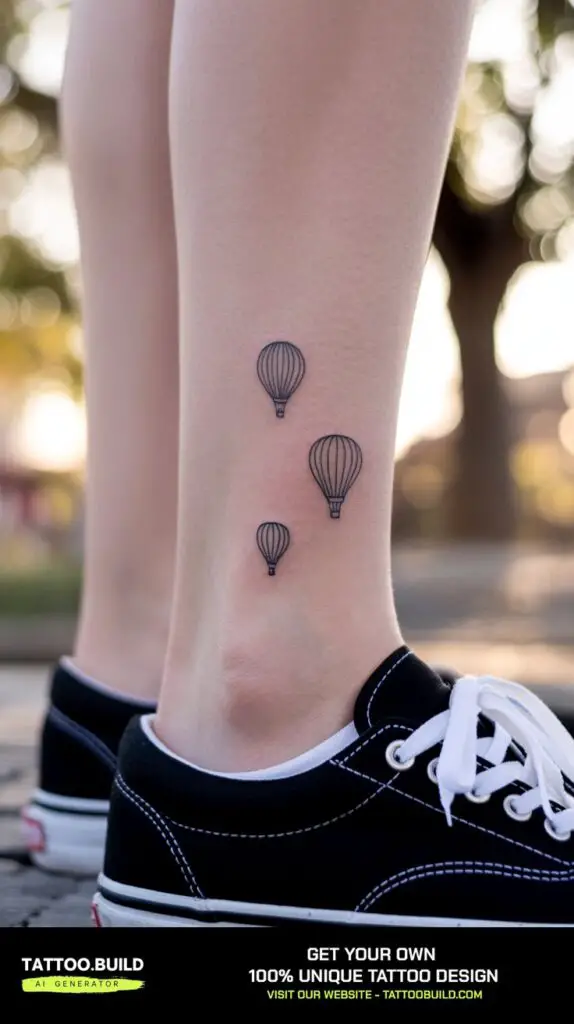
One of the most visually striking directions ankle tattoos can take is the imitation of jewelry. Ornamental and lace-like tattoos that mimic the look of anklets or foot bracelets are both beautiful and permanent.
These tattoos wrap around the ankle in a continuous band, often adorned with charms, feathers, beads, or floral patterns that dangle down like real accessories.
The appeal of these designs is not just in their beauty but in their permanence. They create the illusion of constant adornment—an unremovable piece of art that replaces traditional jewelry.
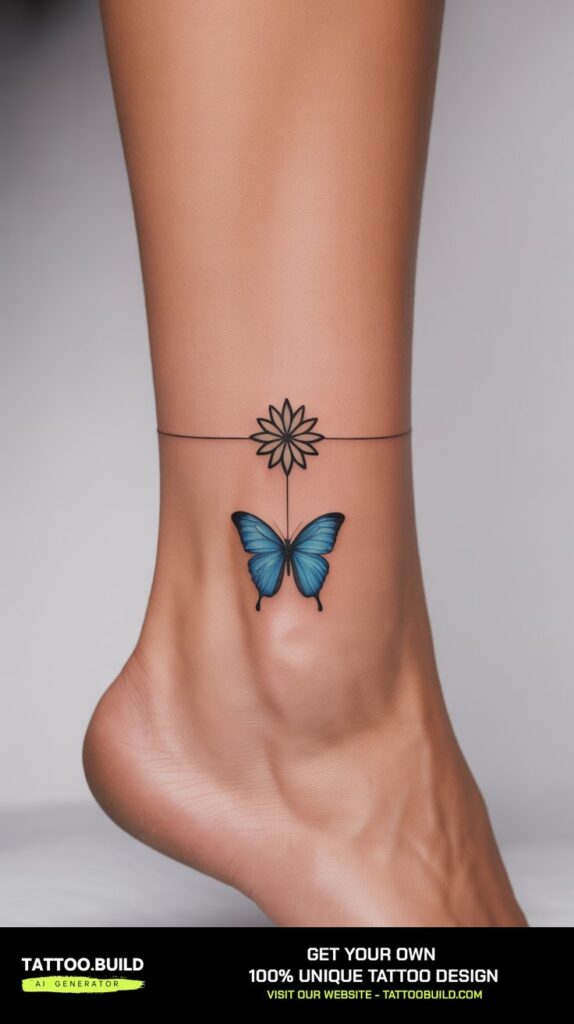
The lace or filigree patterns used in many of these designs add a sense of luxury and femininity, while also offering a nod to cultural motifs like henna or tribal jewelry.
These tattoos can be as detailed or minimalist as the wearer prefers. Some women opt for a simple line of dots or a single chain with a tiny pendant shape, while others go for elaborate mandala-infused patterns that turn the ankle into a decorative statement piece.
Cultural and Traditional Inspirations

The ankle is also a prime location for tattoos inspired by cultural heritage or traditional art. From tribal patterns to spiritual motifs, these designs often carry deep-rooted meaning and respect for ancestral symbolism.
In Polynesian culture, ankle and leg tattoos are steeped in tradition, representing identity, status, and protection. These tattoos often use geometric lines and repeating patterns to tell stories or honor lineage.

Similarly, Maori ankle tattoos may incorporate koru (spiral) patterns that symbolize new life, growth, and peace.
Henna-style ankle tattoos draw inspiration from South Asian bridal traditions, where intricate patterns are applied temporarily to the feet and ankles during weddings and festivals.
These designs often include paisleys, vines, and mandalas, and have made a graceful transition into permanent body art, especially among women who admire their detail and cultural richness.
It’s essential, however, to approach culturally inspired tattoos with respect and understanding.
Learning about the meaning and origins of these designs not only deepens the connection but ensures the tattoo is worn with integrity and honor.
Nature-Inspired Ankle Tattoos
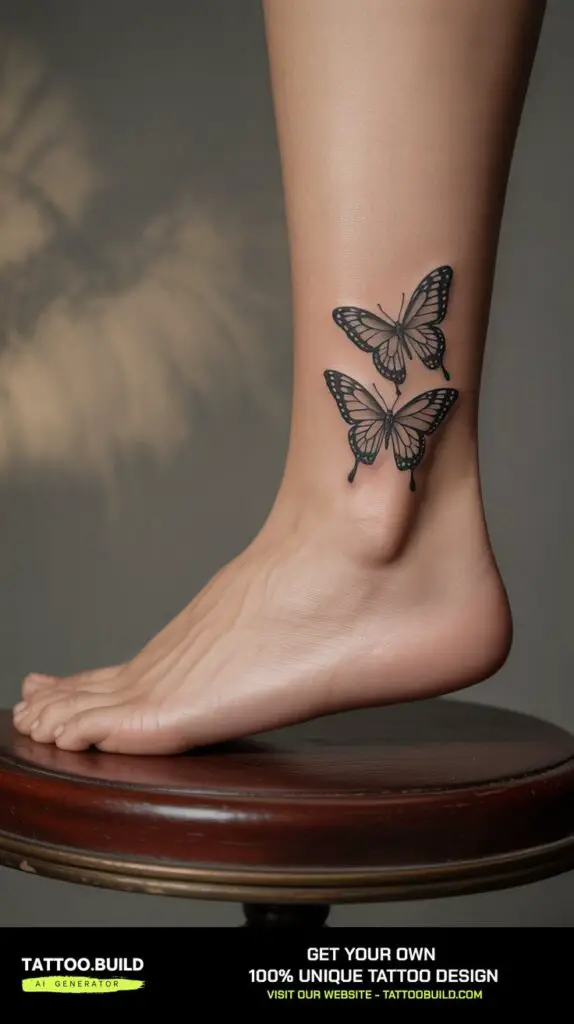
From mountain landscapes to ocean waves, nature remains a constant muse for tattoo enthusiasts.
Ankle tattoos that draw from the natural world often reflect the wearer’s personal relationship with the earth—whether it’s a passion for hiking, a love for the sea, or simply a desire to stay grounded and in tune with the elements.
A minimalist mountain range, sketched in thin black lines, may represent resilience and exploration. A small wave curling around the ankle can symbolize emotion, adaptability, or the call of the ocean.

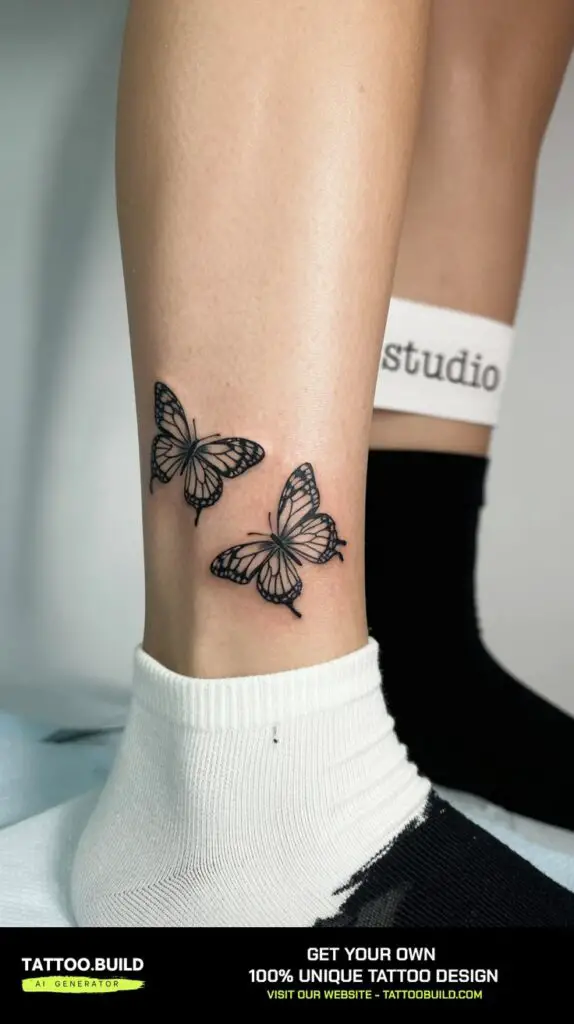
Trees, birds, butterflies, and dragonflies all carry symbolic weight and can be adapted beautifully to the ankle’s shape.
Even weather phenomena—like a small lightning bolt, raincloud, or snowflake—can hold powerful meaning. For some, they represent the beauty in chaos, the peace after storms, or the unique cycles of life and change.
These tattoos often pair well with the natural movement of the ankle and leg, creating designs that feel dynamic rather than static. The result is a piece that evolves with the wearer—just like nature itself.
Ankle Tattoos as Personal Landmarks
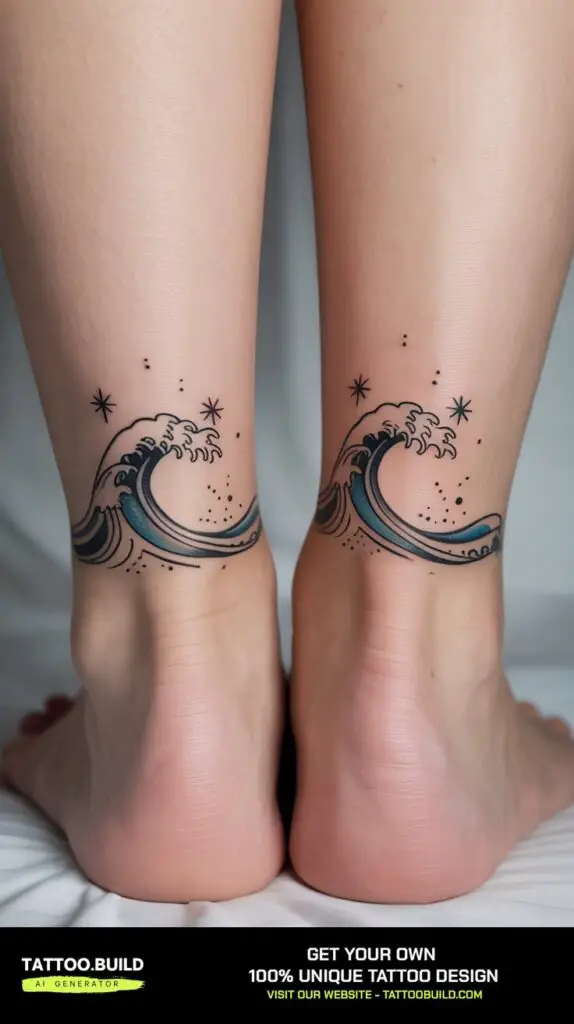
There’s a reason so many people get ankle tattoos during significant transitions in their lives. Whether it’s a graduation, the end of a relationship, a new beginning, or a tribute to someone they’ve lost, the ankle becomes a place to mark change.
Its proximity to the ground symbolizes a foundation—making it the ideal location to plant memories and carry them forward, step by step.

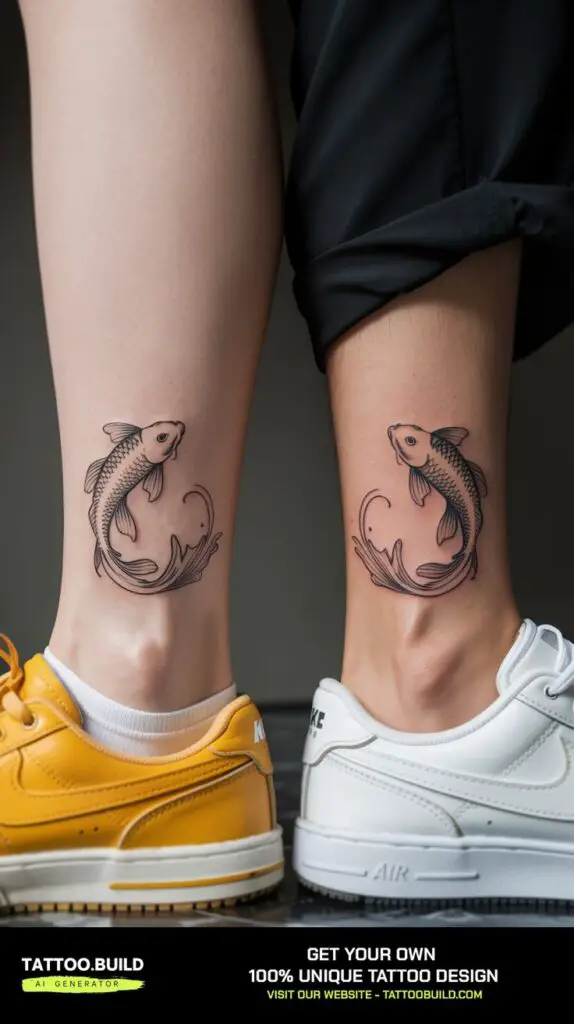
Some women choose to get matching ankle tattoos with close friends or sisters, creating a shared memory or lifelong bond. Others use ankle tattoos to track their own growth—each design marking a chapter in their personal story.
No matter the reason, ankle tattoos offer an artful and symbolic way to acknowledge the past, celebrate the present, and carry inspiration into the future.
Final Thoughts
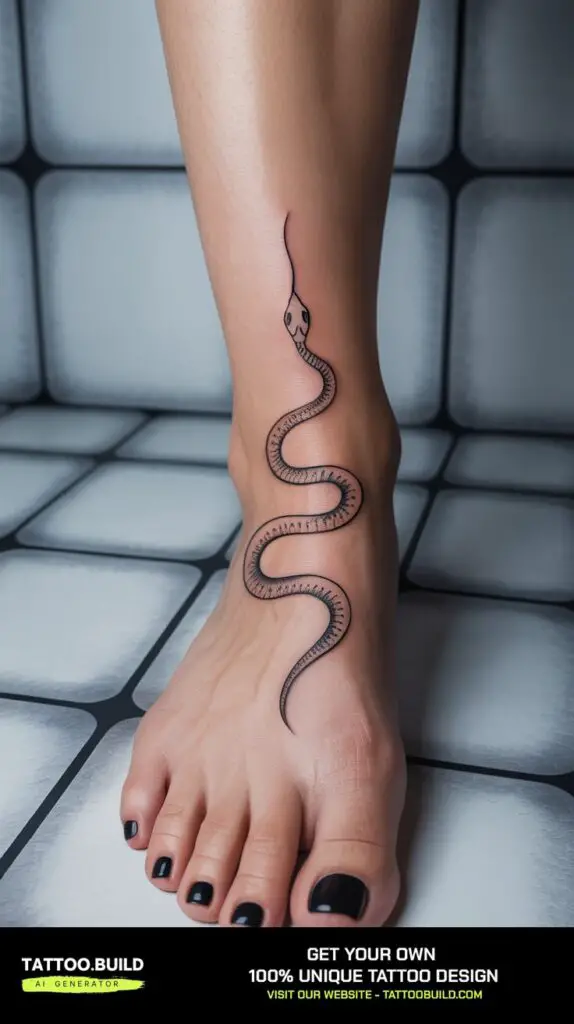
Women’s ankle tattoos embody the beautiful intersection of subtlety and symbolism. They may be small in size, but they’re expansive in meaning.
From minimalist designs to detailed ornamentation, each ankle tattoo is a piece of art—and more than that, a part of the wearer’s evolving identity.
The ankle, often overlooked as a canvas, has proven to be one of the most expressive and versatile locations for body art. It offers a space for intimate self-reflection, bold expression, and graceful design.
Whether you’re considering your first tattoo or adding to an existing collection, the ankle invites you to tell your story—not loudly, but with elegance, intention, and style.
Because in the quiet turn of an ankle, there’s a whisper of something meaningful. And sometimes, the most powerful statements are the ones made in the smallest, most graceful places.