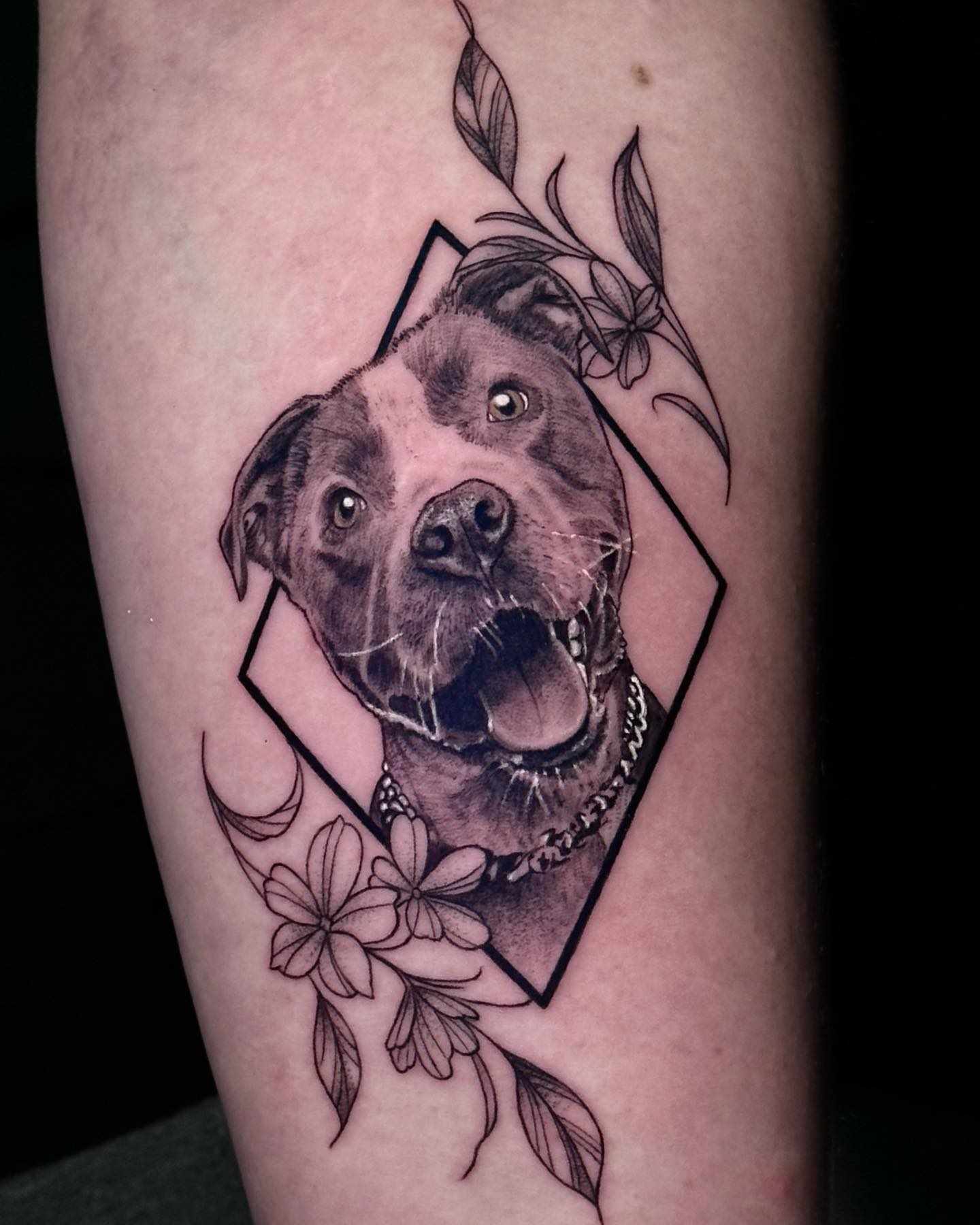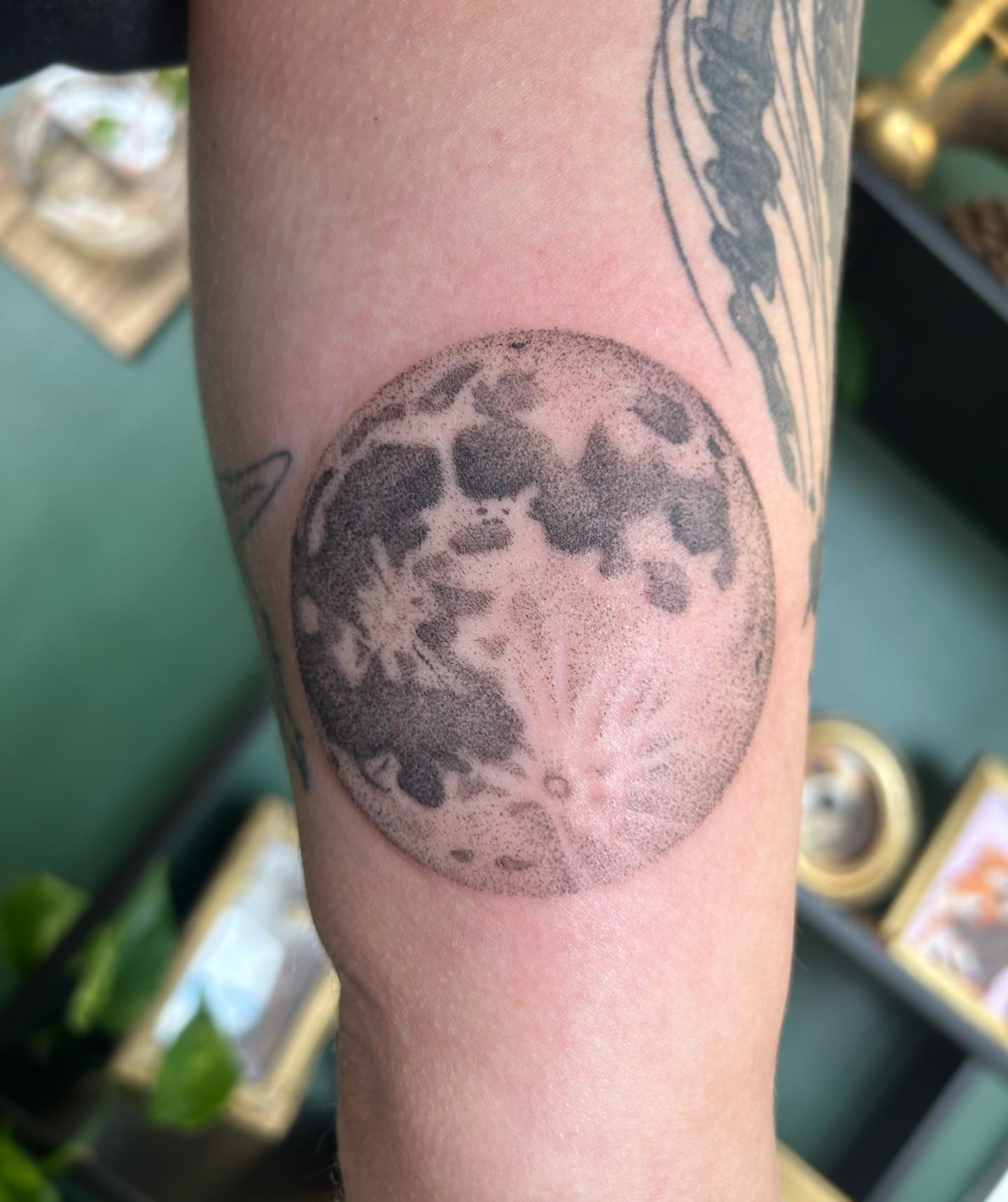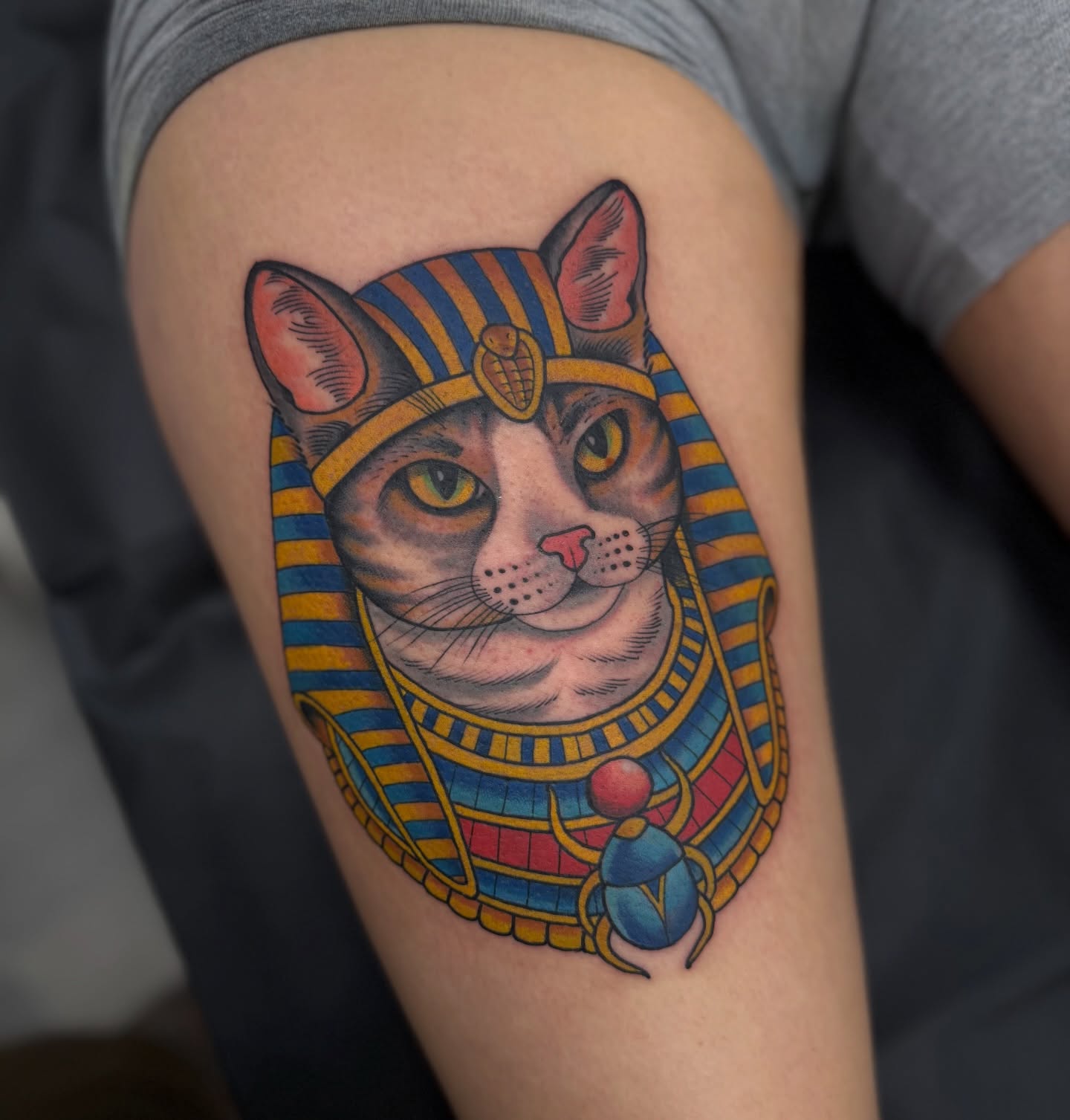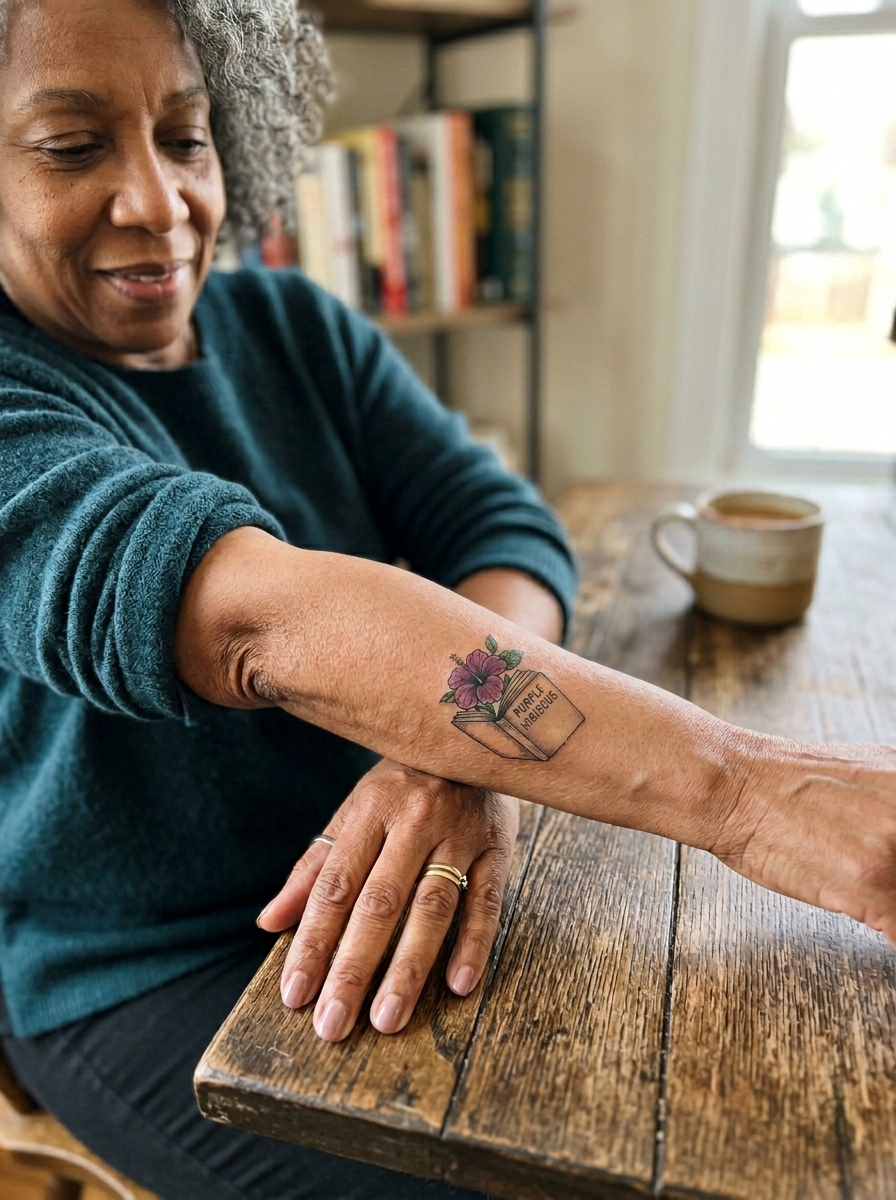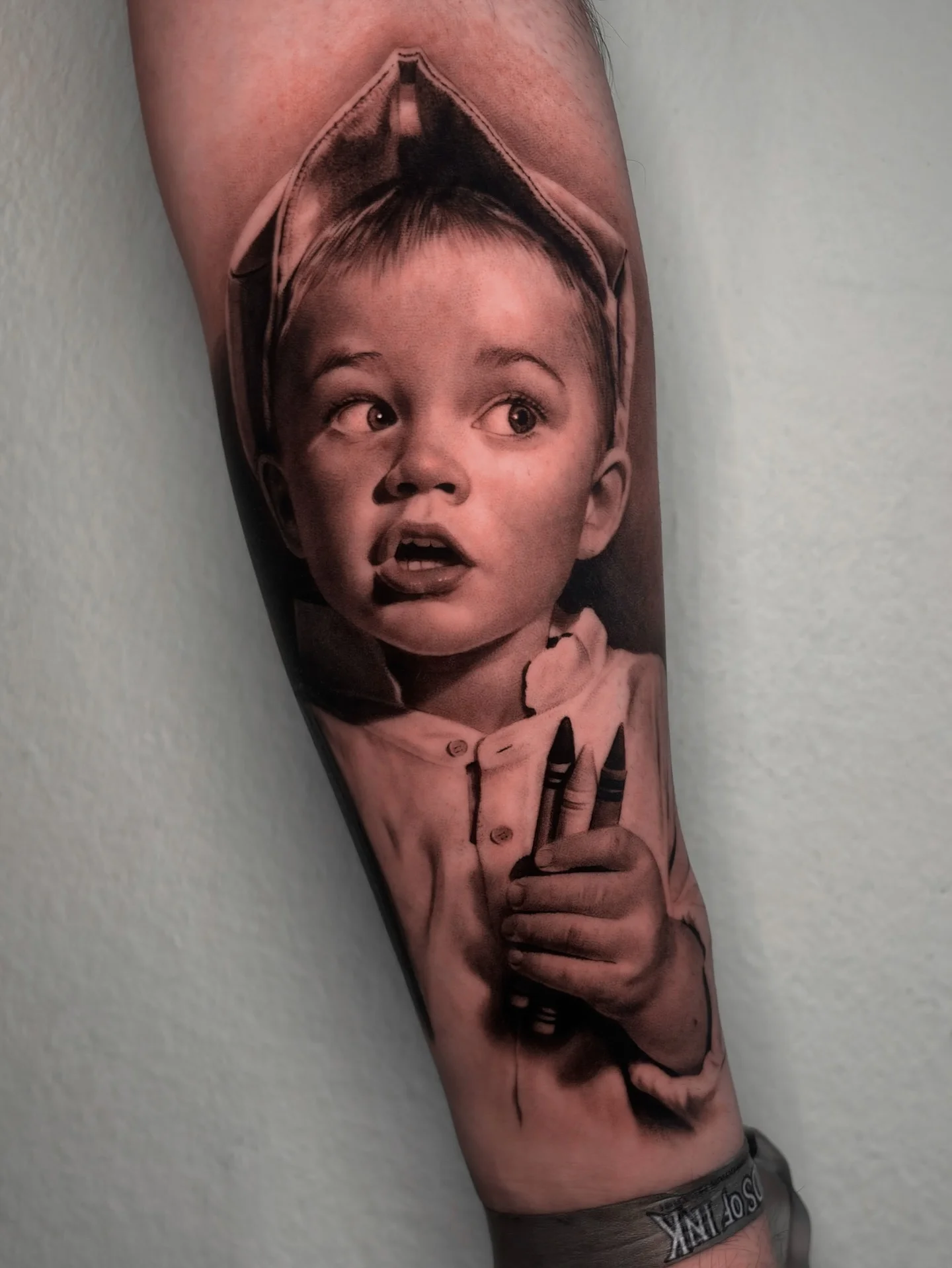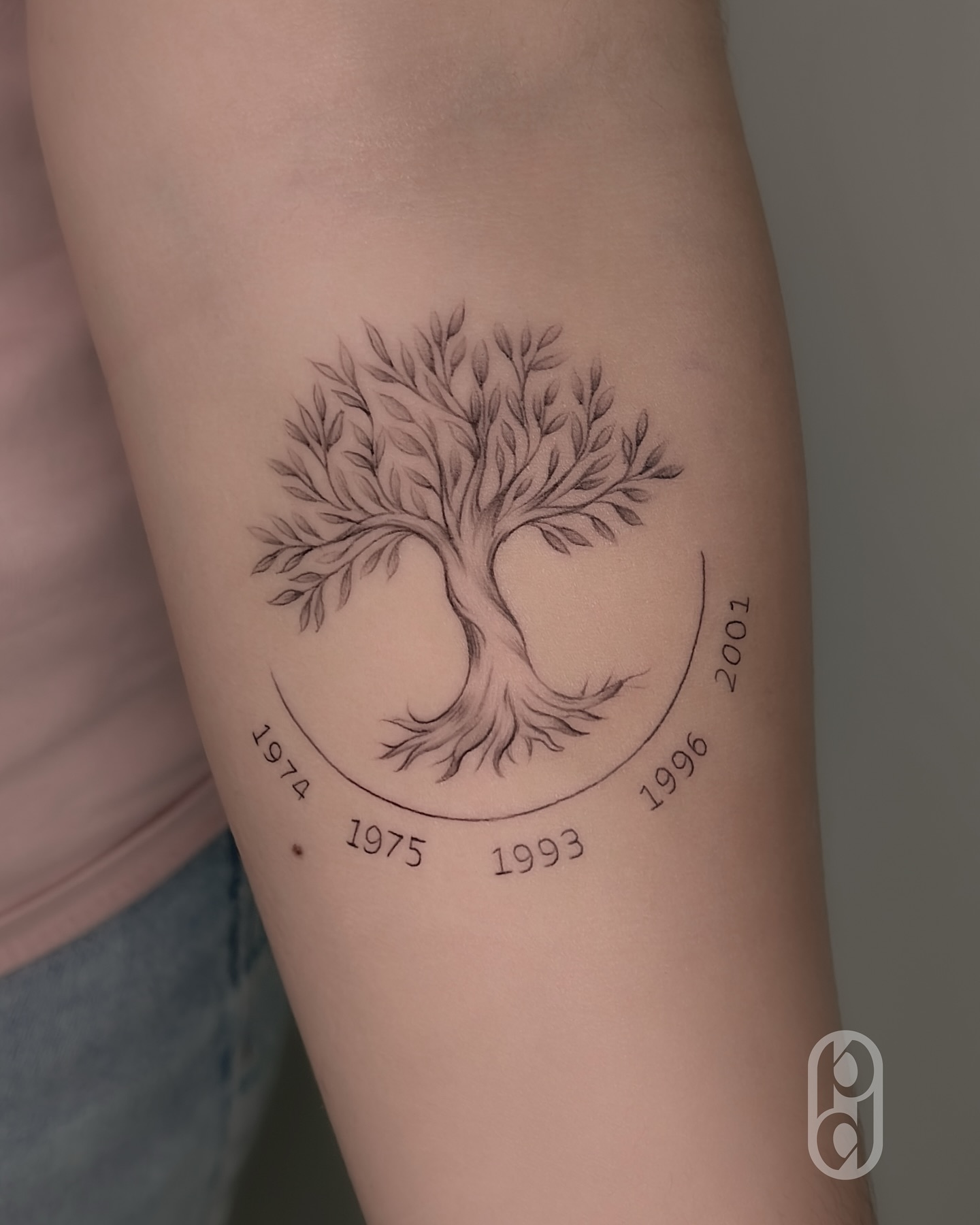
The best family tattoo ideas are almost never the most complicated ones. After years of looking at these pieces – and sitting for a few myself – the ones I still admire years later are the quiet ones.
The first family piece I got was a set of initials no bigger than a postage stamp. I nearly talked myself into a full sleeve instead, and I am glad I did not.
Family tattoos carry a weight that most designs do not. You are not just choosing an image you like – you are choosing something you will explain to people, and something that has to still feel true in twenty years.
This guide walks through 20 approaches that hold up, plus the practical decisions that matter more than the design itself. If you are leaning toward something small, the same logic applies in our guide to small meaningful tattoo ideas.
Which Family Tattoo Style Is Right for You?
Most people arrive with a feeling rather than a design. This table maps that feeling onto a style, a realistic size and the maintenance you should expect.
| Style | Best For | Realistic Size | Ageing & Upkeep |
|---|---|---|---|
| Traced handwriting | A parent or grandparent you want to feel present | 5-12 cm | Very good if lines are not hairline thin |
| Fine-line names | Children, partners, siblings | 4-10 cm | May soften after 8-10 years; touch-ups are simple |
| Roman numerals or dates | Anyone who wants meaning without explanation | 5-15 cm | Excellent – straight lines hold shape well |
| Botanical / birth flower | Representing several people at once | 8-20 cm | Good in black and grey; colour fades faster |
| Family tree or crest | Heritage, lineage, multi-generation pieces | 15-30 cm | Strong, but detail-heavy areas can blur |
| Portrait realism | Memorial pieces where likeness matters | 15 cm and up | Demanding – budget for a touch-up within a decade |
What Actually Makes a Family Tattoo Last
Two things determine whether you still love a family tattoo in fifteen years: whether the meaning survives, and whether the ink does.
The meaning part is more fragile than people expect. Relationships change, and a design tied to a single relationship carries more risk than one tied to a person or a memory.
In my experience the safest family tattoos are anchored to something that cannot be revised – a birth date, a place, a handwritten note, a person who has passed. Those things do not renegotiate themselves.
The ink part is simpler. Line weight, placement and sun exposure do most of the work. Hairline script on a finger will need attention within a few years; the same script at a slightly heavier weight on an inner forearm can look sharp for a decade or more.
Every artist I have asked about longevity gives the same two pieces of advice: go slightly bigger than you think you need, and keep it out of direct sun.
20 Family Tattoo Ideas That Hold Up
These are grouped by approach rather than listed at random, because the grouping is what helps you choose.
1-2. Traced Handwriting and Signatures
A traced signature is the single most requested family tattoo I come across, and for good reason – it is the closest thing to having the person there.
The method matters. A good artist works from a clean scan or a high-contrast photo of the original writing, not a redrawn approximation, so the pressure and slant survive.
Two variations worth knowing: the signature itself, and a short phrase in the same hand – love you, call me when you land, whatever they actually wrote. The phrase version tends to age better emotionally because it says something rather than just naming someone.
Ask for slightly heavier line weight than the original pen stroke. Ink spreads a little under the skin over years, and hairline reproductions are the ones that turn muddy first.
If you are choosing between a signature and a name in a font, the signature almost always wins. A font is a design decision; handwriting is a fingerprint.
3-5. Names, Initials and Stacked Lettering
Names are the most literal family tattoo and the easiest to get wrong, usually through font choice rather than concept.
Stacked names – one under another, left-aligned, in a single consistent weight – read cleanly and let you add a line later without the composition falling apart. That last part matters more than people realise if your family is still growing.
Initials are the low-commitment version and work well on the ribs, inner bicep or behind the ear. When I have seen people regret name tattoos, it is almost never the name and almost always the placement.
Leave room for future lines. Plan the layout as if there will be one more name than there currently is.
Our fuller breakdown of kids’ name tattoo ideas covers layout and font pairing in more detail.
6-8. Dates, Roman Numerals and Coordinates
Dates are the quietest family tattoos. Nobody reads a string of Roman numerals on your forearm and asks a question you do not want to answer.
Roman numerals hold their shape unusually well because they are built from straight lines and hard corners – the two things that survive ink spread best.
Coordinates work the same way, and they cover something a date cannot: a place. A childhood house, a hospital, a town everyone eventually moved away from.
One practical warning: check your numerals twice, in writing, before the stencil goes on. A reversed numeral is the most common permanent error I have seen in this category, and it is entirely preventable.
If a location is the anchor, our coordinate tattoo guide covers formatting conventions and how precise to go.
9-11. Family Trees, Roots and Branches
A family tree is the most ambitious idea on this list and the one most often scaled down mid-consultation.
The problem is density. Roots, bark texture and a dozen small initials in a 10 cm space will read as a dark smudge within a few years, because fine detail packed tightly is exactly what blurs.
The fix is either more space – an upper arm, a thigh, a back piece – or fewer elements. A simplified tree with three or four initials among the branches holds up far better than a literal genealogy.
Ask your artist to show you a healed photo of a similar piece, not a fresh one. Fresh work always looks crisp; healed work tells you the truth.
There is more on symbolism and structure in our guide to tree of life tattoos.
12-14. Matching and Sibling Tattoos
Matching family tattoos work best when they are related rather than identical.
Two people rarely want the same placement, the same size and the same pain tolerance on the same day. When I have seen matching pieces go badly, it is usually because one person compromised on placement to keep them identical.
A shared motif solves this. Same design language, different scale or orientation – each piece still reads as complete on its own arm.
Do the consultation together if you can. Artists will tell you honestly whether a design survives being split, and that conversation is much harder over text afterwards.
For more on this, see matching tattoo ideas for sisters.
15-16. Memorial and Remembrance Pieces
Memorial family tattoos deserve more patience than any other category on this list.
There is no correct waiting period, but I would gently suggest not booking one in the first few weeks. Grief changes what you want to say, and a design chosen in the sharpest part of it often is not the design you would choose six months later.
The pieces that land best are specific rather than symbolic – the thing that person actually was, not a generic angel or dove. A gardening tool. A bird they pointed at constantly. A date.
Pair a date with one small object and you usually have enough. Memorial tattoos rarely need to be big to do their job.
Our memorial tattoo ideas guide goes deeper on choosing a symbol that stays specific to the person.
17-18. Birth Flowers, Crests and Heritage Symbols
Birth flowers are the most elegant way I know to represent several people in one piece without writing a single name.
One flower per family member, arranged as a small bouquet or a running stem, gives you a design that is personal but reads as botanical art to everyone else.
Heritage symbols and family crests are a different proposition. They carry heavier line weight and more internal detail, so they need genuine space – an upper arm or shoulder rather than a wrist.
If you are working from a real crest, bring a high-resolution source. Artists redraw these constantly from blurry web images, and the redraw is where accuracy quietly disappears.
The birth flower tattoo guide has a month-by-month breakdown if you are building a bouquet.
19-20. Portraits and Photo-Realism
Portrait work is the hardest thing on this list to get right and the easiest to get wrong.
A portrait that is 90% accurate is not 90% good – it looks like a stranger who resembles someone you love, which is worse than no portrait at all.
This is the one category where you should choose the artist first and the design second. Look specifically for healed portrait work in their portfolio, ideally several years old.
Expect to travel and expect to wait. Genuinely strong portrait artists are booked out, and that is precisely the signal you want.
Budget for a touch-up somewhere in the first decade. Shading carries the likeness in portrait work, and shading is what softens first.
Variations Worth Considering Before You Book
If none of the twenty ideas above fits cleanly, these adjustments usually solve it.
Go Abstract Instead of Literal
A shape, a line pattern or a single ornamental element can carry family meaning without naming anyone. This is the route I recommend to people who want the meaning private.
It also ages beautifully, because abstract work has no likeness or spelling to get wrong.
Build It in Stages
You do not have to commit to the whole composition at once. Start with one element and add over years as the family changes.
Tell the artist that is the plan from the first session so the layout leaves room. Retrofitting space into a finished design is the harder problem.
Move the Placement Before You Change the Design
When a design feels wrong, the placement is usually the culprit. The same piece on an inner forearm and on a wrist reads completely differently.
Hands, fingers and feet look excellent for about eighteen months and then need real maintenance. If you want low upkeep, stay on the arm, thigh, back or ribs.
Match the Family Rather Than the Design
Several family members getting different tattoos from the same artist, in the same style, is an underrated option.
Everyone gets something they actually want, and the pieces still visibly belong to each other. Brief the artist on the shared style up front rather than leaving it to chance.
Practical Advice, Aftercare and Healing
Book a consultation rather than a walk-in for anything with lettering or a likeness. Spelling and layout errors happen under time pressure, and a consultation removes that pressure.
Photograph the stencil before the needle touches you, and read every name and number out loud. This one habit has caught more mistakes than anything else I know of.
For healing, follow the aftercare your artist gives you rather than advice from the internet – they know their ink, their needles and their local climate. General guidance from the American Academy of Dermatology is a reasonable baseline, and the US Food and Drug Administration has a plain-language overview of tattoo ink safety.
Watch for spreading redness, heat, swelling that increases after the first few days, or any discharge. Those are signs to see a doctor rather than to wait it out – a tattoo article is not medical advice, and an infection is not something to manage yourself. Allergic reactions to pigment, particularly red, can also appear weeks later and need a professional opinion.
Keep it out of the sun while it heals and use sunscreen on it for the rest of its life. Sun exposure is the single biggest cause of fading I have seen, and it costs nothing to prevent.
Common Mistakes and What to Do Instead
Going too small is the mistake I see most often. A design that looks delicate at 3 cm frequently has no room for the linework to stay separate as it ages.
Choosing the studio before the artist is the second. Studios have a reputation; individual artists have a specialty. A shop known for traditional work is not automatically the right place for fine-line script.
Rushing a memorial piece is the third, and the only one that is hard to undo emotionally as well as physically.
The fourth is designing around a relationship rather than a person. Names of partners are a separate conversation – if that is what you are weighing, our couple tattoo ideas guide is more honest about the risks than most.
Still narrowing it down? Mother and daughter designs and father and daughter designs are good places to look if the piece is about one specific relationship rather than the whole family.
Frequently Asked Questions
Where is the best place for a family tattoo?
The inner forearm, upper arm, ribs and thigh are the most forgiving placements because they get limited sun and the skin moves less. Wrists and the backs of hands look striking but need touch-ups sooner, often within a few years for fine-line work. If you want the tattoo to be easy to cover for work, the upper arm, ribs and thigh are the practical choices. In my experience placement affects long-term satisfaction more than the design itself.
How much does a family tattoo cost?
Prices vary enormously by artist, city and complexity, so any single number would be misleading. Small lettering and simple date pieces are usually a shop’s minimum charge; family trees and portraits are priced by the hour and can run across multiple sessions. Portrait realism is consistently the most expensive category because of the skill and time involved. Ask for a written estimate at consultation rather than a quote over messages.
Is it a bad idea to tattoo a family member’s name?
Names of parents, children, grandparents and siblings are generally low-risk because those relationships do not end in the way romantic ones can. The riskier version is a partner’s name, which is a genuinely different decision. If you are unsure, initials or a date carry the same meaning with far less exposure. Whatever you choose, check the spelling on the stencil out loud before the needle starts.
How long does a family tattoo take to heal?
The surface usually looks settled within two to three weeks, while the deeper layers continue healing for a couple of months. Small lettering tends to heal quickly; large shaded pieces like portraits and family trees take longer and can peel unevenly. Follow your artist’s specific aftercare instructions rather than general internet advice. If you notice increasing redness, heat, swelling or discharge, contact a doctor rather than waiting.
Can I add to a family tattoo later?
Yes, and it is one of the smarter ways to approach this if your family is still growing. Tell the artist at the first session that you intend to add to it, so the composition is laid out with space rather than filled edge to edge. Adding a name to a design that was never planned for it usually means redrawing part of the original. Staying with the same artist for later additions keeps the style consistent.
Quick Summary
- Anchor the design to something permanent – a date, a place, a person, a handwritten note – rather than to a relationship that can change.
- Traced handwriting beats a font almost every time, and asking for slightly heavier line weight protects it as it ages.
- Stack names in a single consistent weight and leave room for one more line than you currently need.
- Roman numerals and coordinates age exceptionally well because straight lines survive ink spread.
- Family trees and crests need real space – an upper arm or thigh, not a wrist – or they blur into a dark shape.
- For matching pieces, share the design language rather than forcing identical size and placement.
- Give memorial tattoos time, and choose something specific to the person rather than a generic symbol.
- Choose the artist before the design for portraits, photograph the stencil, and read every name and number out loud.