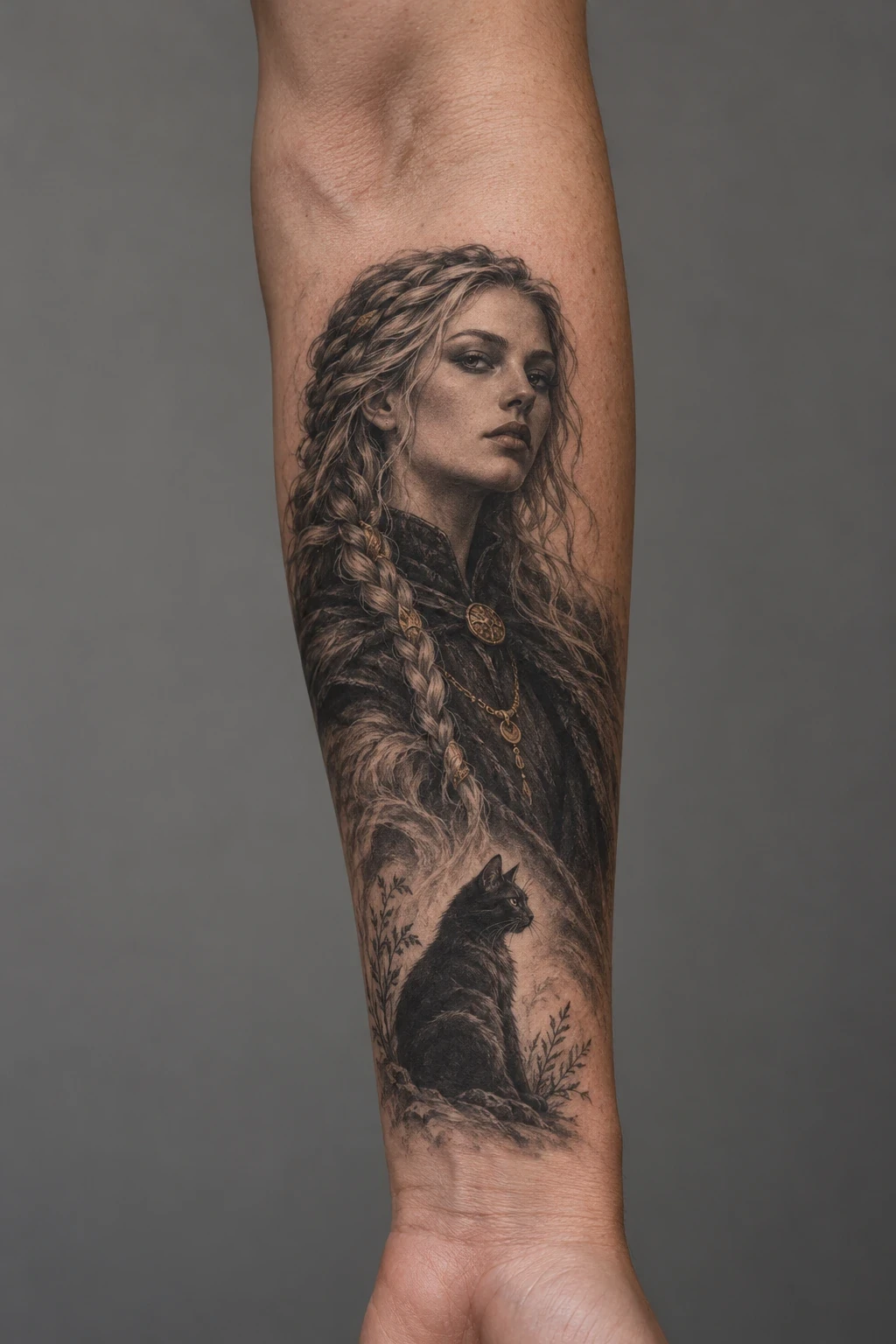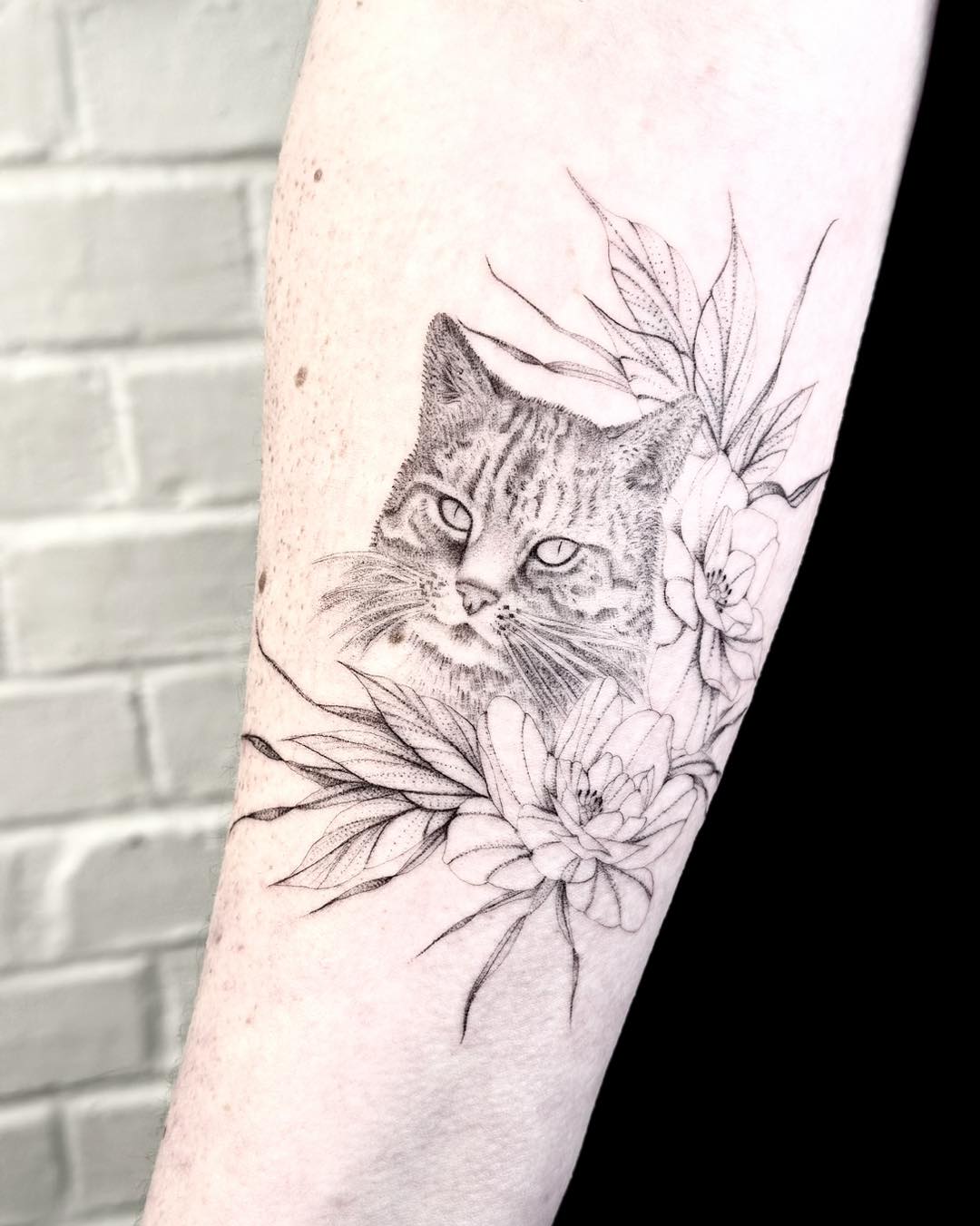
Cat tattoo ideas cover far more artistic ground than their reputation suggests, and the gap between a forgettable cat tattoo and a genuinely good one usually comes down to which tradition you borrow from rather than how much you spend.
I have spent a long time looking at cat work across studio portfolios, and the pattern is consistent. The pieces that still look strong after five years are the ones built on a real style, Egyptian profile, Japanese woodblock, fine line portraiture, rather than a cute drawing lifted from a search results page.
Cats have been carved, painted and worshipped for roughly five thousand years, since at least the Egyptian Old Kingdom. Tattooing is simply the most recent chapter in that record, which means you are inheriting an enormous visual library rather than starting from nothing.
The 20 ideas below cover that full range, from the sacred to the wryly domestic. If you already know you want something dark and graphic, the guide to black cat tattoo ideas narrows the field faster than this one will.
Which Cat Tattoo Style Is Right for You?
The single most useful thing you can do before your consultation is decide which of these lanes you are in. Every artist I have asked says the same thing: clients who arrive with a style in mind get better tattoos than clients who arrive with a photograph.
| Style | Best For | Typical Size | How It Ages |
|---|---|---|---|
| Fine line | Realistic portraits of a specific cat | 3–6 inches | Softens noticeably; often wants a touch-up around year five |
| Bold traditional / Japanese | Maneki-neko, ukiyo-e cats, larger placements | 5–10 inches | The most durable option; heavy outlines hold for decades |
| Blackwork silhouette | Witchy black cats, negative space, tribal | 2–6 inches | Very well, provided the black is packed solid |
| Dotwork | Textured portraits, soft gradients | 3–7 inches | Dots merge slightly over time; spacing matters more than density |
| Geometric / minimal | First tattoos, small placements, wrists and ankles | 1–3 inches | Small gaps can close up; keep lines further apart than looks right |
| Colour illustrative | Neon cats, cartoon references, playful pieces | 4–8 inches | Depends heavily on sun exposure; keep it off hands and forearms if you can |
If you are torn between two rows, pick the more durable one. In my experience nobody regrets a cat tattoo that still reads clearly at arm’s length after a decade.
What Makes Cats Such Good Tattoo Subjects
The cat silhouette is unusually forgiving. It reads at almost any scale, which is why the same shape works as a one-inch ankle piece and as a full back panel.
The eyes are the other reason. Very few animal subjects carry emotion the way a cat’s eyes do, and that gives an artist something to build a composition around rather than just a shape to fill.
There is also the cultural range. Egyptian divinity, Japanese fortune, Western witchcraft and plain domestic affection are all legitimate readings of the same animal, so two people can get a cat tattoo and mean completely different things by it.
When I have watched artists sketch cats at consultations, the recurring difficulty is not the face. It is the body, specifically the spine and the shoulder blades, which is where an anatomically wrong cat starts to look like a dog.
That is worth knowing before you book. An artist whose portfolio is full of cat faces and no cat bodies may not be the right person for a full-body composition.
20 Cat Tattoo Ideas Worth Considering
These are grouped loosely from the most historically rooted to the most personal. Every one of them is a real approach an artist can execute, not a mood board abstraction.
1. Egyptian Cat: Bastet Inspired
Bastet, the Egyptian goddess depicted with a cat’s head, is associated with protection, fertility and the home. It is the oldest thread in the entire category.
The visual grammar is specific: a flat profile, a kohl-lined eye, a stiff upright posture and often a collar or ankh. Artists who work in the broader Egyptian tattoo ideas tradition will already have this vocabulary and will not need to invent it.
This design rewards a medium placement, forearm or calf, where the profile has room to stay flat and formal rather than being squeezed into a curve.
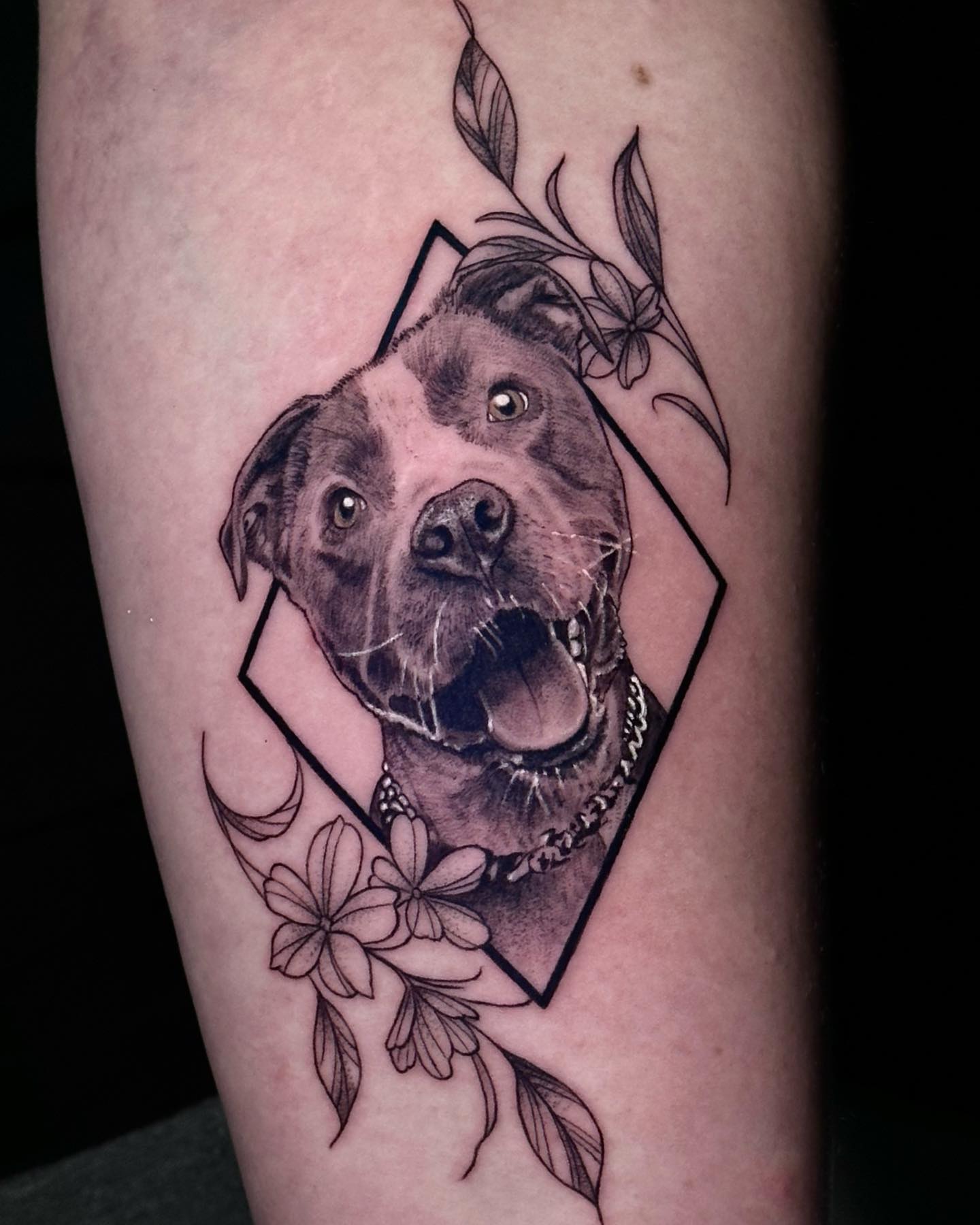
2. Fine Line Realistic Portrait
This is the most common request I have seen for a specific pet, and the most commonly disappointing when it goes to the wrong artist.
Fine line realism needs a photograph with real contrast, not a phone snap taken in a dim living room. The artist is reading light off fur, and if the light is not there in the reference it will not be there in the skin.
Expect it to soften over time. Most fine line work I have seen looks noticeably lighter by year five, which is normal rather than a failure. Browse wider fine line tattoo ideas if you want to see how the style behaves across subjects.
3. Japanese Maneki-neko
The beckoning cat, maneki-neko, is a Japanese figure associated with inviting good fortune. The raised paw is the whole point of it.
There is a convention worth knowing: the raised left paw is traditionally said to invite customers, the right paw money. Artists working in Japanese traditional style will usually ask which you want rather than guessing.
Bold outlines and flat colour make this one of the most durable designs on the list. It is built for longevity in a way that fine line work simply is not.
4. Witchy Black Cat Silhouette
A solid black cat, usually arched or seated, usually paired with a moon, a candle or a crescent. It is the most graphically confident design in the category.
Solid black is also the most durable ink you can put in skin, provided the artist packs it properly. Patchy black is the failure mode here, and it is a technique problem rather than an aftercare problem.
If this is the direction you are leaning, the dedicated roundup of black cat tattoo ideas goes deeper into placement and composition than there is room for here.
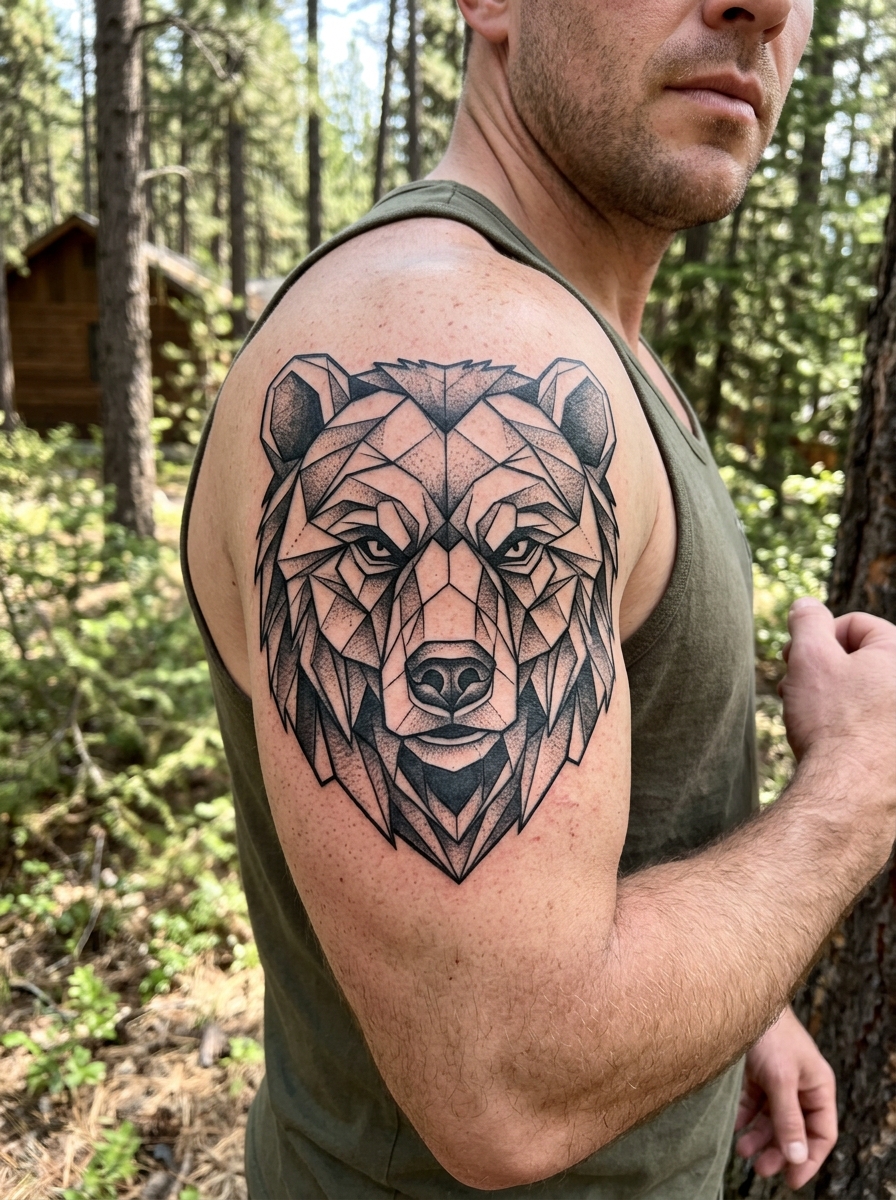
5. Minimal Geometric Cat
A cat reduced to straight lines, triangles and angles. It suits people who want the reference without the sentimentality.
The technical trap is line spacing. Lines that sit very close together in a fresh geometric tattoo can migrate and close up over years, turning a clean design into a dark blob.
Ask your artist to open the spacing slightly beyond what looks right on paper. Every experienced artist I have raised this with agreed without hesitation.
6. Ukiyo-e Inspired Cat
Japanese woodblock printing produced an enormous body of cat imagery, much of it by Utagawa Kuniyoshi, who was famously fond of the animal.
The style has a distinct look: strong contour lines, flat colour fields, and a slightly stylised anatomy that is not trying to be photorealistic. Institutions like The Metropolitan Museum of Art hold large publicly viewable ukiyo-e collections, which makes reference gathering unusually easy for this one.
Bring actual prints to your consultation rather than tattoo photos. The artist will get far closer to the tradition that way.
7. Cat With Flowers
Pairing a cat with botanicals is the most flexible composition here, because the flowers do the work of filling space that a cat alone leaves awkward.
It also lets you carry a second meaning without adding text. Birth month flowers are the usual route, and they sit naturally around a seated or curled cat.
This combination is very common in cat tattoo ideas for women, largely because it scales well to shoulder, thigh and upper arm placements.
8. Sleeping Cat Outline
A curled sleeping cat drawn as a single continuous line. It is deceptively difficult, because there is nowhere to hide a wobble.
Single line work needs a steady hand and a good stencil. I would only take this design to someone whose portfolio already shows continuous line pieces, not simply small linework.
It is one of the better first tattoos on this list: quick, low pain in most placements, and it sits comfortably at two or three inches.
9. Cat Eyes Only
Cropping the design down to just the eyes is a strong choice when you want something that does not immediately announce itself as a cat tattoo.
It works best in black and grey with real tonal range, because the whole piece depends on the shading inside the iris and the reflection above it.
Placement matters more than usual here. On a forearm it reads deliberately. On a shoulder blade, in my experience, it tends to read as unfinished.
10. Neon Aesthetic Cat
Saturated pinks, blues and purples, usually with heavy colour packing and a slightly graphic outline. It is the most contemporary look in this list.
Bright colour is also the most sun-sensitive. The American Academy of Dermatology recommends keeping healed tattoos protected with sunscreen, and with colour-heavy work that advice is doing real load-bearing.
If you want this on a hand or a forearm, accept up front that it will need more maintenance than a blackwork piece in the same spot.
11. Black Cat in Negative Space
Instead of drawing the cat, the artist inks around it, so the shape emerges from untattooed skin.
This demands a confident artist. Negative space is unforgiving because every edge is the drawing, and there is no line to correct a shape after the fact.
It works especially well against a dark background element, a moon, a block of foliage, or a solid geometric field.
12. Dotwork Cat Portrait
A portrait built entirely from stippled dots rather than solid shading. The texture it produces is genuinely different from anything a shader can do.
Dotwork sessions run long. The technique is slow by nature, and a detailed dotwork cat can take substantially more chair time than the same design in black and grey.
Dots do merge slightly as skin ages, so density in the darkest areas should be planned rather than maximised. The overview of dotwork tattoo ideas covers this in more detail.
13. Cartoon Cat From a Specific Reference
Borrowing a recognisable illustrated cat is legitimate, and it dates a tattoo in a way that some people actively want.
One practical note: if the character is a protected property, plenty of studios will happily tattoo it on you, but some artists prefer to draw an original cat in a similar style rather than copy another illustrator’s line directly. It is worth asking rather than assuming.
Flat cartoon work ages well because it relies on bold outlines and simple colour rather than gradient.
14. Cat Constellation
A cat outline mapped as stars with fine connecting lines. It is a quiet design that looks like astronomy from a distance and reveals the cat up close.
There is no official cat constellation in the modern 88 recognised by the International Astronomical Union, though an obsolete one, Felis, was proposed in the eighteenth century and later dropped. Most artists simply invent the star pattern, which is fine.
Keep the dots slightly larger than feels necessary. Very small star dots are the first thing to fade.
15. Cat and Moon
A cat silhouette against or inside a crescent. It is the most requested pairing in the witchy corner of this category and for good reason: the two shapes fit together naturally.
The crescent gives the artist a frame, which solves the composition problem that a floating cat silhouette otherwise creates.
Phase choice can carry meaning if you want it to, and the guide to moon tattoo ideas explains the conventional readings without overstating them.
16. Laughing Buddha Cat
A cat rendered in the seated, round, contented posture of the laughing Buddha figure. It is a small joke executed seriously, which is the best kind.
This is one of the few ideas here with no image on this page, and that is deliberate rather than an oversight. It is uncommon enough that most artists will draw it from scratch for you.
If you go this route, be clear with your artist about tone. The difference between affectionate and mocking lives entirely in the facial expression.
17. Fine Line Cat With Botanical Frame
A fine line cat enclosed by a wreath, arch or hoop of foliage. The frame does two things: it anchors the composition and it makes the piece look intentional at small sizes.
It is a good compromise design for anyone who wants fine line delicacy but is worried about a small tattoo looking sparse.
Ovals and arches sit better on limbs than perfect circles, which distort as the arm curves.
18. Abstract Expressionist Cat
Loose brush-style strokes, colour blocking, and a cat that is suggested rather than drawn. It is the least literal option on this list.
This only works with an artist who genuinely paints. Abstract tattooing done by someone whose strength is clean linework tends to look like a mistake rather than a choice.
Ask to see healed photographs specifically. Loose colour work can look spectacular on day one and considerably softer at six months.
19. Tribal Cat
Bold black shapes with pointed negative space. The style has a long and specific history, and the word covers a lot of very different traditions.
If you are drawn to a particular cultural tradition here, it is worth reading about its origins before committing, and worth asking whether the design carries meaning that is not yours to wear. Plenty of artists will have a considered view on this.
Purely graphic blackwork with no cultural claim is the safer and increasingly common route, and it ages as well as anything on this page.
20. Memorial Cat Portrait
A portrait of a specific cat who has died, often with a name, dates, or a small symbolic element.
Bring more reference photographs than you think you need. Five or six images from different angles let the artist build a likeness rather than copy a single flattering frame.
Many people give this one more thought than any other tattoo they own, which is worth respecting in the booking too. Do not rush the artist selection. The wider guide to memorial tattoo ideas covers the general approach, and cat paw tattoo ideas are a common minimal alternative.
Variations Worth Considering Instead
If none of the twenty lands exactly, these adjacent directions solve similar problems with different constraints.
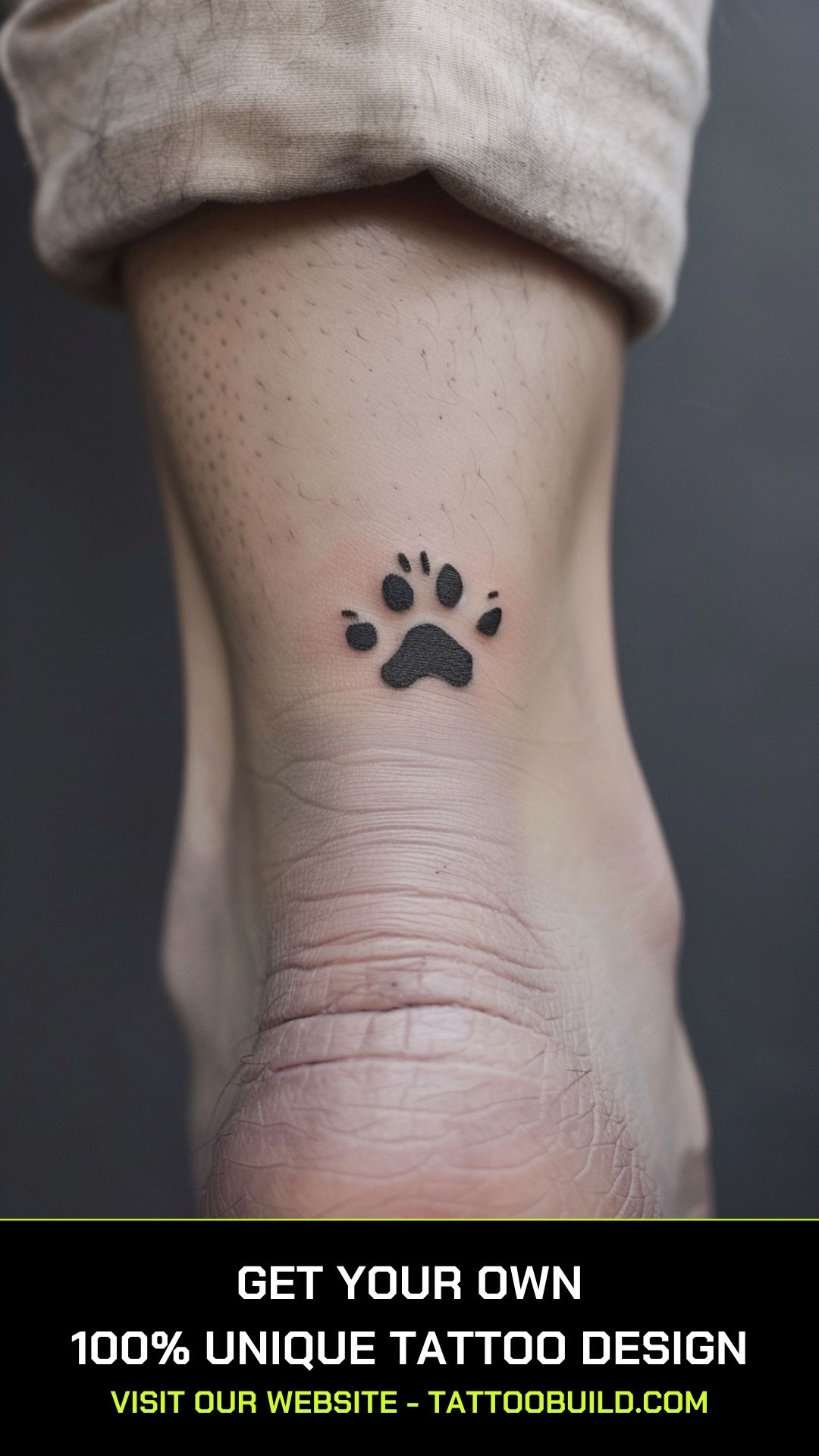
The Paw Print Alternative
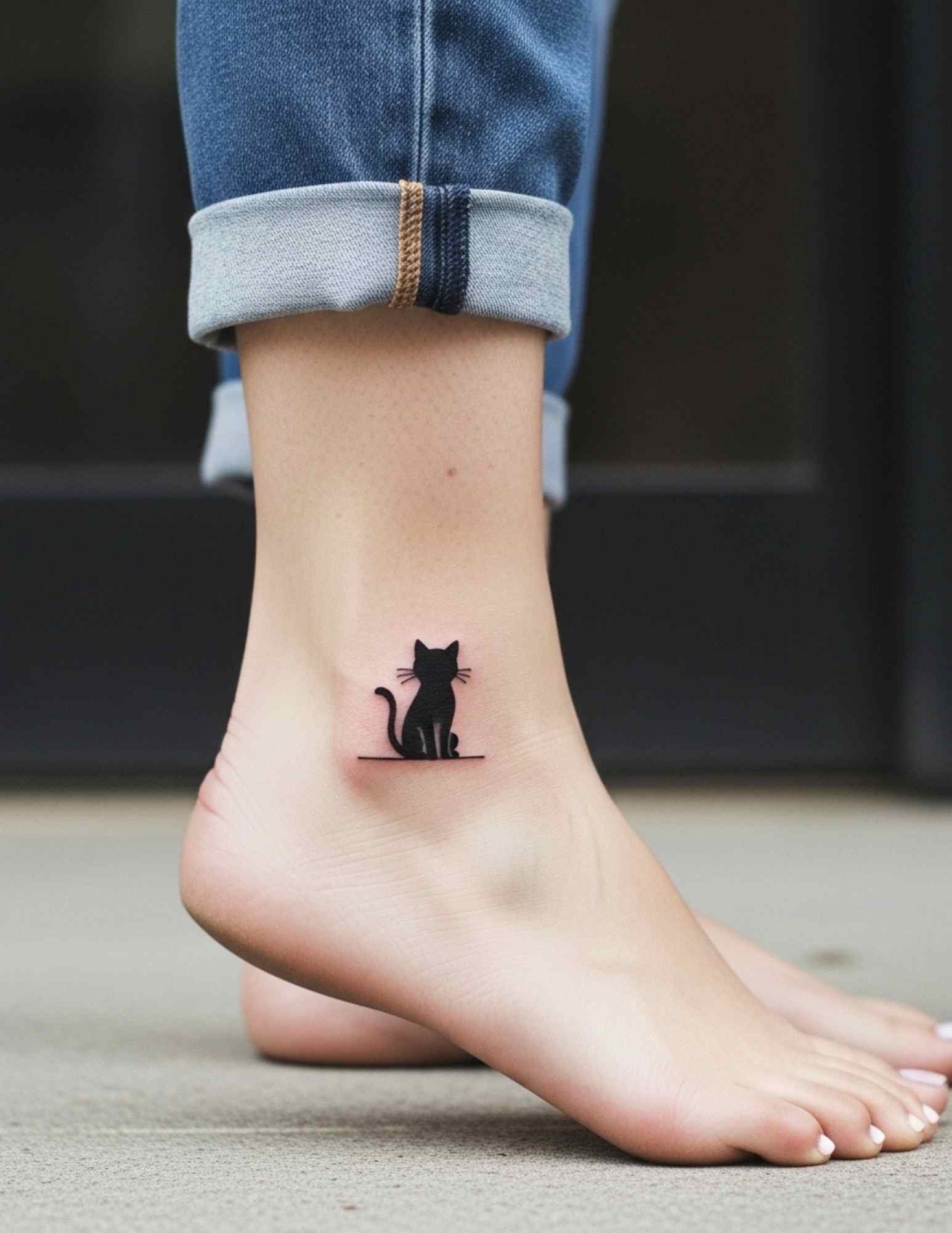
A single paw print is the smallest meaningful cat tattoo you can get, and it is by far the most common choice for people who want a memorial without a portrait.
It costs less, heals faster, and does not depend on the artist capturing a likeness.
Whiskers and Ears Only
Reducing the design to two ears and a set of whiskers gives you something recognisable at under an inch.
This is the format I would recommend for a finger or behind-the-ear placement, where anything more detailed will blur within a couple of years.
Cat as Part of a Larger Scene
Rather than a standalone cat, the animal appears inside a larger composition: a window, a bookshelf, a garden panel.
This suits people planning a sleeve, because it gives the cat a home in the design instead of leaving it stranded between unrelated elements.
Matching or Split Designs
Two people, two halves of one composition. It works better with graphic styles than with realism, because two artists can match a bold line far more reliably than two shading approaches.
If you are getting them at different times or different studios, agree the linework thickness in advance.
Choosing an Artist and Caring for the Result
Style-matching the artist is the single highest-leverage decision in this whole process. A superb realism artist will produce a mediocre maneki-neko, and the reverse is equally true.
Look specifically for healed photographs in the portfolio, not just fresh ones. Fresh work always looks sharp; healed work is what you are actually buying. Every artist I have asked has been happy to show healed shots when asked directly.
For aftercare, follow the instructions your artist gives you rather than anything you read online, including this page. They know their ink, their machine and their local climate, and their instructions are specific to the work they just did on you.
If a healing tattoo shows spreading redness, increasing pain after the first few days, swelling, heat or discharge, treat that as a reason to contact a doctor rather than a forum. Infections and pigment allergies are both real and both treatable early. The U.S. Food and Drug Administration keeps a plain-language overview of tattoo risks that is worth reading before your first appointment.
Common Mistakes, and What to Do Instead
The mistake I see most often is bringing a photograph instead of a style. A photograph tells the artist what you love; it does not tell them how to draw it.
The second is going too small for the level of detail requested. A portrait with individual whiskers does not survive at one inch, and no artist can make it.
The third is booking on availability rather than fit. Waiting three months for the right artist is almost always cheaper than a cover-up later.
Still not sure which direction suits you? It is often easier to decide by style than by subject, and the broader roundup of minimalist tattoo ideas is a useful starting point if you want something clean and low commitment.
Frequently Asked Questions
How much does a cat tattoo usually cost?
It depends almost entirely on size, style and your artist’s rate rather than on the subject being a cat. A small minimal outline is usually a shop-minimum job, while a detailed realistic or dotwork portrait can run into multiple sessions. The honest answer is that your local rates matter more than any figure I could print here. Ask for a quote at consultation and expect a range rather than an exact number.
Do cat tattoos hurt more than other designs?
No, the subject does not affect pain at all. Placement and technique do. Ribs, sternum, feet, hands and the inside of the upper arm are consistently reported as more painful than outer forearm, thigh or shoulder. Heavy black packing and long dotwork sessions tend to feel worse than quick linework simply because they take longer.
Which cat tattoo style ages the best?
Bold traditional and solid blackwork age best in most cases, because thick outlines and packed black tolerate the natural spreading that happens in skin over decades. Fine line and small geometric work generally soften the fastest. That is not a reason to avoid fine line, only a reason to expect a touch-up and to budget for it.
Can I tattoo a portrait of my own cat?
Yes, and it is one of the most common requests artists receive. The quality of your reference photographs is the limiting factor. Bring several well-lit images from different angles rather than one favourite, and choose an artist whose portfolio already contains animal portraits rather than one who mainly does lettering or ornamental work.
What does a black cat tattoo mean?
It varies a great deal by culture, which is part of the appeal. In much of Britain and Japan black cats are traditionally read as lucky, while in parts of Western Europe and North America they picked up an association with witchcraft and bad omens. Many people today wear one specifically to reclaim that second reading. There is no single correct meaning, so yours can be whatever you decide it is.
Quick Summary
- Pick a style before you pick an image; it is the decision that determines everything else.
- Egyptian, Japanese maneki-neko and ukiyo-e give you a real tradition to borrow from rather than a generic drawing.
- Bold traditional and solid blackwork age the best; fine line and tight geometric work age the fastest.
- Open up line spacing on geometric designs slightly beyond what looks right on paper.
- For a portrait of your own cat, bring five or six well-lit reference photographs from different angles.
- Colour-heavy work needs sun protection; keep it off high-exposure placements if you can.
- Choose the artist by style fit and by healed portfolio photographs, not by who has the earliest opening.
- Follow your artist’s aftercare instructions, and see a doctor rather than a forum if healing goes wrong.