
Tattoos have long transcended their roots as tribal markings or rebellious emblems to become intricate, deeply personal expressions of art and identity. Among the most popular choices in the modern tattoo scene are half sleeve tattoo drawings — designs that wrap around the upper or lower half of the arm, usually from the shoulder to the elbow or elbow to the wrist.
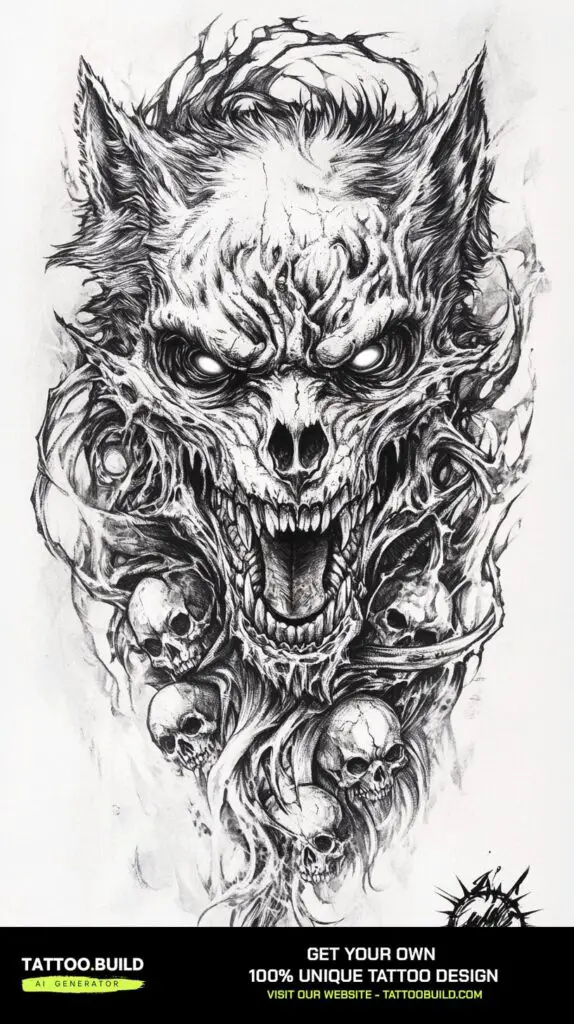
These elaborate compositions are striking in appearance, filled with detail, and tell stories that reflect the wearer’s beliefs, heritage, or milestones. They blend artistry, narrative, and personal symbolism, making them one of the most sought-after formats in body art today.
The Evolution of the Half Sleeve Tattoo
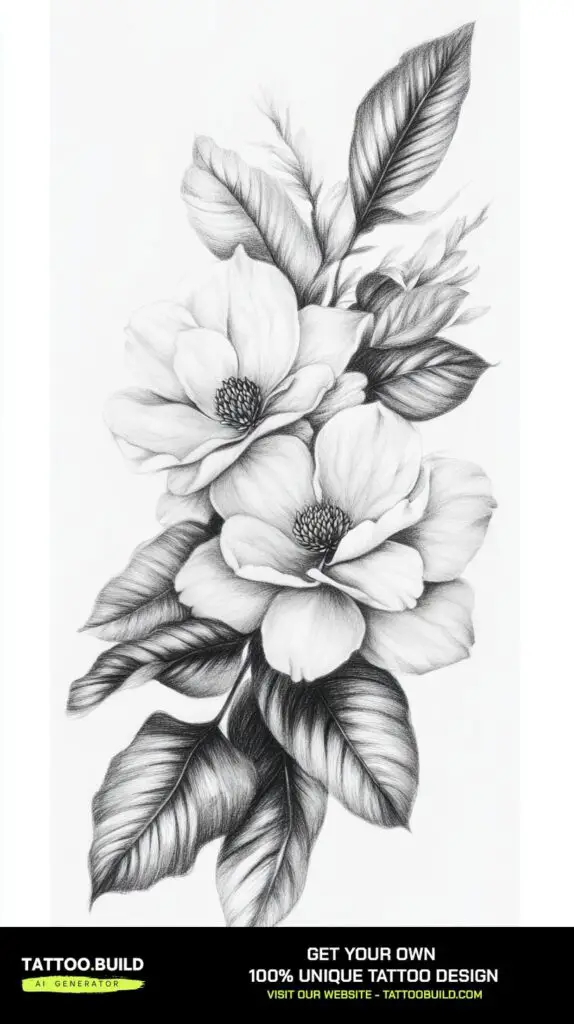
The concept of tattoo sleeves has its roots in both ancient cultures and modern subcultures. Full sleeves have long been prominent in Japanese Irezumi traditions, Polynesian tribes, and the tattoos of the Yakuza, but the half sleeve gained mainstream popularity as a more flexible, approachable, and professional-friendly variant.
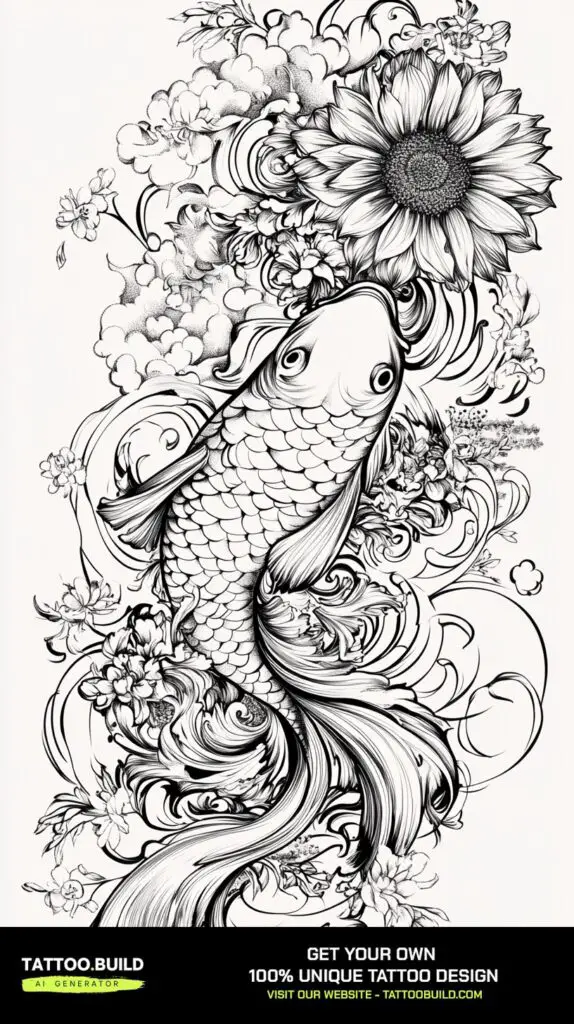
Whereas full sleeves require an extensive time and financial commitment — often taking months or years to complete — half sleeves offer a middle ground. They allow wearers to make a bold artistic statement without fully committing to a tattooed arm. This balance of visibility and discretion helped push the half sleeve into the spotlight, especially in Western societies where tattoos were once stigmatized but are now widely embraced.
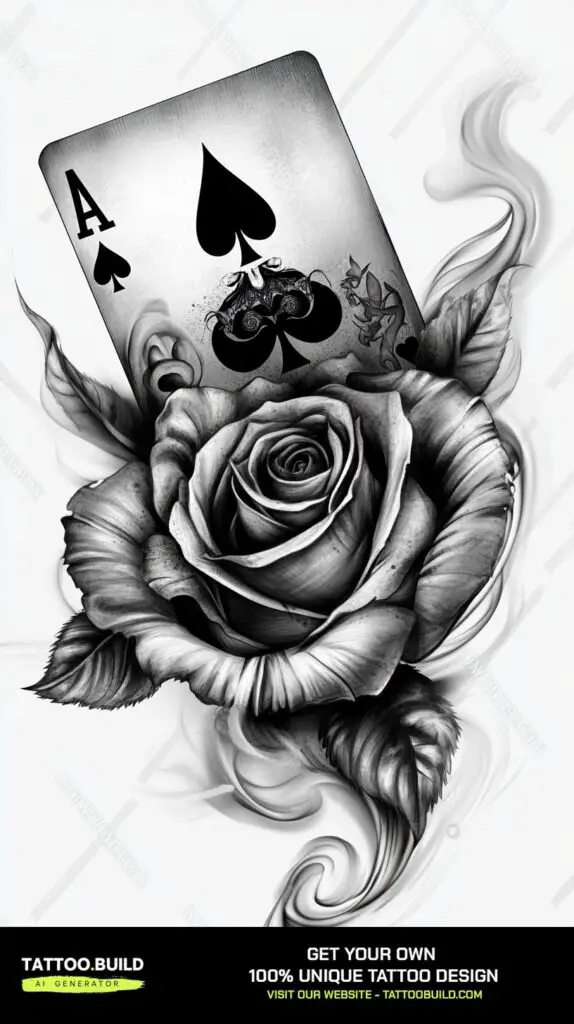
Today, a half sleeve tattoo can be as minimal or as detailed as one wishes, ranging from minimal linework to full-blown colored illustrations. It’s a testament to the creativity and technical skill of both artist and canvas.
Understanding the Half Sleeve Canvas
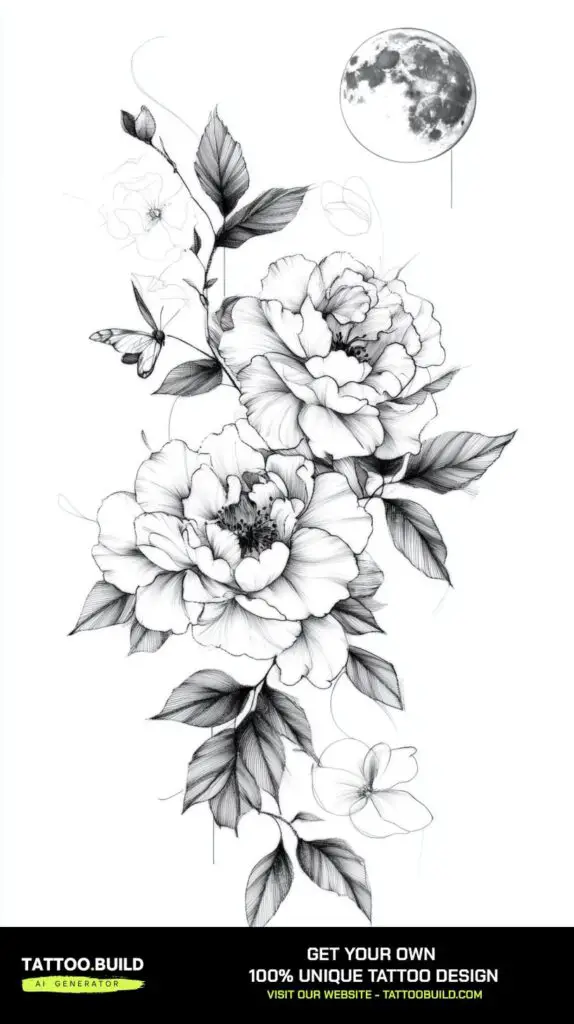
The arm is a versatile and forgiving canvas, but the half sleeve section requires strategic planning. Whether you’re working with the upper arm or lower arm, the curvature, musculature, and movement of the area all influence how the design flows.

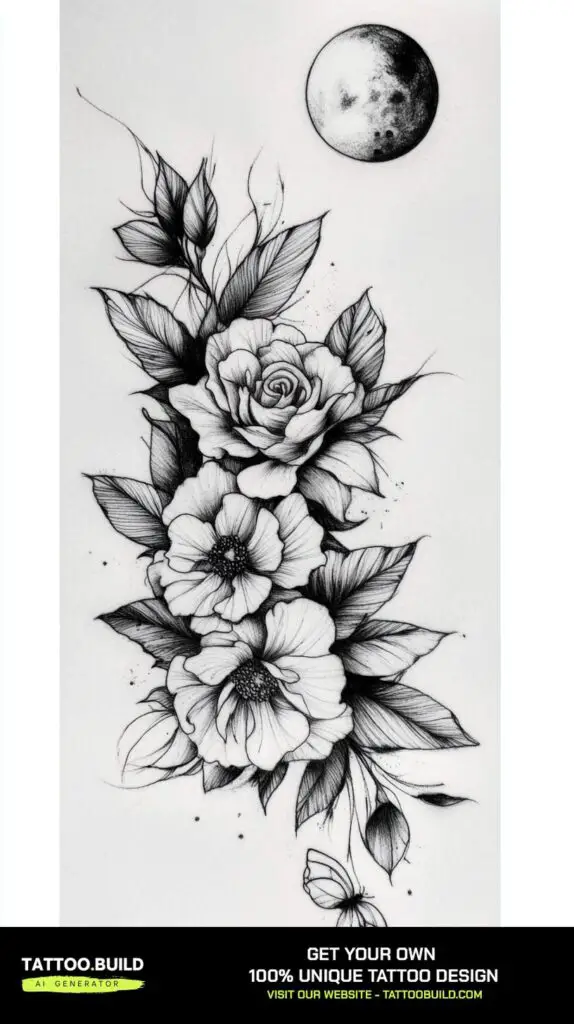
Artists must take into account the natural wraparound effect, as designs must look cohesive from every angle. This means avoiding abrupt breaks in the artwork or elements that get awkwardly distorted when the arm moves. Effective half sleeve tattoo drawings consider transitions between front and back, top and bottom, and inner and outer arms.

Moreover, a successful sleeve tells a visual story. It’s not just a collection of images; it’s a composition — a mural of skin. This is why many sleeve tattoos begin as elaborate drawings, often undergoing rounds of sketching, feedback, and refinement before the needle even touches the skin.
Themes and Symbolism in Half Sleeve Tattoo Drawings
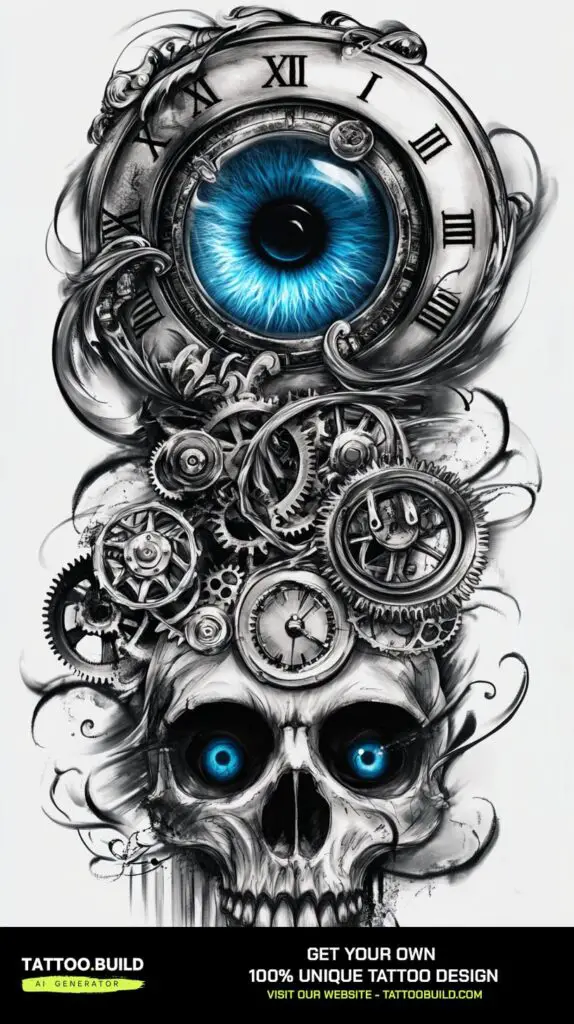
Perhaps the most compelling aspect of half sleeve tattoos is the diversity of themes they can portray. Whether driven by personal history, spiritual beliefs, aesthetic tastes, or cultural pride, each sleeve is a tapestry of symbolism. Here are some popular directions these drawings often take.
Nature and Wildlife
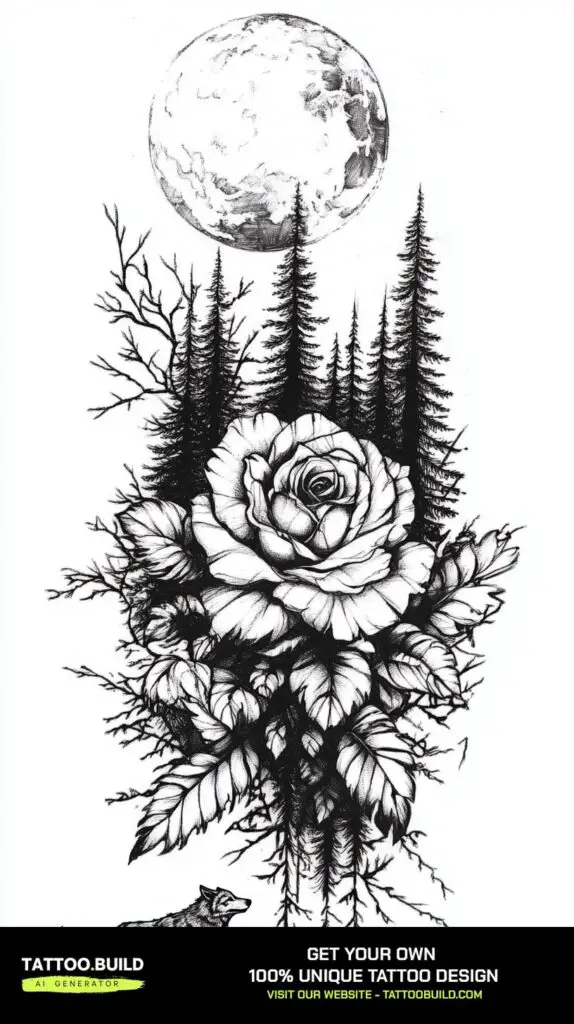
Many half sleeves celebrate the beauty of the natural world. Trees, mountains, waterfalls, animals, birds of prey, and mythical creatures like dragons or phoenixes are commonly featured. These elements are often woven into seamless ecosystems, representing strength, rebirth, survival, or harmony.
Nature-based sleeves often carry strong emotional or philosophical undertones. For instance, a tree growing from the forearm to the bicep might symbolize growth, resilience, or a connection to one’s roots. Animals like wolves or lions frequently appear as symbols of loyalty, bravery, or leadership.
Spiritual and Mythological Narratives
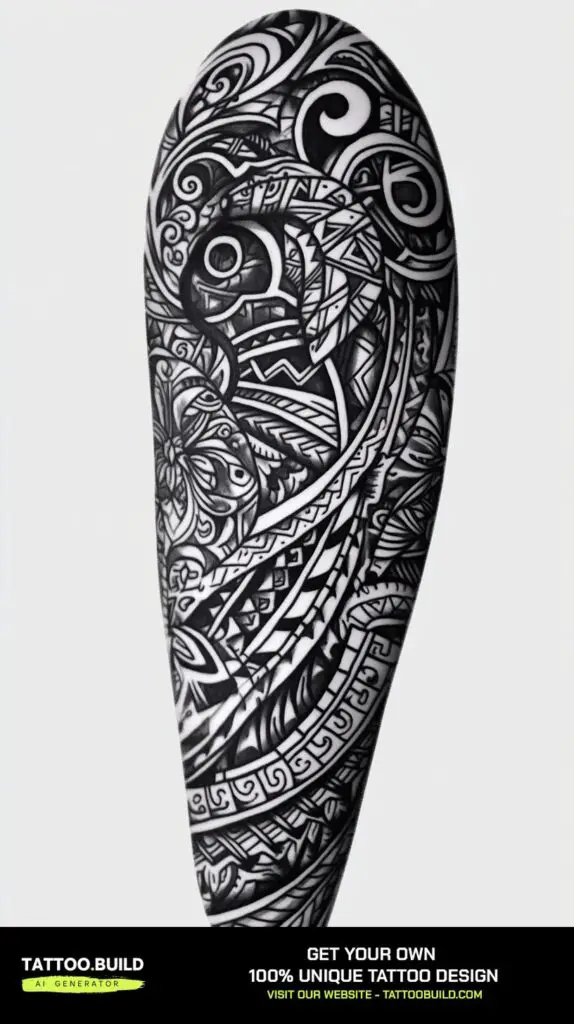
Some sleeves draw heavily from religious or mythological frameworks. Whether it’s Norse mythology, Greek gods, Hindu deities, or Christian iconography, these designs often explore deeper spiritual meanings. Scenes from sacred texts, stylized mandalas, or divine beings are carefully rendered to evoke reverence or introspection.
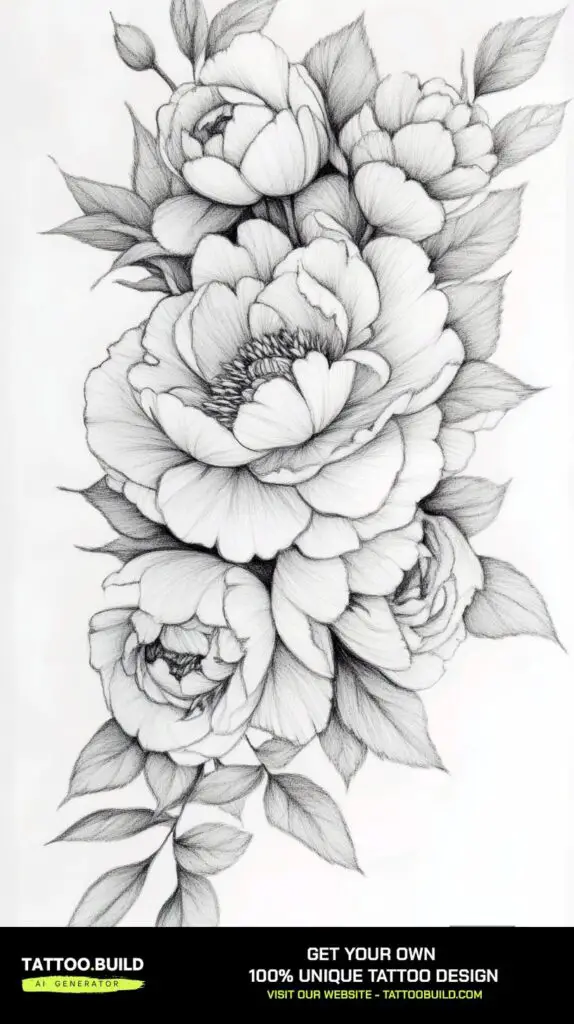
Mythology also allows for highly stylized artwork — the kind that translates beautifully into a sleeve’s format. Serpents coiling around arms, Valkyries poised in mid-flight, or thunderbolts from Zeus’s hand create dynamic, layered visuals with powerful impact.
Geometric and Abstract Designs
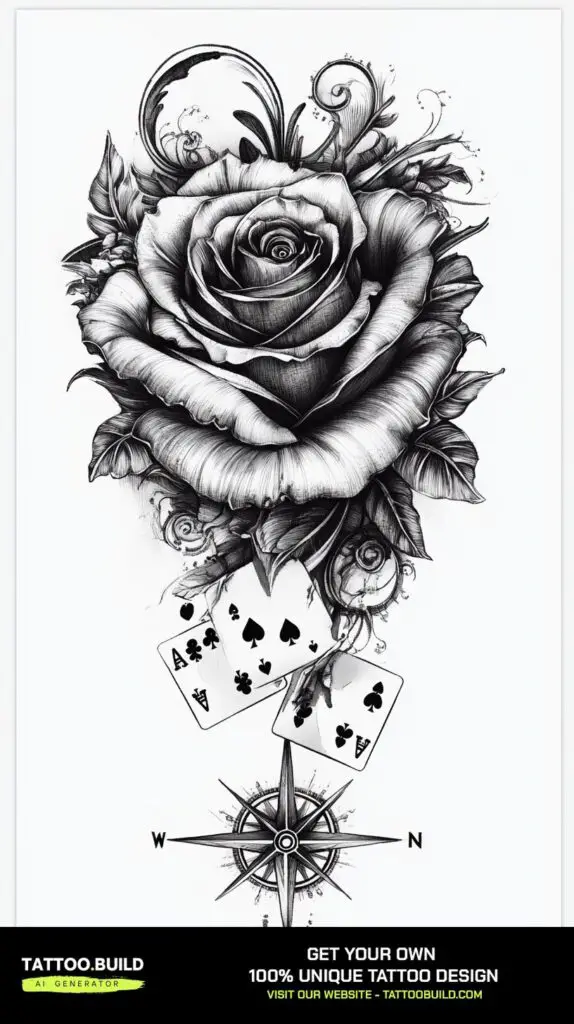
For those who prefer a more modern aesthetic, geometric half sleeve tattoos offer a striking alternative to illustrative realism. These designs use symmetry, repetition, and clean lines to form mesmerizing patterns. They can be purely decorative or deeply symbolic, representing balance, order, and sacred geometry.
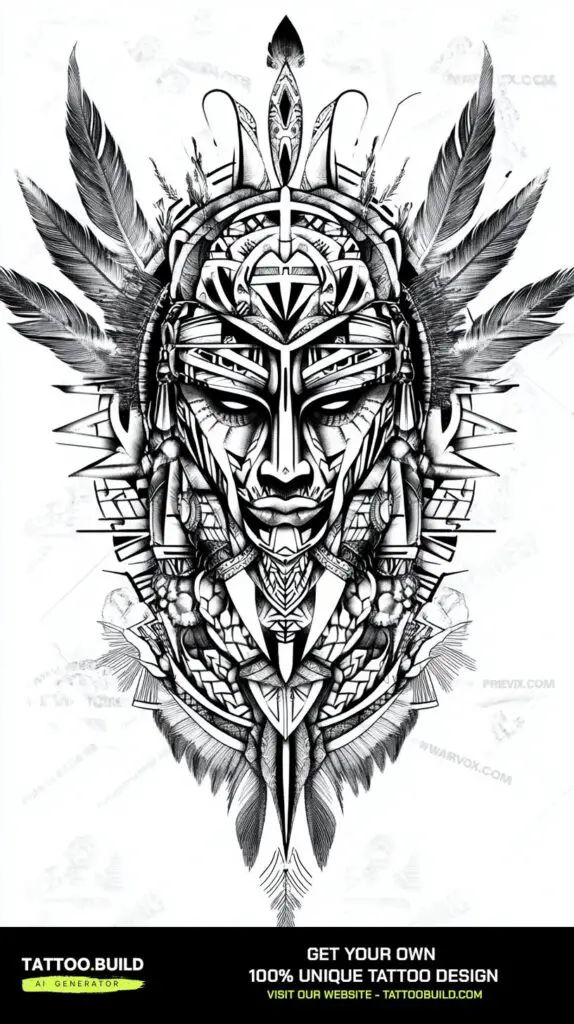
This style is particularly popular with fans of dotwork and blackwork tattoos. When rendered correctly, these designs wrap around the arm like an ornate sleeve of armor — precise, mathematical, and timeless.
Portraiture and Realism
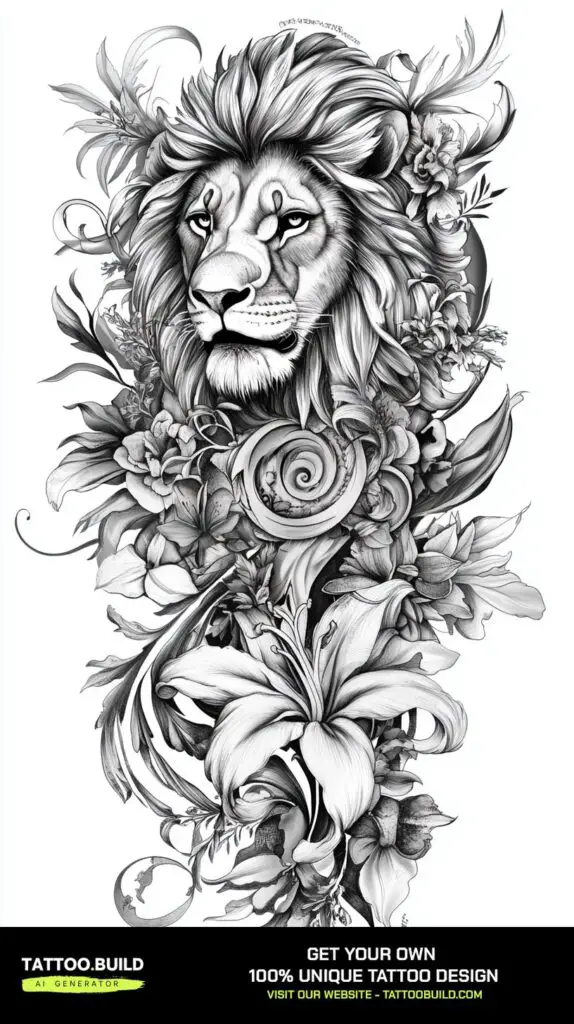
Realistic tattoos are among the most technically demanding forms of tattoo art. Portrait-based half sleeves often feature loved ones, cultural icons, or fictional characters, rendered with astonishing lifelike detail. These pieces require exceptional skill, not only in shading and light but in anatomical accuracy and emotional expression.
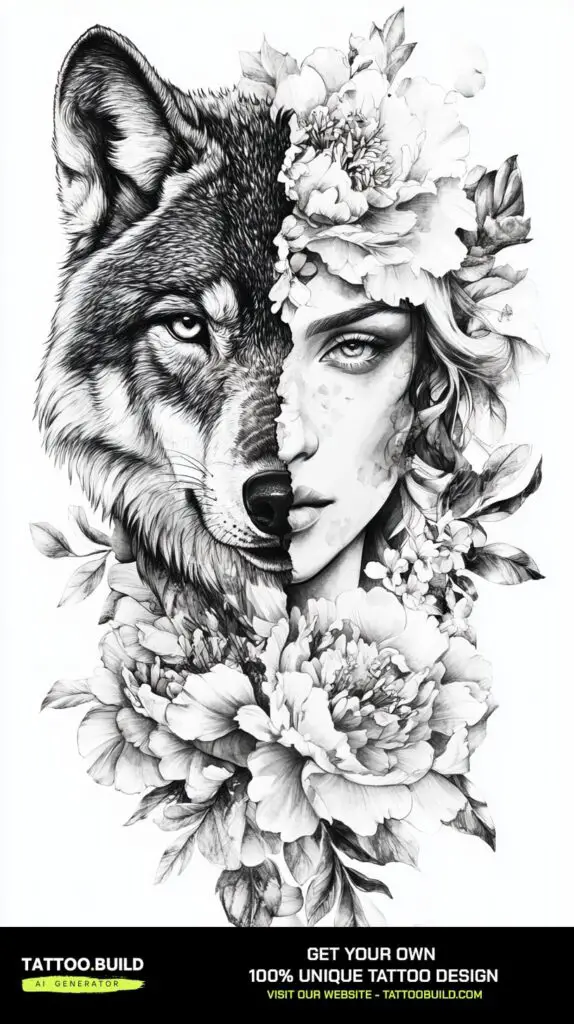
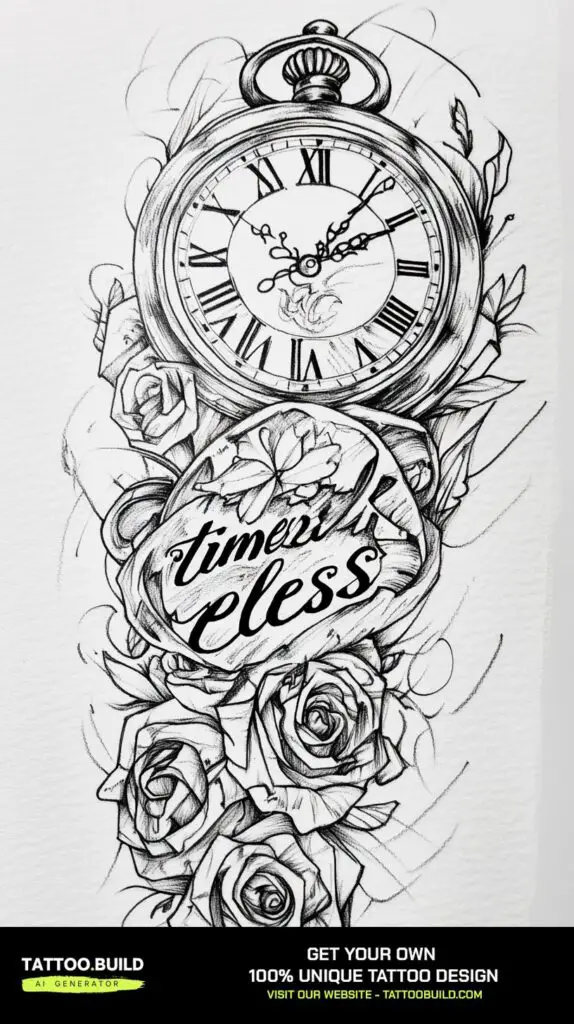
Realism doesn’t stop at faces. Artists also draw hyperrealistic roses, skulls, clocks, and other symbolic imagery. When merged into a sleeve, these elements can form a surreal visual narrative — like a still from a dream or memory.
The Artistic Process Behind a Half Sleeve
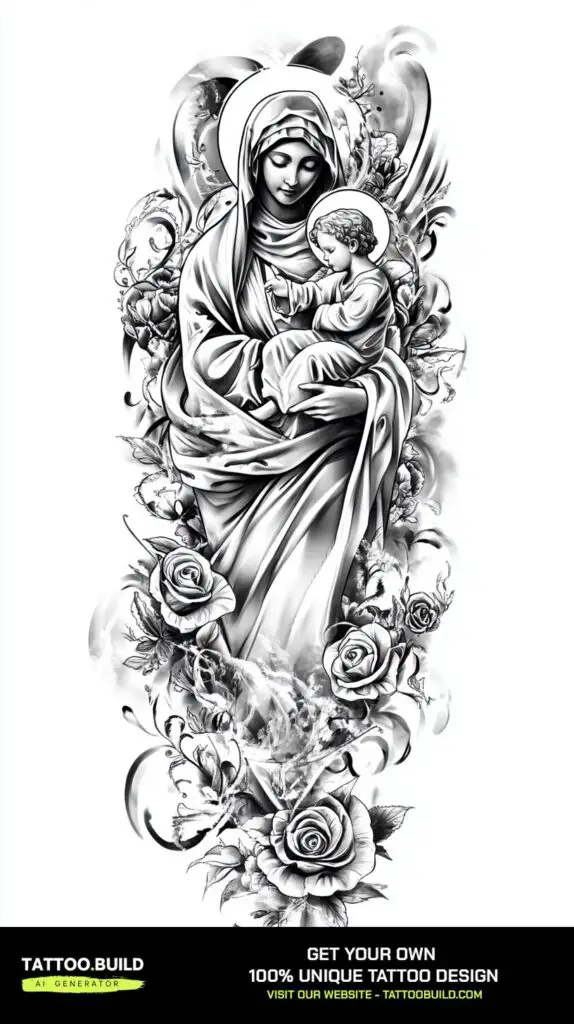
Creating a half sleeve is a journey. It begins not with ink, but with intention and collaboration. When a client first approaches an artist, they often bring a concept, reference images, or even just a feeling they want to express. It’s the artist’s job to transform that abstract idea into a concrete design.
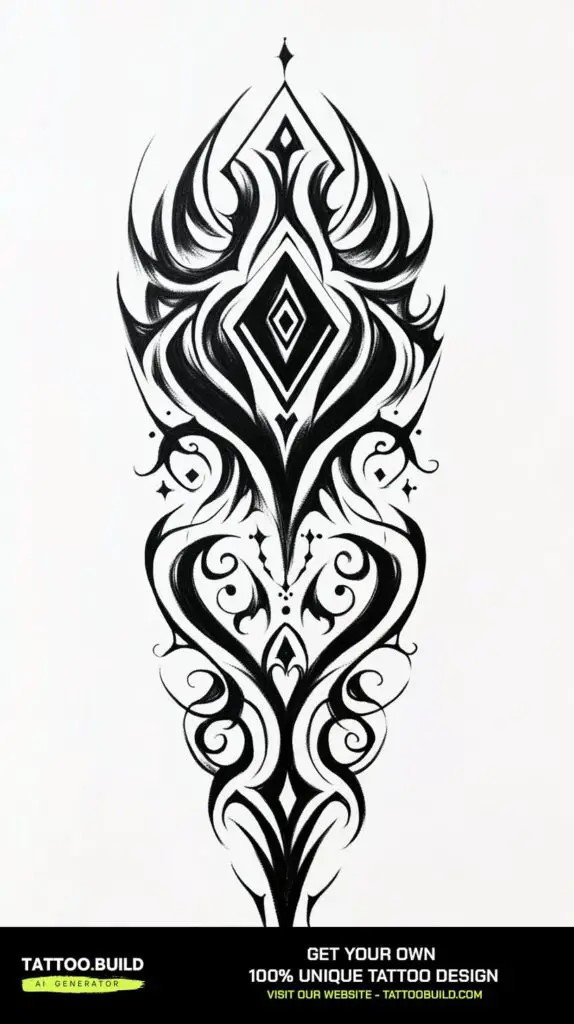
The drawing phase can take hours or even days. Artists sketch out rough concepts, focusing on layout, flow, and symbolism. These sketches are refined repeatedly until the final stencil is approved. The half sleeve must read well from multiple angles, have visual balance, and suit the individual’s anatomy.
After the drawing comes the actual tattooing — which is usually broken into multiple sessions. Depending on complexity, a sleeve may require 2 to 6 sittings, sometimes more. Color, detail, and shading are built up gradually to prevent skin trauma and ensure the best healing.
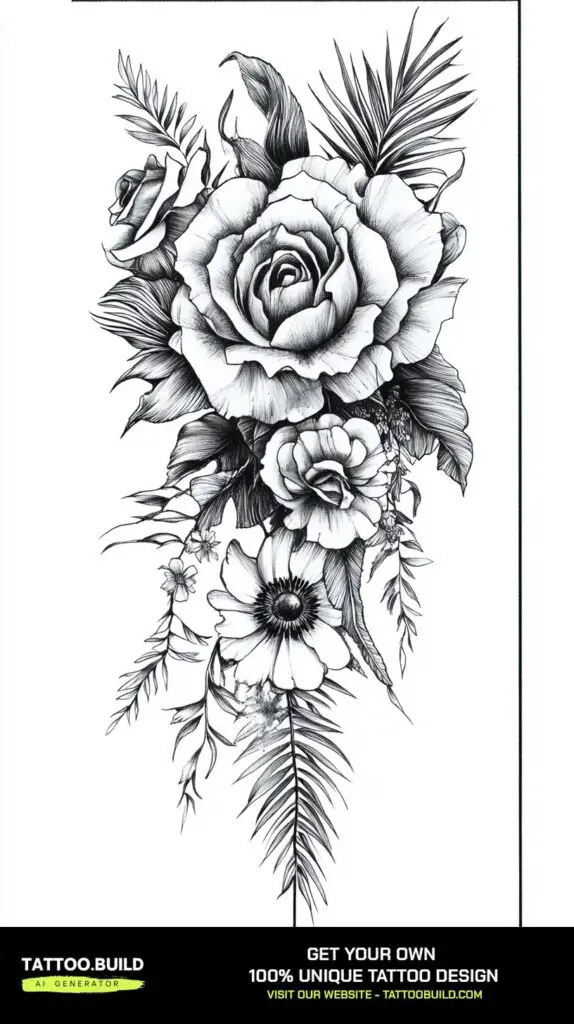
What makes this process so compelling is how personal and collaborative it is. Every half sleeve is a shared work of art — one envisioned by the wearer but brought to life by the hands of a skilled tattooist.
Final Thoughts
In a world saturated with fleeting digital images and disposable content, a tattoo — especially a half sleeve — is something different. It’s permanent, deliberate, and personal. It’s art that lives and breathes with you.
Half sleeve tattoo drawings are not mere trends. They are testaments to the evolving art of tattooing — a discipline where creativity meets skin, and stories find shape in ink. Whether you’re commemorating a life event, celebrating your roots, or simply adorning yourself with beauty, a half sleeve offers the space and structure to say something meaningful.
So, if you’re considering a half sleeve, don’t rush the decision. Invest time in exploring styles, studying artists, sketching out ideas, and understanding your own motivations. When you finally sit in that chair, you won’t just be getting a tattoo — you’ll be etching a chapter of your life onto the canvas of your body, forever.