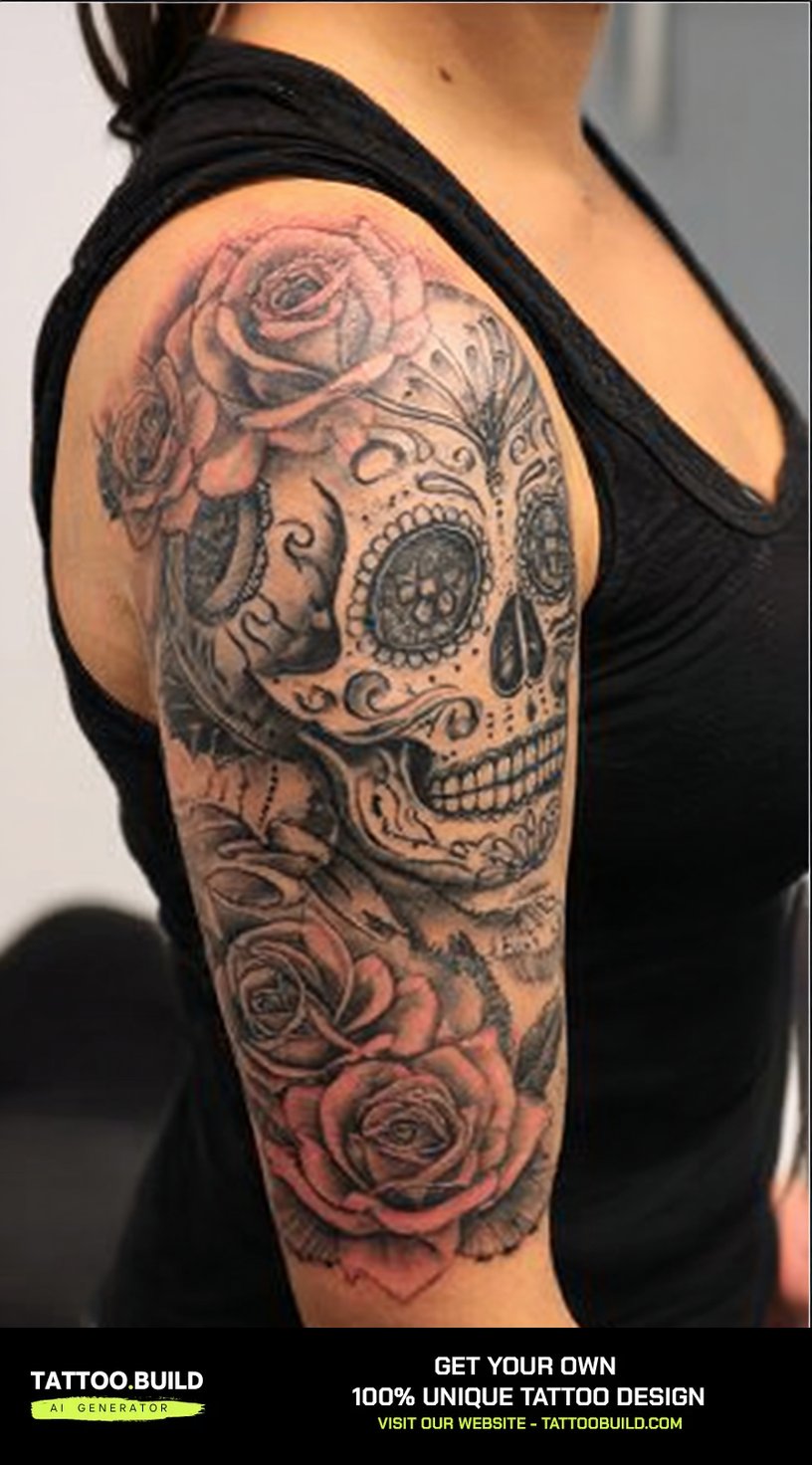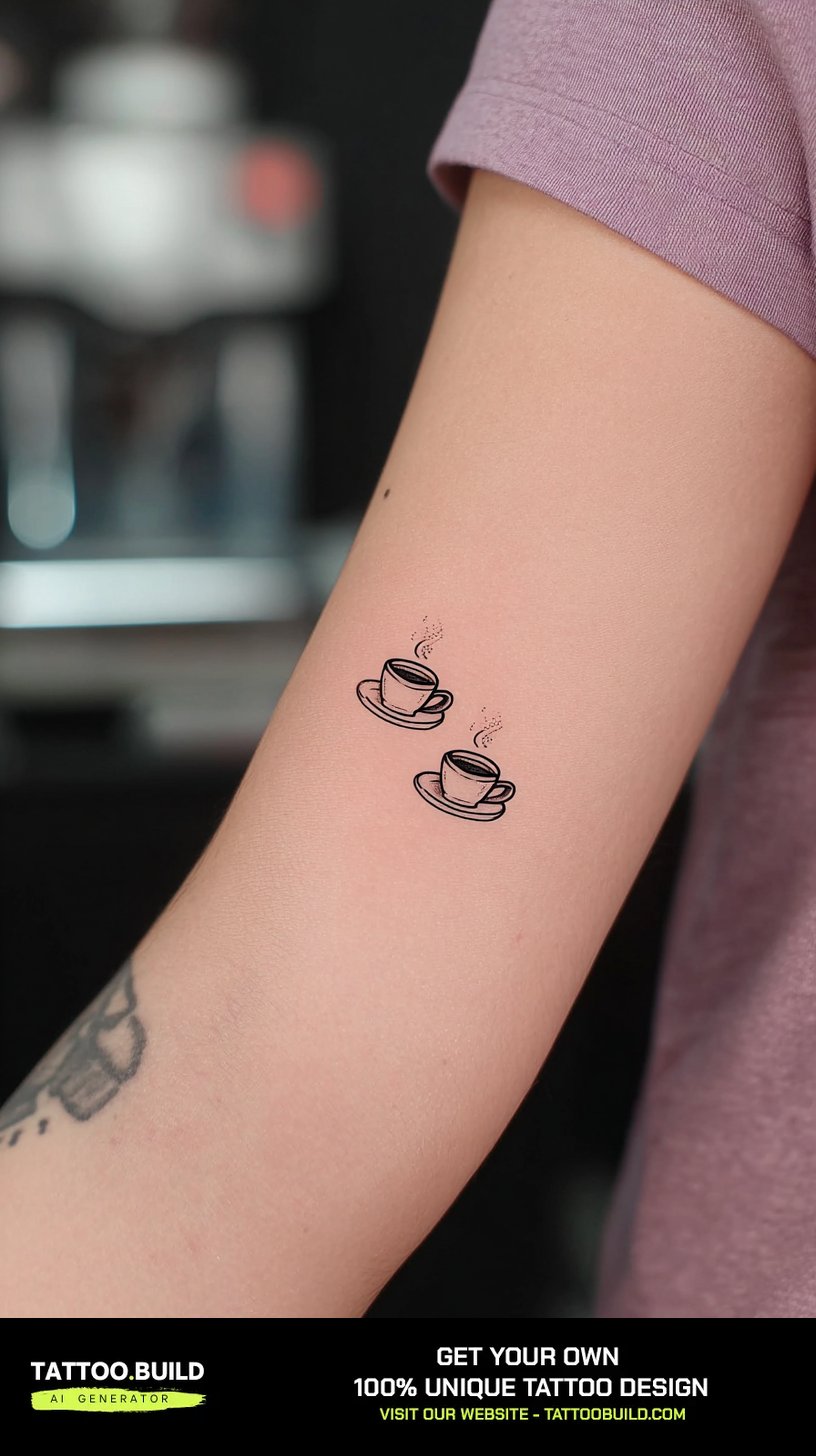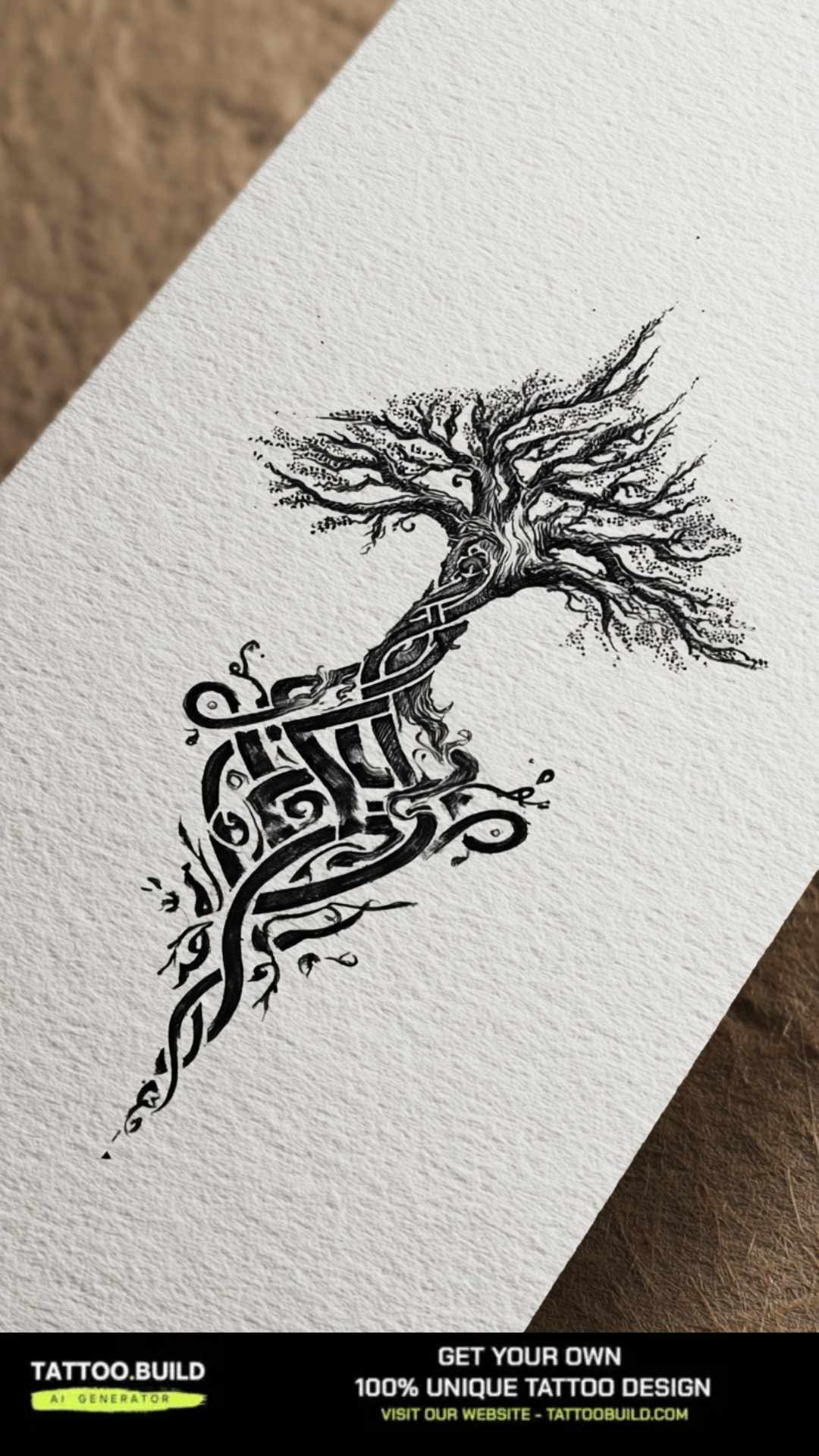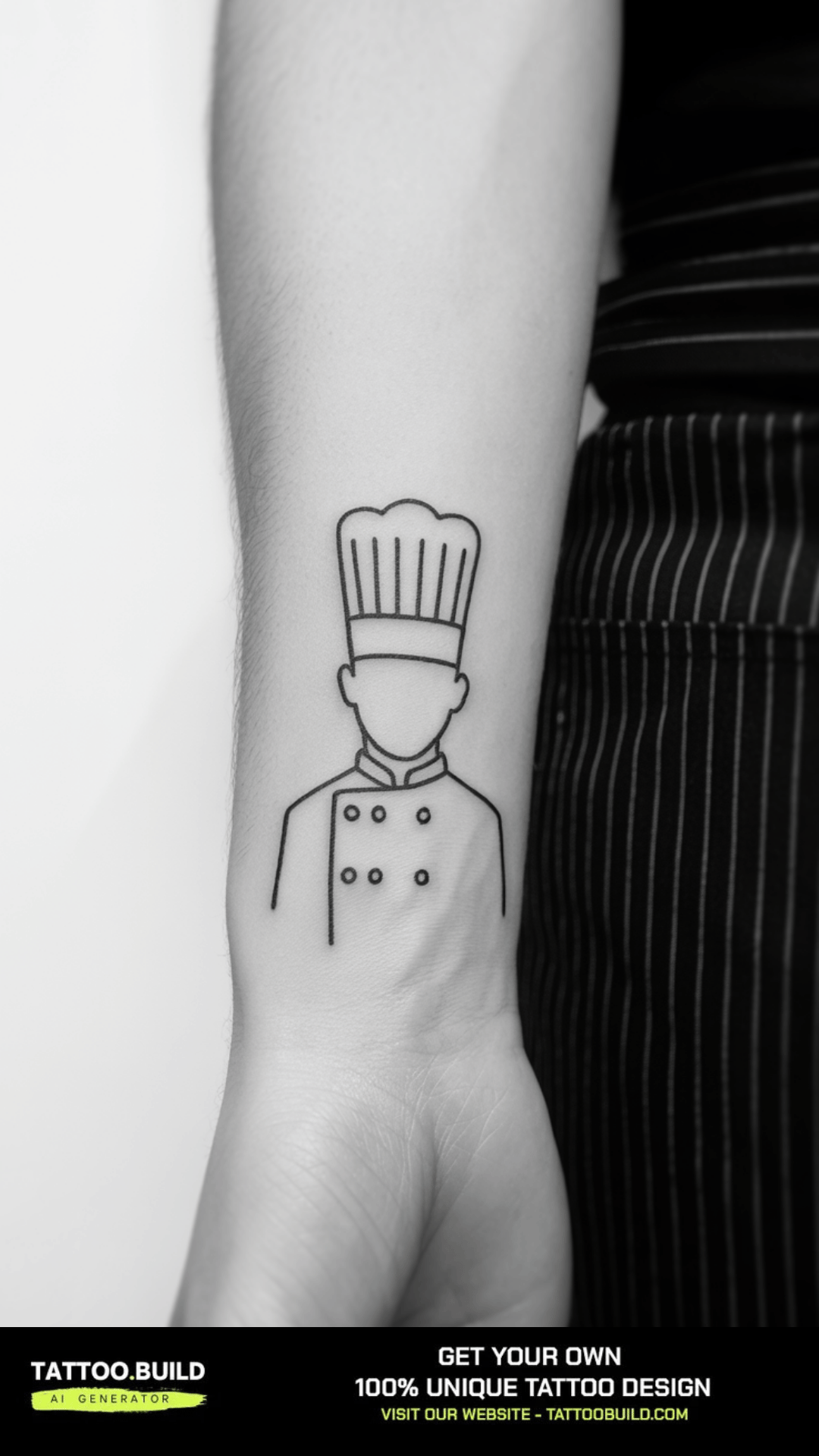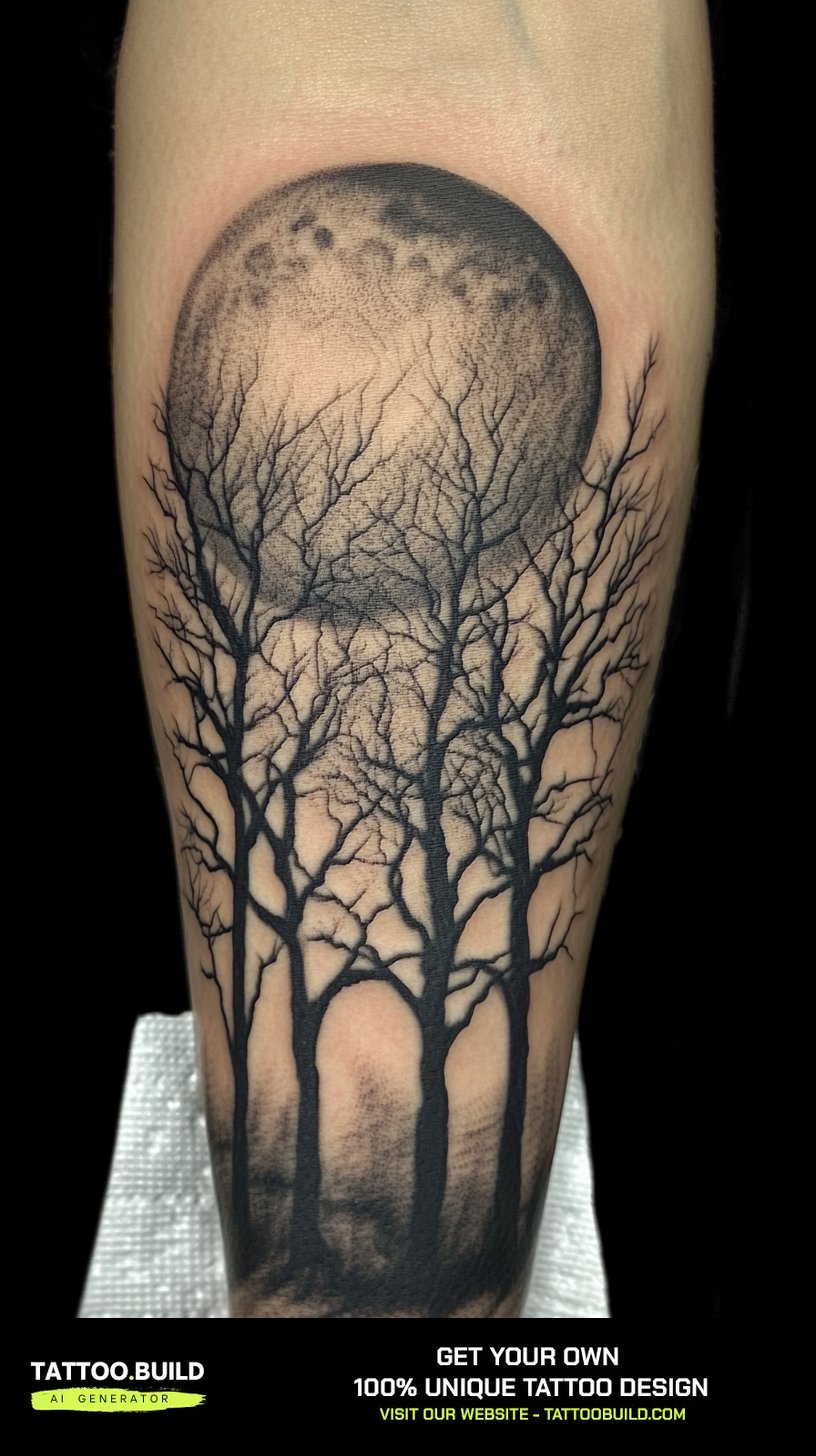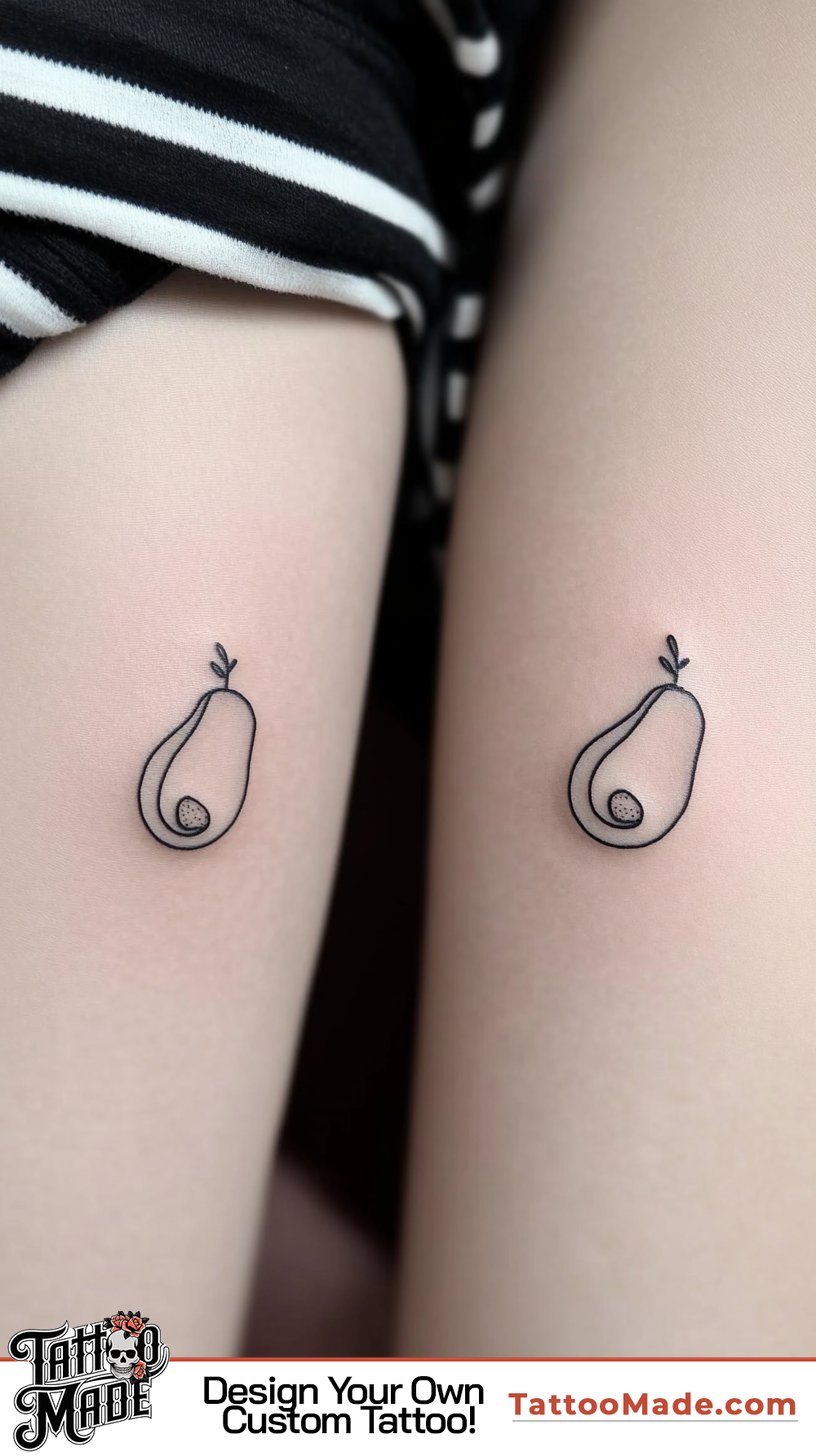
I have sat in the waiting area of more shops than I can count while two friends argued, laughed and eventually agreed on a design the size of a postage stamp. Small best friend tattoos work because the constraint does the editing for you — when you only have two or three centimetres to play with, the sentimental clutter falls away and what is left is the thing you actually meant.
That is the whole appeal. A tiny piece is quicker to sit for, cheaper to book, easier to hide at work, and far less likely to become the sort of tattoo you quietly regret in five years.
It is also the format most friends choose for a first piece together. If neither of you has been tattooed before, a small design is the gentlest possible introduction — and it pairs naturally with the minimalist tattoo styles that have dominated the last decade.
Below is everything I have learned about choosing, sizing, placing and healing these designs, plus a run of real examples to steal from.
Which Small Friendship Tattoo Style Is Right for You?
Most of the disagreements I have watched come down to style, not subject. Here is how the four common approaches actually differ once the needle is in.
| Style | Best for | How it ages | Typical sitting |
|---|---|---|---|
| Identical matching | Friends who want the bond obvious at a glance | Predictable — same design, same wear | 15–30 minutes each |
| Complementary pair | Two halves that complete each other side by side | Well, if each half stands alone too | 20–40 minutes each |
| Same symbol, own placement | Different jobs, dress codes or pain tolerance | Varies by spot — hands and feet fade fastest | 15–30 minutes each |
| Micro fine-line | The most delicate, barely-there look | Softens noticeably; often needs a touch-up | 20–45 minutes each |
If you take one thing from that table, take the last column on the right. Micro fine-line work looks the most impressive on day one and asks the most of you over the following decade.
What Actually Decides Whether a Small Tattoo Ages Well
Small tattoos do not fail because they are small. They fail because too much information was packed into too little skin.
Ink spreads slightly under the skin over the years — artists call it blowout when it happens immediately and softening when it happens slowly. Either way, the gaps between lines are what disappear first.
So the practical rule I have heard from every artist I have asked is the same: leave gaps you think are too generous. A design that looks slightly sparse fresh is the one that still reads at ten years.
Placement matters just as much. Areas that see friction and sun — hands, fingers, feet, the outer forearm — lose crispness faster than the inner arm, upper thigh or ribs.
And skin tone changes how much contrast you get from thin black lines, which is a conversation worth having openly with your artist rather than guessing from photos online.
Small Best Friend Tattoo Ideas That Actually Work
These are the categories I see requested again and again, roughly in order of how often friends land on them.
1. Tiny Symbols With a Private Meaning
A single small shape — a wave, a mountain, a comma, a semicolon, a paper plane — is the most forgiving small tattoo there is.
The appeal is that nobody has to understand it. When I ask friends why they picked a particular shape, the answer is almost always a specific afternoon rather than a symbol dictionary.
Keep it under about three centimetres, keep the line weight even, and it will still look like itself in a decade. The best test is whether the shape is recognisable from arm’s length, not nose-to-skin.
If you are drawn to this route, browse matching tattoo ideas for best friends for shapes that pair well without being identical.
2. One Word Each, Chosen Together
Word tattoos split opinion, and I understand why — a badly chosen font dates faster than any image.
What works is restraint: one word each, in the same typeface, at the same size. Common pairings I have seen are still / here, keep / going, and a single shared word split across two arms.
Ask your artist to print the word at actual size before you commit. Letterforms that look elegant on a screen often close up when they are two centimetres wide.
Serif faces need more room than sans-serif ones. If you want something delicate, a clean sans or a simple handwritten script will hold up better small.
3. Complementary Halves That Join Up
This is my favourite category and the one that goes wrong most often.
The idea is two pieces that form a single image when your arms are side by side — a sun and a moon, two halves of a heart, a plug and a socket, mountains and their reflection.
The failure mode is obvious once you say it out loud: you are not always standing next to each other. So insist that each half also works alone.
A good artist will sketch both halves separately first and only then show you the combined version. If they go straight to the combined drawing, ask for the split.
4. Celestial and Nature Motifs
Suns, moons, small constellations, single stems and tiny leaves are perennial for a reason — they are simple enough to shrink and personal enough to mean something.
Constellations deserve a specific warning. Tiny dots connected by hairline strokes are among the first things to soften, because the dots grow slightly and the lines thin.
If you want stars, ask for slightly larger dots and slightly shorter connecting lines than the reference photo shows. It looks heavier fresh and correct later.
Birth flowers are a lovely variation here: same concept, different bloom for each friend, drawn in one consistent style.
5. Dates, Coordinates and Numbers
The day you met, the city you both moved to, a flight number, a street address — numbers are the most literal option and, done small, one of the most discreet.
Roman numerals are popular but eat space fast. A date written plainly is usually cleaner at small sizes than the same date in numerals.
Coordinates need care with the punctuation. Degree symbols and apostrophes are small marks that can close up, so ask for them slightly oversized.
6. Inside Jokes and Tiny Animals
A specific animal, a piece of food, a cartoon shape — the tattoos with the most obviously daft origins are the ones people seem happiest with years later.
I think that is because they are honest. A tiny frog because of one night out is a truer record of a friendship than a generic infinity symbol.
Keep the silhouette strong. Simplified, chunky little characters shrink far better than detailed illustrative ones.
7. Micro Fine-Line Pairs
Single-needle work produces the most delicate small tattoos possible, and it is worth being clear-eyed about the trade-off.
Thin lines placed close together are the most likely to soften into each other. Many people who love this style plan for a touch-up somewhere down the line, and treat that as part of the deal rather than a fault.
Choose an artist whose healed fine-line photos you have actually seen — not just fresh shots. Any artist confident in the style will have healed work to show you.
Variations Worth Considering Before You Book
Matching is not the only way to mark a friendship in ink.
Same Design, Different Placement
If one of you works somewhere strict, put the same design in different spots. Inner bicep and ankle carry the same meaning with completely different visibility.
Same Placement, Different Design
The mirror-image approach: both on the left inner wrist, but each design personal. It reads as a set without either of you compromising.
This works especially well for siblings — there are more ideas in this vein among these matching tattoo ideas for sisters.
Group of Three or More
Trios are harder than pairs because symmetry breaks. The cleanest solution I have seen is one shared element plus one personal element each.
Start Smaller Than You Think
If either of you is hesitating, get the smaller version. Adding to a tattoo later is straightforward; taking away is not.
Practical Tips for Getting Tattooed Together
Book with one artist rather than two, if you can. Matching pieces drawn and tattooed by the same hand match far more convincingly than two artists working from the same reference.
Go on the same day but not necessarily at the same moment. Watching your friend go first is genuinely useful if you are nervous, and most shops are happy to run you back to back.
Eat properly beforehand and skip alcohol the night before. Both of those matter more than people expect for a short sitting, and every artist I have asked raises them unprompted.
On pain: small pieces on the forearm are, for most people, a manageable sting for fifteen to twenty minutes. Bony and thin-skinned areas are a different experience — this tattoo pain chart is a reasonable guide, though tolerance varies enormously between people.
On aftercare, follow the instructions your artist gives you over anything you read online, including this article. The general principles — keep it clean, keep it moisturised, keep it out of the sun, do not pick — are summarised well by the American Academy of Dermatology.
If a healing tattoo becomes hot, swollen, increasingly painful after the first few days, or starts weeping pus, see a doctor rather than waiting it out. Infections and allergic reactions to pigment are uncommon but real, and the Mayo Clinic has a clear rundown of the risks worth knowing before you book. Never attempt to tattoo or remove a tattoo at home.
Common Mistakes — and What to Do Instead
Booking on the day you had the idea. Sleep on it for a week; the designs that survive that week are the right ones.
Sizing from a phone screen. Print the design at actual size and tape it to your skin for a day before the appointment.
Choosing a shop on price alone. Budget matters, and this guide to what a small tattoo costs sets realistic expectations, but the cheapest quote in town is rarely the one to take for a piece you both want to keep.
Putting a first tattoo on your fingers. Finger ink fades and patches faster than almost anywhere else — see finger tattoo ideas for what to expect before you commit there.
Overloading the design. If your reference has six elements in a two-centimetre space, cut it to three.
Still deciding? These first tattoo ideas and this collection of tiny wrist tattoo designs are both good places to narrow things down before you walk in.
Frequently Asked Questions
How small can a best friend tattoo actually be?
Most artists will tattoo down to roughly two centimetres for a simple shape, and some will go smaller for a single dot or line. Below that, the practical limit is not the needle but the skin — lines placed very close together will eventually soften into each other. A good artist will tell you when a design is too small for the detail you want and offer to simplify it instead. Take that advice; it is the difference between a piece that reads at ten years and a smudge.
Do small tattoos fade faster than big ones?
Not because of size in itself, but small designs show fading sooner because there is less detail to lose. A thin line that thickens by half a millimetre is barely noticeable on a large piece and very noticeable on a two-centimetre one. Placement matters more than size — hands, fingers and feet fade fastest anywhere on the body. Sun protection once healed is the single most effective thing you can do to slow it down.
Should we get identical tattoos or complementary ones?
In my experience, complementary designs hold up better socially. Identical tattoos are lovely, but they tie the piece to one specific relationship, whereas a related design still works entirely on its own. If you do go identical, choose something that would still mean something to you personally. That is not cynicism about your friendship — it is just good design.
How much do small matching tattoos usually cost?
Almost every shop charges a minimum for a small piece rather than pricing by the centimetre, so two tiny tattoos usually cost two minimums. Rates vary widely by city, artist and demand, so ask for a quote by email before you go rather than assuming. Some artists will offer a slightly better rate for two people booked back to back, though you should never expect it. Tipping customs vary by country — it is fine to ask the shop what is normal.
Does it hurt more to get a tiny tattoo?
The sensation is the same; the duration is much shorter, which is why small pieces are such a common first tattoo. What changes the experience most is where you put it — fleshy areas like the outer forearm or thigh are generally mild, while ribs, ankles, feet and the inner arm are sharper for most people. Pain tolerance genuinely varies, so your friend’s experience will not predict yours. If you are anxious, tell the artist; they do this every day and can pace the session.
Quick Summary
- Small best friend tattoos work because the size limit forces you to cut everything but the point.
- Leave more space between lines than feels right — gaps are what disappear first as ink softens.
- Complementary designs usually age better than identical ones, socially and visually.
- Make sure each half of a paired design still works when you are standing alone.
- Inner arm, upper thigh and ribs hold detail longer than hands, fingers and feet.
- Book both pieces with the same artist so they genuinely match.
- Print the design at actual size and wear it for a day before the appointment.
- Follow your artist’s aftercare instructions, and see a doctor if healing looks infected.