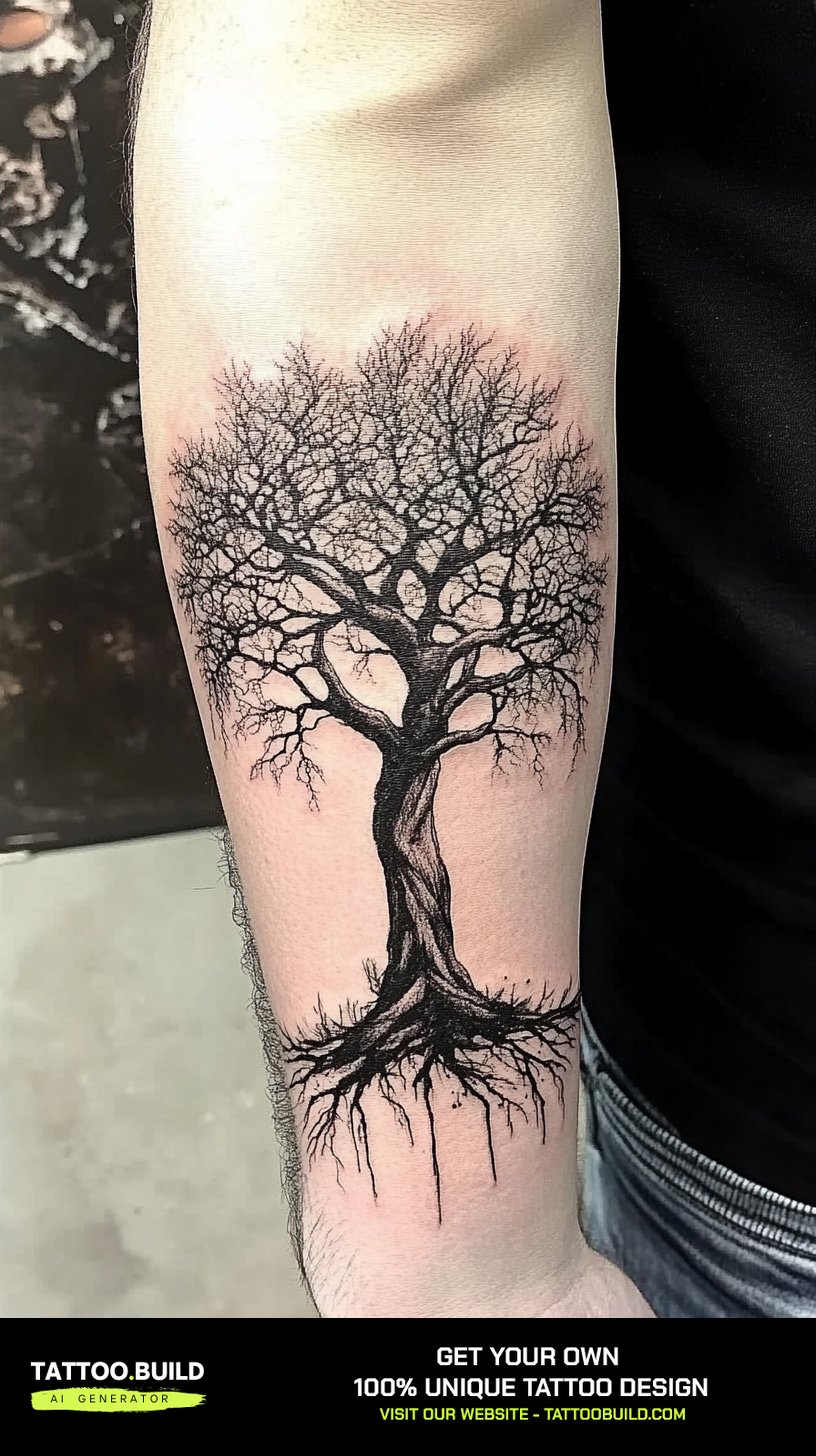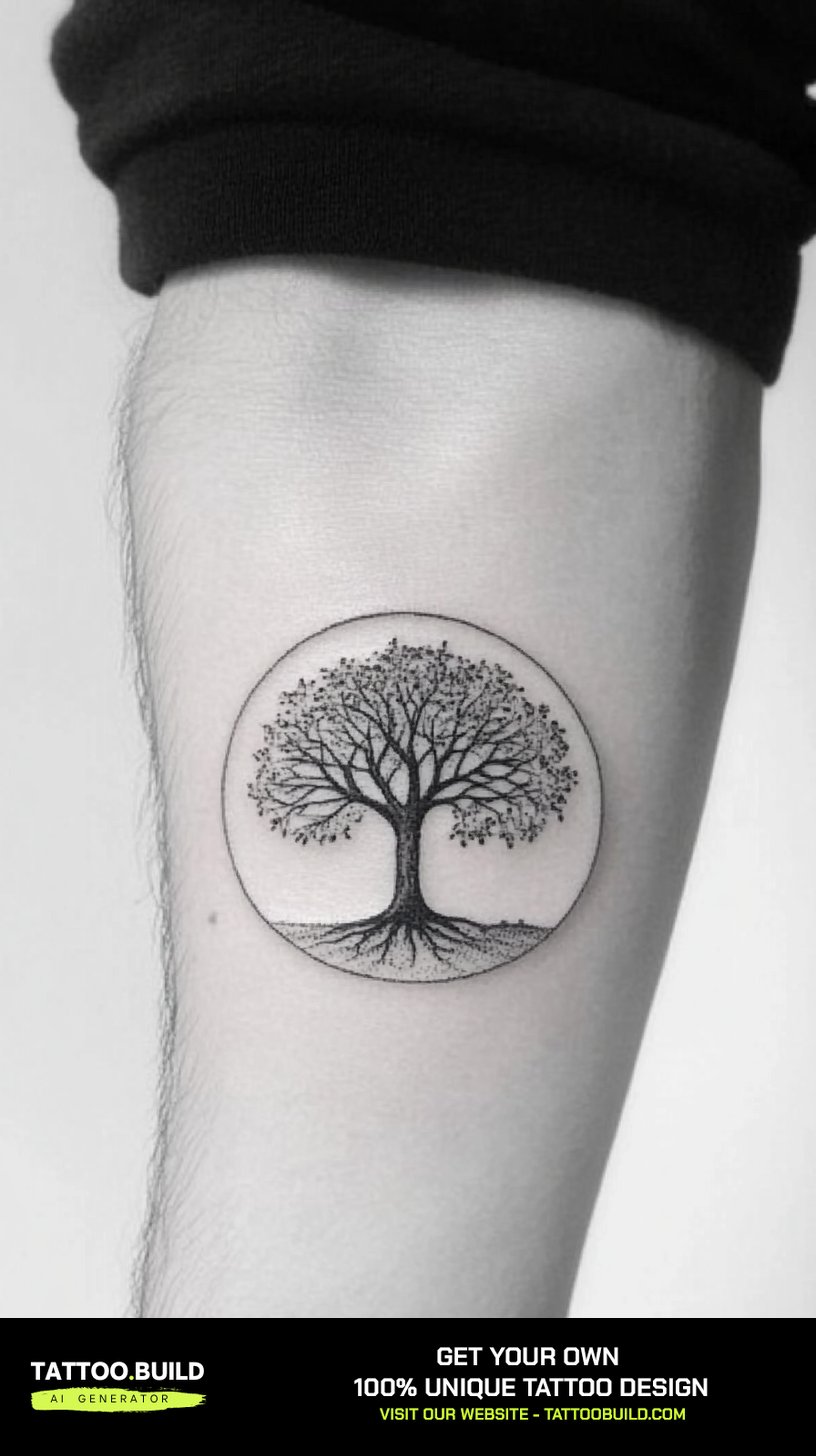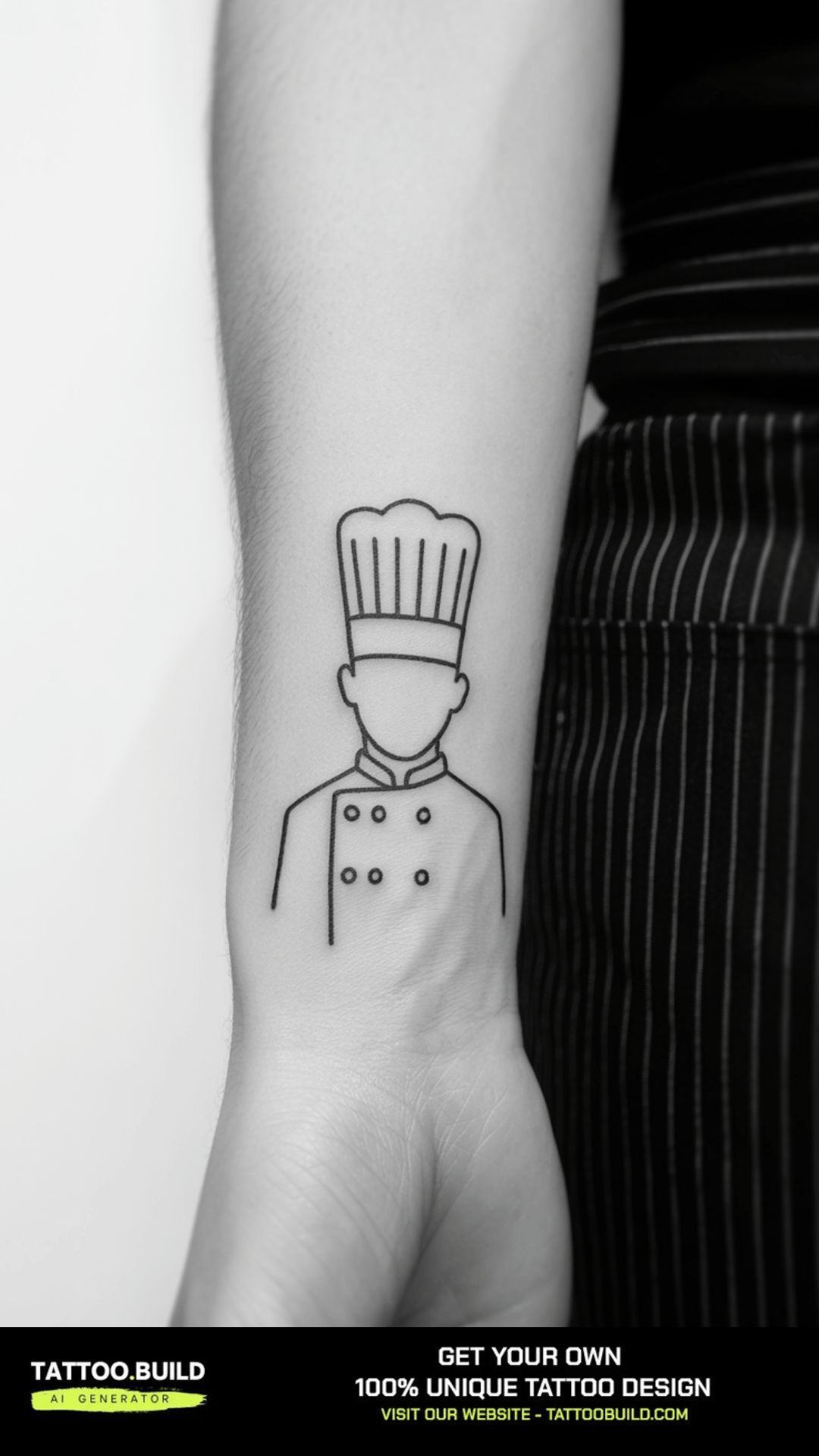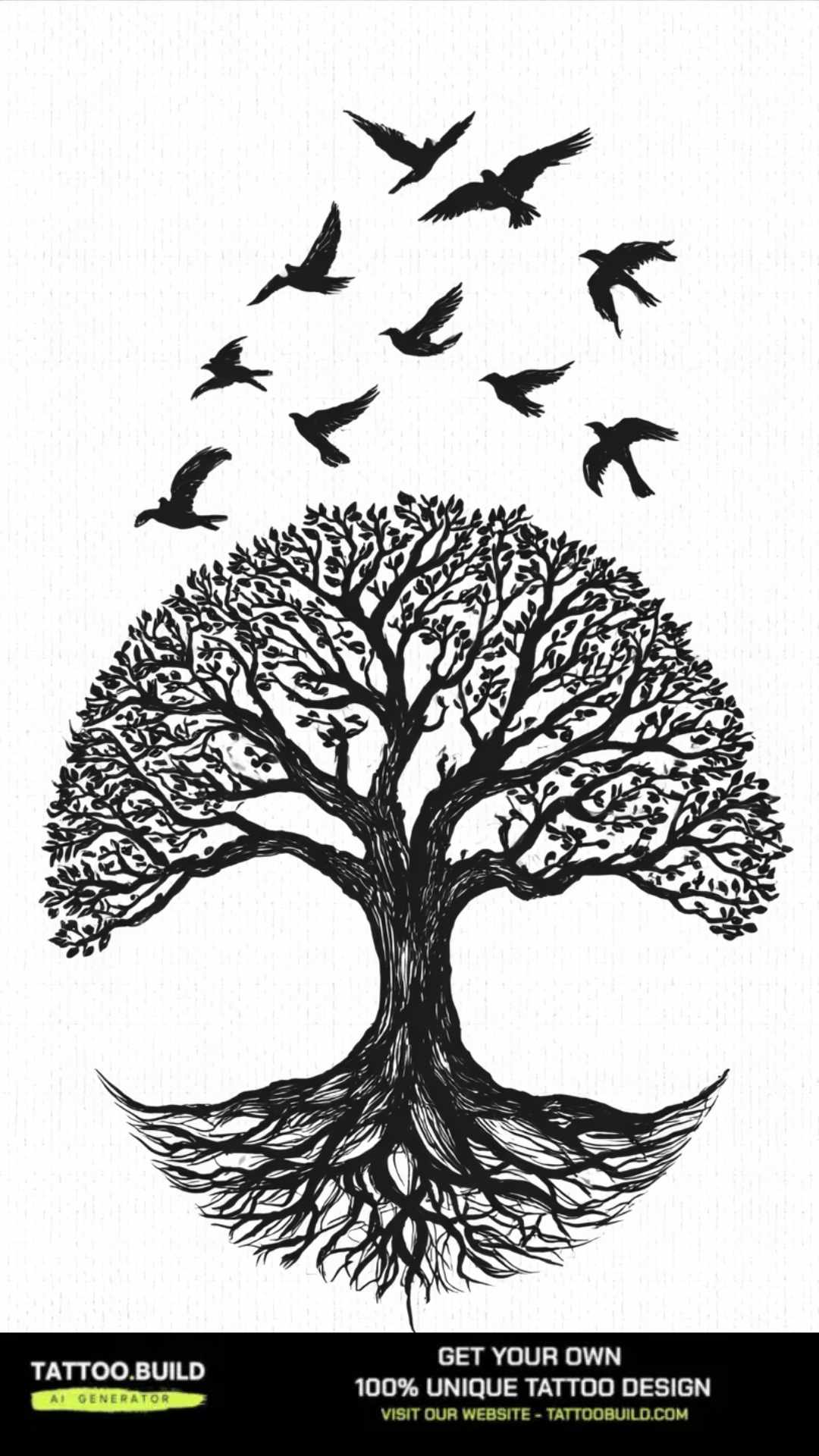
A tree of life tattoo is one of the few designs that means something in almost every culture that has ever picked up a needle, which is exactly why it survives trends.
I have watched this design come through shops for years and it never sits still. One month it is heavy Celtic knotwork, the next it is a fine line sapling the size of a thumb.
What stays constant is the structure: roots below, trunk in the middle, canopy above. That vertical spine is what makes it fit the human body so easily, and it is why it reads well on a forearm, a spine or a full back. If you are still sketching, our collection of tree tattoo drawing ideas is a good place to loosen up first.
Below are 30+ designs pulled from real work, organised by the tradition or theme they come from, plus what I have learned about which versions actually hold up on skin.
Which Tree of Life Style Is Right for You?
Before you scroll the designs, it helps to know what each style asks of you in size, budget and upkeep.
| Style | Best Size | Ages Well? | Choose It If |
|---|---|---|---|
| Celtic knotwork | Medium to large | Yes, if the knots are spaced | You want heritage and an unbroken, continuous line |
| Norse / Yggdrasil | Large | Very well in bold blackwork | You want scale, weight and mythology |
| Fine line minimal | Small to medium | Needs touch-ups sooner | You want something quiet and easy to cover |
| Dotwork / stipple | Medium | Good, softens gradually | You like texture and shading without hard outlines |
| Mandala hybrid | Large | Depends heavily on the artist | You want symmetry and a meditative feel |
| Landscape fusion | Large | Good with strong contrast | You want a place, not just a symbol |
Nothing in that table is a rule. It is the pattern I keep seeing when people come back for touch-ups a few years later.
What Actually Makes a Tree of Life Tattoo Work
The difference between a tree tattoo that still looks good in a decade and one that turns into a grey smudge is almost always spacing.
Branches are thin lines that sit close together. As tattoo ink spreads slightly over years, lines that were separate on day one start to touch.
Every experienced artist I have asked says the same thing: leave more gap between branches than looks right on paper. On skin it closes up on its own.
The second factor is contrast. A tree with a solid dark trunk and lighter canopy stays readable from across a room, while an evenly mid-grey tree flattens out.
The third is size, and this is where most regret happens. A design with twenty individual leaves needs the room for twenty individual leaves, and shrinking it to fit a wrist does not shrink the ink.
Symbolic Meanings Across Cultures
The tree of life is layered rather than singular. Each tradition adds something, and knowing which one you are drawing on makes the tattoo yours rather than generic.
Celtic Interpretations: Interconnectedness and Eternity
In Celtic tradition the tree is usually drawn with knotwork, where branches curve back down and become roots in one continuous line.
That unbroken loop is the whole point. There is no start and no end, which is how the design carries the idea of eternity without needing a single word of text.
The branches reaching up read as growth and aspiration, the roots as origin and grounding, and the circle that contains them as balance between the two.
In my experience these are the most forgiving trees to age, because knotwork is drawn as thick bands rather than hairline twigs. If the knot pattern itself interests you, our guide to Celtic knot tattoo ideas covers how the weaves are constructed.
Norse Mythology: Yggdrasil and Cosmic Connection
Yggdrasil is the world tree of Norse cosmology, the ash that connects the nine realms. It is not a decorative tree, it is architecture.
That changes how it is drawn. Yggdrasil pieces tend to have a heavy trunk, sprawling roots and a canopy that fills the whole frame rather than tapering politely. Yggdrasil’s place in the Norse sources is worth a read before you commit to runes or realm markers.
If you want this one, give it room. Every good Yggdrasil I have seen was a back, chest or full outer-arm piece. Shrunk down, the realms and roots collapse into a black mass.
Runes are common around the trunk, but check the meaning with someone who reads them. I have seen more than one cover-up caused by a runic sequence that turned out to be nonsense. Broader Norse mythology tattoo ideas are worth browsing for how artists handle that lettering.
Eastern Philosophies: Balance, Growth, and Harmony
Eastern-influenced trees lean on symmetry. The canopy mirrors the root system almost exactly, and the visual weight sits evenly above and below the ground line.
The reading here is balance rather than eternity: complementary forces held in tension, growth that depends on what is buried.
These designs often use lighter linework and more negative space than Celtic or Norse versions, which suits people who want the tattoo to sit quietly on the skin.
They also scale down better than most. A symmetrical tree with eight clean branches works at three inches in a way a detailed Yggdrasil never will.
Modern Takes: Personal Growth and Transformation
Plenty of people who get this tattoo are not drawing on any tradition at all. They are marking something that happened to them.
Those designs tend to break the symmetry deliberately. A canopy leaning as if in wind, roots exposed on one side, a trunk that bends before it straightens.
I have tattooed friends who chose a bare sapling specifically because they were at a beginning rather than a summing-up, and years later that still reads correctly on them.
If that is your angle, tell your artist the story rather than showing them a Pinterest board. The asymmetry only works when it comes from something specific.
Fusion Themes: Combining the Tree with Other Motifs
Most of the tree of life tattoos I see now are hybrids. The tree is the frame and something personal lives inside it.
Roots Interlaced with Names or Words
Names in the roots is the single most requested variation, and it is a good instinct: roots are where lineage belongs.
Practically, it also works better than lettering in the branches, because roots are thicker shapes with room for legible letters.
Keep the text short. One name per root, or one word at the base. Full dates and sentences are what blur first. Our family tattoo ideas collection has more examples of how lettering gets integrated.
Animals Integrated into the Tree’s Branches
An owl in the canopy, a deer at the base, birds lifting off the top branches. Animals give the eye somewhere to land.
The rule I would follow: one animal, placed where the branch detail is simplest. Two or three competing figures turn the canopy into visual noise.
Owls are the most common because the round shape sits comfortably in a fork of branches. If that is your direction, our owl tattoo ideas show how artists handle the feather detail at small sizes.
Celestial Elements: Moons, Suns, and Stars
Celestial fusions solve a real design problem, which is what to do with the empty space around a tree’s silhouette.
A crescent moon behind the canopy gives the piece a clean outer edge. A sun-and-moon split turns one tree into a day-and-night statement.
Dotwork stars are the subtlest option and my usual recommendation, because they fill background without adding lines that compete with the branches.
Mandala-Tree Hybrids for Spiritual Depth
Here the canopy becomes a mandala: geometric, symmetrical, built from repeated segments.
These are beautiful and they are unforgiving. Mandala work exposes any wobble in symmetry, so this is the one variation where the artist matters more than the design.
Ask to see healed mandala work specifically, not fresh photos. Fresh geometry always looks sharp. If you like the direction, browse mandala tattoo ideas for a sense of the linework involved.
Nature-Connected Variations Worth Considering
If the classic circular tree feels too familiar, these are the directions I have seen work in real shops.
Tree merging into a mountain and river landscape
The trunk becomes a ridge line, the roots become a river. It reads as a place rather than a symbol, which suits people tattooing somewhere specific. There are more examples in our mountain and tree tattoo gallery.
Roots forming a heart underground
Subtle because it sits below the ground line, so it is not the first thing anyone notices. That restraint is what keeps it from feeling sentimental.
Canopy made of birds or butterflies taking flight
Instead of leaves, small silhouettes leaving the branches. It ages reasonably well because each shape is a distinct blob rather than a hairline.
Tree growing out of an open hand or palm
A harder composition to balance, since two detailed subjects compete. Works best when the hand is simplified to outline only.
Silhouette tree inside a full-colour or blackwork circle
Negative space does the work. The tree is untattooed skin inside a filled circle, which is striking but essentially impossible to change later.
Placement, Sizing and Aftercare
Give the design at least five inches of vertical run if it has separate branches. That is the point where, in my experience, detail stops closing up over the years.
Forearms, upper arms, spines, calves and backs all suit the shape. Ribs work but hurt more than most people expect for a piece that size, and the skin moves there.
For healing, follow whatever your artist tells you rather than a routine you read online, because it depends on their technique and your skin. General guidance from the American Academy of Dermatology on caring for tattooed skin is a sensible baseline on sun protection and moisturising.
Signs that need a doctor rather than a forum: spreading redness, heat, swelling that increases after day three, pus, or fever. That is not something to wait out, and it is not something to treat yourself.
Still Not Sure? Common Mistakes to Avoid
The most common one is choosing size before choosing detail. Decide what the tree needs to contain, then size the piece to fit it.
The second is copying a specific artist’s tattoo line for line. Bring three or four references and let your artist build something that fits your body.
The third is filling every gap. Empty space around a canopy is not a mistake to be corrected, it is what lets the shape read.
If you are still weighing this against other symbolic designs, it is worth comparing with spiritual tattoo ideas and, for something quieter, fine line tattoo ideas before you book.
Frequently Asked Questions
How much does a tree of life tattoo usually cost?
It depends far more on size and detail than on the subject itself. In my experience a palm-sized fine line tree runs on the lower end of a shop’s minimum-to-mid range, while a back-piece Yggdrasil with full shading is a multi-session commitment. Most artists I have spoken to quote by the hour once a piece passes about four inches. Ask for a written estimate at the consultation, and expect the number to move if you add background.
Where does a tree of life tattoo look best?
The forearm, upper arm and spine suit the shape naturally because the trunk follows the limb. Backs and thighs give the canopy the room it needs for detailed branches. I would avoid fingers, the side of the hand and the outer foot for anything intricate, since those areas rub and fade fastest. Bring your artist a photo of the exact spot so they can adjust the proportions to your body.
Does the tree of life mean the same thing in every culture?
No, and that is part of why it works so well as a tattoo. Celtic knotwork versions lean on interconnection and eternity, Norse Yggdrasil connects nine worlds, and several Abrahamic traditions tie it to creation and immortality. Britannica’s overview of the tree of life is a reasonable starting point if you want the religious context before you commit. Pick the reading that actually means something to you rather than the one that looks best on a flash sheet.
How long does a tree of life tattoo take to heal?
The surface usually looks settled in two to three weeks, while the deeper skin keeps healing for a couple of months. Larger blackwork pieces tend to feel raw longer than fine line work simply because more skin was worked. Follow your artist’s aftercare instructions rather than advice from the internet, and see a doctor if you get spreading redness, heat, swelling or fever, which are not normal healing. A reputable artist would rather you call and ask than wait it out.
Can I add names or dates to a tree of life tattoo later?
Usually yes, and it is one of the easier designs to extend. Roots, the ground line and the space under the canopy all give an artist somewhere to add lettering without redrawing the tree. I have seen people add a name per child over the years and it still reads as one piece. Tell your artist at the first session that you may expand it, so they leave the room for it.
Quick Summary
- The tree of life is a shared symbol with different meanings by culture, so decide which tradition you are drawing on before you book.
- Celtic knotwork emphasises interconnection and eternity, Norse Yggdrasil emphasises scale and cosmic structure.
- Roots carry as much of the meaning as branches, and they are the best place to hide names or dates.
- Bigger is safer for detail: crowded branches blur first as a tattoo ages.
- Fusion ideas that work include animals, celestial elements, mandalas and landscape backgrounds.
- Forearm, upper arm, spine, back and thigh suit the vertical shape best.
- Bring reference of the trunk shape you want, not just finished tattoos, so your artist can design rather than copy.
- Follow your artist’s aftercare instructions and see a doctor for signs of infection rather than self-treating.