Tree of Life Tattoo: A Symbol of Growth, Roots, and Renewal
The tree of life tattoo has become one of the most enduring symbolic designs I recommend to clients who want a piece that carries real weight without leaning on trend. Its roots reach into the earth and its branches climb toward the sky, and that shape alone tells a story about where you came from and where you are still growing.
I have watched this design work on almost every body part I have tattooed — the spine, the forearm, the calf, the chest — and it adapts to each one because the silhouette is so recognizable. That flexibility is the reason it keeps showing up in every studio I visit, year after year.
In this guide I walk through the meaning, the styles that hold up over time, the placements that actually flatter the design, and the questions clients ask most often before they commit. If you are drawn to nature-inspired ink more broadly, my nature tattoos guide is a useful companion read.
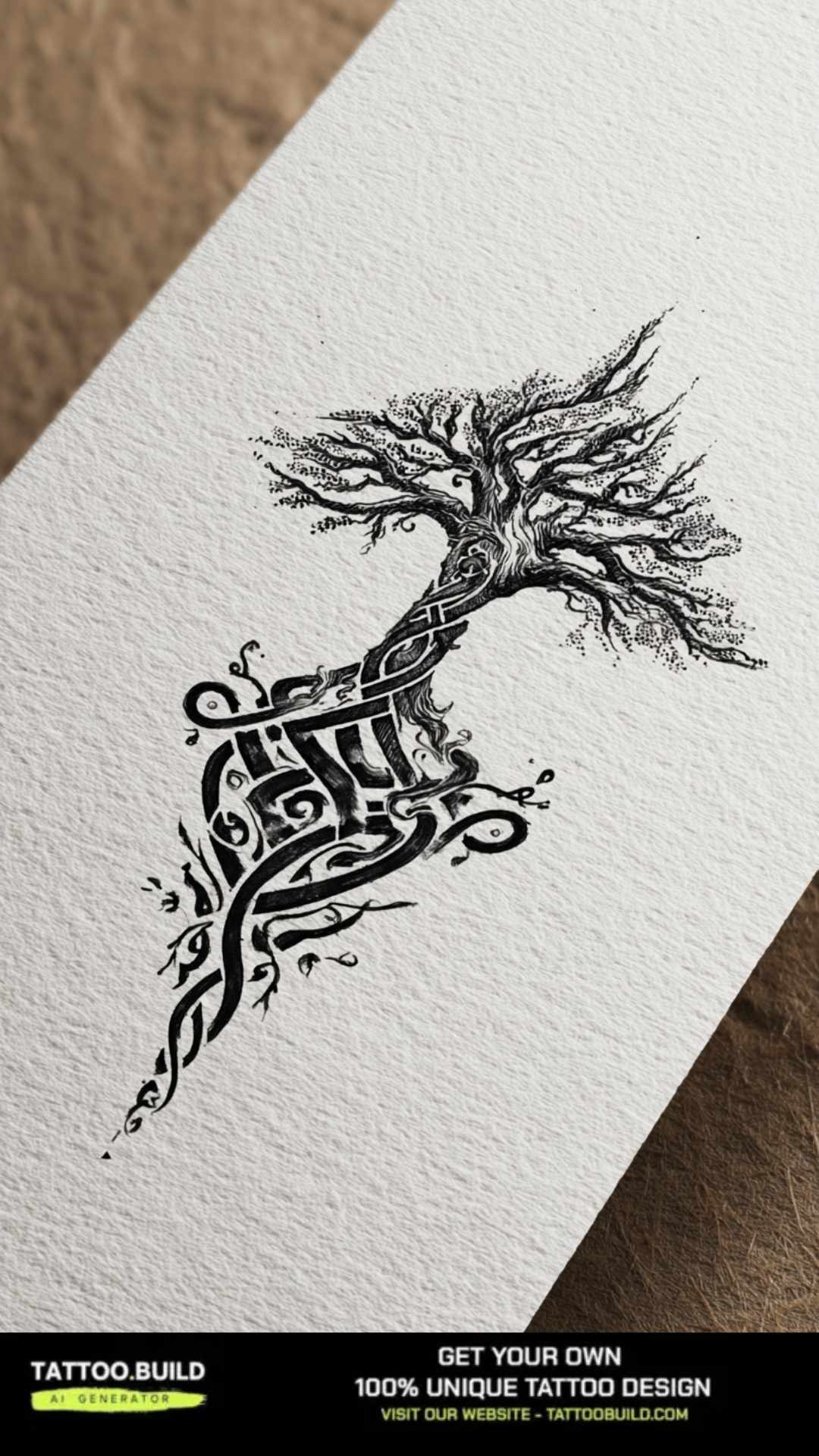
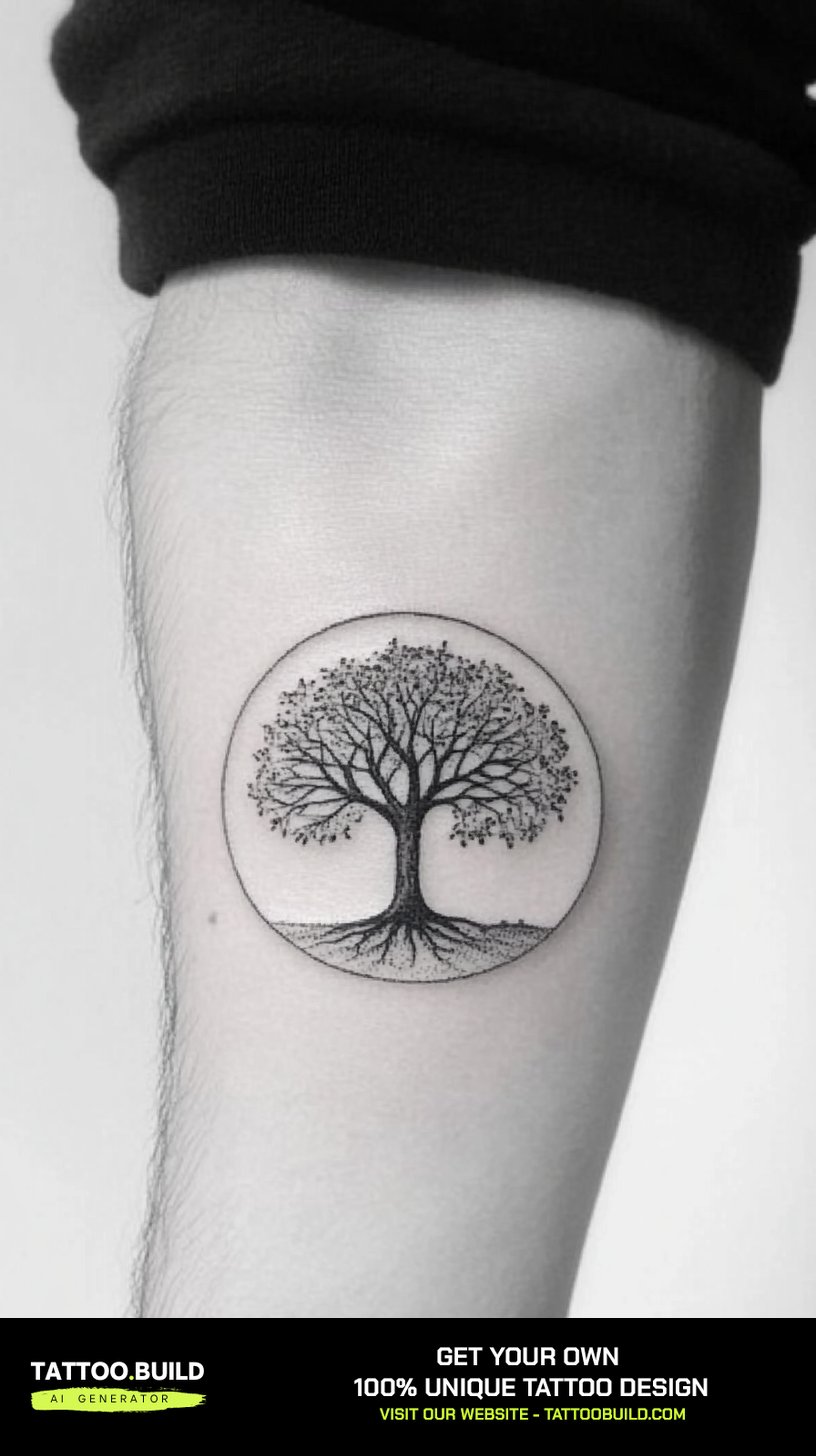
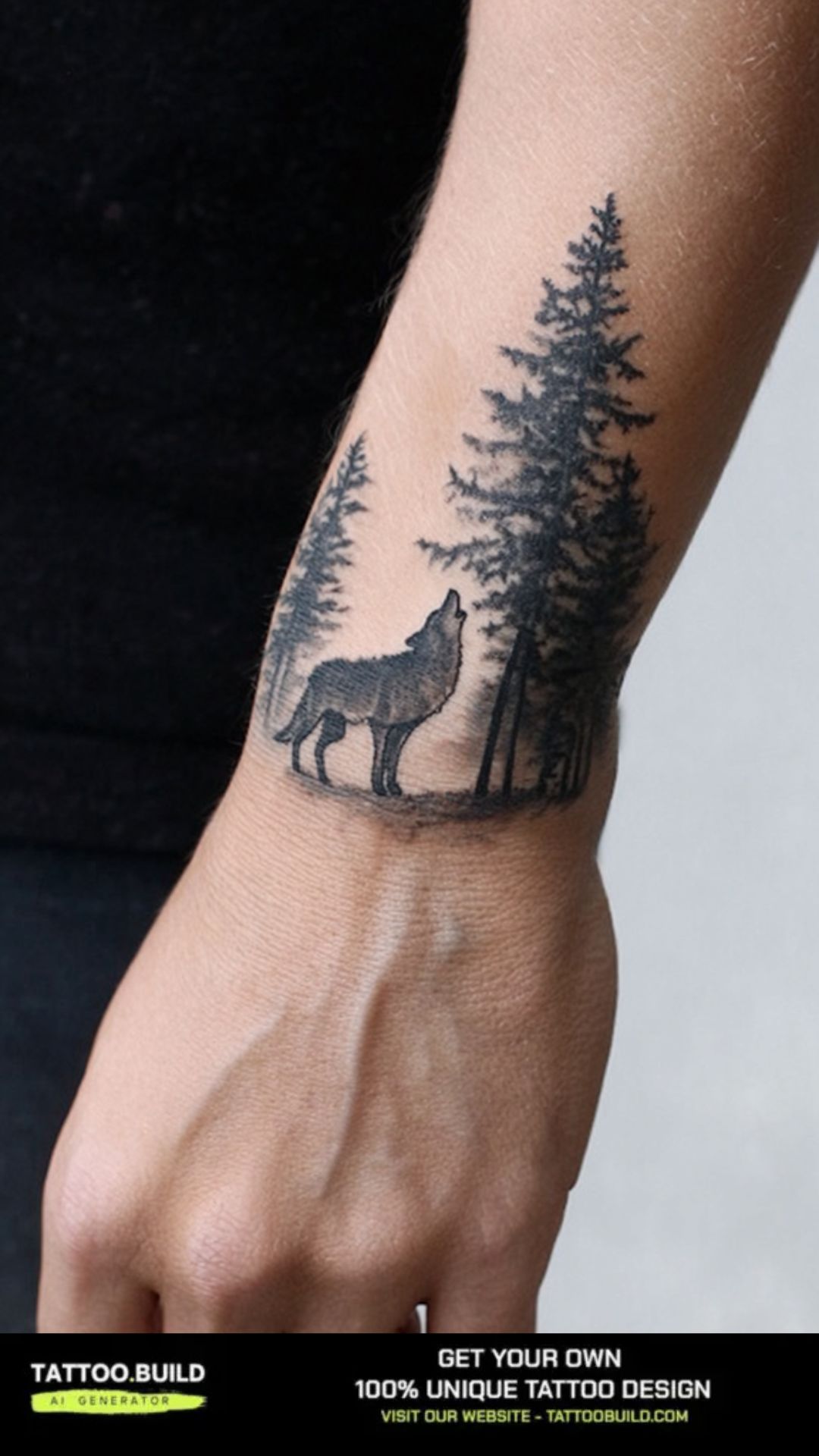
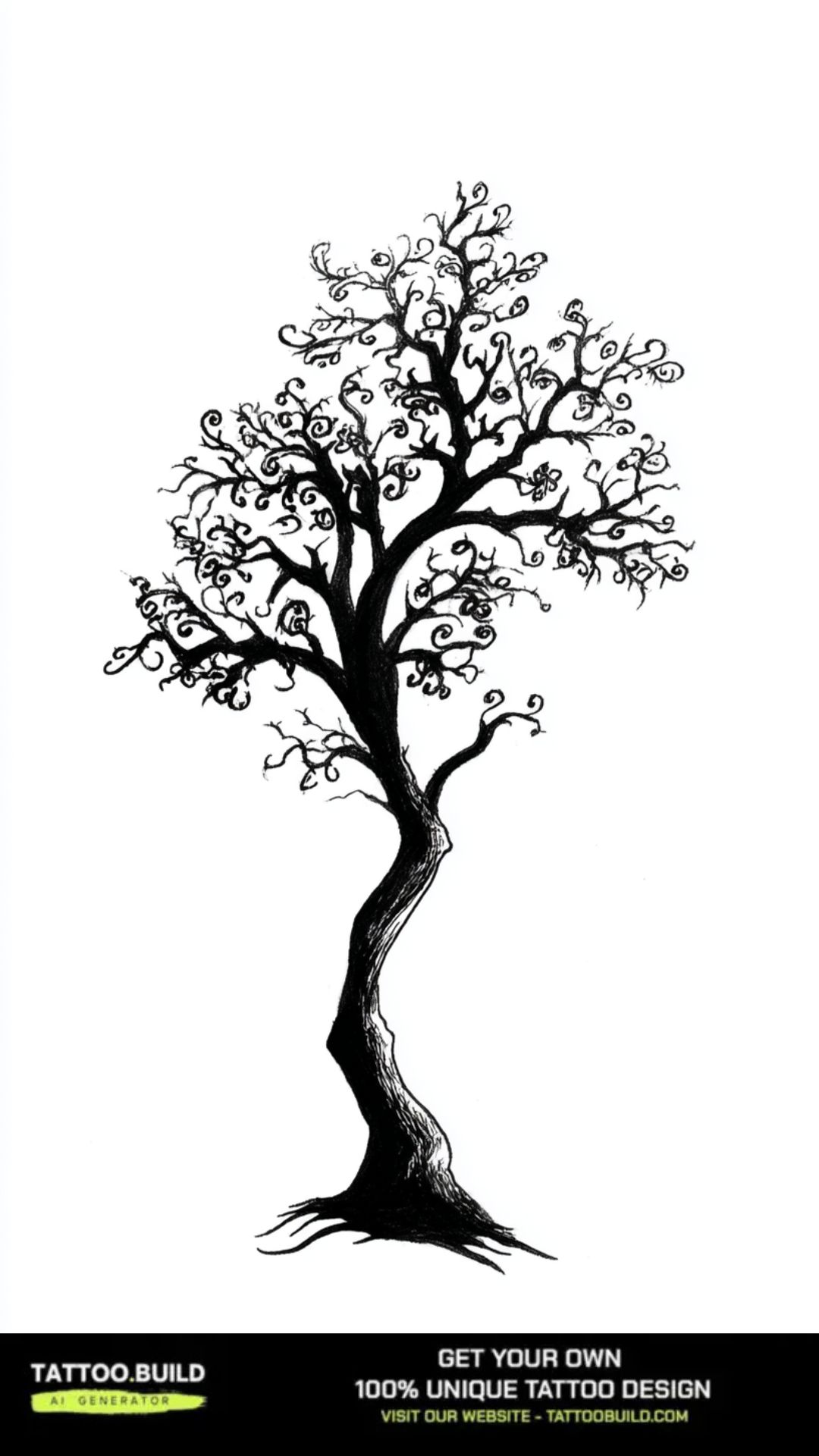
Every image in this article is a real piece I have collected as reference. Study them for the small choices — the shape of the canopy, how the roots resolve, whether the artist left negative space for the trunk — because those are the details that separate a keeper from a regret.
Which Tree of Life Style Is Right for You?
The tree of life reads differently in each style. Here is how I explain the main options to clients who are still deciding.
| Style | Best For | Ages Well | Session Time |
|---|---|---|---|
| Celtic knotwork | Heritage and lineage themes | Very well — bold lines hold up | 4–7 hours |
| Fine line | Subtle, minimalist pieces on the forearm or ribs | Softens after 5–10 years; needs touch-ups | 2–4 hours |
| Blackwork / Silhouette | High contrast statement pieces on the back or thigh | Excellent — solid fills stay crisp | 6–12 hours (often multi-session) |
| Realism | People who want the tree to look like a specific species | Fair — shading can blur; plan touch-ups | 8–15 hours |
| Watercolor | Softer, painterly pieces with mood | Poor to fair — expect fading in 5–7 years | 4–6 hours |
| Geometric / Sacred geometry | Clean, symmetrical statement work | Very well — if the linework is precise | 4–8 hours |
The times above are rough averages from artists I have worked with — small pieces run shorter, large back pieces run much longer. For a broader look at how geometric approaches read on skin, that separate guide goes deeper.
Why the Tree of Life Symbol Matters
The tree of life is not a modern invention. Variations appear in Norse cosmology as Yggdrasil, in Celtic tradition as Crann Bethadh, in ancient Egyptian sun temples, in Kabbalistic diagrams, and in Buddhist art. That cross-cultural weight is part of what makes it feel less like decoration and more like a marker.
For most of the clients I have tattooed with this design, the meaning is personal before it is cultural. It often marks a turning point — a recovery, a loss of a parent, the birth of a child, a decision to leave a place or a career. The symbol holds those without needing an inscription.
In my experience, the pieces that age best are the ones where the wearer can articulate what the roots mean and what the branches mean, separately. Roots almost always represent origin, family, or discipline. Branches represent aspiration, children, or the parts of a life that keep unfolding.
That divided reading also shapes the design. If the roots matter more to you, ask the artist to weight them heavier — more mass, more visible tangle. If the future matters more, let the canopy dominate. Balance is a choice, not a default.
The point is worth stating plainly: the symbol works because you can layer your own meaning onto a form that is already recognized. That is a rare property in a tattoo motif.
Tree of Life Tattoo Ideas by Style
Celtic Knot Trees
The Celtic tree of life — Crann Bethadh — typically shows roots and branches woven together in a continuous knot, often inside a circle. It signals heritage for many of my Irish and Scottish clients, and the woven line work photographs beautifully on the forearm and shoulder.
These pieces reward an artist who understands traditional Celtic knot construction. If the weave breaks the over-under rule, the whole design reads wrong even at a glance. I would rather pay more for a specialist than settle for a generalist on this one. See related knotwork ideas in the Celtic knot tattoo guide.
Blackwork and Silhouette
A pure black silhouette is the tree of life at its most graphic. There is no shading to fade unevenly and no colored ink to fail differently across your skin tone. When people ask which style ages best, this is usually my honest answer.
The trade-off is that the design lives or dies on the silhouette. A weak canopy shape or awkward root spread cannot be rescued by detail later. Ask to see the artist’s stencil against your body from three angles before you commit.
Watercolor and Painterly
Watercolor treatments give the tree a mood you cannot get any other way — a wash of green behind the canopy, a bruised violet at the roots, splashes that suggest wind. On the right skin and with the right artist, it looks like the tree is standing in weather.
The honest note here: watercolor without a supporting line work base tends to fade unevenly. Every artist I have asked recommends anchoring the design with a solid black outline underneath the wash, even if the outline is subtle. That single decision doubles the lifespan of the piece.
Fine Line and Minimalist
Fine line trees suit clients who want the symbol without the visual weight. I have tattooed them on ribs, sternums, ankles, and the inner bicep, and the design still reads at a glance because the silhouette is doing most of the work.
Fine line will soften faster than any other style on this list — budget for a touch-up around year five and again around year ten if you want it to keep its clarity. Take a look at fine line tattoo ideas for a broader sense of how these age on different placements.
Norse Yggdrasil Designs
Yggdrasil sits at the center of Norse cosmology, connecting the nine worlds. Tattoos based on it typically include a dense root system, runes, and sometimes a serpent (Nidhogg) at the base or an eagle in the crown. The composition rewards a large canvas — a full back, a full thigh, or a chest panel.
I always warn clients that authentic Norse iconography carries meaning to communities that take it seriously. If you are drawing on this tradition, do the reading. The Norse mythology tattoo guide covers the symbolism in more depth.
Family and Memorial Trees
A tree of life tattoo becomes a family piece when the leaves carry initials, birth dates, or small hidden portraits. I have seen these done well — and I have seen them done badly, usually by trying to fit too many names at once.
My rule with clients: pick the anchor names first (usually three to five), give them room to breathe in the canopy, and reserve smaller leaves for anything added later. That way the piece can grow with the family. Related reading: the family tattoo ideas guide and a memorial tattoo collection.
Geometric and Sacred Geometry
Geometric trees layer the organic silhouette over a mandala, a triangle, or a set of concentric circles. When it works, it reads as intentional and calm. When it fails, it reads as busy.
The most useful advice I can give is to look at the geometry from ten feet away. If your eye lands on the tree first and then discovers the geometry, the design is doing its job. If both fight for attention, ask the artist to simplify one of the two.
Placement Ideas That Actually Flatter the Design
Back Pieces
The back is the natural home for a large tree of life. The vertical space lets the roots sit at the lower back and the canopy spread across the shoulder blades, and the muscle groups already suggest the shape. If you are considering this, spend real time on full back options before committing.
Sleeves
A tree of life sleeve wraps the trunk around the arm and lets the branches climb the shoulder. It is a bigger commitment — usually multiple sessions over months — but it uses the cylindrical shape of the arm rather than fighting it. The artists I trust on sleeves recommend mapping the design in henna first to test how the wrap looks in motion.
Forearms and Calves
Medium canvases like the forearm and calf work well for stand-alone trees of life. The advantage: you see the piece often, which keeps the meaning present. The disadvantage: sun exposure is higher here than almost anywhere else, so sunscreen becomes non-negotiable after healing.
Chests and Ribs
Chest placements suit trees where the trunk is central and the branches spread symmetrically across the pectorals. Ribs suit smaller vertical pieces — but ribs also hurt considerably more than most other placements. Every rib tattoo client I have talked to describes the pain as sharper than they expected.
Aftercare and Longevity Tips
Tree of life tattoos live and die on line clarity, so aftercare matters more than for a purely shaded piece. Follow your artist’s wrap and cleaning instructions to the letter for the first two weeks. General guidance from professional bodies such as the American Academy of Dermatology is a useful supplement, but it does not replace what your artist tells you about your specific piece.
Sunscreen is the single biggest lever for longevity. In my experience, clients who apply SPF 30 or higher to their tattoos daily still have crisp line work at year seven or eight. Clients who do not are already fading noticeably by year four.
Moisturize twice a day after the initial healing period. Fragrance-free is safer — some scented lotions irritate healed tattoo skin for weeks. I have watched three clients react to the same popular brand, and that was enough to make me cautious about recommendations.
If you notice unusual redness, warmth, swelling, or discharge in the first two weeks — more than the normal healing itch and flake — stop trying to self-diagnose and call your artist first, then a doctor if it does not resolve within 48 hours. Infections are uncommon with a reputable studio, but they do happen, and early treatment matters.
Common Mistakes and Still Not Sure?
The most common mistake I see with tree of life tattoos is trying to fit too much detail into too small a space. A three-inch tree with ten roots and twenty branches becomes a black blob within five years because the ink migrates and the fine details close up. Scale the detail to the size.
The second most common: skipping the reference conversation with the artist. Bring photographs of trees you actually like — oak, birch, willow, cedar — because “a tree” is not a design brief.
If you are still comparing symbols, look at spiritual tattoo ideas, symbolic back tattoos, or the closely related mountain and tree tattoo guide. Any of these can carry the same weight as a tree of life while feeling more personal to the story you are marking.
For general safety and hygiene standards for tattoo studios, the World Health Organization and your local health authority publish guidance that is worth reading before you book anywhere. Reputable studios welcome the question.
Frequently Asked Questions
What does a tree of life tattoo symbolize?
The tree of life symbolizes the connection between origin and growth. Roots represent family, heritage, and the parts of a person that came from somewhere else; branches represent aspiration, children, and the parts of a life that keep unfolding. Because the symbol appears across so many cultures — Celtic, Norse, Egyptian, Kabbalistic, Buddhist — it can carry a range of specific meanings, but the core reading is almost always the same: continuity between where you began and where you are going.
How long does a tree of life tattoo take?
It depends on the size and the style. A small fine line forearm piece is usually two to four hours in a single session. A Celtic or geometric half sleeve runs four to eight hours, often split across two sittings. A large blackwork or realism back piece is a project — six to twelve hours total, typically split across three or four sessions with healing time between them. Always ask for a written estimate.
How much does a tree of life tattoo cost?
Pricing varies widely by region and artist. In my experience, a well-executed small tree of life starts around the price of a good half-day session at a reputable studio, and larger back pieces can run into several thousand dollars once you factor in multiple sessions. What matters more than the total is the hourly or day rate of an artist who specializes in the style you want — do not cheap out on an artist who has never done this design before.
Where does a tree of life tattoo look best?
Placement should match the scale of the design. Large trees with detailed root systems and full canopies belong on the back, the thigh, or as a full sleeve. Medium designs sit well on the forearm or calf. Small, minimalist trees suit the inner bicep, the ribs, or the ankle. Chest placements work when the design is symmetrical across the sternum. Wrapping placements — sleeves and thighs — benefit from mocking the design up in henna or transfer first.
Do tree of life tattoos age well?
Blackwork and Celtic knot versions age very well — often twenty years or more with only minor fading. Fine line versions soften noticeably after five years and usually want a touch-up at that point. Watercolor and highly detailed realism pieces age the worst, especially without a solid line work base. If long-term crispness matters to you, ask the artist directly how their work has aged and to see photos of pieces from five and ten years ago.
Quick Summary
- The tree of life is a cross-cultural symbol that reads as continuity between roots and canopy — origin and growth.
- Celtic knotwork, blackwork, and geometric styles age the best. Fine line and watercolor need touch-ups.
- Scale the detail to the size — small pieces with heavy detail turn to blobs within five years.
- Placement should match scale. Back, thigh, and sleeves for large pieces; forearm and calf for medium; ribs and ankle for small.
- Weight the roots heavier or the canopy heavier depending on whether origin or aspiration matters more to you.
- Aftercare and daily SPF are the two biggest levers for long-term clarity of the design.
- Bring real photo references of trees you like — species matters to a good artist.
- Pay for an artist who specializes in the style you want. A generalist on Celtic knotwork or realism is a false economy.