I have been sketching, collecting and sitting for nature work for years, and the same thing keeps proving true: a nature tattoo lives or dies on how much empty skin you are willing to leave around it.
Every crowded forest piece I have seen go muddy at the five-year mark had the same problem — too many trunks, not enough air between them.
What follows is a working guide rather than a gallery dump. Thirty-plus designs, grouped by what they actually are, with notes on which ones hold up and which ones need an artist who really knows how to control grey wash.
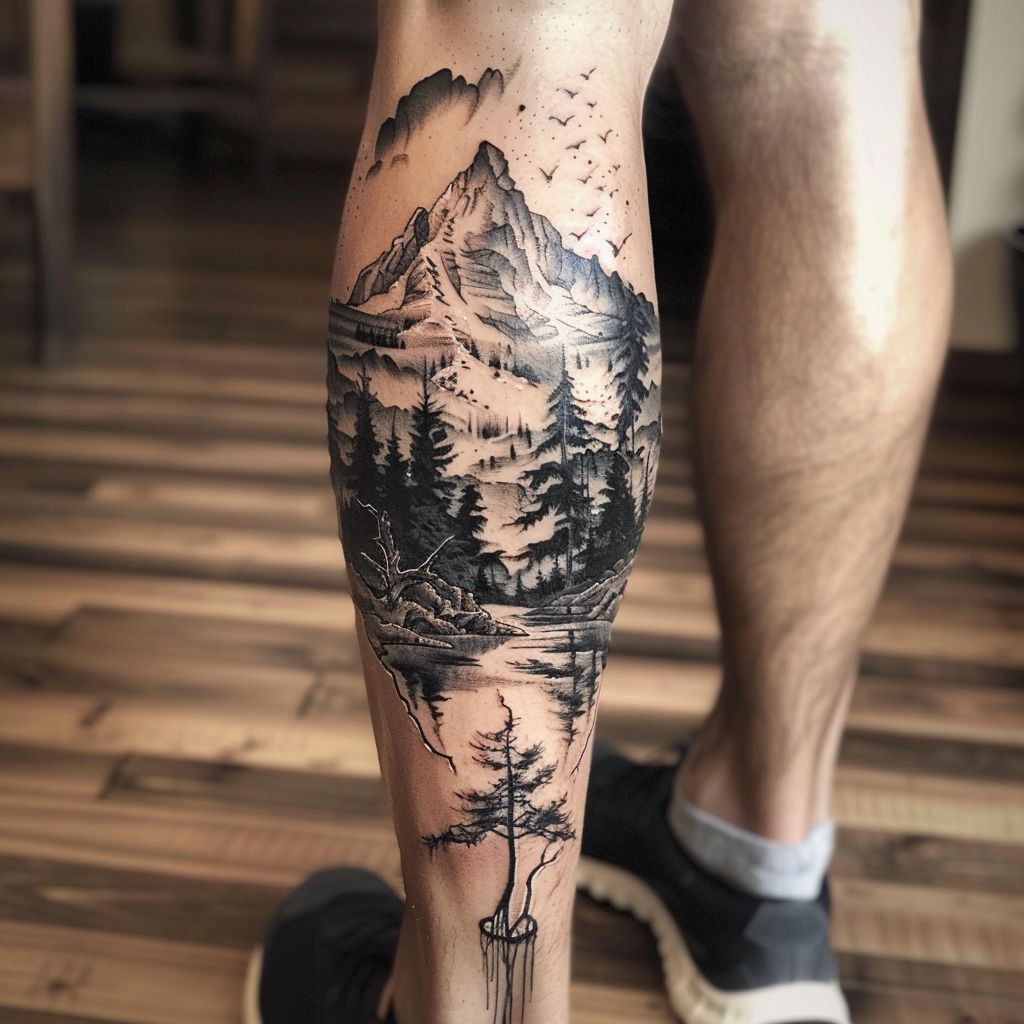
If you already know you want peaks in the composition, the mountain and tree tattoo combination is the most reliable starting point I know of, and it scales from a small forearm panel up to a full back piece.
Which Nature Tattoo Style Is Right for You?
These are the six approaches that cover almost every piece in this guide.
I have listed what each one is genuinely good at, not what looks best on a fresh-healed photo.
| Style | Best For | Typical Commitment | How It Ages |
|---|---|---|---|
| Black & grey realism | Mountains, forests, waterfalls, wildlife | Multiple sessions for anything larger than a forearm panel | Very well if the artist keeps real contrast in the darks |
| Fine line | Single trees, small pines, birds, minimal scenes | Often one shorter sitting | Softens noticeably; expect a touch-up eventually |
| Ink wash / sumi-e | Windswept pines, moons, misted mountains | Moderate, but demands a specialist | The lightest washes fade first — darks carry the piece |
| Color realism | Wildlife, autumn forests, tropical scenes | The longest of the six; usually several sessions | Needs sun protection more than any other style here |
| Blackwork & dotwork | Silhouetted treelines, clouds, graphic landscapes | Depends entirely on fill area | The most forgiving option over decades |
| Geometric / hybrid | Framed scenes, ornamental bands, stag and wolf pieces | Moderate; line accuracy matters more than time | Straight lines betray drift, so artist choice is critical |
What Actually Makes a Nature Tattoo Work
The single biggest factor is negative space. A landscape needs sky, fog or bare skin to read as depth rather than as texture.
The second is value range. In my experience the pieces that still look sharp after several years are the ones with genuine blacks somewhere in the composition, not an all-mid-grey haze.
Third is direction of flow. Arms and legs are cylinders, so a scene that runs diagonally around the limb reads better from every angle than one stamped flat on the front.
Scale is the thing most people underestimate. A forest with fifteen distinguishable trunks needs roughly a full outer arm to breathe; squeeze it onto an inner wrist and the trunks merge within a few years.
If you want the graphic, high-contrast end of the spectrum, it is worth reading through blackwork tattoo ideas for men before you commit — blackwork nature pieces follow different rules than soft grey wash.
30+ Nature Tattoo Ideas for Men
I have grouped these by subject rather than by body part, because the subject is what determines how much room you need.
1. Pine Forests and Treelines
The pine treeline is the workhorse of men’s nature tattooing, and for good reason — it reads instantly at any size.
Two or three small pines with a few birds will sit happily on a calf or an inner forearm and take under a couple of hours in most shops.
Scale it up and the same subject becomes an entire shoulder cap, with a lit river or path cutting between the trunks to give the eye somewhere to travel.
The trick is varying trunk spacing. Evenly spaced trees look like wallpaper; clustered trees with real gaps between the clusters look like a forest.
Every artist I have asked about forest work says the same thing — they would rather tattoo eight well-separated trees than twenty crowded ones.
2. Mountain Ranges and Ridgelines
Mountains suit the forearm better than almost any other subject because the peaks fill the widest part and taper naturally toward the wrist.
A range stacked above a fog bank of pines is the most requested version I have seen, and it works because the fog gives you a built-in break in value.
Ink-wash mountains take the opposite approach — jagged rock, a lot of bare skin, and almost no gradient.
Wrapping a range around the shoulder and down the bicep is a bigger commitment but produces the most convincing sense of distance.
For a deeper look at composition options, the mountain tattoo ideas for men collection covers layouts I have not repeated here.
3. Trees That Break Into Birds
This is the design that gets requested more than any other in the nature category, and it has earned its popularity.
The branches dissolve into a flock, which solves the hardest problem in tree tattoos: how to end the design without a hard edge.
On the chest it spreads wide and symmetrical; on the shoulder it climbs toward the collarbone and looks best asymmetrical.
Ask your artist to vary bird size aggressively. Uniformly sized birds flatten the whole illusion of distance.
If the symbolism matters as much as the shape to you, tree of life tattoos are the more structured cousin of this idea.
4. Wildlife Inside the Landscape
An animal placed inside its habitat almost always outperforms the same animal floating on bare skin.
The elephant emerging from a treeline works because the forest establishes scale before you even register the animal.
Color realism wildlife with wildflower framing is the most demanding option here — it needs an artist with a genuine color portfolio, not just a good black and grey one.
Stags pair naturally with pine forests and with ornamental geometric bands, which is a combination I keep seeing done well.
If you are leaning toward a predator instead, the wolf tattoo ideas guide covers the same habitat-first principle applied to canines.
5. Waterfalls, Rivers and Coastline
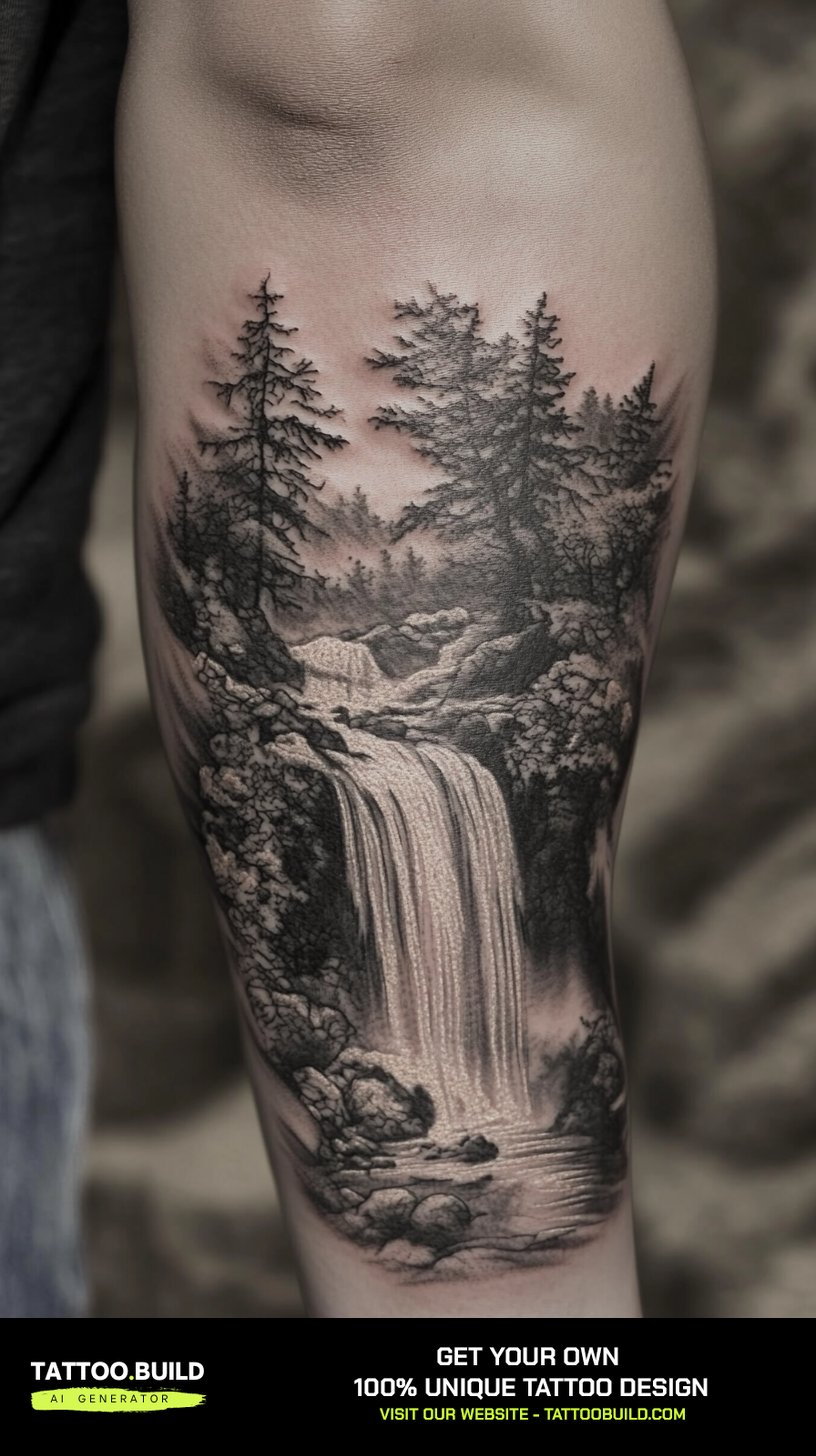
Water is the hardest nature subject to tattoo well, because falling water is defined almost entirely by what is left blank.
A waterfall dropping through a gorge needs the rock around it to be genuinely dark, or the water will not read as bright.
Rivers running the length of a forearm are more forgiving and give you a natural composition spine.
Look at healed water photos, not fresh ones. Fresh grey wash on water always looks better than it will at six months.
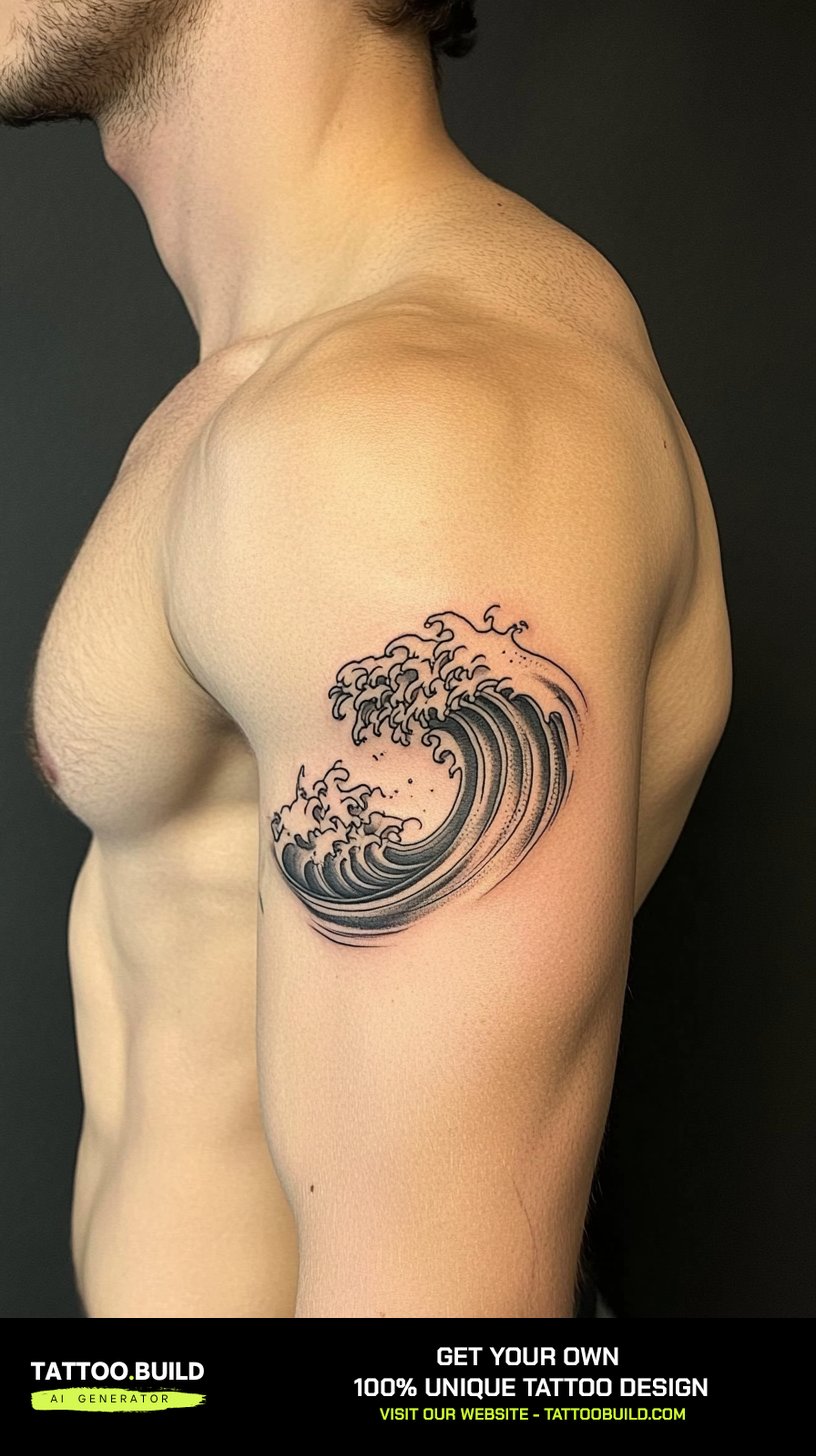
For coastal and open-water variations, ocean tattoo ideas goes further into wave structure than I can here.
6. Japanese and Ink-Wash Landscapes
Sumi-e influenced nature work is the most restrained style in this guide and, in my opinion, the most underrated.
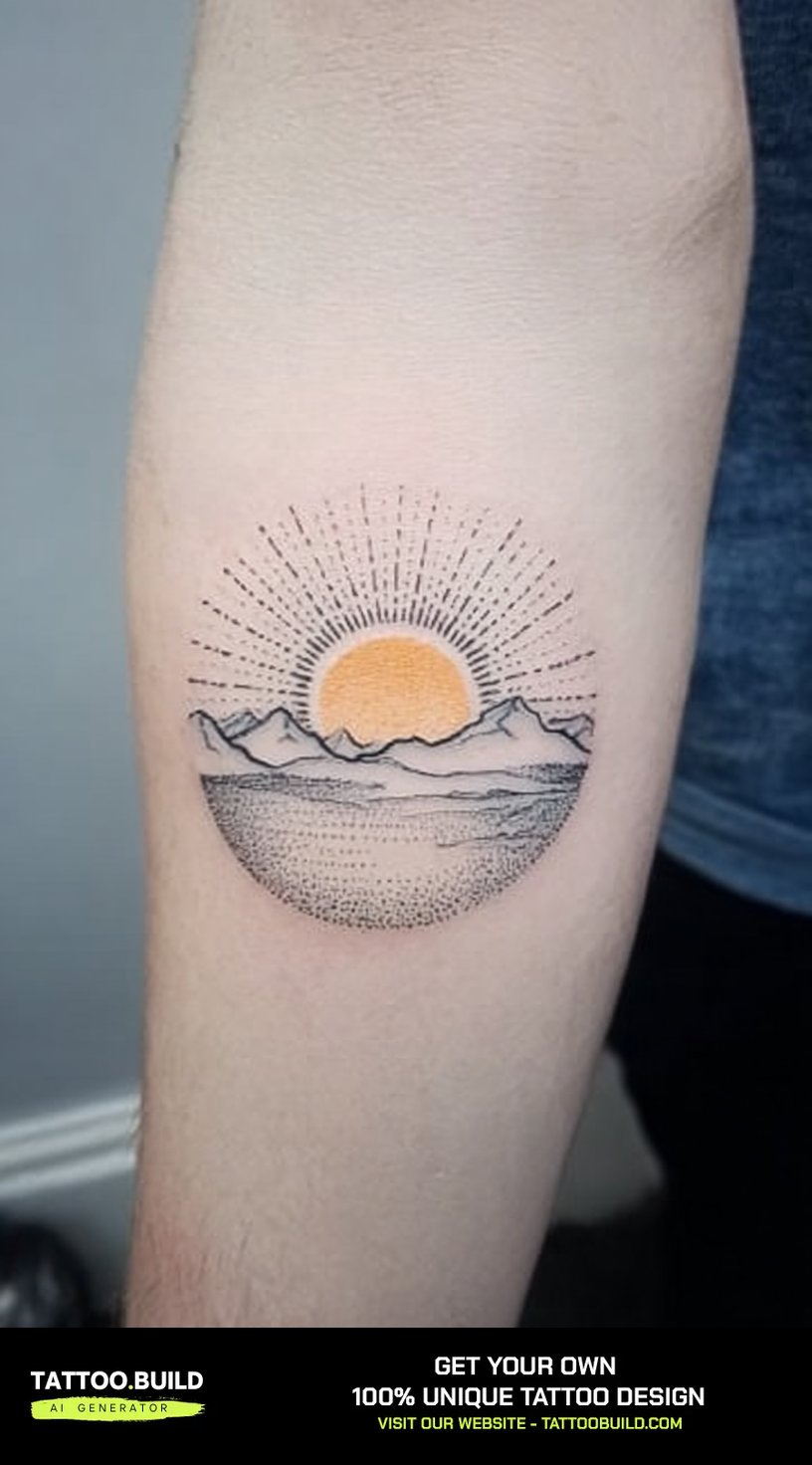
A windswept pine, a stippled moon, and a large area of untouched skin will still look deliberate in twenty years.
A single spot of color — an orange sun, usually — carries far more weight in these pieces than a full palette would.
Pagodas and temple structures set into pine and cloud banks push the same style toward traditional Japanese composition.
This style genuinely requires a specialist. A realism artist tattooing ink wash tends to over-render it, and the restraint is the entire point.
7. Full Nature Sleeves
A nature sleeve is where the wrap-around problem gets serious, and where most of the budget goes.
The strongest sleeves I have seen use a single travelling element — a railway line, a river, a trail — that carries the eye around the arm.
Without that connective element you end up with three good tattoos sharing an arm rather than one piece.
Warm color on waterfall and cliff sleeves reads beautifully but adds sessions and adds long-term sun sensitivity.
The sleeve tattoo ideas for men roundup is worth reading for layout logic even if your subject ends up being something other than landscape.
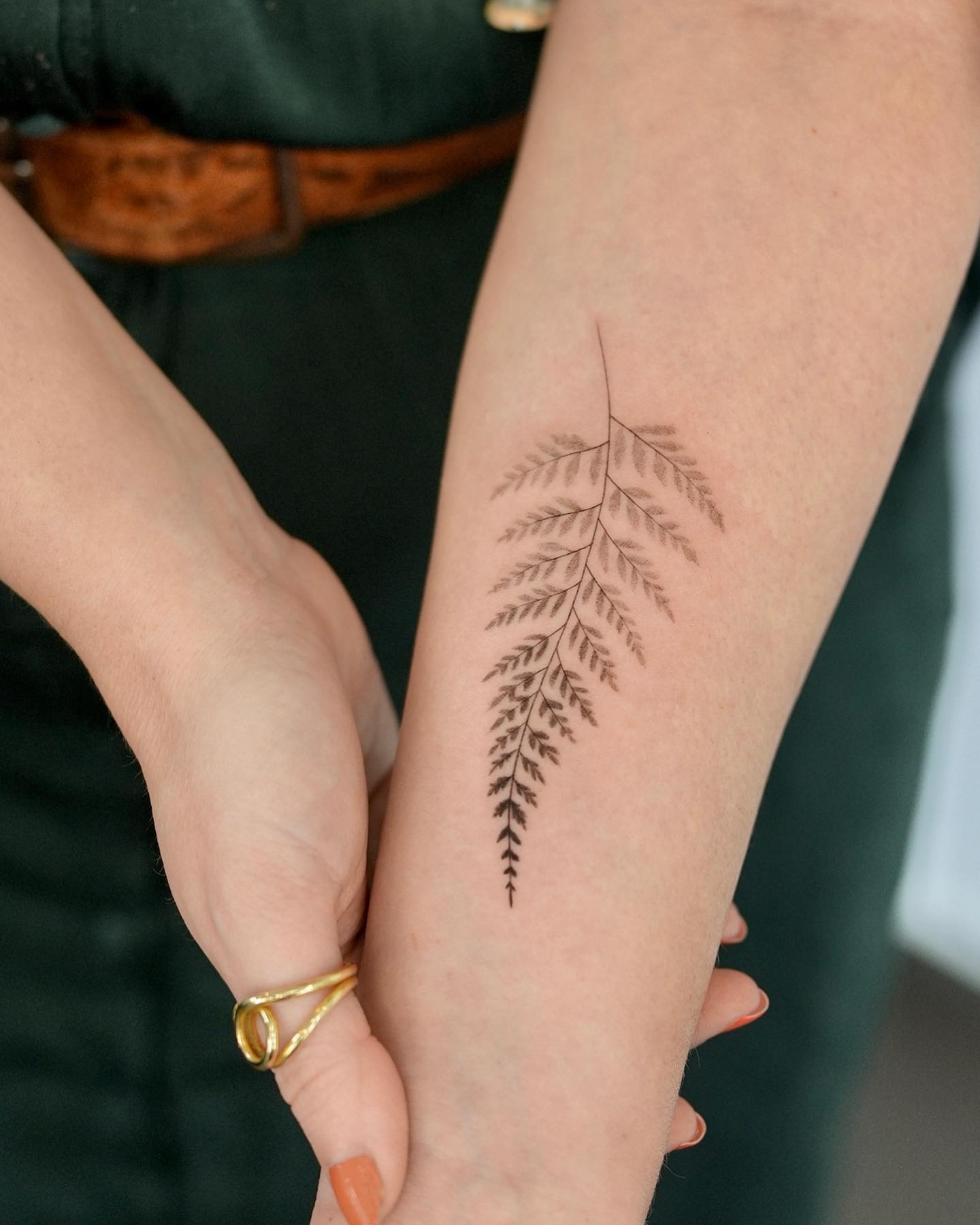
8. Minimal and Fine-Line Nature
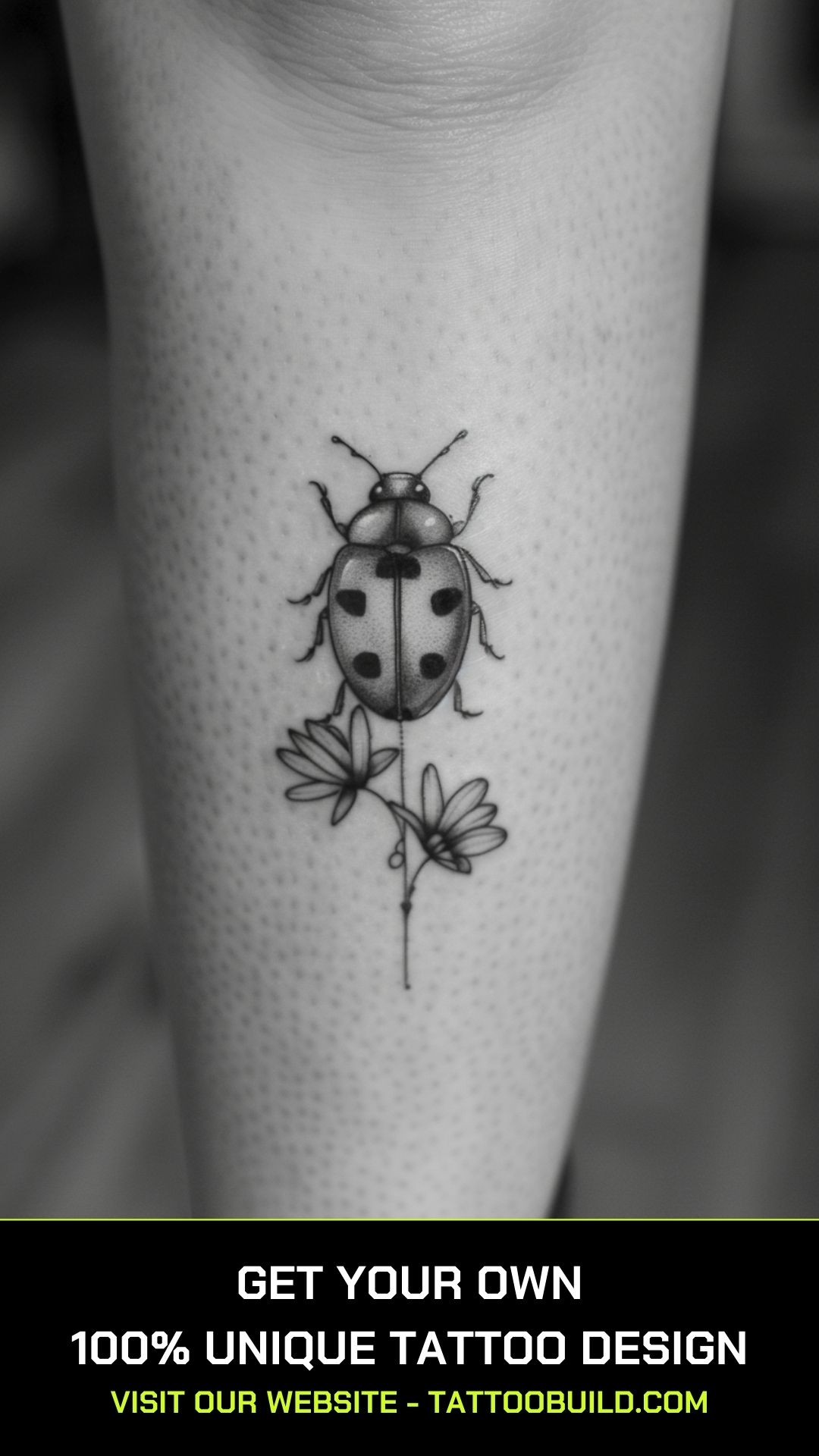
Not every nature tattoo needs to be a landscape, and the smallest pieces here are often the most personal.
A single windswept tree with no background is a complete design, and it fits places a forest never will.
Weather works as a subject on its own — a dotwork rain cloud with trailing strands is a genuinely striking small piece.
Fine line does soften with time. Plan on a touch-up somewhere down the road rather than treating it as a failure of the tattoo.
Variations Worth Considering
If a straight landscape feels too generic, these hybrids keep the nature theme without the sameness.
Nature Crossed With Space
Astronauts, planets and rock formations share a visual language — texture, void, and scale.
It is a bolder concept than a pine forest, but it is also far less likely to look like someone else’s arm.
Nature With a Human Figure
Adding a small silhouette under a bare winter tree instantly communicates scale in a way no amount of shading can.
The same trick works with a cyclist on a forest trail, and it lets you fold a hobby into the landscape without a literal logo.
Tropical and Coastal Nature
Palms, lagoons and cloud banks are the warm-weather counterpart to the pine and mountain school.
Muted color suits this better than saturated color, which tends to date the piece quickly.
Nature With Symbolic Objects
A compass set into a landscape is the most common of these, and it changes the meaning of the piece from a place to a direction.
If that reading appeals to you, compass tattoo meaning covers the symbolism in more depth.
Practical Advice Before You Book
Bring reference photographs of real places rather than other people’s tattoos. Artists design better from landscape photography than from a screenshot of a healed arm.
Ask specifically to see healed work in the style you want. Fresh photos hide the two things that matter most — how the greys settled and whether fine lines held.
Placement affects both pain and longevity. Outer arm, outer thigh and calf are generally easier sits than ribs or inner bicep, and the most painful tattoo spots guide is worth a read before you pick.
Sun exposure is the main long-term enemy of grey wash and color alike. The American Academy of Dermatology has straightforward guidance on protecting tattooed skin, and daily sunscreen once healed is the cheapest insurance available.
Follow the aftercare instructions your artist gives you over anything you read online, including this page — our tattoo aftercare guide is a general reference, not a substitute for their advice.
If you notice spreading redness, increasing pain after the first few days, pus, or a fever, contact a doctor rather than waiting it out. The US FDA has a plain-language overview of tattoo ink risks and allergic reactions worth knowing about beforehand.
Still Not Sure? Common Mistakes to Avoid
Cramming a wide landscape into a narrow space is the mistake I see most. A composition designed for an outer arm rarely survives being shrunk to a wrist.
Choosing an artist by price rather than by portfolio fit is the second. A brilliant traditional artist is not automatically a good grey-wash landscape artist.
Skipping the stencil check is the third. Once the stencil is on, walk to a mirror and look at it from three metres away, not fifteen centimetres.
And treating the first session as the finished piece — most large nature work genuinely needs a second pass to bring the darks back up after healing.
Frequently Asked Questions
How much does a nature tattoo cost?
There is no honest universal figure, because shop rates vary enormously by city and by artist reputation. Most shops price larger nature work by the hour or by the session rather than by the design. A forearm panel is usually a single sitting, while a full sleeve is typically planned across several. Ask for a written estimate that states how many sessions the artist expects, not just an hourly rate.
Do nature tattoos age well?
Generally yes, provided the design has real contrast and enough space between elements. Pieces built entirely from light grey wash tend to soften fastest, and crowded forests are the most likely to blur. Blackwork and high-contrast black and grey are usually the most durable of the styles in this guide. Sun protection makes more difference to the outcome than almost anything else you control.
What is the best placement for a first nature tattoo?
The outer forearm is the most common starting point, and in my experience it is a sensible one. It is a comparatively easy sit, it heals reliably, and it gives you a tall narrow canvas that suits mountains and trees naturally. The calf and the outer upper arm are close seconds. Ribs, sternum and inner bicep are better saved until you know how you handle a longer session.
Should I choose color or black and grey?
Black and grey suits mountains, forests and water better, because those subjects are defined by value rather than by hue. Color earns its place with wildlife, autumn forests and tropical scenes. Color also asks more of you afterwards in terms of sun protection and eventual touch-ups. If you are undecided, most artists will tell you black and grey is the safer long-term choice.
How long does a nature sleeve take?
Realistically it is a project measured in sessions across months, not a single day. Artists commonly book large sleeves as a series of sittings spaced several weeks apart to allow proper healing between them. The exact number depends on the density of the design and on how long you can comfortably sit. Any artist quoting a full detailed sleeve in one sitting is worth questioning.
Quick Summary
- Leave negative space — a nature tattoo needs sky, fog or bare skin to read as depth.
- Insist on real contrast; all-mid-grey pieces are the ones that blur first.
- Design diagonally around the limb rather than flat on the front.
- Pine treelines and mountain ranges are the most reliable subjects at any size.
- Trees dissolving into birds solve the hard problem of ending a design cleanly.
- Wildlife placed inside its habitat beats wildlife floating on bare skin.
- Ink-wash and Japanese landscape work needs a specialist, not a realism artist.
- Ask to see healed photos, protect it from the sun, and budget for a touch-up.