
You just sat through the needle, walked out with fresh ink, and now you’re wondering what happens next. Getting the tattoo is the easy part. Keeping it looking the way it does right now — sharp, vibrant, and exactly what you wanted — depends almost entirely on what you do in the next two to four weeks.
Tattoo aftercare is not complicated, but it has to be consistent. Miss a few steps or rush the process and you can end up with fading, patchy colour, or worse, an infection that scars the skin permanently. This guide walks you through exactly what to do, day by day, from the moment you leave the studio to the moment your tattoo is fully healed.
How Tattoo Healing Actually Works
A tattoo is an open wound. The needle punctures the outer layer of skin thousands of times per minute, depositing ink into the dermis — the second layer of skin — where it becomes permanent. Your immune system immediately goes to work, which is why new tattoos are red, swollen, and tender to the touch.
Healing happens in three overlapping stages. The surface heals first, usually within two to three weeks, as new skin grows over the wound. But the deeper layers continue healing for two to three months after that. This is why a tattoo can look fully healed on the surface while still feeling slightly raised or sensitive underneath.
Your job during aftercare is to keep the wound clean, moist enough to heal without drying out, and protected from anything that could introduce bacteria or pull out ink prematurely.
The First Two Hours: Before You Leave the Studio
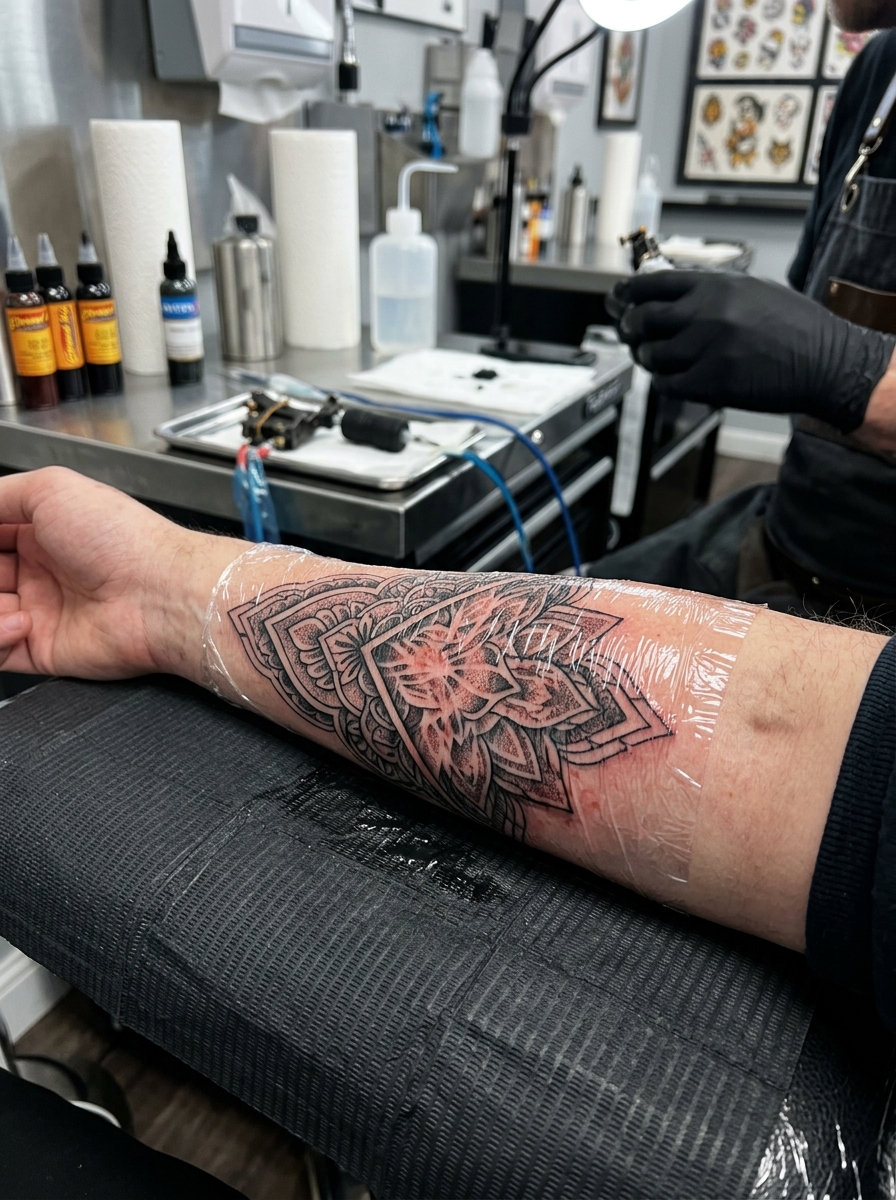
Your artist will clean the tattoo, apply a thin layer of ointment, and cover it before you leave. What they cover it with matters. Traditional plastic wrap holds moisture in but also traps bacteria if left on too long. Many studios now use second-skin bandages — thin, breathable, adhesive films that protect the tattoo while letting it breathe and can be left on for several days.

Ask your artist specifically what they used and follow their instructions first. If they used second-skin, leave it on for the timeframe they specify, usually 24 to 72 hours. If they used plastic wrap, remove it within two to four hours.
What to Do Right Now
- Do not touch, peel, or adjust the covering
- Keep the tattoo out of direct sunlight
- Avoid tight clothing that rubs against the area
- Do not submerge the tattoo in water
- Stay away from gyms, swimming pools, and anything that will make you sweat heavily
Day 1: The First Wash
If your artist used plastic wrap, remove it after two to four hours and wash the tattoo for the first time. If they used second-skin, leave it in place and skip to the day 3–5 section below.
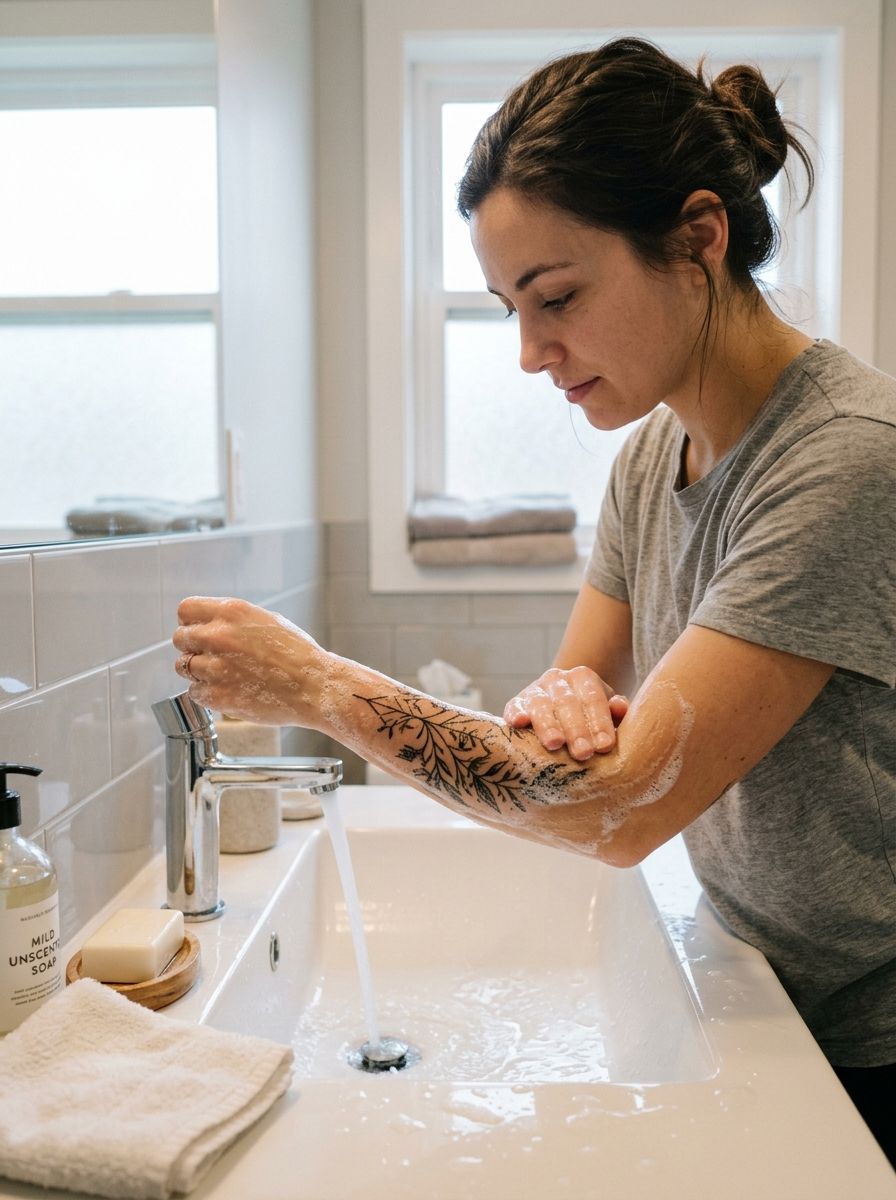
Washing a new tattoo correctly is one of the most important steps in the entire process. Use lukewarm water — not hot, which opens pores and can draw out ink — and a fragrance-free, antibacterial liquid soap. Dove Sensitive Skin, Dial Antibacterial in the liquid form, and Dr. Bronner’s Baby Castile Soap are all solid choices. Avoid anything with fragrance, exfoliants, or alcohol.

Lather the soap in your hands and use your fingertips only. Do not use a washcloth, loofah, or sponge — these harbour bacteria and are too abrasive. Gently clean the tattoo using circular motions for about 30 seconds, removing any dried blood, plasma, or ink that has seeped to the surface. This is normal and does not mean your tattoo is fading.
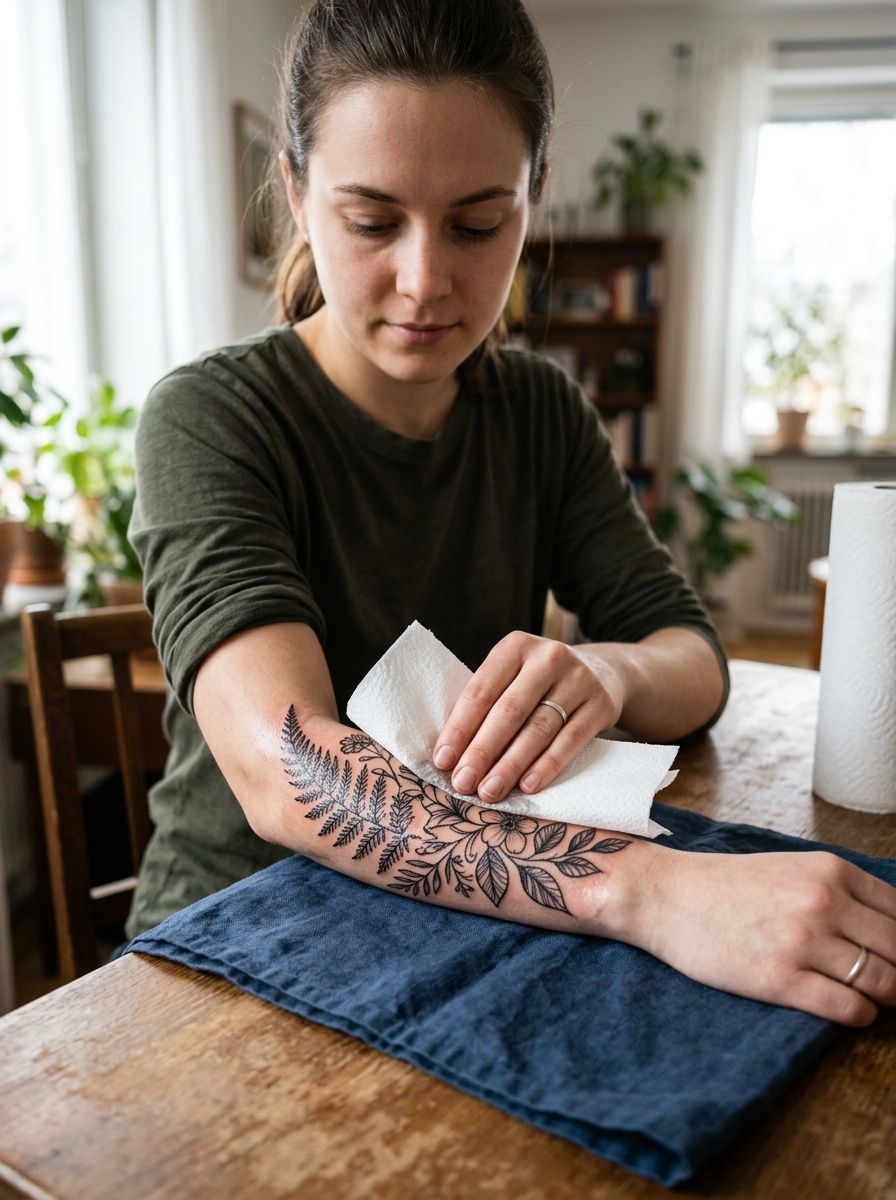
Rinse thoroughly with lukewarm water until the area is completely clean, then pat — do not rub — dry using a clean paper towel. Paper towels are single-use and far less likely to carry bacteria than a cloth towel. Let the tattoo air dry for five to ten minutes, then apply a very thin layer of unscented moisturiser.
What to Apply After Washing
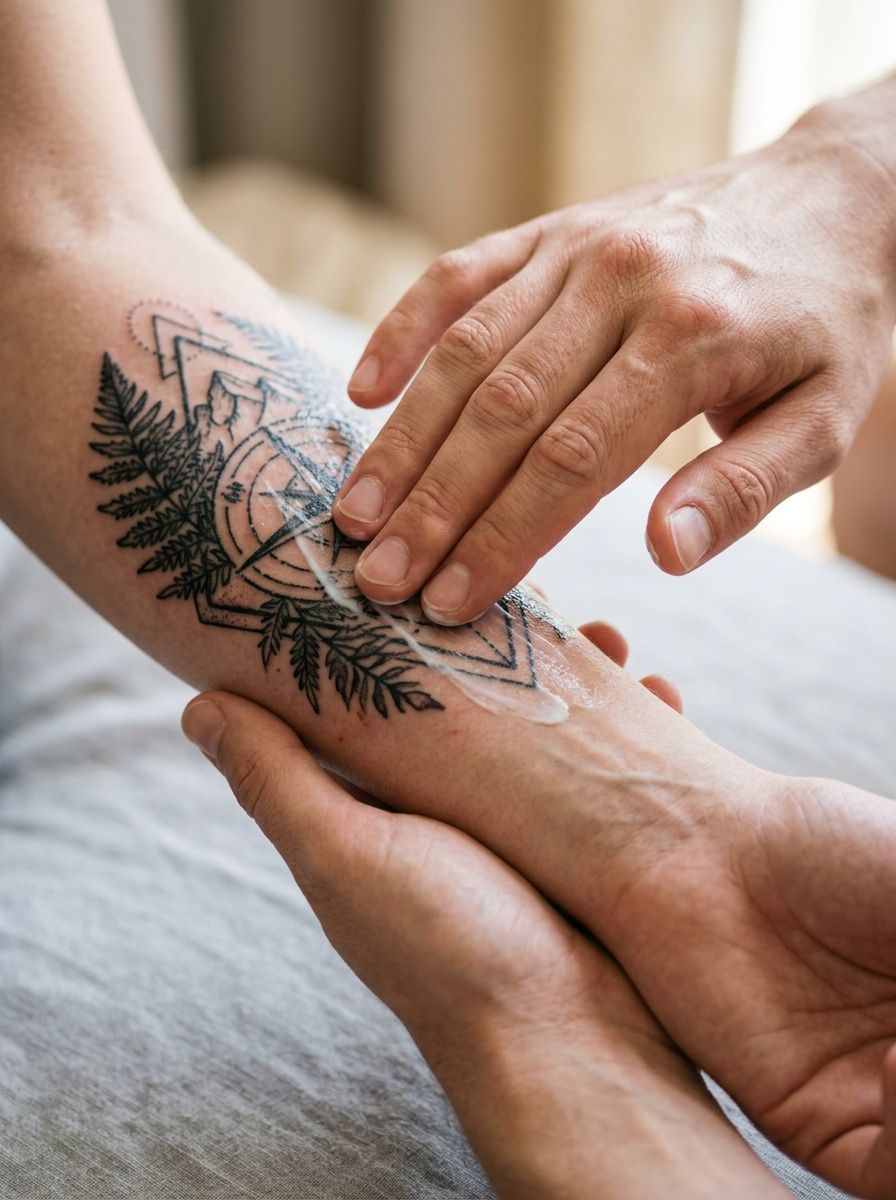
Less is more with tattoo moisturiser. You want just enough to stop the skin from feeling tight — a thin, almost sheer layer. Too much lotion suffocates the skin and creates a moist environment where bacteria can grow.
Good options include Lubriderm Daily Moisture Lotion, Curel Fragrance-Free, or Aquaphor Healing Ointment in very small amounts. Avoid petroleum jelly in large quantities — it seals the skin completely and does not allow it to breathe. Some artists swear by Hustle Butter or dedicated tattoo aftercare balms, which work well but are not necessary if you do not have them.
Repeat the wash and moisturise routine two to three times a day throughout the healing process.
Day 2–3: The Weeping and Swelling Phase
Your tattoo will look angry. It will be red, slightly puffy, and may weep a clear or slightly yellowish fluid called plasma. This is completely normal — it is your body’s inflammatory response doing exactly what it is supposed to do. The redness and swelling should begin to reduce by the end of day three.
The colours in your tattoo may look dull or washed out right now. This is also normal. Fresh ink sits beneath a thin layer of damaged skin, which makes everything look muted until that skin fully regenerates. Your tattoo will look brighter and cleaner as healing progresses.
Continue washing two to three times daily with your fragrance-free soap and applying a thin layer of moisturiser after each wash and any time the skin feels uncomfortably tight or dry. Do not apply so much that the tattoo looks shiny or wet.
If You Have Second-Skin Bandage
If your artist applied a second-skin bandage, you will notice fluid accumulating underneath it — this is normal. The bandage is doing its job, keeping the tattoo moist and protected while your skin heals underneath. Leave it in place for as long as your artist instructed, typically 24 to 72 hours for the first application.
When it is time to remove it, do so in a warm shower. Wet the bandage thoroughly, then peel it back slowly from one corner, keeping it parallel to your skin rather than pulling it up and away. If it hurts, wet it more. Once removed, wash the tattoo as described above and continue the regular aftercare routine.
Day 4–7: Peeling Begins
By day four or five, your tattoo will start to peel. This looks alarming the first time you experience it — large flakes of coloured skin peeling away, seemingly taking your ink with them. It will not. The peeling is the top layer of damaged skin shedding, and the ink beneath it is safely anchored in the dermis.
The single most important rule of this phase is: do not pick, scratch, or peel the skin. Pulling off skin that is not ready to fall on its own pulls ink out with it, creating light patches in your finished tattoo that are extremely difficult to fix. If the flaking itches — and it will — slap the area gently with a clean hand rather than scratching. Keep the moisturiser coming to relieve the tightness that drives the itch.
This is also not the time to switch products. Stick with what is working. Changing your soap or lotion introduces new variables when your skin is at its most vulnerable.
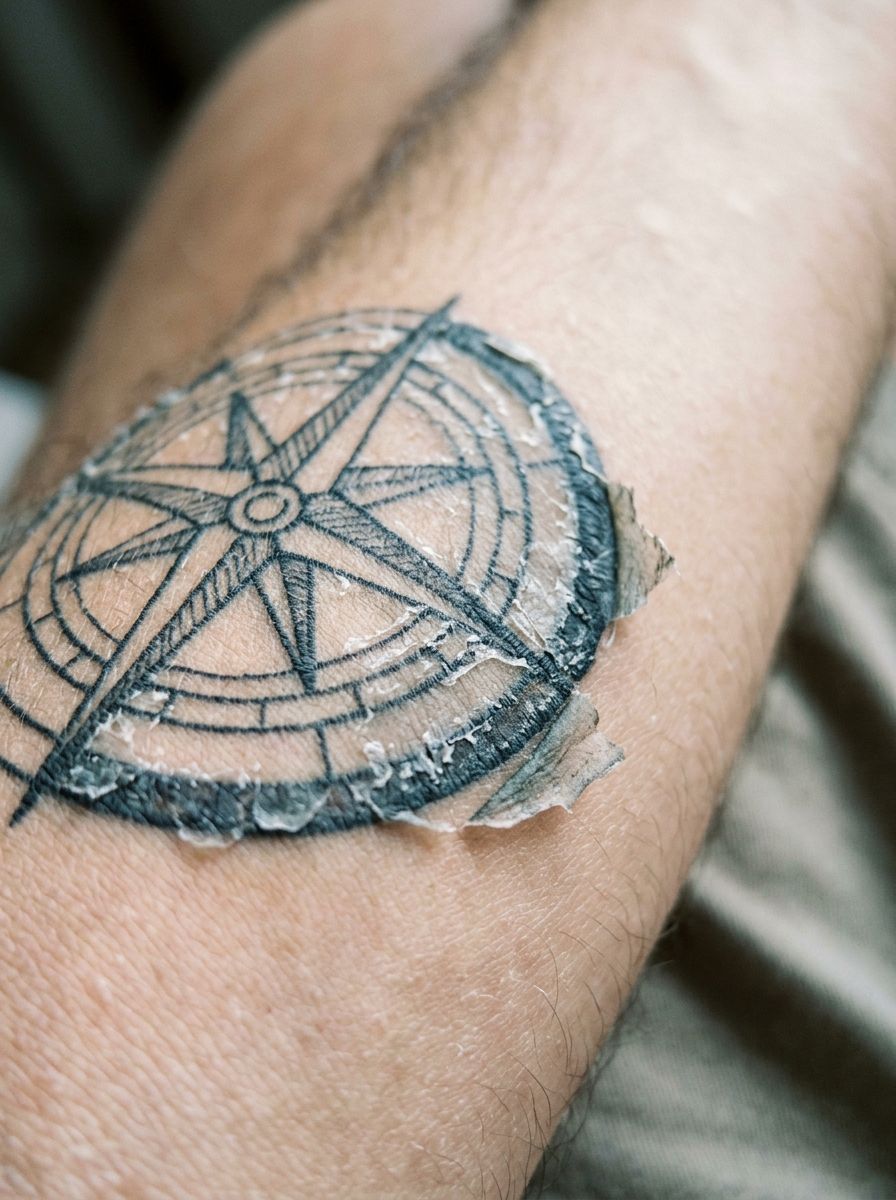
What Normal Peeling Looks Like
Normal peeling involves thin, translucent flakes that may be lightly tinted with the colour of your ink. The skin underneath looks shiny, slightly tight, and a shade or two lighter than it will be once fully healed. The tattoo may look patchy during this phase — some areas will still have flakes while others will look healed. This is normal and will even out.
Week 2: Surface Healing
By the second week, most of the peeling should be complete. Your tattoo will look significantly better — clearer lines, more defined colours, less redness. The skin over it may still appear slightly dull or have a light, hazy layer — this is a thin layer of new skin growing over the tattoo and is completely normal. It will clear on its own.
Continue moisturising once or twice a day, but you can begin to relax a little. The most critical window has passed. Wash the tattoo daily in the shower as you normally would — you no longer need to do dedicated washes throughout the day.
You can return to light exercise this week, but cover the tattoo and keep it away from gym equipment, which is covered in bacteria. Avoid swimming for at least two full weeks, and ideally three, as chlorine and bacteria in pool and lake water can cause serious damage to a healing tattoo.
Weeks 3–4: Full Surface Healing
By the end of the third or fourth week, your tattoo should look fully healed on the surface. The skin is smooth, the colours are clear, and there is no more itching, peeling, or redness. This is what most people consider their tattoo “healed.”
Technically, the deeper layers of skin are still completing the healing process and will continue to do so for up to three months. During this time, you may notice the tattoo looks slightly different depending on lighting — this is normal. The final appearance of your tattoo will settle completely around the three-month mark.
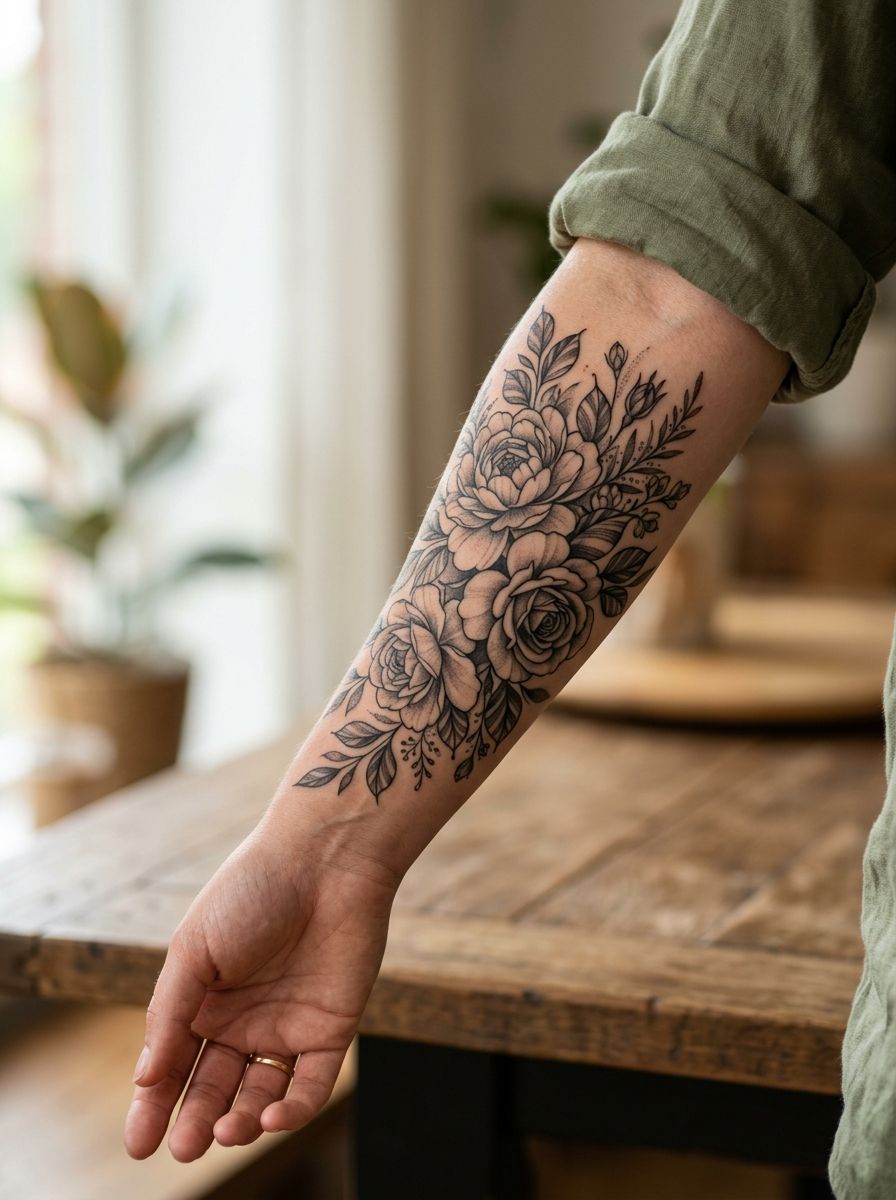
Long-Term Tattoo Care
Once your tattoo is healed, the work is not entirely over. How you care for your tattoo long-term determines how it looks five, ten, and twenty years from now.
Sunscreen Is Non-Negotiable
UV exposure is the number one cause of tattoo fading. Sun breaks down the ink molecules beneath your skin, causing colours to fade and black lines to blur. Apply a broad-spectrum SPF 50 sunscreen over any tattooed skin whenever it will be exposed to sunlight. This applies even on cloudy days, as UV rays penetrate cloud cover. If you are spending a day outdoors, reapply every two hours.
Do not apply sunscreen to a tattoo that is still in the healing phase — use physical protection like clothing or shade instead. Once healed, sunscreen is your best tool for keeping your tattoo looking as good as the day you got it.
Keep Your Skin Hydrated
Dry skin makes tattoos look dull and aged. Moisturise tattooed skin regularly as part of your daily routine, especially after showering when skin tends to lose moisture. Drinking enough water also keeps skin supple from the inside, which directly affects how your tattoo looks on the outside.
Avoid Prolonged Sun and Water Exposure
Even on healed tattoos, extended time in the sun, chlorinated pools, or salt water will gradually degrade the ink. You do not have to avoid these activities entirely — just be mindful and apply sunscreen before and reapply throughout. After swimming, rinse the tattoo well with clean water and follow up with moisturiser.
Things to Avoid During Healing
These are non-negotiable during the two to four weeks your tattoo is healing:
- Swimming — pools, lakes, oceans, and hot tubs all expose your open wound to bacteria and chemicals
- Direct sunlight — UV rays damage fresh ink and slow healing
- Picking or scratching — pulls ink out, causes scarring, and introduces bacteria
- Tight clothing — rubs against the tattoo, disrupts healing, and can stick to weeping skin
- Gym equipment — covered in bacteria that can cause infection
- Pets — pet hair and dander carry bacteria; keep animals away from fresh tattoos
- Fragranced products — soaps, lotions, and perfumes with fragrance irritate healing skin
- Excessive sweating — sweat is salty and irritating; avoid heavy exercise for at least one week
- Alcohol — thins the blood and can increase bleeding and swelling during the first 24 hours after getting tattooed
Signs of Normal Healing vs. Infection
Knowing the difference between normal healing and something that needs medical attention is important. Here is what to expect and what to watch for.
Normal Healing Signs
- Redness and swelling that reduces after two to three days
- Mild tenderness or soreness to the touch
- Clear or slightly yellow plasma weeping from the surface
- Peeling and flaking skin from day four onwards
- Itching as the skin regenerates
- Dull or hazy appearance over the tattoo as new skin forms
Warning Signs That Need Medical Attention
- Redness that spreads or worsens after day three
- Swelling that increases rather than decreases
- Thick, opaque yellow or green discharge (infected discharge smells unpleasant)
- Fever or chills
- Red streaks radiating outward from the tattoo
- Extreme pain that does not improve
- Hard, raised lumps under the skin
If you notice any of the warning signs above, see a doctor promptly. Tattoo infections are treatable with antibiotics when caught early, but they can cause permanent scarring and serious complications if left untreated. Do not try to treat an infected tattoo with over-the-counter products alone.
The Best Tattoo Aftercare Products
You do not need a cabinet full of specialised products. These basics cover everything you need:
Soaps
- Dove Sensitive Skin Beauty Bar — gentle, fragrance-free, widely available
- Dial Antibacterial Liquid Hand Soap (Gold) — kills bacteria without being harsh
- Dr. Bronner’s Baby Pure-Castile Soap — natural, unscented option
Moisturisers
- Lubriderm Daily Moisture Lotion (Fragrance-Free) — lightweight, absorbs quickly, widely recommended by tattoo artists
- Curel Ultra Healing Intensive Moisture Lotion — good for dry or sensitive skin
- Aquaphor Healing Ointment — use sparingly for the first day or two; too much seals the skin
- Hustle Butter Deluxe — a dedicated tattoo product that many artists recommend; works well throughout the healing process
What to Avoid
- Any product with alcohol, fragrance, or dyes
- Neosporin and antibiotic ointments unless prescribed — they can cause allergic reactions on tattoos
- Coconut oil — while popular, it can clog pores and cause breakouts on some skin types
- Baby lotion — usually contains fragrance
Quick-Reference Aftercare Schedule
| Timeframe | What to Do |
|---|---|
| Hours 0–2 | Leave covering on. Avoid touching, sun, water. |
| Hours 2–4 | Remove plastic wrap (if used). First wash with mild soap. Pat dry. Apply thin layer of lotion. |
| Day 1–3 | Wash 2–3 times daily. Moisturise after each wash. Expect redness, swelling, plasma weeping. |
| Day 4–7 | Peeling begins. Do NOT pick. Keep moisturised. Wash daily. |
| Week 2 | Most peeling done. Wash daily in shower. Moisturise once or twice daily. Light exercise OK. |
| Week 3–4 | Surface healed. Continue daily moisturising. Avoid sun exposure without SPF.list –> |