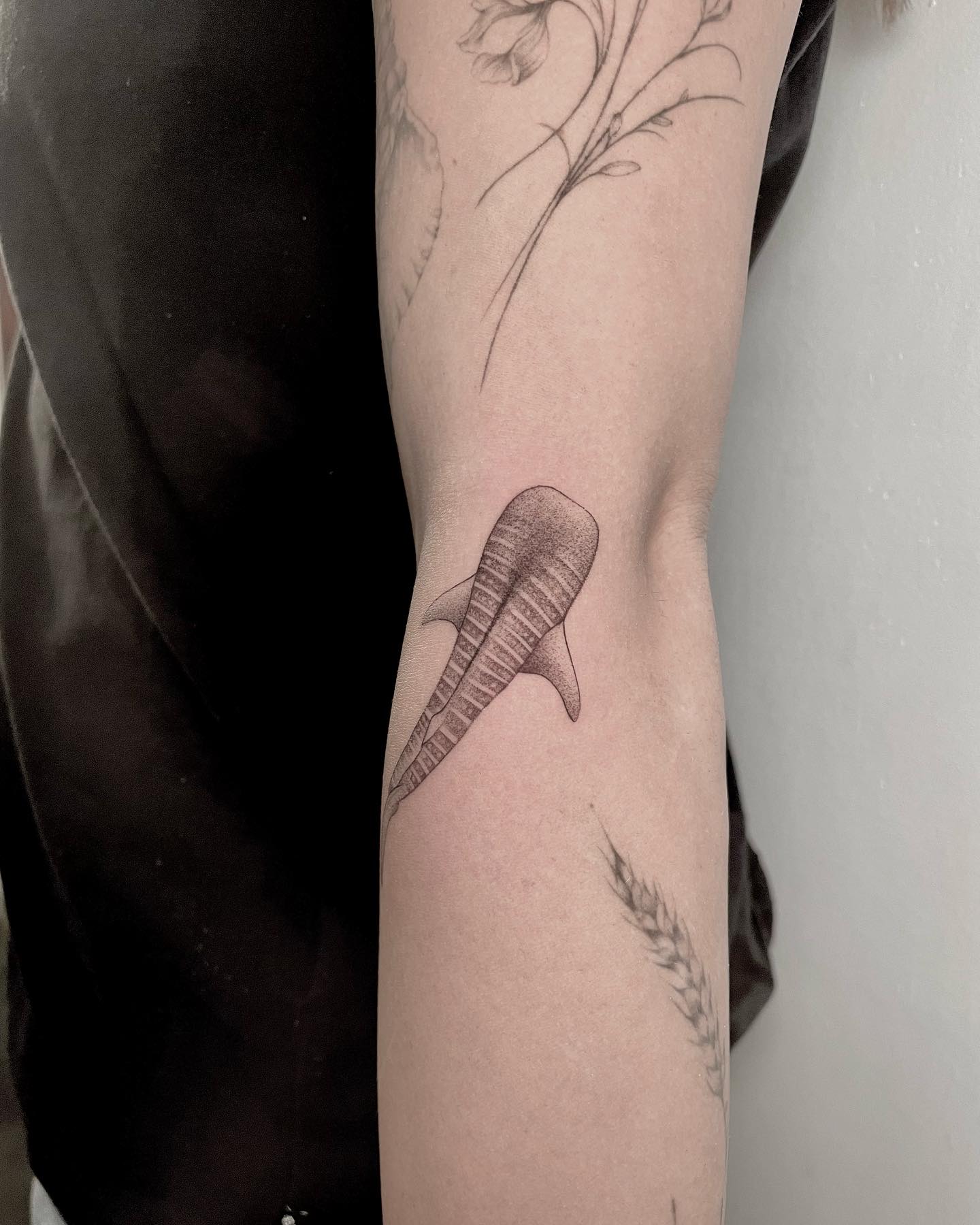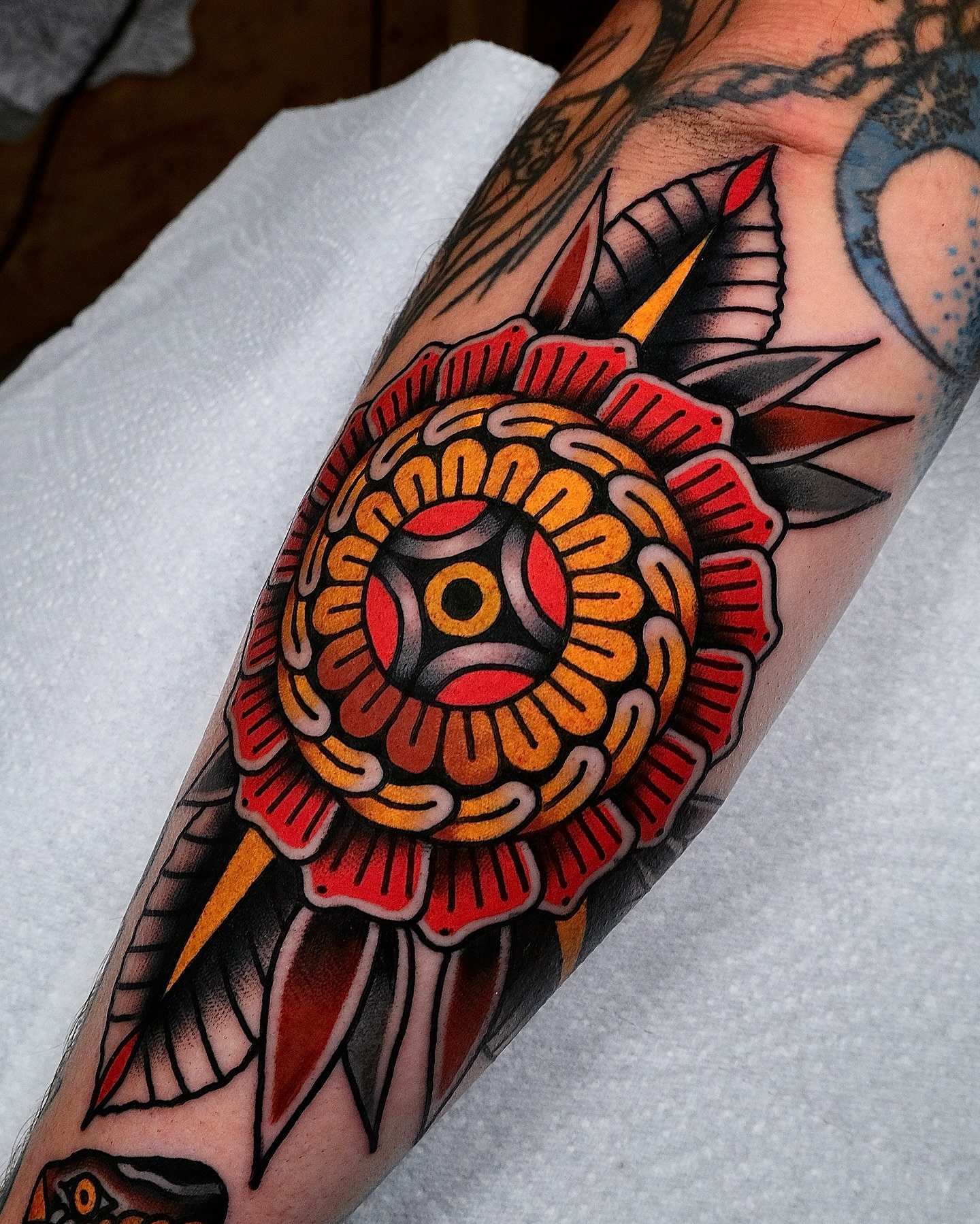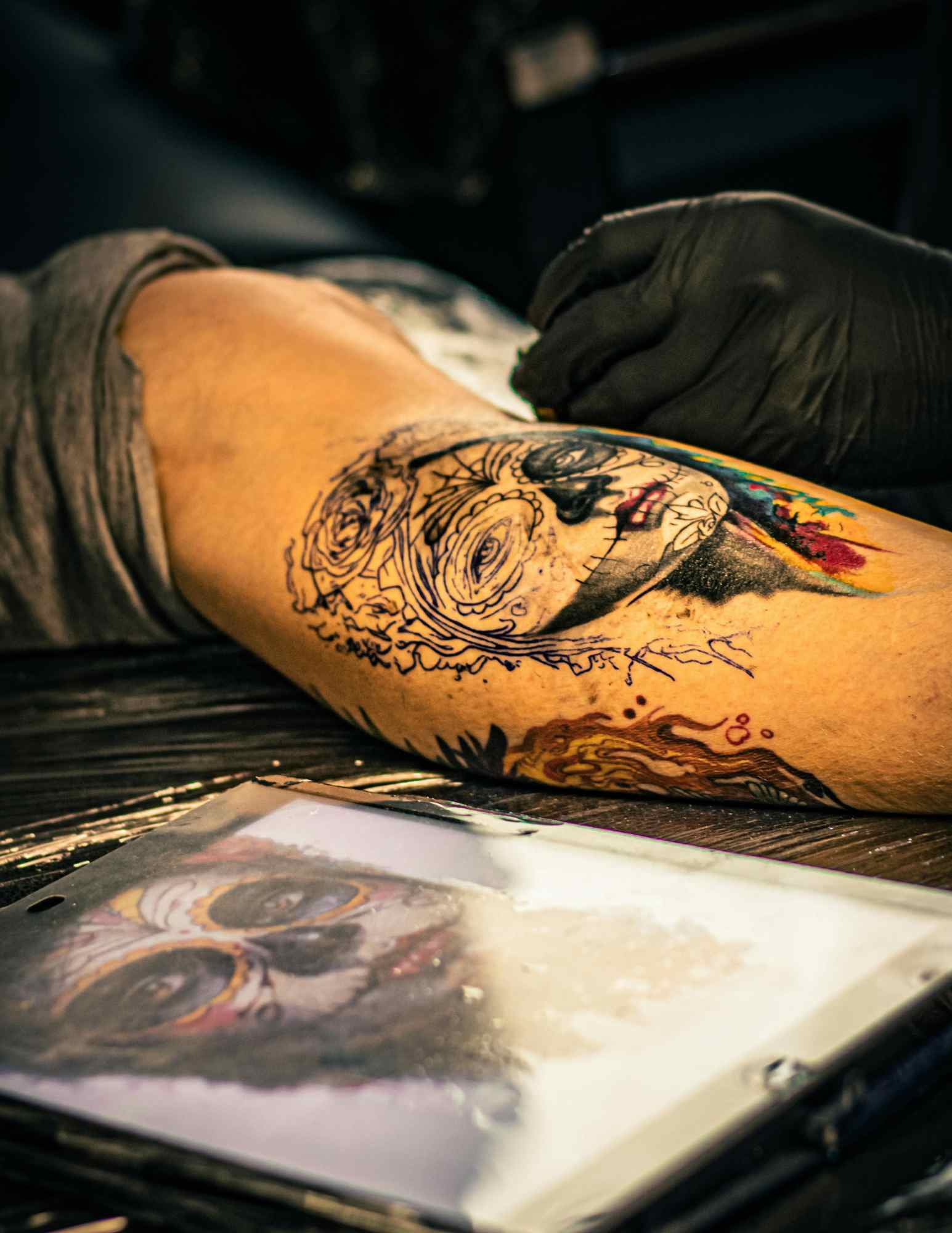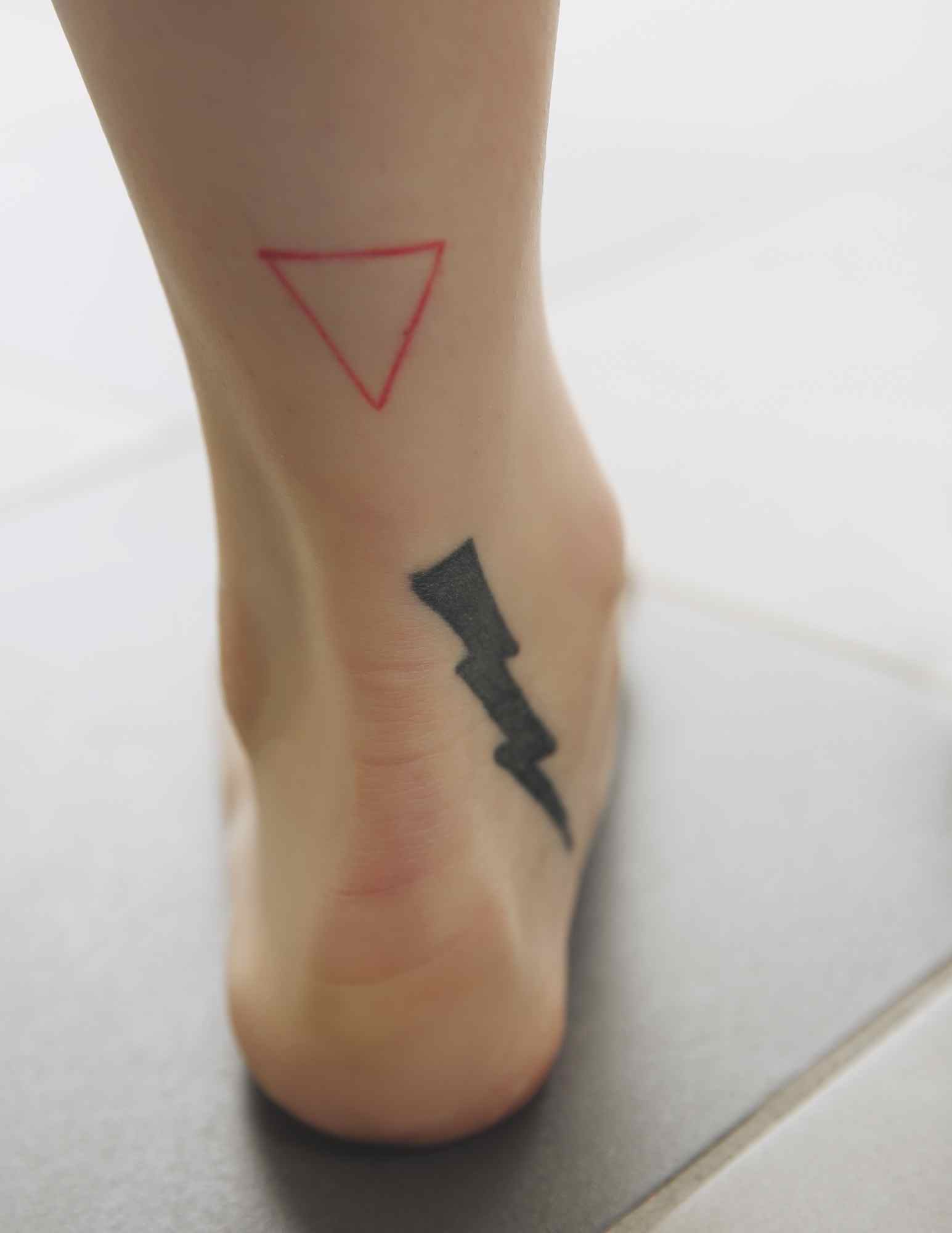
I have sat for tattoos on my forearm, my ribs and the back of my knee, and I can tell you the machine felt identical every time. Tattoo pain is almost entirely a question of where the needle lands, not how tough you are.
That is the useful thing about a tattoo pain chart. It turns a vague fear into a map you can actually plan around, which matters more than any breathing trick once you are in the chair.
This guide rates every common placement from least to most painful, explains the anatomy behind each rating, and tells you what the sensation actually feels like rather than just handing you a number out of ten. If this is your first piece, it pairs well with our walkthrough on getting a tattoo for the first time.
One honest caveat before the chart: pain is subjective. Every ranking here reflects what most people report and what artists consistently see, but I have met people who sailed through rib work and flinched through a forearm.
Which Pain Zone Are You Signing Up For?
This is the short version. Find your placement, then read the section below it for the detail that actually helps you prepare.
| Pain zone | Placements | What it feels like | Realistic session length |
|---|---|---|---|
| Low | Outer upper arm, outer forearm, calf, shoulder cap, upper back | Warm scratching pressure that builds slowly | Four hours or more is realistic |
| Moderate | Outer thigh, lower back sides, ankle, outer chest, bicep | Noticeable sting with occasional sharp passes | Three to four hours for most people |
| High | Ribs, sternum, inner arm, elbow ditch, inner thigh, stomach | Sharp, hot and concentrated; demands focus | Two to three hours, with breaks |
| Severe | Knees, hands, fingers, neck, spine, scalp, feet | Bone vibration you feel through the joint | Short focused sittings, often under two hours |
What Actually Makes One Spot Hurt More Than Another
Four things decide it, and once you know them you can predict any placement that is not on this chart yourself.
The first is how much tissue sits between skin and bone. Muscle and fat absorb the vibration of the machine; bone reflects it straight back into the joint.
The second is nerve density. Your hands, feet, neck and inner arm carry far more nerve endings per square inch than your outer thigh, because those are the parts of you that evolved to feel things.
The third is skin thickness. Skin that gets daily friction, like the outer forearm and calf, toughens up. Skin that never sees the sun or a sleeve, like the inner thigh and elbow ditch, stays thin and reactive.
The fourth is movement. Ribs shift with every breath, joints bend, and swelling collects in ditches and around bone during a long sitting. That is why a placement can start comfortable and turn sharp an hour in. Our deeper dive into the most painful tattoo spots covers the worst offenders in more detail.
Artist technique matters more than most charts admit. A confident hand with a properly tuned machine reaches a consistent depth and keeps moving; an uncertain one drags, presses unevenly and reworks the same line. In my experience the single most effective pain management decision you make is who you book with.
Tattoo Pain Chart: Every Placement, Least to Most Painful
Outer Upper Arm and Shoulder Cap — Lowest
This is the classic first-tattoo territory, and the reasoning is purely anatomical. A thick layer of deltoid and bicep sits between the needle and any bone, and nerve density across the outer arm is genuinely low.
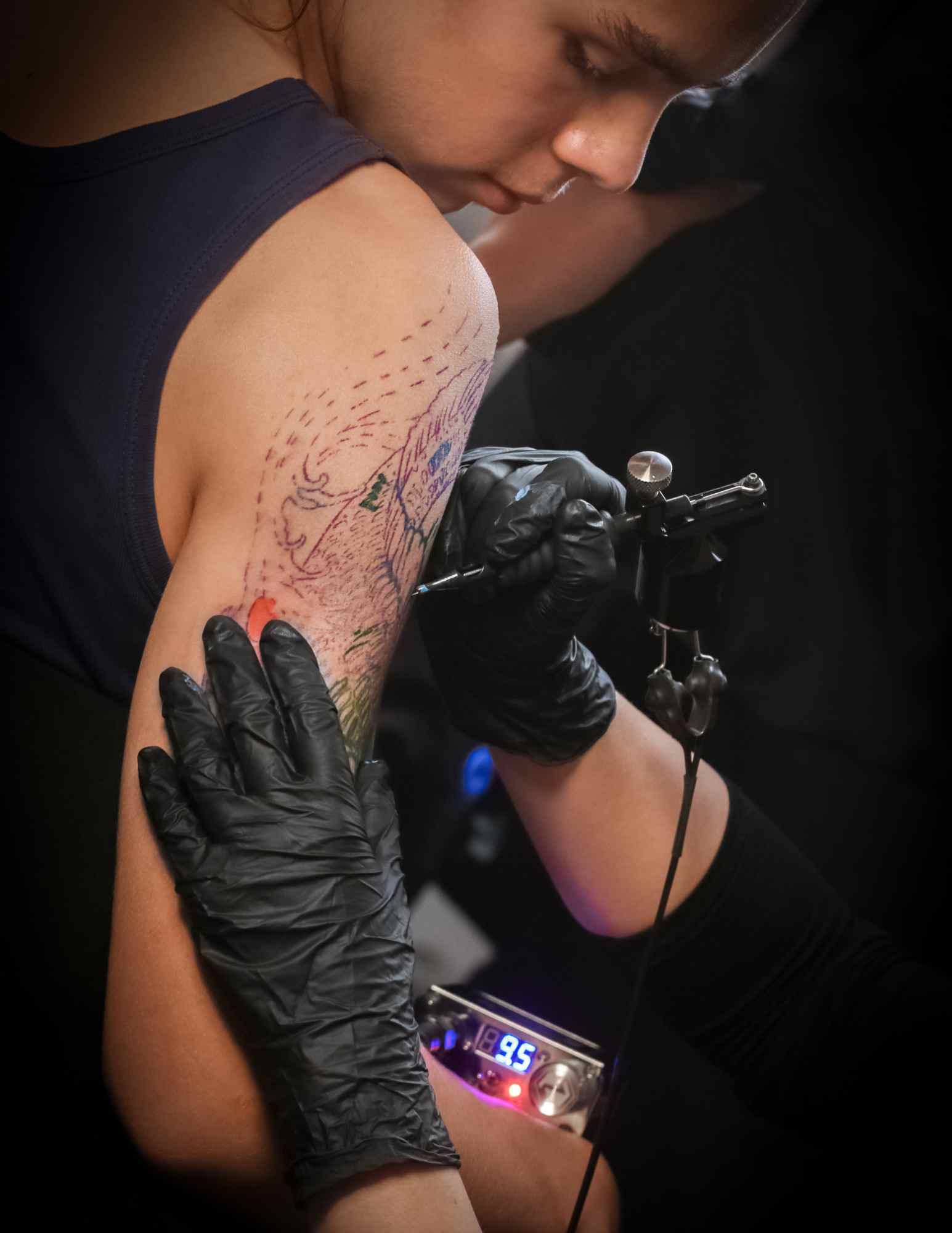
What you feel is heat and a scratching pressure that builds gradually over the session rather than spiking. When I sat for outer arm work, the most uncomfortable part was the position of my shoulder, not the needle.
The shoulder cap and upper back behave the same way and add something valuable: easy access for the artist. A placement your artist can reach comfortably gets cleaner, faster passes, which shortens the session for both of you. If you want a long first session without a mid-way crisis, start here.
Outer Forearm and Calf — Low
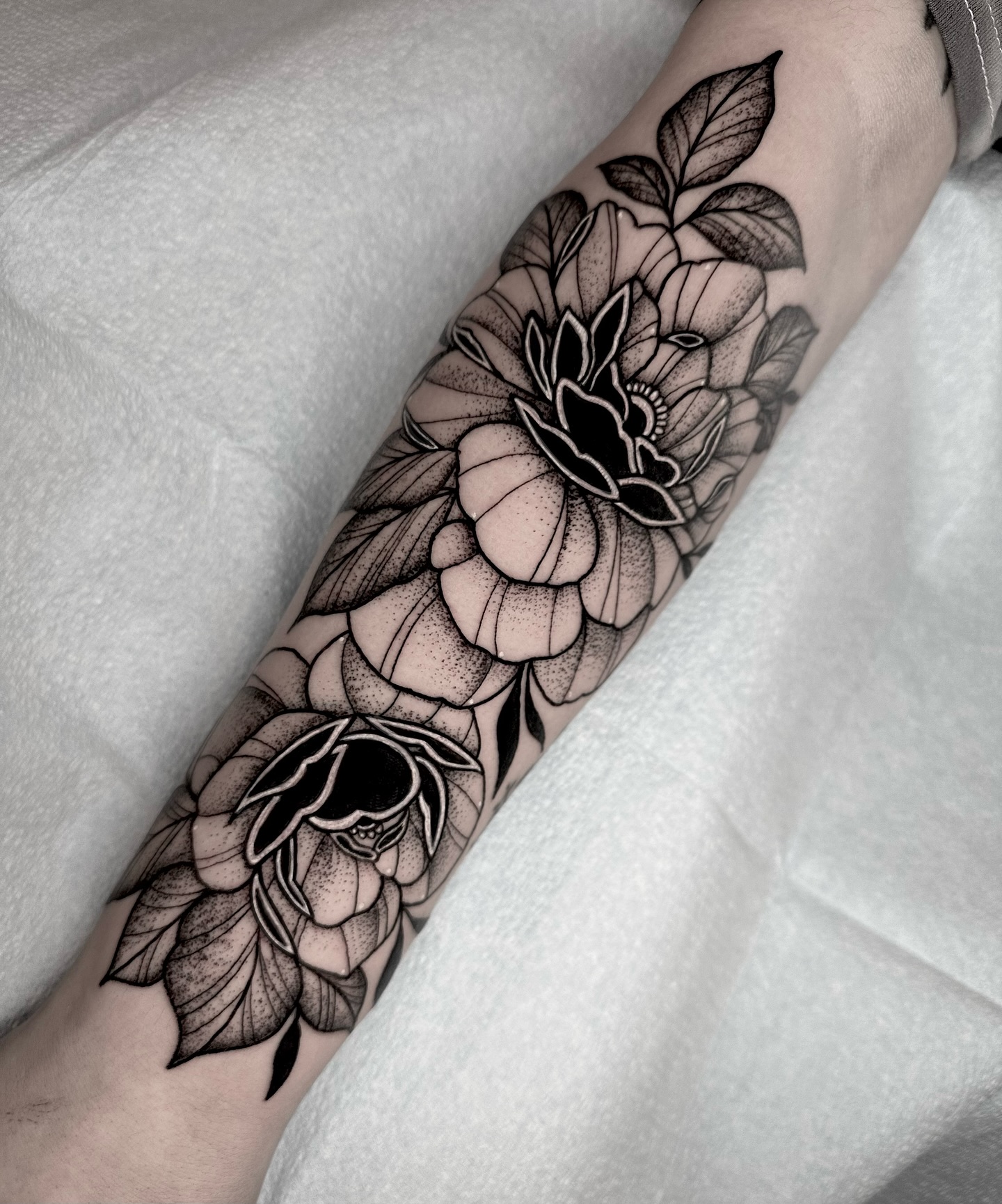
The outer forearm is the workhorse placement of modern tattooing. The skin is toughened by daily exposure, the muscle underneath absorbs vibration, and the surface is flat enough to hold fine linework without distortion.
Most people I have asked describe it as repetitive pressure rather than pain. It is also one of the easier areas to heal, since it does not fold or rub against clothing constantly.
The calf sits in the same bracket. Thick muscle, unremarkable nerve coverage, and a sustained buzzing sensation rather than a sharp one. It can drift toward a deep ache late in a long sitting, but it rarely becomes something people want to stop for. Both are good candidates if you are browsing forearm tattoo ideas and want size without suffering.
Outer Thigh and Lower Back — Moderate
The outer thigh has real muscle underneath but thinner skin than the calf, so the sensation registers more clearly. Most people handle it without much trouble.
The genuine difficulty with thigh work is postural. Sitting or lying in one position for hours while your artist works a large panel gets uncomfortable well before the needle does.
Lower back placement splits in two. Worked laterally, out toward the hips and away from the vertebrae, it is comfortably moderate. Anything that creeps toward the spine sharpens quickly, because the machine vibration carries along bone. Artists who do a lot of lower back tattoo designs tend to plan the composition around that centre line for exactly this reason.
Ankle and Outer Chest — Moderate to Sharp
The ankle is thin skin, almost no fat, and bone immediately underneath. You will feel it clearly, and there are distinct flashes when the needle crosses the malleolus.
The saving grace is scale. Most ankle designs are small enough that the whole thing is over in under an hour, and short intense sessions are far easier to sit than long moderate ones.
The pectoral area away from the sternum is workable for most people. There is muscle beneath, but the skin is nowhere near as tough as the forearm, and vibration starts to resonate as the needle moves inward. Chest pieces get noticeably harder the closer they run to the centre line. Breathing evenly rather than bracing makes a real difference here, more than on any other moderate placement.
Ribs and Sternum — High
The ribs deserve their reputation. Skin sits almost directly on bone with essentially no cushioning, and the whole area moves with every breath you take.
People describe rib work as each individual line being distinct and immediately felt, rather than the blur of sensation you get on the arm. It is sharp, hot and concentrated, and it does not fade into background noise the way low-pain placements do.
Rib sessions are an endurance test more than a pain threshold test. I found the third hour harder than the first, and every artist I have asked schedules ribs in shorter blocks than they would an arm.
The sternum is the same problem in a smaller space. Prominent bone, thin skin, no padding, and vibration that travels far enough to feel almost systemic. Work on the sides of the chest leading into a sternum piece is meaningfully more tolerable than the breastbone itself.
Inner Arm, Elbow Ditch and Inner Thigh — High
These placements share one trait: skin that never toughens up. It sees no friction, no sun and no daily wear, so it stays thin and highly responsive.
The inner arm carries a dense network of nerves running toward the hand, and the sensation there is sharp with a faintly electric quality that people rarely expect. The elbow ditch, the soft hollow inside the joint, is the most reactive point on the whole arm.
Bend points also heal less predictably. Skin that folds several thousand times a day while it is trying to close is working against you, so expect a fussier heal and possibly a touch-up.
The inner thigh catches people out most of all. It sits inches from the outer thigh, which is comfortably moderate, yet it swells during a session and stings in a completely different register. Do not assume a placement will feel like its neighbour.
Knees, Hands and Fingers — Severe
The kneecap is a broad, bony surface under thin skin, and the vibration does not stay on the surface. It carries into the joint itself, which is a sensation most people have no reference point for.
The back of the knee adds fold sensitivity on top of that, and it is one of the few placements experienced collectors talk about with genuine respect.
Hands and fingers are dense with nerve endings by design, because they are how you interact with everything. Finger work in particular sits over bone with almost nothing in between, so the vibration is prominent and the sting is immediate.
There is a practical sting too: hands fade faster than anywhere else because of constant washing and movement, and touch-up sessions hurt exactly as much as the original. Anyone considering finger tattoo ideas should budget for that from the start.
Neck, Spine and Scalp — Most Painful
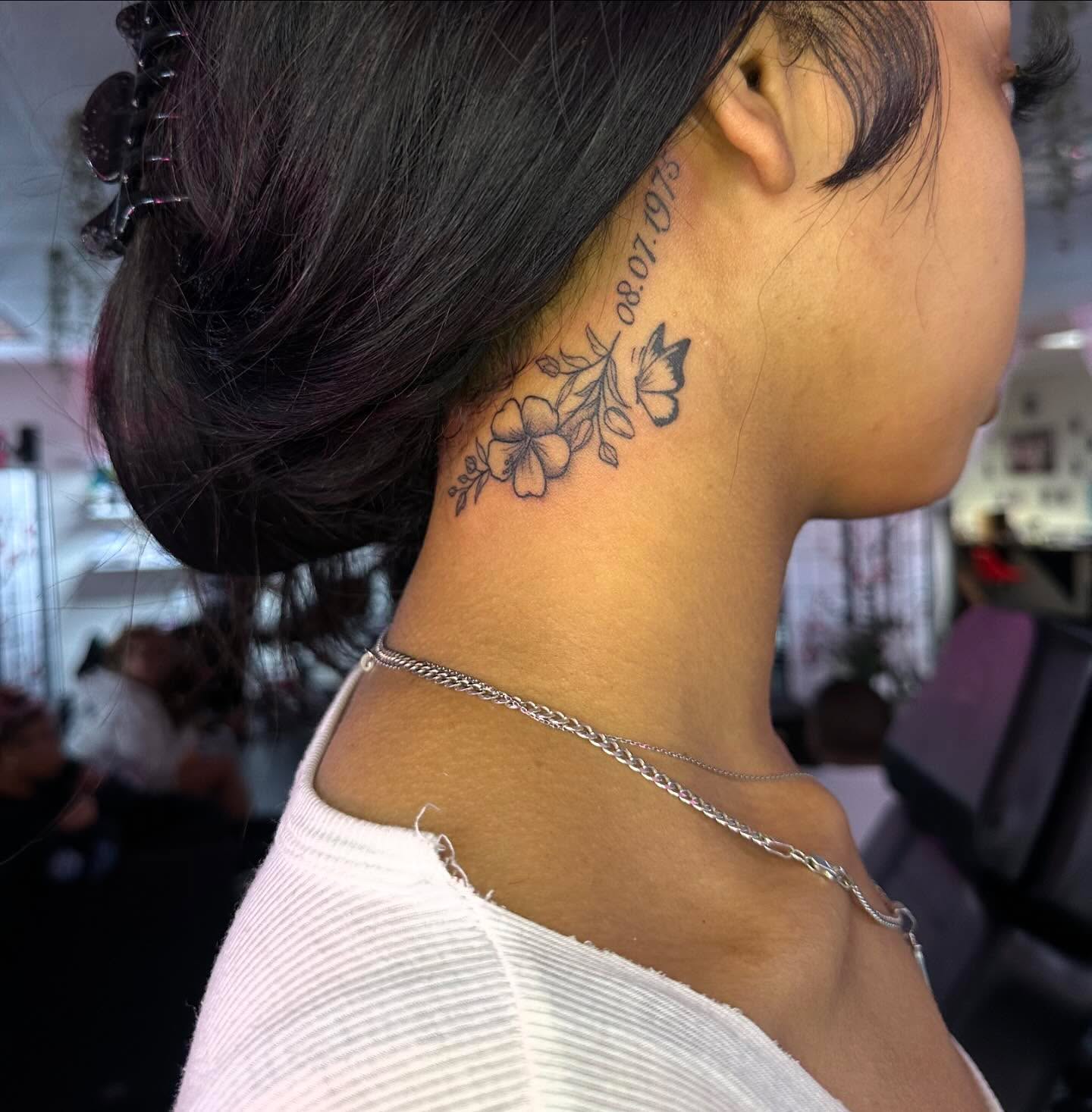
The neck combines thin skin, minimal fat and significant nerve presence in a highly visible spot. The front and sides are considerably more intense than the nape, which sits over muscle and is closer to moderate.
Spine work means the needle passing repeatedly over vertebrae with almost no cushioning. The vibration travels along the bone and radiates outward, and holding perfectly still becomes its own challenge as the session goes on. If you are weighing it up, our piece on whether spine tattoos are risky covers the anatomy and the practical considerations.
Scalp tattooing is in a category of its own. The skull is directly beneath the skin, and the machine resonates through bone in a way you feel in your jaw and teeth. People who have done it describe the experience as surreal more often than they describe it as painful.
None of these are off limits, and some of the best tattoos in the world live in these zones. They just reward planning, a rested body and an artist who works in short, decisive passes.
How Style, Size and Session Length Change the Chart
Placement sets the baseline, but three other variables move you up or down a bracket. Worth knowing before you assume a spot is off the table.
Linework Versus Shading Versus Colour Packing
Single-pass linework is quick and sharp. It hurts in the moment but the needle moves on, and it is over faster than anything else.
Shading and colour packing cover the same skin repeatedly, which is a duller sensation but a cumulative one. On a high-pain placement, heavy saturation is usually what makes people call it a day, not the outline.
Small Pieces in Painful Spots
A small design on the ribs or fingers is a completely different proposition from a full panel. Thirty minutes on a severe placement is manageable for almost anyone.
This is the most useful workaround on the chart: if you want the placement but not the endurance test, scale the design down or split it across sittings.
Cover-Ups and Touch-Ups
Working over existing tattooed skin generally feels more intense, and cover-ups need heavier saturation to do their job.
Scar tissue is unpredictable in both directions, sometimes numb and sometimes far sharper than surrounding skin. Any competent artist will talk you through it before starting.
How to Prepare and Get Through the Session
Sleep is the variable people underestimate most. Arriving at a session already exhausted lowers your tolerance in a way no amount of willpower compensates for.
Eat a proper meal two to three hours beforehand and bring something with sugar for a long sitting. Low blood sugar is what turns manageable pain into something you cannot sit through, and it is entirely preventable.
Skip alcohol the night before. It thins the blood, which means more bleeding, more ink pushed out during the session and a harder job for your artist. Plenty of studios will turn you away if you turn up hungover.
In the chair, long slow exhales do more than anything else. Bracing and holding your breath tightens the muscle under the needle and makes the sensation sharper. A podcast or quiet conversation genuinely helps, and asking for a short break is normal rather than a failure. Our tattoo pain management tips go deeper on in-session technique.
Numbing creams work on surface sensation, mostly for the first hour, and they usually need around 45 minutes under wrap to take effect. Ask your artist well in advance rather than on the day, because some decline them and others have preferences about which products they will work over.
If you feel lightheaded, clammy or cold mid-session, say so immediately. That is a normal physiological response to sustained adrenaline, not weakness, and any experienced artist will stop and manage it. For anything involving a reaction, unusual swelling or a heal that looks wrong, see your artist and then a doctor rather than a forum — the Mayo Clinic and the American Academy of Dermatology both have reliable, non-alarmist guidance on tattoo risks and skin reactions.
Common Mistakes and Where to Look Next
The most common one I see is booking a severe placement as a first tattoo because the design demanded it. It can work, but going in with no reference point for the sensation is a rough introduction.
The second is scheduling too long. An eight-hour rib session sounds efficient on paper and rarely survives contact with reality. Two shorter sittings almost always produce better work.
The third is neglecting the heal. A painful placement you then take care of badly gets you the worst of both, and bend points and hands are the least forgiving. Read up on proper tattoo aftercare before you book, and know the tattoo healing stages so you can tell normal from concerning.
If you are still deciding, work backwards: pick the pain bracket you are willing to sit for, then choose a design that suits the placements inside it. That order produces far fewer regrets than the reverse.
Frequently Asked Questions
What is the most painful place to get a tattoo?
The scalp, spine, neck, hands and fingers, and the knees consistently rank as the most painful placements, because all of them put thin skin directly over bone with dense nerve coverage. On these spots the vibration of the machine carries into the bone and joint rather than staying on the surface. That said, individual reports vary a lot, and some people find ribs harder than anything on that list. Most artists plan these areas as short, focused sittings rather than marathon sessions.
What is the least painful place to get a tattoo?
The outer upper arm is the most reliably comfortable placement, followed by the outer forearm, calf, shoulder cap and upper back. All of them have substantial muscle between skin and bone and relatively low nerve density. Most people describe the sensation as warm scratching pressure that builds slowly rather than anything sharp. These are the placements almost every artist suggests for a first tattoo.
Does a tattoo hurt more the longer you sit?
Usually, yes. Swelling accumulates, adrenaline levels drop off after the first hour or two, and the same skin being worked repeatedly becomes more sensitive. This is why a four-hour session rarely feels like four times a one-hour session. Breaks, food and staying hydrated genuinely help, and splitting a large piece across two appointments is a legitimate choice rather than a compromise.
Do numbing creams actually work for tattoos?
They reduce surface sensation, and they are most effective for roughly the first hour before they wear off. They generally need to sit under wrap for around 45 minutes before the session to take effect. Some artists use them on request for high-pain placements, others decline because certain products can affect how skin takes ink. Ask when you book rather than on the day, and follow the product instructions rather than improvising.
Is tattoo pain different for men and women?
Pain perception varies enormously between individuals, and placement, sleep, stress and session length explain far more of the difference than anything else. Artists routinely see people of every description handle the same placement completely differently. Rather than assuming anything from general claims, it is more useful to think about your own specific placement, the size of the piece and how rested you are on the day.
Quick Summary
- Tattoo pain is driven by tissue depth over bone, nerve density, skin thickness and how much the area moves.
- Lowest pain: outer upper arm, outer forearm, calf, shoulder cap and upper back — the standard first-tattoo zone.
- Moderate: outer thigh, lateral lower back, ankle and outer chest; noticeable but rarely a reason to stop.
- High: ribs, sternum, inner arm, elbow ditch and inner thigh — sharp, concentrated and an endurance test.
- Most painful: knees, hands, fingers, neck, spine and scalp, where vibration carries into bone and joint.
- Size and style shift the chart: a small linework piece on a severe placement beats a saturated panel on a moderate one.
- Sleep, a real meal, no alcohol and slow exhales do more for your session than any single trick.
- Book an experienced artist — consistent depth and efficient passes are the best pain management available.
The needle is the same everywhere. The difference is where it lands — so know your map before you book.