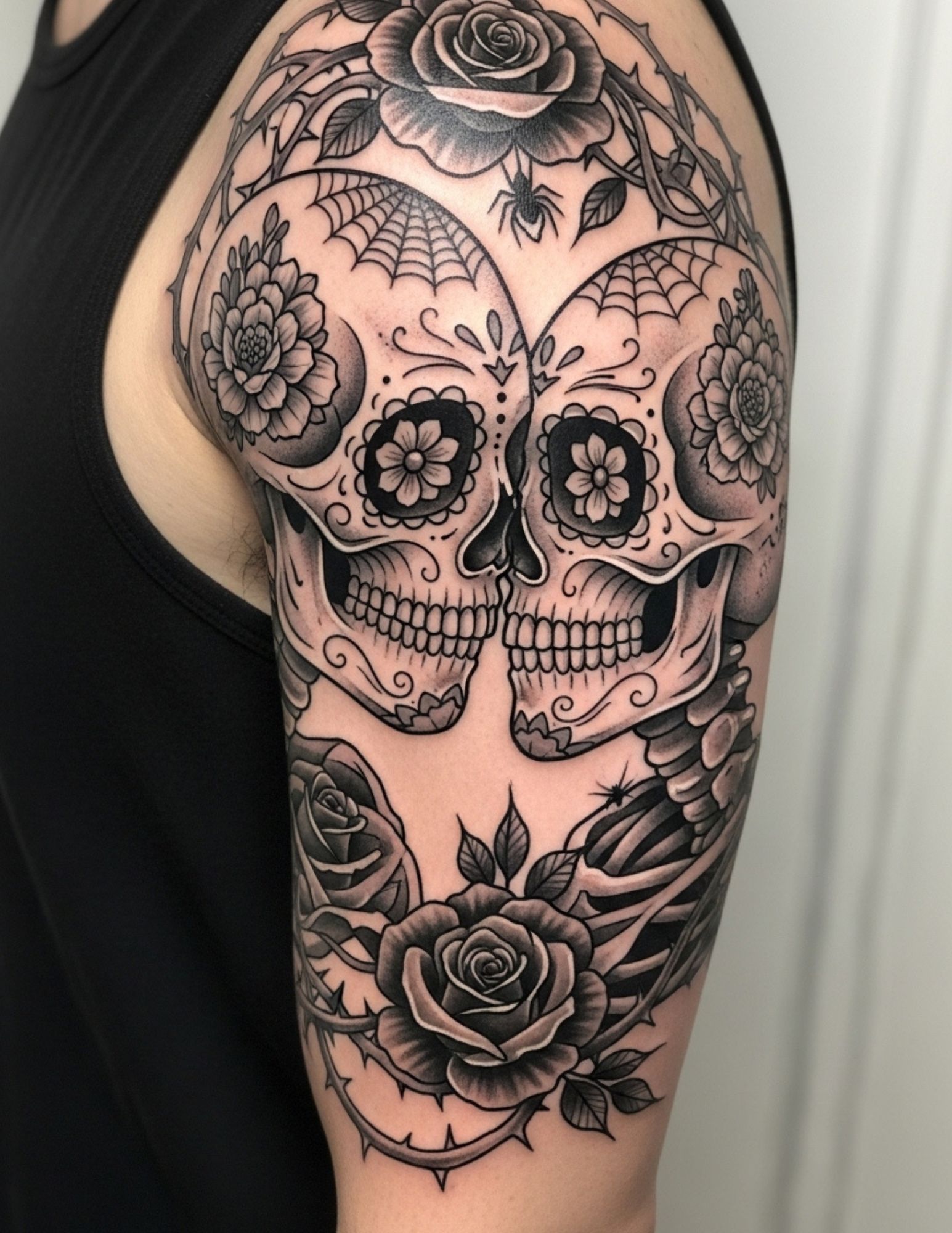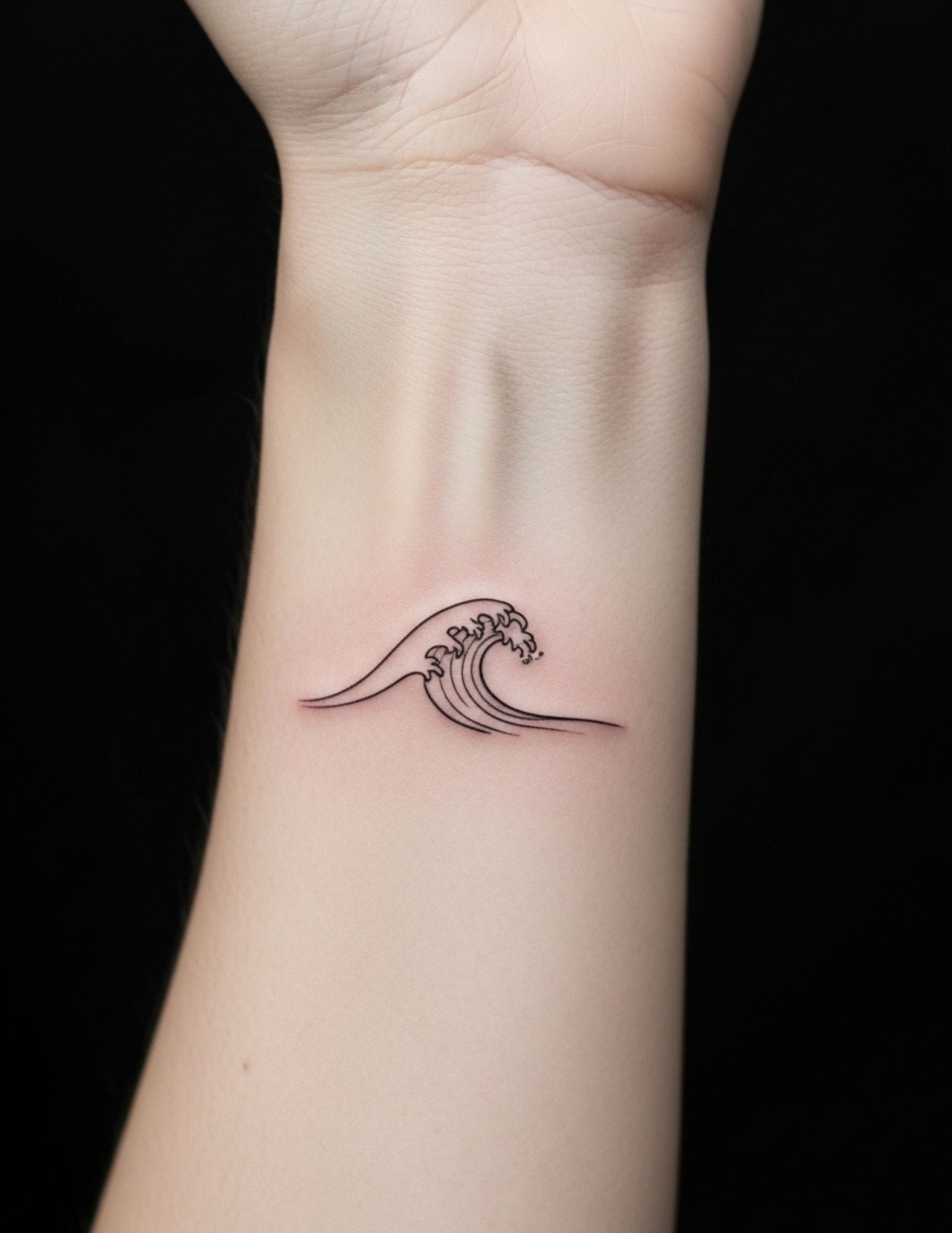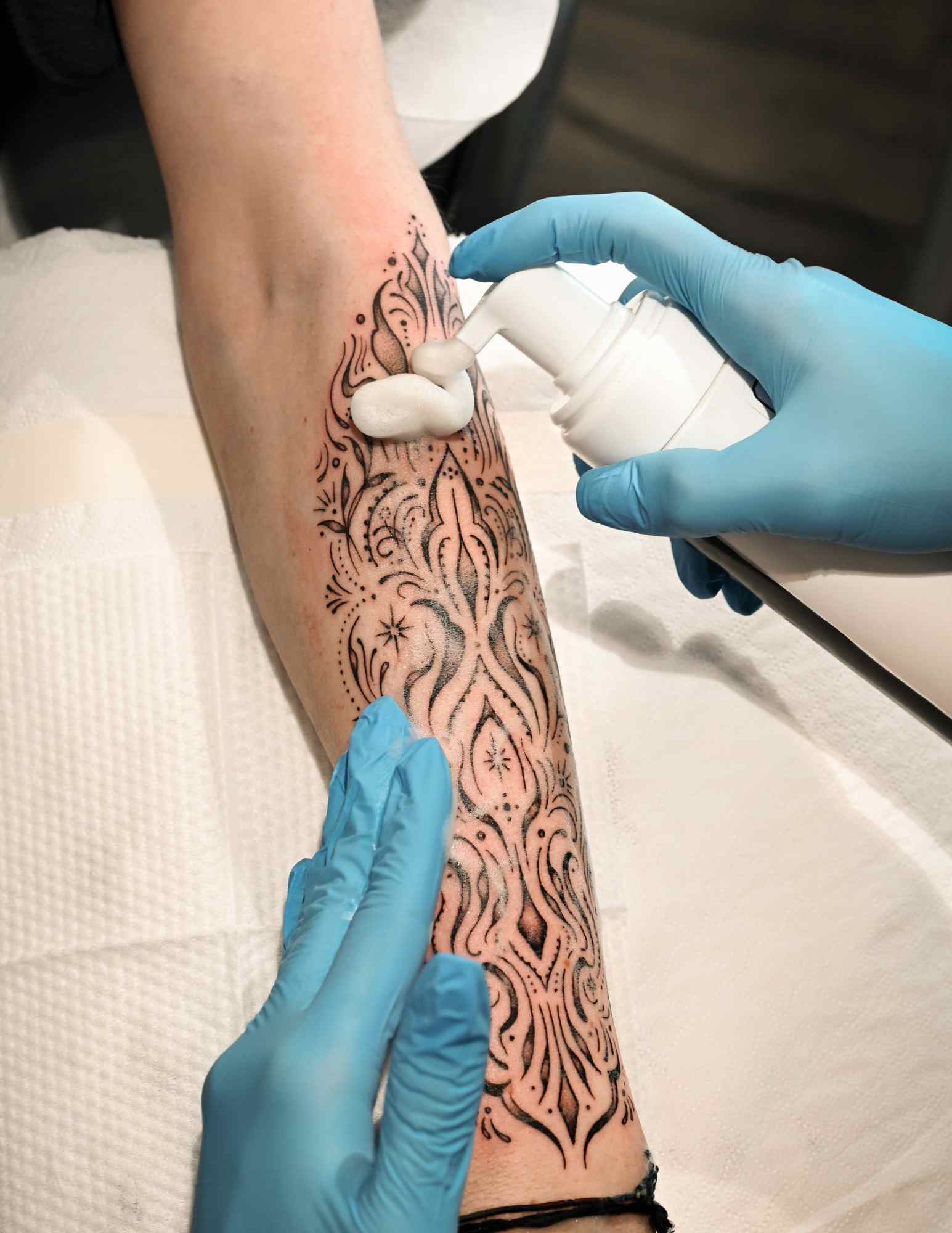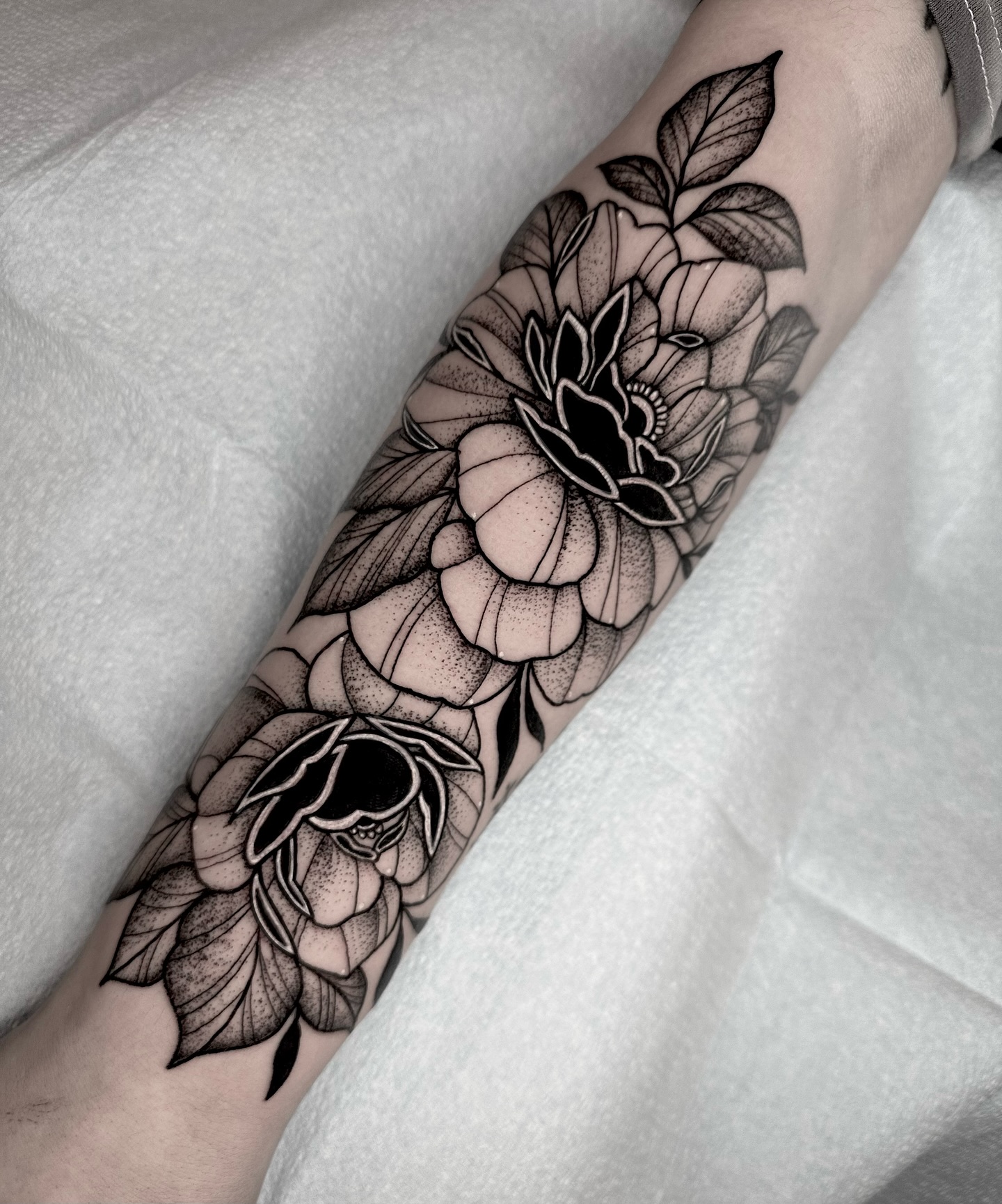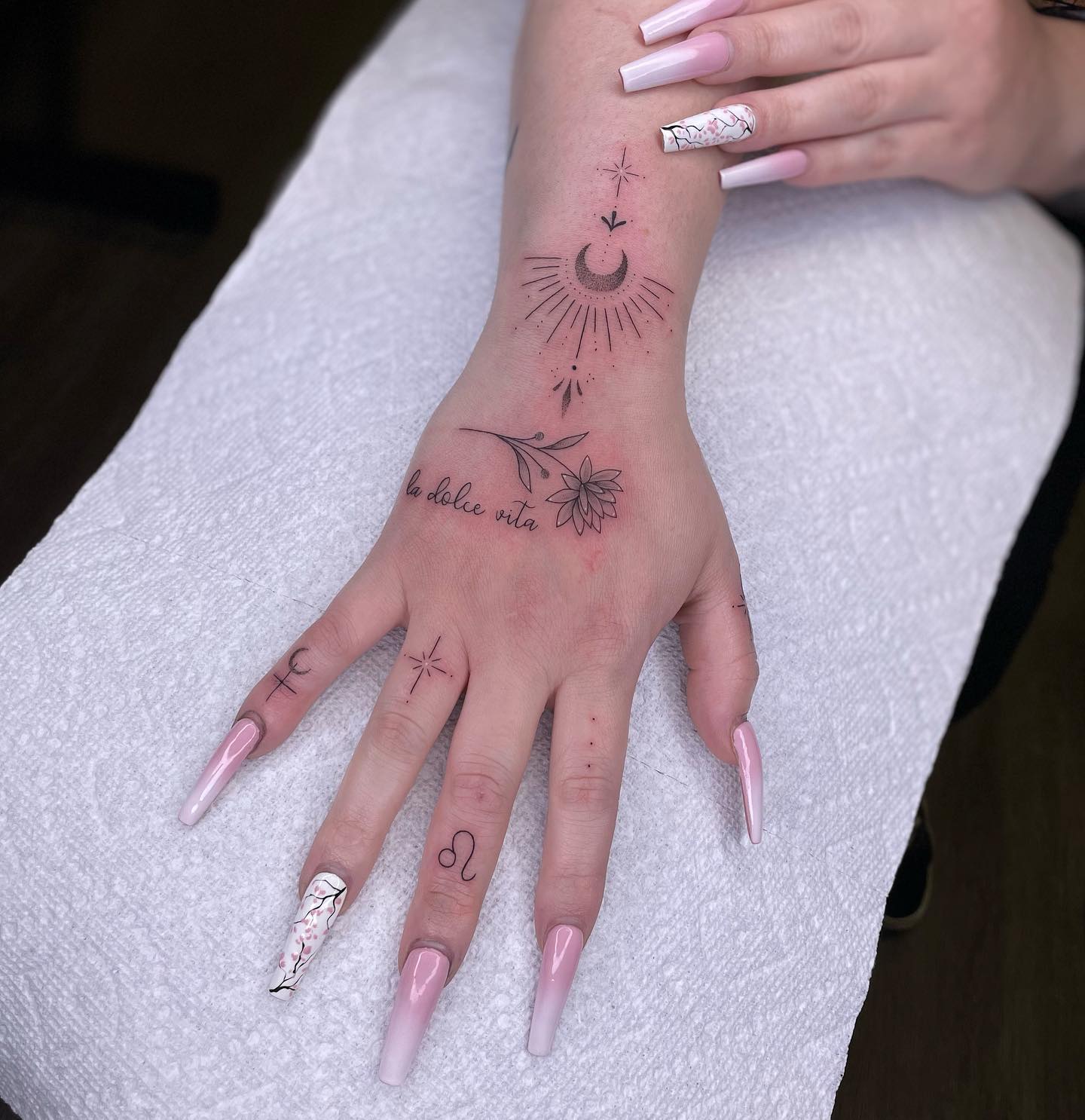
The most painful tattoo spots on the body are the ones where thin skin sits directly over bone or over a dense cluster of nerves — the ribs, sternum, spine, hands, feet, and the soft ditches around joints.
I have sat for pieces on my ribs, my inner arm, and the top of my foot, and I have watched dozens of friends and clients white-knuckle their way through placements they were told would be “fine.”
What I have learned is that pain is predictable enough to plan around. Knowing which zones are brutal, which are surprisingly tolerable, and why the difference exists lets you book a session you can actually finish — and a few simple habits for managing tattoo pain make a bigger difference than most people expect.
This guide walks the body region by region, in plain terms, based on what artists consistently report and what I have felt myself.
Tattoo Pain by Placement: A Quick Comparison
Pain is subjective, so treat this as a rough map rather than a promise. It reflects what I have felt and what artists I have asked describe most often.
| Placement | Typical Pain Level | What It Feels Like | Best Suited To |
|---|---|---|---|
| Ribs & sternum | Severe | Sharp scraping that echoes into the chest | Repeat collectors, short sessions |
| Spine & centre back | Severe | Vibration travelling up the vertebrae | Fine-line script, patient sitters |
| Hands, fingers, feet | Severe | Grinding, buzzing, electric | Small designs done fast |
| Inner elbow, knee ditch, armpit | Severe | Stinging that radiates down the limb | Sleeve and leg-sleeve fillers |
| Hip, groin, inner thigh | High | Hot and raw over bone, ticklish in soft areas | Larger concealable pieces |
| Stomach & collarbone | Moderate to high | Bony and sharp at the clavicle, jumpy on the belly | Delicate ornamental work |
| Outer forearm, outer thigh, calf | Low to moderate | Warm scratching, easy to zone out | First tattoos, long sessions |
What Actually Makes One Spot Hurt More Than Another
Three things drive most of the difference: how thick the skin is, how many nerve endings sit under it, and how much muscle or fat separates the needle from bone.
Where skin stretches tightly over bone — ribs, sternum, spine, shins, the tops of the hands and feet — there is nothing to absorb the vibration, so it travels straight into the bone and reads as a deep, resonant ache.
Nerve density is the other half of the equation. Your hands, feet, inner arms, and the skin around joints are richly supplied with nerve endings because they need fine sensation, and that same sensitivity turns a tattoo needle into something sharp and electric.
Then there are the personal variables nobody can predict for you: sleep, blood sugar, caffeine, anxiety, hormones, and plain individual tolerance. I have had the same rib session feel manageable one month and unbearable the next.
Session length matters as much as placement. Almost anywhere becomes painful after four hours, which is why people getting a tattoo for the first time often underestimate a “mild” spot booked for a full day.
The Most Painful Tattoo Spots, Region by Region
Ribcage and Sternum
Ask a room full of tattooed people which spot was worst and the ribs win almost every time.
The skin there is thin, there is essentially no padding, and the area moves with every breath, so you are being tattooed on a surface that will not hold still. The breathing is the part people are never warned about — you cannot hold still on a rib piece the way you can on a forearm.
The sternum is its own category. The flat bone down the centre of the chest gives the sensation somewhere to resonate, and clients often describe it as scraping rather than stinging.
In my experience the practical fix is scheduling. Two two-hour sittings will leave you far happier than one four-hour marathon, and most artists would rather book it that way anyway.
Spine and Centre Back
A spine tattoo is one of the longest continuous lines you can commit to, and the vertebrae underneath make every pass feel amplified.
People often describe a strange buzzing that travels up and down the back rather than staying where the needle is. It is less a sting than a resonance, and it can be genuinely disorienting the first time.
The upper spine, between the shoulder blades, tends to be a little kinder than the lower spine where the bone sits closer to the surface. Every artist I have asked says the same thing.
If you are weighing this placement, it is worth reading up on whether spine tattoos are dangerous before you book, since the concerns people raise are usually about aftercare and epidural questions rather than the tattoo itself.
Neck, Head, and Behind the Ear
The neck and head are consistently rated near the top of the pain scale, and the reason is straightforward: thin skin, dense nerves, and the skull directly beneath.
Scalp work in particular puts the sound of the machine inside your own head, which several people have told me is harder to cope with than the sensation itself.
Behind the ear is a small area that punches far above its weight. It is short, sharp, and over quickly — usually the saving grace of the placement.
The front of the throat is the one spot I would tell most people to think hardest about. Beyond the pain, it is highly visible and notoriously difficult to cover later.
Inner Elbow, Knee Ditch, and Armpit
The soft hollows on the inside of joints are where sleeve projects tend to stall.
The inner elbow — the ditch, or cubital fossa — is thin-skinned, threaded with nerves, and folds constantly. When I had mine done, the sensation ran down my forearm rather than staying under the needle.
The back of the knee behaves the same way and adds the challenge of holding a leg still in an awkward position for an hour or more.
The armpit is the placement most artists warn clients about hardest. Delicate skin, concentrated nerves, and a raised arm that fatigues on its own combine into something most people only sit through once.
Hands, Fingers, Feet, and Toes
Extremities are a category of their own, and the small size of the designs fools people into thinking they will be easy.
There is almost no fat or muscle on the back of the hand or the top of the foot, so the needle is effectively working over tendon and bone with skin stretched across it.
Fingers produce a grinding, buzzing feeling that most clients rank as worse than the ribs per minute, even though the sitting is short. If you are set on them, finger tattoo ideas that stay simple will spare you a lot.
Extremities also fade faster than anywhere else because the skin regenerates quickly and takes constant friction, which means the pain may not be a one-time cost.
Hips, Groin, and Inner Thigh
The hip is a study in contrast: the fleshy outer curve is fine, and the bone itself is not.
Where skin pulls tight over the hip bone, every pass amplifies, and clients frequently flinch at exactly the point where a design crosses that ridge.
The inner thigh and groin are a different problem — unusually thin skin, dense nerves, and enough anxiety about the location that people tense before the needle lands. Tensing makes everything hurt more, which is worth knowing in advance.
Despite all of that, the area stays popular because it is easy to conceal and flattering when it is revealed, which is why designs like a butterfly thigh tattoo never go out of rotation.
Stomach, Chest, and Collarbone
The stomach is unpredictable in a way few placements are.
Soft skin sounds forgiving, but the abdomen is reflexive and ticklish, and involuntary flinching makes the session harder for you and for the artist.
The collarbone is the opposite — a hard bony ridge with barely any tissue over it, which produces a sharp, precise pain. It is usually brief because the area is small, and collarbone tattoo ideas tend to be delicate rather than dense.
Chest work in general is manageable across the pectoral muscle and gets progressively worse as you move toward the centre line and up toward the clavicle.
Gentler Alternatives Worth Considering
If the design matters more to you than the exact location, moving it a few inches can change the experience completely.
Outer Forearm
This is the placement I recommend to almost every first-timer. There is muscle underneath, the nerve density is moderate, and you can watch the work happen, which helps more than people expect.
It also heals cleanly and holds detail well, so small forearm designs stay readable for years.
Outer Thigh and Calf
The outer thigh is probably the most comfortable large canvas on the body — plenty of muscle, plenty of room, and easy to cover while it heals.
The calf is similar, though the sensation sharpens noticeably as the design approaches the shin bone.
Outer Bicep and Shoulder
Thick muscle, forgiving skin, and a shape that suits both bold and delicate work. Most people rate it among the easiest sits they have had.
The shoulder cap is only marginally worse, and it is a sensible starting point for anyone planning a sleeve later.
How I Get Through a Painful Session
Eat a real meal an hour or two before you go. Low blood sugar is the single most common reason people get shaky, nauseous, or faint in the chair, and it is entirely avoidable.
Sleep properly the night before and drink water in the days leading up. Well-hydrated skin takes ink more easily, which shortens the session, which reduces total pain.
Skip alcohol beforehand, and be cautious with painkillers that thin the blood. More bleeding usually means a longer, messier session; ask your artist what they prefer rather than guessing.
Numbing creams containing lidocaine are widely used for brutal placements, but always clear it with your artist first, since some products change how the skin behaves under the needle. Ask for breaks whenever you need them — no artist I know has ever thought less of a client for it — and read up on the tattoo healing stages so the days afterwards do not catch you off guard.
Still Not Sure Where to Get Tattooed?
The most common mistake I see is choosing a punishing placement for a first tattoo purely because of how it will photograph.
The second is booking a design too large for the spot, which turns a two-hour sit into a six-hour one. A quick look at a tattoo size guide before your consultation solves that.
The third is forgetting that some placements need maintenance. Hands, fingers, and feet fade fastest, so factor in how often tattoo touch-ups will be needed before you commit.
On the health side, this article is about comfort, not medicine. If a healing tattoo becomes hot, swollen, oozing, or increasingly painful after the first few days, that is a question for a doctor rather than a forum — the American Academy of Dermatology has clear guidance on caring for tattooed skin and on unexpected skin reactions, and the FDA’s tattoo fact sheet covers ink safety and infection risk. Never attempt to tattoo or remove a tattoo yourself.
Frequently Asked Questions
What is the single most painful place to get a tattoo?
There is no universal answer, but the ribs, sternum, armpit, and the tops of the hands and feet come up most often in my experience and in what artists report. These areas share thin skin, minimal padding, and either bone or dense nerve clusters directly underneath. Individual tolerance varies enough that someone who breezed through a rib piece may struggle with a finger. Treat any ranking as a guide, not a guarantee.
Do numbing creams actually work for painful placements?
Lidocaine-based creams do reduce sensation for many people, particularly during the first hour or two of a session. They are not a complete block, and their effect usually fades before a long sitting ends. Some artists dislike them because certain formulas alter skin texture and make the ink harder to work in. Always ask your artist before applying anything, and follow the product instructions rather than over-applying.
Where should I get my first tattoo if I am worried about pain?
The outer forearm, outer bicep, outer thigh, and calf are the placements I point first-timers toward. They sit over muscle, heal predictably, and are easy to keep clean and covered. Starting somewhere comfortable also teaches you how your own body responds before you commit to a harder spot. You can always move to the ribs later once you know what you can handle.
How long does the pain last after the session ends?
Most people describe a sunburn-like soreness for roughly two to four days, easing steadily after that. Bony placements such as ribs and collarbones often stay tender a little longer because the area moves constantly. Itching usually replaces soreness as the skin begins to flake. Pain that increases rather than decreases after the first few days is not normal healing and should be looked at by a doctor.
Can I build up a tolerance to tattoo pain?
To a degree, yes — mostly psychologically rather than physically. Knowing what the sensation is, how long it lasts, and that it ends makes it far easier to sit through, which is why heavily tattooed people often seem unbothered. The nerves themselves do not become less sensitive. What genuinely improves is your breathing, your stillness, and your ability to stop bracing against it.
Quick Summary
- The most painful tattoo spots are where thin skin sits over bone or over dense nerve clusters.
- Ribs and sternum top almost every list, made worse by constant movement from breathing.
- The spine produces a resonating vibration up the back rather than a localised sting.
- Hands, fingers, feet, and toes hurt disproportionately for their size and fade the fastest.
- Joint ditches — inner elbow, back of the knee, armpit — sting and radiate down the limb.
- Hip bone, groin, and inner thigh are high-pain but stay popular for their concealability.
- Outer forearm, outer bicep, outer thigh, and calf are the most forgiving places to start.
- Food, sleep, hydration, breaks, and an artist you trust reduce pain more than any single trick.