
Tipping tattoo artists is standard practice in most countries but the specifics, how much, when, in what form, are less universally understood than the general expectation. Getting it right matters: it reflects your appreciation for skilled work and maintains the kind of relationship that makes future sessions better.
Here is everything worth knowing.
Is Tipping Expected?
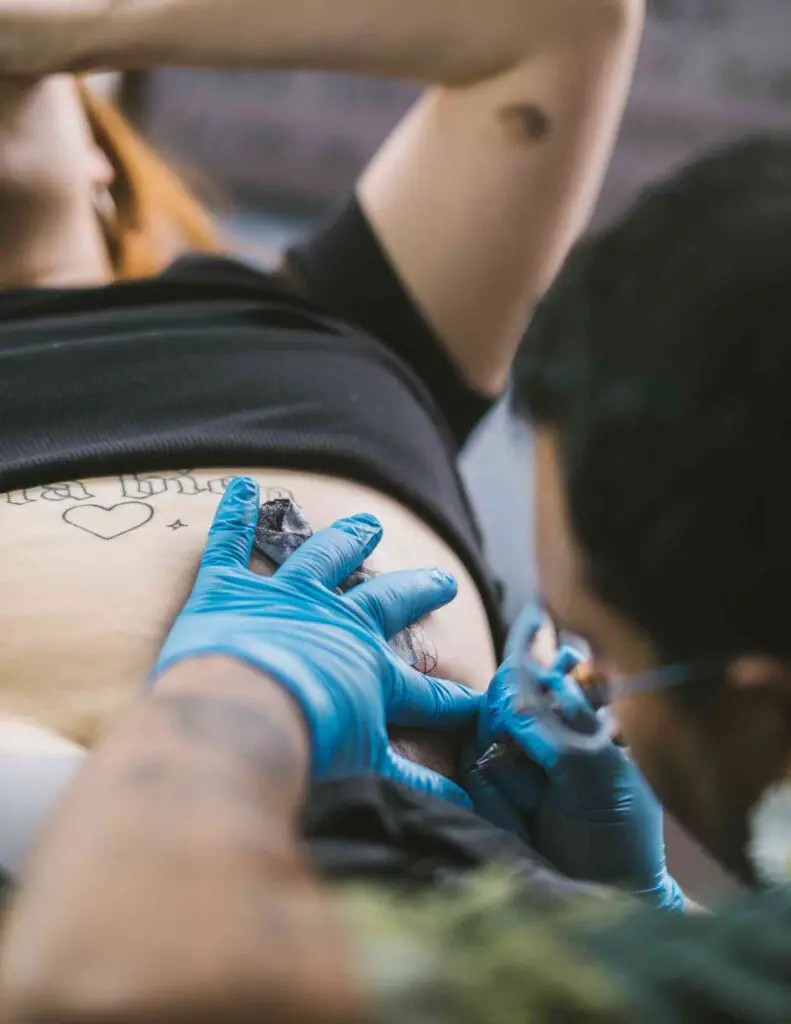
In the United States, tipping tattoo artists is widely expected and has become a standard part of the tattoo culture. In the United Kingdom, Australia, and much of Europe, tipping is appreciated but less obligatory than in service industries in the US. In Japan and South Korea, tipping is not part of the culture and may actually be considered awkward or offensive.
If you are being tattooed outside your home country, it is worth a quick check on local customs before your appointment. The expectation varies significantly by region.
How Much to Tip: The Standard Range
In countries where tipping is expected, the standard range is 15 to 20 percent of the total tattoo cost. For a £200 tattoo, a £30 to £40 tip is reasonable. For a £500 session, £75 to £100 is appropriate.
For exceptional work, work that exceeded your expectations, a complex design executed better than you had hoped, or a session where the artist went significantly beyond what was agreed, tipping above 20 percent is a genuine way to acknowledge that.

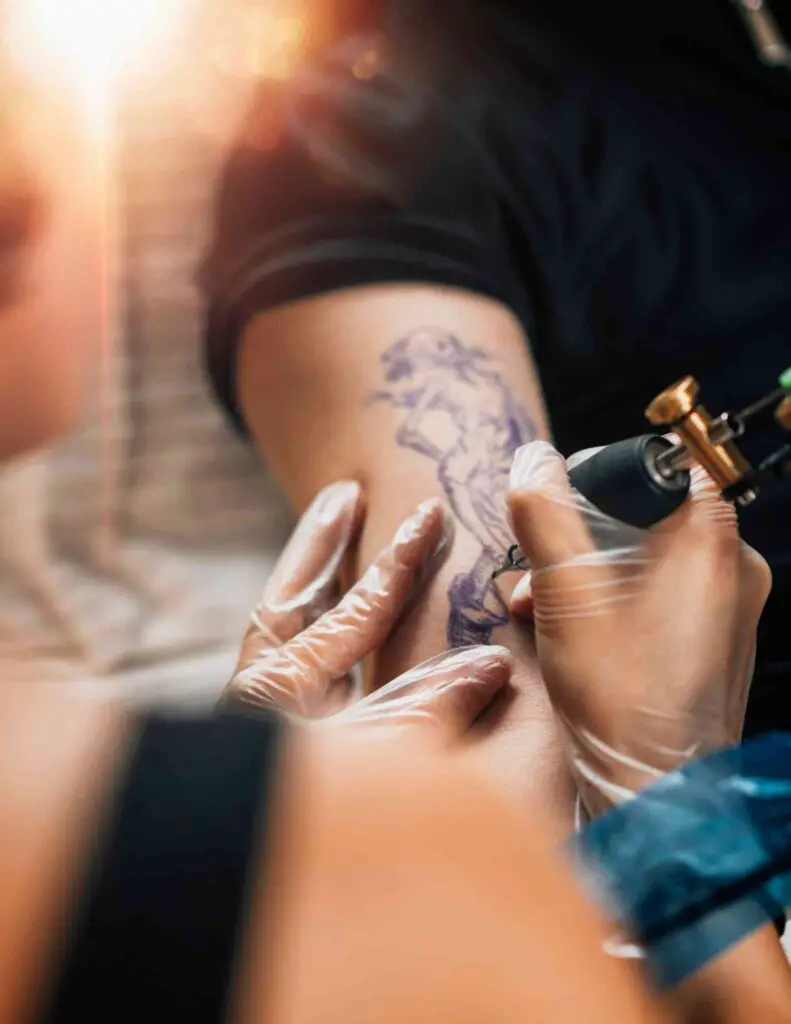
For smaller or less expensive tattoos, consider the absolute amount rather than just the percentage. A 20 percent tip on a £50 flash tattoo is £10, which may not reflect how much you value the work relative to the skill involved. In these cases, rounding up generously makes more sense than strict percentage calculation.
When to Tip More
There are specific circumstances that warrant above-standard tipping. If an artist spent significantly more time on your piece than quoted without charging extra, acknowledge that. If they made significant adjustments to the design mid-session without complaint, tip accordingly. If you were a difficult client, moved often, needed frequent breaks, or changed your mind about elements during the session, a higher tip is the right response. And if the work is genuinely extraordinary, a tip that reflects that quality sends a signal that you recognise what you received.
When Tipping Is Not Expected
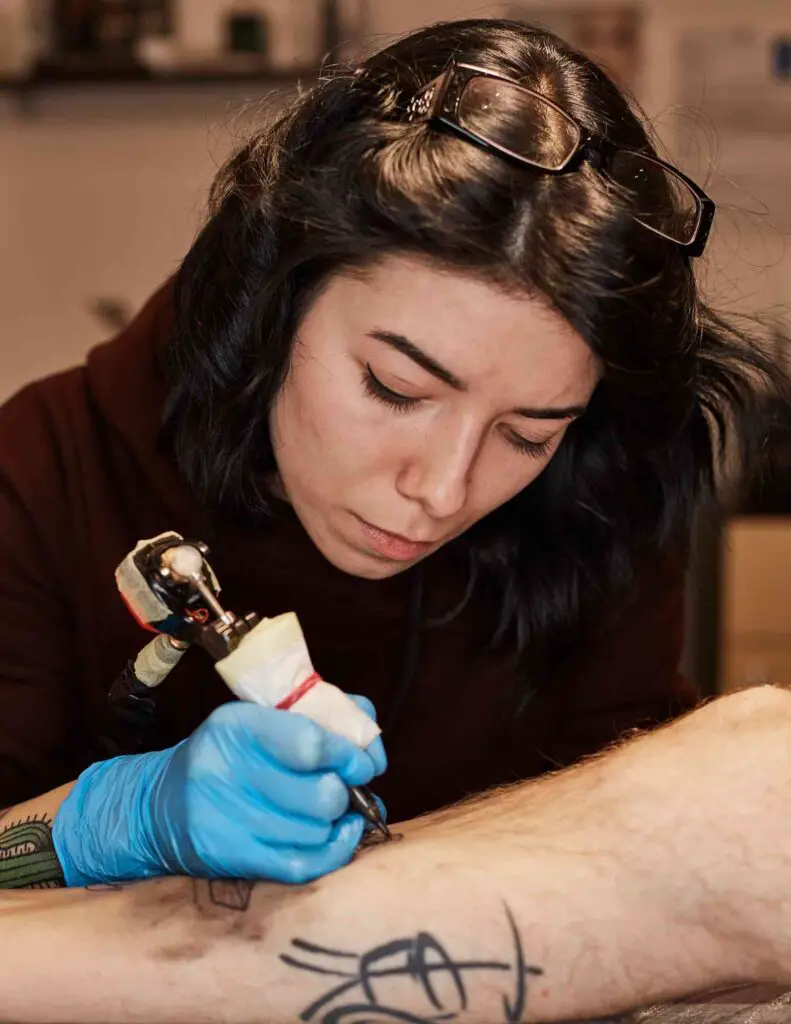
Studio owners who tattoo may not expect tips in the same way that employed artists do, because they receive the full session fee rather than a percentage. However, tipping a studio owner who has done exceptional work is still appropriate and welcome. Many studio owners still appreciate the acknowledgement even when it is not expected.
If you are genuinely unhappy with the work and have communicated that, you are not obligated to tip. But this situation should be handled through a direct conversation about the issue, not through silent reduction of the tip as a passive signal. If something went wrong, speak to the artist.
Cash vs Other Methods
Cash is the preferred tip format for most tattoo artists. It avoids payment processing fees, reaches the artist immediately and in full, and is easier to handle than digital transfers in a studio setting. Bring cash for the tip even if you plan to pay the session fee by card.
Some artists accept tips via digital payment apps. Ask if you are unsure about the artist’s preference. Most will tell you honestly.
When to Give the Tip
At the end of the session, after you have seen the finished work and the artist has completed any cleanup and photographed the piece. Handing the tip over while saying thank you and confirming you are happy with the result is the natural moment. It does not need ceremony: a simple direct acknowledgement is sufficient.
Other Ways to Show Appreciation
Money is not the only form of appreciation that matters to tattoo artists. A five-star Google or Tattoodo review with specific comments about the work and the experience is genuinely valuable for their business and takes two minutes of your time. Tagging them on Instagram when you post your healed tattoo, with attribution, extends the reach of their portfolio. Recommending them specifically to friends who are looking for their style is a form of support that can bring significant new clients.
None of these replace the tip. But they add something that the tip does not provide: visibility and endorsement in the public record of their work.
What Tattoo Artists Actually Say
Artists consistently report that what matters most is not the amount but the acknowledgement. A client who looks at the finished work, thanks the artist sincerely, and leaves a reasonable tip has done everything right. A client who tips generously but is perfunctory or dismissive about the work creates a less positive experience for the artist than one who is genuinely engaged and appropriately grateful.
The tip is the financial component of an interaction that has an emotional and creative component too. Both matter. Getting both right means you are the kind of client that artists genuinely enjoy working with, which in turn means they bring more to your sessions. That is not a transaction. It is a relationship.
The Quick Reference
Standard tip: 15 to 20 percent of session cost. Exceptional work: 20 percent or above. Small tattoos: round up generously. Preferred format: cash. Best timing: end of session after viewing completed work. Additional value: positive review, Instagram tag with attribution, personal recommendations to friends.