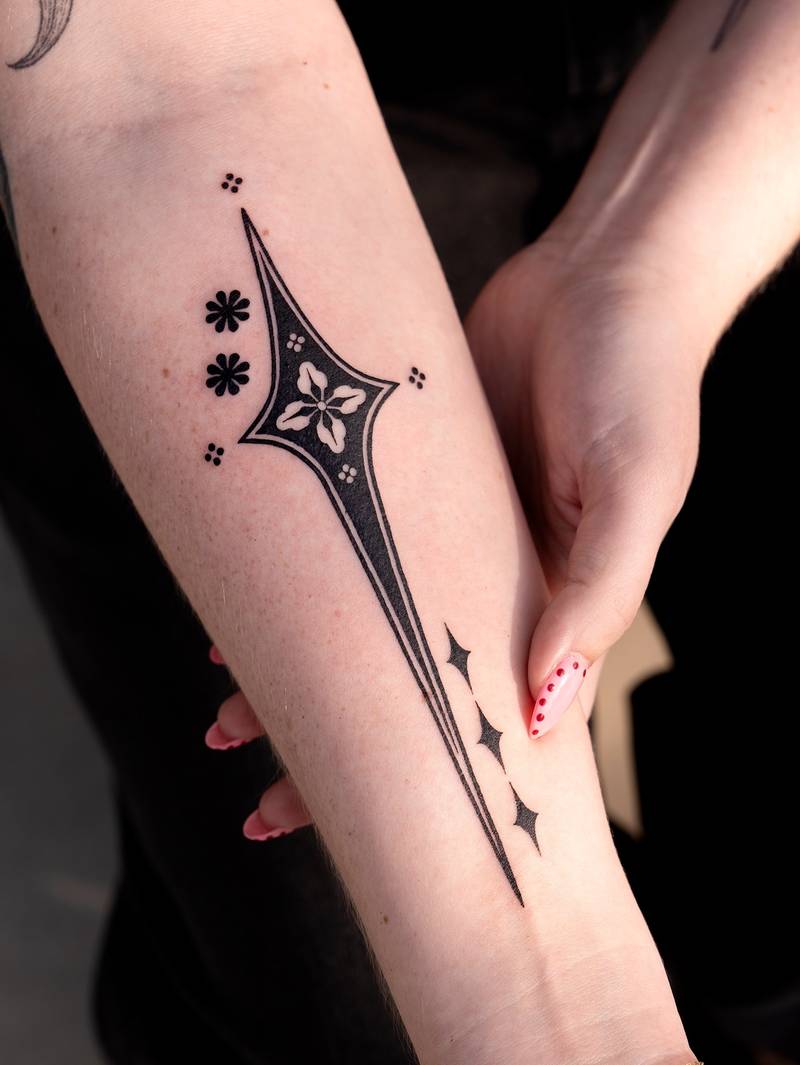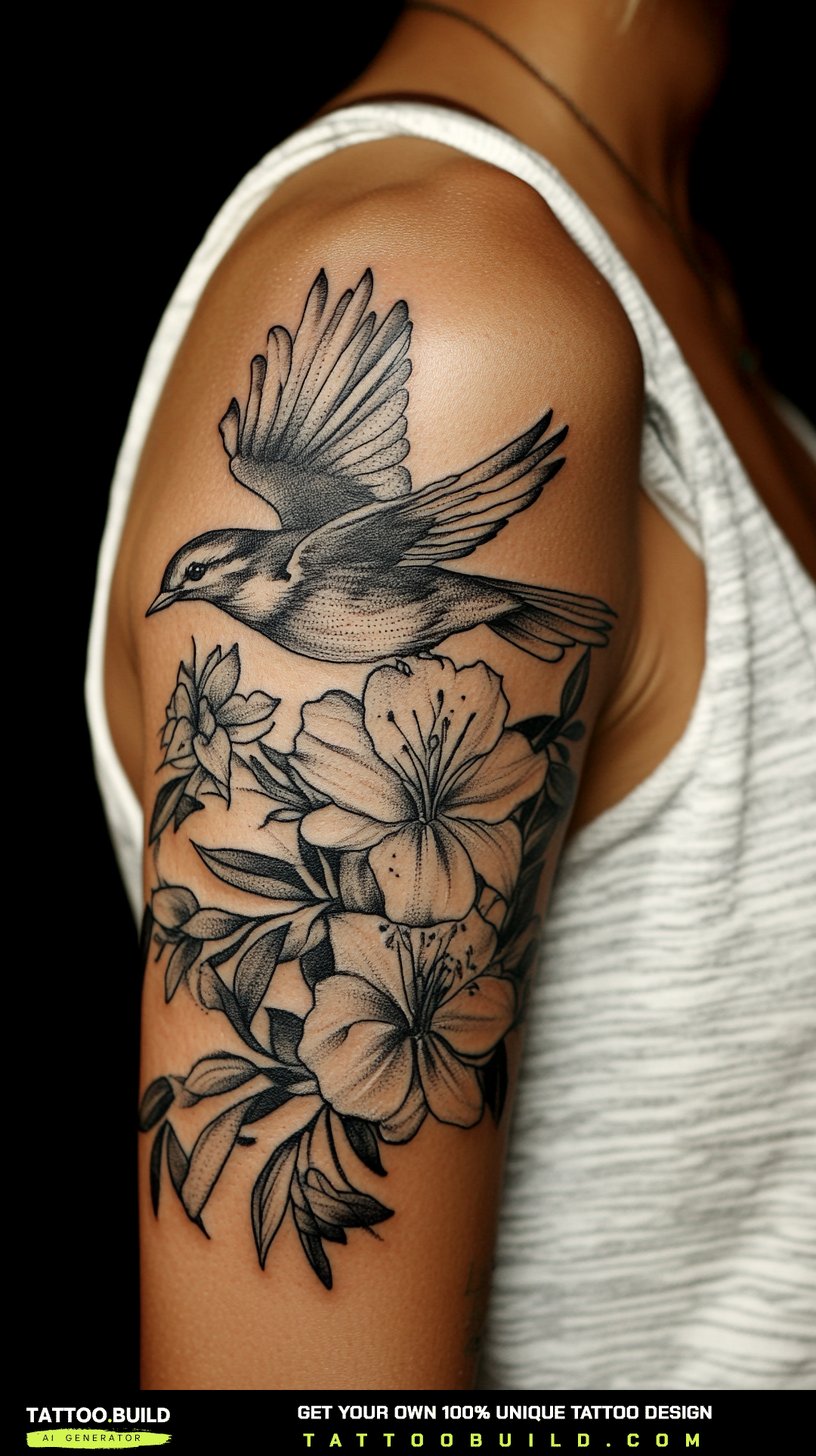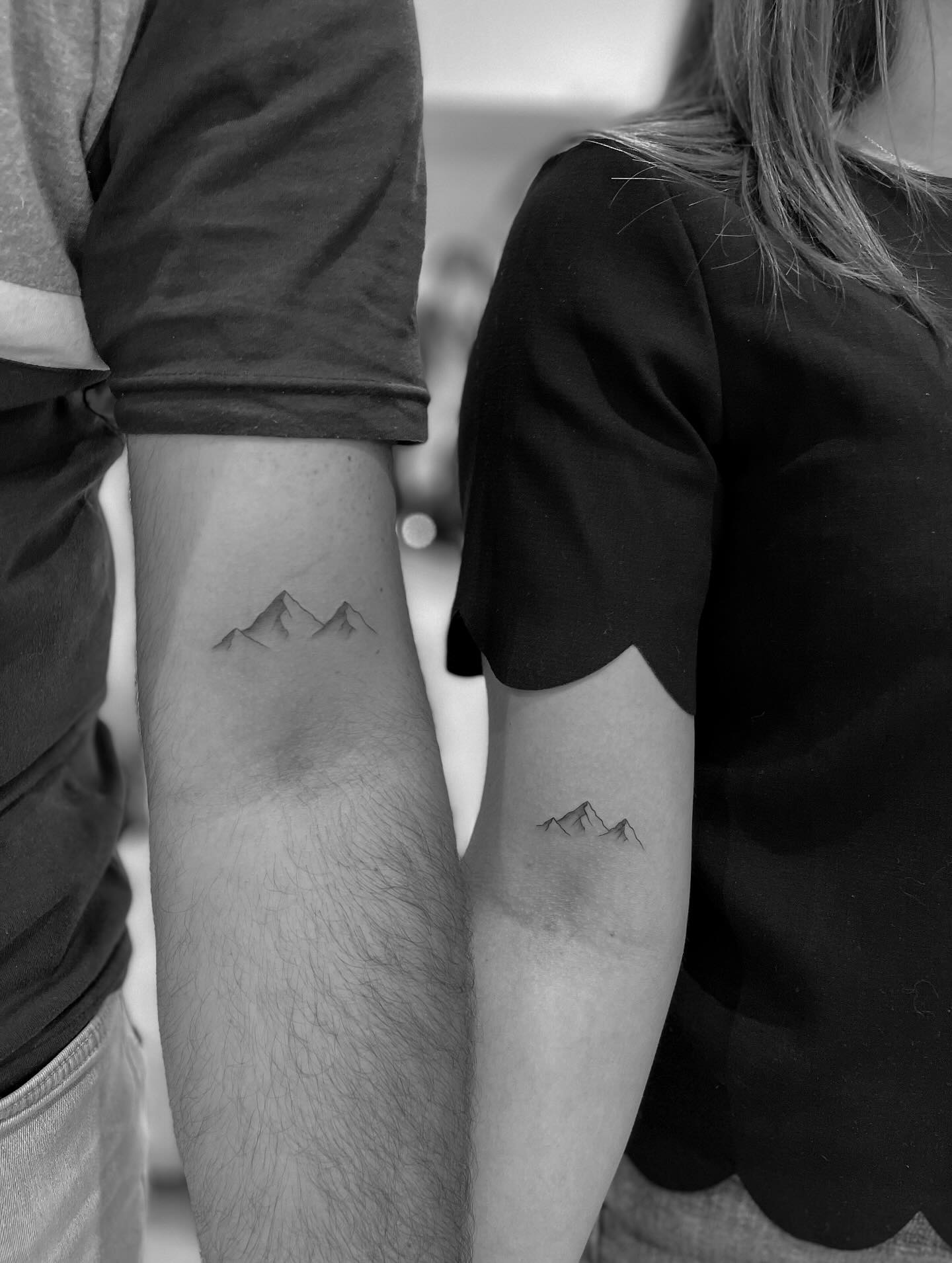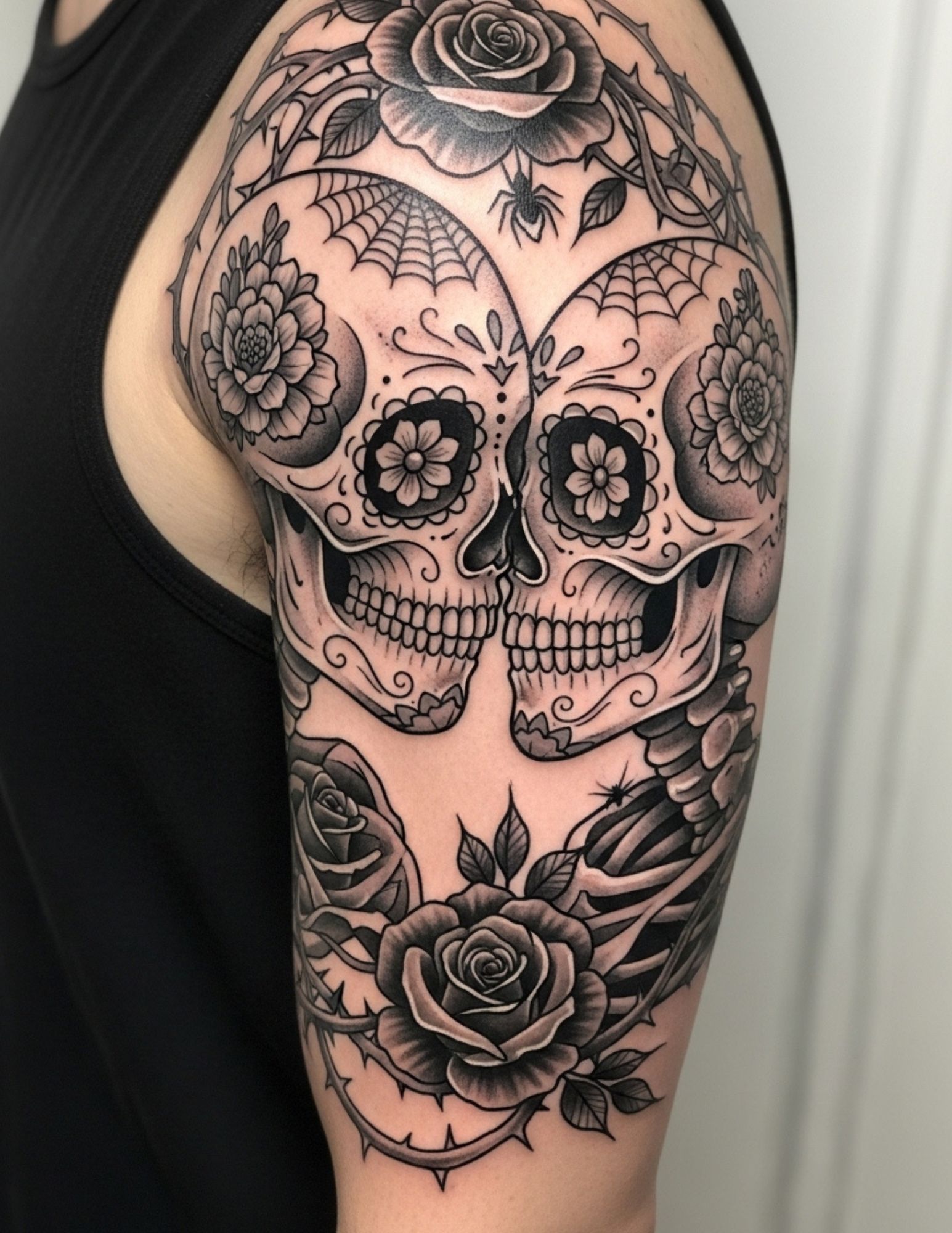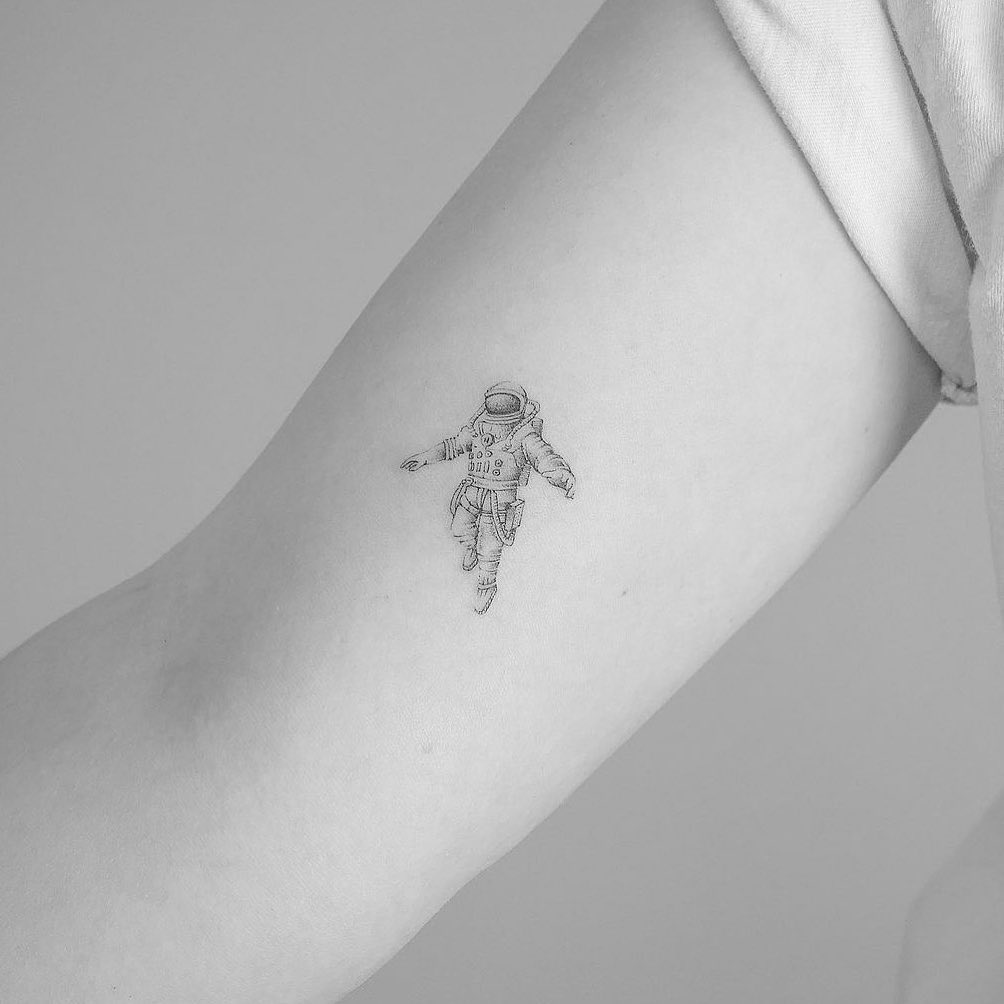
The honest answer is that most small tattoos cost between $100 and $400, and the size of the design is rarely the thing that decides where you land in that range.
I have booked, budgeted for and been quoted on enough small pieces to know that the number people walk in expecting is almost always lower than the number on the invoice.
The gap is not artists being greedy. It is that a tattoo is priced as a block of a professional’s time and a set of single-use sterile supplies, not as a quantity of ink on your skin.
This guide breaks down every component that actually moves the price, so you can budget properly before you sit down. If you are still deciding on the design itself, our roundup of minimalist tattoo ideas is a good place to start.
What Should You Actually Budget? A Quick Comparison
These are the ranges I see quoted most consistently across reputable studios. Treat them as a planning tool, not a promise from any particular shop.
| Type of Small Tattoo | Typical Chair Time | Mid-Sized City | Major City / Specialist |
|---|---|---|---|
| Simple outline (heart, star, tiny symbol) | 15–30 minutes | $80–$150 (shop minimum) | $150–$300 (shop minimum) |
| Short script or lettering | 20–45 minutes | $100–$180 | $180–$350 |
| Fine line botanical or detailed linework | 45–90 minutes | $150–$300 | $300–$600 |
| Small colour piece with shading | 90–120 minutes | $200–$400 | $400–$700 |
| Small micro-realism or portrait | 2–3 hours | $300–$550 | $500–$1,000+ |
| Finger or hand tattoo | 20–45 minutes | $120–$250 | $200–$400 |
Notice that chair time, not physical size, is the column doing the real work. Two tattoos the size of a coin can sit $400 apart because one is six clean lines and the other is stippled shading.
Why Small Tattoos Cost More Than People Expect
The single biggest misconception I run into is that a tattoo is priced by the square inch. It is not.
Every tattoo, no matter how tiny, consumes the same fixed overhead: a fresh needle cartridge, new ink caps, barrier film, a wrapped machine, a sanitised station before and after, and the artist’s administrative time drawing and sizing the stencil.
That setup and breakdown is typically 20 to 30 minutes of work that happens whether your tattoo takes five minutes or five hours. It is unpaid unless it is baked into the price.
On top of that sit the studio’s real costs: commercial rent, autoclave servicing, licensing and health inspections, insurance, and in most shops a 40 to 60 percent split between the artist and the studio.
When you understand that structure, the shop minimum stops looking like a rip-off and starts looking like what it is: the floor at which a studio can legally and safely open its doors for you.
The Six Factors That Actually Set Your Price
1. The Shop Minimum
Almost every legitimate studio charges a shop minimum: a base price below which no tattoo is booked, regardless of design size.
In smaller cities and towns, minimums generally run $80 to $150. In major markets such as New York, Los Angeles, London or Sydney, quality studios commonly sit at $150 to $300.
Artists with long waitlists or a strong specialty often set minimums of $300 to $500 and simply do not take work below it. The minimum is a scheduling tool as much as a price — it protects a slot that could otherwise have held a half-day session.
In my experience, the fastest way to be disappointed is to assume a two-inch design will be quoted at two inches’ worth of effort. It will be quoted at the minimum.
2. The Artist’s Hourly Rate
Once a piece runs past about an hour, most artists switch from the minimum to their hourly rate.
Broadly: newer artists at reputable shops sit around $100 to $150 per hour, mid-career artists $150 to $250, established specialists $250 to $400, and heavily booked names $400 and up.
A small detailed piece from a specialist can land at $500 not because it is large, but because it is two hours of a $250 hour.
When I have compared quotes for the same reference image across three shops, the spread came almost entirely from this number. Everything else was noise.
3. Detail Density, Not Dimensions
This is the factor most first-timers underestimate. A coin-sized micro-realism eye can take longer than a palm-sized bold traditional swallow.
Fine line work at small scale is technically demanding: the artist is packing detail into skin that will spread ink over time, so the linework has to be deliberate and unhurried.
Shading, stippling, whip shading and colour packing all multiply chair time. Clean single-weight outlines minimise it.
If you want to control cost, simplify the design before you shrink it. Removing three elements saves far more than shaving half an inch off the whole thing. Our guide to fine line tattoo ideas shows how much variation exists inside that one category.
4. Where You Live
Geography is a genuine multiplier. The same quality of work costs meaningfully less in a mid-sized midwestern city than in Manhattan or West Hollywood.
Studios in expensive metros carry higher rent, higher wages and higher insurance, and those costs land in the price list.
I would still caution against treating this as an invitation to tattoo-tourism on price alone. Travel, accommodation and the inability to return easily for a touch-up usually erase the saving.
Travelling for a specific artist whose work you cannot get locally is a different and often worthwhile decision.
5. Placement and Difficulty
Placement rarely appears as a separate line item, but it changes how long the work takes and therefore what you pay.
Ribs, sternum, inner bicep, behind the knee and the tops of the feet all involve skin that moves, stretches or flinches, which slows an artist down.
Fingers and hands are the clearest example of a placement premium. The skin regenerates fast and holds ink unreliably, so many artists price them higher and build a touch-up expectation into the conversation.
Some artists decline finger work entirely for exactly that reason. If you want one, read our finger tattoo ideas guide first so you go in knowing what ages well.
6. Custom Design Time
If you bring a reference and ask the artist to draw something original from it, that drawing time is real work.
Some artists fold it into the tattoo price. Others charge a separate design or deposit fee, commonly $50 to $150 for a small custom piece, usually credited against the final total.
Flash designs — pre-drawn pieces the artist already has ready — skip this cost entirely and are usually the cheapest route to good work.
We cover this in more depth in our breakdown of how much tattoo designs cost.
Ways to Get Good Work on a Smaller Budget
None of these involve compromising on safety or skill. They are all things I would genuinely do myself.
Pick from the artist’s flash
Flash is pre-drawn, already sized, and often discounted because the artist wants to tattoo it. You lose bespoke design; you keep the artist’s hand.
Book a flash day or walk-in event
Many studios run flash days with set prices, often well below the usual minimum. They fill fast and are typically first-come, first-served.
Go to a talented apprentice — carefully
An apprentice at a reputable, licensed studio working under supervision can be excellent value. Ask to see healed photos, not fresh ones, and check the shop’s credentials.
An apprentice at a bad shop is a false economy. The supervision is the whole point.
Simplify rather than shrink
Ask your artist directly: “what could I remove from this to bring the time down?” Every artist I have asked has had a useful answer.
Book one larger session instead of three small ones
If you want several small tattoos, doing them in a single sitting means one setup fee and one minimum rather than three. Most artists are happy to batch them.
Budgeting, Tipping and Aftercare Costs
Tipping is standard practice across most English-speaking countries, and the usual range is 15 to 20 percent of the total. On a $150 tattoo that is roughly $22 to $30; on a $300 piece, $45 to $60.
Budget the tip as part of the price, not as an extra. Walking in with exactly the quoted amount and nothing more is the most common avoidable awkwardness I see. Our guide on how to tip a tattoo artist covers the etiquette in detail.
Add $20 to $40 for aftercare supplies: a fragrance-free cleanser, a thin healing ointment or a roll of adhesive healing film. Many studios send you home with the first bandage included.
Also budget mentally for a possible touch-up. Reputable artists often offer one free touch-up within a few months, but travel and time off still cost you something. See our full aftercare guide and how often tattoos need touch-ups for what to expect.
One safety note that matters more than money: healing problems are not a place to improvise. Persistent redness spreading outward, heat, swelling, pus or fever are signs to contact your artist and a doctor rather than to self-treat. Reputable studios follow bloodborne-pathogen practices set out by bodies such as OSHA, and the FDA publishes a plain-language fact sheet on tattoo inks and risks that is worth five minutes of your time.
Common Mistakes That Cost People More
Choosing an artist primarily on price is the most expensive decision in this entire article.
A cheap tattoo from an unskilled hand can look acceptable on day one and disappointing at month six, once the lines have settled and any blowout shows. Fixing it always costs more than doing it right.
A cover-up typically requires a larger, darker design than you originally wanted, and laser removal runs into multiple sessions — see what laser tattoo removal actually costs before you gamble on a bargain.
Negotiating an artist’s rate is the second mistake. Rates reflect experience, supplies and overhead, and haggling reads as a request to be valued less. If a rate is out of reach, save, or find a different artist at a price point you can meet without compromising on the shop’s standards.
The third is booking without seeing healed work. Fresh photos flatter everyone. Healed photos show whether the lines held.
And never, under any circumstances, let someone tattoo you outside a licensed studio or attempt to do it yourself. Unsterile equipment carries real risk of infection and bloodborne disease, and no saving is worth it.
Frequently Asked Questions
How much does a tiny tattoo really cost?
In practice, almost never less than the studio’s shop minimum, which is typically $80 to $150 in smaller markets and $150 to $300 in major cities. A genuinely tiny design does not get you below that floor. The minimum covers sterile setup, the artist’s time and the studio’s overhead, all of which are the same regardless of design size. Budget the minimum plus a tip and you will not be caught out.
Why did I get quoted $250 for a tattoo the size of a coin?
Almost certainly because of detail density or the artist’s hourly rate rather than the size. Micro-detail, shading and colour packing all take substantial chair time at small scale. A specialist charging $250 an hour will quote an hour’s work at $250 whether that hour produces a coin-sized piece or a palm-sized one. Ask the artist how long they expect it to take — that number explains the quote.
Should I tip on a shop minimum tattoo?
Yes, the same 15 to 20 percent convention applies. On a $120 minimum that is roughly $18 to $25. Tipping is not legally required and no reputable artist will treat you badly for skipping it, but it is genuinely expected in most studios and is a meaningful part of an artist’s income. If money is tight, factor the tip in when deciding what you can afford rather than dropping it at the end.
Is it cheaper to get several small tattoos at once?
Usually yes, and often substantially. Three separate visits mean three shop minimums and three setups; one sitting means one of each, with the rest billed as ongoing time. Most artists are happy to accommodate this if you tell them upfront so they can book enough of the day. Bear in mind that your tolerance for sitting is finite, so be realistic about how much you can handle in one go.
Do finger and hand tattoos cost more?
Often, yes. The skin on fingers and hands regenerates quickly and holds ink unreliably, so the work demands more precision and frequently needs touching up. Many artists price these above their standard rate to account for that, and some decline the placement altogether. Ask about the touch-up policy before you book, because on these placements it is a realistic part of the total cost rather than an edge case.
Quick Summary
- Most small tattoos land between $100 and $400 all-in, including tip.
- The shop minimum ($80–$300 depending on market) is the floor — no design is cheaper than it.
- Chair time, not physical size, drives price; detail density is the real cost multiplier.
- Hourly rates run roughly $100–$150 (newer), $150–$250 (mid-career) and $250–$400+ (specialist).
- Major-city studios cost more than mid-sized-market studios for identical quality.
- Fingers, hands, ribs and feet often carry a premium and a higher touch-up likelihood.
- Add 15–20 percent for a tip and $20–$40 for aftercare supplies to every quote.
- Choosing on price alone is the most expensive mistake available — cover-ups and removal cost far more.
Still Not Sure Where to Start?
If you are choosing between placements, our guides to tiny wrist tattoo ideas and small meaningful tattoo ideas for men are the most practical starting points.
Get quotes from two or three studios whose healed work you actually like, then budget for the higher one. In my experience that is the version of the number you end up paying.