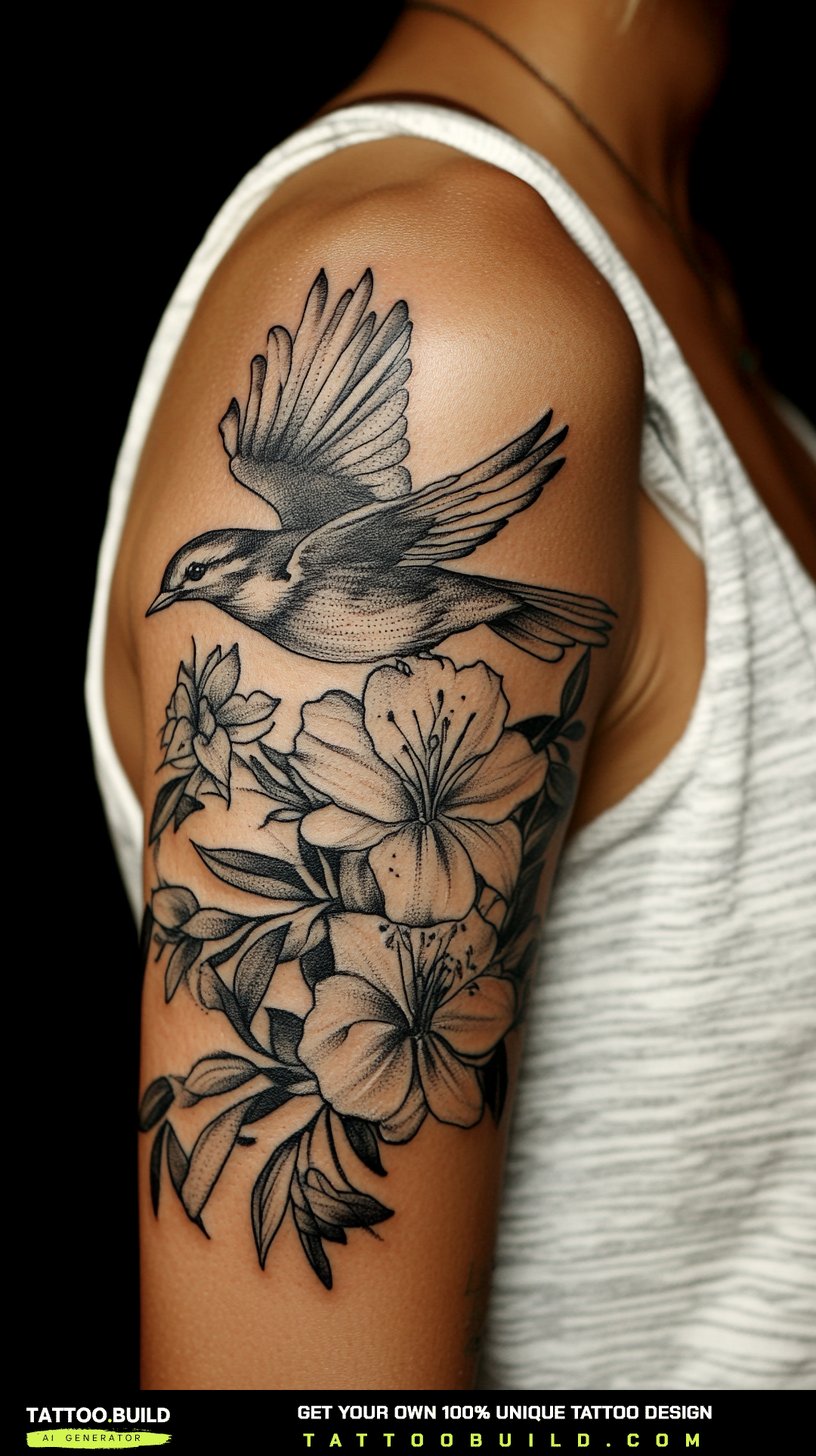
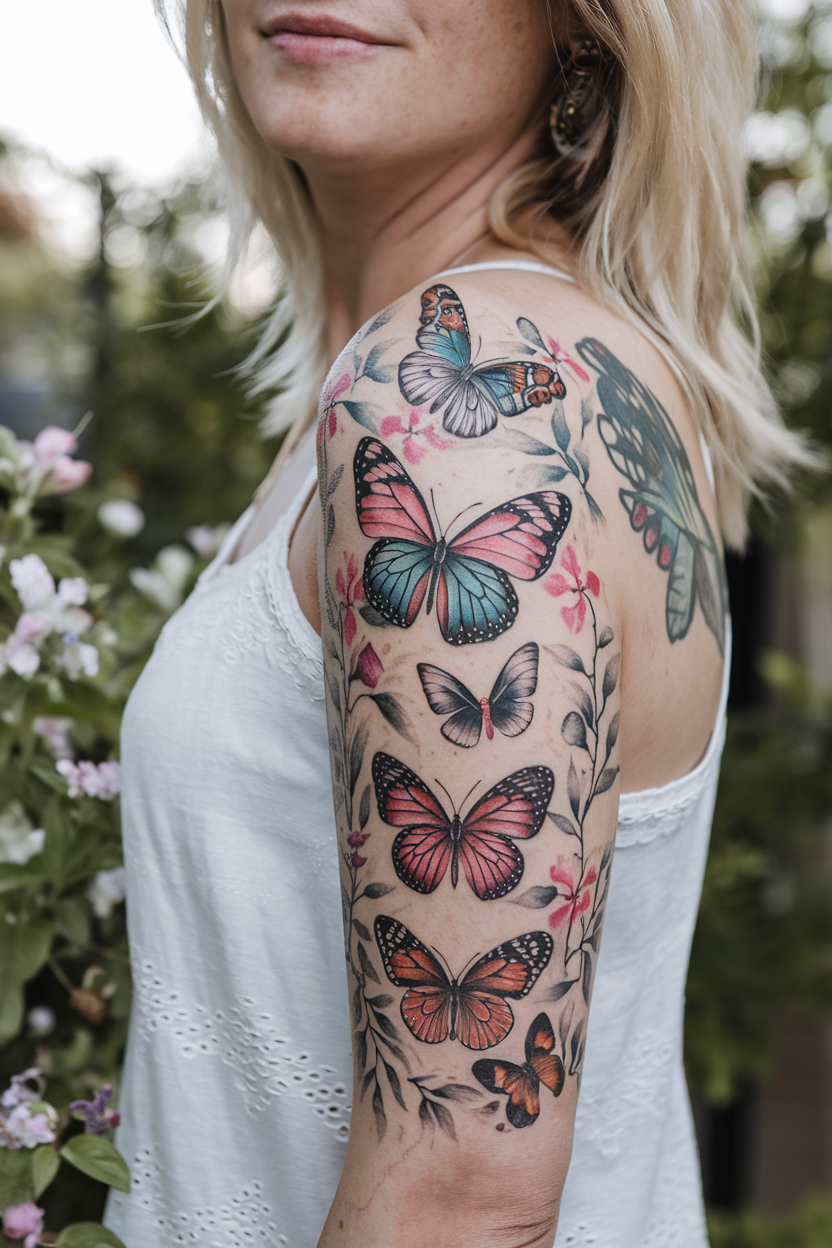
Laser tattoo removal costs roughly $200 to $500 per session in the United States, and most tattoos need six to twelve sessions. That puts a realistic full course somewhere between $1,200 and $5,000, with small simple blackwork clearing for under $600 and large colour pieces running well past that.
Those ranges are wide for a reason. Removal is not one purchase, it is a course of treatments spread across a year or more, and almost nothing about the price is fixed until a technician has looked at the actual piece on your actual skin.
I have sat in on consultations at four different clinics while researching this, and the quotes I was given for the same hypothetical forearm piece varied by nearly $900 across the course. The cheapest quote was not the cheapest clinic once I asked what happened after session eight.
Below is how the money genuinely breaks down, what pushes it up, and the two cheaper routes worth pricing before you commit. If your goal is simply to stop looking at the design, browsing cover-up tattoo ideas first will save most people a lot of money.
Removal, Fading or Cover-Up: Which Is Right for You?
Full clearance is the most expensive of the three options by a wide margin, and it is not always the one people actually need. This is the comparison I wish someone had put in front of me before my first consultation.
| Option | Typical total | Time needed | Best for | Main limitation |
|---|---|---|---|---|
| Full laser removal | $1,200 – $5,000 | 12 – 24 months | Wanting bare skin back | Colour may never fully clear |
| Partial fading, then cover-up | $600 – $1,600 laser, plus the new tattoo | 5 – 8 months | Replacing a design you regret | You commit to a second tattoo |
| Straight cover-up, no laser | Standard tattoo pricing | One to three sittings | Dark, dense designs over light ones | New piece must be darker and bigger |
| Leaving it and waiting | $0 | Indefinite | Recent regret that may pass | Natural fading is slow and partial |
The numbers in that table are the ranges I have been quoted and have seen quoted in North American clinics. Treat them as a planning tool, not a price list, because regional variation is significant.
What Actually Drives Laser Tattoo Removal Cost
It helps to understand what you are paying for. A Q-switched or picosecond laser fires extremely short pulses that shatter ink particles into fragments small enough for your immune system to carry away.
Your body does the removal. The laser only breaks the ink up, which is why sessions have to be spaced out and why no clinic can compress a course into a single afternoon.
That means you are buying three things each visit: the technician’s time, the machine’s operating cost, and the specific wavelengths needed for your ink colours. A clinic with three laser wavelengths charges more than one with a single machine, and for green or blue ink that extra wavelength is the difference between progress and none.
Price per session is the number clinics advertise, but price per course is the number that matters. A $150 session that needs fifteen visits costs more than a $350 session that needs eight.
The US Food and Drug Administration keeps a plain-language rundown of what removal can and cannot achieve, worth ten minutes before any consultation: Tattoo Removal: Options and Results.
The Cost Factors, Broken Down
Cost Per Session by Tattoo Size
Most clinics band their per-session price by size rather than quoting a course up front. A postage-stamp design on the wrist or ankle typically runs $75 to $200 a session.
A palm-sized piece, say a forearm design about the width of your hand, usually sits around $200 to $400. A half sleeve or a large back piece climbs to $500 to $1,000 or more per visit.
Some clinics quote by the square inch instead, commonly $10 to $25 per square inch with a minimum charge near $100 to $150. That minimum is the part people miss: removing a tiny minimalist tattoo rarely costs proportionally less than removing something four times its size, because you are paying for the appointment, not the ink.
In my experience the size band is also negotiable at the edges. Two of the clinics I spoke to moved a borderline piece down a band when I asked them to measure rather than eyeball it.
How Many Sessions You Will Really Need
This is the variable that decides your total, and the one clinics are most careful about promising. A faded amateur tattoo in plain black ink might clear in four to six sessions.
A dense, professionally applied piece with layered colour can take twelve to fifteen. Ten is a fair working assumption for a modern professional tattoo, and I would budget for ten even if the consultation suggests six.
Sessions must be spaced roughly six to eight weeks apart so your immune system can clear the fragmented pigment. That spacing means a ten-session course is an eighteen-month commitment rather than a weekend project.
Every technician I have asked has said the same thing about the last stretch: progress slows noticeably after session six. The first few visits produce dramatic fading, the final few chase stubborn residue, and that is where budgets get blown.
Why Ink Colour Changes the Bill
Colour is the single biggest technical factor. Black and dark blue absorb laser energy across the widest range of wavelengths and clear the most predictably.
Green, turquoise and bright yellow are notoriously stubborn. They need specific wavelengths that not every clinic owns, and in some cases they never fully disappear.
If you have a watercolour piece with pastel blues and yellows, price for the high end of the range and treat complete clearance as a hope rather than a guarantee. A good clinic will tell you this at the consultation; a bad one will not.
White and flesh-tone ink deserve a specific warning. Some white pigments contain titanium dioxide, which can darken rather than fade when lasered, and correcting that takes extra sessions. Ask for a test spot if white ink is anywhere in the design.
Ink Density and Saturation
Density matters nearly as much as colour. A heavy blackwork design packed with solid saturation holds far more pigment than outline work of the same dimensions.
Two tattoos of identical size can differ by five sessions purely on how much ink sits in the skin. Saturation, not surface area, is what the laser has to work through.
Layered work is harder still. A cover-up that already hides an older tattoo contains two sets of pigment stacked in the dermis, and removing it can take half again as many sessions as a single-layer piece the same size.
When I asked one technician how she estimates this, she said she looks for how much skin tone shows through the design. Very little showing through means more sessions, regardless of what the tattoo measures.
Placement and Circulation
Placement affects both cost and outcome. Areas with strong circulation, such as the chest, upper back and upper arm, clear faster because blood flow carries fragmented pigment away more efficiently.
Fingers, ankles and feet are slower and frequently need extra sessions. A hand tattoo can take several visits more than the same design on a bicep.
Unhelpfully, the spots that clear worst tend to overlap with the most painful tattoo spots in the first place. Thin skin over bone is uncomfortable to tattoo and uncomfortable to laser.
If your piece is on an extremity, add two sessions to whatever the clinic estimates. Every quote I have seen for hands and feet has run long.
Skin Tone, Tattoo Age and Realistic Clearance
Older tattoos have already faded and generally need fewer treatments. A twenty-year-old piece is often halfway there before anyone switches a machine on.
Darker skin tones require gentler settings and more sessions to reduce the risk of hypopigmentation or hyperpigmentation. That is a safety decision, not an upsell, and it does raise the total.
A reputable clinic will explain this openly and patch test before starting a full course. If a clinic will not patch test darker skin, walk out. The American Academy of Dermatology has a useful overview of what qualified providers should be doing: Tattoo removal: lasers outshine other methods.
Complete clearance is not guaranteed for anyone. Faint ghosting, slight texture change or a shadow of the original outline are common outcomes, and clinics that promise perfection are overselling.
Packages, Deposits and the Extras Nobody Quotes
Consultations are usually free, and many clinics discount a prepaid package of six or eight sessions by ten to twenty percent. If you are committed to full clearance, the package is almost always the cheaper route.
Ask one specific question before you prepay: are touch-up sessions beyond the package included or billed separately? That single answer is where quoted prices and final invoices most often diverge.
Budget for the small extras too. Topical numbing cream can add $20 to $50 a visit if the clinic charges for it, and aftercare supplies over an eighteen-month course add up quietly.
Ask whether the package expires. One clinic I spoke to voided unused sessions after twelve months, which is tight for a course that needs six to eight weeks between visits.
Cheaper Alternatives Worth Pricing First
Full removal is the most expensive option by a wide margin. If your goal is to stop looking at the design rather than to have bare skin, there are cheaper routes.
Partial Fading for a Cover-Up
Fading usually takes only three or four sessions, roughly $600 to $1,600, and gives your artist a much lighter canvas to work on.
Combined with a new piece, the total often lands below a complete removal, and you finish with a tattoo you actually want rather than a patch of slightly altered skin.
This is the route most artists I have spoken to recommend for regret rather than for a genuine need to have nothing there.
A Straight Cover-Up With No Laser
This is the cheapest of the three. Expect standard tattoo pricing, so roughly what a compact custom design costs locally, or full sleeve tattoo pricing if you are covering a large area.
The constraint is real: the new design must be darker and denser than the old one, and usually larger. That narrows your options considerably, and a good cover-up artist will tell you honestly when a piece is too dark to hide.
Waiting It Out
Tattoos fade naturally over decades, particularly in sun-exposed areas. This is slow and partial, but it costs nothing and it is the right answer for regret that is only a few months old.
Feelings about a tattoo genuinely do change. Two of the people I know who booked consultations never went back, and both are glad they did not.
What Not to Do
Removal creams, salt abrasion, dermabrasion at home and any DIY method that involves breaking the skin are not cheaper alternatives. They are how people end up with scars, infections and a tattoo that is still visible underneath.
Anything that removes ink by damaging skin leaves a mark where the tattoo was. If a method sounds like it costs $30 and works in a fortnight, it does not. Speak to a licensed provider or a dermatologist instead.
How to Get the Most Out of Every Session
Fewer sessions means a smaller bill, and some of that is within your control. Your immune system does the clearing, so the healthier the treated area and the better your general circulation, the faster pigment leaves.
Keep the treated area out of direct sun for the whole course. Tanned skin forces a technician to use gentler settings, which means slower progress and more visits, and sun exposure on a healing laser site raises the risk of pigment changes.
Care between visits matters more than people expect. The skin blisters, scabs and flakes in a pattern that will look familiar from the tattoo healing stages, and the same discipline applies: clean, moisturised, covered, left alone.
The aftercare habits that protected your original tattoo protect the removal site too. Do not pick blisters, do not shave over the area, and do not book a session two weeks before a beach holiday.
On comfort, most people describe laser sessions as sharper but far shorter than being tattooed. A large piece is treated in minutes rather than hours. Ask about topical numbing or a cooling device in advance rather than on the day, since numbing cream needs time to work.
Call your clinic, not the internet, if a site looks infected, stays hot and swollen beyond a couple of days, or weeps anything cloudy. That is a medical question and it deserves a medical answer. This article is general information, not medical advice.
Common Mistakes That Cost People Money
The first is booking the cheapest per-session price without asking how many sessions the clinic expects. A low rate on an old machine can mean twice as many visits.
The second is prepaying a large package before a test spot. One patch test tells you how your ink is going to respond, and it is worth delaying a prepayment by six weeks to find out.
The third is starting removal when a cover-up would have done. The cheapest laser removal is the one you never book. Almost every removal story starts the same way, with a design chosen quickly or a piece that looked right on a screen and wrong on skin.
Spending real time on choosing a tattoo design properly is worth thousands of dollars of hindsight. Sit with a design for a week, see it at scale, and test the placement before anyone picks up a machine.
The Tattoobuild AI tattoo generator exists for exactly that gap. Describe what you have in mind and it produces variations in seconds rather than the weeks a custom drawing takes, so you can test placement, scale, density and style first. Designs you like save to your own gallery to take straight to your artist.
Frequently Asked Questions
How much does laser tattoo removal cost for a small tattoo?
A small tattoo, meaning something around the size of a postage stamp to a credit card, typically costs $75 to $200 per session. Most small pieces in plain black ink clear in four to eight sessions, so a realistic total is $400 to $1,200. Clinic minimum charges mean very tiny tattoos rarely cost proportionally less. Always ask whether the quote is per session or per course before comparing two clinics.
Is laser tattoo removal covered by insurance?
Cosmetic tattoo removal is not covered by standard health insurance in the US, Canada, the UK or Australia. There are narrow exceptions where removal is medically necessary, such as an allergic reaction to the ink or a tattoo interfering with treatment or imaging. Those cases need documentation from a physician. If you think your situation qualifies, ask your doctor rather than the laser clinic.
Does laser tattoo removal leave a scar?
Properly performed laser removal usually does not scar, because the laser targets ink particles rather than cutting or abrading skin. Scarring risk rises sharply with picked blisters, sessions spaced too closely, aggressive settings, and any DIY removal method. Some people do see permanent lightening or darkening of the treated skin. Discuss your scarring history with the provider at the consultation, and see a dermatologist if you scar easily.
How long does a full course of removal take?
Plan for twelve to twenty-four months. Sessions are spaced six to eight weeks apart to give your immune system time to clear the fragmented pigment, and rushing that spacing raises the risk of skin damage without speeding up clearance. A six-session course is about nine months at minimum. Anyone promising full removal in a few weeks is not describing how the process works.
Can every tattoo be completely removed?
No, and honest clinics say so upfront. Black and dark blue ink clear the most reliably, while green, turquoise, yellow and some white pigments can resist treatment entirely. Faint ghosting or a shadow of the original outline is a common end result rather than a failure. Ask for realistic before-and-after photos of tattoos similar to yours in colour and density.
Quick Summary
- Expect $200 to $500 per session and six to twelve sessions, so $1,200 to $5,000 for a full course.
- Small blackwork pieces can clear for under $600; large colour pieces regularly exceed $5,000.
- Ink colour is the biggest technical factor: black clears predictably, green and yellow often do not.
- Density beats size. Solid packed ink needs more passes than outline work of the same dimensions.
- Sessions sit six to eight weeks apart, making a full course a twelve to twenty-four month commitment.
- Fading for a cover-up costs roughly $600 to $1,600 and is the cheaper route for most regret cases.
- Prepaid packages save ten to twenty percent, but confirm touch-up policy and expiry before paying.
- Never attempt DIY removal. Creams, salt and abrasion scar skin and leave the ink behind.