
Latin has been the language of permanence for two thousand years. That is part of why Latin phrase tattoos work as well as they do. The phrases carry the weight of centuries, and the language itself signals that the words were chosen deliberately. These are not casual sentiments.
These 20 phrases cover philosophy, literature, history, and personal values. Each is worth understanding fully before committing.
On Research and Accuracy
Latin translation requires care. Machine translation and many online lists contain errors, incorrect grammar, or phrases that are not classical Latin at all. Before tattooing any Latin phrase, verify it with a classical Latin dictionary or a person with Latin training. The phrase should be exactly correct. A grammatical error in a dead language is permanent and noticeable to those who know it.
20 Latin Phrase Tattoo Ideas
1. Memento Mori
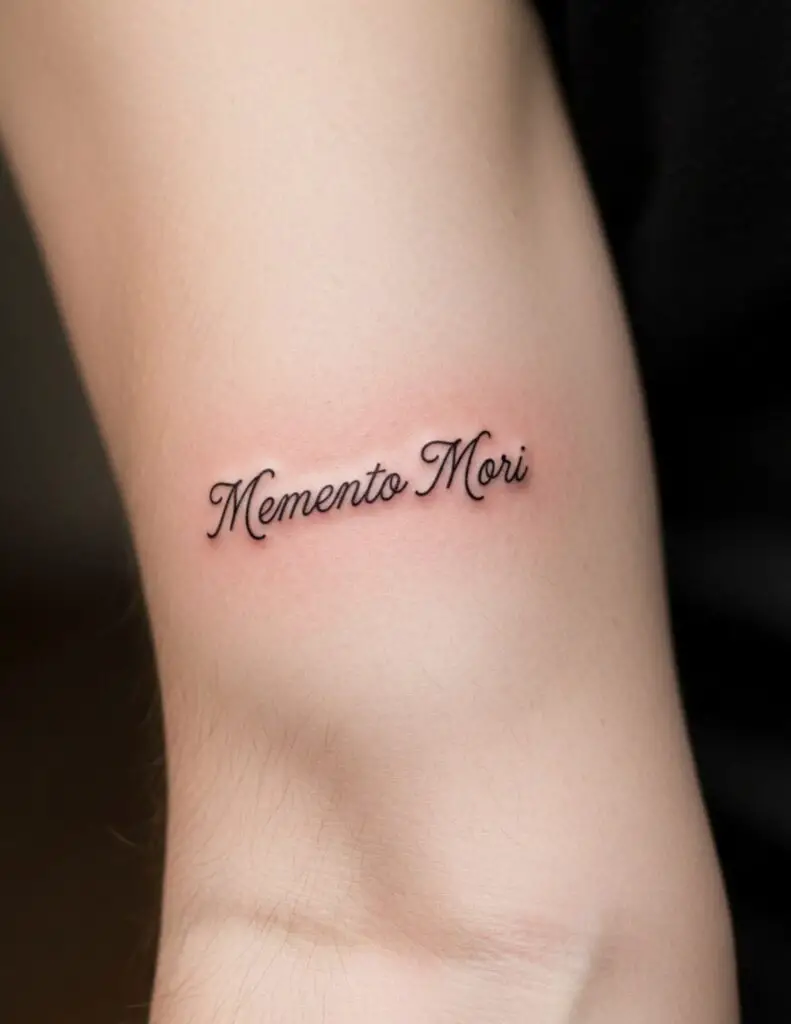
“Remember that you will die.” From the Stoic tradition. The phrase is not morbid but clarifying: the awareness of death as the tool for focusing on what actually matters. One of the most tattooed Latin phrases because its message is both universal and direct. Works in small script or paired with a skull or hourglass.
2. Amor Fati
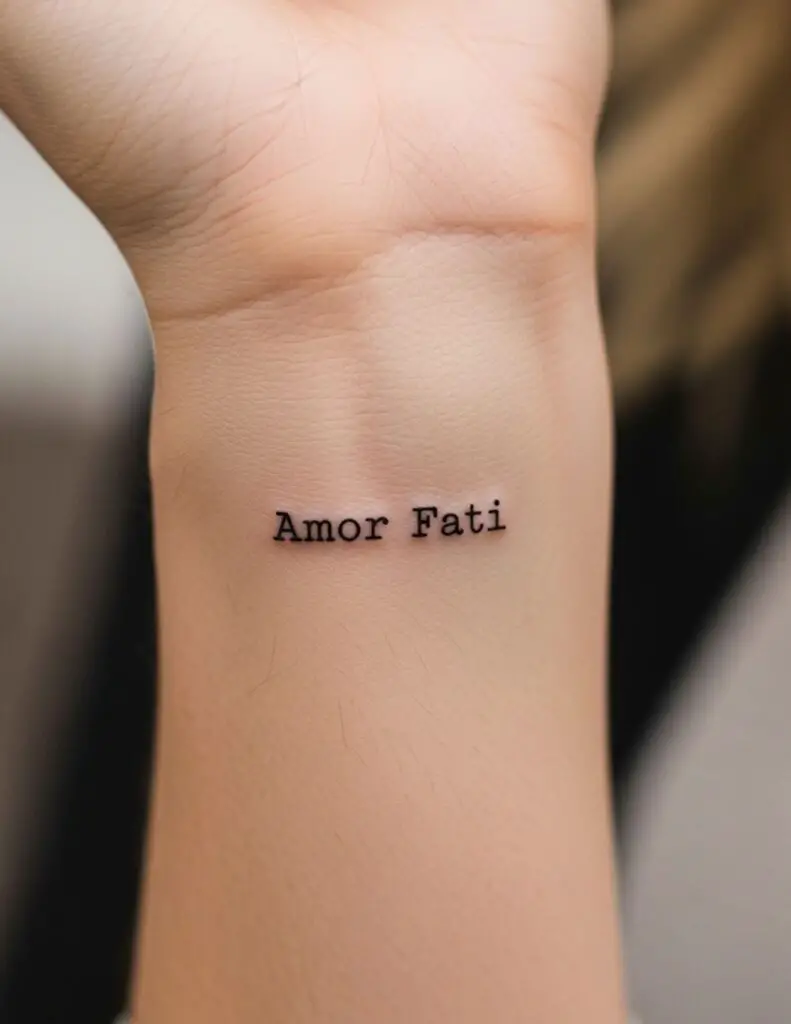
“Love of fate.” The Nietzschean phrase for embracing everything that happens, the good and the painful alike, as part of what is. Not mere acceptance but active love of what is. Compact enough for wrist or inner forearm placement.
3. Per Aspera ad Astra
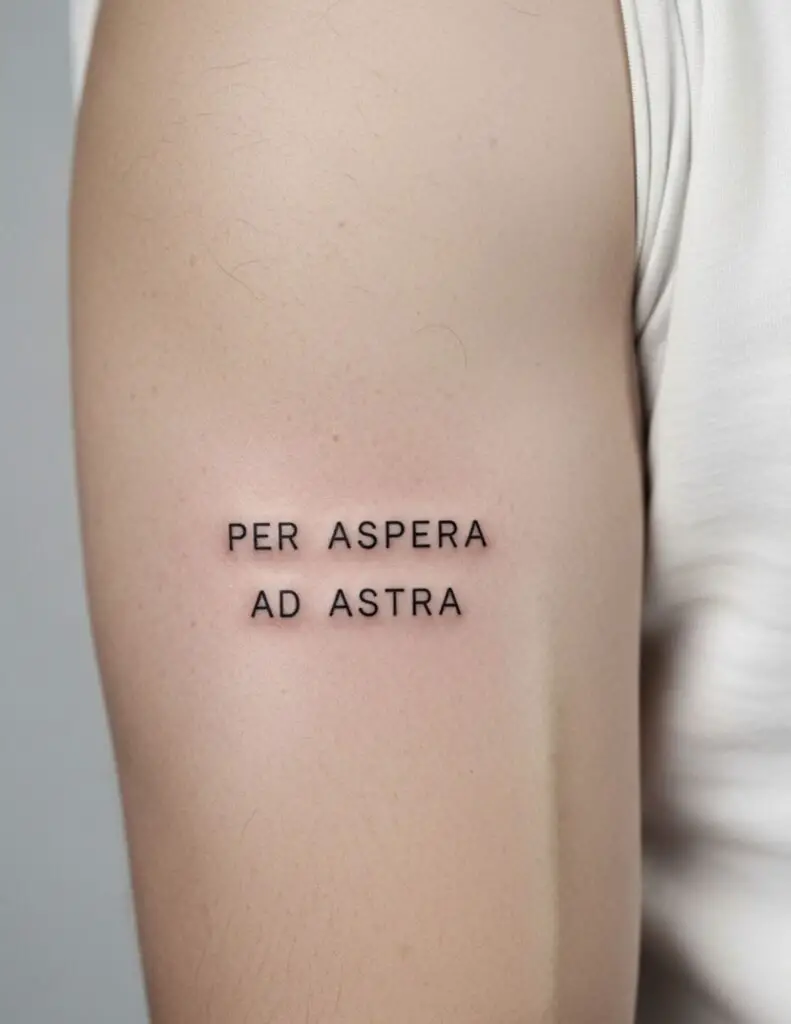
“Through hardship to the stars.” The Kansas state motto and one of the most resonant Latin phrases about perseverance. The image of moving through difficulty toward something vast and bright. Often combined with star or constellation imagery.

4. Carpe Diem
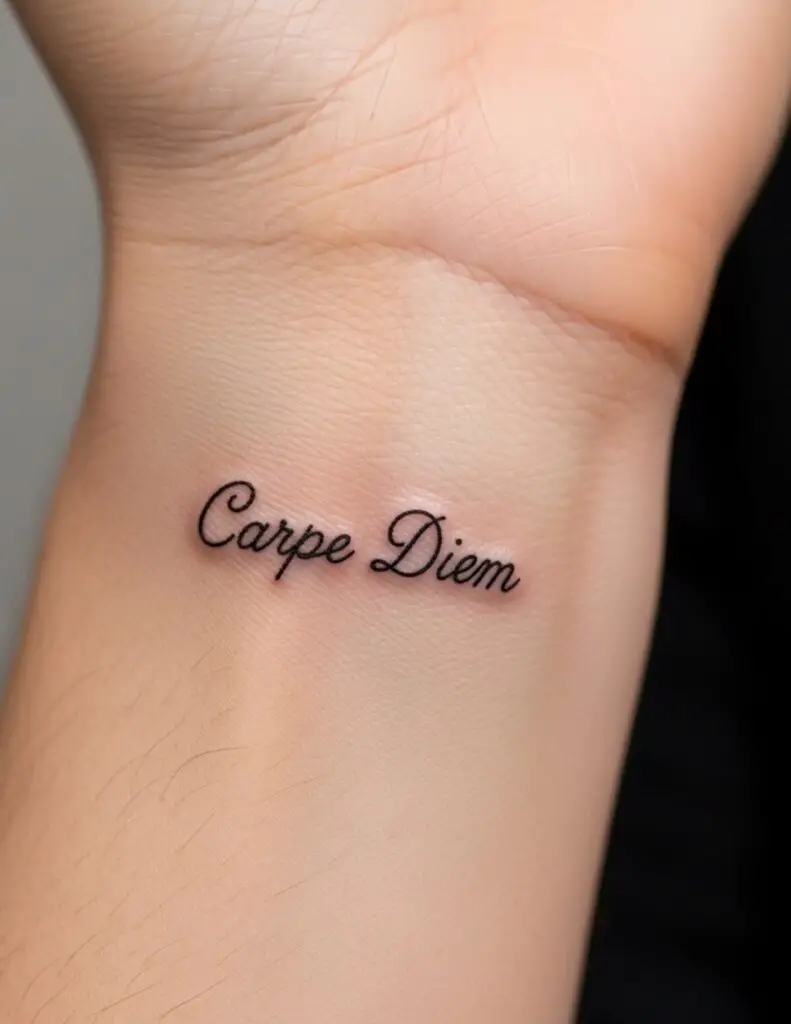
“Seize the day.” From Horace’s Odes. The most famous Latin phrase in English-speaking culture, possibly over-tattooed but not wrong: the message is correct. The full line is “carpe diem, quam minimum credula postero” — seize the day, trusting as little as possible in tomorrow.
5. Dum Spiro Spero
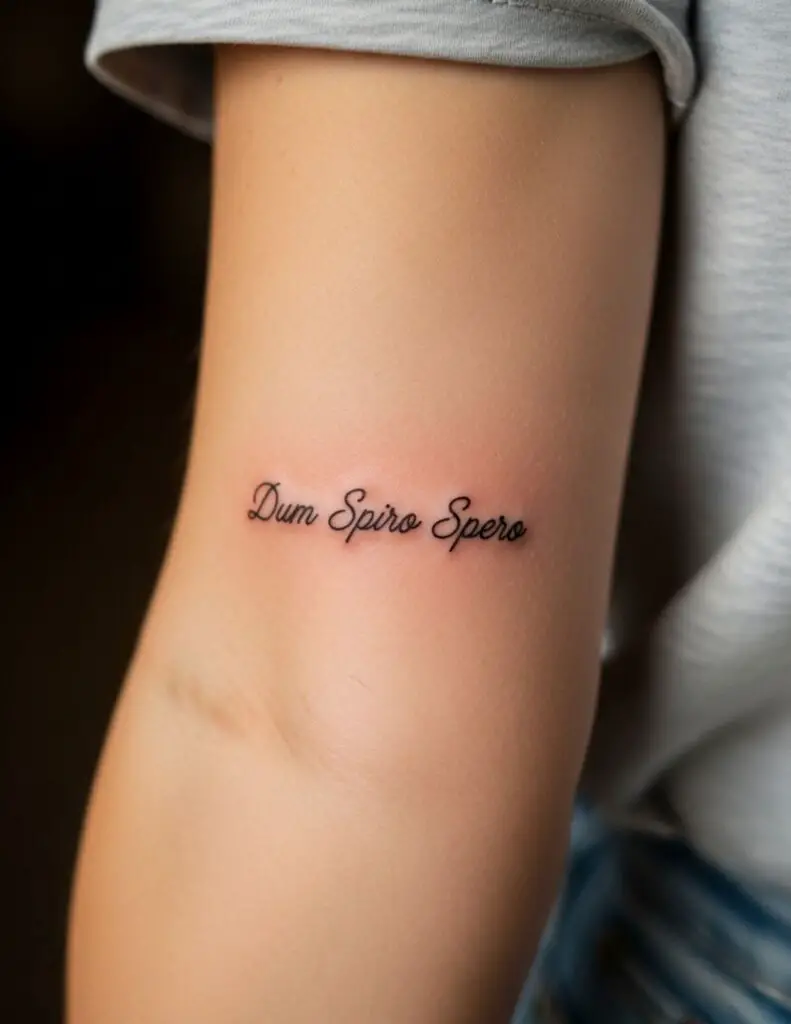
“While I breathe, I hope.” From Cicero. The phrase makes hope the act of the living: as long as breath continues, so does possibility. Direct and grammatically clean. In script on the inner arm or collarbone.
6. Alea Iacta Est
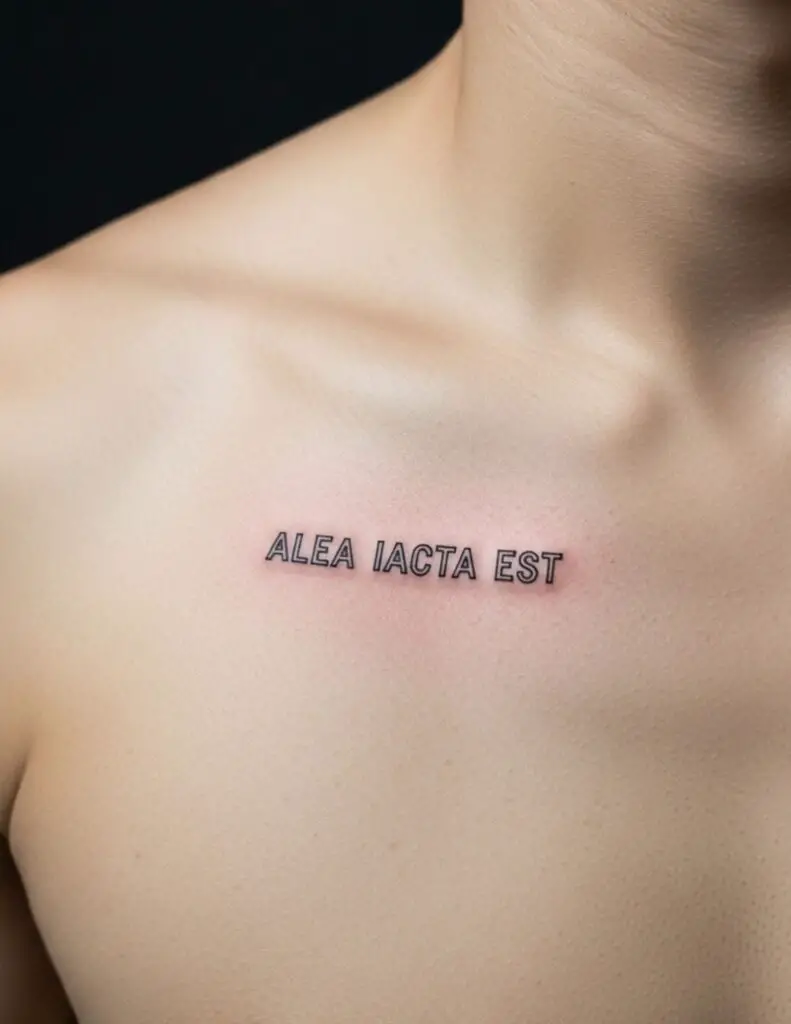
“The die is cast.” Julius Caesar’s words on crossing the Rubicon, the point of no return. The phrase is about decisive commitment: the moment when a choice is made and cannot be unmade. For people who understand that some decisions are permanent.

7. Fortes Fortuna Adiuvat
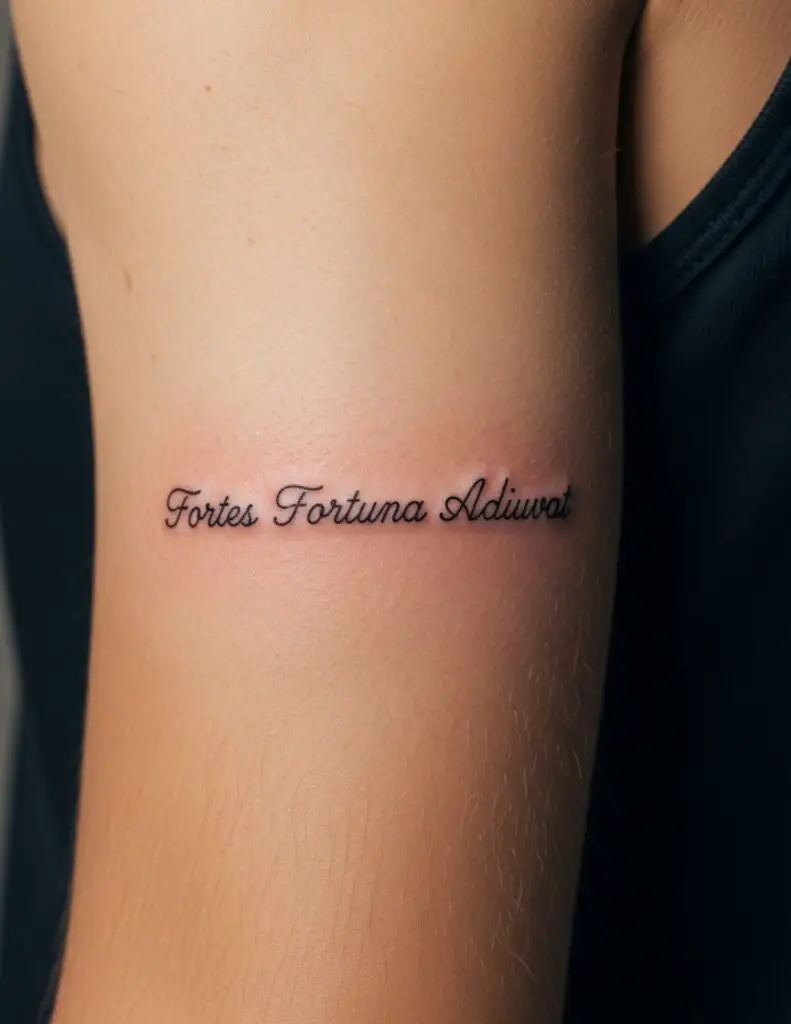
“Fortune favours the bold.” From Terence, later used by Pliny the Elder. The Latin behind the English phrase “fortune favours the brave.” A genuine classical source rather than a modern construction. Works well in a banner or curved text composition.
8. Nusquam Est Qui Ubique Est
“One who is everywhere is nowhere.” From Seneca. The ancient observation about focus: the person who tries to be everywhere and everything to everyone ends up being nothing of substance anywhere. A Stoic caution against distraction and over-commitment.
9. Aut Viam Inveniam Aut Faciam
“I will either find a way or make one.” Attributed to Hannibal when told that crossing the Alps was impossible. The statement of absolute determination: there is no situation in which giving up is the answer. One of the most powerful classical phrases about resolve.
10. Vincit Qui Se Vincit
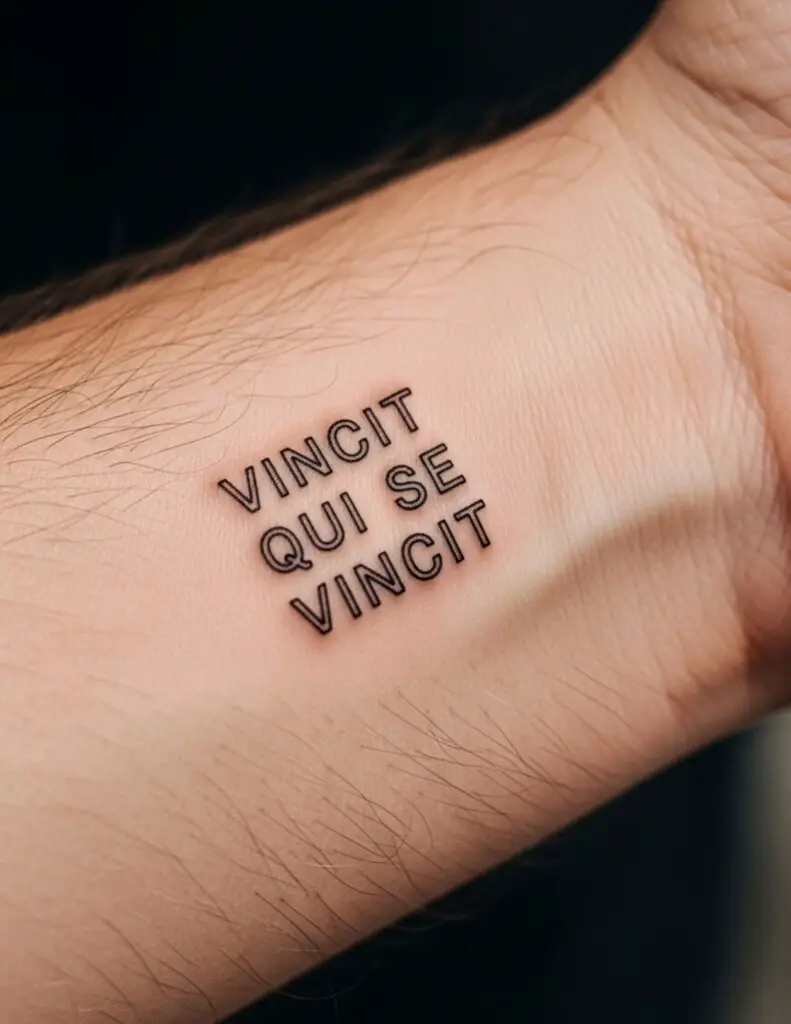
“He conquers who conquers himself.” Self-mastery as the primary victory. The ancient understanding that external achievement is secondary to internal discipline. Short enough for clean placement anywhere.
11. Ex Nihilo Nihil Fit
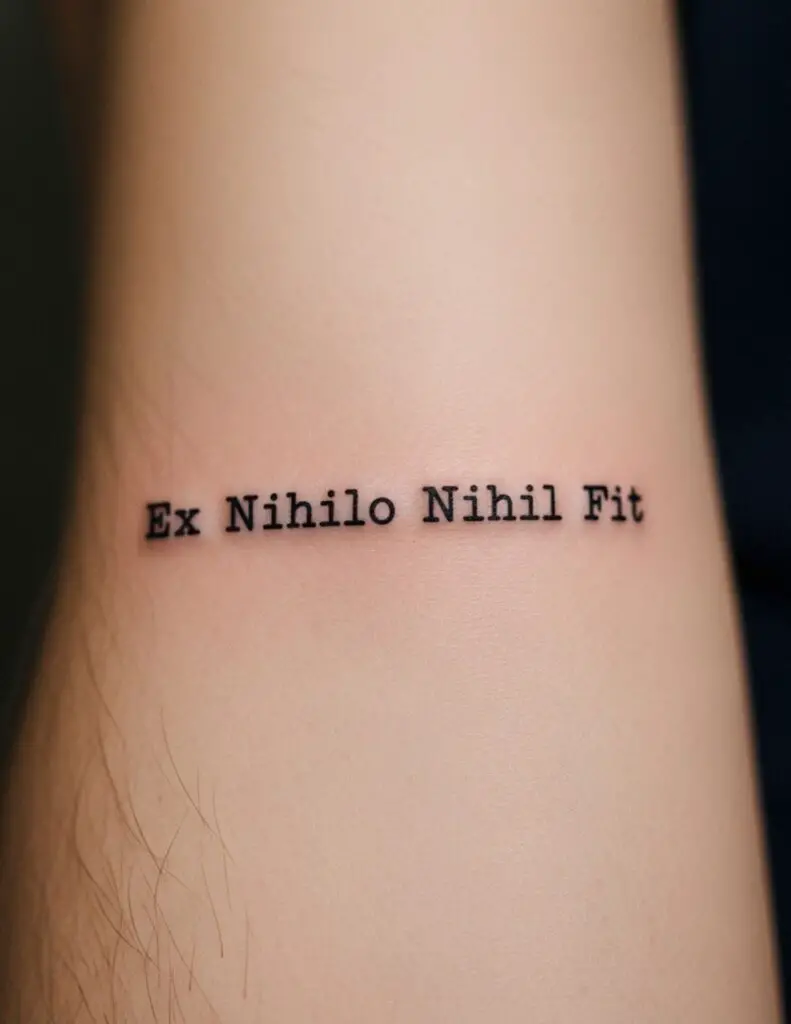
“Nothing comes from nothing.” From Lucretius. The philosophical axiom: creation requires input, results require effort, everything has a cause. A reminder that what you get reflects what you put in.
12. Omnia Vincit Amor
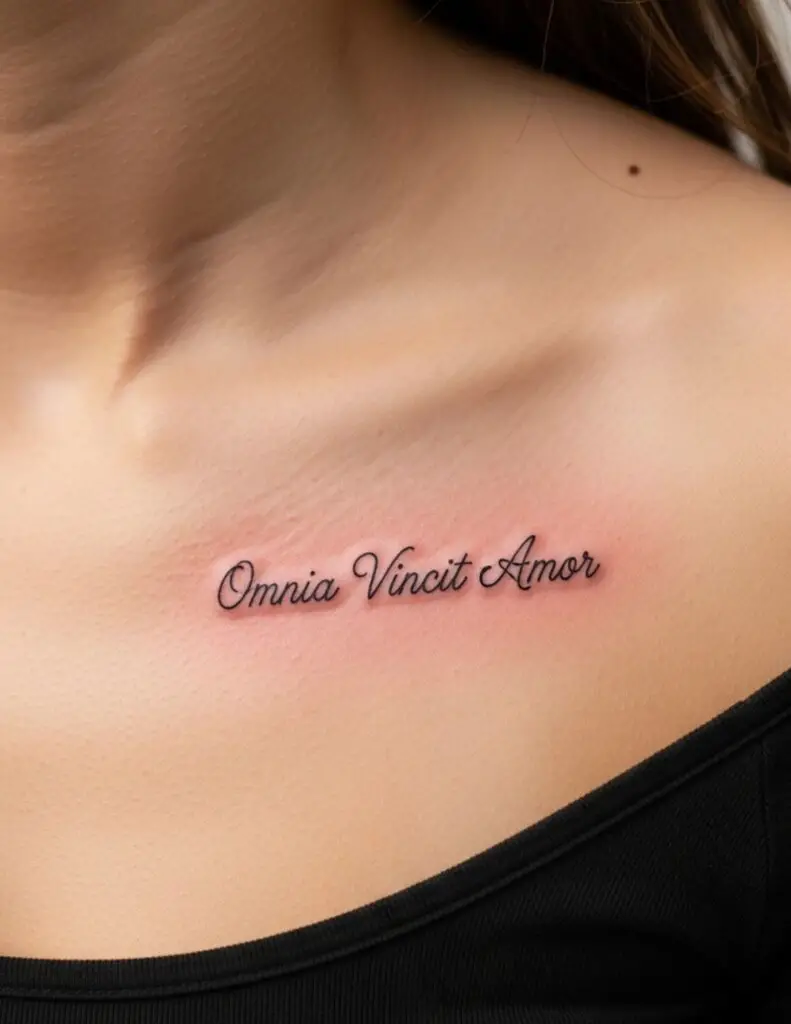
“Love conquers all.” From Virgil’s Eclogues. One of the oldest statements of love’s supremacy. The full line continues with “et nos cedamus amori” — let us too yield to love. For a love tattoo with classical roots.
13. Respice Finem
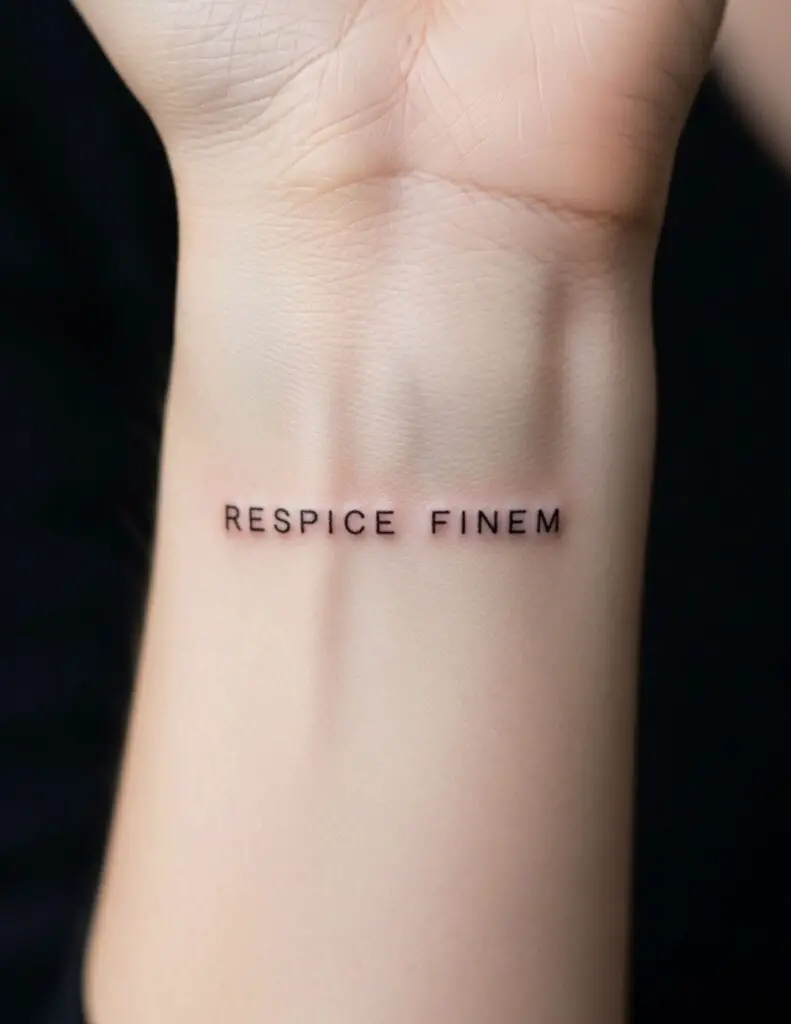
“Look to the end.” A Stoic reminder to consider consequences, to think forward before acting, to keep the final outcome in view while navigating the present. Compact and direct in placement.
14. Veni Vidi Vici
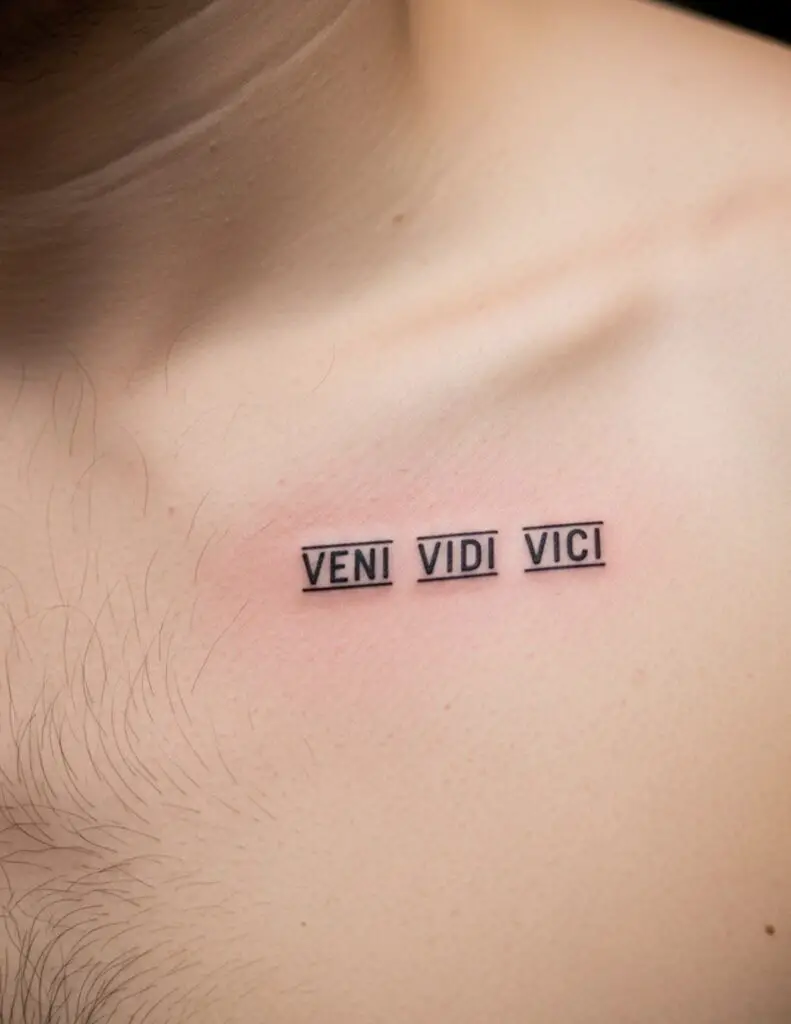
“I came, I saw, I conquered.” Caesar’s report of the Battle of Zela. The phrase has been used so widely that it risks cliche, but the original meaning is exact: swift arrival, immediate assessment, decisive victory. Three words that cover the entire arc of action.
15. Fluctuat Nec Mergitur
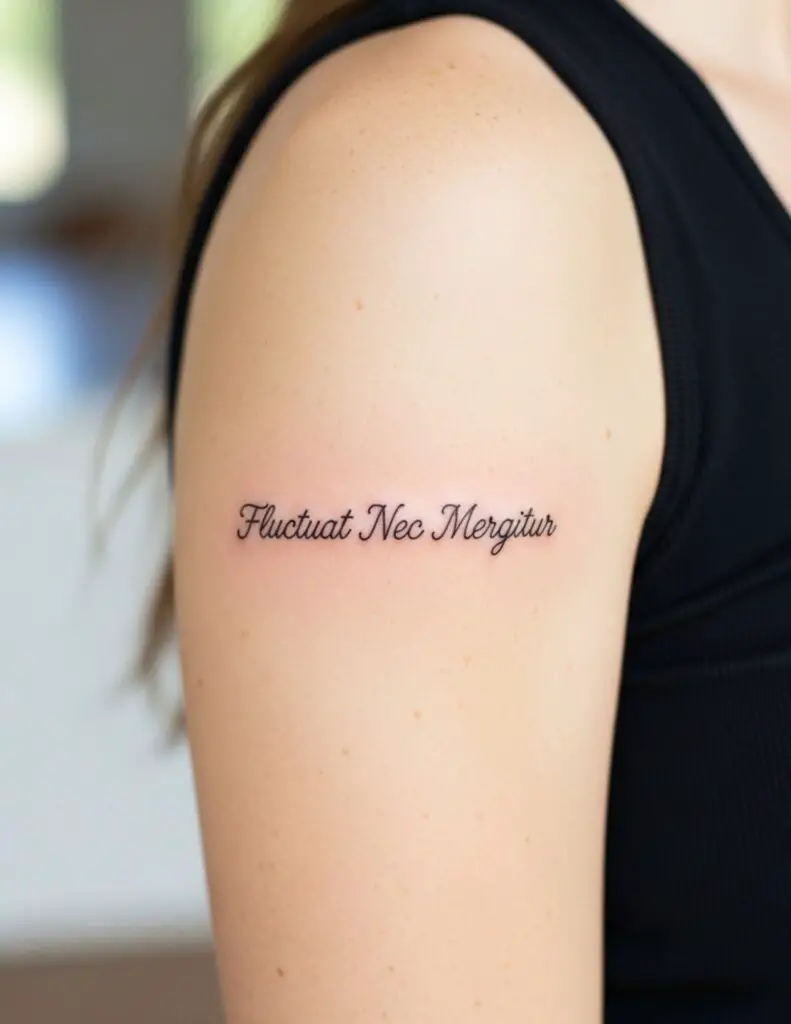
“She is tossed by the waves but does not sink.” The motto of Paris, showing a ship on a stormy sea. The phrase is about resilience in difficulty: the waves do not stop, but neither does the person. One of the more beautiful Latin phrases for a resilience tattoo.
16. Cave Ne Cadas
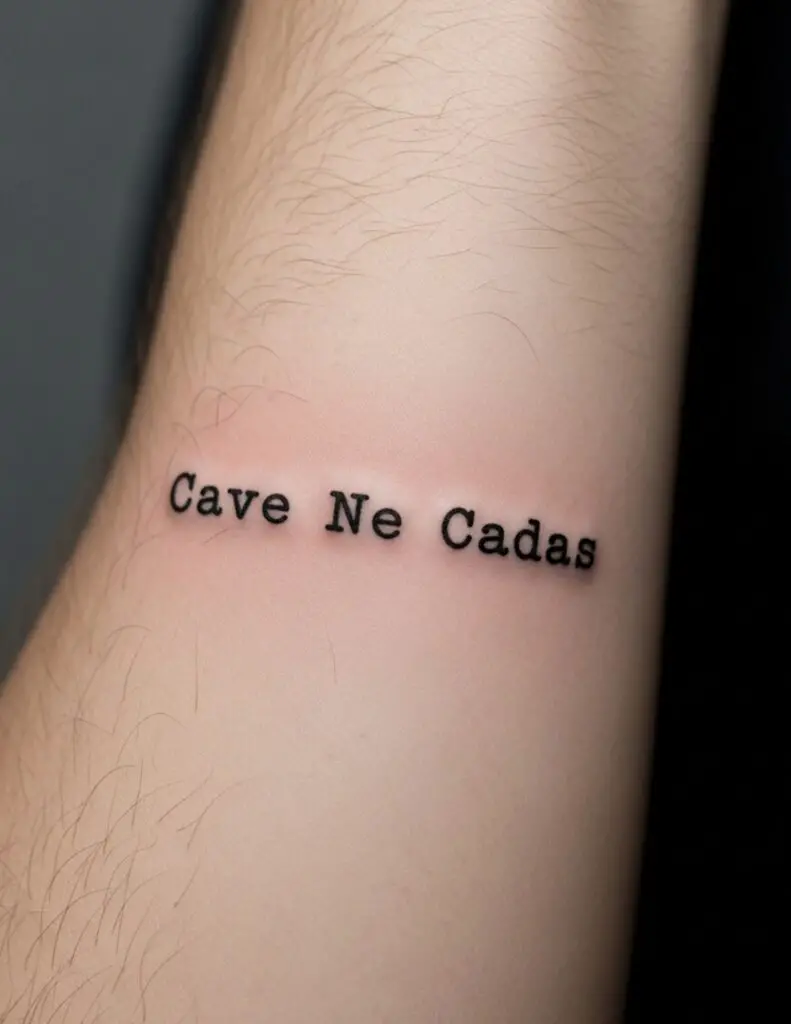
“Beware lest you fall.” A Stoic caution against hubris. The awareness that success and position are temporary and that pride precedes collapse. An unusual choice for a Latin tattoo, suggesting self-awareness rather than triumph.
17. In Hoc Signo Vinces
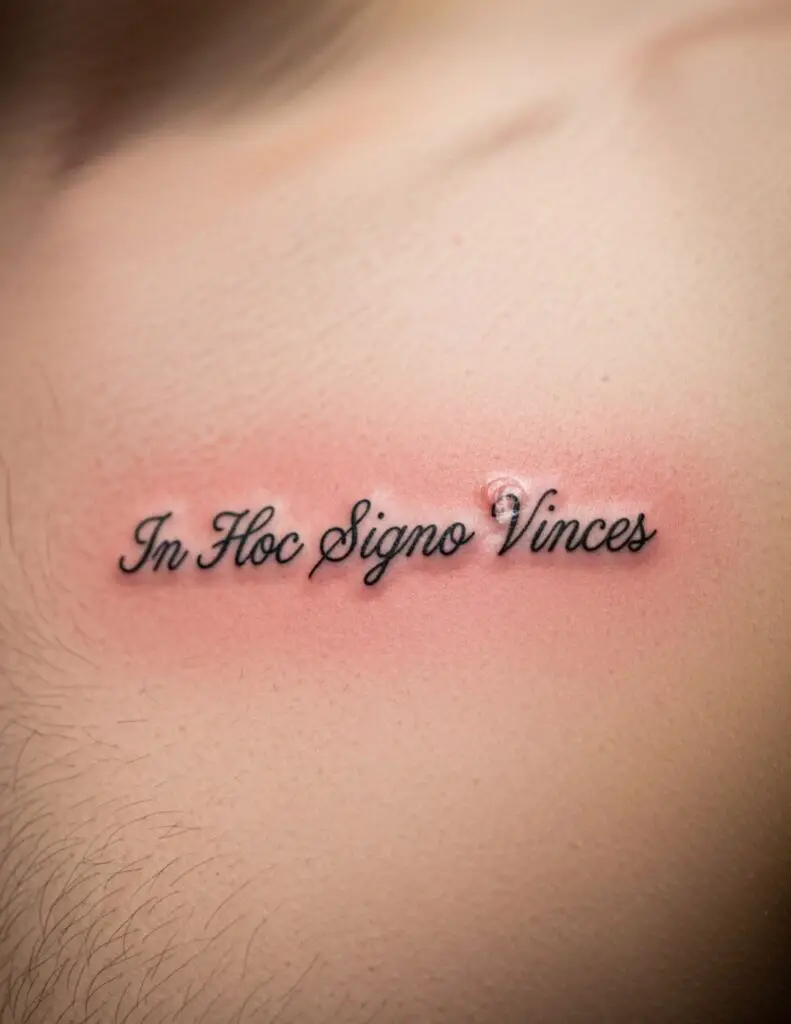
“In this sign, you will conquer.” The phrase Constantine saw before the Battle of Milvian Bridge, traditionally accompanying the Chi Rho symbol. For those with specific religious or historical associations with the phrase and symbol together.
18. Igne Natura Renovatur Integra
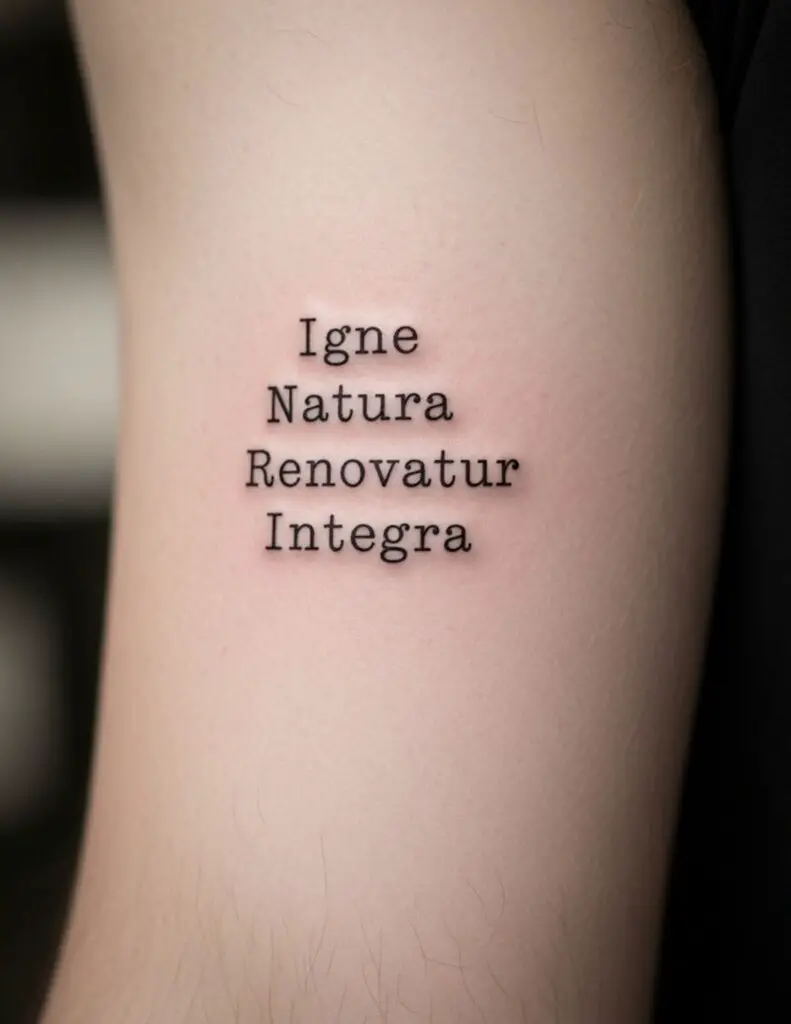
“Through fire, nature is reborn whole.” An alchemical phrase about transformation through destruction. The fire that burns completely allows complete renewal. For a tattoo about profound change or being rebuilt after loss.
19. Sic Parvis Magna
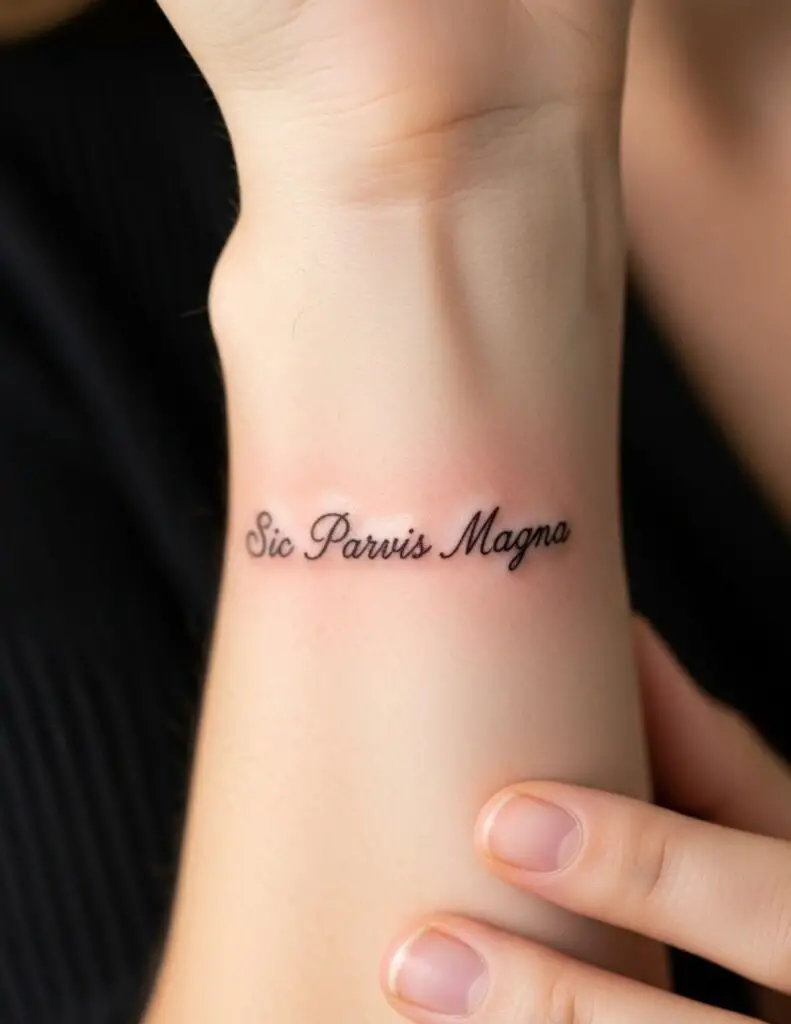
“Greatness from small beginnings.” Sir Francis Drake’s motto. The observation that significant things begin small, that the large is built from the particular, that no start is too modest. Used famously in the Uncharted game series.
20. Nemo Me Impune Lacessit
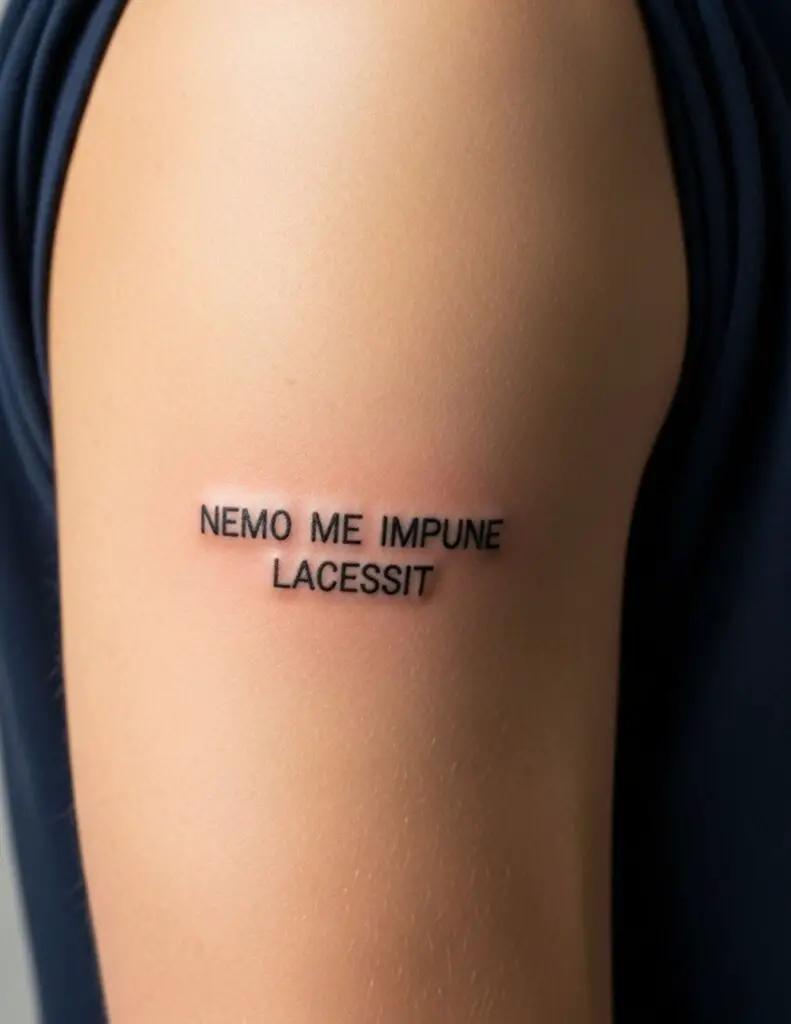
“No one provokes me with impunity.” The motto of Scotland and the Order of the Thistle. A statement of dignity and consequence: not aggression but the clear declaration that harm will not go unanswered. One of the most direct classical statements of self-respect.
Script and Placement
Latin phrase tattoos are typically done in script: cursive letterforms that reference handwriting and the manuscript tradition Latin actually comes from. The script choice matters as much as the words. Serif script references Roman stone inscriptions. Cursive script references the humanist manuscripts of the Renaissance. Discuss the aesthetic associations of different scripts with your artist before settling on a style.