I have watched panther tattoos come back into the shop rotation three separate times in the last decade, and they never really left. The panther is one of the few tattoo subjects that reads as powerful without needing a single drop of colour.
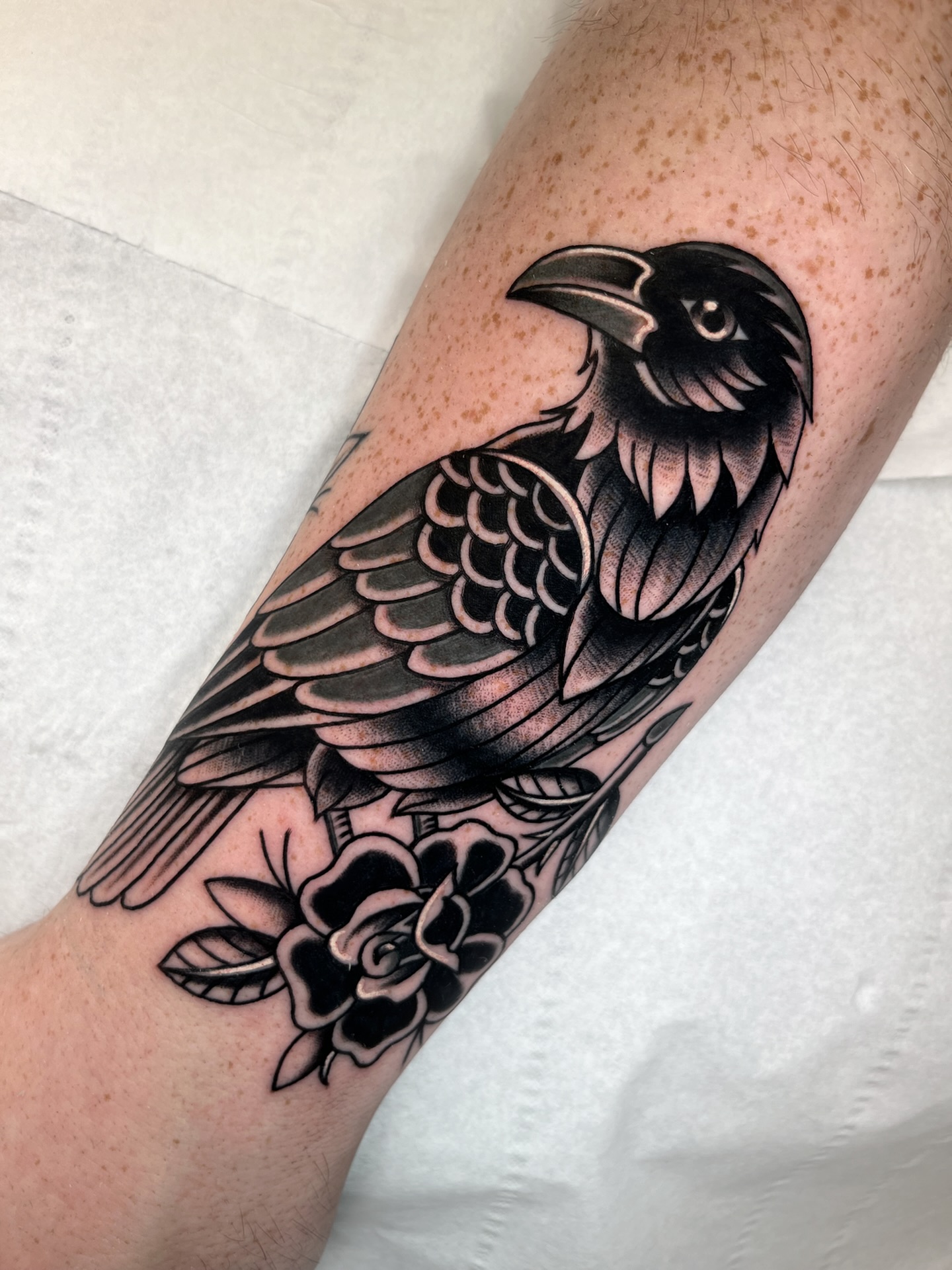
It has been tattooed since the early days of American traditional work, sitting beside eagles, daggers and swallows as one of the foundational subjects of the form.
What keeps bringing it back is the animal itself: an all-black big cat that moves without sound and holds authority without announcing it. If you are drawn to tattoos that carry strength and courage, the panther is the version of that idea with the volume turned down.
Below are the panther designs I keep recommending, why each one works, and the honest trade-offs of each approach.
Which Panther Style Is Right for You?
This is the comparison I sketch out for people who know they want a panther but not which kind. Session estimates are the ranges I have typically seen quoted, not fixed prices or guarantees.
| Style | Best Placement | Typical Sitting | How It Ages |
|---|---|---|---|
| American traditional | Outer arm, calf, chest | 2–4 hours | Excellent — built for it |
| Black and grey realism | Forearm, thigh, back | 5–12 hours, often split | Good with bold anchors, softens over time |
| Neo-traditional | Upper arm, thigh | 4–8 hours | Very good — outlines hold the shape |
| Blackwork | Shoulder, ribs, back | 3–8 hours | Strong, but touch-ups on solid fill are common |
| Geometric | Forearm, calf, chest | 3–6 hours | Good, though line drift shows more than in other styles |
| Fine line / minimal | Inner arm, ankle, behind ear | 1–2 hours | Fades soonest of the group |
What the Panther Actually Means
The black panther is not its own species. It is a melanistic colour variant of a leopard or a jaguar, and per Britannica’s entry on the black panther, the dark coat comes from an excess of the pigment melanin.
That detail matters for the tattoo, because the rosettes are still there under the black. Good artists suggest them faintly rather than erasing them.
Symbolically the panther has carried protection, ferocity and independence across most of the traditions that have used it. In American traditional tattooing specifically, it read as a mark of someone who could handle themselves.
The consistent thread is quiet authority rather than aggression. That is why the animal appeals to people who want a bold tattoo but not a loud one.
It is worth saying plainly: meaning is personal. Every client I have talked to has had their own reason, and none of them needed the historical version to justify it.
Panther Tattoo Ideas That Hold Up
These are the eight approaches I see working most reliably, in roughly the order of how often people ask for them.
1. Realistic Black Panther Portrait
A photorealistic panther face in black and grey, with the coat built up in soft grey wash and the faint suggestion of rosettes underneath.
The eyes carry the whole piece. When I have seen this design fail, it is almost always because the eyes were rushed at the end of a long session.
Ask to see healed photos of an artist’s black and grey portraits, not just fresh ones. Fresh grey wash looks flawless on everyone; healed grey wash separates the specialists from everyone else.
This is not a small tattoo. Below roughly a hand’s width, the tonal detail collapses into a dark smudge within a few years.
2. Panther in Motion
The full-stride pose, body low and elongated, muscle visible through the coat.
It needs a long flat run of skin to work — ribs, outer thigh and upper back are the placements I would push first.
The trick is that the movement is implied by the leg positions and the curve of the spine, not by motion lines. Motion lines usually cheapen it.
In my experience this is the design that benefits most from being drawn on the body in marker before any needle comes out, because the pose has to follow your actual anatomy.
3. Panther Climbing a Limb
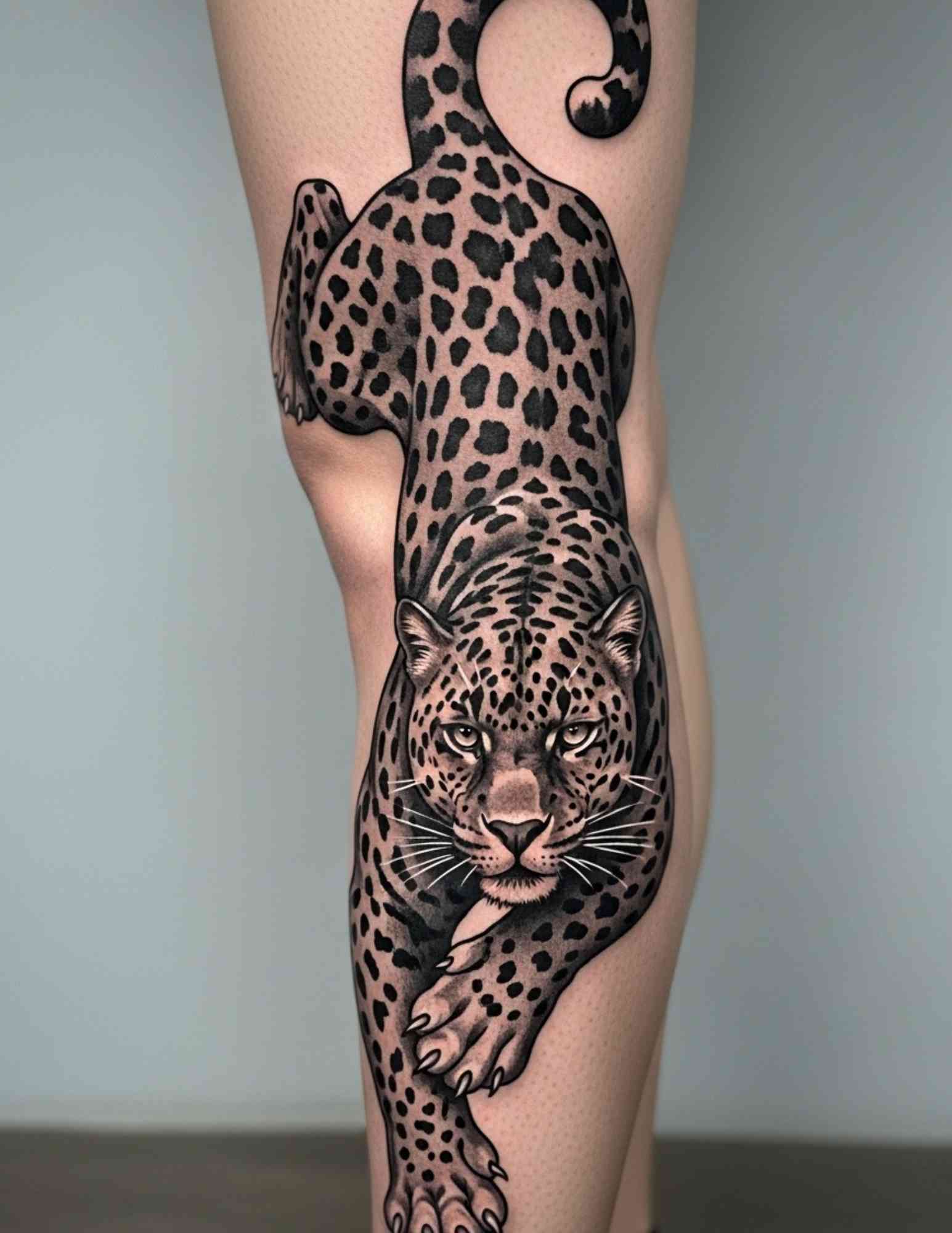
The climbing panther is the oldest panther layout in the book, and it has survived because it solves a real problem: how to wrap a four-legged animal around a cylinder.
Claws dug into the skin, head turned outward, body angled up the arm or leg.
It works on arms, calves and thighs equally well. I would avoid it on the forearm unless the piece is small, because the wrap can end up mostly hidden.
One honest limitation: this pose is so recognisable that a mediocre version looks obviously like a copy of a better one.
4. Neo-Traditional Panther
Neo-traditional keeps the bold confident outline of the old designs but opens up the interior for richer shading, deeper colour and decorative framing.
Jewels, banners, moons and ornamental borders all sit comfortably around a neo-traditional cat.
This is the style I recommend most often to people who want longevity without committing to a plain black tattoo. The heavy outline holds the shape while the interior does the work.
It reads well on the upper arm and thigh, where there is room for the frame as well as the animal.
5. Panther and Roses
The panther-and-rose pairing is close to a century old in traditional tattooing, and it endures because of contrast.
All that solid black needs somewhere soft for the eye to rest, and a rose provides it without introducing a competing subject.
Roses also fill awkward gaps around the cat’s body, which is why they show up so often in American traditional animal tattoos.
Every artist I have asked about filler for big cat work has named roses or leaves first.
6. Geometric Panther
A panther built from straight lines, angular planes and deliberate negative space rather than rendered fur.
It reads as modern and it holds up well from a distance, which suits forearm and calf placements.
Be selective with the artist here. Straight lines are unforgiving — a slight wobble shows permanently in a way it never would in a shaded piece.
If you like this direction, the same logic drives geometric lion tattoo designs, which face exactly the same technical demands.
7. Panther Skull Hybrid
The panther head merged with, or revealing, skeletal structure underneath.
It pushes the symbolism firmly toward mortality and away from the quieter protective reading.
The composition rule I would give: let one element dominate. When the cat and the skull compete for the same space, the piece stops reading at a glance.
This one suits people who already have darker work and want it to sit alongside blackwork tattoo designs rather than beside softer pieces.
8. Panther in Water
The cat emerging from water, with ripple and spray rendered in grey wash around it.
Water earns its place by giving the artist a legitimate reason to use lighter tones, which stops a very dark tattoo from becoming a solid mass.
It also gives you a natural, soft edge to the design instead of an abrupt stop against bare skin.
Grey wash is the first thing to soften as a tattoo ages, so ask for the panther itself to carry enough black to survive independently of the water.
Variations Worth Considering
If none of the eight above is quite it, these are the directions people usually land on next.
Pairing the Panther With a Second Element
A crescent moon, a skull, or Japanese wind bars all change the tone of the piece without changing the animal.
The moon is the lightest touch of the three — it adds atmosphere and nothing else. Wind bars and background work add movement but commit you to a larger tattoo.
I would think of these as tone dials rather than decoration, because each one shifts how the finished piece reads.
Scaling It Up or Down
A panther works at almost any size, but the design has to change with the scale rather than simply shrinking.
At the large end, a chest piece uses your natural symmetry and a back piece gives the animal room to be full-bodied. Both are multi-session commitments.
At the small end, cropping to the eyes alone keeps the presence and drops the detail. It is the version I suggest to people who want something discreet.
For scale references beyond the panther, the same placement logic applies to chest piece tattoo ideas.
Going Fully Blackwork
Solid black with the form carved out in negative space is the most graphic way to do this animal, and arguably the most fitting one.
It ages strongly, though large areas of solid fill are the most common candidates for a touch-up a year or two in.
Getting the Most Out of a Panther Tattoo
Bring reference of the animal, not just of other tattoos. Photographs of real leopards and jaguars give an artist far more to work with than a folder of other people’s panthers.
Book a consultation before the appointment. Every artist I have worked with has preferred to draw the pose onto your body first, because a panther’s whole appeal is how it follows your shape.
On healing: dark, heavily saturated work tends to need a little more patience than light linework. Follow whatever aftercare your artist gives you, and if you want a neutral reference, the American Academy of Dermatology’s guidance on caring for tattooed skin is a reasonable starting point.
If a healing tattoo becomes increasingly painful, hot, swollen or starts discharging after the first few days, stop researching and see a doctor. Infections and ink allergies are real, treatable, and not something to manage from a blog post — the US FDA’s consumer information on tattoos covers the risks worth knowing before you book.
Still Not Sure? The Mistakes I See Most
Going too small for the style chosen. A realism panther at wrist size will not hold, no matter how good the artist is.
Choosing an artist by portfolio breadth rather than depth. You want someone with many panthers or big cats, not one impressive one.
Ignoring how the piece will sit next to future tattoos. If you plan a sleeve eventually, place the panther where it can become the centrepiece rather than an obstacle — the same problem covered in sleeve tattoo planning.
Assuming the panther is the only option. Lion designs, tiger tattoos and wolf tattoo ideas carry overlapping symbolism with very different visual weight, and it is worth looking at all of them before committing.
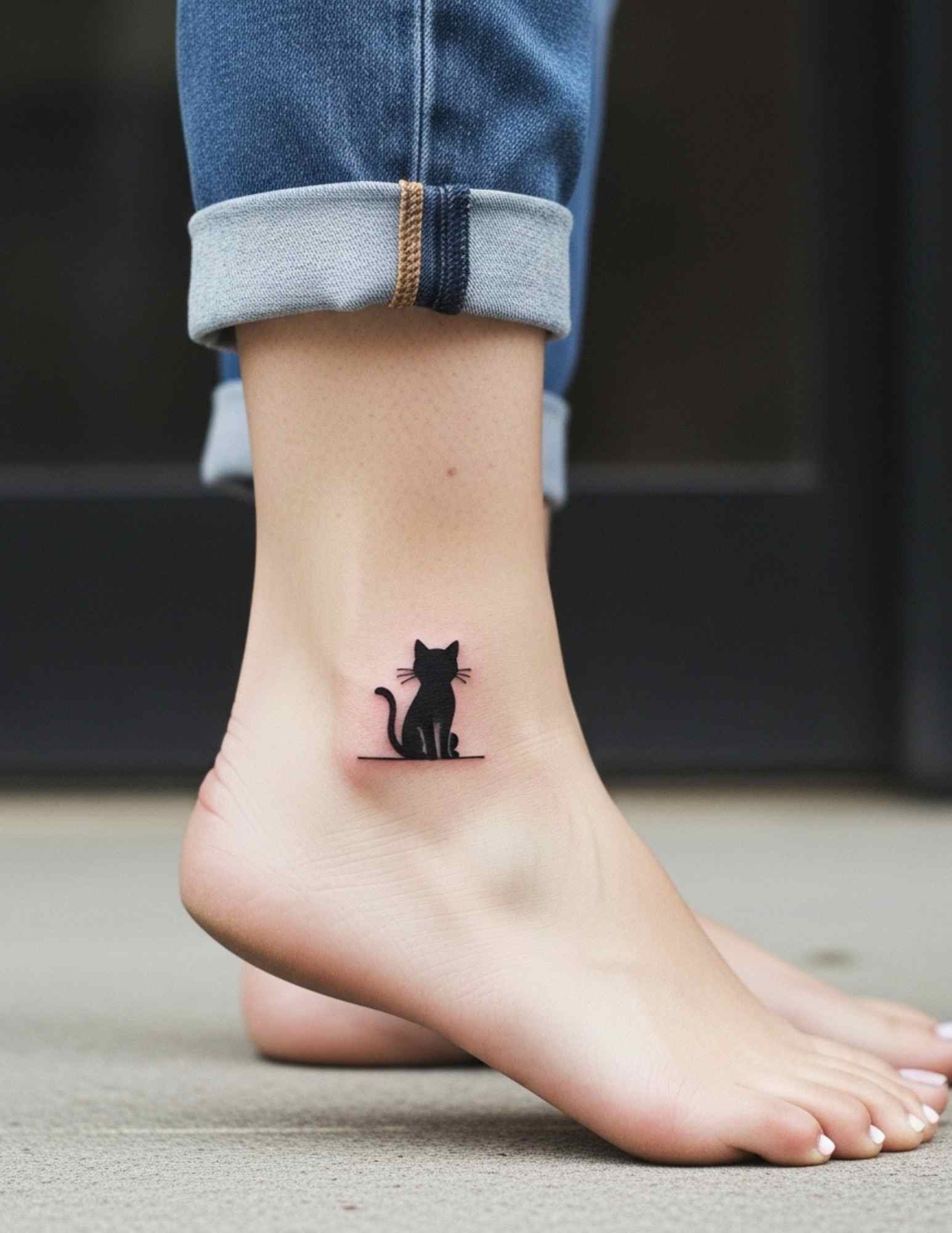
And if the appeal is really the cat rather than the ferocity, black cat tattoo ideas scratch a similar itch at a much smaller scale.
Frequently Asked Questions
What does a panther tattoo symbolise?
Across most of the traditions that use it, the panther stands for protection, ferocity, independence and quiet authority. In American traditional tattooing it also carried a straightforward reading of toughness. That said, meaning is personal, and in my experience most people choose it because of how the animal looks and moves rather than any inherited symbolism. There is no wrong reason to want one.
How much does a panther tattoo cost?
It depends far more on size, style and your artist’s hourly rate than on the subject itself. A small traditional panther is usually a single short session, while a realistic back piece is typically several long ones. Ask for a written estimate at consultation rather than over messages, since artists price accurately only after seeing the placement. Expect specialists in black and grey realism to charge more than generalists.
Do panther tattoos age well?
Bold traditional and neo-traditional panthers age very well, because the heavy outlines hold the shape as the ink softens. Black and grey realism ages acceptably but loses its finest tonal detail over the years, especially in smaller pieces. Solid blackwork holds strongly though it often needs a touch-up. Sun exposure is the biggest factor within your control, whatever the style.
Where is the best placement for a panther tattoo?
The climbing pose suits arms, calves and thighs because it wraps a cylinder naturally. The striding pose wants a long flat surface such as the ribs, outer thigh or upper back. Chest and full back give room for the largest full-bodied versions. I would let the pose choose the placement rather than the other way around.
Can a panther tattoo be done in colour?
Yes, though it changes the character of the piece. Neo-traditional and Japanese-influenced panthers often use colour in the background, framing or accompanying elements while keeping the cat itself dark. Fully coloured panthers exist but lose the graphic contrast that makes the subject work. Most artists I have asked will steer you toward black and grey for the animal itself.
Quick Summary
- The panther is a melanistic leopard or jaguar, not a separate species — the rosettes are still there under the black.
- American traditional and neo-traditional versions age the best, thanks to their heavy outlines.
- Black and grey realism looks the most impressive but needs size, a specialist and healed-work references.
- The climbing pose suits limbs; the striding pose needs a long flat surface such as ribs or back.
- Roses, moons, skulls and Japanese backgrounds each shift the tone — pick one, not three.
- Cropping to the eyes alone is the smallest version that still carries the animal’s presence.
- Have the design drawn onto your body before the first line, so the pose follows your anatomy.
- Treat worsening pain, heat or discharge during healing as a reason to see a doctor, not to wait it out.