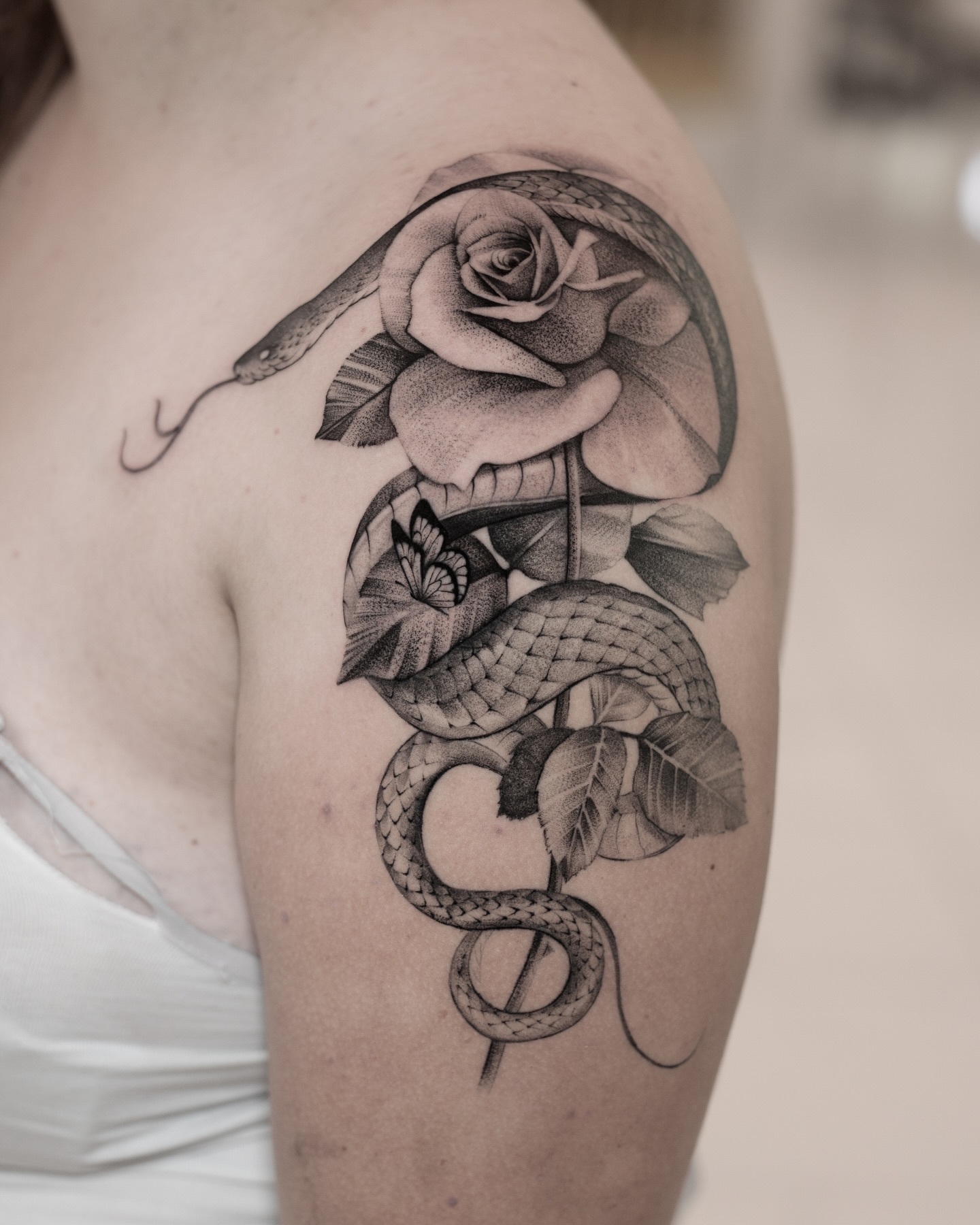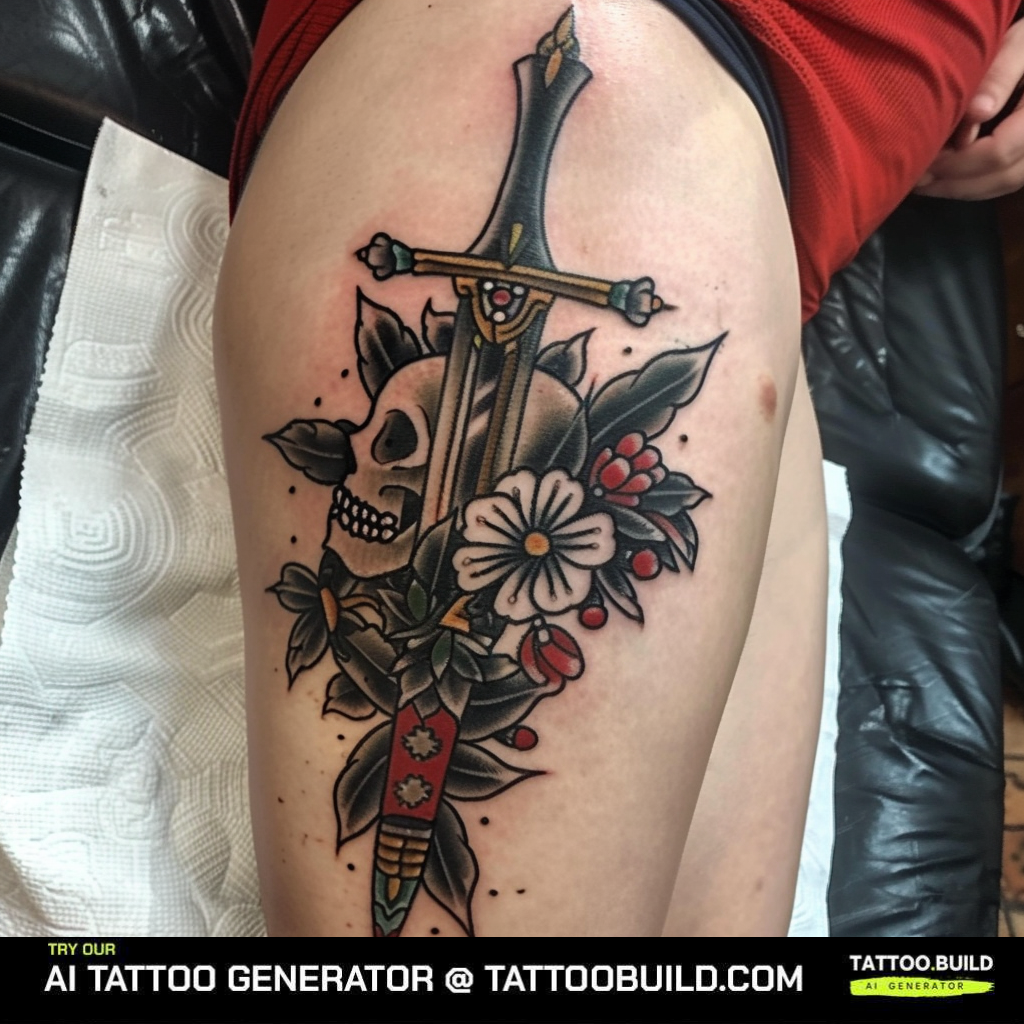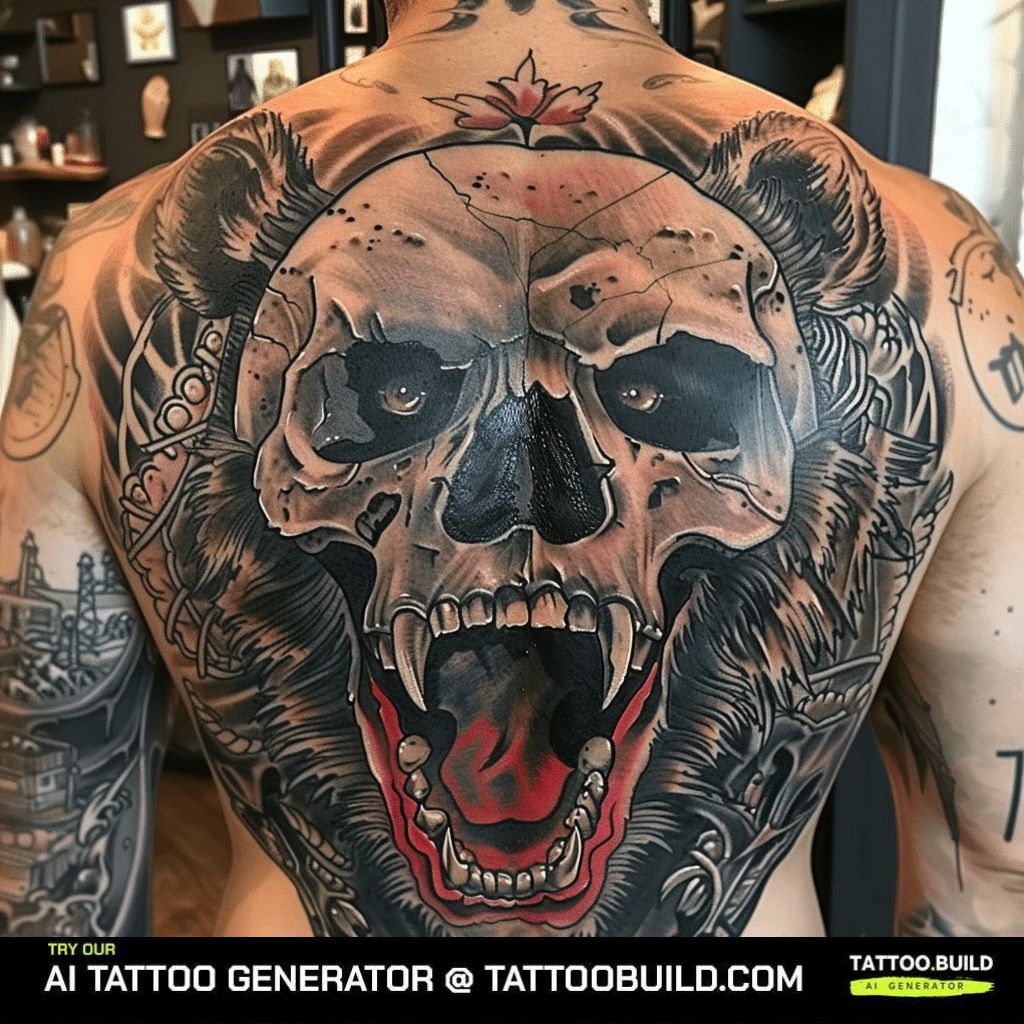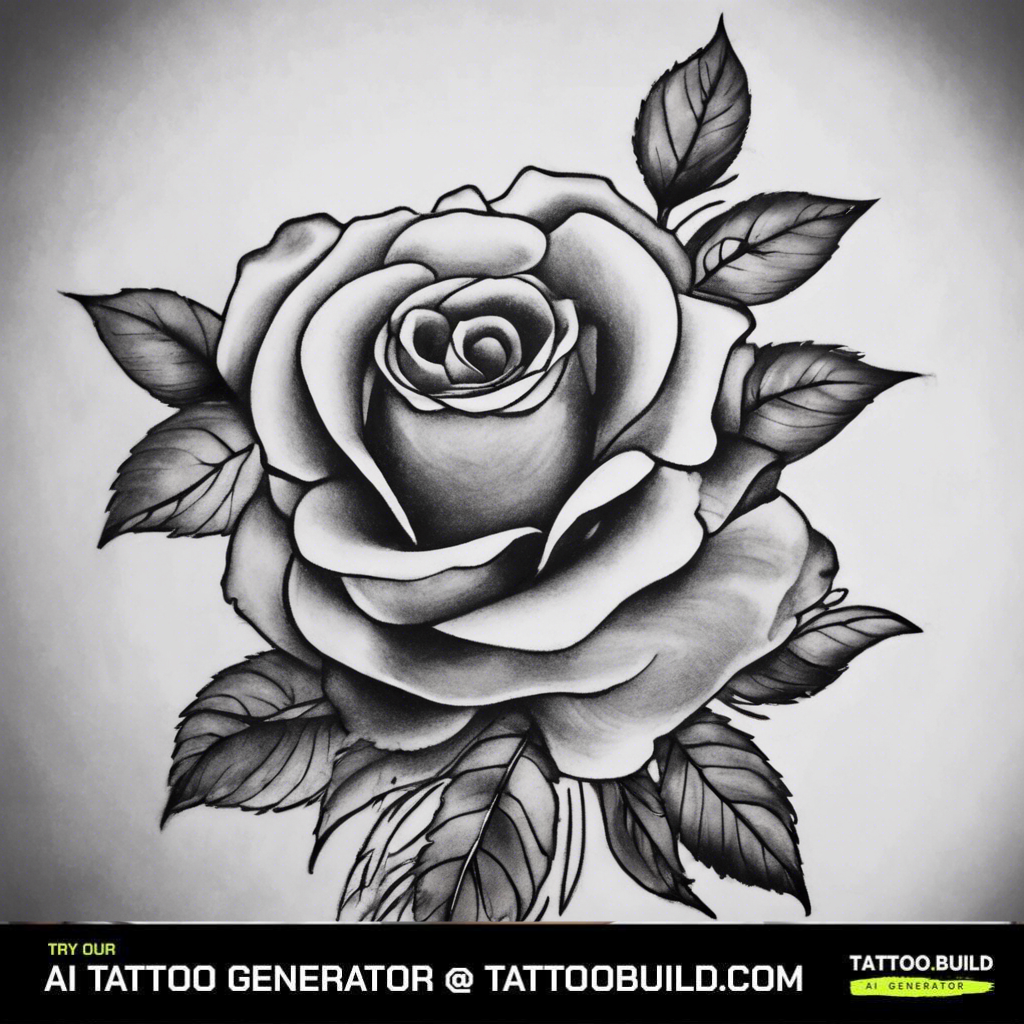
I have lost count of how many rose and skull tattoos I have seen in shop portfolios, and I still stop and look at every one. The pairing survives because it says something true in a single image: the rose blooms and fades, the skull is what remains.
It is one of the oldest combinations in tattooing. It shows up in early American traditional flash, in Mexican Day of the Dead imagery, in European gothic art, and in almost every modern style you can name.
That history is also the problem. Because the motif is so common, a rose and skull tattoo can land as generic if the composition is not actually thought through. The meaning a rose already carries does a lot of work here, and it deserves more than a default layout.
Below are 20 directions I would actually bring to a consultation, grouped by style, plus the practical questions I have watched people get wrong at the design stage.
Which Rose and Skull Style Is Right for You?
Style choice affects cost, session length and how the tattoo looks in fifteen years far more than subject matter does. This is the comparison I sketch out for people who arrive with a reference photo and no plan.
| Style | Best for | How it ages | Typical size |
|---|---|---|---|
| American traditional | Readability from across a room | Excellent – bold lines hold for decades | Palm-sized and up |
| Black and grey realism | Anatomical detail and mood | Good with contrast, soft greys fade first | Forearm or larger |
| Neo-traditional | Colour plus decorative detail | Very good – keeps traditional line weight | Forearm, thigh, chest |
| Blackwork | Graphic impact, high contrast skin | Excellent, though solid black needs care | Any, scales well |
| Fine line | Small, subtle placements | Softens fastest, may need touch-ups | Under 4 inches |
| Watercolour | Colour that feels painted, not drawn | Varies – better with a line or shadow anchor | Forearm, shoulder, back |
Why the Rose and Skull Still Works
The rose is the most established symbol of beauty and passion in Western visual culture. The skull is the most direct symbol of mortality. Put them together and you get a memento mori that needs no caption.
That is the classical reading, and it is the one most people land on: beauty is finite, and the finitude is what gives it weight. The pairing is philosophical rather than morbid.
But the meaning is not fixed. Every person I have asked for the story behind theirs gives a different answer – a death in the family, getting sober, leaving a marriage, surviving something they do not name.
The broader symbolism of flowers paired with skulls runs in the same direction across cultures, though the tone shifts. Day of the Dead imagery treats the skull as celebratory company, not as a warning.
Which matters practically. If you want the piece to read as tender rather than dark, that is a decision about rose count, skull expression and shading – not about adding something to soften it.
20 Rose and Skull Tattoo Ideas
1. Classic American Traditional
Bold black outlines, saturated red roses, a grinning skull drawn with the graphic confidence the style is built on.
This is the version that defined the motif. In my experience it is also the safest bet for anyone who wants a tattoo that still reads clearly in twenty years, because the line weight is heavy enough to survive the spreading that happens to all ink over time.
Ask for a limited palette – red, green, black, maybe a touch of yellow. Traditional works because it refuses to be fussy.
2. Rose Through the Eye Socket
A stem enters one eye socket and blooms out of the other. The symbolism becomes literal: life continuing through what is left behind.
It is one of the strongest single compositions in the whole genre, and it solves the most common rose and skull problem – the two elements sitting next to each other rather than actually interacting.
Worth noting: this needs a mid-size canvas. Below about four inches the stem and socket start competing for the same space.
3. Roses Framing the Skull
Roses arranged around the skull on both sides, forming a wreath or a loose frame rather than overlapping it.
This is the most flexible layout on the list. It fits a forearm, a thigh or a shoulder blade with minor adjustments, and it lets the artist expand the design later if you decide to build outward.
The trap is symmetry. When I have seen this done poorly, both sides mirror each other exactly and the piece goes flat. Ask for deliberate imbalance – different bloom sizes, one side fuller.
4. Day of the Dead Sugar Skull
Decorative patterning across the bone, marigold or rose motifs in the eye sockets, colour used generously.
If you are drawn to this version, it is worth learning what you are wearing. The calavera belongs to a living Mexican tradition around Dia de los Muertos, and it carries a celebratory meaning rather than a threatening one.
Plenty of people outside Mexico wear these respectfully, and plenty of Mexican artists tattoo them for anyone. If it matters to you, ask an artist with roots in the tradition.
5. Black and Grey Realism
An anatomically accurate skull with smooth greyscale shading, roses rendered with real petal depth.
This is the most technically demanding style here and the one where artist choice matters most. Realism lives or dies on contrast control, and it is worth looking specifically at healed work rather than fresh photos. Black and grey rose drawings are a good way to preview what your artist can do with petals.
Expect multiple sessions on anything larger than a forearm panel.
6. Neo-Traditional
Traditional line weight with a wider colour range, more decorative detail and more dimensional rendering.
For most people asking me what to get, this is the sweet spot. It keeps the durability of traditional linework while allowing the richness that draws people to realism.
Neo-traditional also handles ornament well – lace, jewels, moths, ribbons – without the piece looking cluttered.
7. Skull Wearing a Rose Crown
Roses arranged over the cranium like a headdress, sometimes with trailing leaves down the sides.
A crown implies dignity. It changes the tone of a skull faster than any other single addition I have seen, which is why it turns up so often in memorial pieces.
Works especially well on the upper back, sternum and outer thigh, where there is room for the crown to sit above the skull without crowding.
8. Rose Growing From the Skull
The stem emerges from the top of the cranium and blooms upward, roots implied inside the bone.
Different from the eye socket version and, to my eye, gentler. Growth out of the top reads as renewal; growth through the face reads as rupture.
It also stacks vertically, which suits forearms, calves and spines better than a wide framing composition would.
9. Blackwork
Solid black, no colour, contrast built entirely from negative space.
Blackwork is the most graphic way to do this motif, and it is genuinely striking when the artist plans the white space first rather than treating it as leftover.
Be honest with your artist about your skin tone and how much saturated black you actually want. Large solid fills take longer to heal and usually need at least one touch-up pass.
10. Geometric
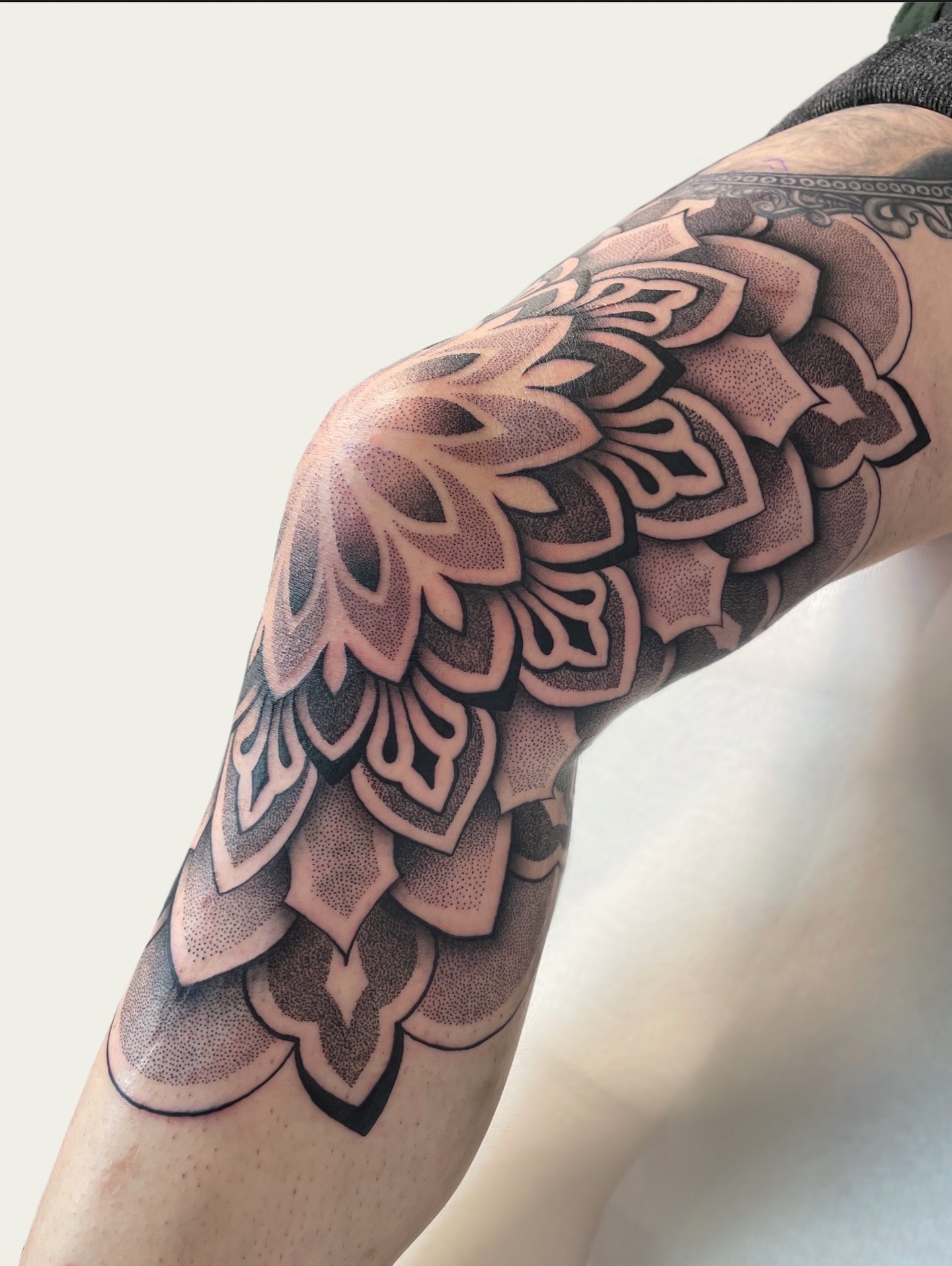
The skull and roses broken into facets, or overlaid with mandalas, triangles and repeating linework.
This one dates faster than the rest, in my opinion. Geometric styling is closely tied to a particular decade of tattooing, and heavy geometry sits uneasily beside work you add later.
If you want it anyway, keep the geometry as a background frame rather than carving up the skull itself.
11. Full Sleeve
Multiple skulls and roses linked by foliage, smoke or drapery, wrapping the arm as one continuous composition.
A sleeve is a different project entirely. The design problem is flow, not subject – how the piece reads while your arm is moving. Looking at rose sleeve layouts is useful even if skulls are the main event.
Plan the whole sleeve before the first session, even if you tattoo it over two years. Sleeves assembled from unrelated pieces almost always need filler work later.
12. Skull With a Wilting Rose
Petals dropping, the stem bent, the bloom past its peak.
Most rose and skull tattoos show the rose in full bloom, which quietly undercuts the memento mori idea. A wilting rose completes the thought.
It is a small change with a large effect on tone, and it is the one I most often suggest to people who say the standard version feels too decorative.
13. Softer, Feminine Rendering
Finer linework, smaller blooms, a skull shaded lightly rather than carved with heavy blacks.
Nothing about the motif is inherently masculine, and the way it is drawn matters more than the subject. Lighter shading and a narrower skull shift the whole register.
Delicate does not mean small, either. Some of the most elegant versions I have seen cover a full thigh.
14. Chest Piece
A skull centred on the sternum with roses spreading toward each shoulder, or an off-centre skull balanced by a cluster of blooms.
The chest is a demanding placement. It hurts more than the arm for most people, the sternum especially, and the design has to work with the collarbones rather than ignore them. Floral chest layouts show how artists solve that geometry.
Budget more healing time here. Chest pieces sit against clothing seams and seat belts constantly.
15. Watercolour
Colour applied in washes and bleeds, with soft edges where a traditional tattoo would have a line.
The long-running debate about watercolour is whether it holds up. My honest read after seeing healed examples: it holds up considerably better when there is a line or shadow structure underneath the wash.
Ask to see the artist’s watercolour work at three or more years old. If they cannot show any, that is information.
16. Bouquet With a Hidden Skull
At a glance it is a bouquet of roses. Look longer and a skull resolves out of the negative space between the blooms.
This is the most sophisticated idea on the list and the hardest to execute. The illusion has to survive both a quick glance and a close one.
It also ages into an advantage – the design keeps rewarding people who look twice, which very few tattoos do.
17. Reproduced Traditional Flash
Getting a rose and skull design taken directly from historical flash sheets, tattooed as drawn.
There is a real tradition of wearing flash as flash rather than customising it, and plenty of artists keep flash days specifically for this.
It is usually cheaper and faster than custom work, and there is no shame in it. Sailor Jerry’s designs were meant to be tattooed repeatedly.
18. Rose, Skull and Hourglass
Three memento mori symbols stacked into one vertical composition – bloom, bone and running sand.
Adding an hourglass makes the theme explicit. Whether that is a strength depends on whether you want the tattoo to state its meaning or imply it.
Vertical stacking suits the forearm, the outer calf and the spine. It rarely works well horizontally.
19. Abstract and Splashed Colour
A rendered skull and rose set against abstract colour bursts, rays or drips that have no representational job at all.
The background does the emotional work while the subject stays legible. It is a good compromise for anyone torn between realism and colour.
Keep the abstraction behind the subject rather than over it. Once the splashes cross the skull, readability drops fast.
20. Small Fine Line
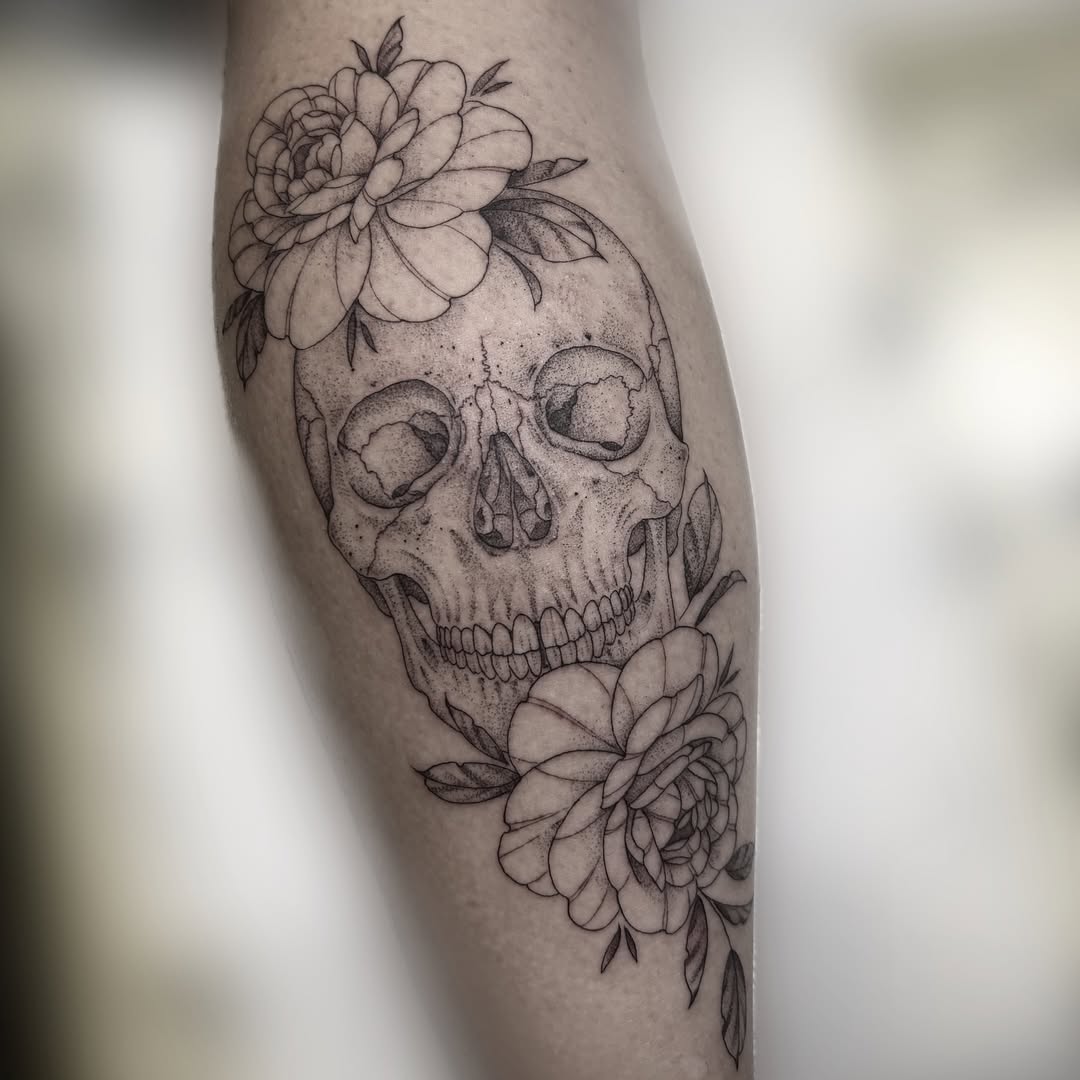
A tiny skull with a single rose, drawn in thin consistent linework – ankle, wrist, behind the ear, inner bicep.
Fine line is the fastest-softening approach here. Thin lines spread with time, and a design that relies on detail under about three inches will lose some of it.
Plan for touch-ups rather than being surprised by them. Most fine line work benefits from a refresh within five to ten years.
Variations Worth Considering If the Classic Feels Too Common
Every one of these keeps the core idea while moving away from the version everyone has already seen.
Swap the Rose for Another Bloom
Peonies, poppies, chrysanthemums and marigolds all pair with a skull and carry their own meanings. A birth-month flower makes the piece specific to you.
I have seen this work particularly well when the flower has a personal link – a grandmother’s garden, a funeral arrangement.
Emphasise the Thorns
Most designs treat thorns as an afterthought. Making them prominent shifts the tone toward something harder, and the symbolism of thorns is distinct from the rose itself.
Thorns also give the artist a way to link separate elements across a composition without adding more flowers.
Change the Skull
An animal skull – ram, bull, deer, bird – changes the whole reading. A ram skull with roses lands somewhere entirely different from a human one.
Animal skulls also tend to fill a space more interestingly, because horns and antlers create natural composition lines.
Let the Skull Be Partial
Half a skull emerging from roses, or a cross-section, or just a jaw. Partial skulls suggest more than complete ones and fit awkward spaces better.
This is my most-repeated suggestion for people who want the motif but find a full frontal skull too confrontational.
Practical Advice Before You Book
Choose the artist before you finalise the design. A good artist will improve your idea; the best reference photo in the world will not rescue a bad match.
Look at healed work, not fresh photos. Fresh tattoos all look sharp. Healed portfolios tell you what you will actually be wearing.
Go bigger than feels necessary. Almost every regret I hear about detailed pieces is about size – detail crammed into too small an area closes up as it heals. The FDA fact sheet on tattoos and permanent makeup is worth reading on inks and reactions before your first appointment.
On healing: follow your artist’s aftercare instructions rather than advice from the internet, keep the area clean, and protect it from sun once it has closed. The American Academy of Dermatology guidance on caring for tattooed skin covers the basics well.
If you develop spreading redness, increasing pain after the first few days, pus, fever, or a rash that does not settle, see a doctor rather than waiting it out. Infections and ink allergies are uncommon but real, and Mayo Clinic outlines the risks clearly. Nothing in this article is medical advice.
Common Mistakes – and Still Not Sure?
The mistake I see most often is treating the rose and the skull as two separate tattoos placed next to each other. They need to overlap, interlock or share a shadow.
The second is copying a specific artist’s piece exactly. Most artists will decline, and the ones who agree are not the ones you want.
The third is choosing a style based on a screenshot rather than on how it ages. That is what the comparison table above is for.
If you are still weighing it up, it helps to look at each half of the motif on its own – a set of skull tattoo drawings and a broader range of rose tattoo ideas will tell you quickly which element you actually care about.
Frequently Asked Questions
What does a rose and skull tattoo mean?
Most commonly it reads as a memento mori – a reminder that beauty and life are temporary. The rose represents beauty, love or passion, and the skull represents mortality. That said, the meaning is personal far more often than it is symbolic. In my experience, most people who wear one attach it to a specific event rather than to the general idea.
Is a rose and skull tattoo too common?
It is genuinely common, but that matters less than how it is drawn. A well-composed version where the elements interact looks nothing like a generic one where they simply sit side by side. Working with an artist on a custom composition is usually what separates the two. Reproducing traditional flash as flash is also a legitimate choice rather than a lazy one.
How much does a rose and skull tattoo cost?
It varies too widely by region, artist and size for a number to be useful. A small fine line piece may be a shop minimum; a realism forearm panel is usually several hours across one or more sessions. The reliable approach is to email two or three artists with your size, placement and reference images and compare their quotes. Most shops quote either hourly or per piece.
Where does a rose and skull tattoo look best?
The forearm, outer thigh and upper back all give enough room for the two elements to interact without crowding. The chest and sternum suit symmetrical compositions but are more painful for most people. Small fine line versions work on the ankle, wrist or behind the ear. Placement should follow the composition rather than the other way round.
Do rose and skull tattoos age well?
It depends almost entirely on style and size rather than subject. Bold traditional and neo-traditional work with heavy outlines tends to hold its shape for decades. Fine line and soft watercolour work usually softens sooner and may need touch-ups. Sun protection makes a real difference to how any of it looks at the ten-year mark.
Quick Summary
- The rose and skull reads as a memento mori: beauty and mortality in one image.
- Style choice affects ageing more than subject does – traditional and neo-traditional hold up longest.
- Make the elements interact. Overlap, interlock or share a shadow rather than sitting side by side.
- The rose through the eye socket and the hidden skull bouquet are the strongest compositions here.
- Go larger than feels necessary; crammed detail closes up as it heals.
- Pick the artist before the design, and judge them on healed work rather than fresh photos.
- Fine line and watercolour are valid choices, but plan for touch-ups.
- See a doctor for spreading redness, worsening pain, pus or fever – not the internet.