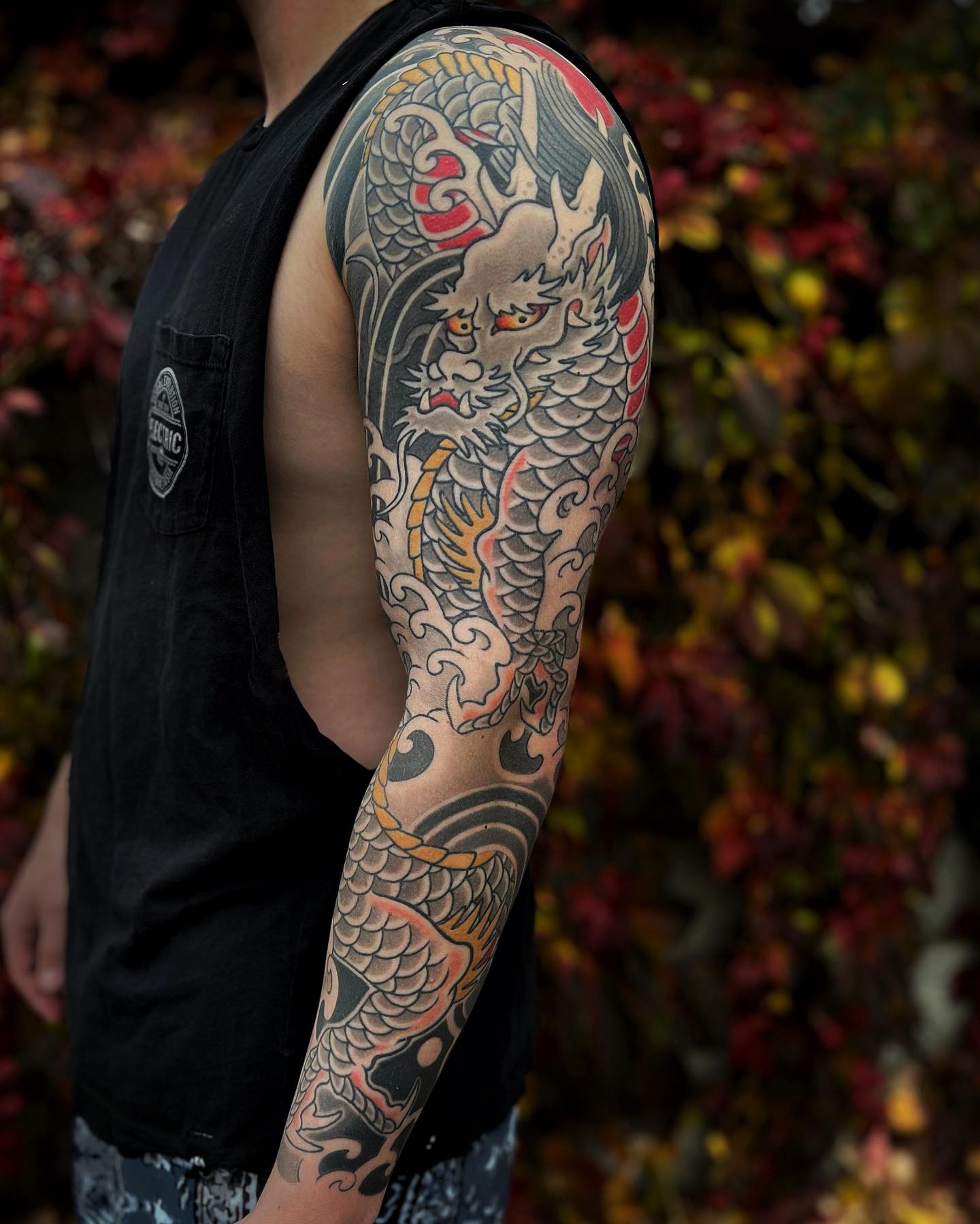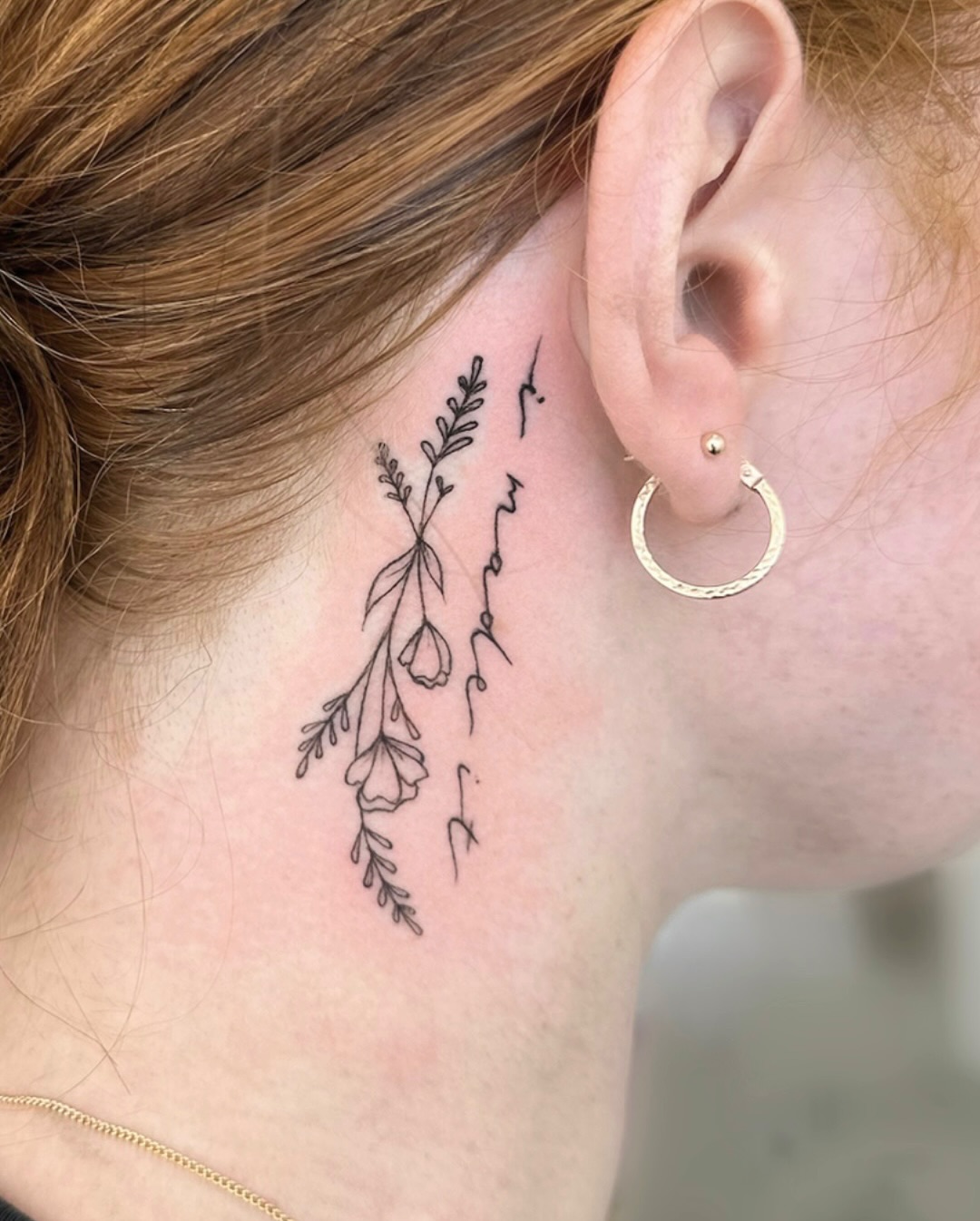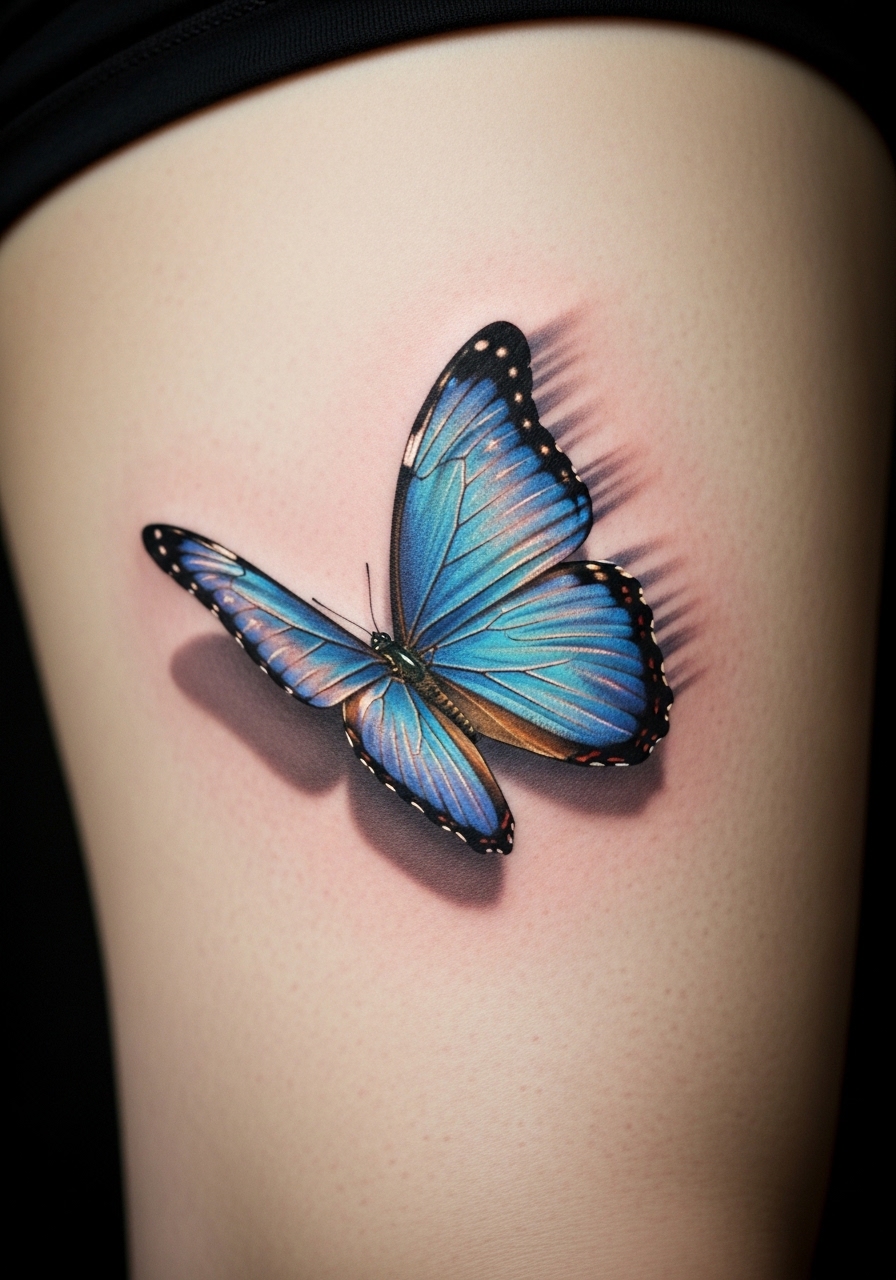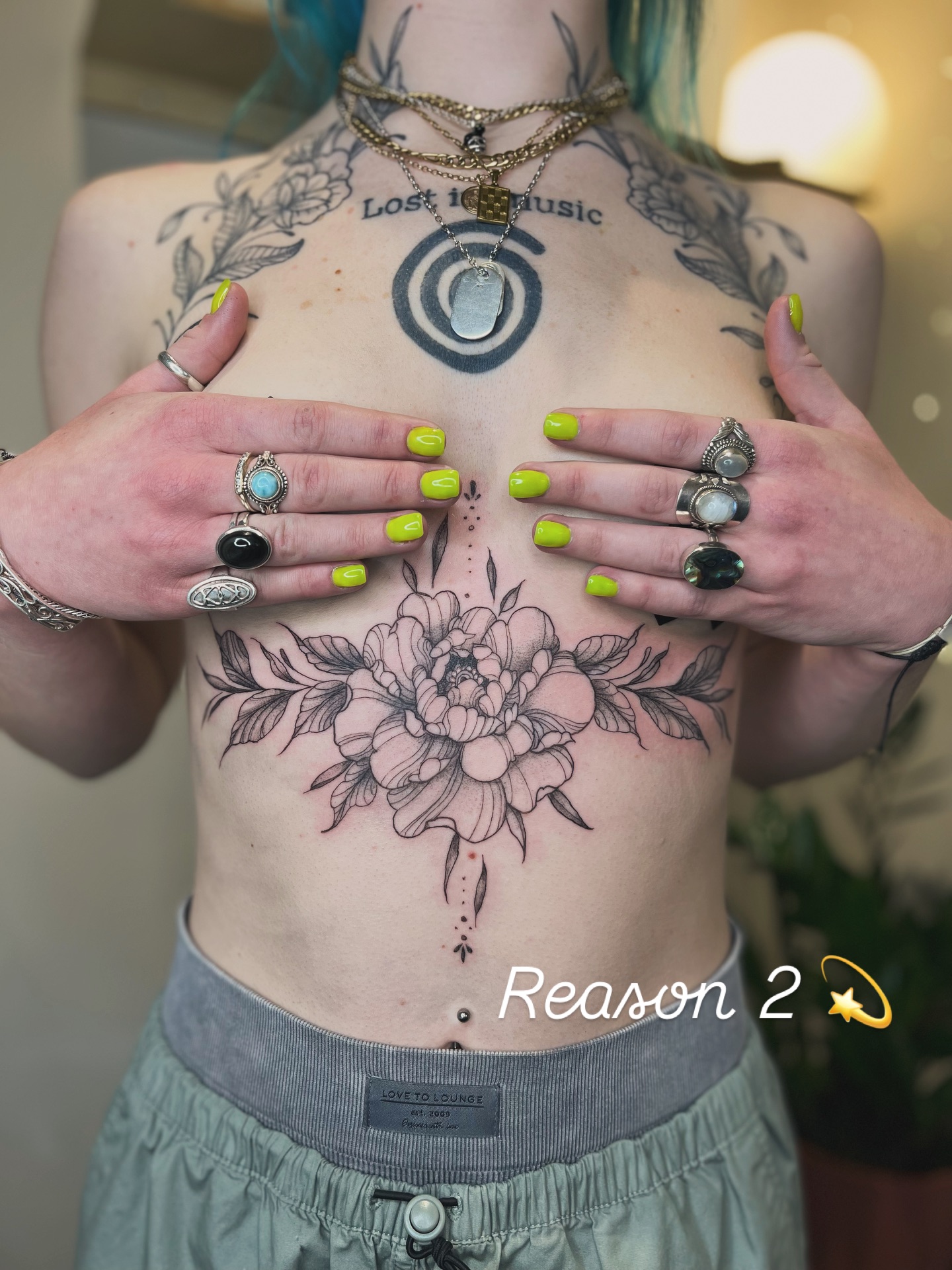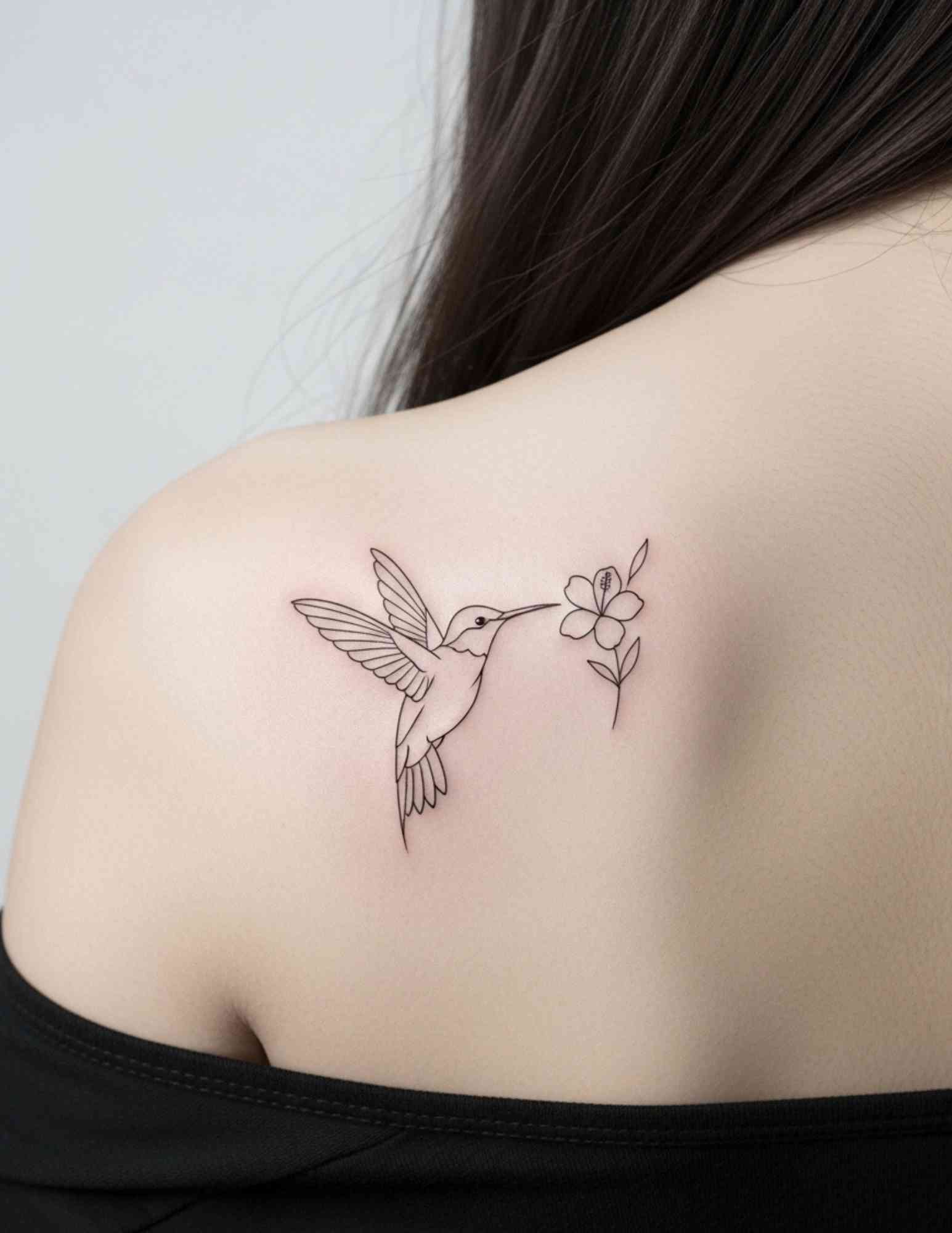
The shoulder is the most forgiving placement on the body for a small tattoo, and it is the one I recommend most often to women getting their first piece. It is visible in summer and covered by a sleeve in winter. It shows at a wide neckline and disappears entirely under a blazer.
That control is the whole appeal. You decide, most mornings, whether the tattoo is part of the outfit or not.
I have watched a lot of small shoulder pieces heal over the years, and the ones that still look sharp after five years share a pattern: simple shapes, deliberate spacing, and an artist who designed for a curved surface rather than a flat page. The ideas below are grouped with that in mind. If you want the wider view of the placement first, our guide to shoulder tattoos covers the larger designs too.
Here are 22 small shoulder tattoo ideas, plus the practical notes on placement, healing and artist selection that usually matter more than the design itself.
Which Shoulder Placement Is Right for You?
The shoulder is not one surface. It is four, and they behave differently under a needle and in a mirror.
| Area | Suits | Typical discomfort | Everyday visibility |
|---|---|---|---|
| Shoulder cap | Round, compact designs: blooms, moons, suns, mandalas | Low to moderate — good muscle coverage | Shows in a t-shirt sleeve or tank |
| Back of shoulder | Detailed fine line work, scripts, miniature portraits | Low — one of the easier spots on the body | Hidden unless the back is open |
| Front shoulder / collarbone edge | Small, delicate pieces designed to be seen | Moderate to sharp near bone | Shows at almost any neckline |
| Outer shoulder into upper arm | Slightly larger pieces, or designs meant to grow later | Low to moderate | Shows in short sleeves |
If you are torn, the back of the shoulder is the lowest-risk starting point. It hurts the least, it heals cleanly, and you can live with it privately for a while before deciding whether you want more.
Why the Shoulder Works So Well for Small Tattoos
Skin quality matters more than most people expect. The shoulder has a relatively even layer of fat and muscle underneath, so ink tends to settle predictably rather than spreading the way it can on thin, high-friction skin.
Compare that to fingers or the side of a foot, where small designs often need touching up within a year or two.
The shoulder also moves less than a wrist or an elbow. Less flexing means less line distortion as the piece ages, which is exactly what you want from something small and detailed.
The trade-off is curvature. A design that looks balanced flat on paper can skew once it is wrapped around the shoulder cap, which is why the stencil placement conversation matters as much as the drawing.
One more practical point: sun exposure. Shoulders catch a lot of direct sun in summer, and UV is the main reason fine line work fades early. That is a solvable problem, but it is a real one.
22 Small Shoulder Tattoo Ideas for Women
These are ordered roughly from most requested to most personal. Every one of them works at roughly two to four inches, which is the range where “small” still holds detail.
1. Single Flower Bloom
One rose, peony, ranunculus or wildflower head, placed at the shoulder cap so the curve of the shoulder echoes the curve of the bloom. It is the single most requested small shoulder tattoo I have seen, and for good reason: it is modest in size and still genuinely beautiful.
Fine line and soft botanical realism both hold up at this scale. What does not hold up is heavy internal shading crammed into a two-inch flower — it tends to blur together as the tattoo settles.
Ask your artist to keep the petal separations open. If you want more colour later, a single bloom is easy to expand into a small cluster.
2. Constellation
A small constellation in fine line dotwork, the stars connected by thin lines. Your birth sign, or the sky on a night that meant something.
The appeal here is that it reads as decoration to strangers and as a specific date to you. In my experience these age well because the composition is mostly negative space, so there is nothing to bleed into.
Ask for the dots to be placed slightly larger than feels necessary. Very small dots can soften considerably as the skin heals.
3. Delicate Butterfly
A fine line butterfly with the wings open, sitting on the shoulder cap or just behind it. The natural symmetry of the insect suits the rounded form, and the transformation symbolism needs no explaining.
It is a common design, which cuts both ways — plenty of artists can execute one well, and plenty of them look interchangeable. If you want yours to feel specific, ask for a real species rather than a generic silhouette.
Keep the wing patterning simple. Ornate internal detail is the first thing to soften on a two-inch butterfly.
4. Crescent Moon
A simple crescent in fine line, at the back of the shoulder or the cap. Clean, immediately readable, and about as low-risk as small tattoos get.
I usually suggest this to people who are nervous about their first piece. There is very little that can go wrong with a crescent, and it sits comfortably alongside anything you add later.
If the symbolism is the draw rather than the shape, a row of moon phases running along the shoulder line is the natural next step up in size.
5. Small Bird in Flight
A single bird with the wings spread, positioned as though it is lifting off the shoulder. The placement does half the work.
Both fine line and solid silhouette read clearly here. Silhouette is the more durable of the two — there is no internal detail to lose.
Avoid the flock of five shrinking birds unless you genuinely want it. The smallest birds in those sets are usually the first part of the tattoo to go soft.
6. Botanical Sprig
A lavender stem, a fern frond, a sprig of rosemary or olive. Fine line botanical work at the back of the shoulder is some of the quietest, most elegant tattooing available.
These age better than most delicate designs because the elements are spaced rather than clustered. Every artist I have asked about longevity in fine line says the same thing: spacing beats detail.
Herbs with personal meaning — a plant from a garden, a scent you associate with someone — turn a decorative piece into a specific one without changing the design at all.
7. Sun with Rays
A small sun, solid or outlined, with fine radiating lines. The shoulder cap’s curve suits a radial design better than almost any other placement on the body.
Rays are the part people get wrong. Too many, too thin, and they merge into a halo within a few years; fewer and slightly bolder holds the shape.
A sun on one shoulder and a moon on the other is a common pairing, and it works — just have both designed together so the weights match.
8. Trailing Vine
A thin vine with small leaves, curving over the shoulder and down toward the upper arm. It follows the body rather than sitting on top of it.
This is the easiest design on the list to extend. A vine can be lengthened years later without redrawing anything, which makes it a good choice if you suspect this will not be your only tattoo.
Ask for the stencil to be placed while you are standing, not seated. Vines that were mapped on a slouched shoulder can look oddly angled once you stand up straight.
9. Feather
A single feather in fine line or soft blackwork, at the back of the shoulder or running down the outer edge.
The detail question here is the barbs. Rendered too finely they blur; rendered with deliberate gaps they stay crisp and arguably look better.
There is a lot of range in this motif — our collection of feather tattoo ideas for women shows how differently it reads in blackwork versus fine line.
10. Anchor
A small anchor in simple, slightly bolder linework. Traditional in origin, and one of the few designs on this list that actually benefits from thicker lines.
Bold traditional shapes are the most durable tattoos there are. If longevity is your priority over delicacy, this style is the honest answer.
The meaning has broadened well beyond maritime — stability, grounding, holding on. It carries whatever you attach to it.
11. Geometric Triangle
A triangle: outlined, half-filled, or built from intersecting lines. Minimal, graphic, and open to whatever interpretation you want to give it.
Geometry is unforgiving of a shaky hand. Straight lines show every wobble in a way that organic shapes do not, so look specifically for clean geometric work in a portfolio before booking.
It also sits well next to future tattoos. A geometric anchor point gives an artist something to compose around if you add pieces later.
12. Dragonfly
A dragonfly with detailed wings, at the shoulder cap or the back of the shoulder. Less common than the butterfly and, to my eye, more interesting at small scale.
The wings are the whole design, and they are the hardest part. This is a piece where I would ask to see healed photographs rather than fresh ones.
In several traditions the dragonfly carries associations with change and adaptability, which suits a placement people often choose at a transitional moment.
13. Initial or Monogram
A single letter in a considered typeface, or two interlocking initials. Small, personal, and easy to place anywhere on the shoulder.
Script is deceptively difficult. A letterform that looks elegant on a screen at large size can close up entirely once it is two centimetres tall on skin.
Ask your artist to print the stencil at actual size and hold it against your shoulder before you commit. Fifteen seconds of checking prevents the most common regret with lettering.
14. Lotus
A lotus in symmetrical fine line, centred on the shoulder cap. The symmetry means it reads correctly whether someone is looking at you from the front or behind.
Because it is a layered flower, the same warning applies as with roses: keep the petal lines open rather than stacked tightly.
If you want to see the range in this motif before committing, our lotus flower tattoo designs guide covers the stylistic variations in more depth.
15. Arrow
A single arrow following the natural line of the shoulder. Direction, intent, forward movement — and visually, one of the cleanest small designs available.
Length matters more than decoration here. A long, thin arrow that follows the shoulder’s contour looks considered; a short stubby one tends to look like a placeholder.
Fletching detail is optional and often better left minimal. The most stripped-back version of this design is the one that holds its shape best over time.
16. Wave
A small wave in simple linework, often in the Japanese-influenced style with a curled crest. Three or four strokes, not twenty.
The restraint is the point. Wave designs that try to render foam and spray at two inches almost always turn into a grey smudge as they settle.
It pairs naturally with a moon or a sun if you want a small set rather than a single piece.
17. Script with One Word
One word, in a typeface you have actually looked at closely. A name, a value, a word in a language that matters to you.
I would push back gently on quotes and sentences at this size. Long text at small scale is the single most common thing people come back to have reworked.
One word, spaced generously, in a font with reasonable stroke weight. That is the version that still reads in a decade.
18. Hummingbird
A hummingbird mid-hover, wings blurred or detailed depending on the style. It is a demanding design at small scale and worth the extra effort to find the right artist.
This is the piece on the list I would most strongly recommend booking with a specialist rather than a generalist. The wing detail is where it either sings or fails.
Expect to pay more and wait longer for someone whose portfolio is full of miniature work. It is the correct trade.
19. Heart Outline
A simple heart outline, ideally drawn in a single continuous line. The most direct symbol available, executed with restraint.
Single-line versions age better than filled ones at this size, because there is no solid area to spread at the edges.
It is a good candidate for a matching piece with someone, if that is what you are after — the shape is simple enough that two artists can execute it consistently.
20. Sunflower
A sunflower head at the shoulder cap, facing upward. Warm, specific, and carrying its own symbolism of orientation toward light.
Colour at small scale needs saturation rather than shading. A flat, bold yellow will look better in five years than a delicately shaded one.
Yellow pigments do tend to fade faster than black under sun exposure, so this is a design where sunscreen genuinely changes the outcome.
21. Tiny Portrait
A miniaturised portrait of a person, a pet, or a place, at the back of the shoulder in fine line realism. Intimate without being on constant display.
The skill threshold here is high and the failure mode is unpleasant, so portfolio evidence matters far more than price. Ask specifically for healed miniature portraits.
If no local artist works at this level, waiting for a guest spot is a better plan than settling. This is not a design to compromise on.
22. A Design That Belongs Only to You
A symbol from your own history: a shape from a childhood object, a mark from a place, something that would need a long explanation and still not quite land.
Small shoulder tattoos are often the most private pieces people carry, precisely because the placement lets you choose who sees them.
Bring reference material rather than a finished drawing. Good artists are usually better at turning a story into a design than you expect, and the collaboration is part of the point. Our round-up of small meaningful tattoos for women is a useful starting point if you are stuck.
Variations Worth Considering Before You Book
Most of the decisions that change how a small shoulder tattoo turns out are not about the subject at all.
Micro versus small
Under about an inch and a half, most designs lose the detail that made you want them. If an artist suggests going slightly larger than you planned, that is usually a longevity argument rather than an upsell.
Fine line versus bold line
Fine line is what most of these ideas are drawn in, and it is beautiful. Bolder linework is less delicate and considerably more durable. Neither is correct — but it is worth knowing which you are choosing.
Black and grey versus colour
Black holds longest. Colour reads brighter and can lift a small design out of sameness, but it usually needs refreshing sooner, especially warm tones on skin that sees a lot of sun.
Single piece versus expandable
If you think this might become a half sleeve one day, say so at the consultation. Placement changes completely when a piece is designed as a starting point rather than a standalone, and pieces further down the arm — see our fine line sleeve ideas — are much easier to plan around from the beginning.
Aftercare and Practical Advice for Shoulder Tattoos
Shoulder pieces have one specific complication: clothing. Bra straps, bag straps and seams sit directly over the area, and friction during healing is the most common cause of patchy results here.
For the first week or two, plan around loose necklines and carry a bag on the other side. It is a small inconvenience that meaningfully affects how the piece settles.
Follow the aftercare instructions your artist gives you rather than anything you read online, including this. Keep the area clean, do not pick, and let it heal at its own pace — the American Academy of Dermatology publishes sensible general guidance if you want a second reference.
If you see spreading redness, swelling that increases after the first few days, discharge, or a fever, contact a doctor rather than your artist. Infections and allergic reactions to pigment are uncommon but real, and both need medical attention — the Mayo Clinic outlines the warning signs. This article is not medical advice.
Long term, sunscreen on the shoulder is the single highest-return habit for keeping fine line work crisp. Once the tattoo is fully healed, use it every summer without thinking about it.
Common Mistakes — and What to Do If You Are Still Not Sure
The most frequent one is choosing the design before choosing the artist. A style is easier to change than a booking, and the artist’s strengths should shape the drawing rather than the other way round.
The second is going too small. Almost nobody regrets an extra half inch; plenty of people regret detail that closed up.
The third is skipping the standing stencil check. Curved placements look different in a mirror than they do on a bench, and thirty seconds of checking prevents most placement regrets.
If you are still weighing the placement itself, it is worth comparing against neighbouring options: shoulder blade designs sit lower and hide more completely, while classy shoulder tattoos covers what the same placement looks like at a larger scale.
And if budget is the open question, our breakdown of how much a small tattoo costs explains why shop minimums matter more than size for pieces in this range.
Frequently Asked Questions
How much do small shoulder tattoos hurt?
For most people the shoulder is one of the more comfortable placements, because there is muscle and fat between the needle and the bone. The back and cap of the shoulder are usually the easiest areas; the front, near the collarbone, is sharper where the skin sits closer to bone. Pain is genuinely individual, so treat any ranking as a rough guide rather than a promise. If you are anxious about it, our tattoo pain management tips cover what actually helps on the day.
How long does a small shoulder tattoo take to heal?
The surface usually looks healed within two to three weeks, while the deeper layers typically continue settling for a couple of months. During that first stretch, friction from straps and seams is the main thing to avoid. Follow your artist’s specific aftercare instructions, since they know what they used and how they worked. If anything looks or feels wrong, ask a doctor rather than waiting it out.
Will a small shoulder tattoo stretch or distort over time?
The shoulder moves less than joints like the elbow or wrist, so distortion is generally minimal. Significant weight change or muscle gain can alter a design’s proportions, though at small scale the effect is usually modest. Sun exposure causes more visible degradation than movement does for most people. Fine line work in particular benefits from consistent sunscreen once healed.
What is the best size for a small shoulder tattoo?
Roughly two to four inches is the range where a design still holds its detail while reading as small. Below about an inch and a half, internal detail tends to close up as the tattoo settles. If your artist suggests going slightly larger, that is normally a durability recommendation. You can always place a small piece and add around it later.
Can I get a small shoulder tattoo as my first tattoo?
It is one of the placements I most often suggest for a first piece. The discomfort is manageable, healing is straightforward if you avoid strap friction, and you control who sees it day to day. Start with a design you would still choose in five years rather than one that is currently everywhere. And give yourself a few weeks between deciding and booking.
Quick Summary
- The shoulder is one of the most forgiving placements for small tattoos — low movement, even skin, and full control over visibility.
- Pick the area first: the back of the shoulder for detail and privacy, the cap for round designs, the front for pieces meant to be seen.
- Two to four inches is the sweet spot; below about an inch and a half, fine detail tends to close up as it heals.
- Spacing beats detail. Open linework ages far better than tightly packed shading at small scale.
- Choose the artist before the design, and ask specifically for healed photographs of small work.
- Check the stencil while standing, not sitting — curved placements read differently once you are upright.
- Avoid strap and seam friction for the first couple of weeks, and use sunscreen on the area for life.
- Spreading redness, worsening swelling, discharge or fever means a doctor, not a forum.