
All tattoos fade over time. This is a fact of biology: the ink lives in the dermis, but the body is always working to break down foreign particles, and exposure to sunlight degrades pigment. The question is not whether your tattoo will fade but how slowly. With consistent care, a well-executed tattoo on the right placement can look strong for decades. Neglected tattoos on sun-exposed skin can look washed out within a few years.
Tattoo fading prevention is mostly about what you do in the months and years after the ink is in. These are the practices that make the biggest difference.
Sun Protection Is the Single Biggest Factor
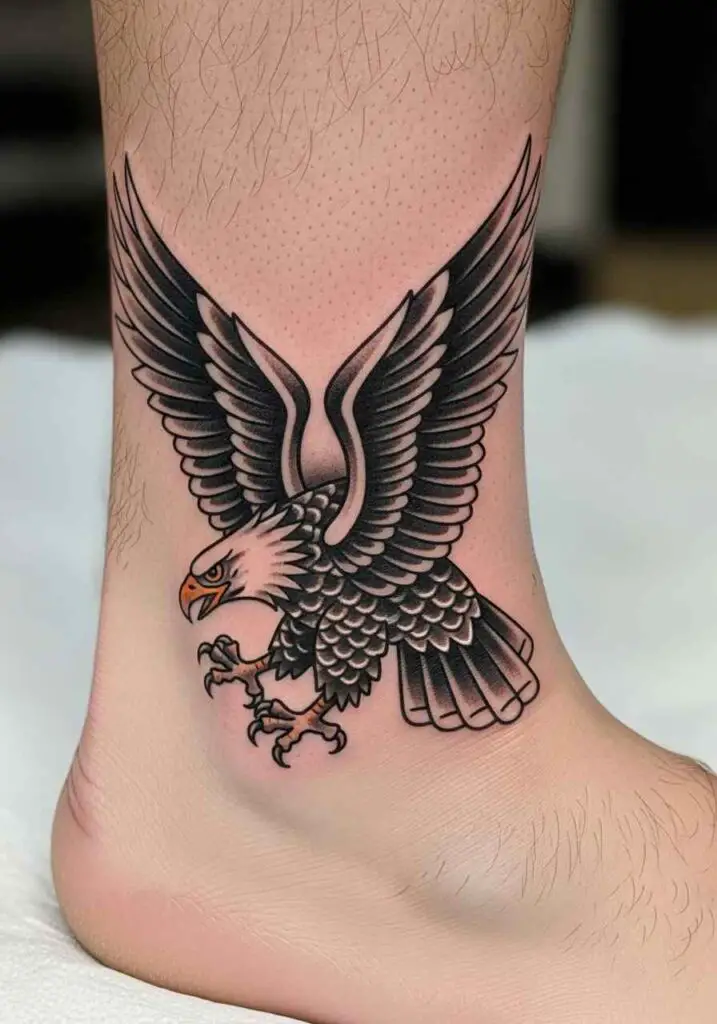
UV radiation is the primary cause of tattoo fading. The sun’s ultraviolet rays break down tattoo pigment the same way they bleach other dyes and colour molecules. This means that a tattoo on a sun-exposed area (outer forearm, shoulder, upper back, calf) will fade significantly faster than one on a sun-protected area (inner arm, ribcage, inner thigh) unless you actively protect the ink from UV exposure.
The most effective approach to sun protection for tattoos:
Apply a broad-spectrum SPF 50 sunscreen to any tattooed area that will be in the sun. This means applying it every day the tattoo will be exposed, not just at the beach. Daily incidental sun exposure adds up over months and years. The cumulative UV damage from driving, walking, and being outdoors without sunscreen is significant.
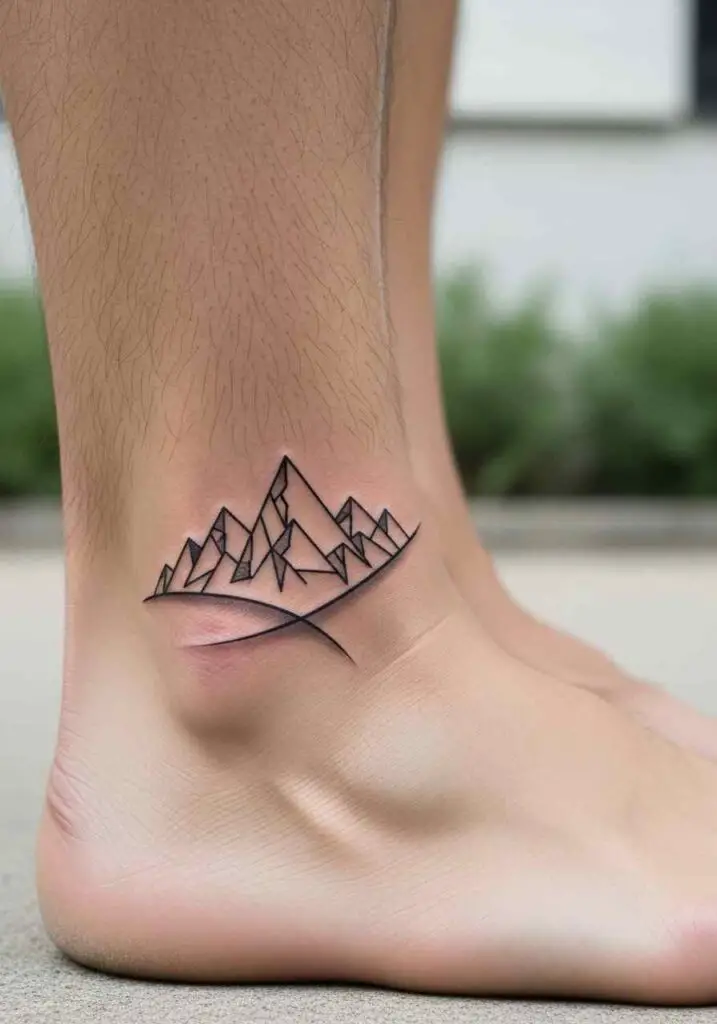
Reapply sunscreen every two hours when outdoors for extended periods. The SPF protection degrades with sweat, swimming, and time. A single morning application does not protect a tattoo through a full day outdoors.

Covering the tattoo with clothing when in direct sunlight is more effective than sunscreen alone. If you will be in intense sun for hours, a long sleeve or a wrap provides better protection than any topical product.
Wait until a fresh tattoo is fully healed before applying sunscreen to it. The healing skin cannot tolerate sunscreen during the first four to six weeks. During this period, keep the fresh tattoo completely out of the sun by covering it with clothing.
Keep the Skin Moisturised
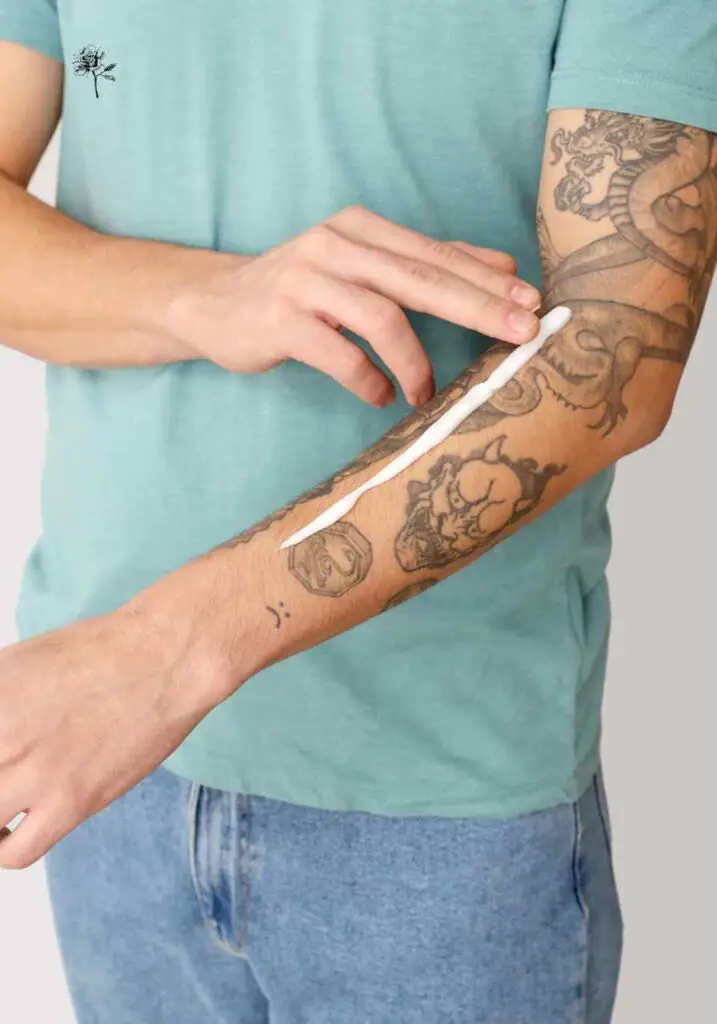
Dry skin makes tattoo ink look dull. Well-moisturised skin holds ink more vividly because the hydrated cells around the ink particles allow the colour to show through more clearly.

Apply an unscented moisturiser to your tattooed skin daily. The moisturiser does not need to be a specialist tattoo product: any fragrance-free body lotion or lotion with a simple ingredient list works. The key is consistency. Daily moisturising over years maintains the skin condition that allows the tattoo to look its best.
Avoid products with alcohol, strong fragrances, or exfoliating acids on tattooed areas. These can strip the skin’s natural oils and dry out the dermis layer where the ink lives.
Choose Your Placement Wisely
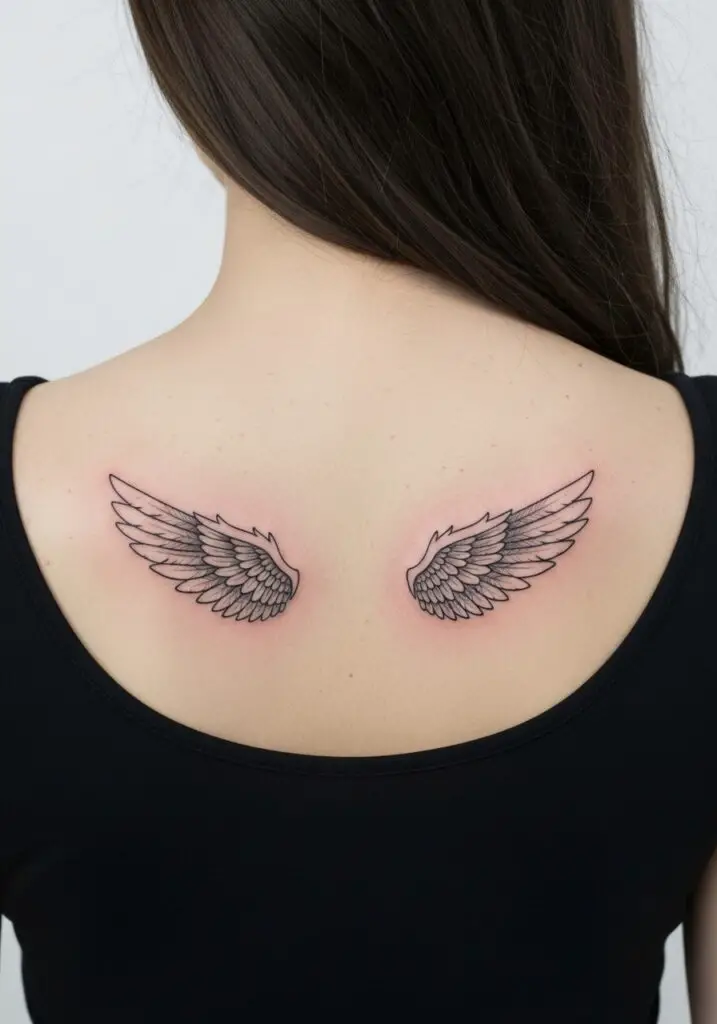
Some placements fade faster than others regardless of how well you care for the tattoo. High-friction areas (palms, fingers, the sides of the hands, the soles of the feet) experience continuous physical abrasion that breaks down ink faster than almost any other factor. Areas with frequent skin stretching (knuckles, inner elbows, backs of knees) also experience accelerated fading because the mechanical stress affects how ink sits in the dermis.
Sun-exposed areas (forearms, upper arms, calves, upper back) require consistent sun protection to maintain colour. Sun-protected areas (inner bicep, ribcage, inner thigh, behind the ear) naturally receive less UV damage and tend to hold ink better.
If longevity is your primary concern, factor placement into the decision. The most technically perfect tattoo on the palm of the hand will fade faster than a less technically executed tattoo on the ribcage.
The Healing Phase Sets the Foundation
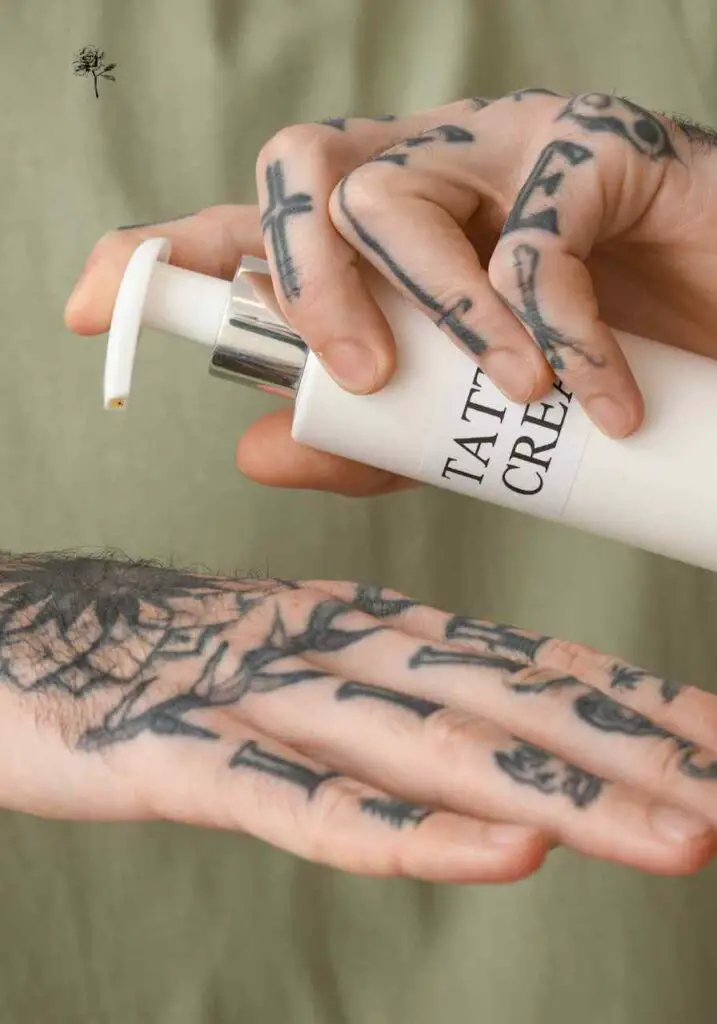
How you care for a tattoo in the first four to six weeks significantly affects how well it holds up long-term. Proper aftercare during healing ensures the ink settles correctly in the dermis and the skin heals without excessive scarring or patchiness that can affect the tattoo’s appearance permanently.
Follow your artist’s aftercare instructions specifically. Different artists recommend different approaches and the specifics of your tattoo (style, line weight, colour density) affect what healing care is optimal. If your artist recommends a specific product or approach, use it.
Avoid picking or scratching the tattoo during healing. The peeling phase is normal, but removing peeling skin before it is ready can pull ink out of the healing dermis. Let it shed naturally.
Stay out of swimming pools, the ocean, and hot tubs for the first four weeks. Immersion in water during healing can leach ink from the wound and introduce bacteria.

Stay Hydrated and Maintain Skin Health
Overall skin health affects how tattoos look. The skin around the ink is what allows it to appear clearly. Dehydration makes skin look dull and tight, which affects the appearance of the tattoo. Staying well-hydrated, eating a diet that supports skin health, and protecting the overall quality of your skin benefits your tattoos as a side effect.
Weight Changes and Skin Elasticity
Significant weight changes stretch the skin and can distort tattoo designs, particularly detailed work or designs with specific proportions. Rapid weight gain or loss affects the skin’s elasticity and can permanently change how a tattoo sits. This is not a reason to avoid tattooing, but it is worth factoring into placement decisions. Areas that experience the most significant size changes with weight fluctuation (abdomen, upper arms, thighs) are more vulnerable to distortion than areas with less adipose tissue.
When to Get a Touch-Up
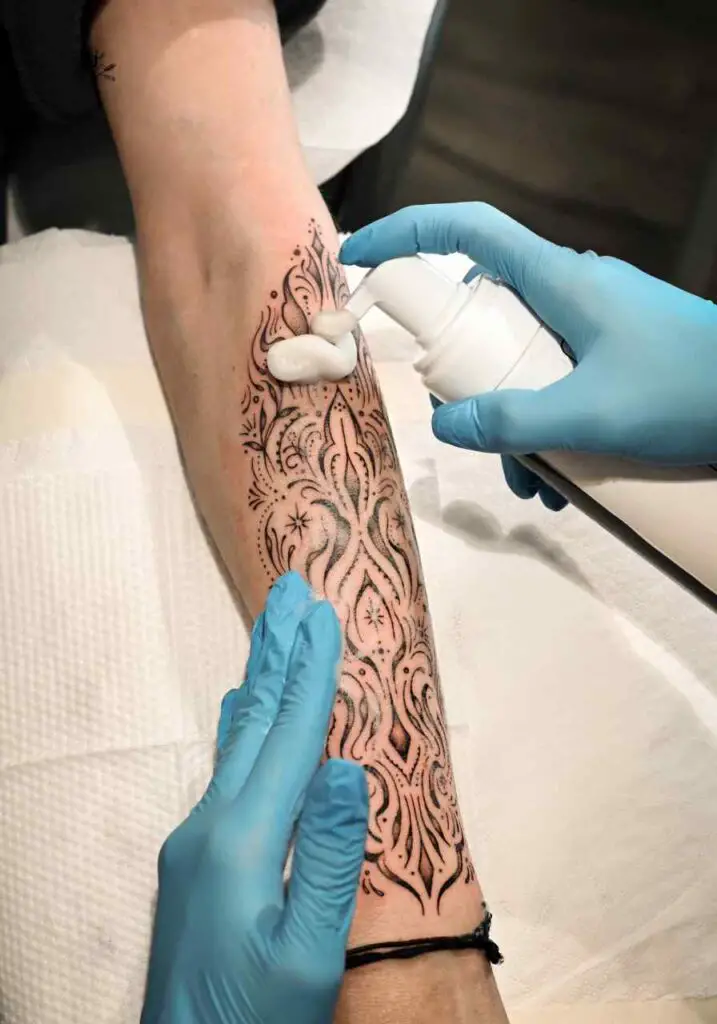
Even with excellent care, some fading and settling is normal over years. A tattoo touch-up can restore vibrancy to areas that have faded. Most artists recommend waiting at least a year before considering a touch-up on a new tattoo to allow the ink to fully settle. After that, touch-ups can address specific areas of fading without redoing the full piece. Ask your artist about their approach to touch-ups before booking: some artists include touch-ups in their original price for a limited time, others charge for them separately.
Summary
The most effective tattoo fading prevention practices are: daily SPF 50 sunscreen on exposed ink, daily moisturising, careful placement away from high-friction and high-UV areas, proper aftercare during healing, and staying out of prolonged direct sunlight. These practices do not eliminate fading entirely but they substantially slow it, keeping ink looking strong for significantly longer than unprotected skin in the same conditions.