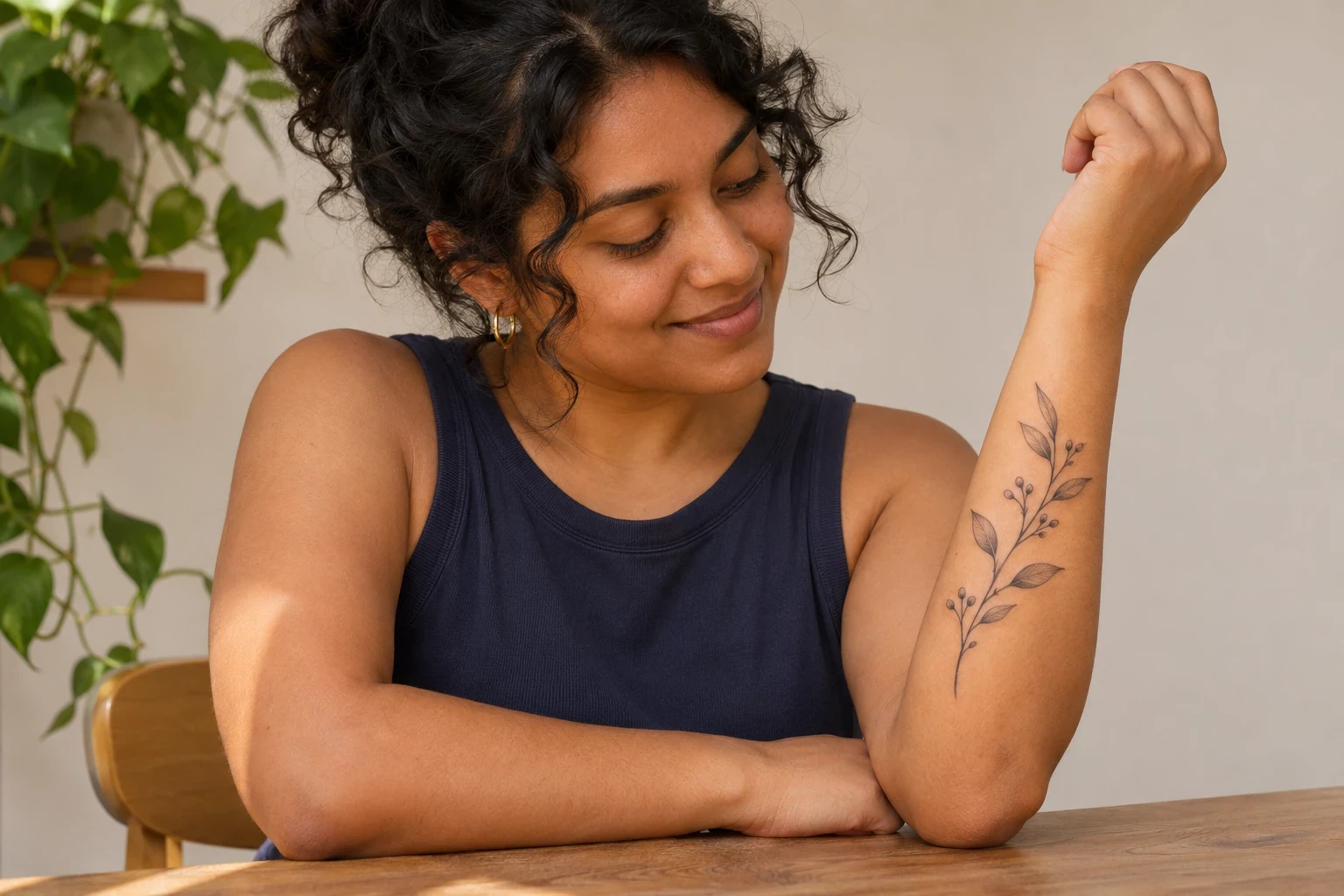
People get tattoos to remember someone, express a belief or interest, share a connection, mark a change, or enjoy a piece of art on their skin. Those reasons often overlap. A tattoo can have a private story, a simple visual appeal, or both—and its appearance doesn’t tell a stranger which reason matters most.
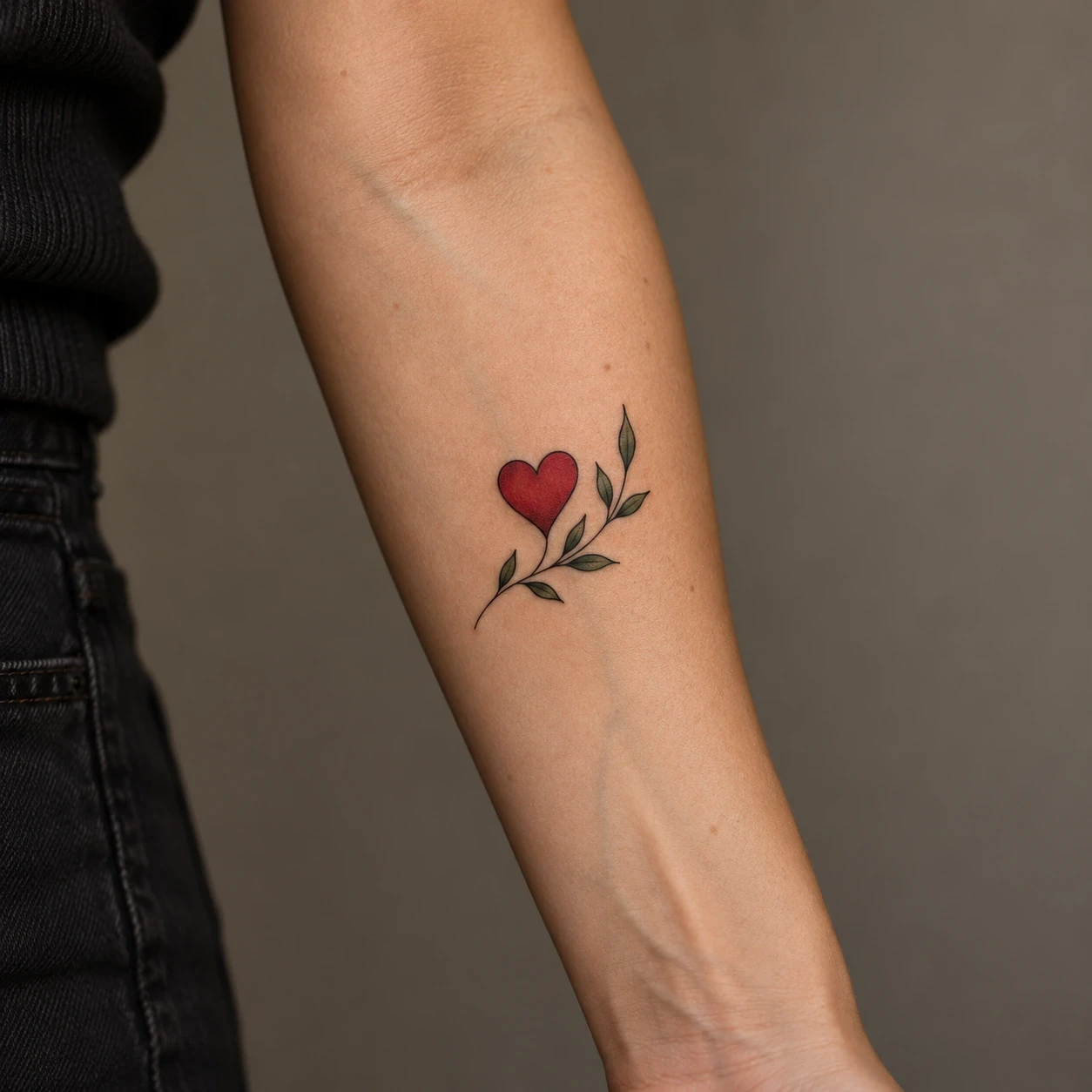
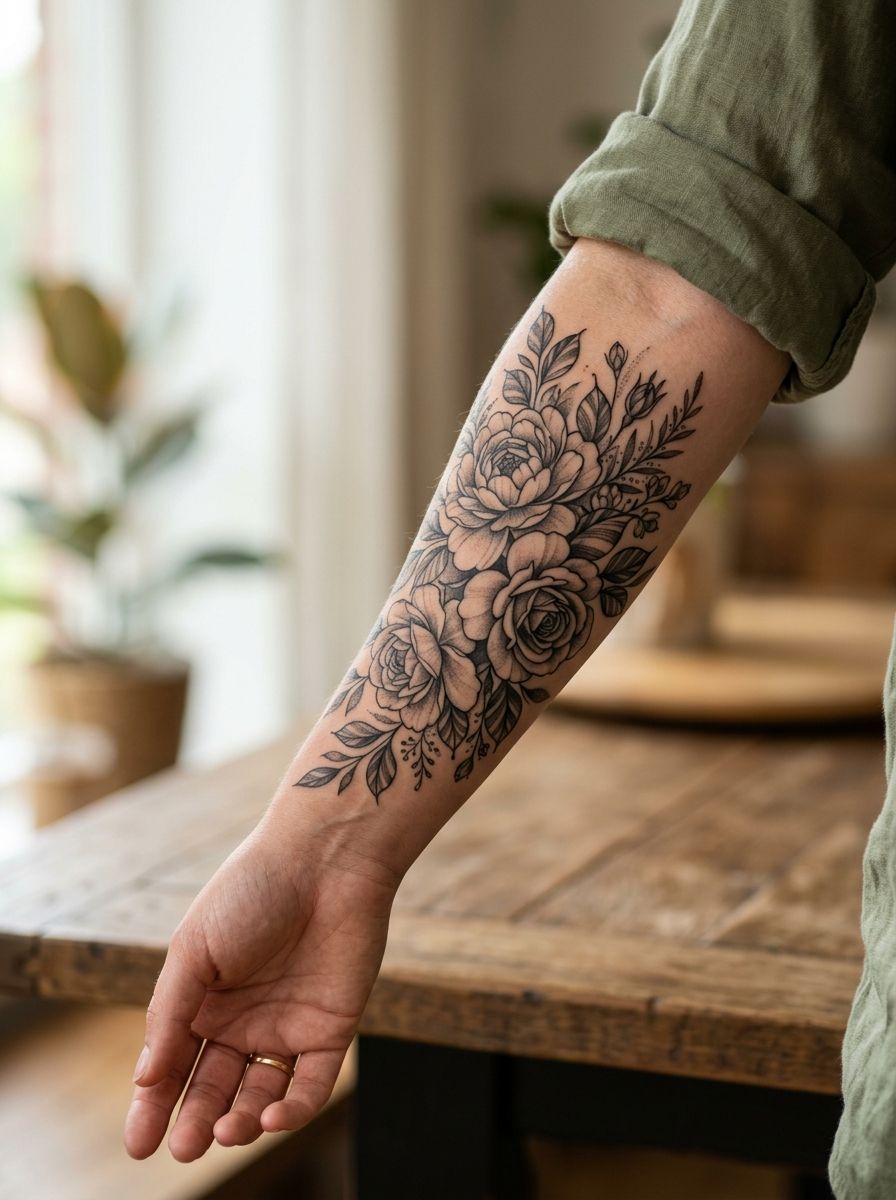
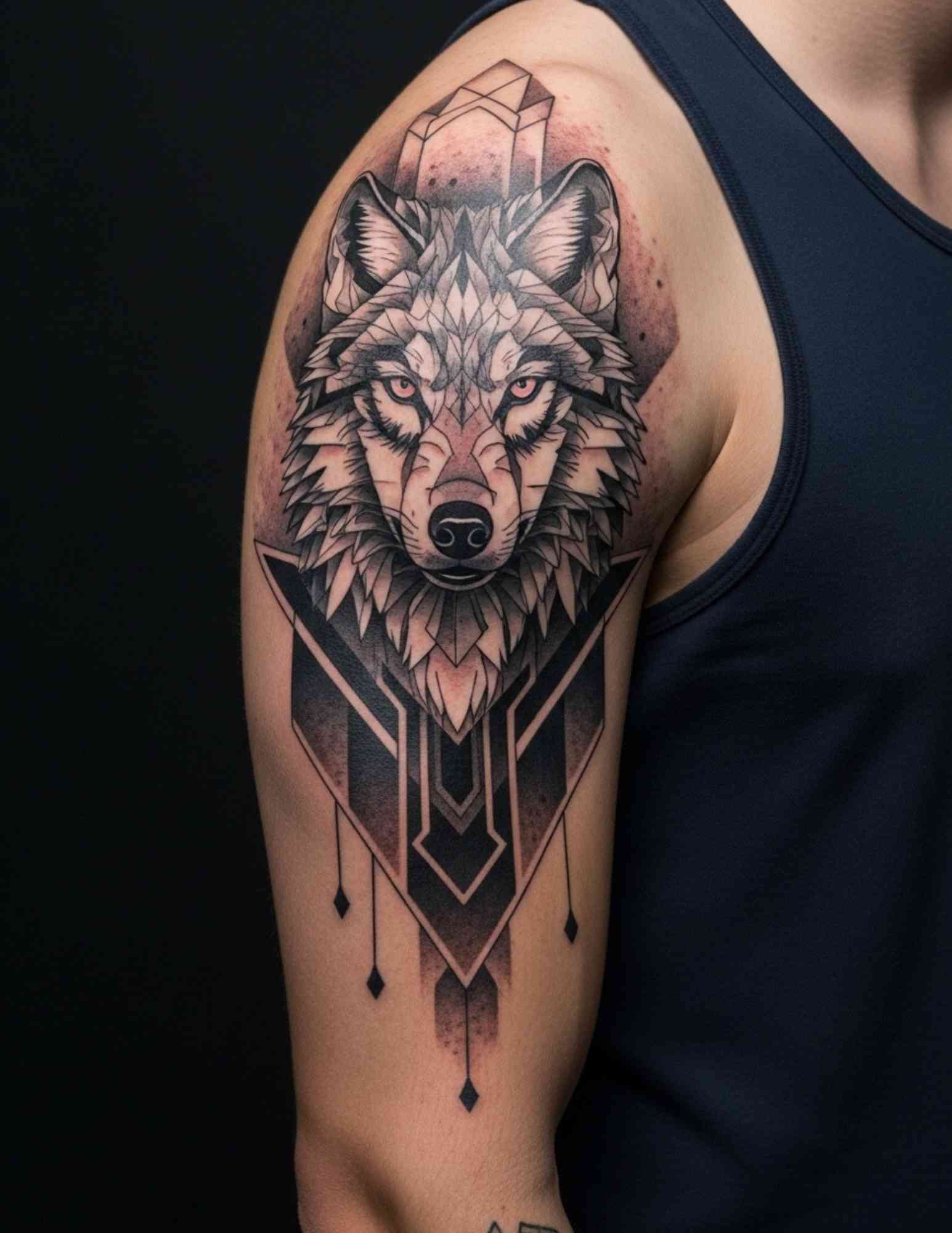
This guide looks at what research can tell us about motivation and how those reasons can shape a design. The images are AI-generated educational concepts showing tattoo mockups on fictional adults. They illustrate possible design choices; they are not accounts of real people or their reasons for getting tattooed.
What does research say about the reasons?
In Pew Research Center’s July 2023 survey, 69% of tattooed U.S. adults said remembering or honoring someone or something was a reason for at least one of their tattoos. Making a statement about a belief was a reason for 47%. The survey included 8,480 U.S. adults overall; these figures refer to those with tattoos. Respondents could have more than one reason, so the categories should not be added together.
That is one country’s survey at one point in time, not a worldwide ranking of motives. It also asks about the person’s reasons for any of their tattoos, rather than assigning one meaning to every piece they wear.
A separate study of 302 tattooed dermatology patients found that independence, feeling better about oneself and appearance were prominent motivations. This was a particular patient sample, not a representative survey of all tattooed people. Together, the studies show why a single explanation such as “everyone wants to stand out” is too narrow.
Remembrance can start with an ordinary detail
A memorial tattoo doesn’t need a name, date or portrait. A dog’s familiar posture, a flower from someone’s garden, a favorite cup or a line from a handwritten note can be enough. Someone else may see a pleasant image without knowing the memory behind it.
If you’re choosing a remembrance design, separate the part that matters from the parts you can simplify. For a pet, the shape of the ears may feel more important than every hair. For an object, its outline may be what makes it recognizable to you.
Self-expression can be specific or open-ended
An interest in hiking, music, a craft or a fictional world can give a tattoo a subject. A belief can be expressed through an image rather than a slogan. The point might be to show something to other people, or to keep a reminder where the wearer can see it.
A person’s interests can also change without making an older tattoo meaningless. It may still represent a time in their life or an artist they were excited to work with. That is different from assuming every tattoo is meant to make a permanent statement about a fixed identity.
Connection doesn’t require identical tattoos
Friends, partners or family members may choose a shared shape, two related images or different drawings based on the same memory. A small star can be a shared reference without announcing who it connects to.
For a shared design, each person still has their own choices to make about size, placement and style. It is useful to ask whether you would enjoy your version as a piece on its own, as well as part of the pair.
Liking the artwork is a reason too
Some people choose a tattoo because of its line, color, rhythm or placement. They may admire an artist’s work and want to give that artist room to design. The visual pleasure of a tattoo does not need an elaborate story to justify it.
Art and personal meaning can coexist. An abstract curve might simply fit the shoulder beautifully, or it might remind the wearer of a place. Neither explanation is something an observer can settle by looking.
A small subject can hold a private memory
A dog portrait is one possible way to remember an animal, but it can also be chosen simply because the wearer likes dogs. The image alone doesn’t establish the reason.
An interest can become a simple shape
Mountain peaks and a trail can suggest a hobby or place without needing a complete landscape. Decide whether the recognizable location or the overall shape matters more to your design.
A shared symbol can stay understated
Two small stars illustrate how a shared reference might work. Each person can choose their own placement and size while keeping the same basic shape.
Color and composition can be the point
An abstract design can be selected for how its shapes sit together. It doesn’t need to represent an object or carry a message to be a considered choice.
A consultation turns the reason into a drawing
Comparing two sizes can help separate the story you want to carry from the detail a tattoo needs to show. Use the consultation to ask what the artist would simplify.
A milestone can be a starting point, not a deadline
A move, graduation, anniversary or new chapter can prompt someone to think about a tattoo. The event provides a reason to begin exploring; it doesn’t require the appointment to happen on that exact date.
Try translating the occasion into a visual brief: the feeling you want, one or two subjects, the size you’re considering and any detail you want to preserve. Then let the artist explain what will work as a tattoo. A long personal story may lead to a simple drawing.
Questions that make the choice clearer
- Am I choosing a subject, an artist’s style, or a specific memory?
- Which detail would I miss if it were left out?
- Do I want other people to recognize the reference?
- How does the design look at two different sizes on my skin?
- Would I still enjoy it if I chose to keep its story private?
For visual starting points, browse our memorial tattoo ideas or minimalist tattoo ideas. Before an appointment, read the tattoo aftercare guide and ask the artist what their own instructions will involve.
Common questions
Does every tattoo need a deep meaning?
No. Enjoying the artwork or the way it fits a placement can be enough. You can also have a personal reason without wanting to explain it to anyone else.
Do people get tattoos for attention?
Visibility may matter to some people, but it is not a universal explanation. A visible tattoo can still have a private meaning, and a covered tattoo can still be chosen for its appearance.
Can you tell someone’s personality from their tattoos?
A design by itself is not enough to know someone’s personality, beliefs or history. Research about groups describes patterns in those samples; it doesn’t explain an individual’s tattoo for them.
What is a respectful way to ask about a tattoo?
A simple “I like the design—would you like to tell me about it?” leaves room for a short answer or no story at all. Don’t assume a memorial, relationship or difficult experience, and don’t touch someone’s tattoo to examine it.