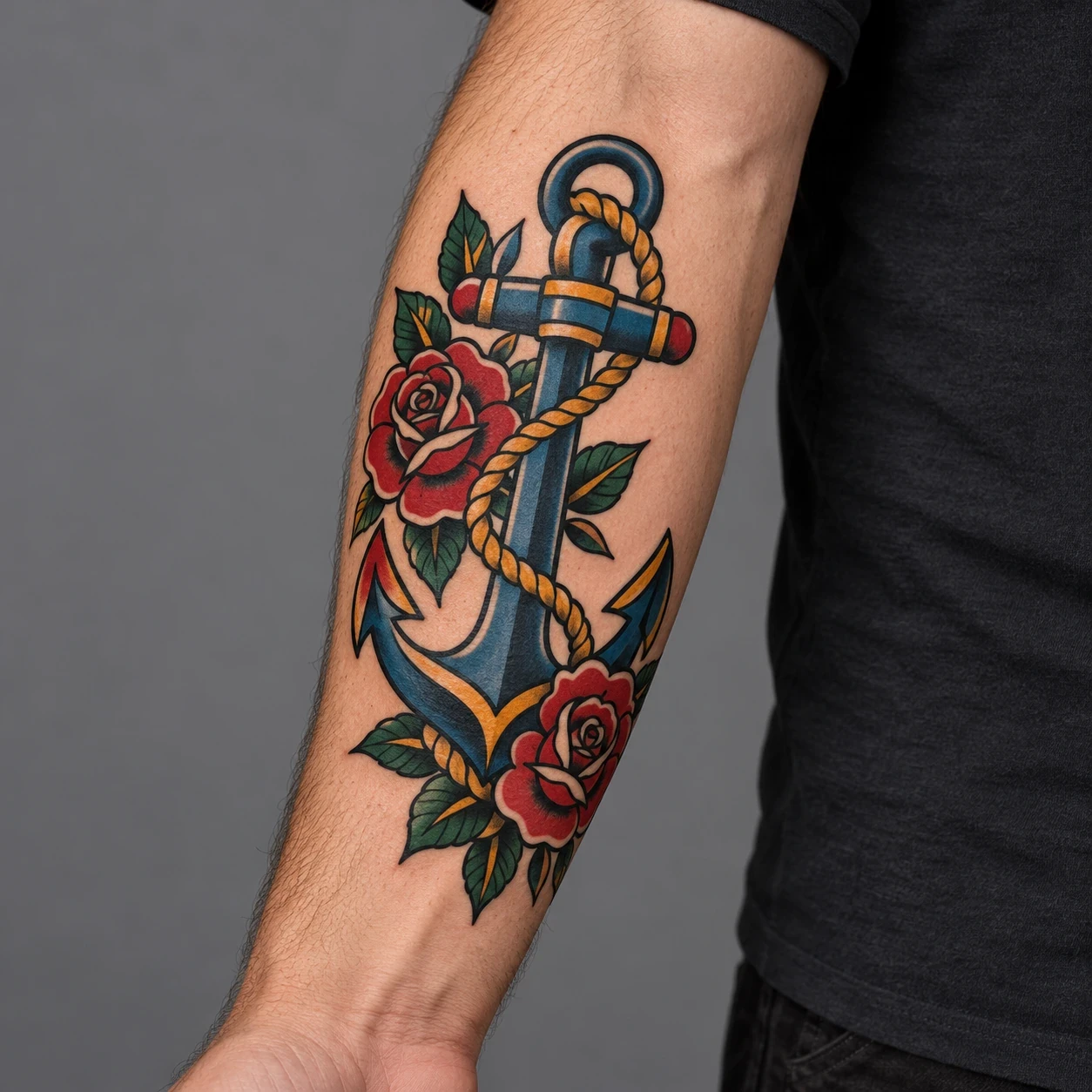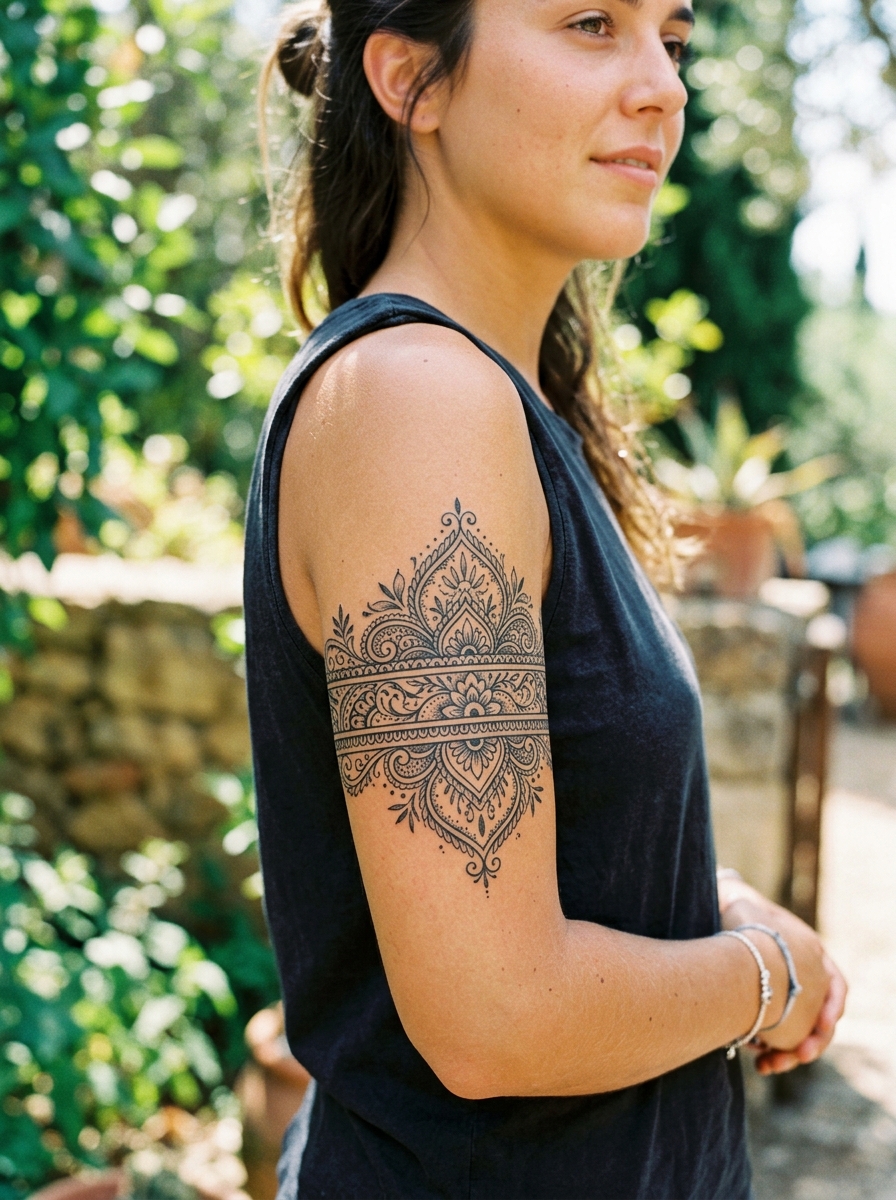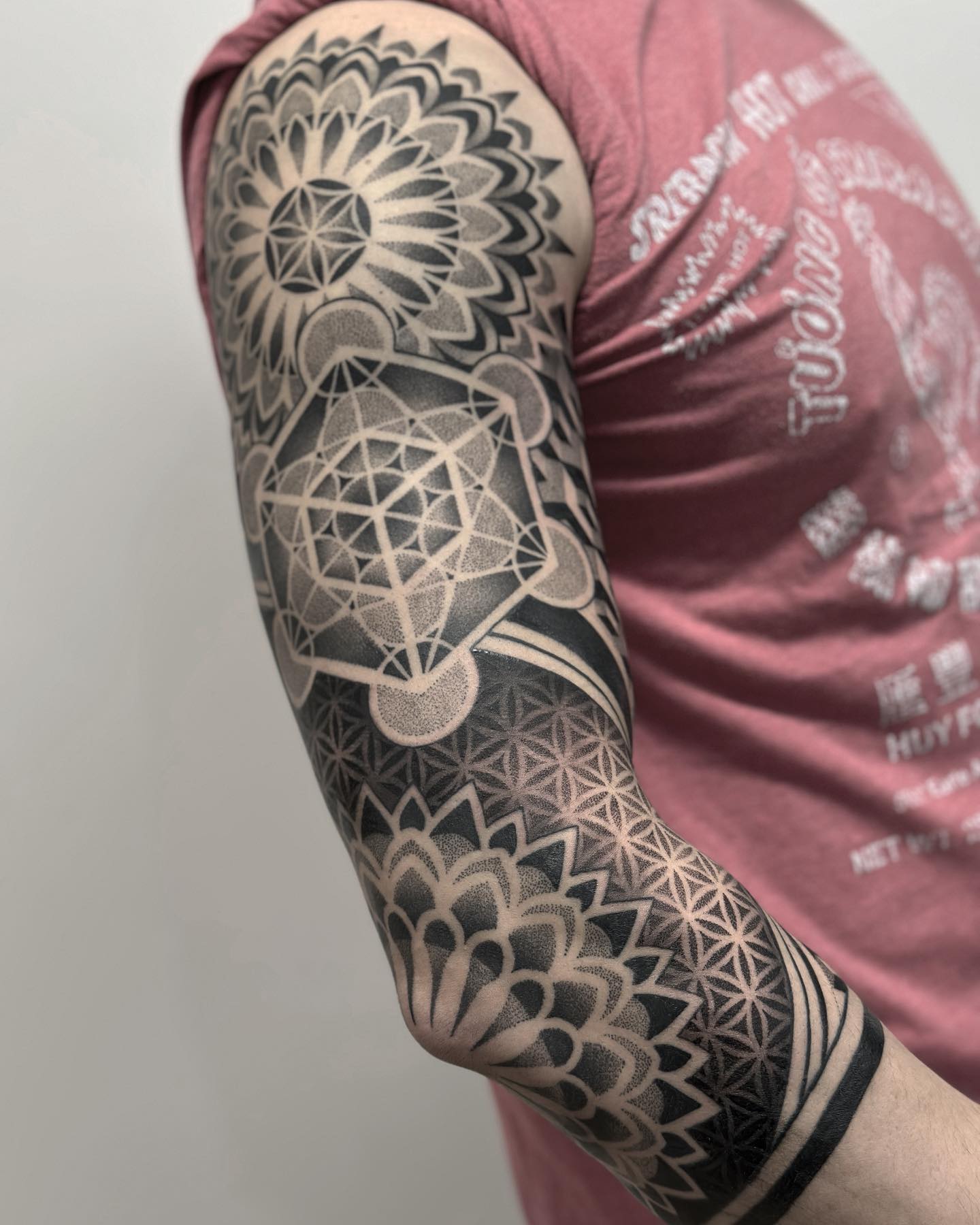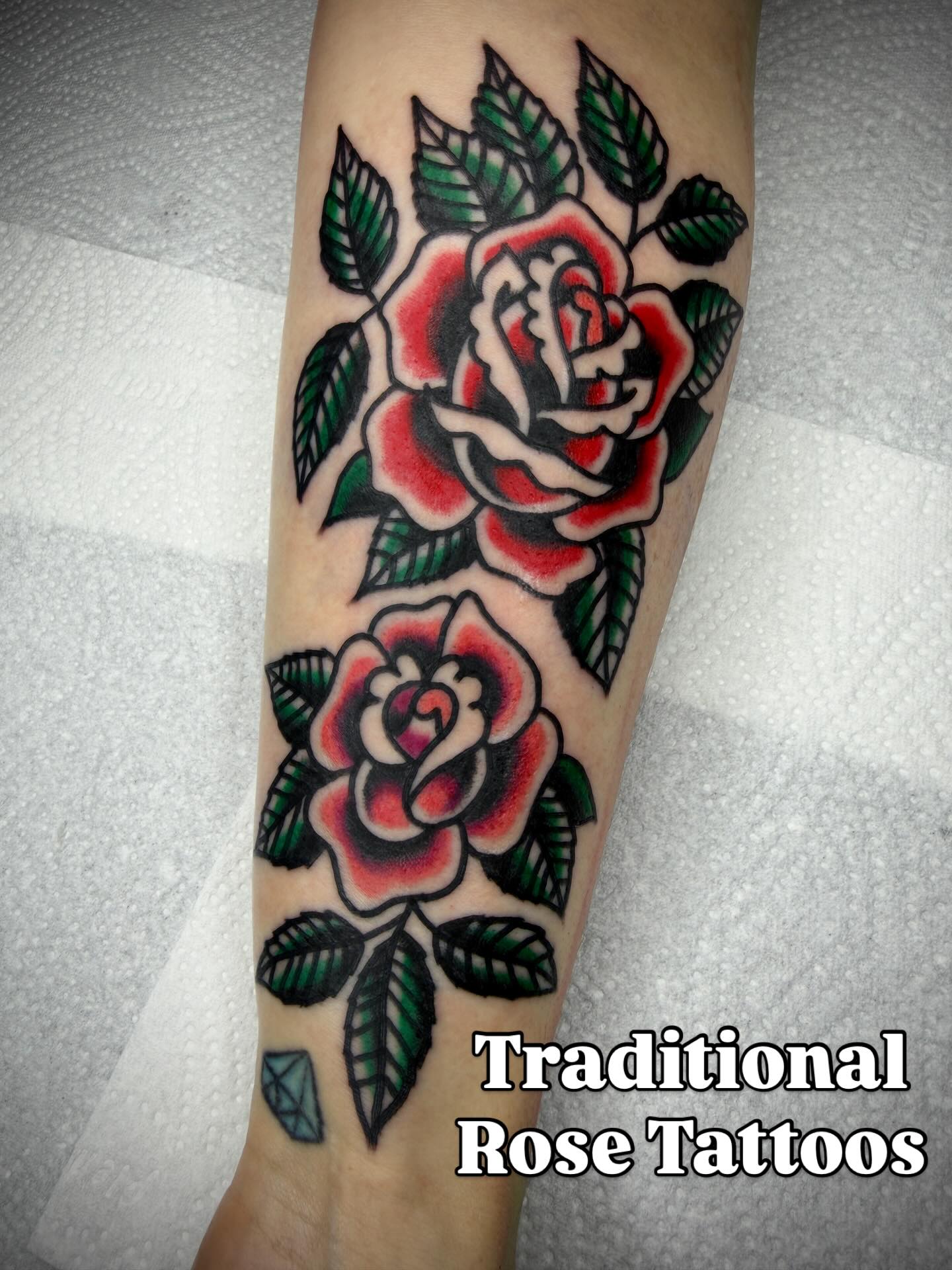
The predominant Sunni scholarly position treats permanent tattooing as haram, while some Shia authorities permit tattooing subject to conditions. There is therefore a meaningful difference between asking for the majority ruling and claiming that every Muslim scholar gives the same answer.
This guide compares Egypt’s Dar al-Ifta with the published rulings of Ayatollah Ali al-Sistani. It also separates getting a new tattoo from having an existing one, temporary decoration, ritual washing and prayer. It reports those authorities’ positions rather than issuing a personal religious verdict. Sources checked 9 November 2026.
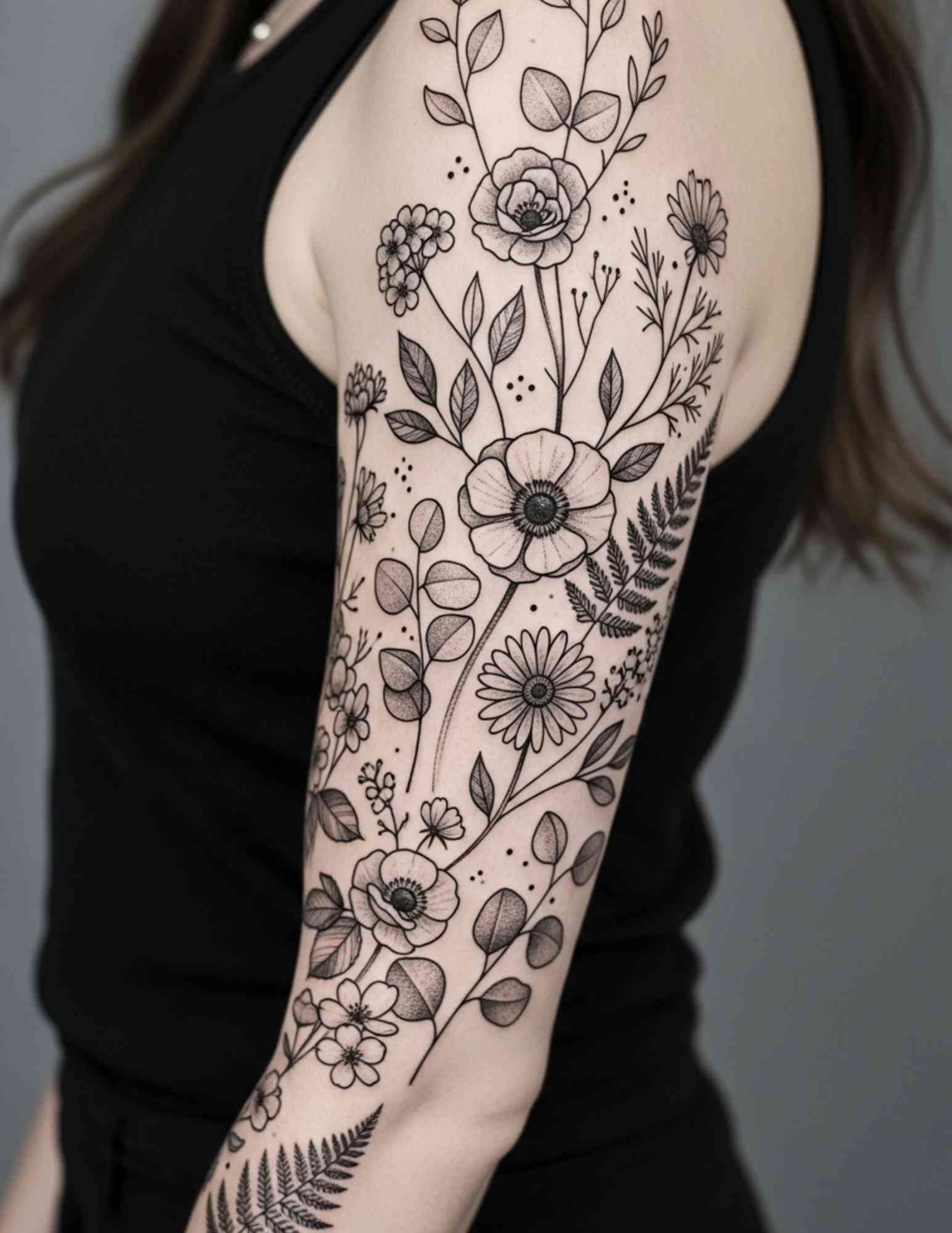
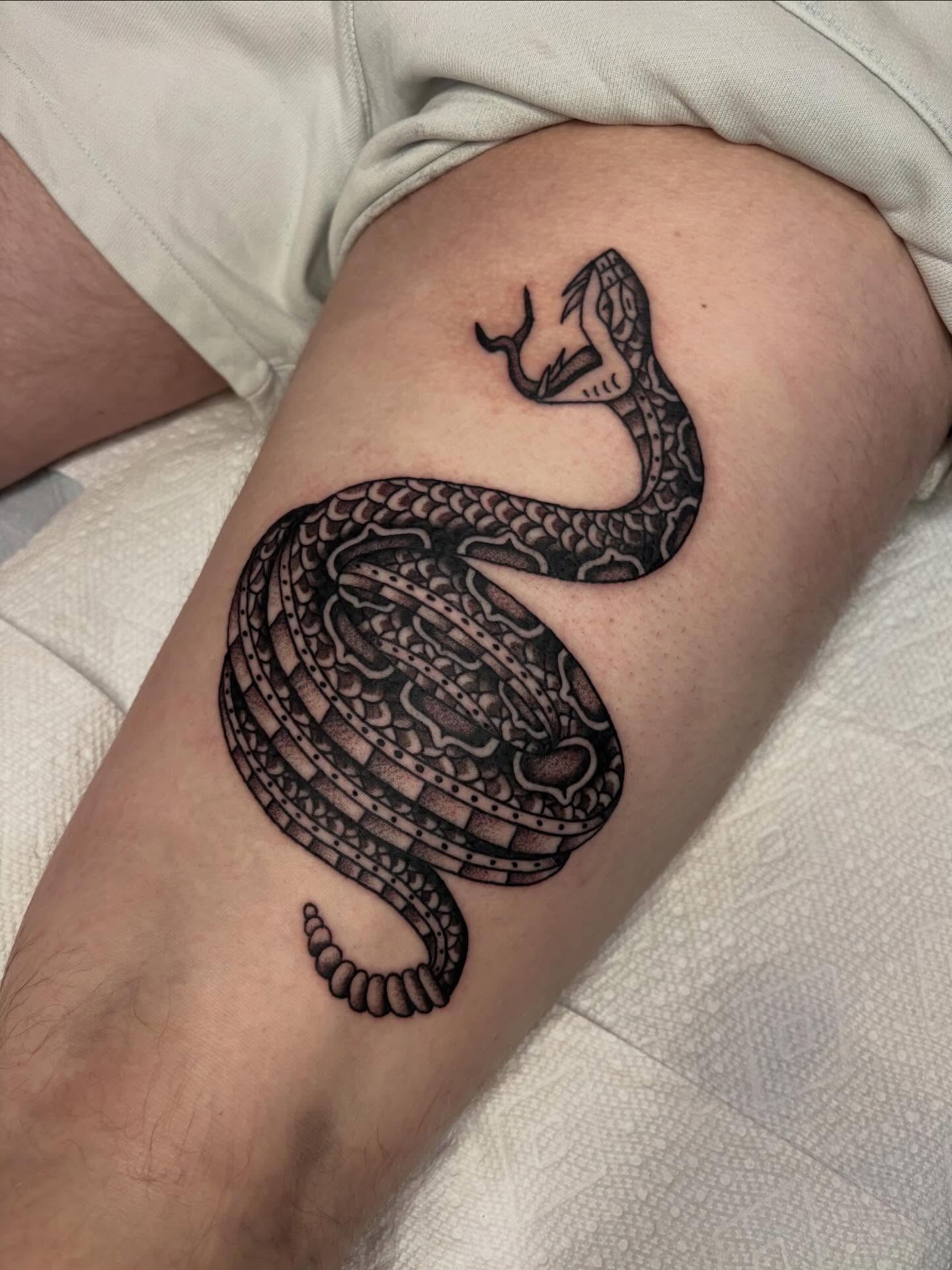
Image disclosure: All images are AI-generated educational illustrations, not real or healed client tattoos, religious manuscripts, or examples approved by a scholar.
Why the answer depends on the question
“Can Muslims get tattoos?” usually asks whether arranging a new tattoo is religiously permissible. “Can Muslims have tattoos?” may instead concern a tattoo acquired years ago, a person considering Islam, or whether worship is affected. Those situations should not be collapsed into one yes-or-no answer.
For a useful answer, identify the authority or school you follow, the procedure involved and the particular religious concern. A label such as temporary, cosmetic or semi-permanent does not explain what happens to the skin.
The predominant Sunni position on permanent tattooing
In Men getting tattoos, fatwa 10762, dated 18 February 2016, Egypt’s Dar al-Ifta reports the majority prohibition of permanent tattooing that punctures the skin and introduces lasting dye. It presents the question as applying to men as well as women, despite the wording of commonly cited reports referring to women.
A central textual reference is Sahih al-Bukhari 5937, Book 77, Hadith 152. The report attributed to Ibn Umar condemns both the woman performing tattooing and the woman receiving it. This is a hadith report, not a Quran verse. Its reference allows readers to check the full text rather than relying on a detached social-media quotation.
Dar al-Ifta discusses harm and religious impurity in its reasoning. These are part of its legal and theological explanation; the article is not making a clinical diagnosis about tattooed skin. Its ruling on a new permanent procedure should also be distinguished from its guidance on someone who already has a tattoo.
A different Shia ruling: Ayatollah al-Sistani
The official website of Ayatollah Ali al-Sistani says in its tattoo Q&A that tattooing beneath the skin is permissible in itself and does not affect wudhu, ghusl or prayer. A separate answer concerning a man’s tattoo adds that it must not promote falsehood or involve another religiously objectionable act, while saying avoidance is generally better.
This is an example of a significant difference in legal judgment, not permission to assume that every Shia authority or every possible design receives the same ruling. Readers following a particular marja should check that authority’s own guidance and the details of their case.
Having an existing tattoo is a separate question
Dar al-Ifta’s Buying and selling removable tattoos, fatwa 10496, dated 24 August 2015 also addresses existing permanent tattoos. It discusses repentance and distinguishes removal from removal that would cause bodily harm. It states that removal is impermissible when it requires injury or harm, and that prayer with a tattoo is permissible in the circumstances it discusses.
That guidance prevents a blanket claim that everyone with a tattoo must immediately undergo removal or cannot pray. It also does not turn this article into an assessment of someone’s obligations. Ask a qualified scholar about an existing tattoo and a qualified clinician about any proposed treatment; do not attempt removal on the basis of an online summary.
If you acquired tattoos before considering Islam, explain that timing when seeking advice. A discussion about the permissibility of commissioning new work should not be used as a shortcut for judging another person’s faith or excluding them from a conversation about worship.
1. Read the actual ruling, not only its headline
Write down the institution, scholar, date and reference. Check whether the answer concerns permanent tattooing, removable decoration, cosmetic work or an existing tattoo. Similar headlines can answer different questions.
The blank reference-book illustration represents reading and checking sources. It is not a religious manuscript and contains no scripture. The linked rulings above are the sources for the positions described.
2. Check the procedure behind the word temporary
Dar al-Ifta distinguishes removable surface decoration from needle-based permanent tattooing. Its 2016 answer permits removable decoration under stated conditions, including avoiding harm and impurity; its 2015 answer describes drawing on the surface without puncturing the skin.
Before asking about a particular product, obtain its ingredients and application method. Do not assume every transfer, cosmetic procedure or product sold as semi-permanent falls into the same religious category. This illustration of a paper transfer does not endorse a product.
3. Separate ritual washing from permission to get tattooed
In al-Sistani’s published Q&A, a temporary marking that is only color and forms no physical layer or barrier does not invalidate wudhu or ghusl. The same page separately addresses tattoos beneath the skin.
The distinction to explain in a question is whether there is a surface layer, not merely whether a color is visible. A ruling about washing does not automatically answer whether a design, placement or procedure is otherwise permissible. Water drops in an illustration cannot establish ritual validity.
4. Prepare the facts for a scholar
State whether the tattoo already exists or is planned, when it was acquired, what it depicts, where it is placed and how the procedure or product works. Specify whether you are asking about new tattooing, washing, prayer or removal.
If your concern involves treatment, explain any clinical advice without trying to diagnose the risk yourself. Keep religious guidance and medical assessment connected to the actual question rather than substituting a comment thread for either.
Questions worth asking directly
A clear question might be: “I follow this authority, already have this tattoo, and want to know whether it affects washing or prayer.” Another might be: “This product leaves a surface film; what must I do before washing?” These are more precise than asking whether a person with any visible ink is allowed to practise their religion.
If a tattoo includes religious writing, an image or a phrase whose meaning you do not understand, disclose that detail. Do not use a general ruling about a procedure as approval of every possible subject or placement.
Related reading about design and planning
Our minimalist tattoo gallery and initials tattoo ideas are visual planning resources. They do not establish religious permissibility, and their inclusion here is not a recommendation to proceed against the guidance you follow.
Frequently asked questions
Are tattoos haram for every Muslim?
The majority prohibition and al-Sistani’s conditional permissive ruling show why a universal statement misses a real difference. This guide describes those positions; an individual should consult the authority they follow.
Can Muslims get tattoos if they are small or hidden?
Small size or concealment alone does not answer the procedural question in the rulings discussed here. Explain the method, content and placement rather than assuming discretion makes a prohibited procedure permissible.
Can Muslims have tattoos acquired before conversion?
That is a question about an existing tattoo and personal circumstances, rather than automatically the same question as arranging new work. Explain the timing to a qualified scholar, including any concern about removal or worship.
Does having a tattoo automatically invalidate prayer?
The cited Dar al-Ifta discussion permits prayer in the existing-tattoo circumstances it addresses. Al-Sistani’s Q&A says subcutaneous tattooing does not affect prayer. Do not infer automatic invalidity from a general prohibition on obtaining a new tattoo.
Can Muslims tattoo other people?
The hadith cited in the Sunni discussion addresses performing tattooing as well as receiving it. A question about working as a tattoo artist should be put directly to a qualified authority with details of the services offered; it is not settled merely by someone else’s willingness to receive a tattoo.
Are henna and removable transfers the same as permanent tattoos?
The sources distinguish surface decoration from a procedure beneath the skin. The exact product, ingredients, surface layer and use still matter. A marketing name is not enough to establish its ruling.
References checked 9 November 2026. The linked sources represent the named authorities, not every scholarly opinion or an individual fatwa.