The best sunscreen for a healed tattoo is one you can apply consistently that offers broad-spectrum protection, SPF 30 or higher, and water resistance. Those are the features the American Academy of Dermatology recommends for tattooed skin. A tattoo-specific name on the tube is less useful than those label details and a formula your skin tolerates.
This is a label-based selection guide, with two current U.S. product examples and a checklist for comparing alternatives. It is not a hands-on product test or evidence that one brand preserves ink better than another. Formulas and labels can differ by country and change over time; check the exact package you buy.
Fresh or healing tattoo? Do not treat this shopping guide as permission to put sunscreen on it. Follow your artist's written aftercare and ask a clinician when sunscreen is appropriate for your skin. Use our tattoo aftercare guide to prepare questions, rather than choosing a start date from a product review.
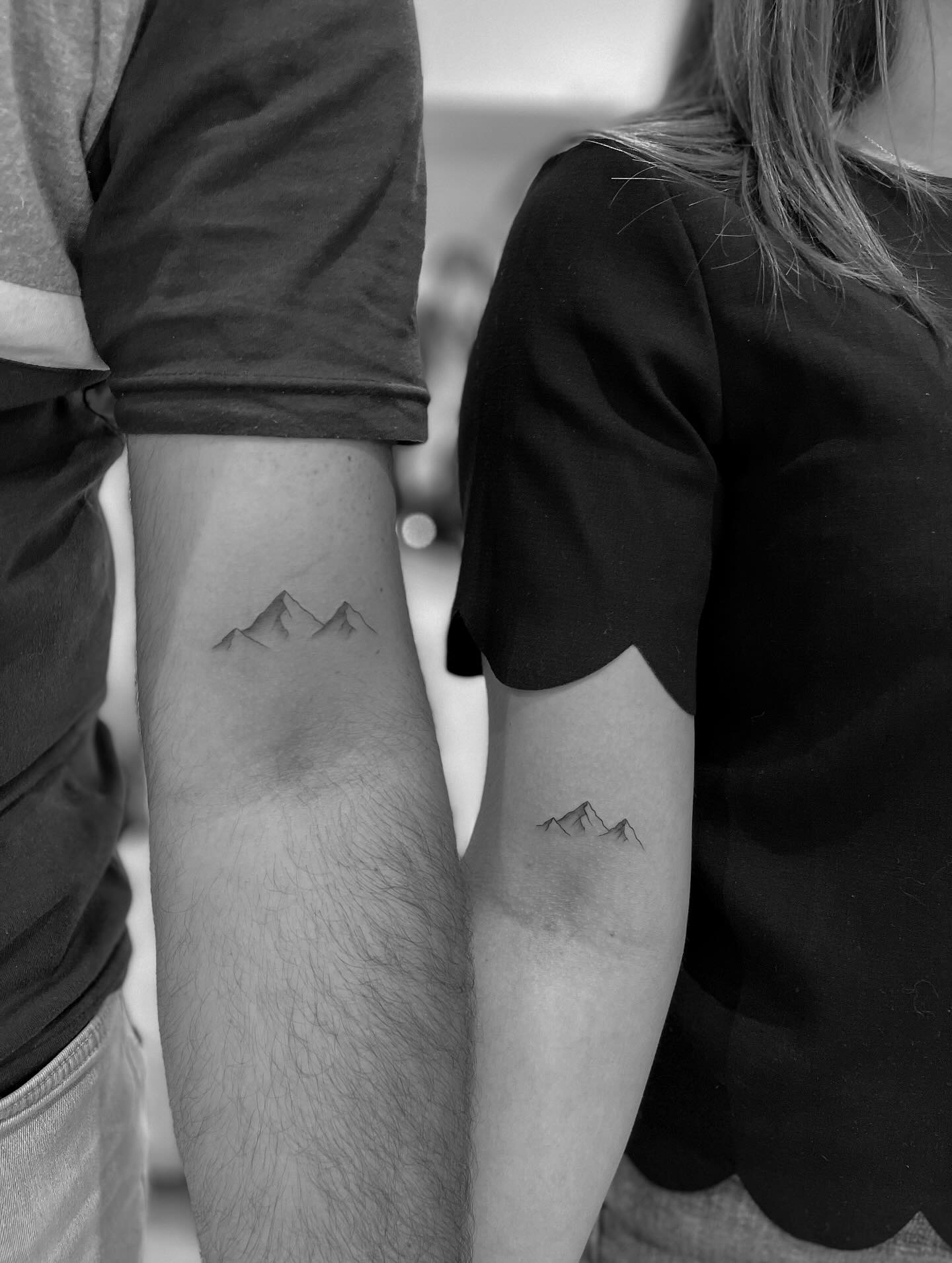
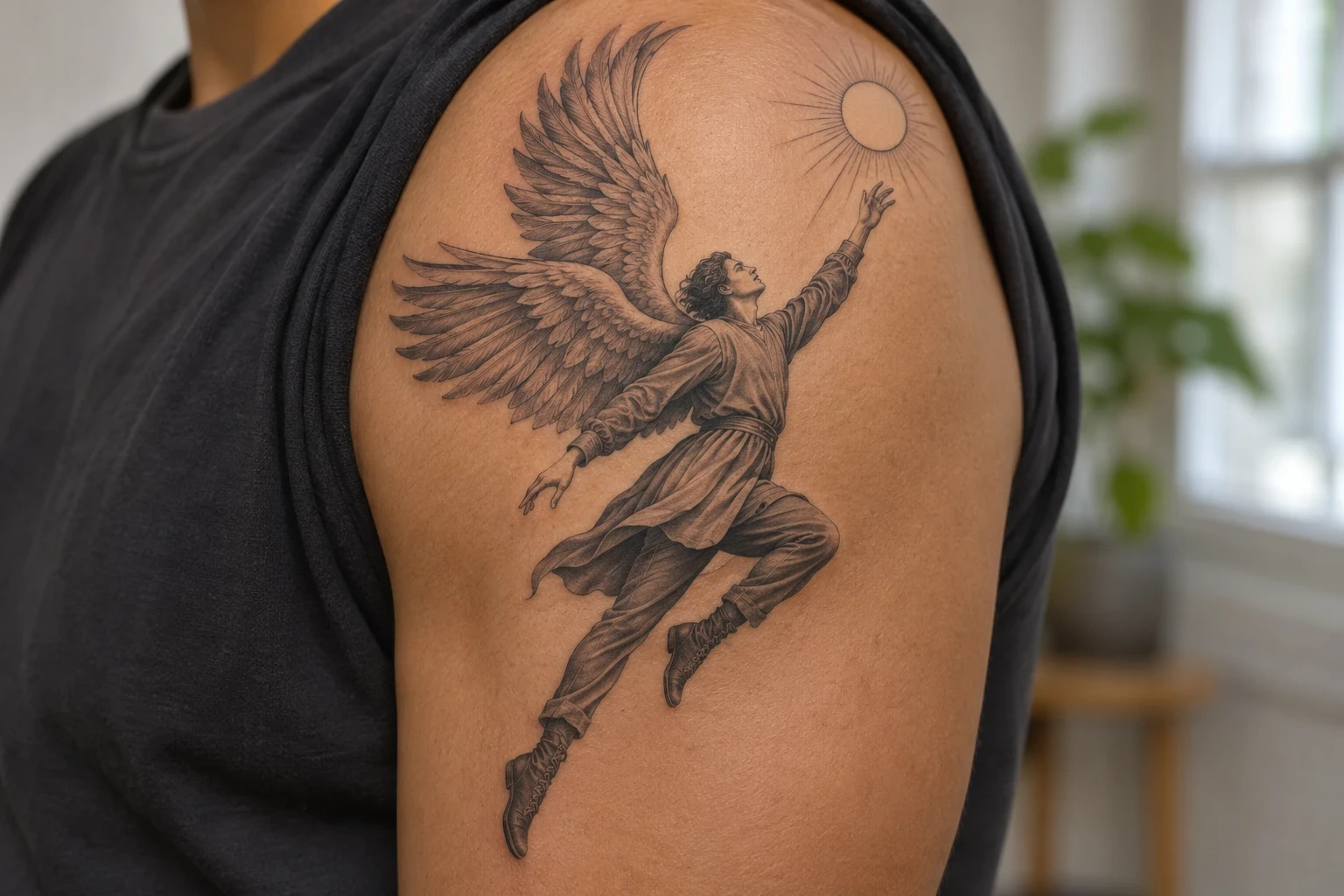
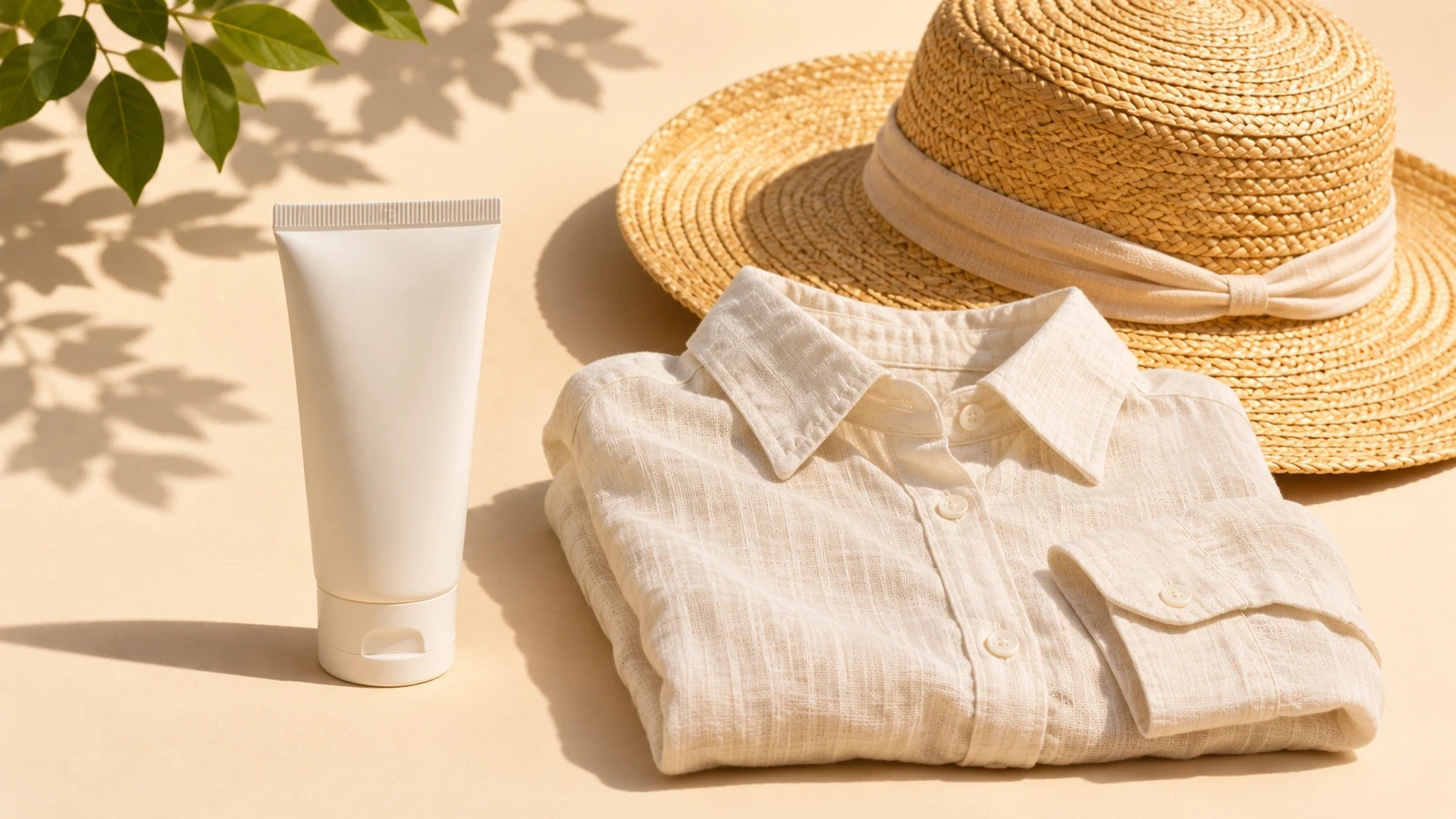
All images are AI-generated educational illustrations. Generic containers do not depict or endorse the named products. These are not real or healed client tattoos, product tests or clinical photographs.
A practical shortlist for healed tattooed skin
The options below meet the basic selection criteria on their U.S. manufacturer pages checked November 7, 2026. Choose between them based on your preferences and tolerance, not an invented ranking of tattoo protection.
| Product example | Verified label features | Why compare it | What to check before buying |
|---|---|---|---|
| Blue Lizard Sensitive Mineral Sunscreen Lotion SPF 50 | Mineral sunscreen, SPF 50, broad-spectrum protection, fragrance-free, water resistance for 80 minutes | A candidate if you want a fragrance-free mineral lotion | The current local package, ingredients and whether you like its appearance and feel |
| La Roche-Posay Anthelios Melt-In Milk Sunscreen SPF 60 | Broad-spectrum SPF 60, fragrance-free, water resistance for 80 minutes | A face-and-body lotion option to compare with the mineral example | The exact SPF 60 Melt-In Milk product, not another Anthelios formula with similar packaging |
Neither is a treatment for a healing tattoo or a guarantee against fading. If you already have a sunscreen you tolerate that meets the criteria, this list does not establish a reason to replace it. No price ranking is included because retail prices, sizes and regional availability vary.
The label details that matter
AAD sunscreen-selection guidance explains that broad-spectrum products protect against both UVA and UVB. Look for that wording alongside SPF 30 or higher and water resistance. A large SPF number alone does not answer every question on the label.
Read the directions and ingredient list on the exact container. A brand can sell a mineral lotion, a facial fluid and a spray under one product family, with different features. Save the full product name and size when comparing options so you do not accidentally compare unlike formulas.
1. Read the front and back label
Use the front label to find the SPF, broad-spectrum wording and water-resistance claim. Then read the directions on the back of the actual product.
The generic illustration is a checklist, not a photograph of a tested sunscreen. Do not infer features from a tube's color or shape.
2. Compare a mineral lotion
If you prefer a mineral option, compare the active ingredients and the full formula rather than the word mineral alone. Discuss a history of stinging or reactions with a pharmacist or clinician.
A product's feel and appearance can affect whether you use it consistently. This illustration does not demonstrate white cast, absorption or how a named product looks on skin.
3. Plan for swimming and sweating
For outdoor activity, check the labeled water-resistance interval and the reapplication directions. Do not interpret water resistant as waterproof.
Pack the product where you can reach it. The towel and goggles are reminders to review the label, not evidence that a sunscreen lasts through every swim.
4. Use clothing and shade too
Think about the whole outing: where you can find shade, what clothing is appropriate and which areas remain exposed. Sunscreen is one part of that plan.
For fresh tattooed skin, ask your artist and a clinician about suitable coverage. This general illustration is not a wound-care instruction.
5. Choose a routine you can maintain
A product that fits your routine is easier to bring along for reapplication. Keep the directions available rather than relying on memory of a previous bottle.
The clock is a planning reminder. Follow the package directions and activity-related reapplication instructions rather than using an image as a dosing schedule.
Make application and reapplication part of the choice
The FDA's sunscreen guidance says to reapply at least every two hours, and more often when swimming or sweating according to the label. U.S. water-resistance claims specify 40 or 80 minutes; they do not mean waterproof or all-day protection. Follow the product's directions after towel drying as well.
Choose a format and container you will actually carry and use. A large bottle left at home will not help you reapply during a long outing. Read any spray-specific directions instead of assuming a quick mist equals a lotion application. Do not use the appearance of a tattoo as a gauge of whether protection is still present.
If your skin is sensitive or sunscreen stings
AAD guidance on choosing sunscreen suggests zinc oxide and titanium dioxide formulas when sunscreen stings or burns. That makes a mineral option worth discussing with a pharmacist or dermatologist; it does not guarantee that every ingredient in a mineral product will suit every person.
Ask a clinician or pharmacist about a previous reaction, skin condition or uncertainty about an ingredient. Stop using a product that causes a reaction and seek medical advice. Do not repeatedly apply a stinging product to a new tattoo to see whether the feeling settles.
Sunscreen is one part of sun protection
The FDA also recommends shade and protective clothing alongside sunscreen. Plan for the whole exposed area, rather than treating the tattoo as the only skin that needs attention. A long sleeve or other suitable coverage may be more practical for some activities, provided it is appropriate for your skin and healing stage.
The AAD notes that UV light can fade some tattoo inks. Sunscreen supports sun protection; it cannot restore ink that has already changed. Generated illustrations and fresh tattoo photographs cannot prove how a particular sunscreen affects a tattoo years later.
Moisturizing and sun protection are separate jobs. If you are comparing creams, our tattoo lotion guide covers a different part of the routine. A moisturizer without the necessary sunscreen labeling should not be assumed to provide the protection described here.
Frequently asked questions
Do I need sunscreen made specifically for tattoos?
The AAD's tattoo-care advice focuses on broad-spectrum protection, water resistance and SPF 30 or higher, rather than a special tattoo product category. Check those features and your tolerance before prioritizing a tattoo-specific name.
Is SPF 50 better than SPF 30 for my tattoo?
SPF 30 is the minimum in the AAD recommendation used here. A higher number does not remove the need for broad-spectrum protection, appropriate application or reapplication. This guide does not establish a tattoo-fading advantage for one SPF 50 or SPF 60 brand over another.
When can I put sunscreen on a new tattoo?
Ask your artist and a clinician about your own healing skin. This article addresses healed tattooed skin and does not supply a universal number of days after tattooing.
Can I use the same sunscreen on tattooed and untattooed skin?
Choose a product labeled for the area you intend to use it on and follow the directions. There is no need in this guide to reserve the named examples exclusively for tattoos. Ask a pharmacist if you are unsure about use on a particular area or skin condition.
Will sunscreen stop every color change?
No product is presented here as a guarantee against fading or as a way to reverse it. Avoid interpreting a bright product photo or a fresh tattoo as long-term evidence. Review your care routine and any skin concerns with qualified professionals.
Sources and review limits
Checked November 7, 2026: AAD tattoo-care and sunscreen-selection guidance, FDA sunscreen-use guidance, and the two linked U.S. manufacturer product pages. The shortlist reflects label features, not independent tattoo-retention testing, a clinical comparison or a promise of individual tolerance. Check the current package and ask a pharmacist or clinician about personal medical concerns.