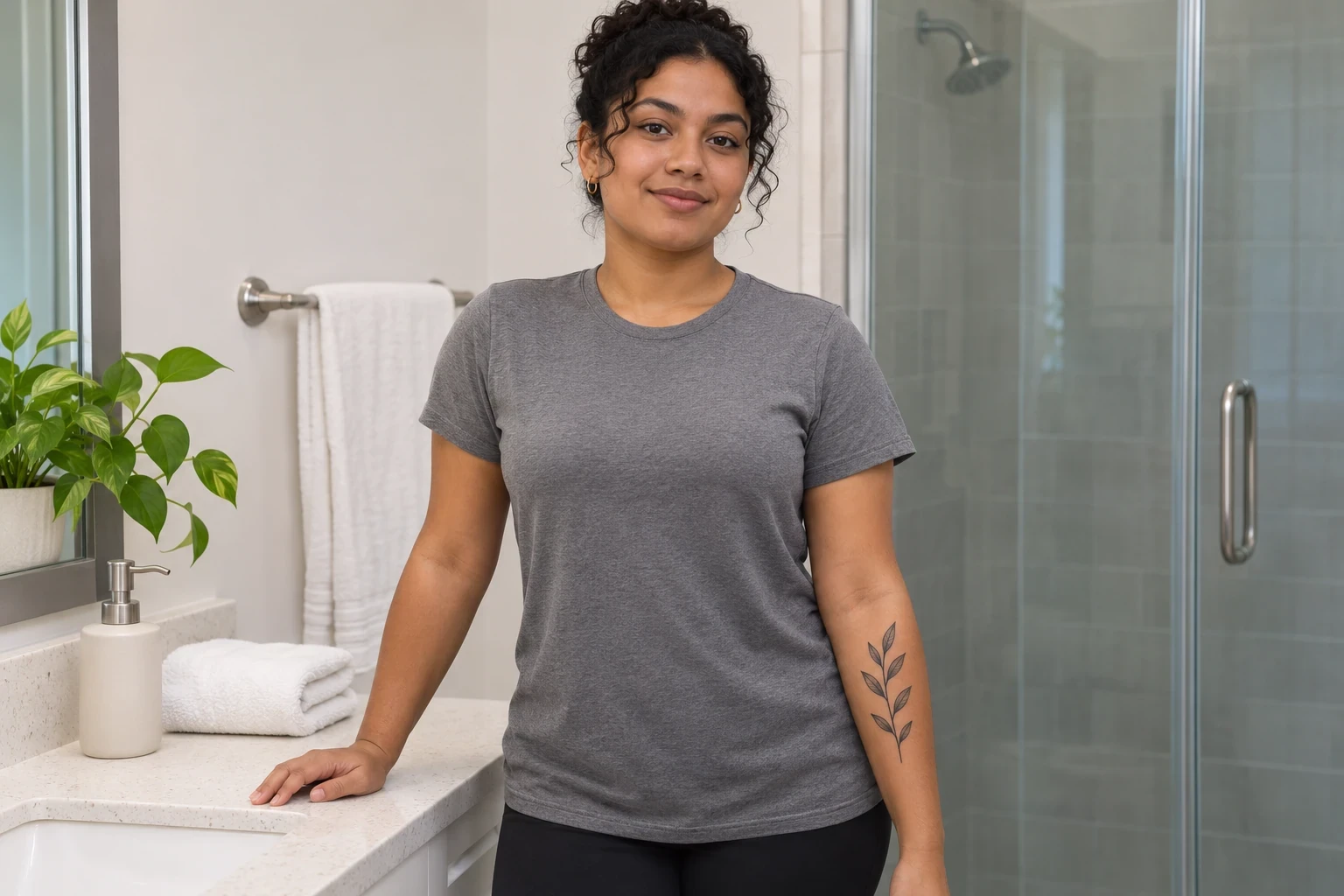
Yes, showering is generally compatible with healing a tattoo, but the timing and method depend on the dressing and the aftercare instructions you were given. A gentle rinse is different from soaking the tattoo in a bath, pool or hot tub. Keep showers brief, use lukewarm water and avoid scrubbing or directing a strong jet at the tattoo.
If you do not know what dressing you have or when it should come off, ask your artist before changing it. This guide gives general information, not individual medical advice. Ask a doctor or pharmacist about a skin reaction, an ingredient concern or medical circumstances that affect healing. Sources checked: November 20, 2026.
All images are AI-generated educational concepts; tattoos are mockups on fictional adults. They illustrate the discussion and are not photographs of a healing client or proof of a particular dressing’s performance.
How soon can you shower?
There is no single waiting time that applies to every bandage. The Michigan Department of Health and Human Services’ waterproof-bandage instructions say to follow the duration recommended by the body-art technician and manufacturer. That is a better starting point than treating a number of hours found online as a universal rule.
For its own product, Saniderm says its waterproof bandage permits showering while it remains in place. That does not establish that a different film, an ordinary pad or loose plastic wrap is waterproof. Check the product name and the specific instructions supplied with your tattoo.
Showering versus soaking
The European Academy of Dermatology and Venereology’s tattoo-aftercare leaflet distinguishes showering from bathing, swimming and sauna use, which it advises avoiding until the tattoo is completely healed. A waterproof covering is not permission to go swimming.
Keep the shower focused on washing rather than lingering under the water. Avoid very hot water and scrubbing. If your instructions call for washing an uncovered tattoo, use clean hands and a mild cleanser as directed, and rinse gently. Saniderm’s guidance specifically recommends lukewarm water and avoiding direct water pressure and abrasive washcloths or loofahs.
If the dressing is still on
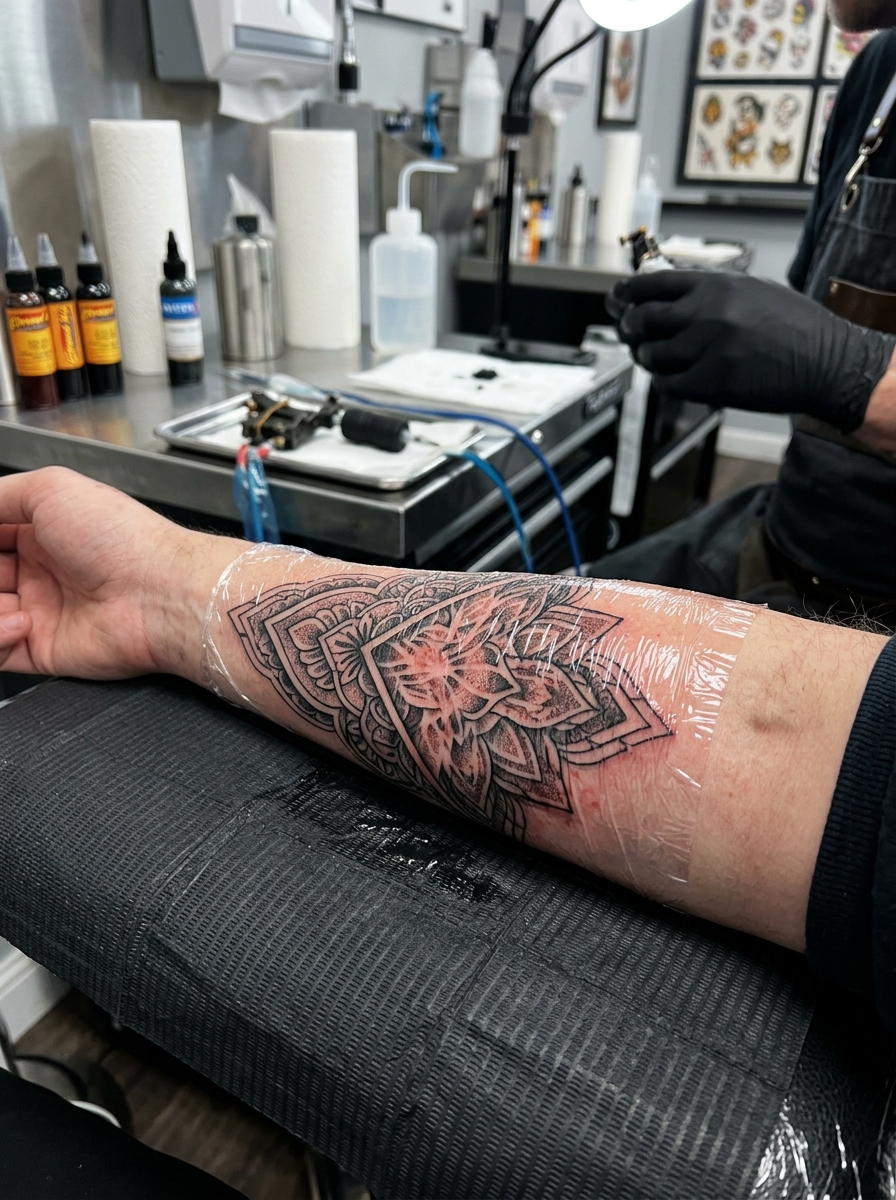
Leave it in place for the period specified unless a problem requires attention under its instructions. Don’t peel up a corner just to rinse underneath and then press it back down. If it leaks, lifts enough to expose the tattoo, or allows water inside, follow the product’s compromised-dressing instructions and contact your artist if you are unsure what to do next.
Different dressings have different replacement plans. Don’t add household wrapping, ointment or tape simply because another person’s aftercare routine used it. Ask for clarification about your actual dressing.
Once it is time to wash the uncovered tattoo
NHS Norfolk’s tattoo-care guidance describes gently washing with warm water and fragrance-free soap once it is time to remove the dressing, followed by patting dry with a clean towel. The emphasis is gentle cleaning, not rubbing away flakes or making the tattoo look perfectly smooth.
Set out a clean drying material before washing so you don’t have to search for one with a wet arm or leg. Keep razors, exfoliating gloves and fragranced body scrubs away from the area. Follow your own aftercare plan for any product applied afterward rather than treating this page as a moisturizer schedule.
Identify the dressing first
A clear film in an illustration does not tell you which product you have. Check its name, wear time and showering instructions before deciding whether it should remain in place.
Keep washing gentle
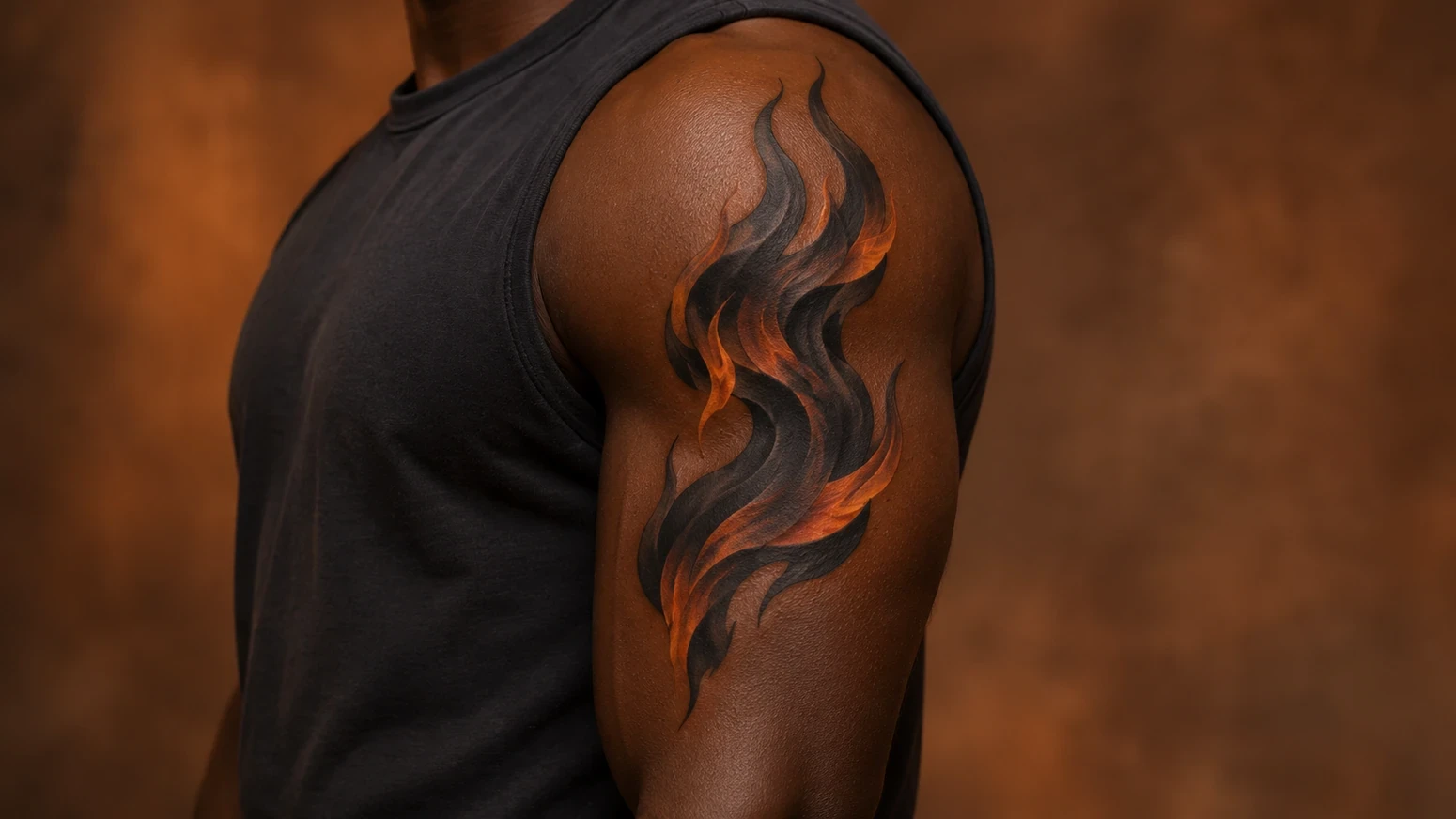
This conceptual image shows a light rinse with clean hands. Follow your artist’s instructions for an uncovered tattoo rather than using pressure, scrubbing tools or a prolonged soak.
Pat instead of rubbing
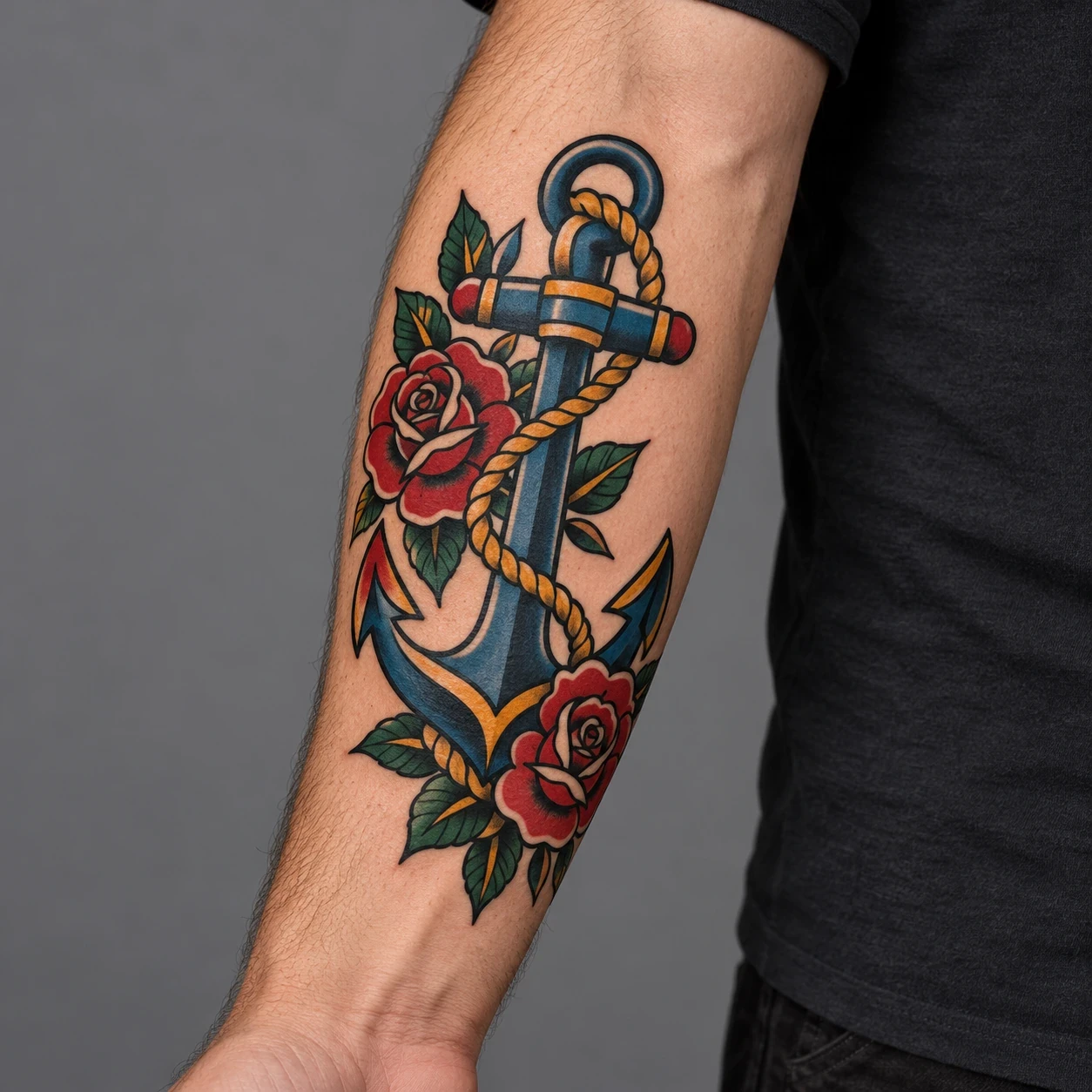
Use a clean drying material and gentle contact. For a dressing that remains on, follow its instructions for drying the outside.
Avoid directing a strong jet at the tattoo
A gentle shower is different from soaking in still water. Keep the tattoo out of the direct spray as advised and avoid lingering under hot water.
Ask about the actual aftercare plan
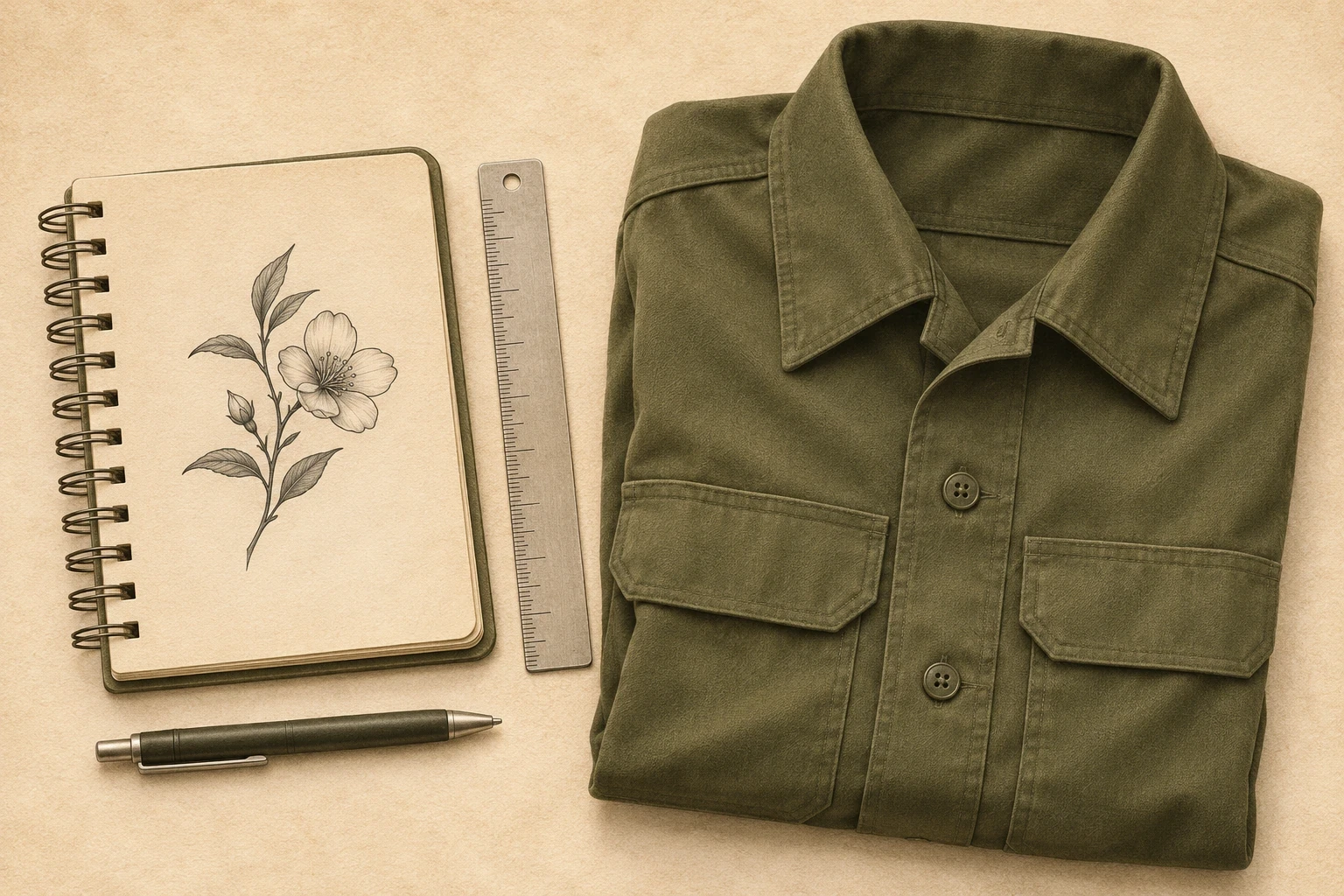
Bring your written instructions and the dressing’s product name when asking a question. A doctor or pharmacist can help with medical or ingredient concerns.
What if I accidentally got it wet?
A brief splash is not the same as a long soak, and it does not automatically mean the tattoo is damaged. Check whether the dressing stayed sealed, gently dry the area or outside of the dressing as appropriate, and return to the instructions you were given.
If water is trapped underneath, the seal has failed, or you do not know whether the bandage should be replaced, ask your artist for the correct next step. If the skin is becoming more painful or otherwise concerning, contact a healthcare professional rather than trying several products to fix it.
When to get medical advice
According to the American Academy of Dermatology’s tattoo-reaction guidance, spreading or darkening redness, worsening pain, pus, fever or chills can indicate infection. Seek medical assessment promptly. Trouble breathing or other severe symptoms require emergency medical care.
A normal-looking illustration cannot tell you whether your tattoo is healing appropriately. Neither can a general online timeline. A doctor can assess symptoms and advise on treatment.
Related reading
For the wider routine, read our tattoo aftercare guide. For immersion rather than showering, see how long after a tattoo you can swim. If you are considering a product substitution, our A&D ointment guide explains why the exact formula matters.
Common questions
Can I shower the same day as my tattoo?
It depends on the dressing and instructions. Some waterproof tattoo films permit it; other coverings have different requirements. Ask your artist rather than removing a dressing early to meet a general timetable.
Can soap touch a new tattoo?
Once it is time to wash an uncovered tattoo, mild fragrance-free soap may be part of the care plan. Use the cleanser and method you were advised to use, without scrubbing or exfoliating.
Can I take a bath if I keep the tattoo covered?
Do not treat a covering as permission to soak. Showering and immersion are different, and the EADV guidance advises avoiding bathing and swimming until healing is complete.
Should I rub peeling skin off in the shower?
No. Let loose skin and crusts come away naturally rather than scrubbing or picking them. If you’re unsure about the amount of peeling or have worsening symptoms, ask for advice.