Yes, you can have tattoos in the military, but acceptance depends on the country, service, placement, size and content. A tattoo that meets one service’s rules can fall outside another’s. Existing tattoos should be assessed during recruitment; anyone already serving should check the current policy through their chain of command before adding new ink.
This guide compares selected official guidance for the U.S. Army, U.S. Air Force, Canadian Armed Forces and British Army. It is not a worldwide clearance chart or a substitute for a decision on your application. Sources checked 8 November 2026.
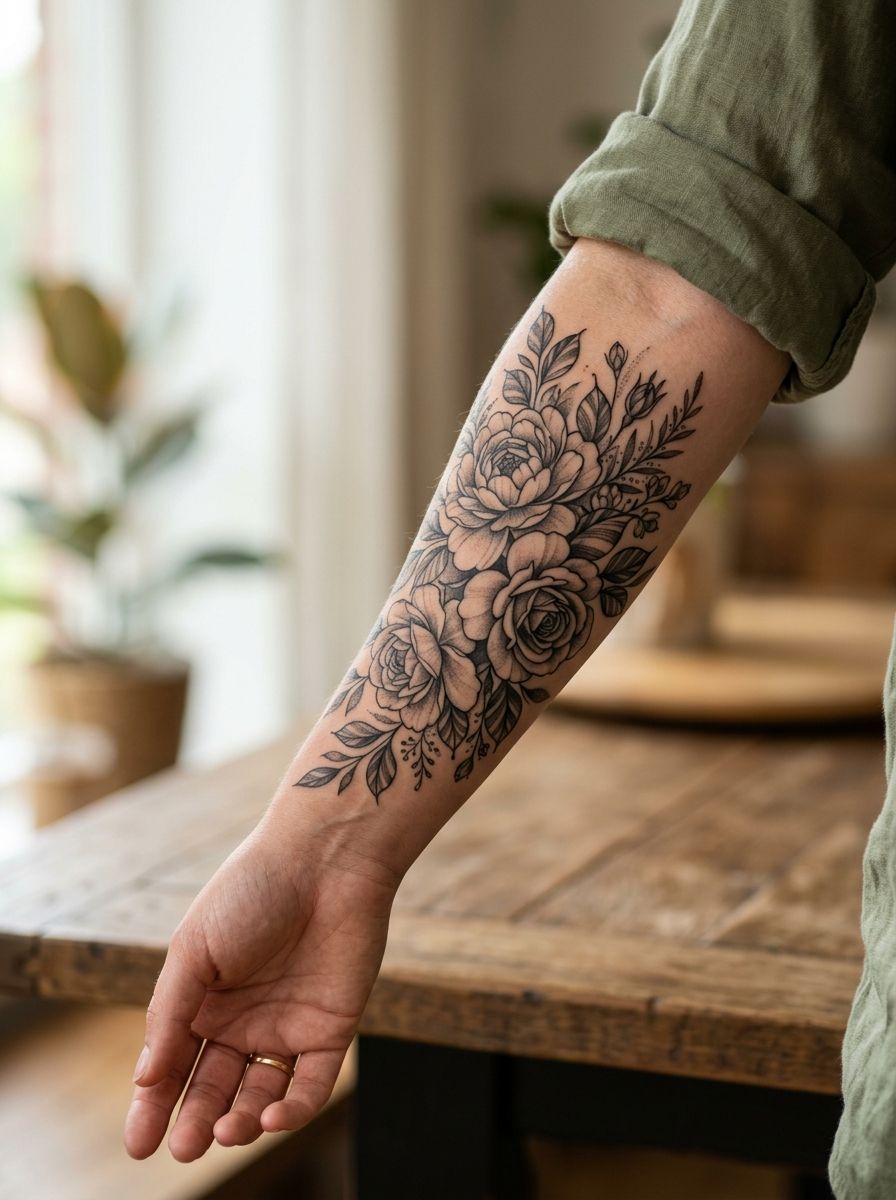
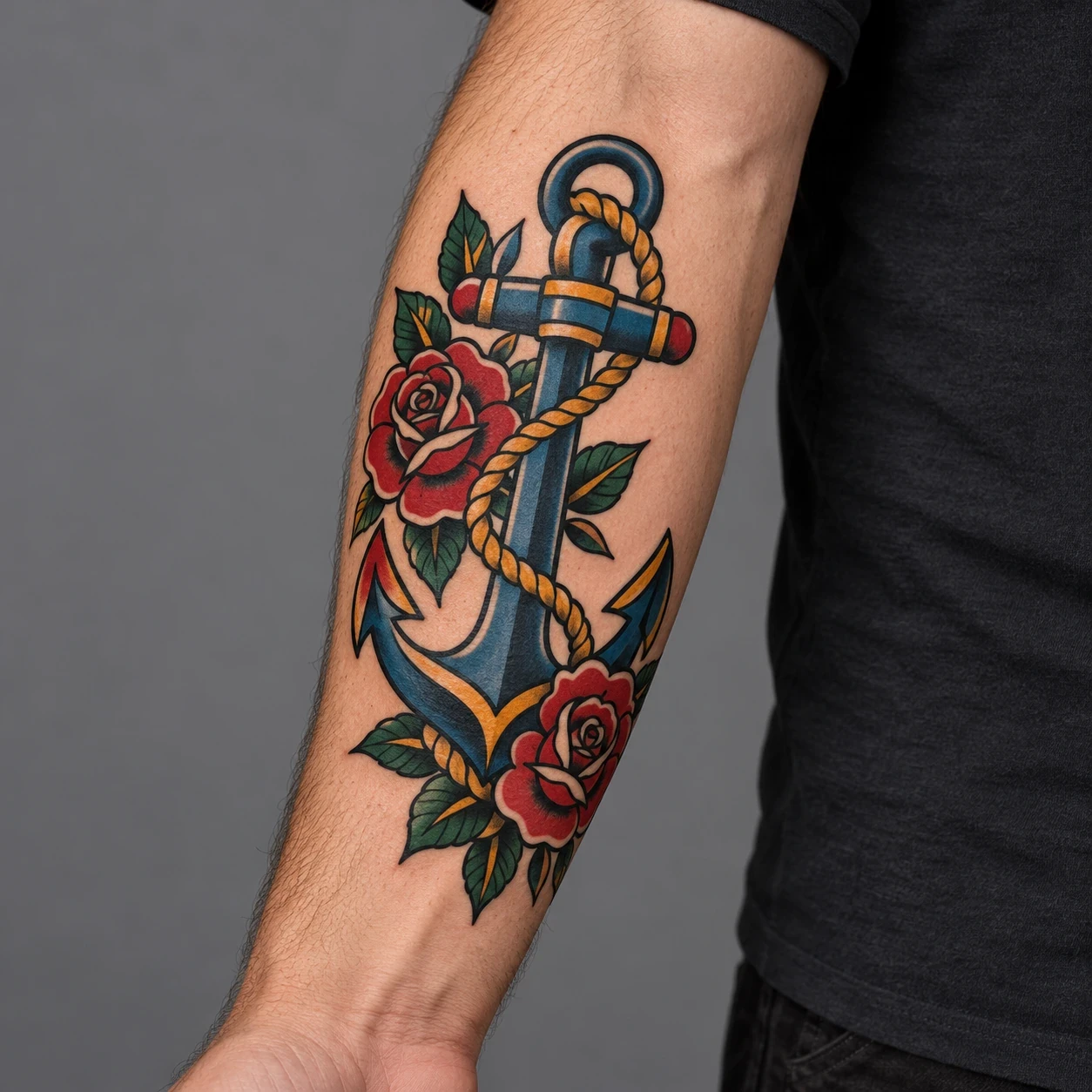
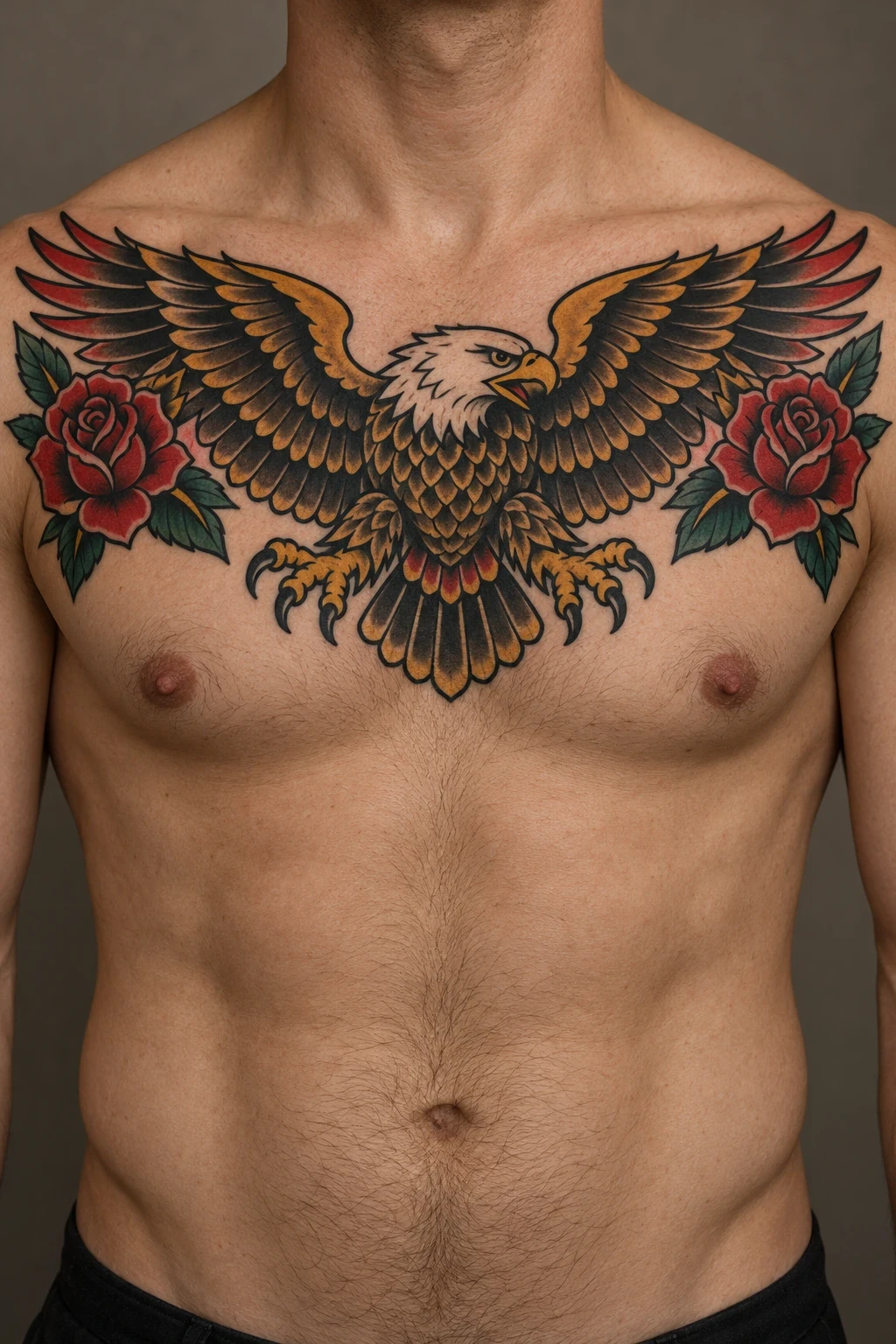
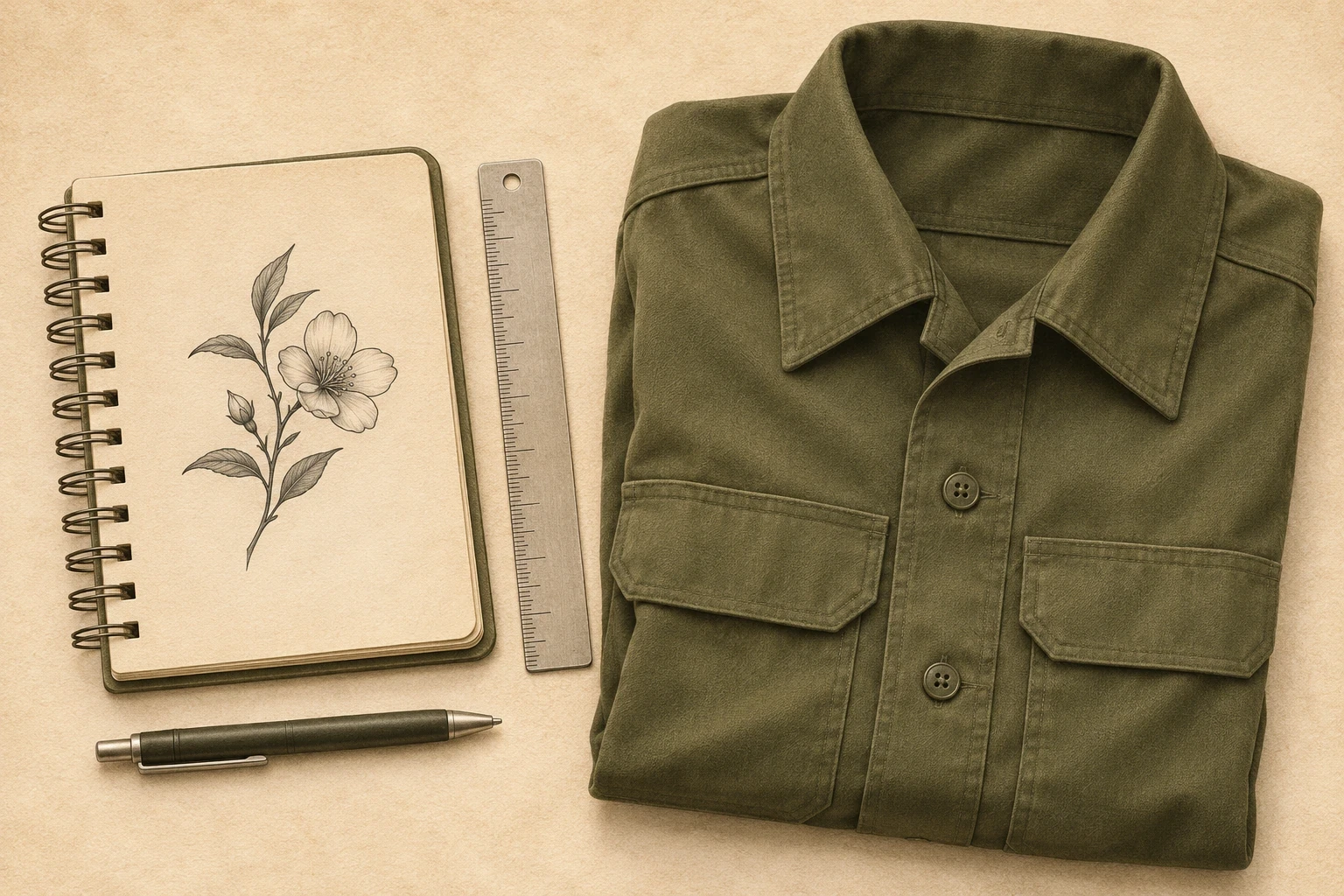
Image disclosure: All illustrations are AI-generated educational concepts. They are not photographs of recruits, real or healed client tattoos, official military diagrams, or examples of designs approved for service.
Start with your country and service
“The military” does not have one tattoo rule. Identify the exact organization you plan to join before comparing your tattoo with a size limit found online. An Army page cannot establish a Navy decision, and a Canadian rule cannot establish a U.S. one.
| Organization | What the official guidance highlights | What to check next |
|---|---|---|
| U.S. Army | Specific limits for hands, back of neck and behind ears; prohibited content rules. | Measure the tattoo and check its exact location. |
| U.S. Air Force | Separate neck, hand and ring-tattoo limits. | Check the current recruiting instructions for your application. |
| Canadian Armed Forces | Tattoos permitted subject to content restrictions. | Use the CAF instructions, not a U.S. branch chart. |
| British Army | Official sources differ in how they describe visible-placement restrictions. | Get the current interpretation from an Army Careers Centre. |
The examples below are deliberately separate. They do not establish the rules for the U.S. Navy, Marine Corps, Coast Guard, Space Force, other British services or another country’s forces. Use the relevant organization’s current recruiting and uniform instructions for those applications.
U.S. Army: location and dimensions both matter
The Army’s appearance guidance allows one visible tattoo on each hand, including the palm, up to one inch in any direction. It also describes tattoos between fingers that are hidden when the fingers close and a ring tattoo on each hand. One tattoo on the back of the neck may measure up to two inches in any direction; one behind each ear may measure up to one inch and must not extend in front of the earlobe.
The same page prohibits extremist, racist, sexist or indecent tattoos anywhere on the body. Head and facial tattoos are prohibited apart from the stated approved permanent-makeup exception. A small tattoo is therefore not automatically acceptable: its content and position still matter.
U.S. Air Force: do not borrow the Army’s neck allowance
The Air Force’s joining guidance describes one neck tattoo no larger than one inch in any direction, placed behind either ear. It describes a single tattoo on each hand up to one inch and a separate single-band ring-tattoo provision. Head, face, tongue, lip and scalp tattoos are prohibited; authorized chest, back, arm and leg tattoos have no size or area limit on that page, with the chest below an open collar.
Ask the recruiter to apply the current ring-tattoo wording to your exact case. Do not infer that two services have identical rules because both permit some hand tattoos. The Air Force also prohibits markings that are prejudicial or could bring discredit to the organization and notes that exceptions may apply in some cases.
Canada: use the CAF’s own instructions
The Canadian Armed Forces Dress Instructions, Chapter 2, Section 2 permit tattoos, branding and scarification while prohibiting specified content. Restrictions include connections with criminal activity and content promoting hatred, violence, discrimination or harassment on protected grounds, along with racist, sexist and other listed discriminatory or sexually explicit material.
That tattoo paragraph does not set out the U.S. Army’s one-inch hand or two-inch rear-neck formula. Do not import those measurements into a CAF application. Show the recruiting team the actual tattoo and ask what documentation or assessment is needed for the entry route you are considering.
British Army: resolve conflicting official wording first
The British Army recruiting page says hand and rear-neck tattoos are acceptable, prohibits head and face tattoos, and uses a general passport-photo visibility test. It also rules out offensive, obscene or racist content.
However, a Ministry of Defence parliamentary answer dated 11 July 2025 describes a policy review and says the placement bars to entry would be tattoos on the face and front of the ear, alongside offensive, obscene or racist tattoos. These descriptions do not align neatly. Rather than treating either short summary as clearance for a borderline location, show an Army Careers Centre the tattoo and ask which current policy governs your application.
1. Check the tattoo’s actual position
A forearm, wrist, hand and finger are different locations for a policy assessment. A design crossing a boundary needs to be shown in full, rather than described by the part you consider its main placement.
The clothing illustration is only a reminder to check visibility and position. Covering a tattoo does not itself establish compliance, and the example design card is not an approved service tattoo.
2. Measure the whole visible design
Prepare a clear photograph with a ruler alongside the tattoo. Record the maximum height and width and show its relationship to the wrist, collar or ear where relevant.
Ask the recruiting team how they measure connected designs, lettering and a design made from several nearby elements. Do not decide that an outline, dot or small extension can be left out of the assessment.
3. Explain the content and any lettering
Give a plain description of what the design depicts. If it includes a phrase, abbreviation, number or symbol, provide its spelling and intended meaning instead of assuming the reviewer will interpret it as you do.
Content restrictions are separate from coverage by clothing. A neutral-looking symbol may need explanation; personal intent alone does not establish whether it meets the service’s standard.
4. Bring questions to the recruiter
Ask which policy version applies, whether the tattoo is compliant as it stands, and whether an exception or waiver process is available for the specific issue. Request clear next steps before booking more ink.
If you are already serving, take the same questions through your unit’s authorized process. Recruitment acceptance and permission to add a new tattoo later should not be treated as the same decision.
Can you get a tattoo waiver?
Do not assume a waiver exists for every restriction or that a recruiter can promise approval. Ask whether your exact issue is eligible for review, who decides it, what photographs or statements are required, and what happens while the decision is pending. A location issue and a prohibited-content issue are different questions.
Keep a copy of any formal decision and the tattoo photographs it relates to. Do not rely on another applicant’s outcome, a social-media comment or an old policy graphic as evidence for your own application.
Should you get a tattoo before applying?
If joining is a near-term goal, check the actual proposed design, dimensions and placement with the recruiting team before making it permanent. Changing the design after an informal conversation can change the question they were answering. Avoid booking work on the assumption that a sleeve, collar or bandage will solve a policy issue.
For visual planning, compare our minimalist tattoo ideas and initials tattoo concepts. These galleries offer design inspiration, not military eligibility recommendations.
Frequently asked questions
Can you join the military with a sleeve tattoo?
Sometimes. A sleeve is not a universal bar, but its content and any extension into restricted areas still need assessment under the relevant service’s policy. Show the whole design.
Are hand or neck tattoos automatically disqualifying?
No single answer covers every service. The U.S. Army and Air Force publish particular allowances with different placement limits. Canada uses its own instructions, and British Army applicants with borderline placements should resolve the official wording with a Careers Centre.
Can an offensive tattoo be accepted because a uniform covers it?
Do not assume so. The official sources discussed here impose content restrictions, not just visibility rules. Ask the recruiting organization to assess the actual design.
Should I remove a tattoo to qualify?
First obtain an assessment of the actual eligibility issue and the organization’s requirements. Do not start removal based on a guess about admission. For treatment questions, consult a qualified medical professional; this guide does not assess removal suitability or outcomes.
Does having tattoos guarantee rejection or acceptance?
Neither. Tattoo compliance is one part of the application, and this article cannot determine an individual’s eligibility. Use the current official process for the service, role and entry route you intend to pursue.
Policy review date: 8 November 2026. Recheck the linked official guidance when applying or planning new work.