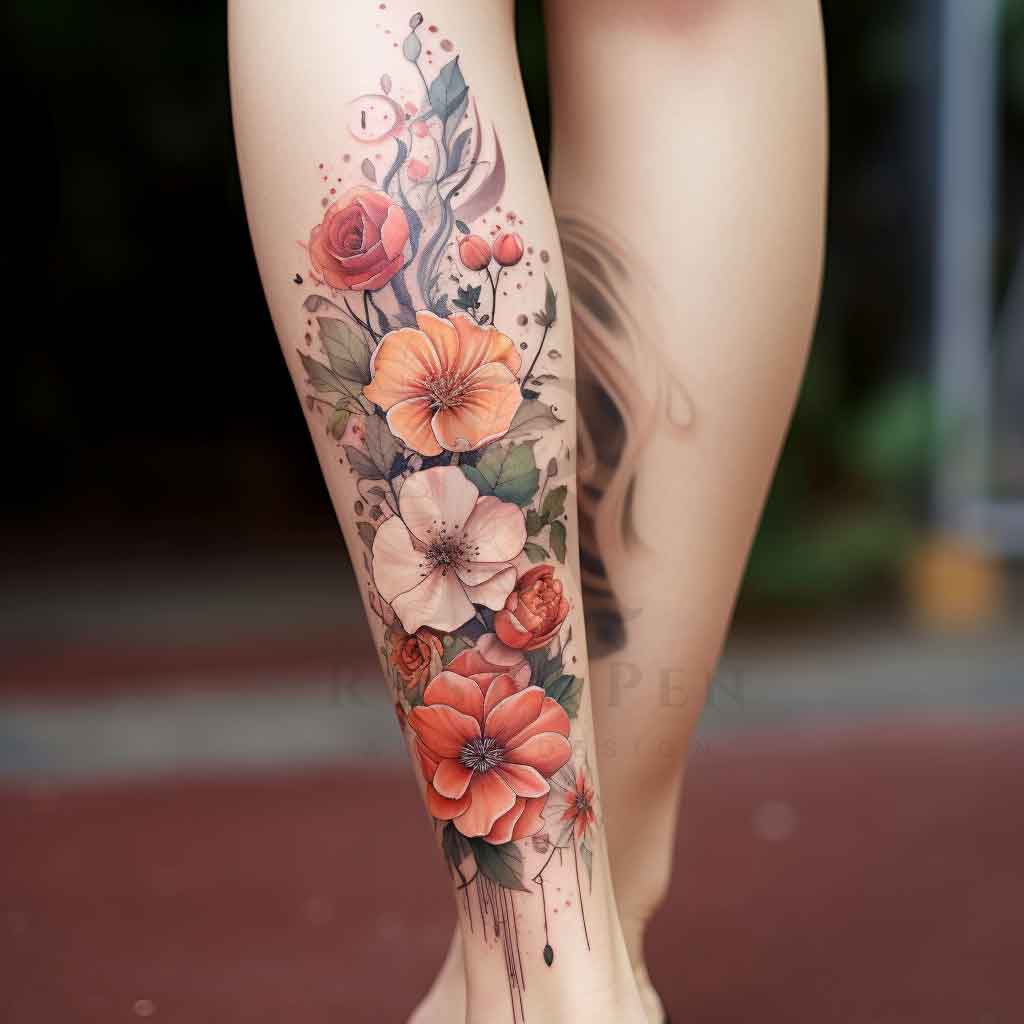
Your shin is the flat, unbroken canvas most other spots on the body simply cannot match — and that is exactly why women’s shin tattoos have quietly become one of the fastest-growing placements I recommend for a first serious piece. After more than a decade of sitting in on consults for lower-leg work, I keep watching the same pattern: clients arrive nervous about the pain, walk out delighted with the healing, and come back six months later asking to extend the design.
In my experience, the shin gives an artist the same generous working surface as the forearm — long, straight, and easy to reference — with none of the awkward curves that force compromises on the calf or ankle. That is why so many portfolio shots you save from Instagram were actually done on this exact spot.
This guide walks through what the shin does well, what to plan for, which styles hold up over the years, and the practical things I wish more clients asked before they booked. I have also included a full gallery of pieces to help you see how one placement can carry very different aesthetics.
If you want to compare adjacent placements first, my write-ups on the best leg tattoos for women and calf tattoos for women go deeper on those neighbouring areas.
Which Lower-Leg Placement Is Right for You?
The shin is one of three lower-leg placements clients usually weigh against each other. Here is how I frame the trade-offs during a consult so you can see which one actually matches what you want.
| Placement | Pain Level (1–10) | Design Style It Suits | Healing Notes |
|---|---|---|---|
| Shin | 6–7 over the bone, 4 to the sides | Long florals, geometry, illustrative pieces, ornamental panels | Usually 2–3 weeks; loose trousers help |
| Calf | 3–4 | Wraparound designs, larger illustrative work | Usually 2–3 weeks; swelling more common |
| Ankle | 7–8 | Small fine-line, bracelets, symbols | Usually 2–3 weeks; socks and shoes need attention |
Pain scores here are the general ranges I hear back from clients, not clinical measurements. If you know one placement calls to you already, do not let a comparison table talk you out of it.
Why the Shin Works So Well for Women’s Tattoos
The shin is a flat, mostly straight surface, which is a rare thing on the human body. Most other areas curve, taper, or shift with muscle. That flatness is why detailed pieces tend to sit crisper here than on the calf.
The tibia sits close to the skin, so the artist has a stable base to work over — there is no thick muscle bouncing under the needle. In my experience, this makes fine-line and geometry look particularly clean on the shin.
The visibility of the shin also plays a role. It sits in the eye-line when you are seated, which means your artwork is something you will see and enjoy every day, not something you have to twist to check in a mirror.
Finally, the shin is easy to cover. A pair of jeans or long boots hides everything, which many clients appreciate for work environments where visible ink is still politely frowned upon.
None of this means the shin is right for everyone, but the reasons it keeps appearing in professional portfolios are real and mechanical, not just fashion.
Popular Styles for Women’s Shin Tattoos
Floral and Botanical Designs
Floral work is the single most-requested category for the shin, and it is not close. The long vertical shape of the leg suits stems, vines and stacked blooms — an artist can plan a design that flows naturally from just below the knee to the top of the ankle.
Peonies, roses, poppies and wildflowers all render well here. In my experience, clients who worry a floral will feel too soft are usually happier once they see it inked; the scale of a shin piece keeps the design from reading as delicate wallpaper.
If you want more inspiration in the same family, my floral leg tattoo designs guide shows how the same motifs adapt across the whole leg.
Fine-Line and Minimalist Pieces
Fine-line work has taken over the shin over the last few years. Because the surface is flat and the skin is not overly stretched, single-needle lines hold up better than they do on curvier spots.
This style is a smart choice for a first shin tattoo. It is quicker to sit for, less committing visually, and — when done by an artist who genuinely specialises in fine-line — will still read as clean five years later. Expect to book with an artist whose portfolio is nothing but fine-line work; general artists often struggle with this style.
Keep expectations honest: very small fine-line details do soften over the years as the skin renews. Bold, well-spaced designs age better than tightly-packed micro pieces.
Ornamental and Mandala Work
Ornamental designs — mandalas, lace, henna-inspired patterns — sit beautifully on the shin because the flat surface lets the symmetry read the way the artist drew it. On a curved area, the same design would distort visually.
Many clients pair matched ornamental panels across both shins for a striking, deliberate look. Others use a single centred piece with symmetry down the tibia line. Both work; pick the one that fits what you want your leg to say.
Talk with your artist about line weight. A design that looks correct on paper can end up too thin when scaled to a shin, so ask to see a placement mock-up on your leg before the session.
Illustrative and Neo-Traditional
Illustrative work — think storybook flowers, animal portraits, decorative scenes — plays well with the shin’s vertical proportions. Neo-traditional pieces with bolder outlines and packed colour also sit well here.
The key with these styles is bold line weight. On the shin, that heavier outline holds the piece together as the ink settles and softens over the first year.
Geometric and Black-Work
Geometry and black-work take advantage of the straight lines the tibia offers. Rulers, compass work and dot-work all read clean on this surface. In my experience, this is where an experienced artist truly shines — the tolerance for wobbly linework is essentially zero.
Solid black-work also ages very well. Heavily saturated black holds its shape decades longer than most colour palettes, which is worth thinking about if you want a piece that will still look sharp in twenty years.
Watercolour and Soft-Colour
Watercolour is polarising, but done well it looks striking on a shin where the skin tone lets the pigment breathe. Ask your artist to show healed examples, not just fresh photos — this style relies heavily on the artist’s understanding of how ink settles.
Consider colour saturation carefully. Very pale washes fade faster than darker anchor points, so most durable watercolour designs are anchored with fine black linework or a shaded base.
Wildflower and Airy Compositions
Airy wildflower spreads leave more skin than they cover, which is a modern look many clients love. The shin’s flat plane means the negative space actually reads as intentional rather than empty.
These pieces are quicker to sit for than a packed panel, which makes them a good starting point if you are pain-cautious. Expect two to three hours in the chair for a mid-sized wildflower spread.
Alternatives and Extensions of the Shin Tattoo
Extending the Design onto the Calf
Many clients start on the shin and later extend around to the calf for a wraparound feel. Plan for it from day one if you think you might; a design drafted with continuation in mind reads far better than a bolted-on addition. See my leg tattoos for women guide for full-leg planning.
Ending at the Ankle
Terminating a shin piece with a matched ankle element gives the whole leg a considered silhouette. Ankle work is more painful, so budget for that if this is your route; my female ankle tattoo ideas and flower ankle tattoo guides both show designs that link cleanly to a shin panel.
Matching Piece on the Other Shin
A matched second-shin piece is a strong choice if you know you want the leg pair to feel unified. It is not required — many pieces read complete on one side — but the option is there.
Pairing With a Thigh Design
Some clients pair a shin piece with a thigh design and leave the knee area clear. This works particularly well with matched aesthetics; see the classy feminine thigh tattoo gallery for reference.
Aftercare and Practical Tips
Follow the aftercare instructions your artist gives you — they know their pigment and technique. That said, the general shape is: keep it clean, keep it moisturised with a fragrance-free lotion, and keep it out of soaking water and direct sun for the first two to three weeks.
Loose trousers are your friend during healing. Tight leggings rub the shin constantly and can pull scabs early, which is a real risk of ink loss. In my experience, most avoidable healing complaints come from this one thing.
Do not skip sunscreen once the piece is fully healed. UV is the single biggest reason tattoos fade faster than they should — a broad-spectrum SPF 30 or higher on healed ink is the difference between a piece that reads crisp in ten years and one that reads muddy. The American Academy of Dermatology has a plain-language explainer on sunscreen use worth reading.
Watch for signs of infection over the first two weeks: spreading redness, warmth, pus, or fever. If any of these appear, contact your artist and see a doctor — this is not something to self-diagnose from a forum thread.
Common Mistakes and How to Avoid Them
The most common mistake I see is choosing an artist by price rather than by portfolio. Style specialisation matters more than day-rate. If you want fine-line, find a fine-line artist — someone whose Instagram feed is nothing else.
The second is going too small. Shins have space, and a piece that would look right on the wrist often looks lost on the leg. Trust your artist when they suggest scaling up the mock-up.
The third is skipping the consult. A ten-minute consult with a good artist catches placement issues, style mismatches and scale problems that are impossible to fix once the needle starts.
Still not sure? Browse the related galleries: girly shin tattoos, womens ankle tattoo ideas, and ankle bracelet tattoo ideas all show how the same design instincts play out in neighbouring placements.
Full Shin Tattoo Inspiration Gallery
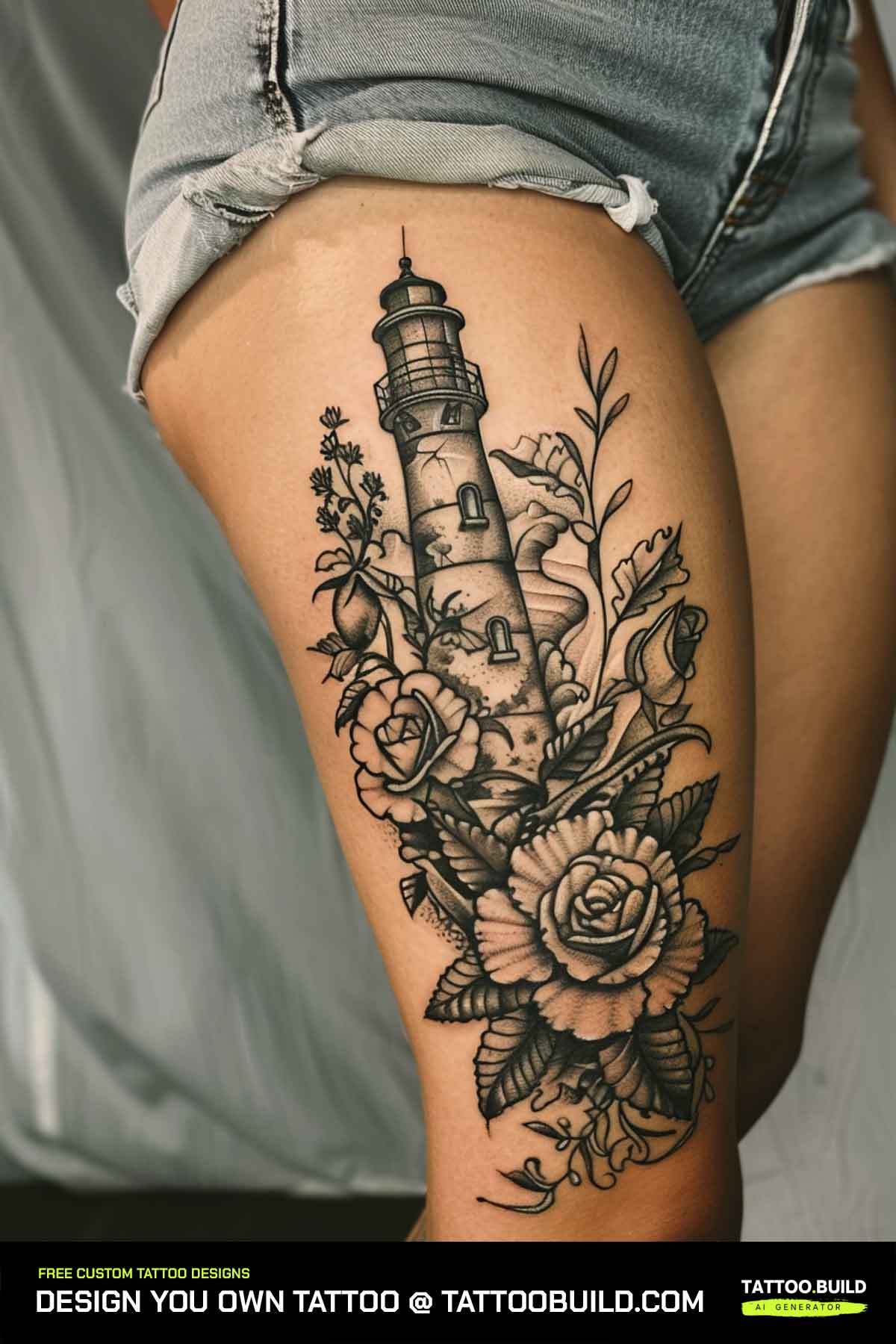
Every piece below sits on the shin. I have grouped them so you can flick through style ideas quickly and screenshot anything that speaks to you for your consult.
Frequently Asked Questions
How much does a shin tattoo hurt for women?
Most clients rate the shin around a six or seven out of ten over the bony ridge and around a four to either side. Pain is very personal and depends on your sleep, food, hydration and stress on the day. In my experience, people who eat a full meal beforehand and stay well-hydrated report a noticeably easier session than those who skip breakfast.
How long does a shin tattoo take to heal?
Surface healing is usually complete in two to three weeks, though the deeper layers of skin keep settling for several months. During that first fortnight, expect scabbing, itching and mild swelling. Keep it moisturised, avoid tight trousers, and do not pick.
Will a shin tattoo age well?
Yes, in most cases. The shin sees less friction than the hands, feet or waistband and less sun than the arms, which is a decent combination for long-term wear. Bold, well-spaced designs age best; extremely delicate micro pieces will soften more visibly over time. Sunscreen on healed ink makes a real, measurable difference.
Can I get a shin tattoo if I run or do sport?
You can, but plan the timing. Give the tattoo a full two-week rest from anything that soaks the skin — swimming, hot yoga, saunas — and from anything that causes heavy rubbing on the piece. After healing, return to training as normal. Every artist I have asked says timing the session between events is the biggest thing an athlete can do.
Is a shin tattoo a good first tattoo?
It can be. The shin gives you a flat canvas and a very visible piece you will actually see and enjoy, which is a lovely first-tattoo experience. That said, it does sit higher on the pain scale than the outer forearm or upper arm, so if you are pain-cautious a smaller shin piece is a better start than a full panel.
Quick Summary
- The shin is a flat, straight canvas that suits long floral, geometric and ornamental designs.
- Pain sits around six or seven out of ten over the bone; four to the sides.
- Surface healing usually takes two to three weeks; loose trousers help.
- Choose an artist who specialises in the exact style you want.
- Do not go too small — shins have space, so let the design breathe.
- Sunscreen on healed ink is the single biggest thing you can do for longevity.
- Watch for signs of infection during healing and see a doctor if they appear.
- Plan for extensions to the calf or ankle from day one if you think you might want them later.