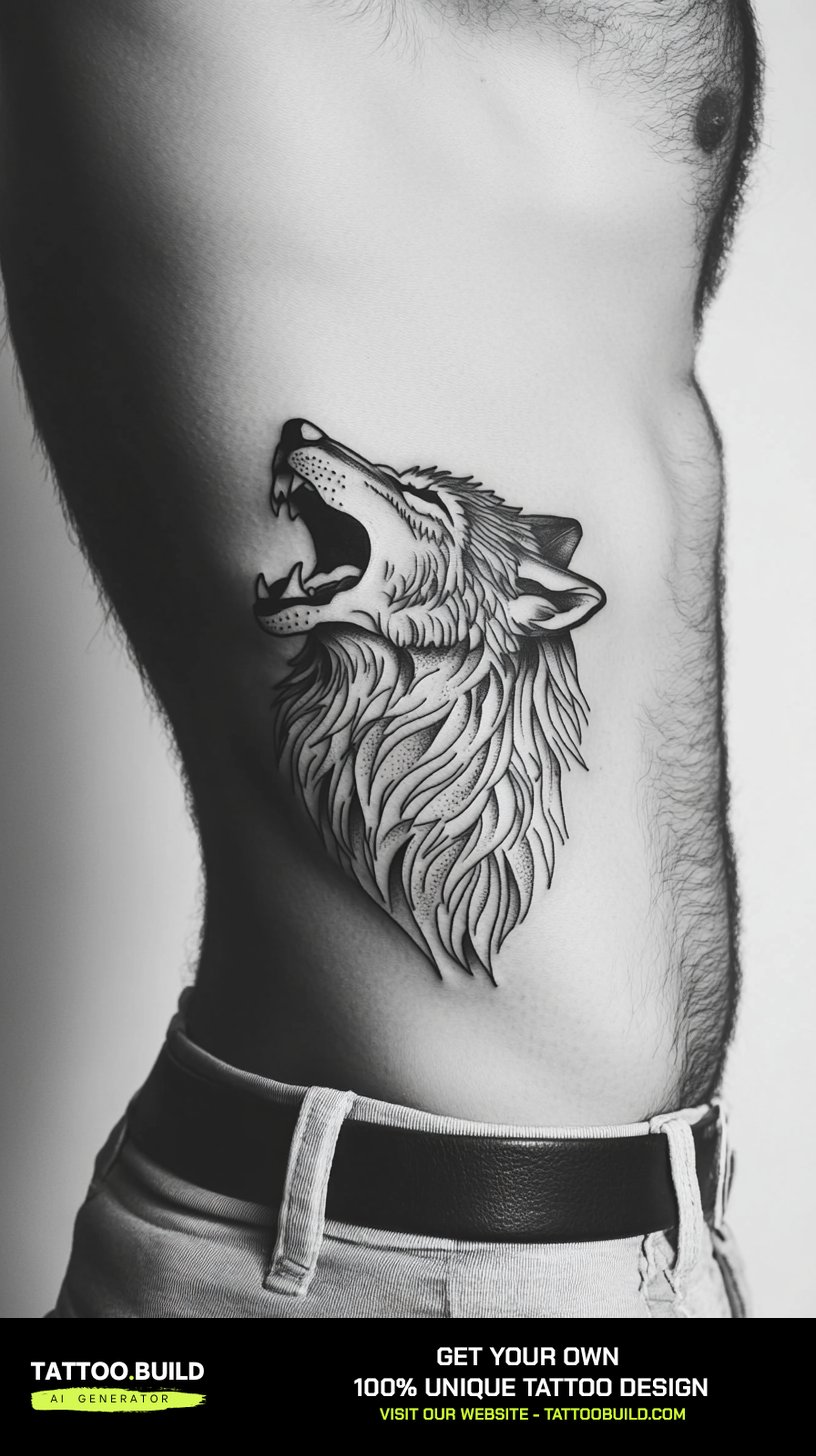
I have sat through a rib session, and I have watched a lot of guys tap out of one. The ribs are the placement men want most and prepare for least — great canvas, brutal chair time.
If you are here for designs, you will get them below. But the design is only half of what makes a rib piece work.
The other half is understanding what that stretch of skin actually does — it moves every time you breathe, it sits directly over bone, and it heals slower than your forearm ever will.
This guide covers the styles that hold up on the ribcage, what the pain is honestly like, how much space you need, and how to heal it without wrecking the linework. If you want a broader look at the placement first, our overview of rib tattoos for guys is a good starting point.
Everything here comes from time in shops, conversations with artists, and pieces I have watched heal — not from a template.
Which Rib Tattoo Style Is Right for You?
Style choice on the ribs is not just taste — some styles genuinely survive this placement better than others. Here is how the main options compare on the things that actually matter.
| Style | Typical Session Load | How It Ages on Ribs | Best For |
|---|---|---|---|
| Script & lettering | 1 session, often 2–4 hours | Good if the font is simple and spaced generously | First rib tattoo, meaningful words |
| Bold traditional | 1–2 sessions | Excellent — heavy outlines stay readable for decades | Guys who want it to still look sharp at 50 |
| Blackwork / ornamental | 2–4 sessions for a full panel | Very good, though solid black may need a touch-up | Coverage, dramatic contrast |
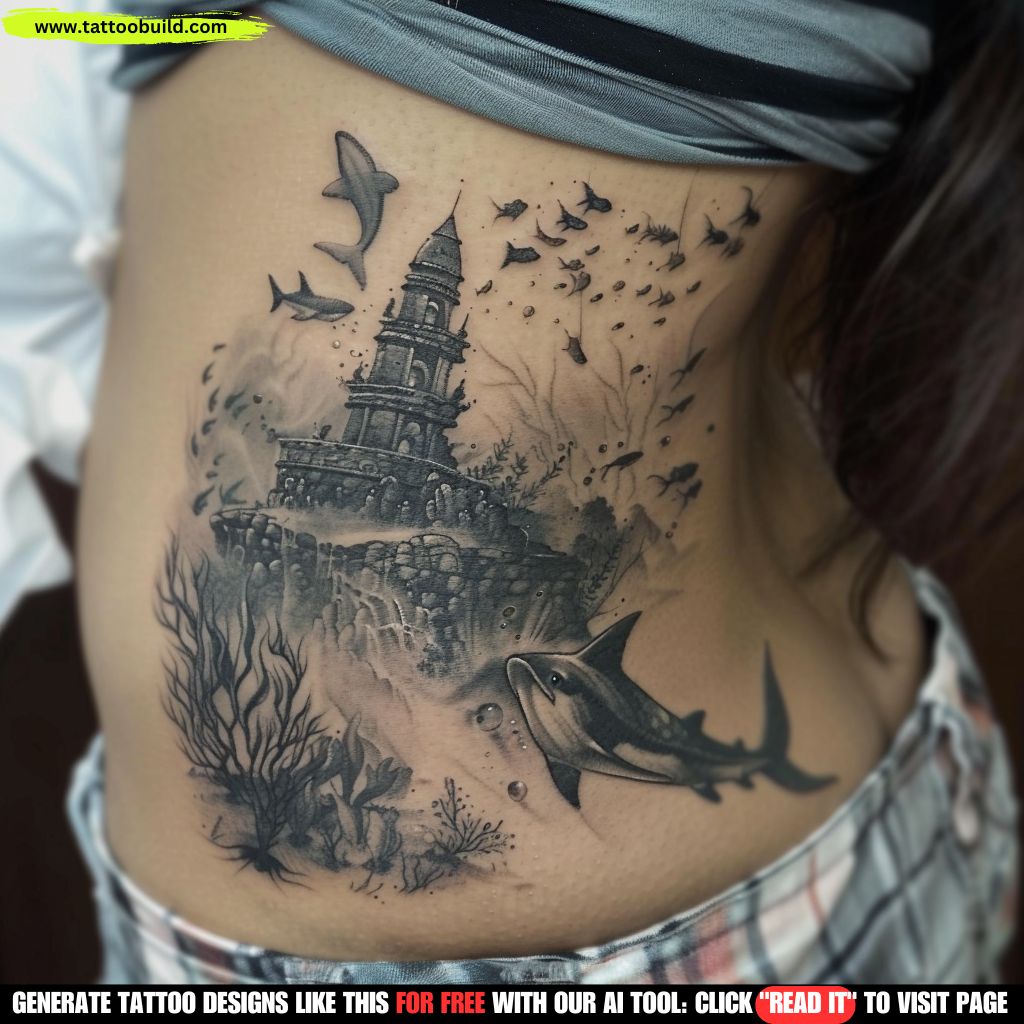
| Black & grey realism | 3–5+ sessions | Softens over time; needs a specialist | Portraits, statement pieces |
| Japanese | Multi-session by design | Excellent — built for curved body placements | Anyone planning a full side or bodysuit |
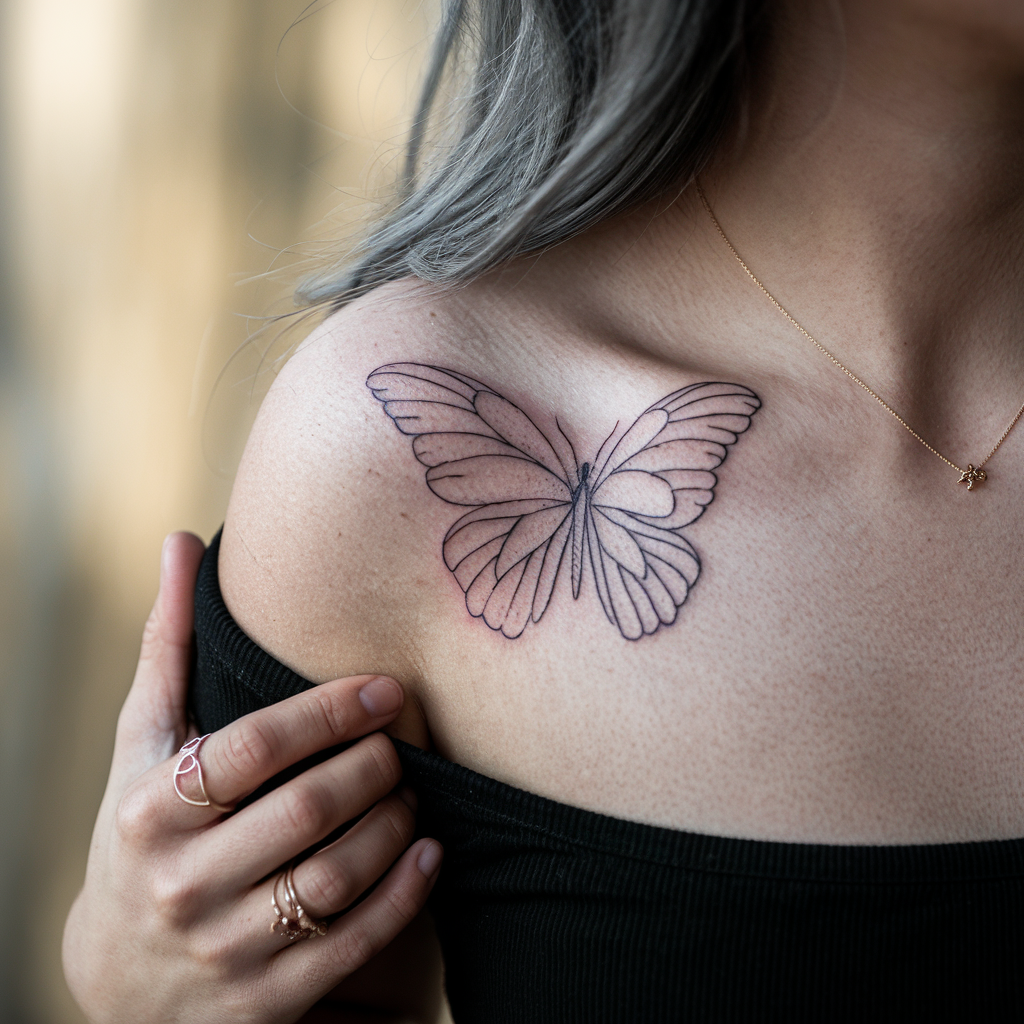
| Fine-line / minimal | 1 short session | Weakest here — thin lines can blur on stretchy skin | Small, discreet pieces |
The pattern is consistent: the bolder the linework, the kinder the ribs are to it long-term. That is not a rule against fine-line work, but it is worth knowing before you commit.
Why Rib Tattoos Hit Differently
There is almost no fat between the needle and the bone on your ribcage. The skin is thin, the nerve endings are dense, and every pass vibrates against bone in a way your arm never will.
Add breathing to that. You cannot hold still the way you can on a leg, so the artist is working on a surface that rises and falls under the machine for the entire session.
In my experience the first thirty minutes are manageable and the third hour is where people start negotiating. That is why most artists cap rib sessions shorter than they would elsewhere on the body.
The upside is real, though. The ribcage gives you a long vertical canvas with a natural curve, it stays covered under almost any shirt, and it flows into the chest, back or hip if you ever expand.
Cost tends to run higher than the same design elsewhere, simply because the work is slower. If you want a sense of general pricing before you ask, our guide to what tattoo designs cost covers how artists build a quote.
Rib Tattoo Ideas for Guys That Actually Work
These are the directions I see hold up best on the ribcage — not the trendiest, the ones that still look right years later.
Script, Quotes and Lettering
Lettering is the most common first rib tattoo for guys, and for good reason — the vertical space suits a stacked phrase or a single line running from armpit to hip.
The mistake is choosing a font that is too delicate. Tight cursive with hairline strokes tends to thicken and close up over the years on skin that stretches this much.
Every artist I have asked about rib lettering says the same thing: go one size bigger than you think, and leave more space between lines than looks necessary on the stencil.
Keep the phrase short. A few words in a clean serif or a bold sans reads far better at arm’s length than a paragraph. If you like the restraint of that approach, there is more in the same spirit in our simple tattoo designs for men.
Blackwork and Ornamental Panels
Blackwork is where the ribs genuinely shine. Solid black and heavy ornamental patterning wrap the curve of the torso without needing perspective tricks.
These pieces are usually built across multiple sessions, and that is a feature rather than a problem here — nobody should be packing large areas of solid black on ribs in one sitting.
Expect a touch-up. Large solid fills on ribs commonly heal a little patchy, and most artists build a free touch-up session into the price. Ask upfront whether yours does.
Negative space is your friend in this style. Leaving skin showing breaks up the mass, shortens the session, and gives the design shape. The same logic drives a lot of symbolic back tattoos for men, which often pair with a rib panel.
Religious and Angel Designs
Angels, praying hands, crosses and rosary work show up on ribs more than almost any other men’s placement.
Part of that is symbolic — the piece sits over the heart and stays private. Part of it is practical: wings and robes have natural vertical flow that fits the ribcage shape.
Scale matters more than detail here. A small, highly detailed face on rib skin will lose definition faster than a larger, simpler one. When I have seen these age badly, it was almost always a size problem.
Snakes, Serpents and Animal Work
A snake running the length of the ribs is one of the cleanest uses of this placement I know — the body of the animal follows the same vertical line the ribcage already suggests.
Panthers, wolves and eagles work too, but they need a wider spot. Anything with a broad silhouette often reads better sitting slightly forward onto the chest or back onto the lat.
In my experience the pieces that fail here are the ones fighting the anatomy — a horizontal subject squeezed into a vertical space always looks cramped, no matter how good the shading is.
Japanese and Irezumi-Inspired Panels
Traditional Japanese work was developed for exactly this kind of body placement. Wind bars, waves and cloud fill are designed to wrap a torso and connect one panel to the next.
If you think you might ever want a full side or a bodysuit, start here. A Japanese rib panel extends naturally; most other styles have to be awkwardly retrofitted.
Plan it with the artist as a map, not a single tattoo. Sessions are long and spread over months, but the payoff is a side that looks intentional rather than collected. The same planning logic applies to half sleeve tattoos for men.
Black and Grey Realism
Portraits, statues and photo-realistic subjects on ribs are impressive and unforgiving in equal measure.
Smooth grey wash needs consistent needle depth, and consistent depth is exactly what moving, bony skin makes hard. This is the one style where I would not compromise on the artist.
Look specifically for healed rib realism in a portfolio — not fresh photos, and not realism done on arms. They are different problems.
Floral and Botanical Work
Flowers on men’s ribs have moved firmly into the mainstream, usually in black and grey and usually paired with something harder — a skull, a dagger, lettering.
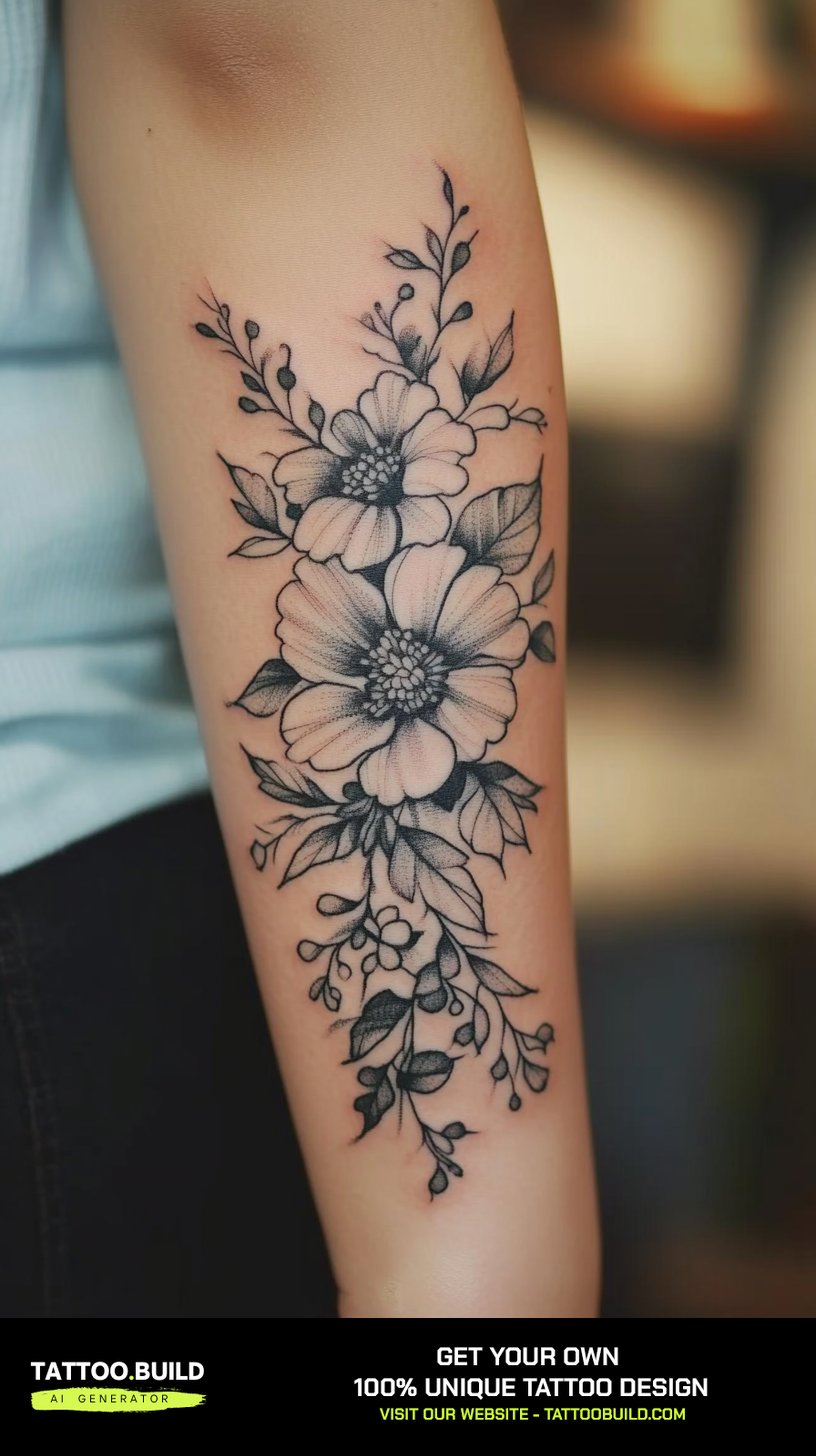
Botanical shapes are forgiving on ribs because organic linework hides small inconsistencies that a straight line would expose immediately.
They also flow well toward the hip, which gives you somewhere to go if you extend the piece later.
Traditional, Nautical and Bold Outlines
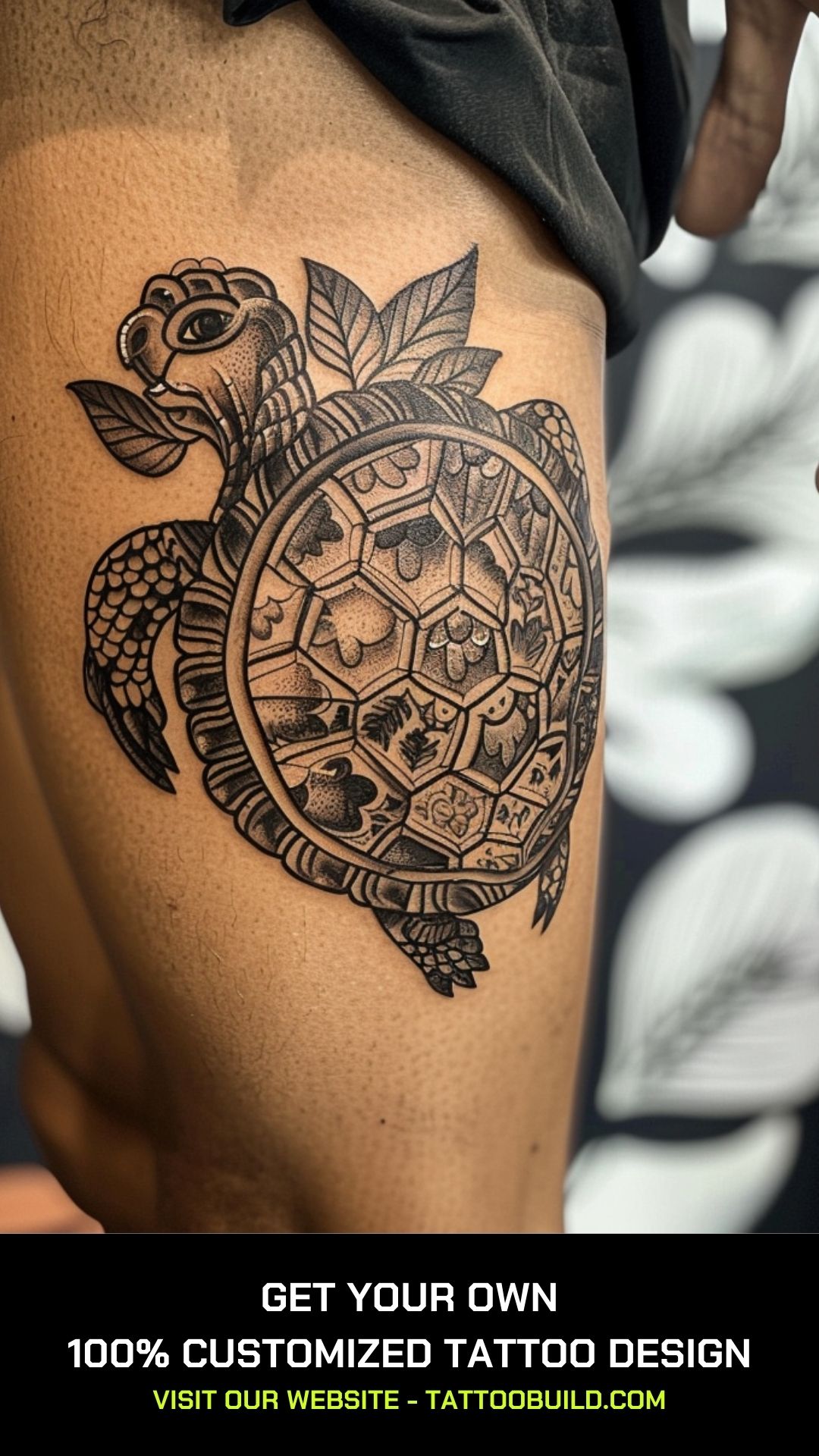
American traditional is the safest long-term bet on ribs. Thick outlines, limited palette, high contrast — everything that survives skin movement.
Compasses, ships, anchors and swallows all give the piece a clear focal point, which stops a rib tattoo from reading as a vague dark shape from across a room.
If you want one tattoo that will still look sharp in twenty years, this is the style to pick. Every old healed rib piece I have admired in person has been traditional.
Alternatives and Nearby Placements
If the ribs are not quite right — for pain, for career reasons, or for design fit — these are the placements guys usually land on instead.
Side Chest and Pec
A step up in comfort and still mostly hidden. The side of the chest gives you a flatter surface and noticeably easier chair time than the lower ribs.
Lat and Back
More room, less bone, far more forgiving. If your design is wide rather than tall, the back is usually the better answer — see back tattoo designs for men for scale references.
Inner Bicep and Forearm
The inner bicep is tender but nothing like ribs, and a forearm piece gets seen. For meaning-led designs, meaningful forearm tattoos for guys covers the ground well.
Stomach and Hip
The natural extension of a rib piece. Softer tissue, easier session, and it lets a vertical design finish properly instead of stopping mid-ribcage.
Healing and Aftercare for Rib Tattoos
Rib tattoos are among the more awkward placements to heal, mostly because clothing rubs the area constantly and you cannot see the whole thing without a mirror.
Loose clothing is the single biggest thing you control. Tight t-shirts drag across a healing rib piece every time you move, and that friction is what lifts ink out.
Follow your artist’s instructions rather than a generic routine — wrap type, wash frequency and moisturiser all vary by shop. General guidance on caring for tattooed skin is available from the American Academy of Dermatology, and the FDA publishes a plain-language fact sheet on tattoo risks.
Sleeping is the part nobody warns you about. If you side-sleep on the tattooed side, expect a rough week — plan to sleep on your back or the opposite side.
If you notice spreading redness, heat, swelling that worsens after the first few days, pus, or a fever, that is not normal healing. Contact your artist and see a doctor — infection and allergic reactions to pigment both happen, and both are treatable when caught early. Nothing in this article is medical advice, and the Mayo Clinic has a useful summary of what to watch for.
- Eat a proper meal before the session — rib pain is worse on an empty stomach.
- Ask for breaks early rather than gritting through and moving.
- Skip alcohol the night before; it thins your blood and makes the artist’s job harder.
- Keep the area out of direct sun and out of pools until it is fully healed.
- Book the touch-up rather than assuming you will not need one.
Common Mistakes — and Still Not Sure?
The most common mistake is going too small. Guys pick a modest design to limit the pain, then end up with something that looks lost on a large canvas and blurs faster because the details are tight.
Second most common: booking an eight-hour first session. Almost nobody sits ribs well for eight hours, and a session that ends badly usually means uneven work.
Third: choosing the artist by price. Rib work is slow and technically demanding, and it is the wrong place to save a couple of hundred dollars.
Still weighing it up? It helps to see how the same placement plays out differently — rib tattoos for women shows a lot of design solutions worth borrowing, and our broader collection of tattoo ideas for men is useful if you are still deciding on placement at all.
Frequently Asked Questions
How bad do rib tattoos actually hurt?
Most guys rank ribs at or near the top of their personal pain list, alongside the sternum and the inner elbow. The skin is thin, there is little padding over the bone, and breathing keeps the area moving. In my experience the pain is sharp rather than dull, and it builds over the session rather than easing off. That said, plenty of people sit them fine — it is intense, not unbearable.
How long does a rib tattoo take to heal?
Surface healing usually takes around two to three weeks, with the deeper layers settling over a couple of months. Ribs often feel like they take longer because clothing rubs the area constantly. Loose clothing and avoiding side-sleeping on the fresh piece make the biggest difference. Follow your artist’s specific aftercare instructions rather than a generic routine.
Do rib tattoos fade faster than other placements?
They can, mainly because the skin stretches with breathing and weight change, and because the area is easy to neglect during healing. Bold linework and simpler designs hold up noticeably better than fine detail. Sun exposure is also a factor if you go shirtless often. A touch-up after healing is common and worth planning for.
How much does a rib tattoo cost?
It varies a lot by artist, city and size, but expect to pay more than you would for the same design on an arm, because rib work is slower. Most artists quote by the hour or by the session for pieces this size. Ask for a written quote and whether a touch-up is included before you book. Do not shop on price alone for this placement.
Can I get a rib tattoo if I plan to gain or lose weight?
Moderate weight change usually will not ruin a rib tattoo, but significant change can distort the design, especially near the lower ribs and hip. If you are in the middle of a major body composition change, most artists will suggest waiting until things stabilise. Talk to your artist honestly about it during the consultation. They can also adjust the placement to sit in a more stable area.
Quick Summary
- Ribs are one of the most painful placements for men — thin skin, bone underneath, and constant movement from breathing.
- Bold traditional, blackwork and Japanese styles hold up best; fine-line work is the riskiest long-term choice here.
- Go bigger than feels necessary — small, detailed rib pieces blur faster than larger simpler ones.
- Lettering is the most popular starting point, but font choice and spacing decide whether it ages well.
- Expect multiple sessions for any large panel, and expect to need a touch-up on solid black.
- Loose clothing and not side-sleeping on the fresh tattoo are the two aftercare habits that matter most.
- Pick the artist on healed rib work in their portfolio, not on price.
- See a doctor for spreading redness, worsening swelling, pus or fever — that is not normal healing.