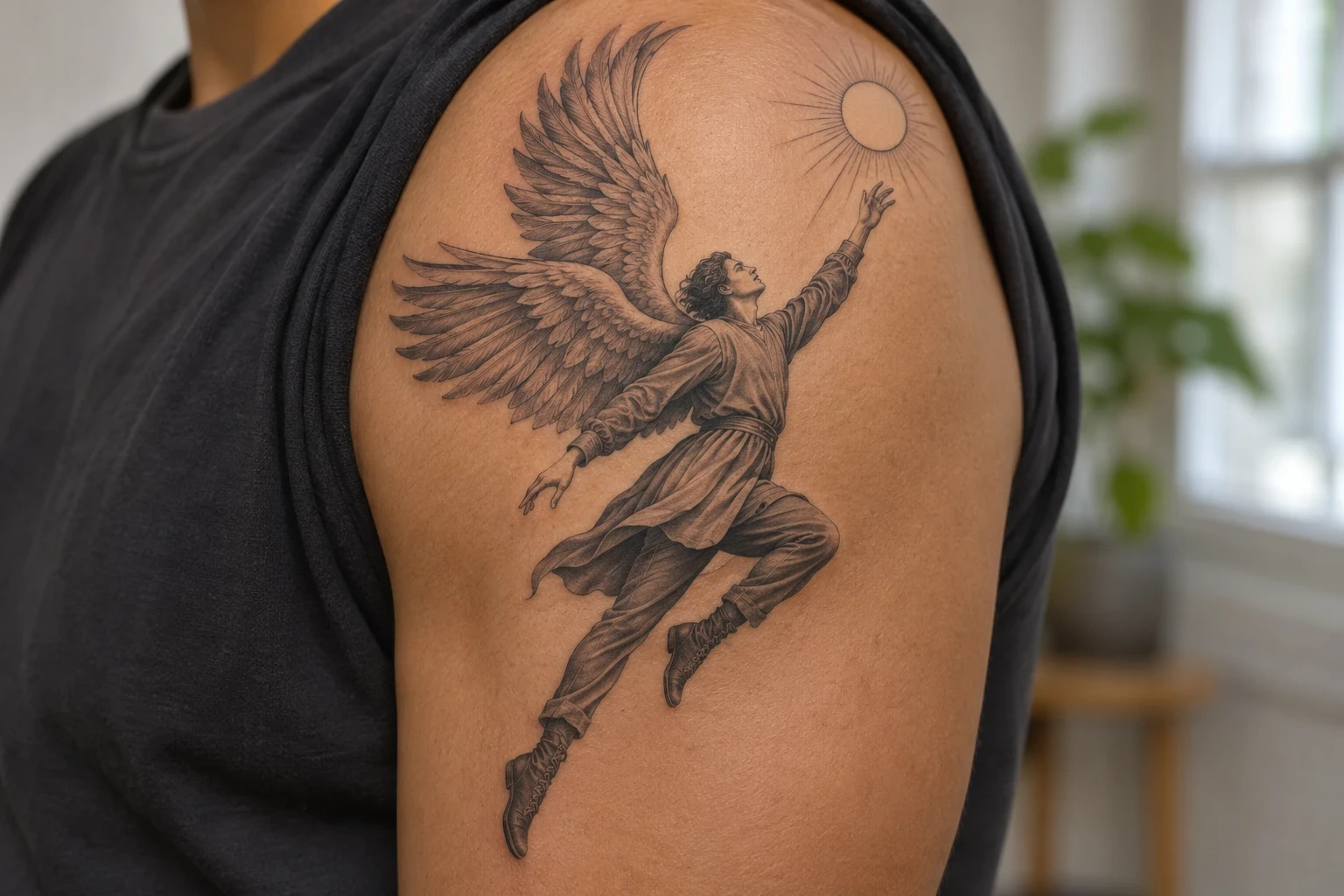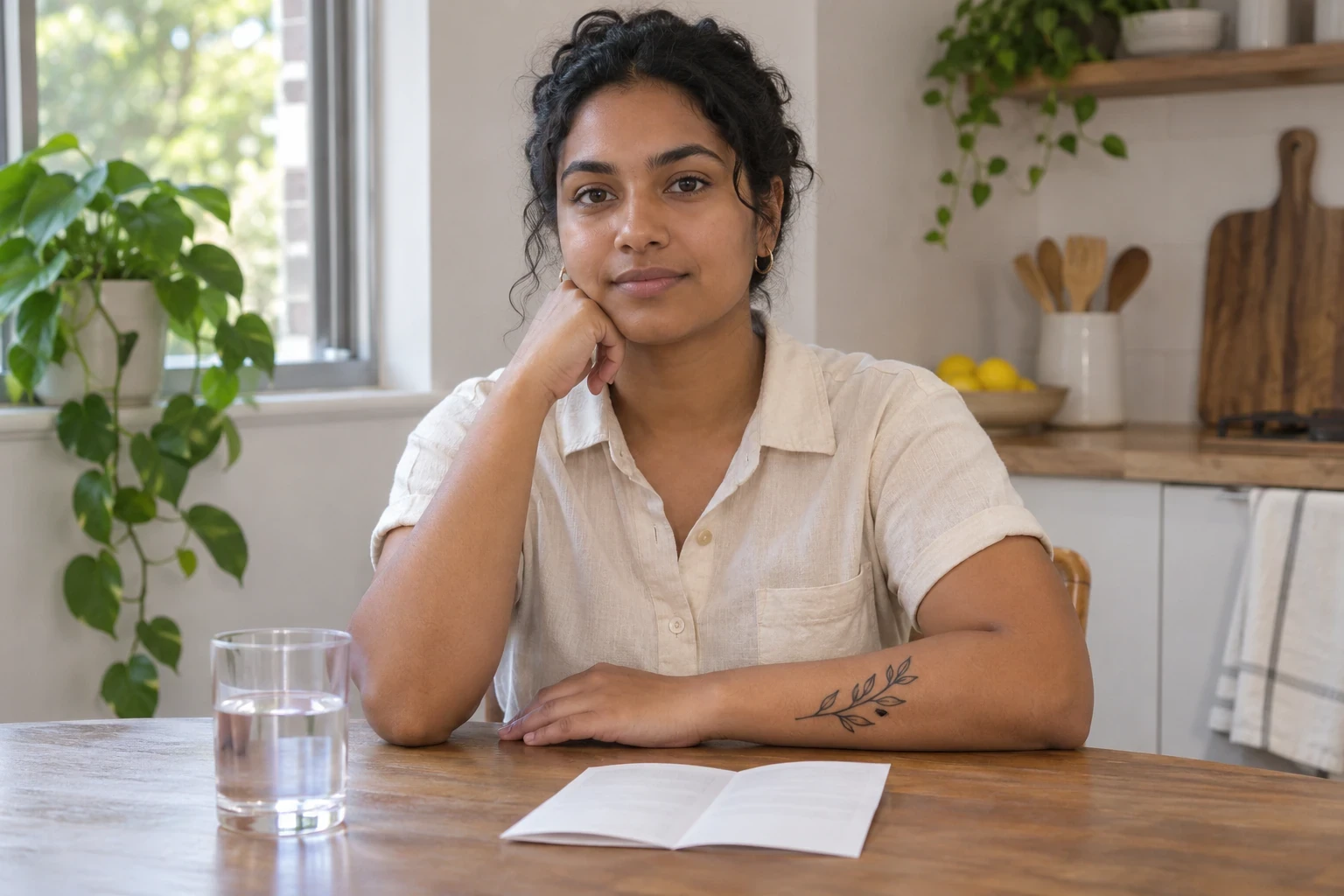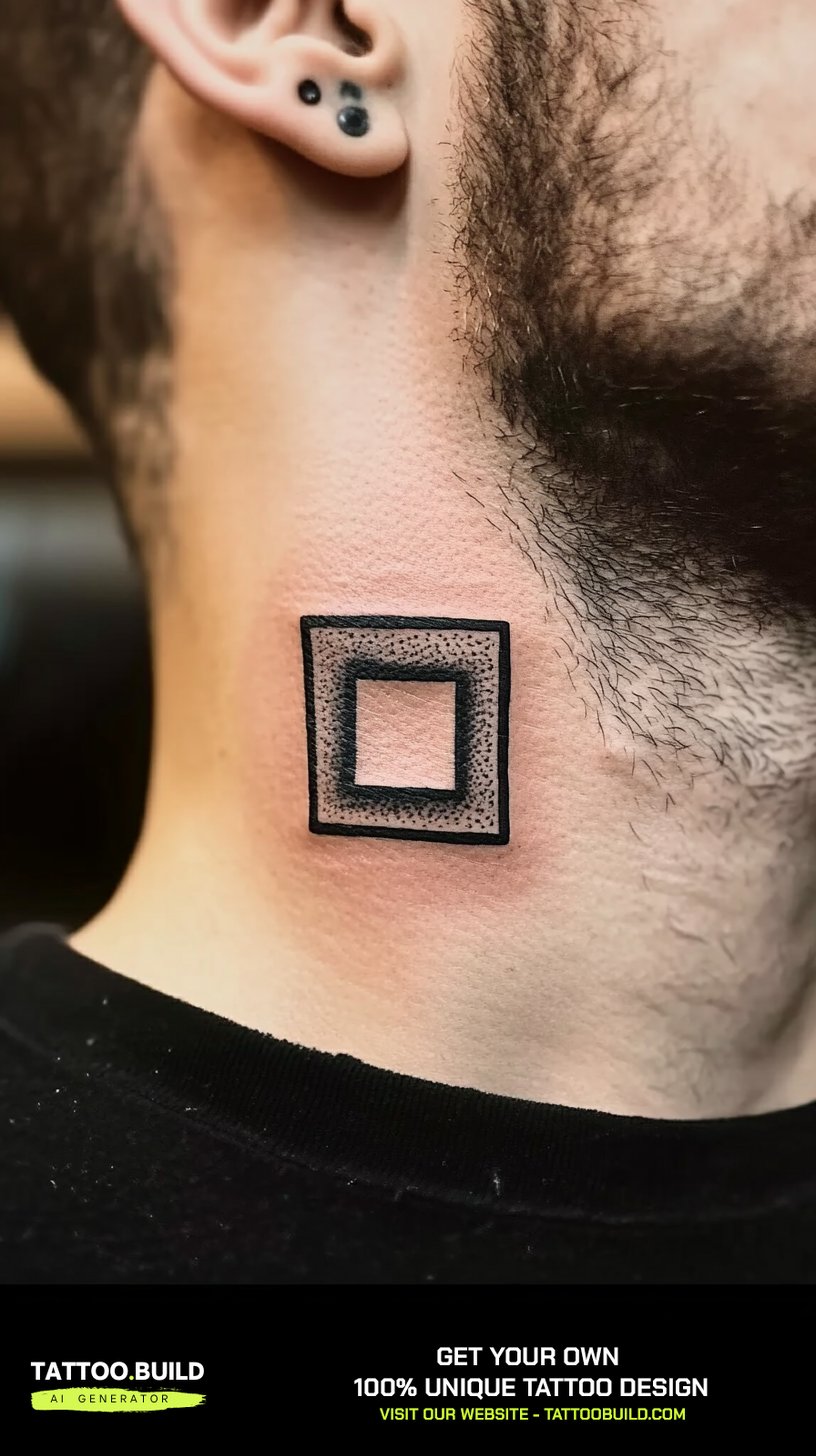
A simple tattoo is not a beginner tattoo — it is the hardest kind to do well. There is nowhere for a shaky line to hide.
I have watched artists spend forty minutes on a design that takes nine minutes to actually tattoo. The drawing is the work. The needle is just the last step.
Over the years I have sat for several small black pieces and sent more friends than I can count to their first appointment. The ones who came back happiest all wanted the same thing: something clean, something readable, something they would not have to explain.
This guide covers the styles that actually hold up, where to put them, what the session feels like, and the mistakes I see over and over. If you want pure inspiration first, the gallery of simple tattoo ideas for men is a good place to start scrolling.
Which Simple Style Is Right for You?
Every style below is technically simple. They age differently, hurt differently, and cost differently.
| Style | Typical sitting | How it ages | Best for |
|---|---|---|---|
| Fine line | 30–90 minutes | Softens noticeably; often needs a touch-up | Delicate, discreet pieces on flat skin |
| Bold blackwork | 1–3 hours | Excellent — holds shape for decades | Statement pieces you want readable at distance |
| Geometric | 1–3 hours | Good, if lines are not hair-thin | Symmetry lovers and forearm placements |
| Dotwork | 1–4 hours | Dots can blur together over time | Soft gradients without heavy shading |
| Lettering | 20–60 minutes | Depends entirely on font size | A word, date, or short phrase that matters |
| Single line | 30–60 minutes | Thickens slightly; usually still clean | Minimal outlines of faces, mountains, animals |
Why Simple Designs Age Better Than Complicated Ones
Ink does not stay exactly where it is placed. Over years it migrates a small amount within the skin, and lines spread.
That spread is why detail is the enemy of longevity. Two lines sitting a millimetre apart at twenty-five can read as one thicker line at fifty.
A design built from six confident lines has room to spread and still look like itself. A design built from sixty does not.
Sun exposure accelerates all of it. Every artist I have asked names UV as the single biggest factor in how fast a piece goes soft, well ahead of aftercare products or ink brand.
This is not an argument against detailed tattoos. It is an argument for knowing which one you are buying.
Simple Tattoo Styles Worth Considering
Geometric Shapes and Line Grids
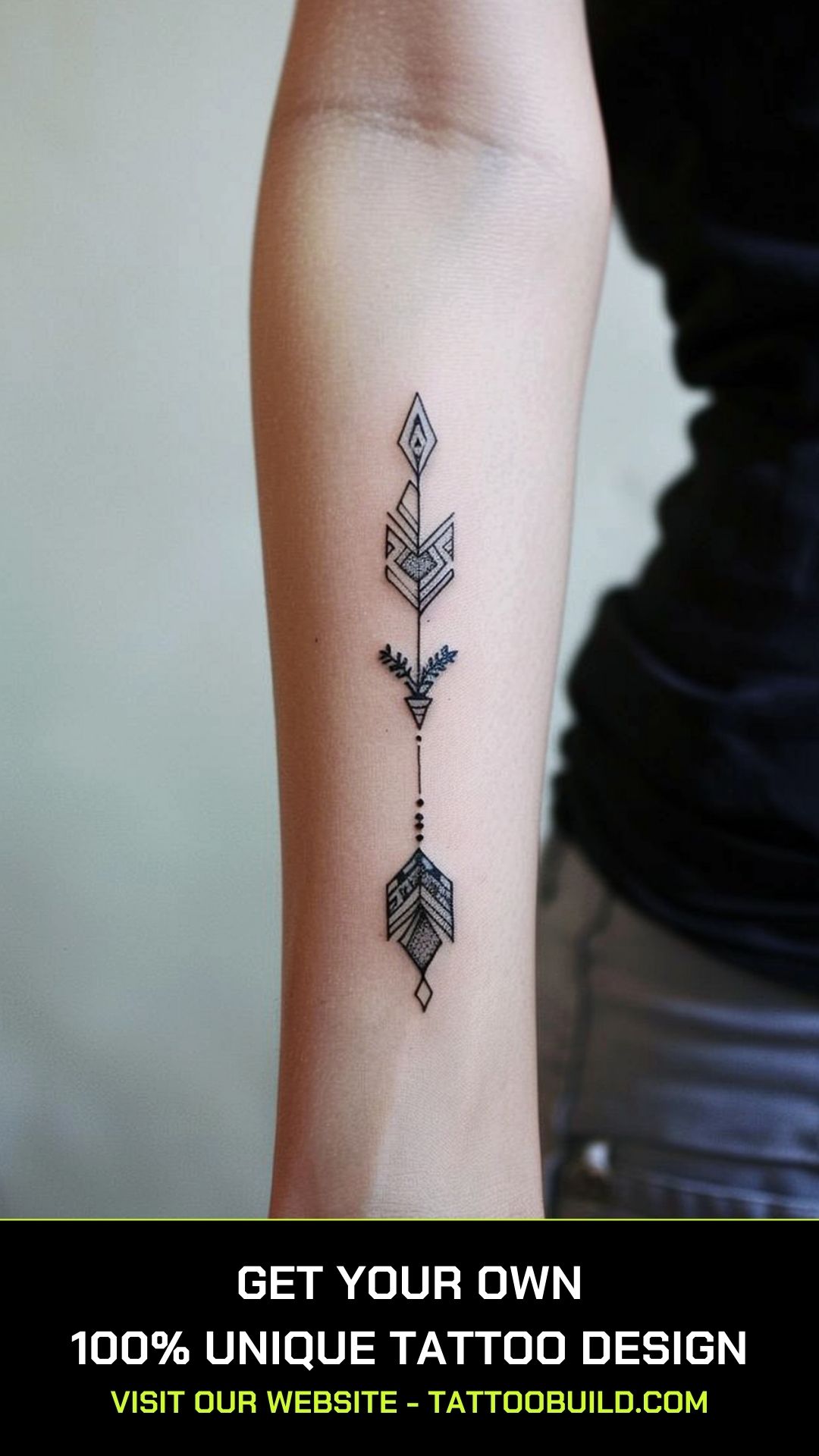
Geometric work is the most requested simple style I encounter, and the easiest to get wrong.
Straight lines expose everything. A wobble that would vanish inside a traditional rose is glaring inside a triangle.
Ask specifically to see healed geometric work in the artist’s portfolio, not fresh photos. Fresh lines always look perfect. If this is the direction you are leaning, the geometric tattoo ideas for men collection shows what the style looks like across different placements.
Practical note from experience: geometric pieces sit best on flat, stable areas — outer forearm, calf, upper back. Curved surfaces distort straight lines when you move.
Single Line and Continuous Line Work
One unbroken line describing a face, a mountain range, or an animal. Minimal by definition.
These are quick — usually under an hour — and among the least painful pieces to sit for because there is so little total needle time.
The catch is that a single line has no redundancy. If it blurs, the whole image softens at once. I would size these a little larger than feels necessary. The broader linework tattoo ideas guide covers how line weight changes the result.
Symbolic and Meaning-Led Pieces
An arrow, a compass, a mountain, a semicolon, a small anchor. Symbols carry weight without needing explanation.
The best symbolic tattoos are the ones the wearer would keep even if nobody ever asked about them.
I would be careful with symbols borrowed from cultures you have no connection to — plenty of artists will now decline those, and reasonably so. There are more options than most people realise in the small meaningful tattoo ideas for men roundup.
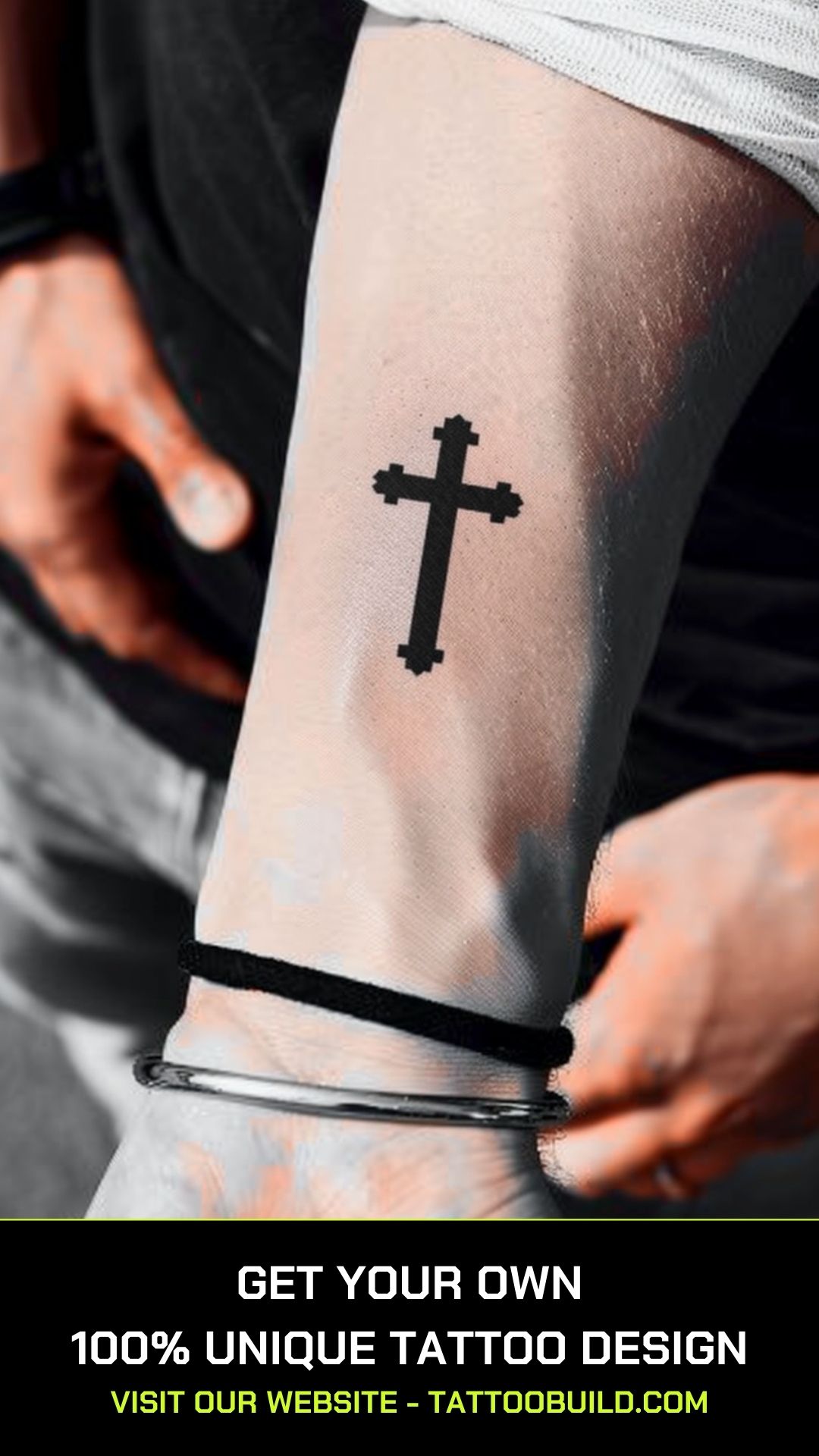
Solid black symbols age better than outlined ones. If longevity matters more than delicacy, fill it in.
Nature Motifs Stripped Back
Mountains, waves, pine trees, a single feather. Nature reduces to simple shapes more naturally than almost anything else.
A mountain range is essentially three triangles. That is why it works so well small — the shape survives at any scale.
When I tested a small wave outline on my own inner forearm, the thing that surprised me was how much the placement mattered. Two inches higher and it would have distorted every time I turned my wrist.
Keep horizon lines level with the body’s natural lines, not with the floor. Your arm moves; a tattoo that looks straight only in one position will annoy you.
Abstract and Loose Linework
Open shapes that do not represent anything specific. Popular with people who want ink without a story attached.
Abstract work gives the artist the most creative freedom, which usually means a better result if you have chosen them for their style rather than their price.
Bring reference for the feel you want — heavy or light, angular or flowing — and then let them design. Micromanaging an abstract piece defeats the purpose.
In my experience these are also the pieces people are least likely to regret, because there is no literal meaning to grow out of.
Lettering, Words and Dates
A single word, a date in Roman numerals, a short phrase. Fast, cheap, and the most commonly botched simple tattoo there is.
Two rules I would not break. First, check the spelling yourself — read it backwards, letter by letter, off the stencil before the needle touches you.
Second, go bigger than you think. Small script closes up as it ages; the gaps inside letters like a, e and o are the first thing to fill in. The word tattoo ideas for men guide has sizing examples worth reading first.
If the phrase is in a language you do not speak, get it verified by someone who does. Not by a translation app.
Dotwork and Stippling
Shading built from thousands of individual dots rather than solid packed ink. Softer, quieter, and slower than it looks.
A palm-sized dotwork piece can take three or four hours. The technique is time-intensive even when the design is simple.
Dotwork sits somewhere between fine line and blackwork in how it ages — the dots gradually merge, so tightly spaced stippling can go muddy. Loosely spaced dotwork holds better.
This is a style where the artist matters more than the design. Not everyone does it well.
Bold Blackwork
Solid black shapes, heavy outlines, high contrast. The opposite of delicate — and the most durable option on this list.
If you want a tattoo that still looks intentional in thirty years, bold black is the safest bet.
It is more painful than fine line work because the needle covers the same area repeatedly to pack the ink. Expect a longer session and more healing tenderness. See blackwork tattoo ideas for men for scale references.
Worth knowing before you commit: large solid black is genuinely difficult to cover or remove later. That permanence is the trade for the durability.
Placement Options and How They Change the Design
The same design behaves completely differently depending on where it goes. Placement is a design decision, not an afterthought.
Forearm — the default for a reason
Flat, stable, moderate pain, easy to see and easy to cover with a sleeve. Most first simple tattoos land here. The small forearm tattoo ideas for men guide covers inner versus outer placement in more detail.
Upper arm and shoulder
Comfortable to sit for, ages slowly because it sees less sun, and hides under a t-shirt. A good choice if your workplace is conservative.
Ribs, chest and sternum
Dramatic placement, significantly more painful, and the skin stretches with breathing. Check a tattoo pain chart before booking a long rib session.
Hands, fingers and neck
Highly visible and the fastest-fading placements on the body. Fingers in particular often need touching up within a couple of years. Many artists will refuse these as a first tattoo, and I think they are right to.
Getting It Right: Practical Advice Before You Book
Choose the artist before the design. A good artist will improve your idea; a cheap one will trace it. If this is your first, the first tattoo guide covers what the appointment actually involves.
Eat properly beforehand and skip alcohol the night before — it thins the blood and makes the session messier for everyone. Sleep matters more than people expect.
On aftercare, follow the instructions your artist gives you over anything you read online, including this page. General guidance from the American Academy of Dermatology is a reasonable baseline: keep it clean, keep it moisturised, do not pick, and keep it out of the sun.
Watch for signs that are not normal healing — spreading redness, heat, pus, or fever. Those need a doctor, not a forum thread. The FDA fact sheet on tattoos and permanent makeup outlines the risks worth knowing about, including allergic reactions that can appear months later.
Never attempt to tattoo or remove ink yourself. Home kits and DIY removal cause scarring and infection, and removal in particular is a medical procedure that belongs with a qualified professional.
Common Mistakes — and What to Do Instead
Going too small. This is the single most frequent regret I hear. A design that looks perfect at two centimetres often has no room to age.
Choosing the shop by price. A simple tattoo is cheap enough that the difference between the best artist in town and the cheapest is often the price of a nice dinner.
Booking on the day you decided. Sit with the design for a few weeks. If you still want it, that tells you something useful.
Copying someone else’s tattoo exactly. Most artists will decline, and the ones who agree are usually not the ones you want. Use it as a starting point instead — the minimalist tattoo ideas gallery is built for exactly that kind of browsing.
Ignoring how it sits on the body. Ask for the stencil to be placed and then walk to a mirror. Move your arm. Sit down. Look again.
Frequently Asked Questions
How much does a simple tattoo for men usually cost?
Most shops have a minimum charge that covers setup, needles and time, and a small simple piece often lands at or near that minimum. Beyond it, pricing is usually hourly and varies enormously by city and by artist demand. A palm-sized simple design is typically a one-session job. Always ask for a quote at the consultation rather than assuming, and treat an unusually low price as a reason to look harder at the portfolio.
Do simple tattoos hurt less than detailed ones?
Generally yes, mostly because they take less time rather than because the sensation differs. Less total needle time means less accumulated soreness. That said, placement affects pain far more than style does — a small rib piece will outrank a large forearm piece every time. Bold blackwork is the exception among simple styles, since packing solid ink means going over the same skin repeatedly.
How long does a simple tattoo take to heal?
The surface usually looks settled within two to three weeks, while the deeper layers continue healing for a couple of months. Peeling and itching in the first fortnight are normal; picking at it is what causes patchy ink. Keep it clean and moisturised, and keep it out of direct sun and swimming pools until it is fully closed. If you see spreading redness, heat, or discharge, see a doctor rather than waiting it out.
Will a fine line tattoo need a touch-up?
Often, yes. Very thin lines are placed shallowly and some ink is lost during healing, so small gaps or faded sections are common. Many artists include one free touch-up within a set window after the appointment — ask about this before booking. Bolder line weights reduce the likelihood considerably. Hands and fingers need touch-ups more than anywhere else regardless of style.
What is a good first simple tattoo for a man?
Something bold enough to age well, placed somewhere with moderate pain and easy aftercare — the outer forearm or upper arm are the usual recommendations. A symbol, a small nature motif, or a single meaningful word all work well at that size. Avoid hands, fingers, ribs and neck for a first piece. In my experience the people happiest a decade later chose something simple, slightly larger than they first planned, and from an artist they specifically wanted.
Quick Summary
- Simple designs are harder to execute than they look — the drawing matters more than the tattooing.
- Bold blackwork ages best; hair-thin fine line ages fastest and often needs touch-ups.
- Go larger than feels necessary. Lines spread with age and detail closes up.
- Flat, stable, low-sun placements — outer forearm, upper arm, calf — keep a design crisp longest.
- Hands, fingers and neck fade quickest and are poor choices for a first piece.
- Choose the artist first, then the design, and ask specifically for healed photos.
- Verify spelling and translation yourself before the needle touches skin.
- Follow your artist’s aftercare, keep it out of the sun, and see a doctor for anything that looks like infection.