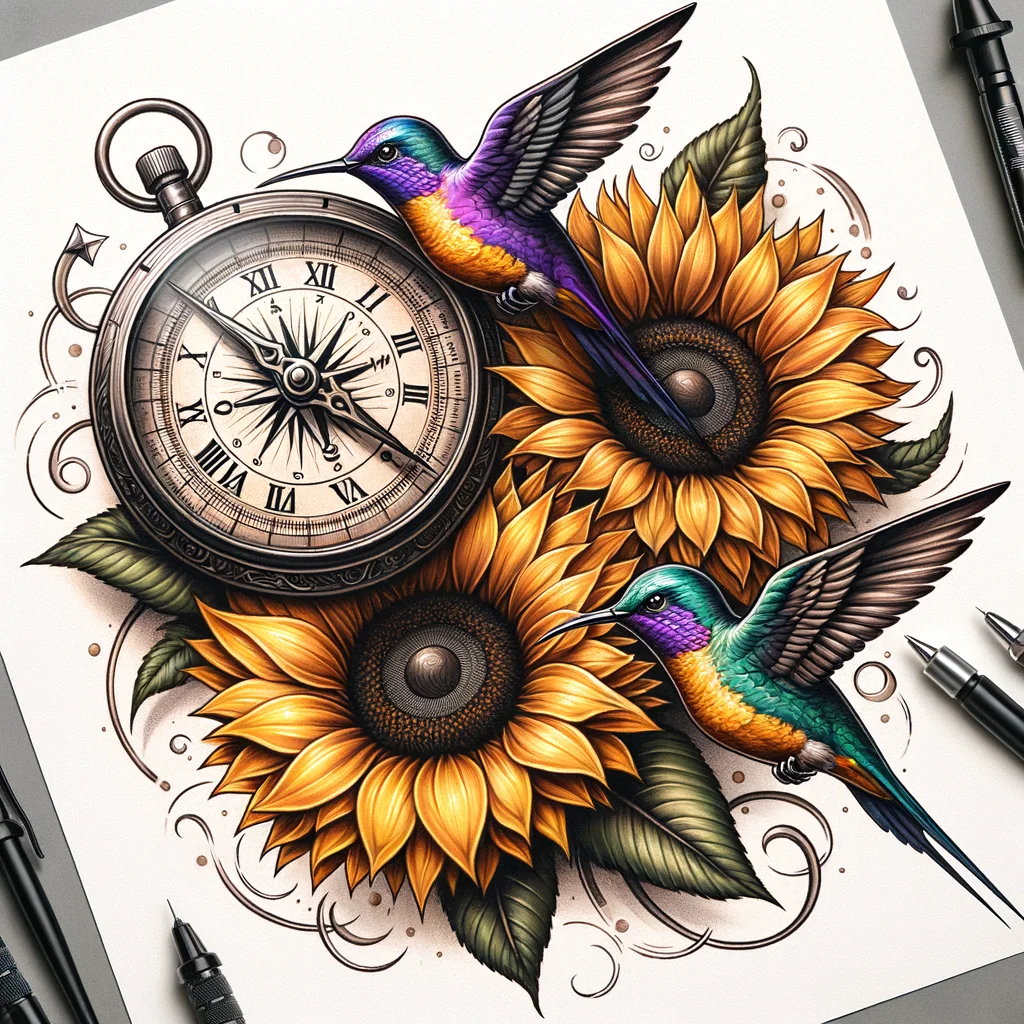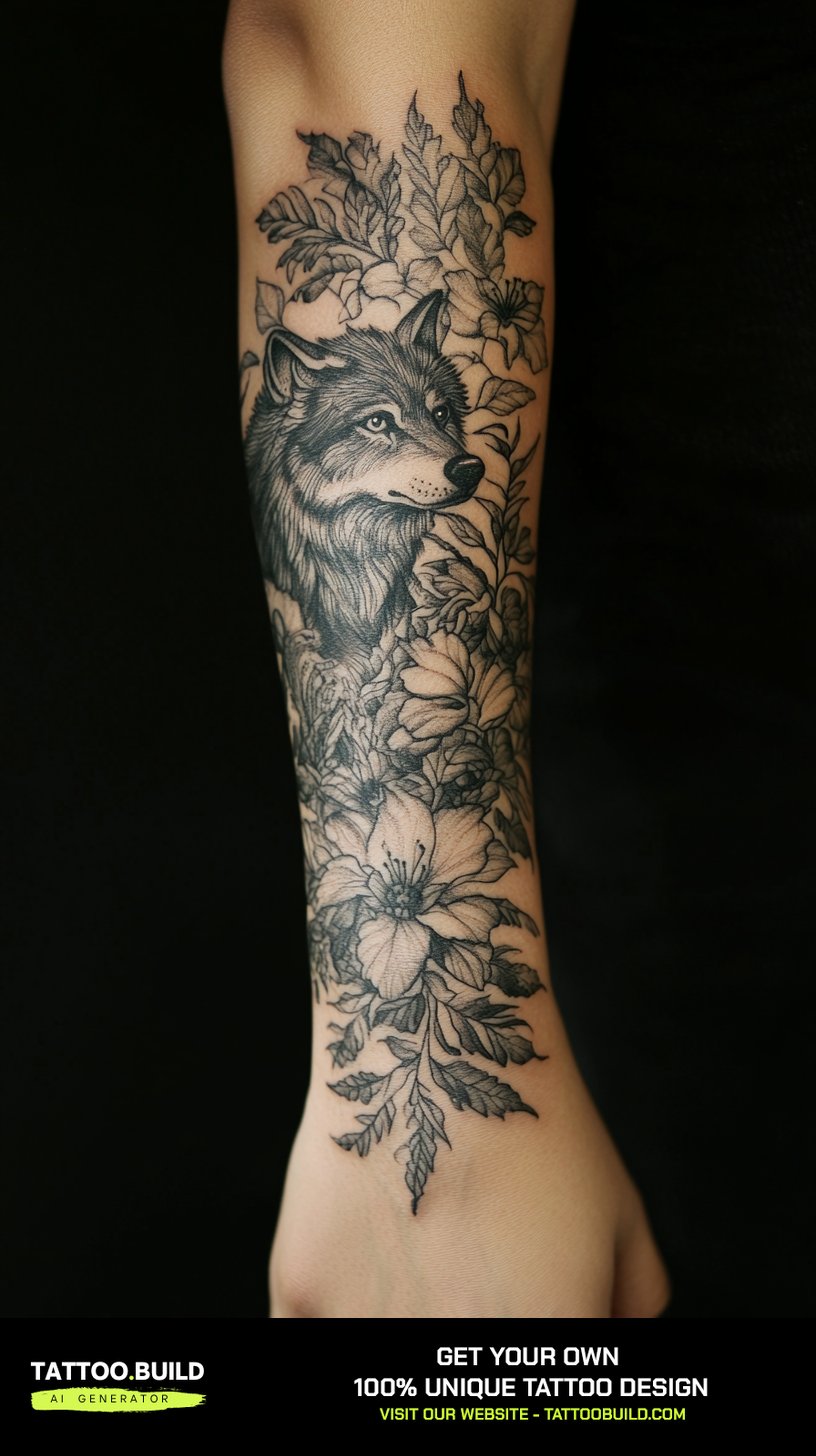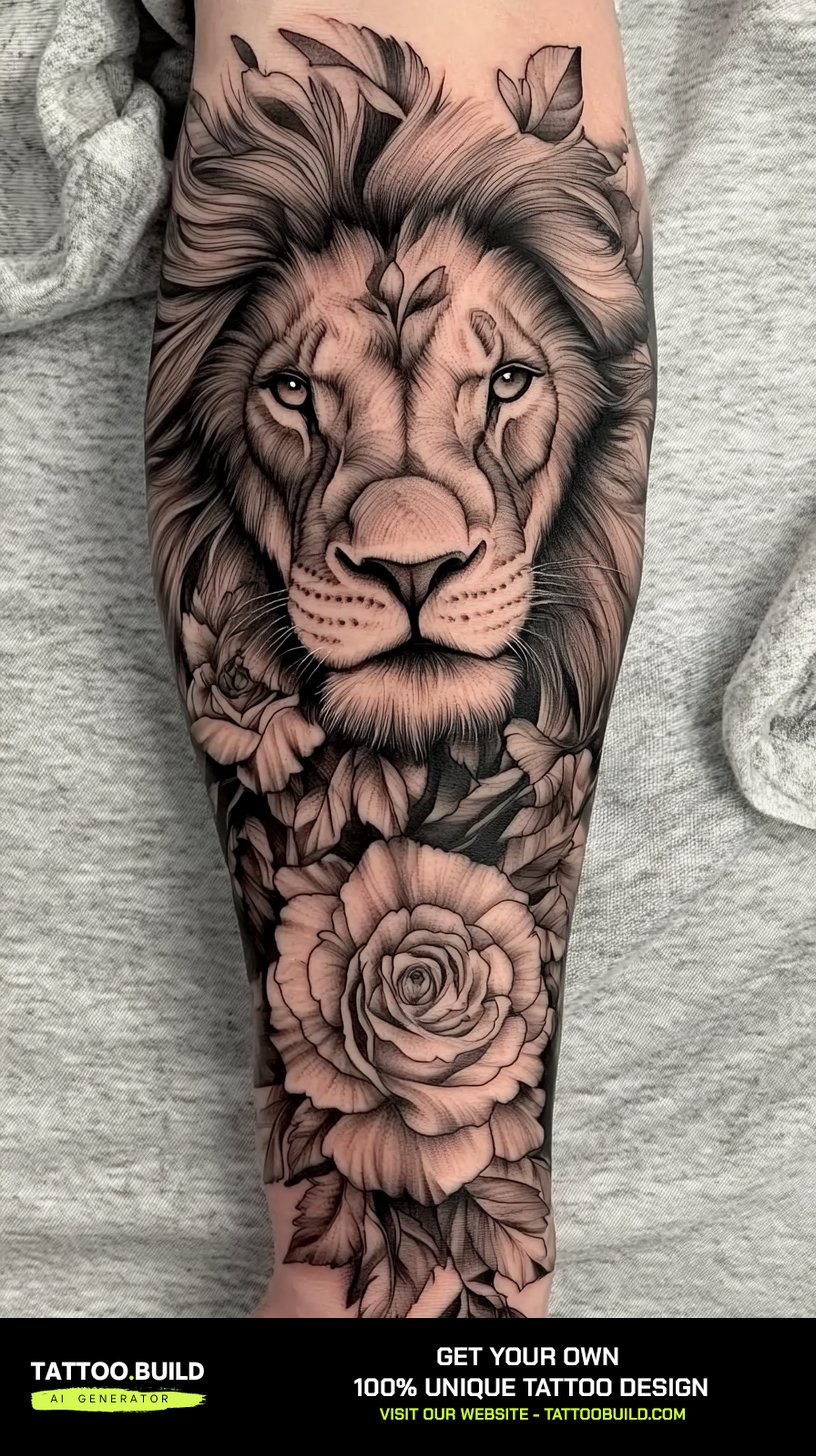
A lower arm sleeve is the most visible tattoo most men will ever get, and that single fact should shape almost every decision you make about it.
I have sat through three separate forearm sessions of my own, and the thing nobody warned me about was how differently this piece behaves compared with an upper arm or a back piece. You see it all day. So does everyone else.
The lower arm runs roughly from the inside of the elbow to the wrist bone, and on most adult men that is a canvas somewhere around 10 to 12 inches long and narrow enough that composition matters more than raw detail. It is also the natural first step toward a half sleeve if you decide later that you want more.
This guide covers the styles that actually hold up on that patch of skin, what a realistic timeline and budget look like, and the mistakes I keep watching people make on their first sleeve.
Which Lower Arm Sleeve Style Is Right for You?
Every style below works on a forearm. They do not all work for every schedule, budget or pain tolerance, which is usually what decides it.
| Style | Typical Sessions | How It Ages | Best For |
|---|---|---|---|
| Black & grey realism | 3–5 sittings | Soft mid-tones fade first; needs bold anchors | Portraits, animals, single hero subject |
| Japanese / oriental | 4–6 sittings | Excellent — built around heavy black | Flowing designs that may extend later |
| Blackwork & tribal | 2–4 sittings | Best of any style; edges soften slowly | High contrast, low maintenance |
| Fine line & dotwork | 1–3 sittings | Weakest — thin lines can blur over years | Subtle, understated coverage |
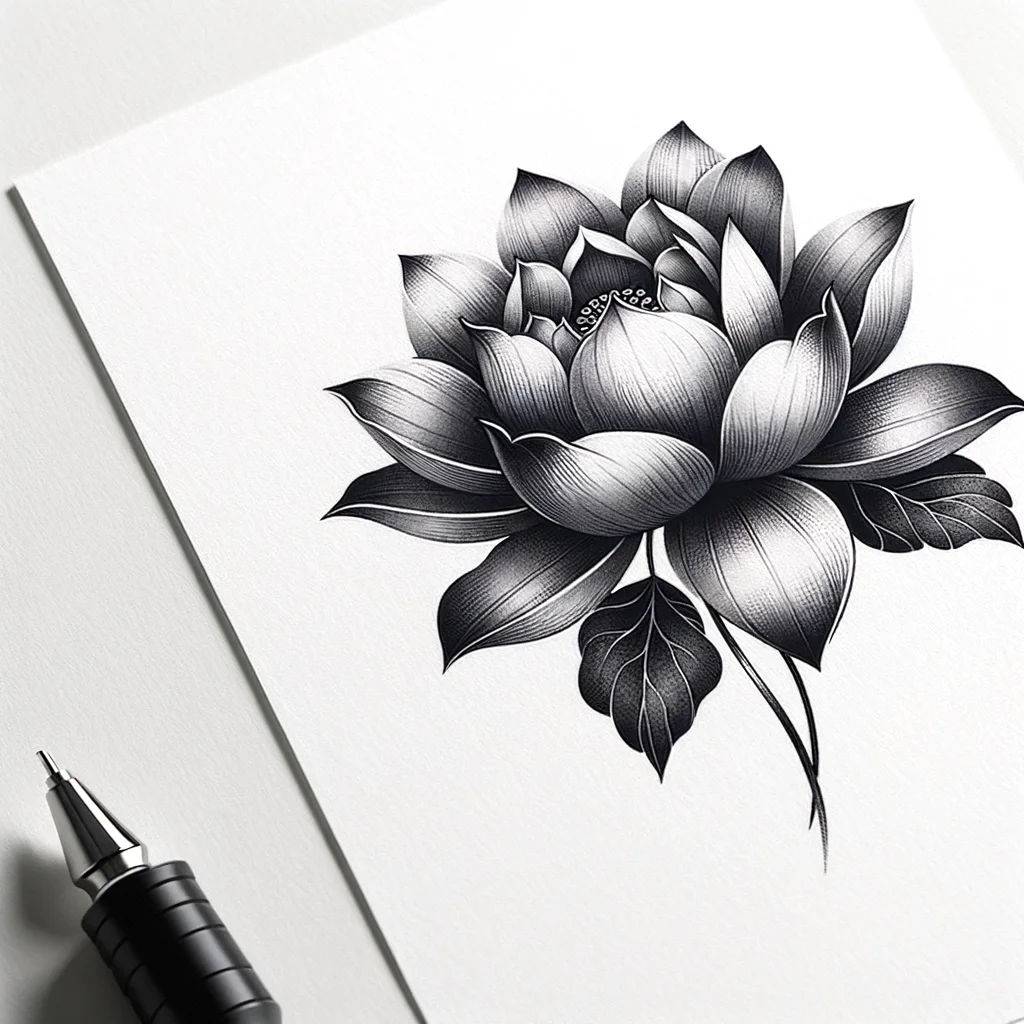
| Floral & botanical | 2–4 sittings | Good when leaves carry solid black | Filling awkward gaps naturally |
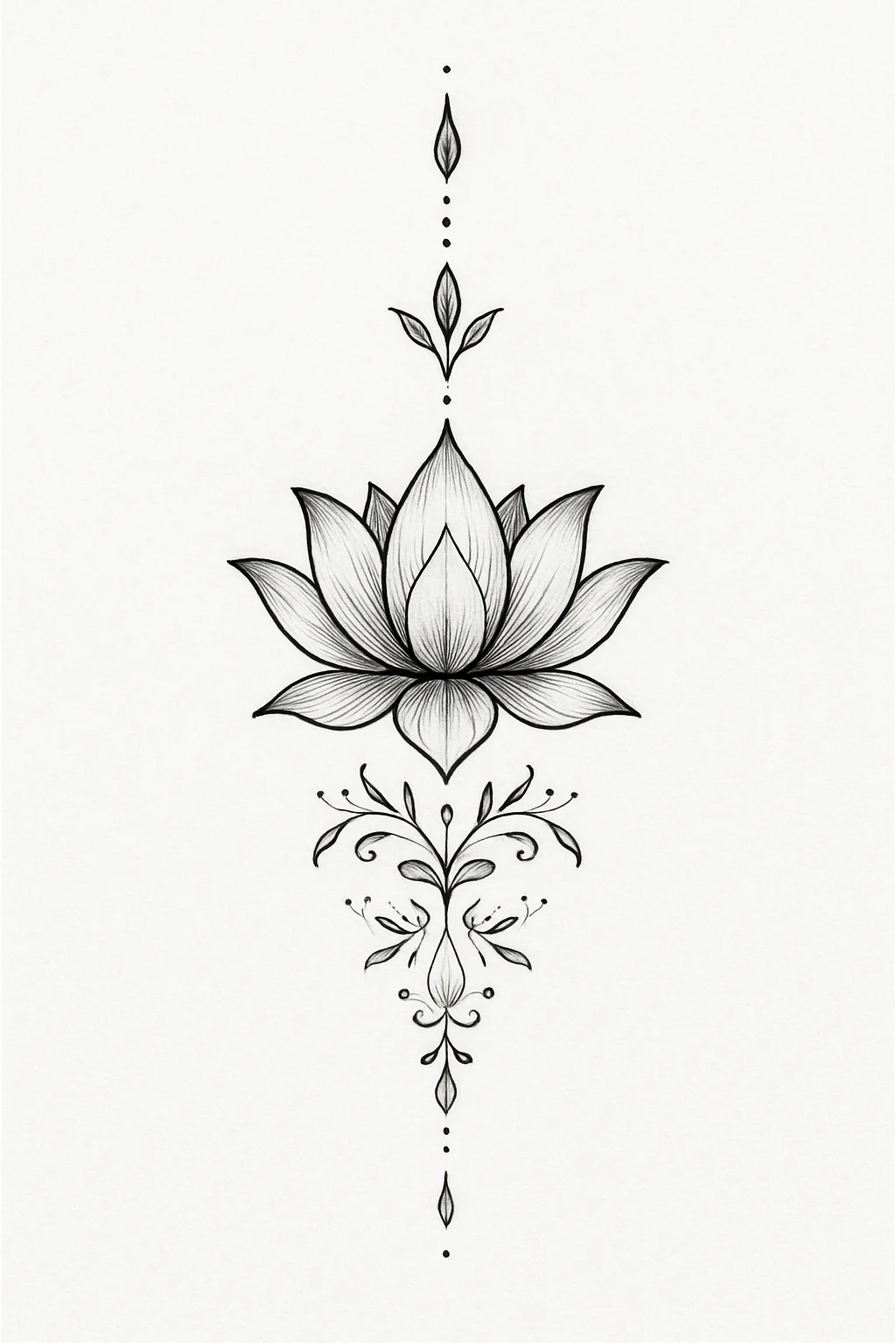
| Ornamental / mandala | 2–4 sittings | Very good — geometry hides fading | Symmetry and wraparound coverage |
What Actually Affects How a Forearm Sleeve Ages
The forearm is not a flat rectangle. It twists, the skin over the inner arm is thinner and more sensitive, and the outer surface catches far more sun than almost anywhere else on the body.
Sun exposure is the single biggest reason forearm tattoos look tired at ten years while the same artist’s back pieces still look sharp. Every artist I have asked has said some version of this, unprompted.
Line weight is the second factor. A design built on hairline strokes will spread slightly as ink settles into the dermis over the years, which is why bold outlines and solid black anchors tend to outlive delicate ones.
Placement across the wrist matters too. Ink placed on the very edge of the wrist bone and on the hand side of the wrist crease often heals patchier than ink on the mid-forearm, and many artists will tell you upfront to expect a touch-up there.
Budget follows all of this. Rates vary hugely by city and artist, so rather than quote a number I cannot verify for your area, it is worth reading our breakdown of what a sleeve tattoo costs and then asking two or three local studios directly.
Lower Arm Sleeve Styles Worth Considering
These are the seven directions I see working most consistently on the lower arm. Each one solves the narrow-canvas problem differently.
Black and Grey Realism
Realism on a forearm lives or dies on subject choice. One strong focal point — a lion, a portrait, a skull — reads far better than three competing ones crammed between elbow and wrist.
In my experience the successful forearm realism pieces all share a trick: the artist wraps darker background texture around the sides of the arm so the subject sits on the flat outer face and stays legible from a normal conversation distance. If meaning matters more to you than spectacle, our guide to meaningful forearm tattoos for guys is a better starting point than a Pinterest board.
Ask to see healed photos, not fresh ones. Realism looks incredible on day one in almost every artist’s hands; the difference between a good and a great realism artist only shows up two years later.
Japanese and Oriental Designs
Japanese tattooing was designed for large, curved surfaces, which is exactly why it suits an arm so well. Clouds, water and wind bars are there specifically to fill space and guide the eye.
The practical advantage is that a Japanese lower arm sleeve is the easiest style to extend upward later, because the background flows naturally past the elbow. I have watched two friends do exactly that over three or four years.
It is also the style where I would push hardest on finding a specialist. Traditional Japanese work has rules about motif pairing and direction, and an artist who knows them produces something noticeably more coherent.
Blackwork, Tribal and Geometric
If you want something that will still look intentional in fifteen years with minimal fuss, heavy blackwork is the honest answer.
Solid black holds its edge better than any other kind of coverage, and geometric repeats hide the small irregularities that show up in every aging tattoo. Our roundup of geometric sleeve tattoo ideas for men covers the pattern families in more depth.
The trade-off is real and worth stating plainly: large solid black areas are harder to cover up or laser later, they take longer to heal, and the saturation passes hurt. Choose blackwork because you want blackwork, not as a placeholder.
Nature, Landscape and Wildlife Scenes
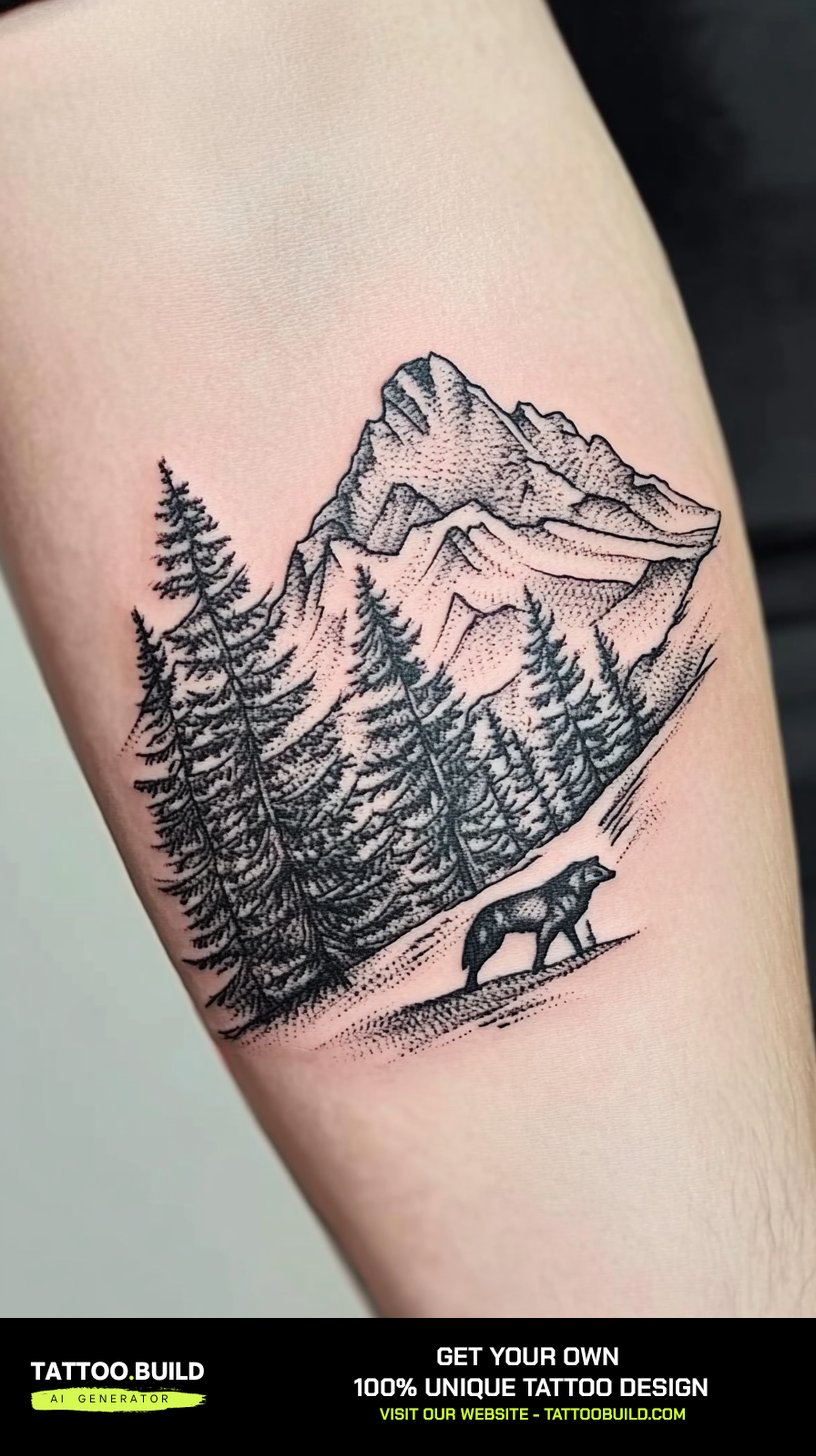
Landscape sleeves have become one of the most requested lower arm pieces I see, and they work because a forearm is naturally a vertical frame — sky at the elbow, foreground at the wrist.
The risk is detail density. Pine forests, waterfalls and mountain ranges are made of tiny repeating marks, and packed too tightly they can grey out into a single soft mass within a few years.
A good artist will deliberately leave gaps of untouched skin between elements. When I asked one about it, he described it as building in room for the tattoo to breathe as it ages.
Floral and Botanical Work
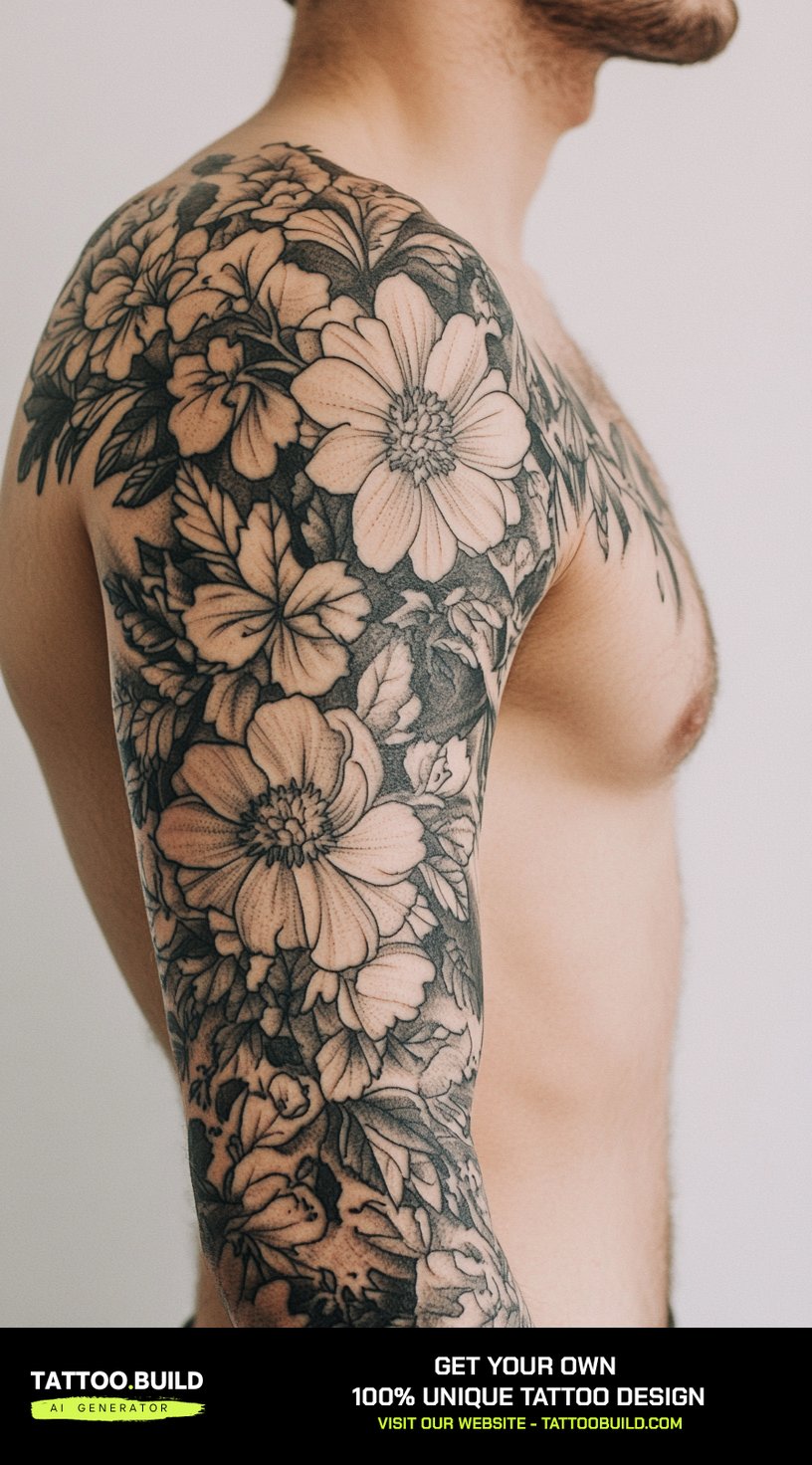
Florals are no longer a gendered choice and have not been for years. On a lower arm they are quietly one of the most practical options available.
Petals and leaves flow around the arm’s curve without needing a fixed orientation, and they are the easiest thing in the world to add to later. Plenty of the pieces in our floral forearm tattoo ideas for men collection started as a single flower.
Look for florals where the leaves carry solid black. That contrast is what keeps a botanical sleeve from turning into an even grey field over time.
Fine Line and Dotwork
Fine line is the fastest and usually the cheapest route to full lower arm coverage, and it is the one I feel obliged to caveat.
It looks superb for the first few years. Thin lines placed close together do tend to soften and merge over a longer horizon, which is a known trade-off rather than a defect — see our fine line sleeve tattoo ideas for designs that account for it.
If you like the aesthetic, ask your artist to vary line weight rather than keeping everything uniformly thin. A mix of hairline and medium strokes ages considerably better.
Ornamental and Mandala Coverage
Ornamental work is the style most people underestimate. It has no subject to get wrong, no likeness to miss, and it wraps the arm evenly by design.
Symmetry does demand precision though. A mandala centred slightly off the arm’s midline is obvious in a way a crooked leaf never would be, so this is a style where I would look hard at an artist’s existing ornamental portfolio specifically.
It also pairs well with almost everything else, which makes it a common choice for filling the inner arm around a bolder outer-arm piece.
Alternatives to a Full Lower Arm Sleeve
A full sleeve is a real commitment of money, time and skin. These are the options I suggest most often to people who are not quite there yet.
The Armband or Banded Sleeve
A solid band, or two bands with artwork between them, gives you a finished-looking arm at maybe a third of the cost of full coverage.
It also creates a natural boundary, which is genuinely useful if you work somewhere that expects sleeves rolled down to a fixed point.
One Statement Piece Instead of Coverage
A single strong forearm tattoo, sized to about half the available space, often looks more considered than a rushed full sleeve. Our small forearm tattoo ideas for men page is full of pieces that work standalone.
The catch is that you must leave deliberate space around it. A piece placed dead centre with no plan for what surrounds it makes a future sleeve much harder to compose.
Building Toward a Sleeve Over Time
This is the route I took, and the one most artists I have talked to actually recommend for a first sleeve: get two or three pieces you love, then commission filler to tie them together.
It costs slightly more overall than a single planned sleeve, but you are never locked into a decision you made at twenty-two. Our guide to tattoo sleeve filler ideas covers what actually bridges separate pieces well.
Planning, Sessions and Aftercare
Most lower arm sleeves are done across multiple sittings of three to five hours, spaced far enough apart for the previous section to heal — commonly two to four weeks, though your artist sets the pace.
Aftercare on a forearm is harder than it sounds precisely because you use the limb constantly. Keep it clean, keep it moisturised, and do not pick at flaking skin; the American Academy of Dermatology guidance on caring for tattooed skin is a solid, non-commercial reference.
Sunscreen is the highest-return habit for a forearm tattoo. Once healed, a high-SPF product on exposed arms is the cheapest preservation you will ever buy — and the AAD general tattoo and piercing resources are worth a read before your first session too.
If anything looks wrong — spreading redness, heat, pus, a rash weeks later, or a reaction concentrated in one ink colour — contact your artist and see a doctor. That is genuinely a medical question, not one for a blog. The AAD documents several skin reactions tattoos can cause, and some appear long after healing.
Common Mistakes — and What to Do If You’re Still Not Sure
The most common mistake by a wide margin is starting at the wrist. The wrist is the most visible, most painful and least forgiving part of the arm, and it is a poor place to learn how you handle sitting.
The second is choosing an artist by price. A cheap sleeve you dislike is far more expensive than a good one, because cover-up work costs more than original work.
The third is picking a design without checking how it wraps. Ask for the stencil to be applied and then move your arm through a normal range of motion before any needle touches skin. If you are still comparing directions, full sleeve tattoos for men and our collection of sleeve tattoo drawings for men are the two pages I would send someone to next.
Frequently Asked Questions
How long does a lower arm sleeve take to finish?
Most lower arm sleeves are completed in two to five sessions of roughly three to five hours each, depending on style and detail. Blackwork and bold traditional work usually sit at the shorter end, while detailed realism and Japanese pieces sit at the longer end. Sessions are typically spaced two to four weeks apart so each section heals properly. Your artist’s booking schedule often ends up being the real limiting factor rather than the tattooing itself.
Does the lower arm hurt more than the upper arm?
For most people the inner forearm and the area near the wrist are noticeably more sensitive than the outer forearm or the upper arm. The outer forearm has more muscle and thicker skin, which tends to make it one of the easier places on the body to sit through. Pain is highly individual though, so treat this as a general pattern rather than a promise. Telling your artist when you need a break is normal and expected.
Should I start at the elbow or the wrist?
Most artists I have asked prefer to start at the elbow and work down toward the wrist. It lets you build the composition from the widest part of the arm and leaves the most sensitive area for later, once you know how you handle a long session. It also means that if you stop partway, the unfinished edge sits somewhere less conspicuous. Ultimately your artist’s own preference should carry the most weight here.
Can a lower arm sleeve be covered up or removed later?
Cover-ups are possible but constrained — the new design generally has to be darker and larger than the old one, which narrows your options considerably. Laser removal is a medical procedure that typically takes multiple sessions over many months and works better on some inks than others. Neither is a reason to avoid a sleeve, but both are reasons to take the design decision seriously up front. A consultation with a dermatologist is the right place to get specifics for your own skin and ink.
Will a forearm tattoo affect my job?
Attitudes vary enormously by industry, employer and country, and they have shifted a lot over the past decade. A banded design that stops above the wrist is easier to conceal under a rolled-down sleeve than one that runs onto the hand. If you are uncertain about your specific workplace, it is worth asking before you book rather than after. Nobody can answer that question for your employer except your employer.
Quick Summary
- The lower arm is your most visible tattoo — design for how it reads at conversation distance, not close up.
- Bold outlines and solid black anchors outlast delicate line work on this placement.
- Sun exposure is the biggest single factor in how a forearm sleeve ages; sunscreen once healed is the best habit you can build.
- Blackwork and Japanese styles age best; fine line ages fastest but costs least.
- One strong focal point beats three competing subjects on a canvas this narrow.
- Starting at the elbow and working toward the wrist is the usual advice from artists.
- Armbands, single statement pieces and building over time are all legitimate alternatives to committing at once.
- Anything that looks infected or allergic is a question for a doctor, not a blog or a forum.