The first time a client asked me to help him plan a rose on his forearm, he opened with an apology. He thought he had to justify wanting a flower. Masculine flower tattoos are not softened versions of feminine designs — they are a different design language built on weight, contrast and scale.
I have spent a lot of hours looking at floral work on men, and the pieces that land share the same handful of traits. Heavier line weight. More black. Fewer, larger blooms instead of scattered small ones.
The flower itself is almost never the problem. The styling is. A peony drawn with hairline strokes and pastel washes reads one way; the same peony with solid black shadow and a bold outline reads completely differently on the same arm.
This guide covers which flowers hold up best, the styles that give them an edge, where to place them, and the mistakes I see repeatedly. If you want a darker starting point, the black rose tattoo designs for men collection is a good companion piece.
Which Masculine Flower Style Is Right for You?
I use a version of this table when someone is stuck between directions. Match the row to what you actually want from the piece, not to the photo you liked most on your phone.
| Style | Best For | Typical Session Time | How It Ages |
|---|---|---|---|
| Blackwork | Maximum contrast, bold statement pieces | 3–6 hours for a forearm panel | Very well — solid black holds longest |
| American Traditional | A first floral piece you will not outgrow | 2–4 hours | Excellent — built for legibility at distance |
| Neo-Traditional | Colour with structure, larger arm pieces | 4–8 hours, often multi-session | Good, though colour needs sun protection |
| Black & Grey Realism | Photographic detail, memorial pieces | 6–12 hours across sessions | Fair — soft grey wash can fade first |
| Fine Line Botanical | Subtle, understated placements | 1–3 hours | Weakest — thin lines soften over years |
What Actually Makes a Flower Tattoo Read as Masculine
Nothing about a flower is inherently gendered. What changes the read is a set of drawing decisions an artist makes before the needle touches skin.
The first is line weight. A 2–3mm outline carries visual authority that a hairline stroke does not, and it is the single biggest lever on how a floral design comes across.
The second is the black-to-open-skin ratio. Designs that commit to large areas of solid shadow feel heavier and denser, which is why blackwork tattoo ideas for men translate so naturally to floral subjects.
The third is scale and count. One large bloom occupying most of a forearm reads very differently from twelve small blossoms scattered across the same space.
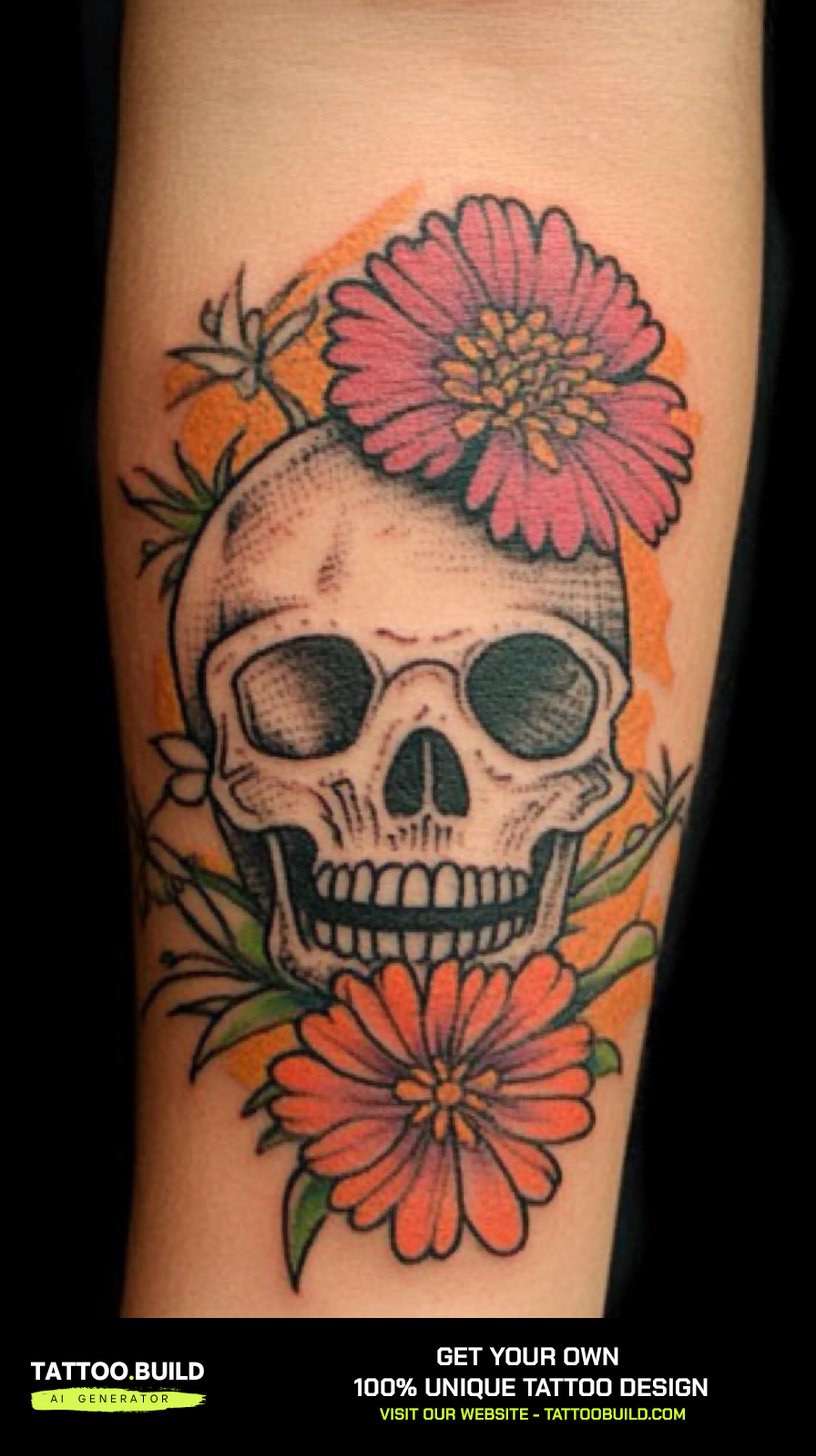
The fourth is pairing. Flowers next to a skull, a dagger, a snake, or heavy geometry pick up the tone of what sits beside them — that is why skull and flower tattoo combinations have stayed popular for a century.
The Best Flowers for Masculine Tattoo Designs
Not every flower behaves the same under a needle. Some have petal structures that give an artist somewhere to put shadow; others do not.
The Rose — The Default for a Reason
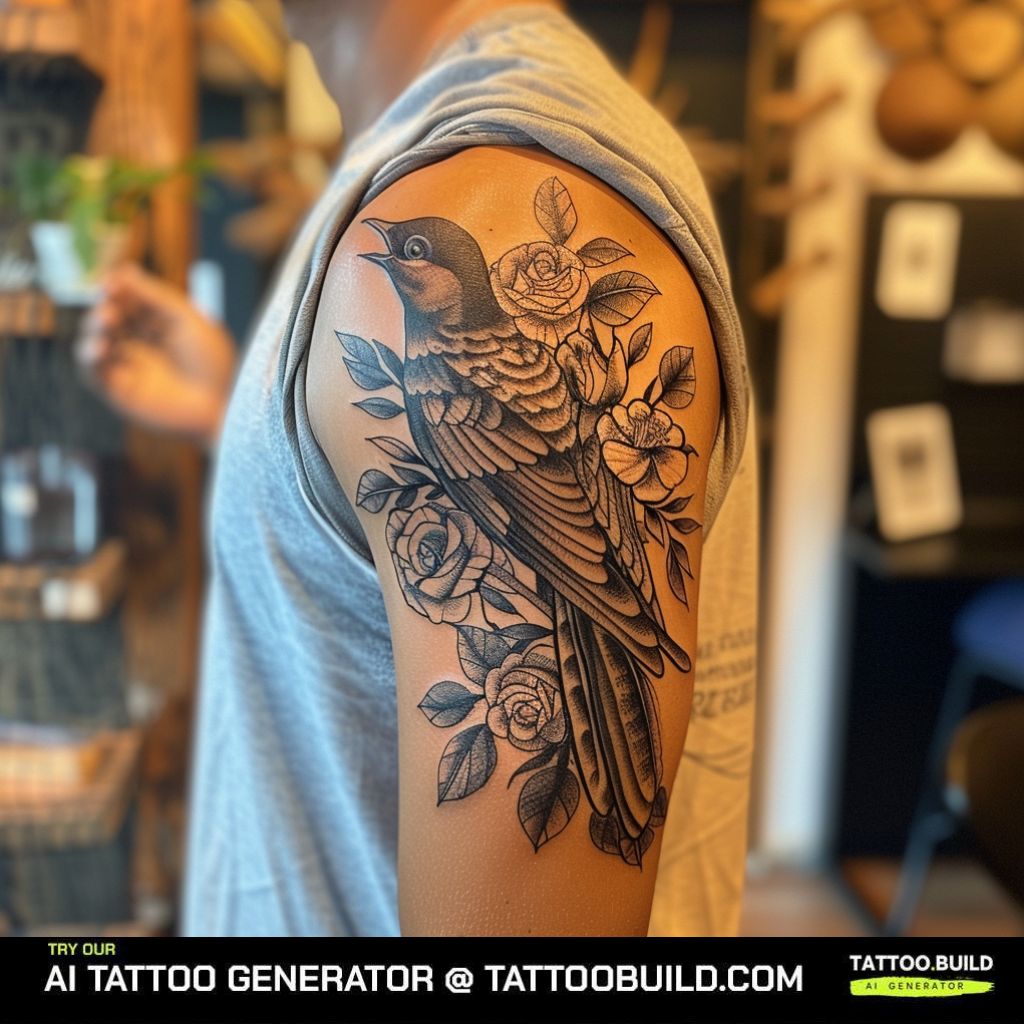
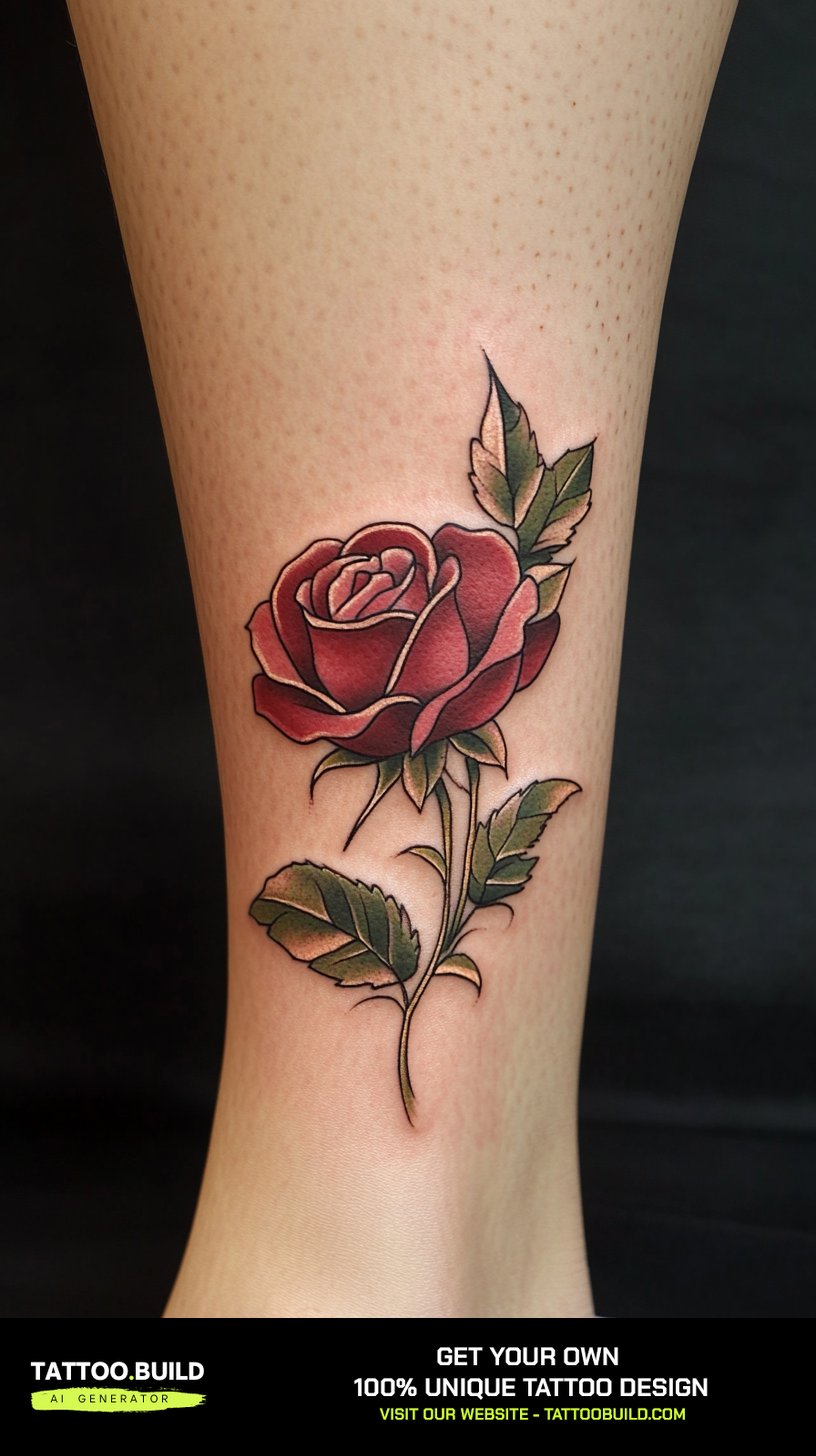
The rose is the most requested masculine flower tattoo and it earns the position. Its layered petals create natural pockets of shadow, so it works in black and grey without needing colour to make sense.
In my experience it is also the most forgiving design to place. A rose fits a forearm, a shoulder cap, the side of a calf, or the space between two existing pieces without needing to be redrawn from scratch.
The variations matter more than most people expect. A tight bud reads restrained; a fully open bloom with dropped petals reads dramatic and takes up considerably more room.
If you want one flower that will still look intentional in twenty years, this is it. Every artist I have asked about longevity puts a heavily shaded rose near the top of the list.
Chrysanthemum — The Japanese Workhorse
The chrysanthemum is a backbone of Japanese traditional tattooing, where it appears alongside dragons, koi and wind bars rather than on its own.
Its dense concentric petals give an artist an enormous amount of surface to shade, which is why it fills large spaces better than almost any other flower.
In Japanese symbolism the chrysanthemum is tied to longevity and to the imperial family. If you are drawing on that tradition, talk to an artist who works in the style properly rather than borrowing the shape alone.
I usually steer people toward it when they want a floral element inside a larger sleeve rather than a standalone piece.
Lotus — Structure Over Softness
The lotus carries meaning around growth through difficulty, which is why it shows up so often on people marking a recovery or a turning point.
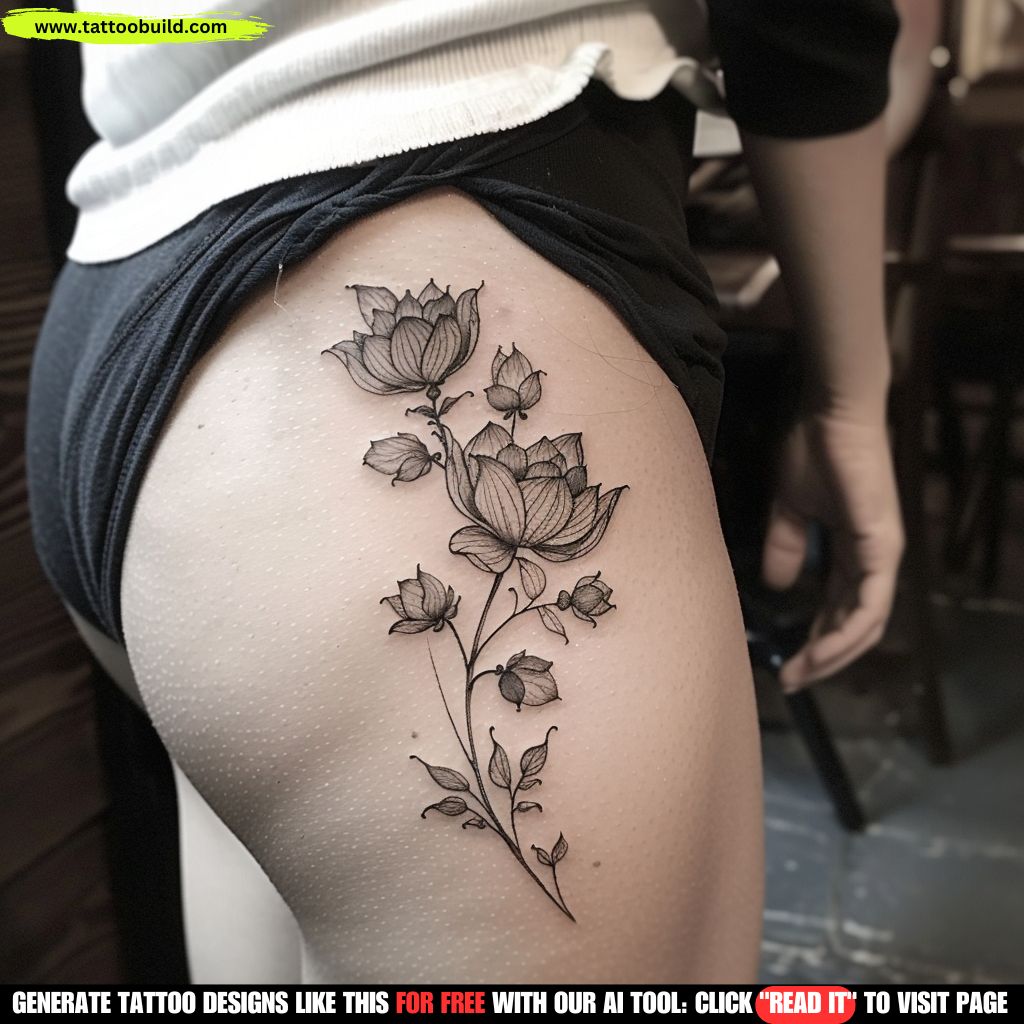
Drawn softly it can read delicate. Drawn with geometric underlay — mandala linework, hard-edged shading, or a dotwork background — it reads architectural instead.
When I tested a few reference layouts against a client’s upper arm, the geometric version sat far better against his existing blackwork than the naturalistic one did.
For more directions on the flower itself, the lotus flower tattoo designs gallery covers a wide range of treatments.
Peony — The Most Black Per Square Inch
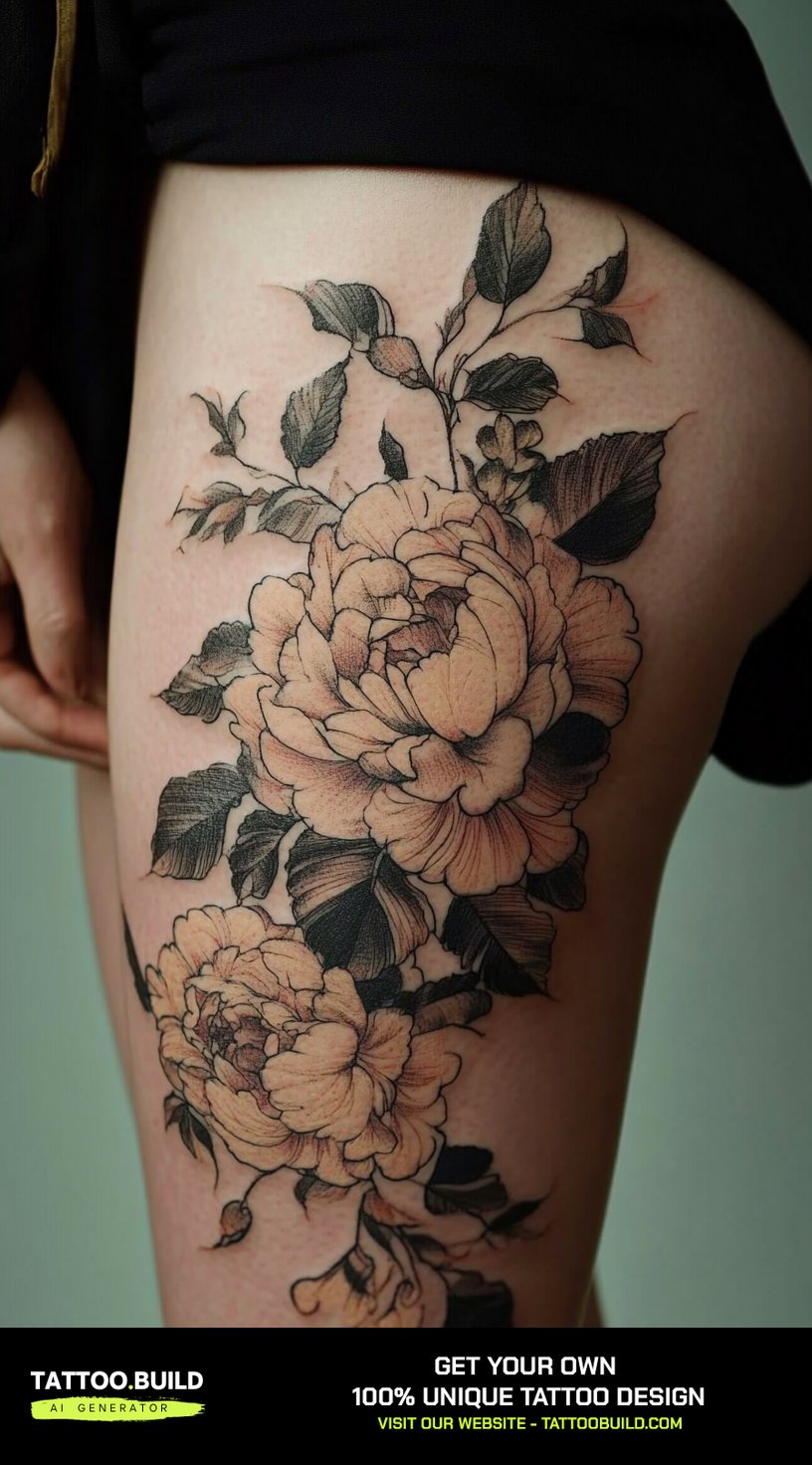
Peonies are the flower I recommend most often to men who want something less obvious than a rose but equally substantial.
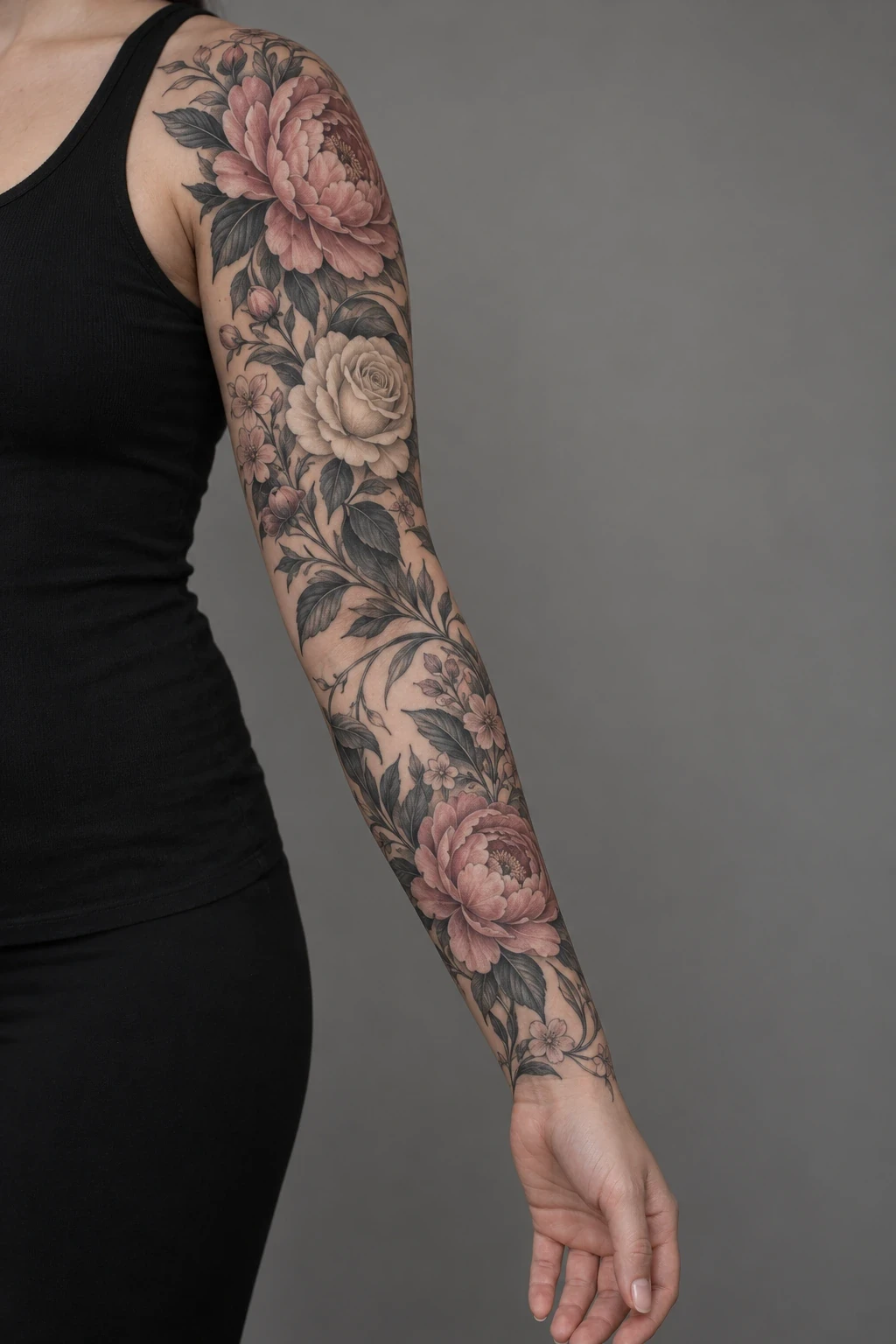
The ruffled petal mass creates deep shadow valleys, so a well-drawn peony carries more solid black than almost any other bloom of the same size.
That density is a practical advantage. Heavy black is the part of a tattoo that survives longest, so a peony tends to stay legible as the years go on.
The peony tattoo ideas collection is worth scanning before your consultation so you can point at a petal structure you actually like.
Sunflower — Bolder Than People Expect
Sunflowers get dismissed as cheerful and therefore soft, which I think is a mistake in tattoo terms.
The seed head is a textural gift. Stippled, cross-hatched or rendered as tight spirals, it gives the design a hard centre that anchors the surrounding petals.
The radiating petal shape also works well on round placements — a shoulder cap or the front of a thigh — where a vertical stem-and-bloom composition would look awkward.
Ask for heavier line weight than the reference photo shows. Most sunflower references online are drawn for delicate placements and will need translating.
Lily and Orchid — For Sculptural Shapes
Lilies and orchids have unusual, almost anatomical shapes that suit artists who like drawing form rather than pattern.
The trumpet of a lily gives you a genuine three-dimensional problem to solve, and a good black and grey artist will make that depth the whole point of the piece.
These are less forgiving than a rose. In most cases I would only suggest them if you have already seen that specific artist render a similar shape well.
They also pair unusually well with fine botanical filler — stems, leaves, seed pods — without the piece tipping into decorative territory.
Wildflowers and Botanical Panels
Rather than one hero bloom, a botanical panel treats the whole placement as a composition of stems, leaves, seed heads and smaller flowers.
This suits people who want the natural-world association without a single dominant floral shape. It sits comfortably next to nature tattoos for men like mountains, trees and animal work.
The risk is clutter. A panel with too many species and no clear focal point turns into visual noise from two metres away.
I ask artists to identify the focal element before they draw anything else — usually one bloom or one strong vertical stem.
Style Variations That Change the Whole Read
Once the flower is chosen, the style does more work than the species. These four cover most of what I see requested.
Blackwork and Solid Fill
Blackwork strips colour out entirely and builds the image from solid black, negative space and line. On floral subjects the result is graphic rather than botanical.
It is the most durable option on this list, and it holds up on darker skin tones where subtle grey washes can lose contrast.
Neo-Traditional
Neo-traditional keeps the bold outlines of old-school work but allows richer colour, more petal detail and a wider palette.
It is my usual recommendation for a first large colour piece because the heavy outline keeps the design readable even as colour shifts over time.
Black and Grey Realism
Realism aims for a photographic rendering, and floral subjects are genuinely difficult in this style because there is nowhere to hide a weak gradient.
Budget more sessions than you think you need, and look specifically at the artist’s healed work rather than fresh photographs.
American Traditional
Thick outlines, a limited palette, simplified petals. Traditional roses have been tattooed continuously for over a century, which is about as strong a longevity argument as exists.
If you want something that will still look deliberate rather than dated, this is the safest structural choice.
Placement: Where Masculine Flower Tattoos Sit Best
Placement changes the design as much as the style does, because the shape of the muscle dictates the shape of the composition.
The forearm is the most requested spot and suits vertical stem-and-bloom layouts. For smaller options there, the small forearm tattoo ideas for men guide is a useful sizing reference.
The chest lets a floral design follow the body’s natural symmetry, which is why paired blooms work there and rarely work on a limb. The chest piece tattoo ideas for men collection shows how that symmetry is usually handled.
Wrapping placements — the upper arm, the calf, the ribs — need a design drawn for a curve, not a flat sheet of paper. Ask for a stencil fitting session before the day of the tattoo if the piece is large.
Practical Tips Before You Book
Bring three to five references and be specific about what you like in each one — the petal structure, the line weight, the amount of black. “I like this one” gives an artist almost nothing to work with.
Check healed photos, not fresh ones. Fresh tattoos always look sharper, and the healed gallery is where you find out whether an artist’s shading holds.
Aftercare is where most avoidable problems start. Follow your artist’s written instructions, keep the area clean, and read the American Academy of Dermatology guidance on caring for tattooed skin before your appointment rather than after.
If you notice spreading redness, swelling that worsens after the first few days, discharge, fever, or a rash that appears weeks or months later, see a doctor — those are not things to manage yourself. The FDA’s consumer guidance on tattoo safety covers ink reactions and what to watch for, and the Mayo Clinic overview of tattoo risks is a reasonable second read. This article is not medical advice.
Common Mistakes and How to Avoid Them
The most frequent one is sizing down. A floral design shrunk to fit a space it was not drawn for loses its internal detail and blurs within a few years.
The second is bringing a reference drawn for a completely different body part. A design made for a delicate wrist rarely survives translation to a forearm without being redrawn.
The third is choosing an artist by follower count rather than by portfolio fit. Look for someone who has tattooed your specific flower in your specific style, repeatedly.
The fourth is planning a single piece with no thought to what comes next. If a sleeve is on the horizon, the coolest men’s sleeve tattoo ideas collection is worth looking at before you commit to the first placement.
Frequently Asked Questions
Are flower tattoos considered feminine on men?
Not in current tattoo culture, and honestly not historically either — traditional sailors were getting roses tattooed a century ago. What shapes the read is the styling rather than the subject: line weight, the amount of solid black, and the scale of the bloom. A heavily shaded rose with a bold outline reads very differently from a pastel one drawn in hairline strokes. In my experience, the men who hesitate about this are usually reacting to a specific style of floral tattoo rather than to flowers generally.
Which flower tattoo ages the best?
Designs with a lot of solid black and heavy outlines age best, which usually means a traditional or blackwork rose or peony. Solid black pigment holds its shape longer than soft grey wash or thin lines, so the structure of the piece stays readable as the edges naturally soften. Fine line botanical work is the most likely to blur over ten or fifteen years. Sun exposure accelerates fading in every style, so sunscreen on a healed tattoo makes a real difference.
How much does a masculine flower tattoo cost?
Pricing varies enormously by artist reputation, city and style, so any specific number would be misleading. What I can say is that most artists price by hour or by piece, and the style comparison table above gives a realistic sense of the session time each approach needs. A blackwork forearm panel and a full realism sleeve are not in the same bracket. Ask for a written quote at consultation rather than over direct message.
Can I combine a flower with other tattoo elements?
Yes, and it is often the easiest way to shift the tone of a floral design. Skulls, daggers, snakes, clock faces and heavy geometry all pair well and pick up the weight of whatever sits beside them. The key is having one artist design the whole composition rather than adding elements piecemeal over several years. Pieces assembled that way tend to fight each other for attention.
Does a flower tattoo hurt more in certain places?
Pain varies a lot between individuals, but the general pattern holds: areas over bone with thin skin — ribs, sternum, inner bicep, the top of the foot — are usually reported as more uncomfortable than the outer forearm, outer thigh or shoulder cap. Large floral pieces also take longer, and endurance often matters more than peak intensity. Eat properly beforehand and tell your artist if you need a break; every artist I have worked with would rather stop than have a client tap out entirely.
Quick Summary
- Styling beats species. Line weight, black-to-skin ratio and scale decide how masculine a floral design reads.
- Roses are the reliable default — forgiving to place, shade well in black and grey, and proven over a century.
- Peonies and chrysanthemums carry the most black, which makes them strong choices for longevity and for filling large spaces.
- Lotus and sunflower work best with structure — geometric underlay or a stippled centre gives them a hard anchor.
- Blackwork and American traditional age best; fine line botanical work is the most likely to soften over time.
- Match the composition to the placement — vertical for forearms, symmetrical for the chest, curve-fitted for wrapping pieces.
- Judge artists by healed portfolios in your specific flower and style, not by follower count.
- Follow written aftercare and see a doctor for spreading redness, worsening swelling, discharge or any delayed rash.