The first time a client asked me for an angel tattoo, he brought in a picture of a small stone statue from his grandfather’s garden and asked for it as a full back piece. That job took nine sittings across five months, and it is still one of the pieces I point to when someone wants to know what makes an angel tattoo actually work on a man’s body. It is the composition, the wings, and the face — in that order.
Angel tattoos for men have been near the top of my consultation list for the last decade, and the reasons people book them have shifted quite a bit. Memorial work is still the biggest driver in my chair, followed by faith pieces, guardian symbolism, and — increasingly — pure aesthetic reasons, especially wings paired with realism. If you are early in the process, my general tattoo ideas for men guide will give you a broader field of styles to sit against angel work.
This guide walks through the styles, placements, and design decisions that separate a great angel tattoo for men from one that ages badly. I will point out where I have seen clients over-commit, where certain styles quietly outlast others, and what to bring to a first consultation so the artist can quote you accurately.
A quick honest note before we go further: I am a tattoo writer with a decade in the shop, not a theologian. Where meaning matters to you personally, cross-check what you find here against your own tradition, and lean on your artist for the design decisions that keep an angel tattoo readable across the years.
Which Angel Tattoo Style Fits You Best?
The single most useful thing you can do before your consultation is decide which style you are actually asking for. Most disagreements between clients and artists come down to a mismatch between what someone shows in reference photos and what they say out loud.
| Style | Best For | Placement | Rough Session Count |
|---|---|---|---|
| Black & grey realism | Portrait-level detail on faces and wings | Back, chest, upper arm | 3–8 sittings |
| Blackwork / solid black | Bold silhouettes that age slowly | Forearm, calf, ribs | 1–3 sittings |
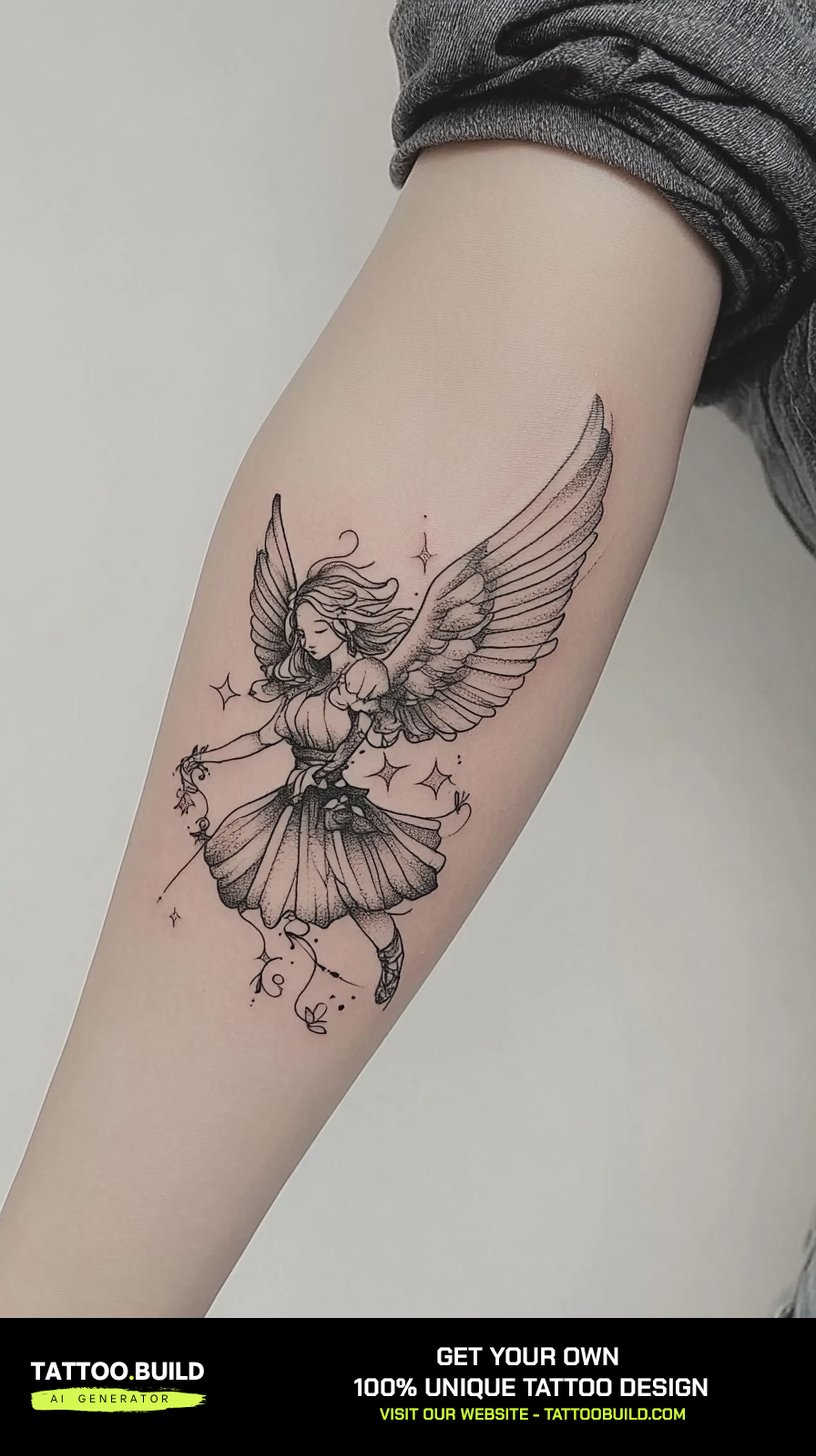
| Fine line | Delicate wings and minimalist symbols | Inner arm, wrist, hand | 1–2 sittings |
| Neo-traditional | Color, bold outlines, high visibility | Bicep, thigh, shoulder | 2–4 sittings |
| Sketch / illustrative | Loose, drawn-on-you look | Forearm, calf | 1–3 sittings |
| Micro-realism | Small pieces with heavy detail | Bicep, forearm, ankle | 1–2 sittings |
The session count here is a working range from my own bookings, not a promise — a good artist will quote you off the reference and the placement, and a portrait-heavy piece can easily push past the top of these numbers.
What Actually Makes an Angel Tattoo Read Well
An angel tattoo for men lives or dies on the wings. When wings are placed against the natural line of the muscle — following the deltoid down, or arching along the ribs — the eye reads the piece in one pass.
The second factor is the face. A well-rendered angel face is a portrait, and portraits are the highest-difficulty work a shop offers. If your reference has any facial detail, you are booking a specialist, not a generalist.
Third is contrast. In my experience, angel pieces that lean too grey without any true blacks tend to fade into a soft blur within five years. A confident hand keeps the darkest darks — usually inside the wing shadows and under the jaw — properly dark from the first pass.
Fourth is space. Wings need room. Cropping a wing tip because the placement is too small is one of the most common regrets I hear on touch-up appointments.
Fifth is intent. Clients who can say in one sentence what the tattoo is for — protection, memory, faith, aesthetic — get better designs than clients who arrive with fifty saved images and no direction.
Design Directions I Actually Recommend
Guardian Angel Pieces
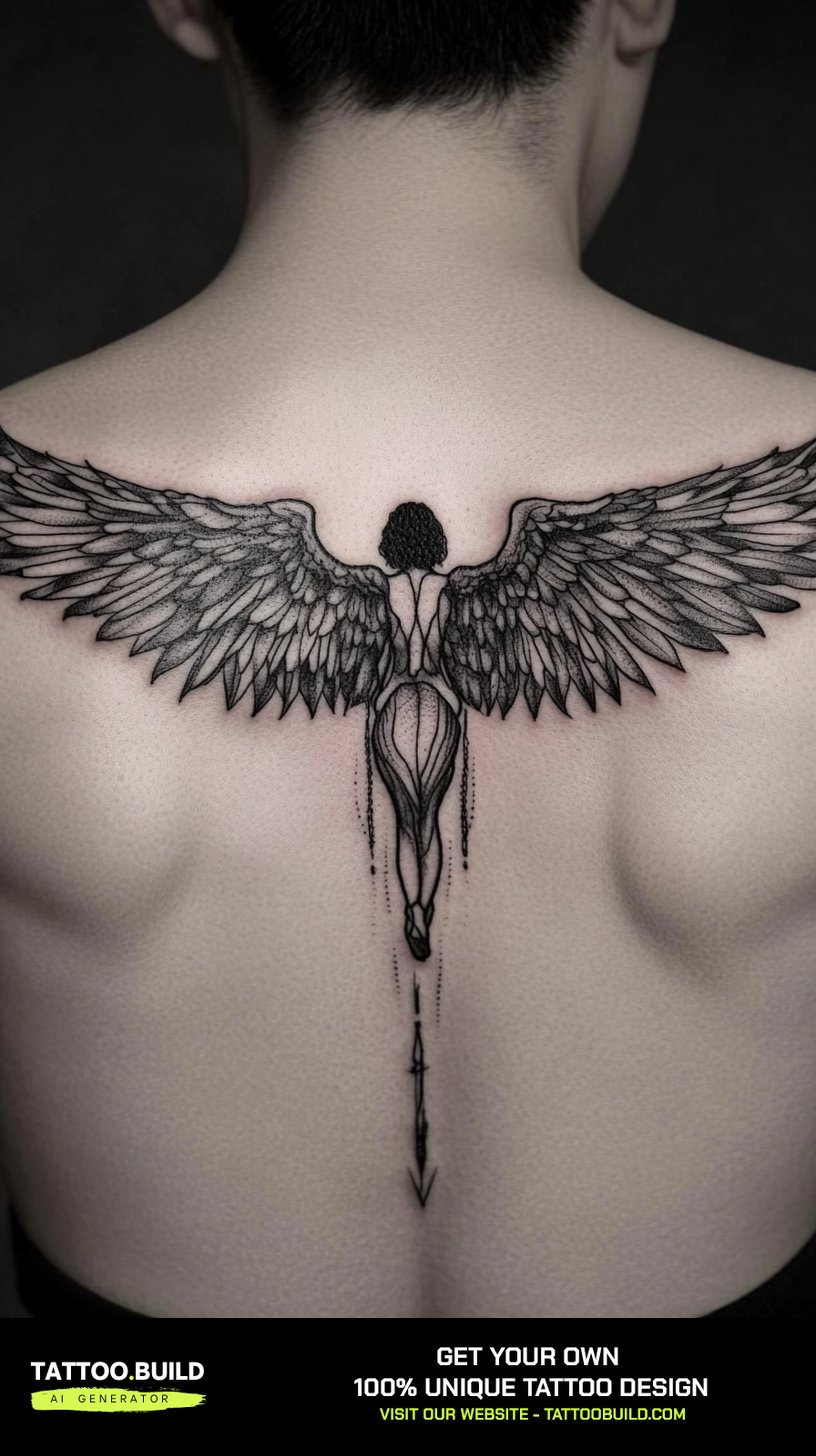
Guardian angel designs are the most common brief I get from men over thirty. The pose usually shows the angel behind or above a figure, wings partially raised, a hand extended in protection.
Composition matters more than face detail here. A guardian angel that fills the upper back or chest, wings breaking outward toward the shoulders, does more work symbolically than a small emblem on the arm ever will.
In my chair, this is the design most often chosen for a first big piece. I tell clients to leave at least twelve months between finishing a guardian angel and adding anything nearby — you want the piece to breathe before you crowd it. For related large-scale ideas, our back tattoo designs for men collection is worth a scroll.
Wings-Only Compositions
If you want the symbol without the figure, wings-only pieces are the cleanest answer. A pair of wings spanning both shoulder blades reads as guardian imagery without requiring a face or body.
The trap here is scale. Wings on the upper back that stop above the shoulder blades feel truncated. Every artist I have asked says the same thing: give the wing tips room to reach.
Sleeve versions of the wings-only idea usually wrap one wing around the upper arm and let the tip curve into the deltoid. It is a strong choice for men who want the imagery without committing to a full back piece. Our half sleeve ideas for men guide has more on how these break up.
Archangel and Warrior Angels
Archangel pieces — Michael in particular — are one of the most requested variants I see. The classic composition shows the archangel with a sword, sometimes standing over a fallen figure.
These pieces work best when the blade of the sword follows the limb’s long axis. On a forearm, the sword sits point-down toward the wrist. On a calf, the sword usually runs from knee toward ankle.
This is a piece to commit to a large canvas. Trying to fit an armored archangel into a four-inch square is where the client and I have to have a real conversation about what will actually read once healed.
Memorial and Praying Angels
Memorial angel work is the most emotionally weighted booking a shop takes. I always block a longer consultation for these — often ninety minutes rather than the standard thirty.
Common compositions include a praying angel with downcast head, hands folded; an angel kneeling; or an angel with a date banner and a small motif that referred to the person being remembered.
When I have handled memorial pieces, the client almost always underestimates how emotional the first sitting will be. Book a shorter first session than usual — two hours rather than four — and give yourself a buffer day after.
Fallen and Darker Angel Concepts
Fallen angel designs have grown noticeably in the last three years. The visual language leans on darker shading, torn wings, and heavier symbolism.
These pieces are harder to age well. Heavy solid blacks pack in tighter and can spread over decades if the artist is not conservative on the first pass. Ask to see the artist’s healed photos of similar work, not just fresh shots.
The composition I return to most often for fallen-angel briefs is a seated angel, wings partially furled, head lowered — it reads as reflective rather than aggressive, which tends to hold up better over time.
Wings Combined with Other Symbols
The most durable combined compositions I see pair wings with either a cross, a set of praying hands, or a compass. Each of these condenses meaning without adding visual noise.
Combining a full angel figure with too many other symbols is where designs get muddy. When a client sends me a reference stacked with wings, a halo, a sword, a rosary, and a portrait, I usually push back and ask them to name which one is the actual anchor.
For anyone thinking about a cross-and-wings piece specifically, our cross tattoo drawings collection is a good place to see the range before committing.
Where an Angel Tattoo Sits Best on a Man’s Body
Back and Full Back Pieces
The back is the canonical canvas for angel work. It is flat, wide, and gives wings enough room to reach their natural span.
Full-back angel pieces are a multi-session commitment. I have never done one under four sittings and rarely under six.
Chest and Shoulder
Chest placements suit praying-angel and cherub compositions especially well. The symmetry of the chest lets the piece sit centered without wrapping awkwardly.
Shoulder-only versions work best when the wings curve down over the deltoid and the figure sits high on the shoulder blade.
Forearm and Sleeve
Forearm pieces are the most requested angel placement in my books. They are visible, they age well when the artist keeps the linework confident, and they can be built up into a half or full sleeve later.
When I plan a forearm angel, I usually leave a border of open skin at the wrist and elbow so the piece has room to extend if the client wants to grow into a sleeve. For more direction here, see our forearm tattoo ideas guide.
Calf, Thigh, and Ribs
Calves handle detailed angel work well because the skin here holds ink cleanly over the years. Rib placements read dramatic and are a good pick for larger wings, but the ribs are one of the most painful spots on the body.
Thigh placements give you a wide, flat area — often the largest single flat canvas on the body — and are underrated for angel work.
Smaller Placements — Wrist, Hand, Finger
Small angel pieces work when the design is stripped down to a symbol — a single wing, a halo, a tiny praying figure. Hand and finger tattoos need touch-ups more often than any other spot; plan on returning every few years.
More Angel Tattoo References for Men
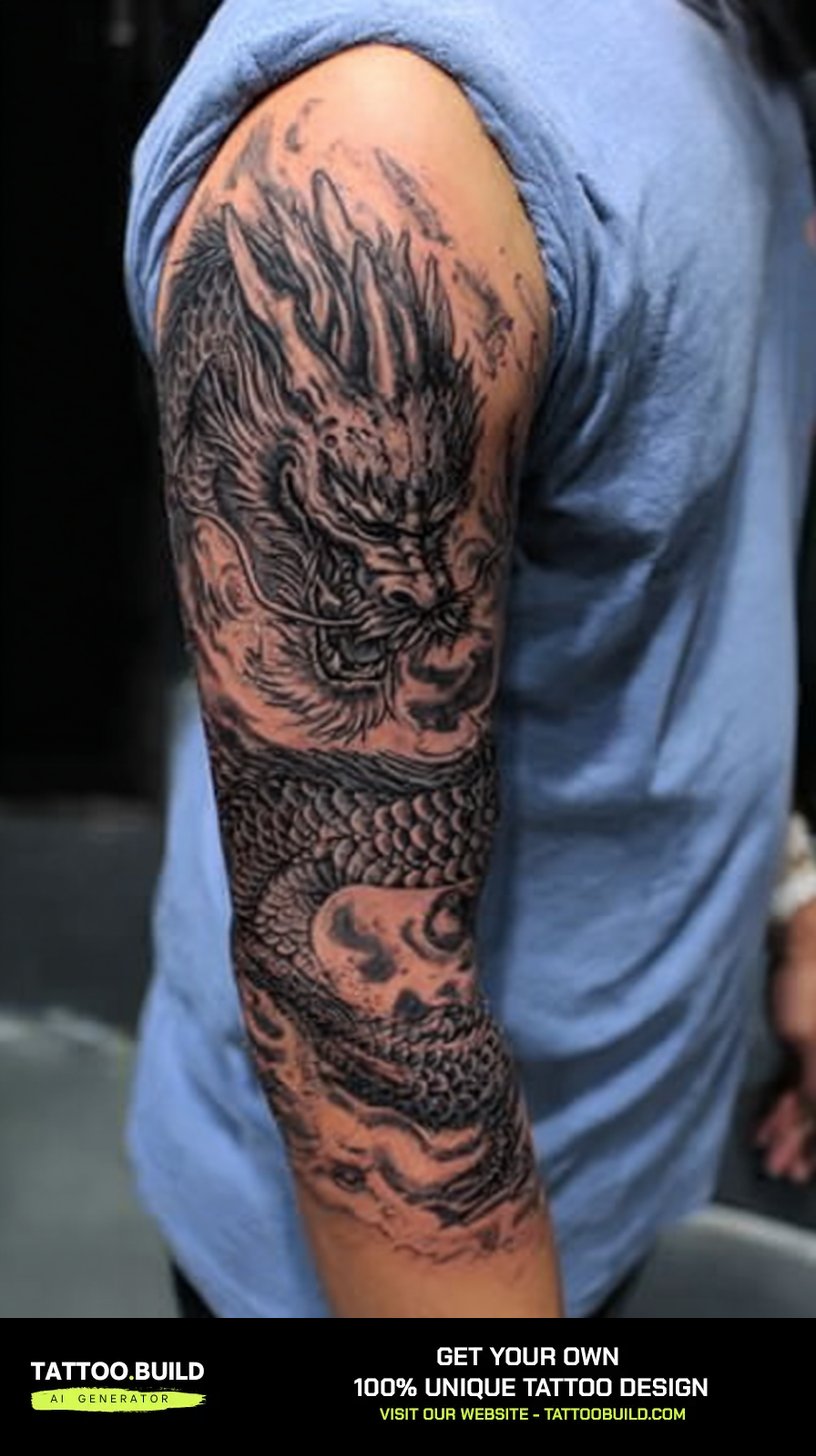
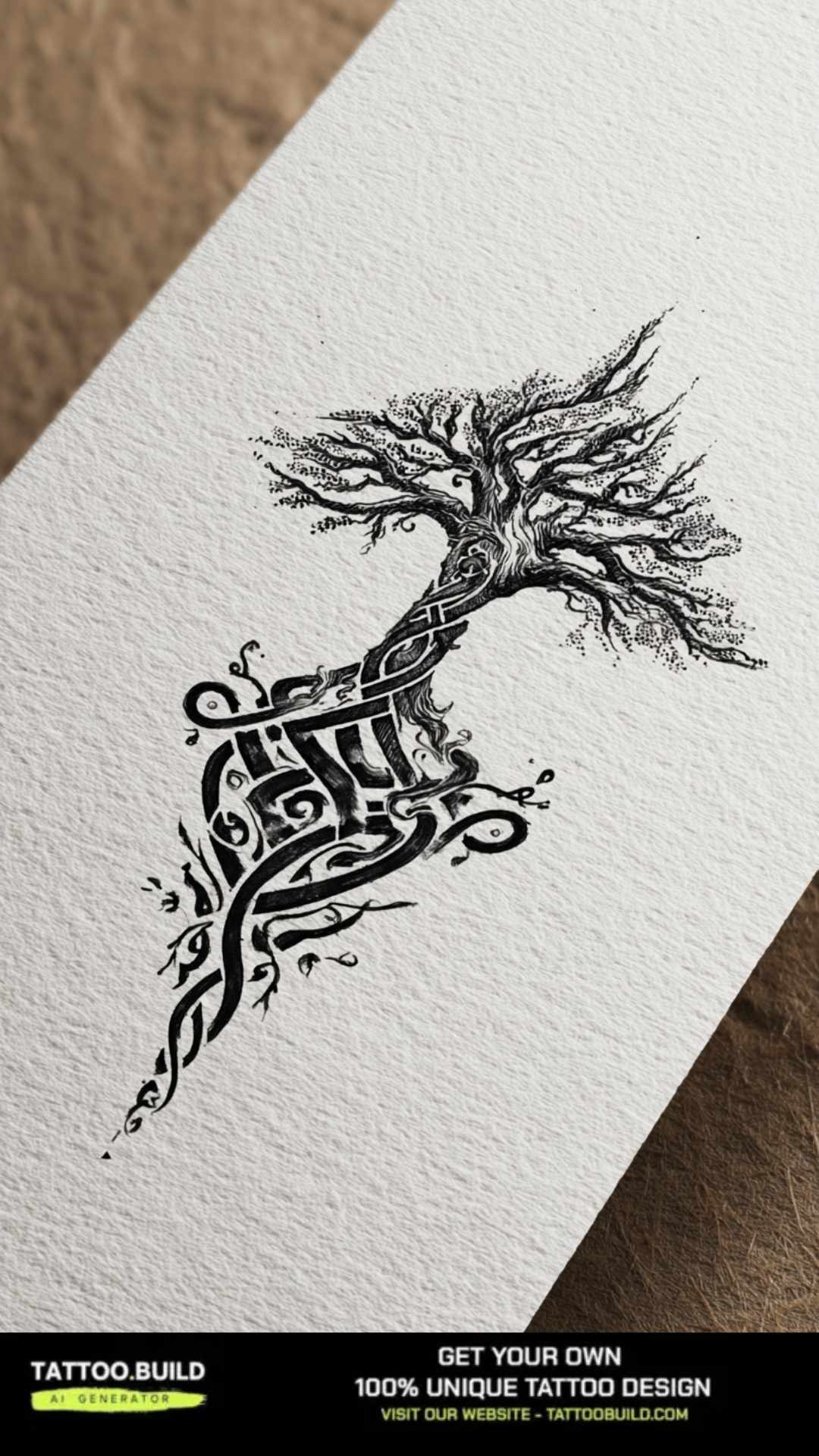
Below are more compositions I keep in a working reference folder. Scroll through them with placement in mind — imagine each on the part of your body you are considering.
Tips and Aftercare for Angel Tattoos
The single most important aftercare step is following your artist’s written instructions exactly. Practices vary between shops — some prefer dry healing, others prefer thin moisturizer — and mixing methods can prolong healing.
For large angel pieces, expect two to three weeks of visible healing and roughly two to three months for the skin to fully settle. Detailed portrait work sometimes needs a light touch-up at the three-month mark.
Keep large pieces out of direct sun during the healing window, and use a broad-spectrum sunscreen once healed — sun damage is the biggest single cause of fade in the pieces I have touched up over the years.
If your tattoo shows any of the warning signs of infection — spreading redness, warmth, discharge, or fever — do not manage it yourself. Contact your tattoo artist for a look, and speak with a doctor if symptoms escalate. Nothing in this article is medical advice.
Common Mistakes I See With Angel Tattoos
The most common mistake is going too small on a piece that needs room to breathe. A four-inch archangel with a sword will read as a blob within a few years — the ink has nowhere to sit.
The second most common mistake is booking a portrait-level face with a generalist artist. If you want a photorealistic angel face, look through healed portrait work in the artist’s portfolio before booking.
The third mistake is overloading the composition. Wings, halo, sword, rosary, portrait, banner — pick two, maybe three anchors and let the rest breathe. Our angel and devil tattoo ideas post shows how paired symbolism can work when it is planned rather than stacked.
Still not sure which direction to go? Two related reads: our symbolic back tattoo guide covers meaning-first back pieces, and sleeve tattoo ideas for men is worth reading if you might extend an angel piece into a sleeve.
Frequently Asked Questions
How long does an angel tattoo usually take to finish?
It depends heavily on size and style. A forearm piece in blackwork can finish in a single three-to-four hour session, while a full back guardian angel in realism will run four to eight sittings across several months. Portrait-level face work adds sittings on top of the base composition. A serious artist will not rush this — the timeline exists to keep the piece readable for the next thirty years.
Is an angel tattoo a religious statement?
Sometimes, but not always. In my chair, roughly half of angel tattoos for men are religious or spiritual, and the other half are memorial, aesthetic, or protective in a general sense. You do not need to be religious to wear an angel piece, and no ethical artist will pressure you either way. Bring the meaning that matters to you and the design will follow.
How much does an angel tattoo cost?
Pricing varies by region, artist, and complexity. Most shops quote either an hourly rate or a flat piece rate; portrait-level angel work sits at the higher end because it demands specialist skill. Do not price-shop this piece — a bad angel tattoo is expensive to cover up and heartbreaking to live with. Ask two or three artists whose healed work you have seen for a quote, then decide.
Where does an angel tattoo hurt the most?
Ribs, sternum, spine, and inside of the upper arm are the spots I have heard flagged most consistently as painful for angel work. Forearm, outer thigh, calf, and outer shoulder are generally easier. Pain tolerance is very individual — some men breeze through ribs and struggle on the calf. Eat well, hydrate, and speak up if you need breaks; a good artist will pace with you.
Can I add to an angel tattoo later?
Yes, if the original was designed with room to grow. Talk with your artist at the first consultation about whether you might extend into a half sleeve or bring in a paired piece later — that changes how they place the composition. Adding to a piece that was designed as a standalone is possible but usually needs the second artist to work around, not into, the first design.
Quick Summary
- Decide on the primary meaning first — memorial, faith, protection, or aesthetic — before browsing designs.
- Choose the style (realism, blackwork, fine line, neo-traditional) before you shortlist artists.
- Give wings the space they need; cropped wing tips are the most common regret I hear.
- Book portrait-level face work only with a specialist who lists realism in their portfolio.
- Match placement to size: full-back and chest for large compositions, forearm and calf for medium, wrist and hand for symbols only.
- Expect multiple sittings for anything beyond a small blackwork piece.
- Follow written aftercare instructions and keep the healed piece out of direct sun.
- If something looks or feels wrong during healing, contact your artist and see a doctor if symptoms escalate.
For general information on safe tattooing practices and healing, the FDA’s tattoo fact sheet is a good starting point, and the American Academy of Dermatology has clear healing and aftercare guidance from clinicians rather than shops.