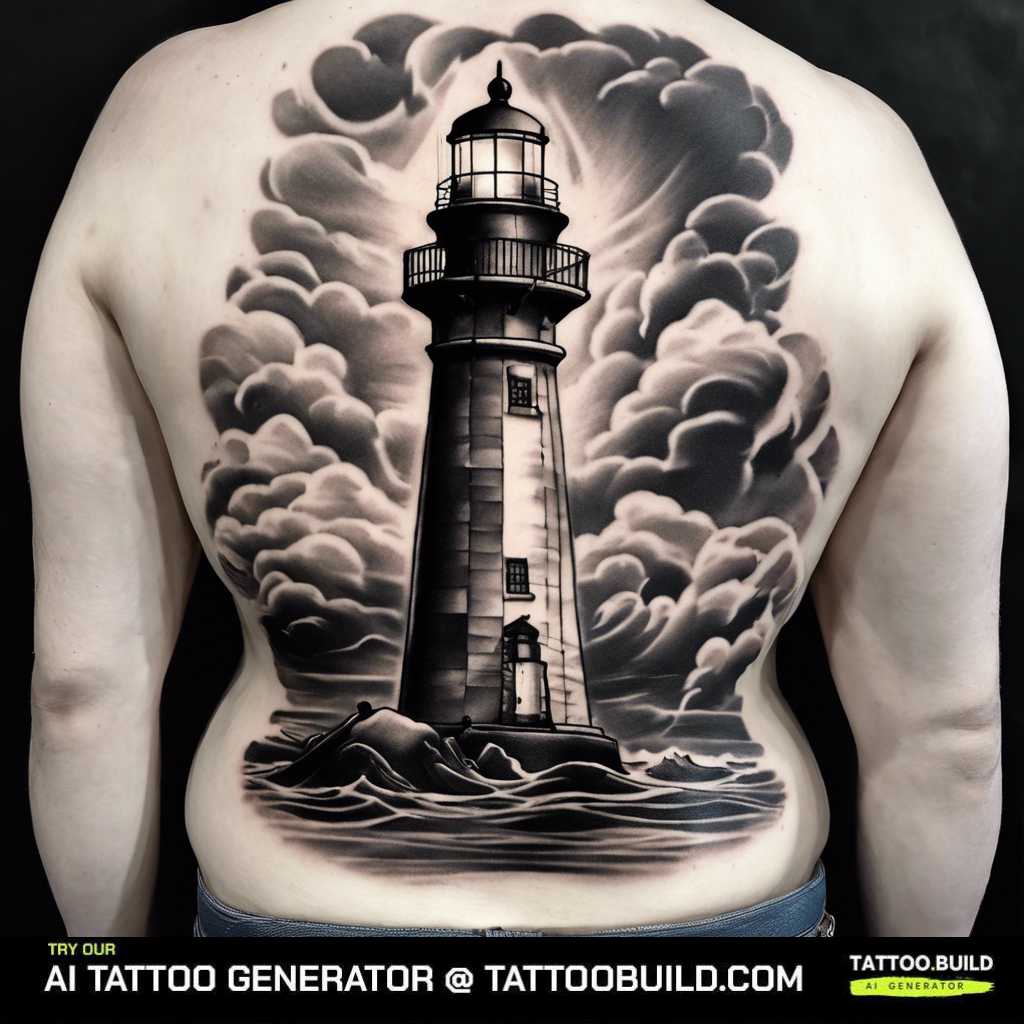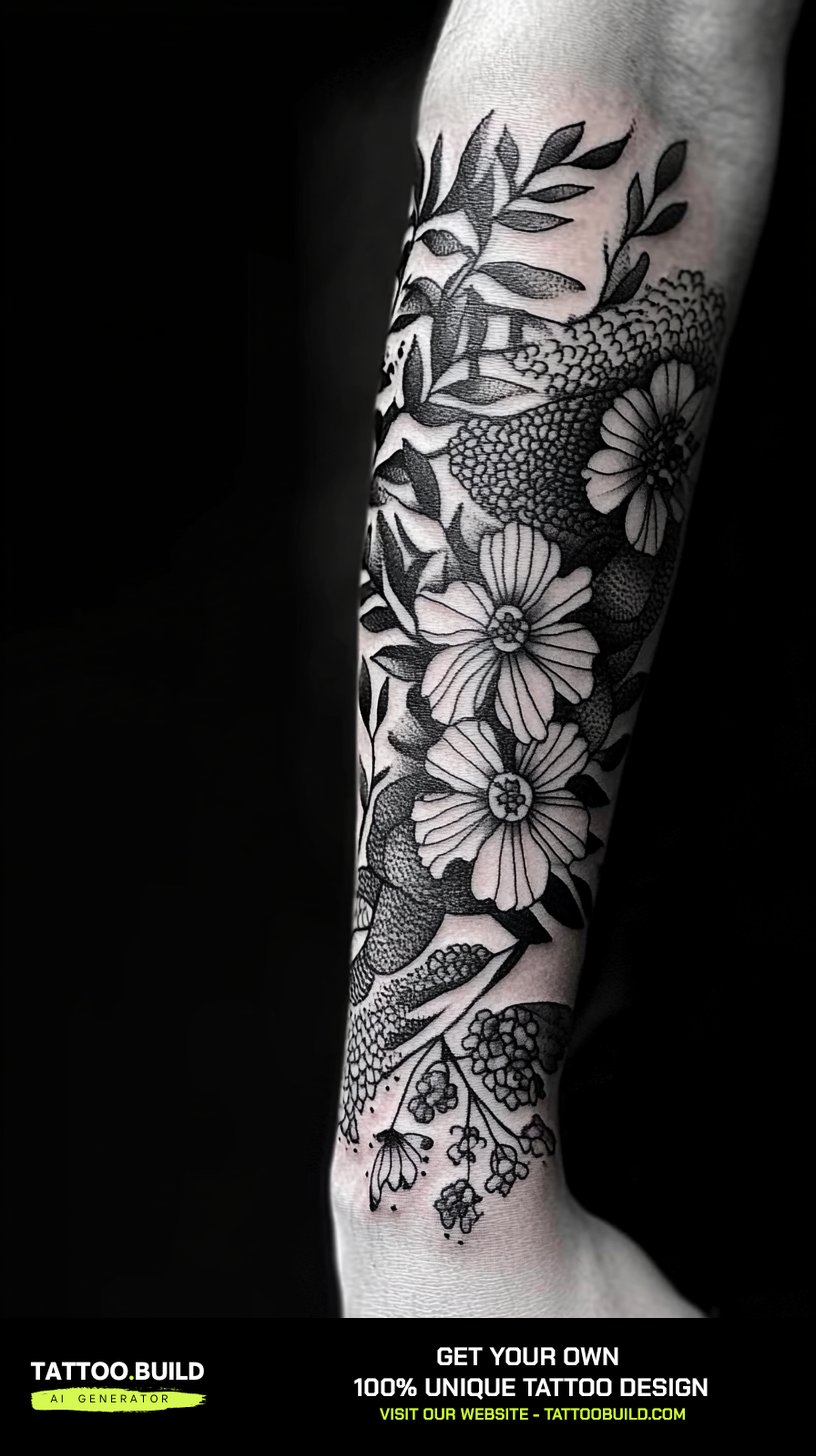
The first tattoo I ever sat for was black and grey, and the artist told me something I still repeat to people: black ink is the only ink that looks roughly the same on day one and year ten.
That is the honest case for a black and white tattoo for guys. It is not that colour is worse. It is that black and grey ages more predictably, sits well on almost every skin tone, and does not depend on a specific artist’s palette to keep working.
I have watched friends get colour pieces they loved for three years and then quietly booked in for a re-shade. I have almost never seen that happen with solid blackwork.
Below are the styles, placements and design ideas I keep coming back to when guys ask me where to start. If you already know you want ink on your arm, the forearm black and white tattoo guide covers that placement in more depth.
Black and White vs. Colour: Which Is Right for You?
This is the decision most guys stall on, so here is the comparison I give people in plain terms.
Neither column is the “correct” answer. It depends on what you want the tattoo to still look like in fifteen years.
| Factor | Black & White | Colour |
|---|---|---|
| How it ages | Usually holds its shape well; grey wash is what softens first | Reds, yellows and whites typically fade sooner than black |
| Touch-ups | Often none for years; a line refresh when needed | Re-saturation is common, especially on sun-exposed skin |
| Skin tone | Works across the full range of skin tones | Some pigments read very differently on deeper skin |
| Session time | Generally faster — one pass of black, then shading | Longer; packing colour adds sittings |
| Typical cost | Lower for the same size, because fewer hours | Higher — more hours and more ink |
| Cover-up potential | Harder to cover later, especially solid black | Easier to darken or rework into something else |
| Best for | Blackwork, realism, script, geometry, tribal | Traditional flash, neo-traditional, watercolour |
The row I would pay most attention to is cover-up potential. Solid black is close to permanent in the practical sense, so be more certain about a heavy blackwork piece than you would be about a small colour design.
Why Black and Grey Holds Up the Way It Does
Tattoo ink sits in the dermis, below the layer of skin that constantly renews itself. That is why any tattoo is permanent at all.
Black pigment particles are generally larger and more stable than many coloured pigments, which is the usual explanation artists give for why black holds its edge longer.
Grey wash is the part that shifts. It is black ink diluted, so lighter values sit sparser in the skin and can soften noticeably over the years — a portrait with delicate mid-tones will always age faster than a bold outline.
Sun exposure is the biggest accelerant either way. The American Academy of Dermatology recommends covering healed tattoos or using broad-spectrum sunscreen on them, and in my experience that single habit makes more difference than any aftercare product.
None of this is a guarantee. Skin type, placement, how deep the artist works and how you heal all matter, and two people with the same design can end up with visibly different results after ten years.
Black and White Tattoo Ideas for Guys, by Style
These are the eight style families I see most in black and grey. Most good pieces borrow from two of them rather than sitting purely in one.
1. Blackwork and Solid Black Statements
Blackwork leans on large areas of solid black with clean negative space doing the drawing. There is nowhere to hide a shaky line, which is exactly why it looks so deliberate when it is done well.
When I tested a small blackwork band on my own arm before committing to anything larger, the thing that surprised me was how much it changed the shape of the limb visually — solid black reads as mass, not decoration.
Expect longer healing on heavily packed areas and be honest with yourself about future cover-ups. If this is the direction you like, the blackwork tattoo ideas for men gallery is worth a look before you brief an artist.
2. Fine-Line and Single-Needle Work
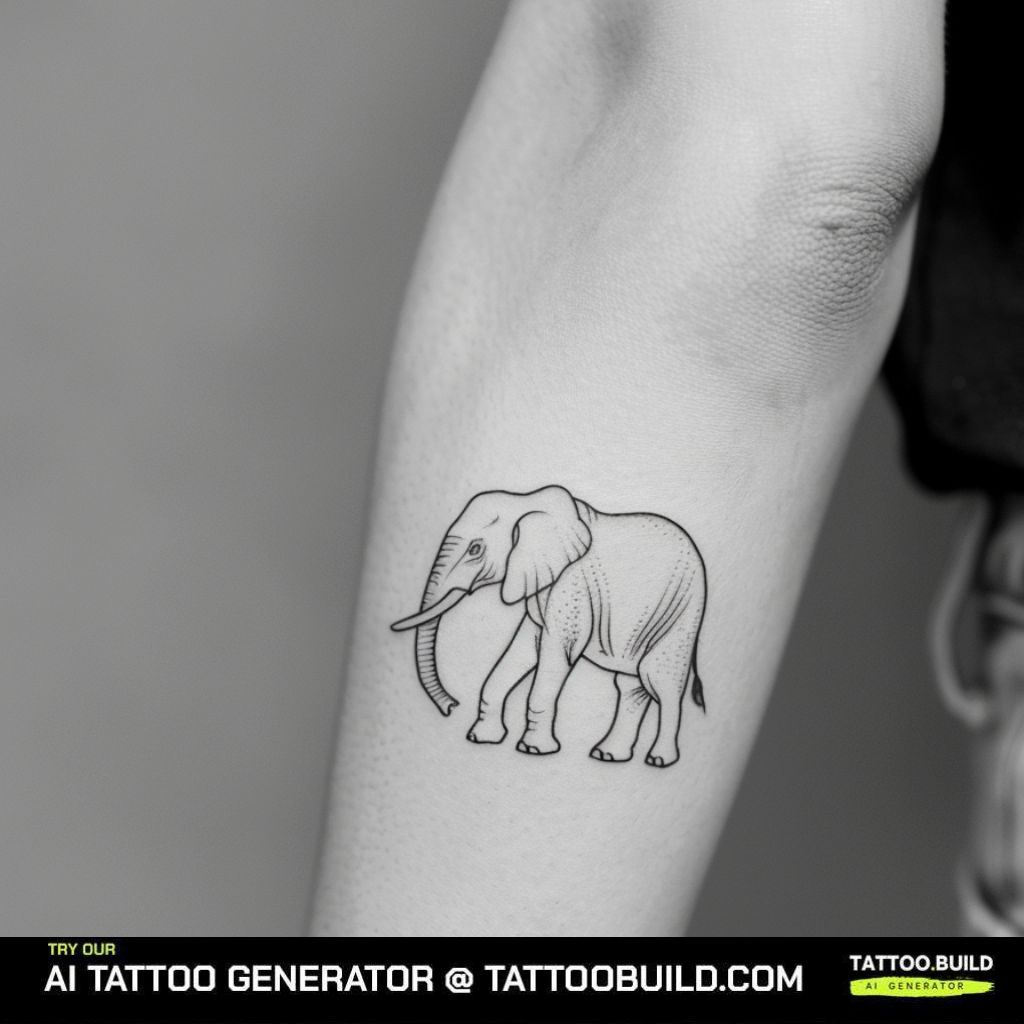
Fine-line is the opposite end of the same colour palette: thin, precise, often small, usually done with a single or three-needle grouping.
It photographs beautifully and it is the style most likely to disappoint people five years later, because very thin lines can spread slightly as skin ages.
Every artist I have asked about this says the same thing — fine-line needs the right placement more than any other style. Inner forearm and inner bicep hold it far better than fingers, feet or ribs. The fine-line tattoo ideas collection shows the range.
3. Black and Grey Realism
Realism in black and grey is where portraits, animals and photographic detail live. It is also the most artist-dependent style on this list.
I have seen two realism pieces from the same reference photo look like different tattoos entirely, purely because of how the artist handled the mid-tones.
If you want realism, ignore price and ignore convenience. Pick the artist whose healed work — not fresh work — you like, and travel for them if you have to.
Budget realistically too. A palm-sized black and grey portrait is usually a multi-hour sitting, not a lunch break.
4. Geometric and Dotwork Designs
Geometry suits black ink because it is about precision, not colour. Mandalas, sacred geometry, repeating patterns and stippled shading all sit in this family.
Dotwork in particular is slow work. The shading is built from thousands of individual dots, so expect the session to take longer than the size of the design suggests.
Symmetry is unforgiving on a curved body part. When I have watched artists map geometric pieces, most of the first hour goes into stencil placement alone. Browse geometric tattoo designs for shape ideas.
5. Script, Words and Lettering
Lettering is the most common black and white tattoo for guys, and the most commonly regretted, usually for reasons that have nothing to do with the design.
Two things fix most of it. Get the spelling and the language checked by a native speaker, and pick a font that still reads when the lines soften slightly.
Very thin decorative scripts blur first. A simple, slightly heavier hand-lettered style is the safer bet — and if you want the words to carry weight, the meaningful forearm tattoo ideas for guys guide is a good starting point.
6. Animals and Wildlife in Black and Grey
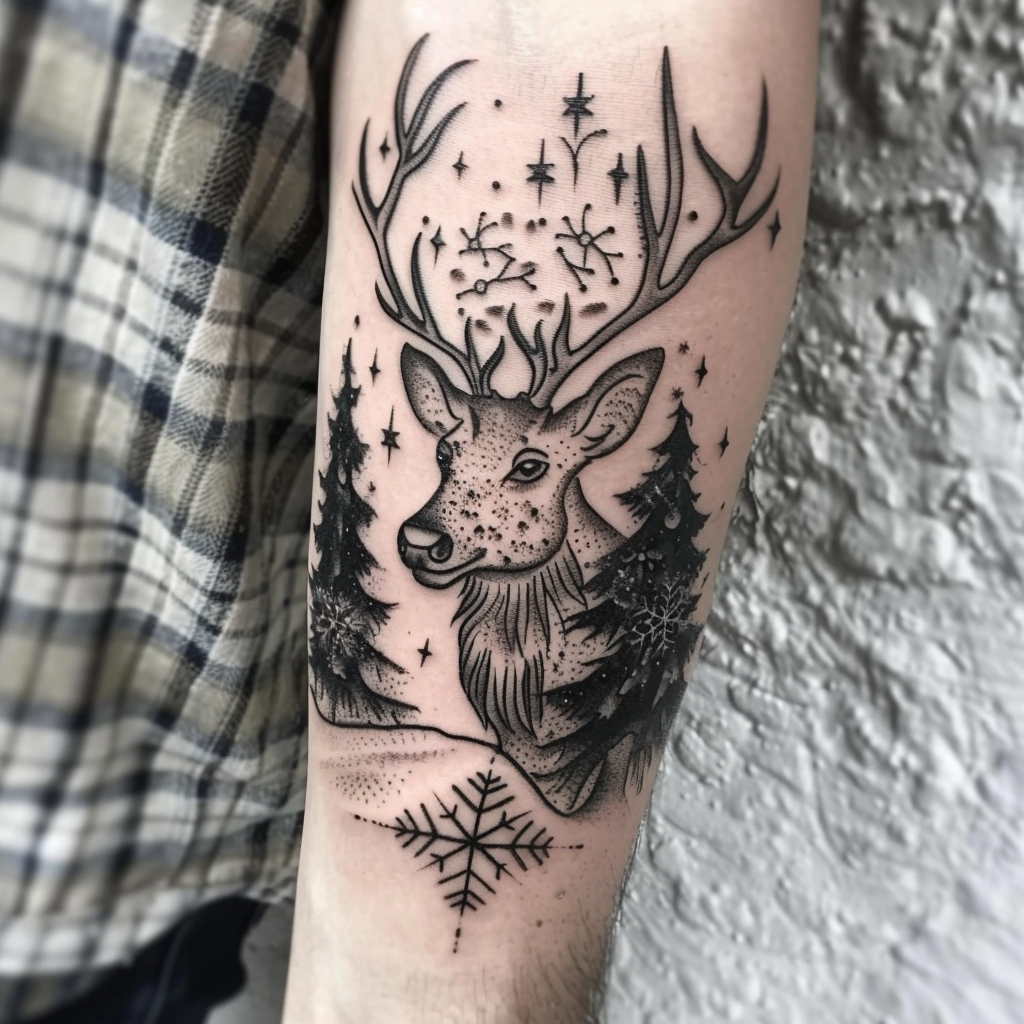
Wolves, lions, bears, eagles and snakes are the recurring cast, and there is a reason: fur, feather and scale texture is built from tonal contrast, which is precisely what black and grey does best.
The best animal pieces I have seen commit to one focal point — usually the eyes — and let everything else fall into softer grey.
The risk with animal designs is genericness. Bring reference of the specific animal, pose and expression you want rather than a Pinterest screenshot of someone else’s finished tattoo. The lion tattoo ideas page is useful for seeing how much variation is possible within one subject.
7. Symbolic, Religious and Memorial Pieces
Crosses, rosaries, praying hands, clock faces, dates and portraits of people who have died make up a large share of black and grey work.
These are the pieces guys are least likely to regret, in my experience, because the meaning is fixed before the design starts.
Skulls sit in this family too, and they are far more versatile than their reputation suggests — see skull tattoo ideas for men for how differently the same subject can be handled.
8. Negative Space and Abstract Compositions
The most modern-looking black and white work often uses untattooed skin as an active element rather than a background.
Abstract brushstroke pieces, torn-edge blackwork and split designs all rely on that contrast. They also date faster than classical styles, which is worth weighing.
Ask to see the artist’s healed negative-space work specifically. Crisp edges between black and bare skin are harder to keep than they look in a fresh photo.
Placement Variations Worth Considering
Style gets most of the attention, but placement decides how a black and white tattoo ages, how much it hurts and how easily you can cover it at work.
Forearm and Inner Arm
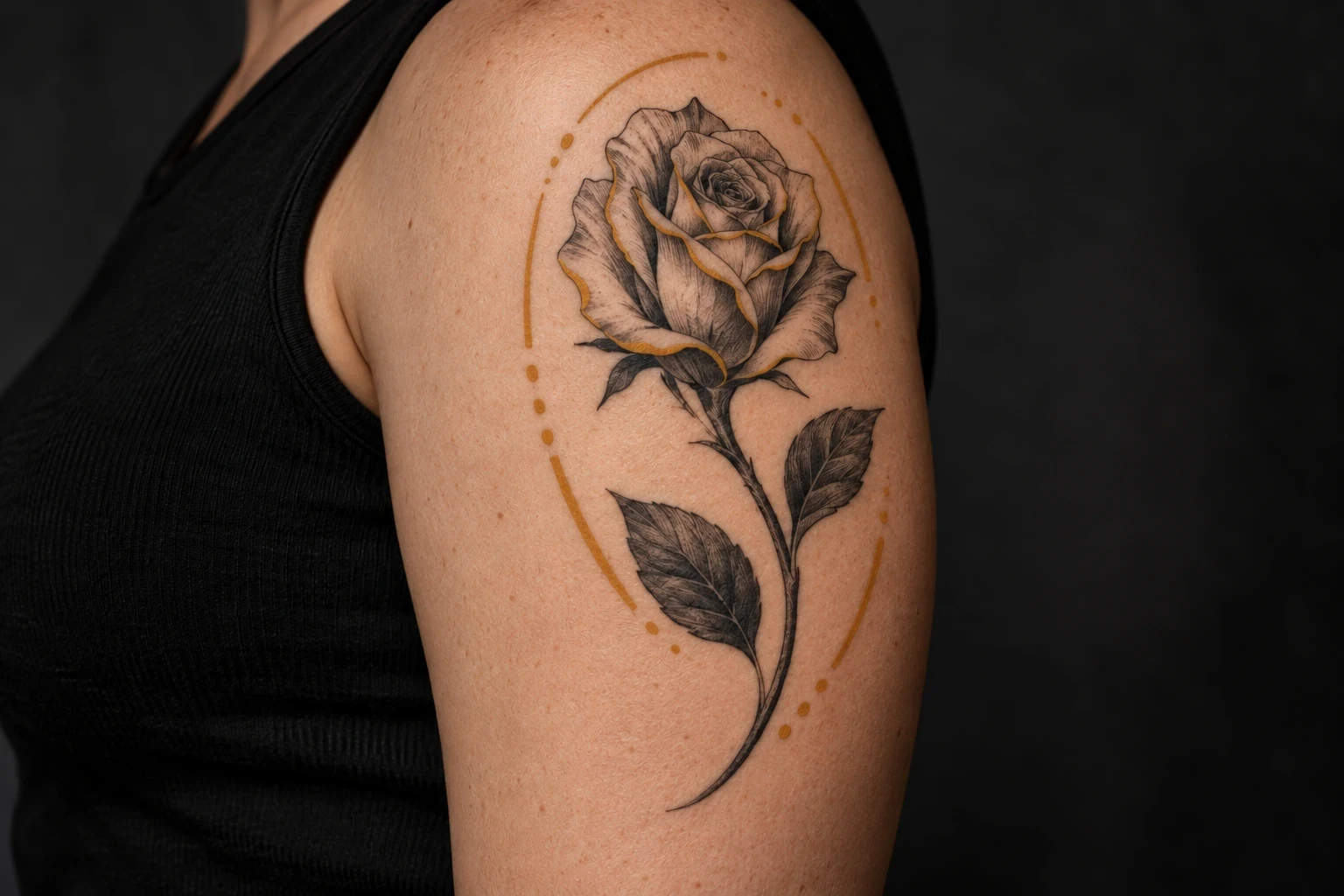
The most requested placement for guys, and the most forgiving. Flat surface, moderate pain, easy to see, holds fine-line and blackwork equally well.
The inner forearm gets less sun than the outer, so detail there tends to stay sharper for longer.
Upper Arm, Shoulder and Half Sleeve
The upper arm is the classic starting point for anything that might grow. It heals well and it is easy to hide under a t-shirt.
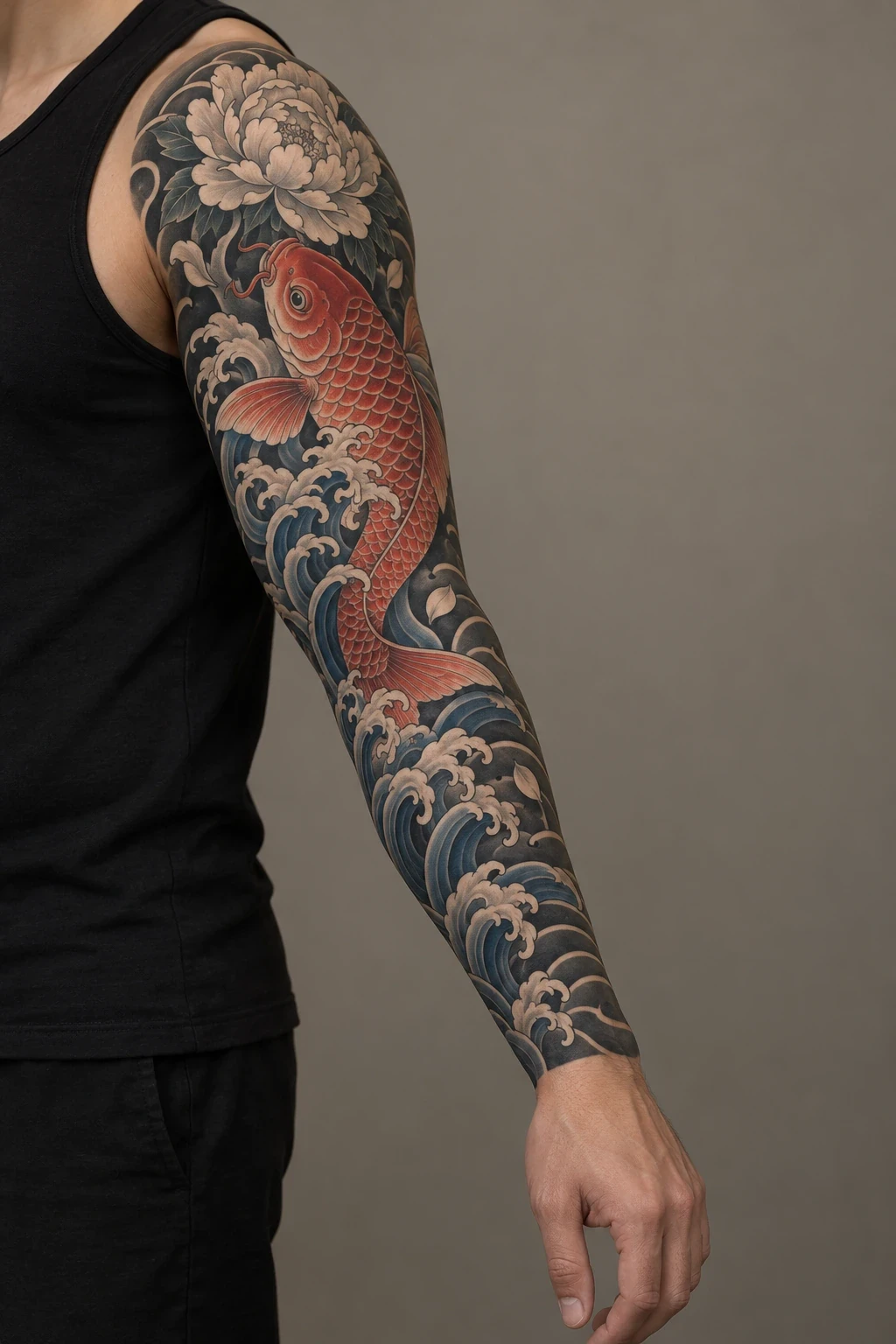
If you suspect you will keep going, plan the composition now rather than collecting unrelated pieces — half sleeve tattoo ideas for men shows how the good ones are structured from the start.
Chest and Back
Large flat canvases that suit big black and grey compositions. The trade-off is that you will rarely see your own tattoo.
Sternum and spine are noticeably sharper in terms of pain than the outer chest or shoulder blade.
Leg, Calf and Thigh
Legs are underrated for black and white work. The thigh in particular is a large, low-pain, low-sun-exposure surface, which makes it excellent for detailed grey wash.
Calves are more painful than thighs for most people, and shin bone more again. Below-the-knee healing also tends to be slower because of circulation and swelling.
Hands, Fingers and Neck
Highly visible, faster to fade, and still a genuine issue in some workplaces. Fingers in particular lose detail quickly because of how often the skin renews.
Most reputable artists will not tattoo hands or necks on someone with no other work, and I think that caution is fair. Start elsewhere — the tattoo ideas for men collection has plenty of lower-risk options.
How to Keep Black Ink Looking Crisp
Follow the aftercare your artist gives you over anything you read online, including this. They know how they worked your skin.
The general pattern is straightforward: keep it clean with unscented soap, keep it lightly moisturised, do not pick or scratch it, and stay out of pools, hot tubs and open water until it is fully healed.
Sunscreen on healed tattoos is the single highest-return habit for keeping black and grey sharp. UV breaks pigment down over time, and the Mayo Clinic lists sun sensitivity among the ongoing considerations with tattooed skin.
On safety: allergic reactions, infections and granulomas are uncommon but real, and the US Food and Drug Administration notes that tattoo inks are not approved the way medicines are. If a healed tattoo becomes hot, swollen, weeping or painful, see a doctor rather than waiting it out — this article is not medical advice, and never attempt to tattoo or remove ink at home.
Common Mistakes and What to Do Instead
Almost every regret I have heard about comes from one of these, and none of them are about the artwork itself.
- Choosing the artist by price or availability. Portfolio first, and specifically healed photos rather than fresh ones.
- Booking a large realism piece as a first tattoo. Sit for something smaller and learn how you handle the chair.
- Bringing a photo of someone else’s finished tattoo and asking for a copy. Bring references for the subject, mood and scale instead.
- Going too small for the amount of detail. Fine detail crammed into a small area is what blurs first.
- Skipping the stencil review. Look at the placement in a mirror, standing, before anyone starts.
- Ignoring how a piece will connect to future work. Composition is much easier to plan than to retrofit.
Still not sure which direction fits you? Compare two or three galleries side by side before you book, and note which pieces you keep returning to rather than the ones that impress you once.
If you want a broader sweep of monochrome options across every placement, the forearm tattoo idea collection is a good next stop.
Frequently Asked Questions
Do black and white tattoos last longer than colour ones?
In most cases black and grey holds its definition longer than colour, which is why artists so often recommend it for pieces you want to keep sharp. Black pigment is generally more stable than lighter colours such as red, yellow and white. That said, the grey wash inside a black and grey tattoo does soften over the years, so “longer” is not the same as “permanently unchanged”. Sun exposure and placement affect the outcome more than most people expect.
Are black and white tattoos cheaper than colour tattoos?
Usually, yes, because most shops charge by the hour and packing colour takes extra sittings. A black and grey version of the same design often finishes in fewer hours than its colour equivalent. Complex realism and heavy blackwork are exceptions and can still run long. Ask for an hourly rate and a realistic session estimate rather than a flat quote sight unseen.
Do black and white tattoos hurt less?
The ink colour itself does not change the pain. What changes it is time in the chair, and black and grey work is often faster, so the overall experience can be shorter. Placement matters far more — ribs, sternum, shin and inner elbow are consistently reported as more painful than the outer arm or thigh. Tell your artist if you need a break; every artist I have sat with expects it.
Can a black and white tattoo be covered up later?
It is harder than covering colour, especially with solid blackwork. Dark ink limits what a cover-up artist can put over the top, so options often narrow to larger, darker designs or laser lightening first. Fine-line and light grey wash are much easier to work over. Treat any heavily packed black piece as a long-term commitment.
What is the best black and white tattoo for a first tattoo?
Something palm-sized or smaller, on the outer forearm or upper arm, in a style with clear lines rather than delicate detail. It heals predictably, it is easy to look after, and it tells you how your skin holds ink before you commit to anything large. In my experience guys who start this way are the ones who end up with the best-planned sleeves later.
Quick Summary
- Black and grey generally ages more predictably than colour, and works across all skin tones.
- Solid blackwork is bold and low-maintenance, but the hardest style to cover up later.
- Fine-line looks superb fresh and needs forgiving placement — inner forearm over fingers.
- Realism is the most artist-dependent style; judge healed work, not fresh photos.
- Geometry and dotwork take longer than their size suggests, and stencil placement is half the job.
- Lettering fails on spelling and font weight far more often than on concept.
- Sunscreen on healed ink is the highest-return habit for keeping black crisp.
- See a doctor for any hot, swollen or weeping tattoo, and never tattoo or remove ink at home.
Design Yours Before You Book
The hardest part of any consultation is describing what is in your head. A reference image, even a rough one, changes that conversation completely.
Tattoobuild’s AI design tool lets you describe a black and white concept in plain words and generates variations you can bring to your artist as a starting point.
It is a brief, not a blueprint — your artist should still redraw it to fit your body. But it beats turning up with nothing.