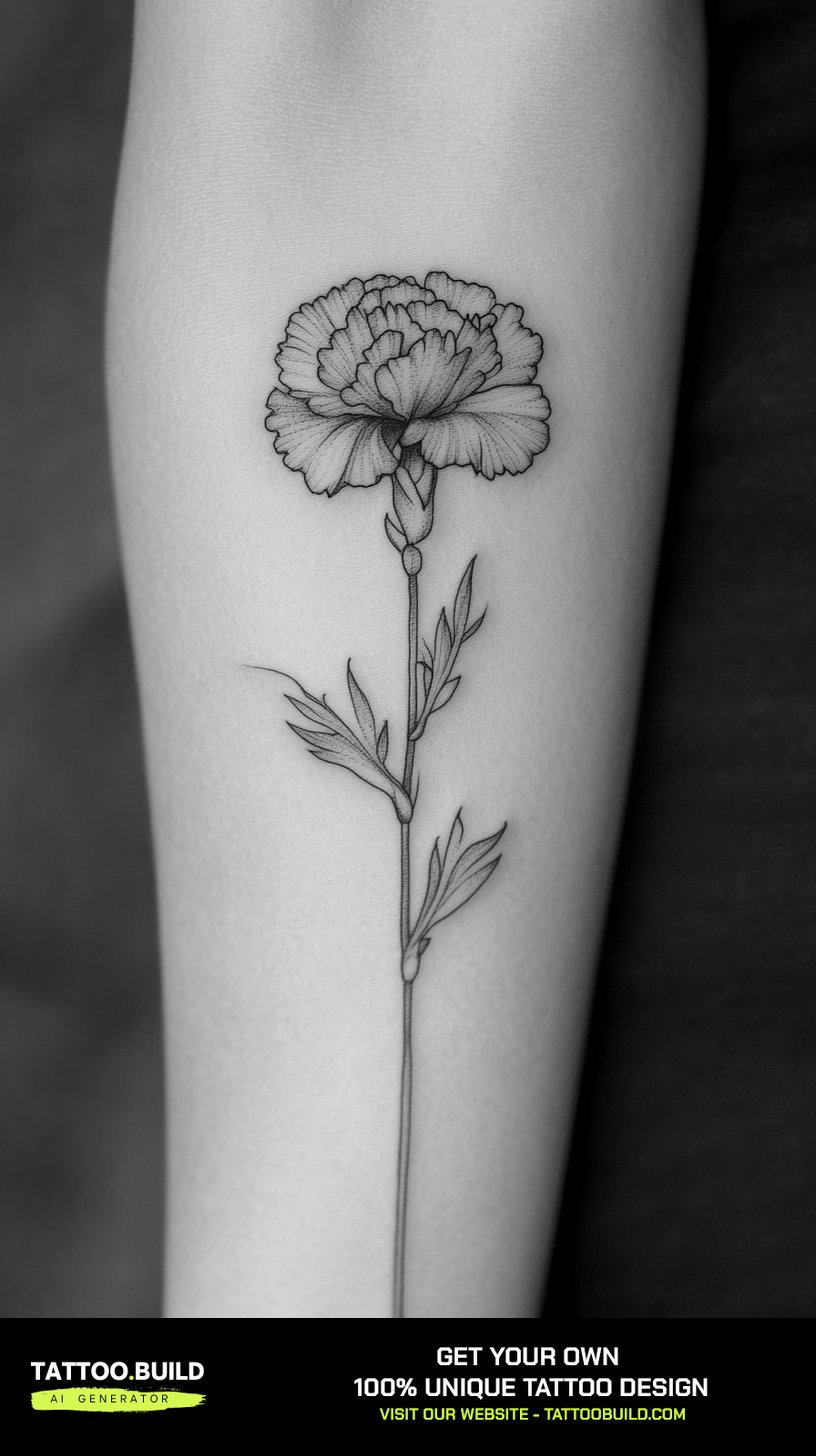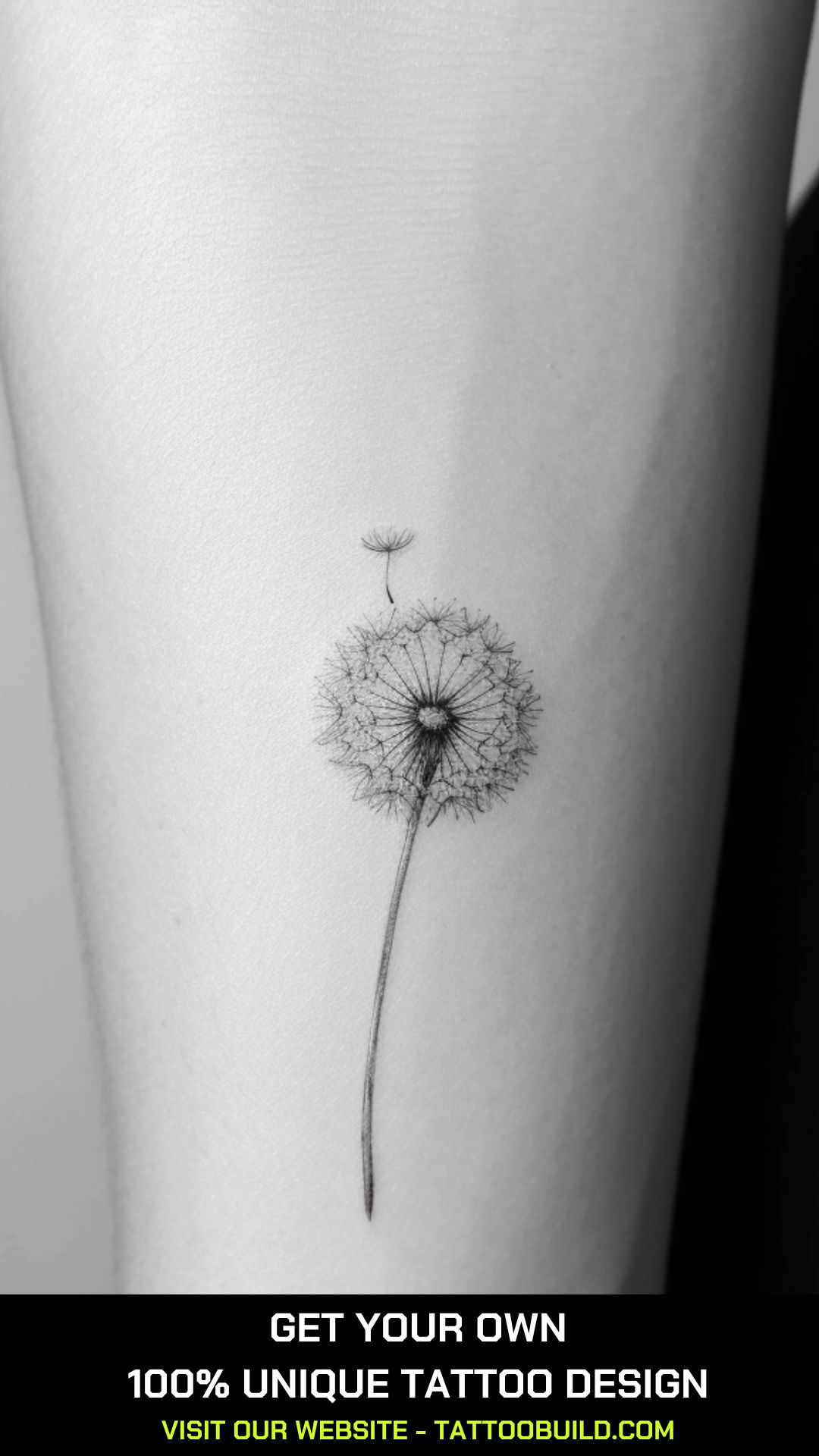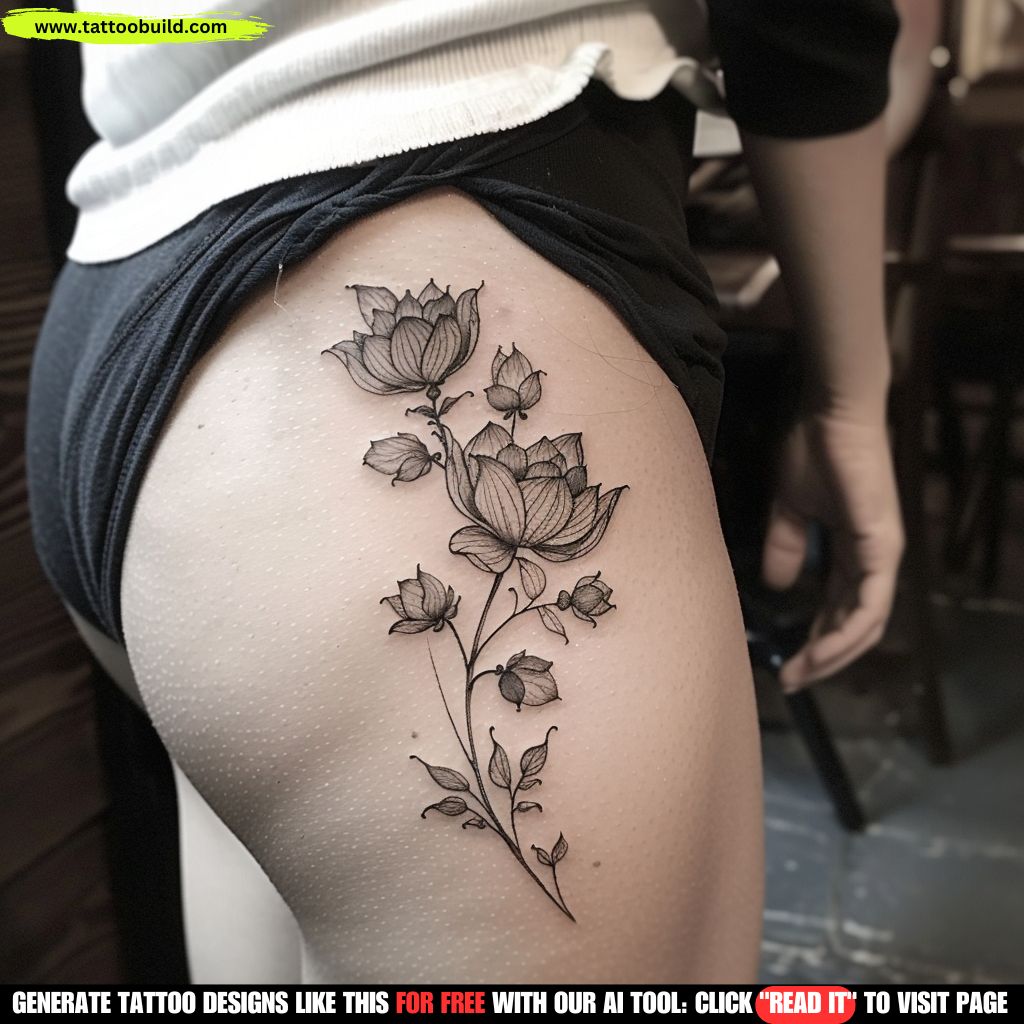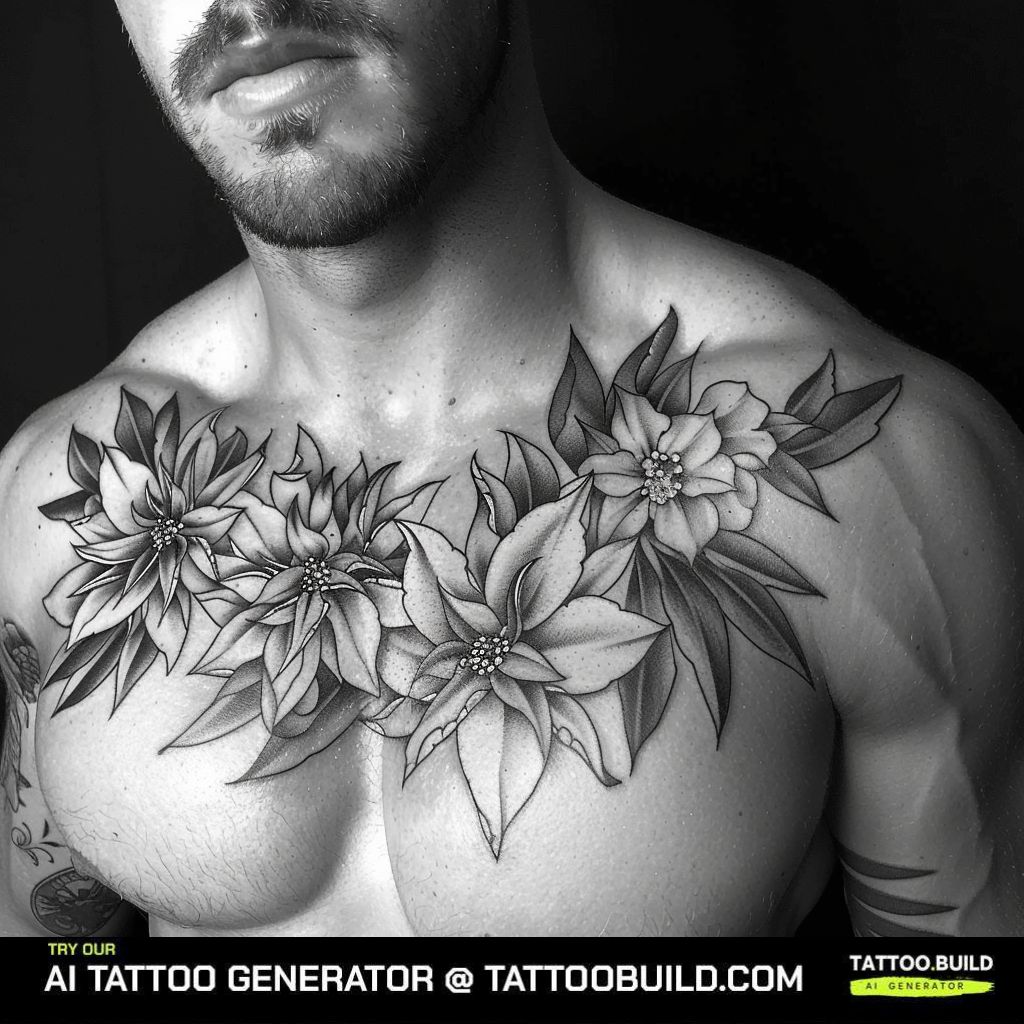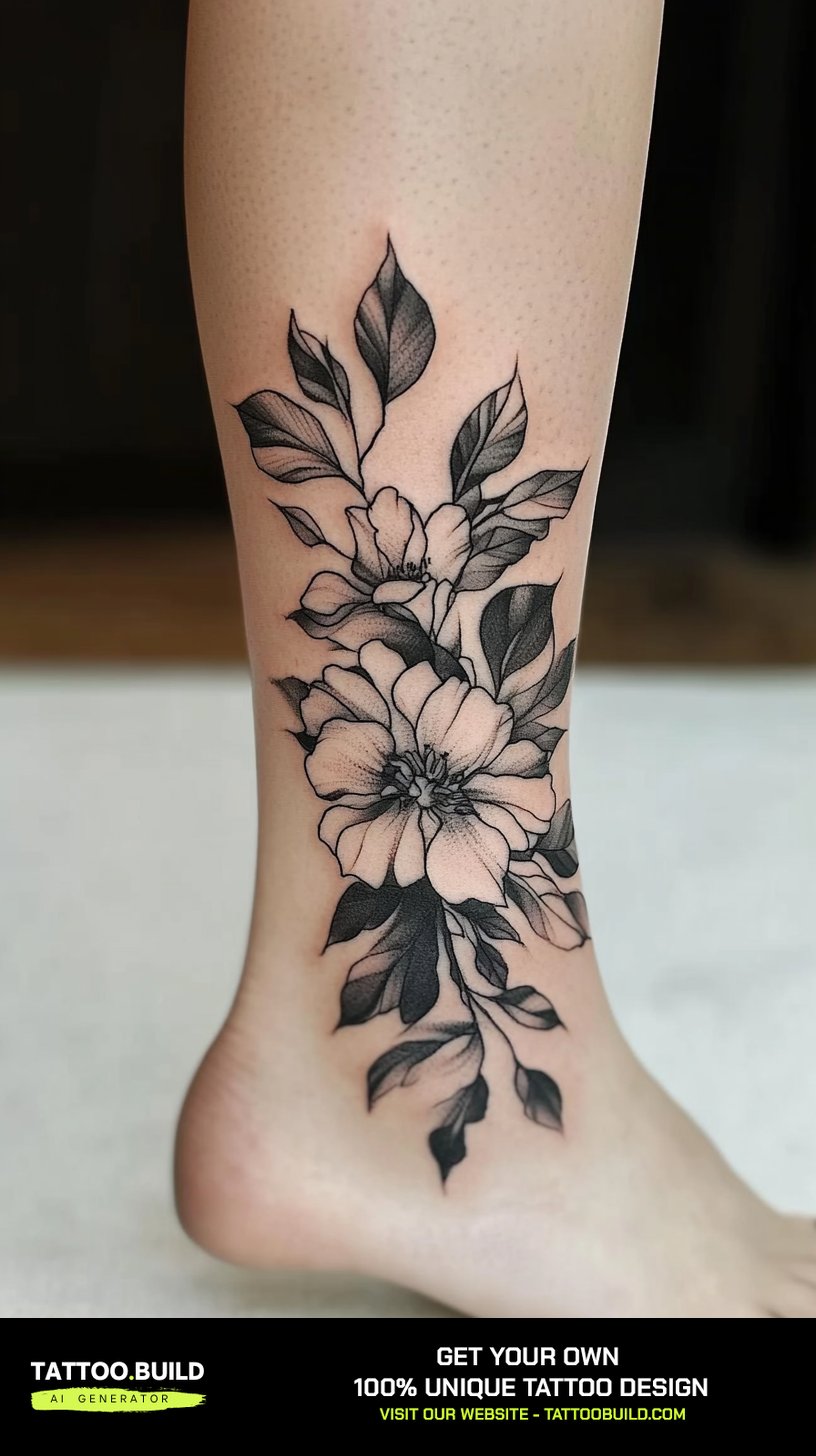
A flower ankle tattoo is one of the few designs that manages to be both discreet and genuinely eye-catching, which is exactly why it has stayed in demand year after year.
I have spent a lot of time looking at ankle work — in studios, in portfolios, and on my own friends — and the pattern is consistent. The pieces that still look good five years later are almost never the most detailed ones.
The ankle is a small, curved, high-movement area. That changes what a flower can realistically be, and most of the disappointment I hear about comes from ignoring that rather than from picking the wrong bloom.
This guide walks through the flower styles that actually suit the ankle, how placement changes the result, what healing is honestly like here, and where to look next if you are still weighing up other ankle tattoo ideas before booking.
Which Flower Ankle Tattoo Style Is Right for You?
Style matters more than subject on the ankle. The table below is the comparison I wish someone had shown me before my first small piece.
| Style | Best For | How It Ages Here | Typical Session |
|---|---|---|---|
| Fine line | Subtle, barely-there sprigs and single stems | Softens noticeably; often wants a touch-up | Under an hour |
| Black and grey | Roses, peonies, anything with layered petals | Ages well when the shading has real contrast | One to three hours |
| Traditional / bold line | People who want it readable from across a room | The most forgiving option on the ankle | One to two hours |
| Watercolour | Soft, painterly colour with a black underdrawing | Fades fastest; outlines are what save it | One to two hours |
| Dotwork | Lotus, mandala-influenced and geometric florals | Good, if the dots are not packed too tightly | One to three hours |
| Blackwork / silhouette | Bold graphic blooms with no internal detail | The longest-lasting choice of the six | Under two hours |
What Makes the Ankle Different From Every Other Placement
The ankle is not a flat panel of skin. It is a hinge with a bone pushing through it, and that shapes the design far more than most people expect.
Skin directly over the ankle bone is thin and sits close to hard tissue, which is why that spot is usually the sharpest part of the session. The soft area just above the bone and the inner ankle are noticeably easier.
Movement is the second factor. This joint flexes with every step, waistbands of socks rub against it, and shoes press on it — all of which slows healing compared with an upper arm or thigh.
There is also line spread to think about. Very thin lines on high-movement areas tend to soften over the years, which is worth knowing before you commit to an extremely delicate design; the same trade-off applies to most fine line tattoo ideas.
None of this is a reason to avoid the ankle. It is a reason to size up slightly, keep detail deliberate, and pick an artist who tattoos this area often.
Flower Ankle Tattoo Ideas, Bloom by Bloom
Every flower carries its own associations, and most people arrive with a bloom already in mind. What follows is how each one actually behaves at ankle scale.
Rose Ankle Tattoos
The rose is the most requested flower I see on the ankle, and it is a genuinely good fit as long as the size is honest.
A rose has layered petals, which means it needs enough room for the shading between them to stay separate. Under about an inch and a half, those layers tend to blur together as the piece settles.
Colour meaning is part of the appeal here: red for love and passion, white for new beginnings, yellow for friendship, black for remembrance or farewell. In practice, most ankle roses I have seen are done in black and grey.
A closed bud is the underrated option. It keeps the symbolism, reads clearly at a small size, and sits neatly above the heel — if you want the full range, our guide to rose tattoo ideas for women covers larger placements too.
Lotus Flower Ankle Tattoos
The lotus is the flower people choose when the meaning matters more than the look, and its symbolism is well established — growth out of difficulty, clarity, renewal.
Structurally it is one of the best florals for this placement. The petals radiate from a centre, so the design stays symmetrical even when it is small.
Outline-only lotus work is common and very clean. Dotwork shading adds depth without the visual weight of solid black, which suits people who want detail but not darkness.
Symmetry is the thing to protect here. A lotus placed slightly off-centre on a curved ankle will look tilted, so ask for the stencil to be checked standing up as well as seated — more variations in our lotus tattoo guide for women.
Sunflower Ankle Tattoos
Sunflowers are the cheerful option, and they carry associations with warmth, loyalty and optimism.
The challenge is the centre. A sunflower is mostly seed head, and if that texture is not tattooed with real contrast it flattens into a grey circle within a couple of years.
Every artist I have asked about sunflowers says the same thing: give the centre stippling or solid texture, and keep the outer petals bold.
Running the stem upward along the leg is a smart move on a narrow area — it gives a small design somewhere to travel. See more shapes in our sunflower tattoo ideas collection.
Daisy and Wildflower Ankle Tattoos
Daisies are, in my experience, the flower that ages best at small sizes. Five open petals and a dot centre is a shape that simply cannot get muddy.
A daisy chain is also one of the few designs that genuinely justifies wrapping the whole ankle, because the repeating shape gives the eye somewhere to rest.
Mixed wildflower sprigs work on the same principle — several small, distinct shapes instead of one complicated one.
If you like the loose, gathered look, our wildflower tattoo ideas page has plenty of arrangements built from thin stems.
Cherry Blossom Ankle Tattoos
Cherry blossom carries a specific idea — beauty that does not last — which is part of why it appeals as a small, personal piece.
The scattered-petal treatment is the one I would recommend most often. Loose petals falling toward the heel fill space without adding heavy ink.
A branch design is the alternative, and it works best when it follows one continuous curve around the ankle bone rather than crossing it at an angle.
If you want pink, insist on a black or dark grey outline. Soft colour with no line underneath is the combination that disappoints people fastest in this location.
Peony Ankle Tattoos
Peonies are the most demanding flower on this list. They are all layered petals, and layers need space.
When I have seen peony ankle tattoos work, they have almost always sat above the ankle bone rather than on it, using the softer skin where the calf begins.
Traditional weight outlines are the safest approach — the bold line holds the petal edges apart long after fine internal detail has softened.
If your heart is set on a peony and you want it small, ask the artist to draw it half-open. A partially opened bloom needs fewer petal layers to read correctly.
Lavender and Herb Sprig Ankle Tattoos
Lavender is the design for people who want something barely there, and it is currently one of the most popular small florals in general.
A single stem is often too sparse on its own; two or three paired stems balance the shape and stop it reading as a stray mark.
This is genuinely thin work, so it belongs with an artist who tattoos fine line regularly rather than occasionally.
Expect a lavender sprig to soften over time. That is not a fault in the tattoo — it is what very thin lines do on a joint, and a light touch-up down the line restores it.
Birth Flower Ankle Tattoos
Birth flower designs have been the fastest-growing request I have noticed in the last few years, and the reason is obvious once you see one.
They carry a date and a person without any text, which keeps the design clean and keeps the meaning private.
Two blooms on a shared stem is the standard way to mark two people — children, siblings, a partner.
Keep them small but not tiny. The identifying detail of a narcissus or a larkspur is exactly what disappears first, so check our birth flower tattoo ideas for how each month’s bloom is usually simplified.
Variations Worth Considering Before You Commit
Not every flower ankle tattoo is a single bloom on bare skin. These four variations come up constantly, and each one changes the brief.
The Wrap-Around Floral Anklet
A vine or chain of small buds circling the ankle is the most requested anklet style, and it has a practical advantage: it forgives placement.
A single centred bloom that sits a few millimetres off looks wrong. A wrap has no obvious centre, so small asymmetries vanish.
Space the buds out rather than filling the band solid, and ask where the join will sit — most artists put it on the inner ankle. Our ankle bracelet tattoo ideas page covers the non-floral versions.
Flowers Paired With Script
Adding a name, a date or a short line beside the flower is common, and it is where I see the most avoidable mistakes.
Lettering that is very small will not stay crisp on a joint. If the script matters, it needs to be large enough that the letters have visible gaps inside them.
Curving the text along the design reads far better than a straight line here, because nothing about the ankle is straight.
Flowers With Butterflies, Bees and Moths
A companion element is the easiest way to make a simple floral feel like a complete composition.
Butterflies are by far the most common pairing. Bees and moths suit black and grey work particularly well.
Keep the companion touching or overlapping the flower. Floating elements with a gap between them tend to look like two separate tattoos over time.
Blackwork, Silhouette and Negative Space
If longevity is your priority above everything else, this is the category to look at.
Solid black shapes hold their form longer than any amount of fine detail, and a silhouette bloom stays legible even after years of line spread.
Negative space designs — where the flower is the untouched skin inside a black field — are striking, but they depend entirely on clean healing, so they are a poor choice if you know you will be back in tight boots next week.
Healing an Ankle Tattoo: What to Actually Expect
The ankle is a slower heal than most placements, and being ready for that is half the battle.
Surface healing usually takes somewhere around two to four weeks, with the deeper layers settling over a few months. Follow the aftercare your artist gives you, and use the American Academy of Dermatology guidance on caring for tattooed skin as a sanity check rather than random advice online.
Practical things that make a real difference here: low or no-back shoes for the first couple of weeks, loose socks or none at all, and keeping the area out of pools, lakes and baths until it has closed.
Swelling around the ankle and foot in the first few days is common, especially if you are on your feet. Elevating the leg in the evening helps more than anything else.
Redness that spreads, increasing pain after day three, heat, pus or a fever is not normal healing. That is a doctor’s call, not an internet one — the Mayo Clinic overview of tattoo risks explains what to watch for, and allergic reactions to some pigments can appear weeks or even years later.
Long term, sunscreen is the single best thing you can do for a flower ankle tattoo. Ankles catch a lot of sun in summer and fading is largely a UV story.
Still Not Sure? Avoid These Mistakes First
Almost every regret I have heard about an ankle floral traces back to one of these.
- Sizing down to save money. A design shrunk past its natural size loses the detail that made you want it.
- Booking a fine line piece with an artist whose portfolio is all bold traditional — or the reverse.
- Judging placement while sitting down. Check the stencil standing, walking and from behind.
- Planning it around a specific pair of shoes. Shoes change; the tattoo does not.
- Scheduling it right before a holiday. Sun, sand and swimming during week one is the worst possible start.
If the ankle is starting to feel too tight a canvas, it is worth widening the search before you book — foot tattoo ideas sit right next door and give you noticeably more room to work with.
Frequently Asked Questions
Do flower ankle tattoos hurt more than other placements?
Generally yes, though it depends on exactly where it sits. Skin directly over the ankle bone is thin and close to hard tissue, so most people rate that as sharper than a thigh or an upper arm. The softer area just above the bone and the inner ankle are considerably easier. Most small floral pieces here are done in under an hour, which keeps the whole experience short.
How much does a flower ankle tattoo cost?
Pricing varies enormously by studio, city and artist demand, so anyone quoting a single figure is guessing. Most small ankle florals fall into a shop’s minimum charge or one hourly session. Larger black and grey pieces that wrap the ankle can run to two or three hours. Ask for a quote from the specific artist rather than working from an average.
Will a flower ankle tattoo fade faster than one on my arm?
It can, for two reasons. Ankles get a lot of direct sun in warm months, and UV exposure is the main driver of fading. The joint also flexes constantly, which softens very fine lines over the years. Sunscreen and slightly bolder linework are the two things that make the most difference.
What is the least painful spot on the ankle for a flower tattoo?
The soft area a couple of inches above the ankle bone, on the inner side of the leg, is usually the most comfortable. The outer ankle bone and the area right at the back near the Achilles tendon tend to be the sharpest. If pain is a real concern, tell your artist during the consultation — they can often shift the placement slightly without changing the design.
Can I cover or remove a flower ankle tattoo later?
Cover-ups are possible but harder here than on larger areas, because there is limited surrounding skin to expand into. Laser removal on the ankle is generally slower than on the torso or upper limbs, since circulation in the lower leg is a factor in how the body clears broken-down pigment. Both are jobs for a specialist rather than a general studio. Plan the first tattoo as if there will be no second chance and you will rarely need either.
Quick Summary
- The ankle is a small, curved, high-movement area — style choice matters more here than which flower you pick.
- Bold lines, blackwork and well-contrasted black and grey age best; very fine lines and outline-free colour soften fastest.
- Roses, daisies and lotus flowers are the most reliable blooms at small ankle sizes; peonies need more room.
- Skin over the ankle bone is the sharpest spot; just above it and on the inner ankle is noticeably easier.
- Wrap-around vines and daisy chains forgive placement errors that a single centred bloom will not.
- Surface healing usually takes around two to four weeks — expect loose shoes, no swimming and some swelling.
- Spreading redness, worsening pain, heat or fever means seeing a doctor, not waiting it out.
- Sunscreen is the single most effective long-term thing you can do to keep the design sharp.