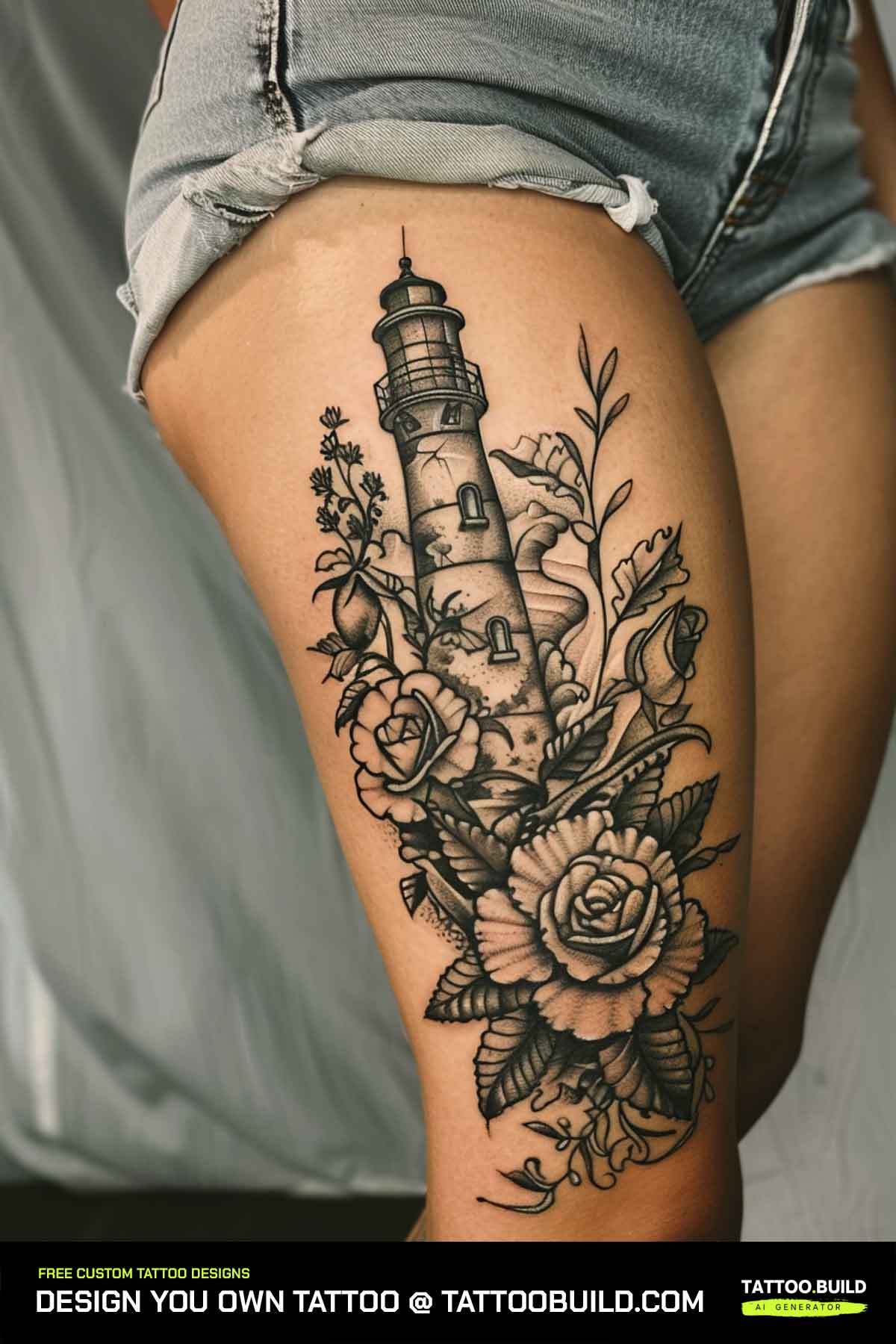
A lighthouse tattoo is one of those rare designs that looks striking on the skin and carries real weight underneath it. It stands for guidance, steadiness, and finding your way home when everything around you feels like open water.
I have been drawing and collecting lighthouse designs for years, and it is still one of the most requested pieces I get asked about. People come in wanting the same tower, but almost every one of them means something a little different by it.
In this guide I have pulled together more than forty of my favorite lighthouse tattoos, the styles that hold up over time, and the placements that actually flatter the design. If you specifically want softer, more feminine takes, I also keep a separate collection of lighthouse tattoo ideas for women you can browse alongside this one.
Take your time scrolling. The right lighthouse for you is usually the one you keep coming back to.
Which Lighthouse Tattoo Style Is Right for You?
Before you commit, it helps to know how the main styles behave on skin over the long run. Here is how I usually break it down for clients who are torn between looks.
| Style | Best For | How It Ages |
|---|---|---|
| Black & Gray Realism | Detailed towers, dramatic skies | Ages very well; soft grays may need a touch-up in 8-10 years |
| Full Color | Sunset scenes, red-and-white stripes | Vivid early on; usually the first to fade, especially in sun |
| Fine-Line / Minimalist | Small, subtle placements | Clean but delicate; thin lines can blur over time |
| Neo-Traditional | Bold, illustrative statement pieces | Excellent longevity thanks to heavy outlines |
| Geometric / Abstract | Modern, stylized designs | Solid, though precise lines demand a steady artist |
None of these is objectively best. In most cases the right pick depends on your placement, your skin, and how much upkeep you are honestly willing to do.
What a Lighthouse Tattoo Really Means
A lighthouse has one job: to warn of danger and guide ships safely toward shore. That single purpose is why the symbol resonates so far beyond sailors.
When I ask people why they chose it, the answers cluster around a few themes. Guidance through a hard chapter comes up again and again.
For others it is about being an anchor for the people they love, a fixed point that does not move no matter how rough the weather gets. It pairs naturally with wider maritime symbolism, which is why so many clients look at it alongside a broader ocean tattoo.
There is also a survival reading. A lighthouse stands alone, takes a beating from the elements, and keeps its light burning anyway.
Historically, these towers were feats of engineering built to save lives, and you can read more about their long maritime history if the background interests you. Usually, though, the meaning people carry is personal, not textbook.
Lighthouse Tattoo Styles and Designs
Below are the styles I see hold up best, both artistically and over the years. Each one gives the same tower a completely different personality.
Black and Gray Realism
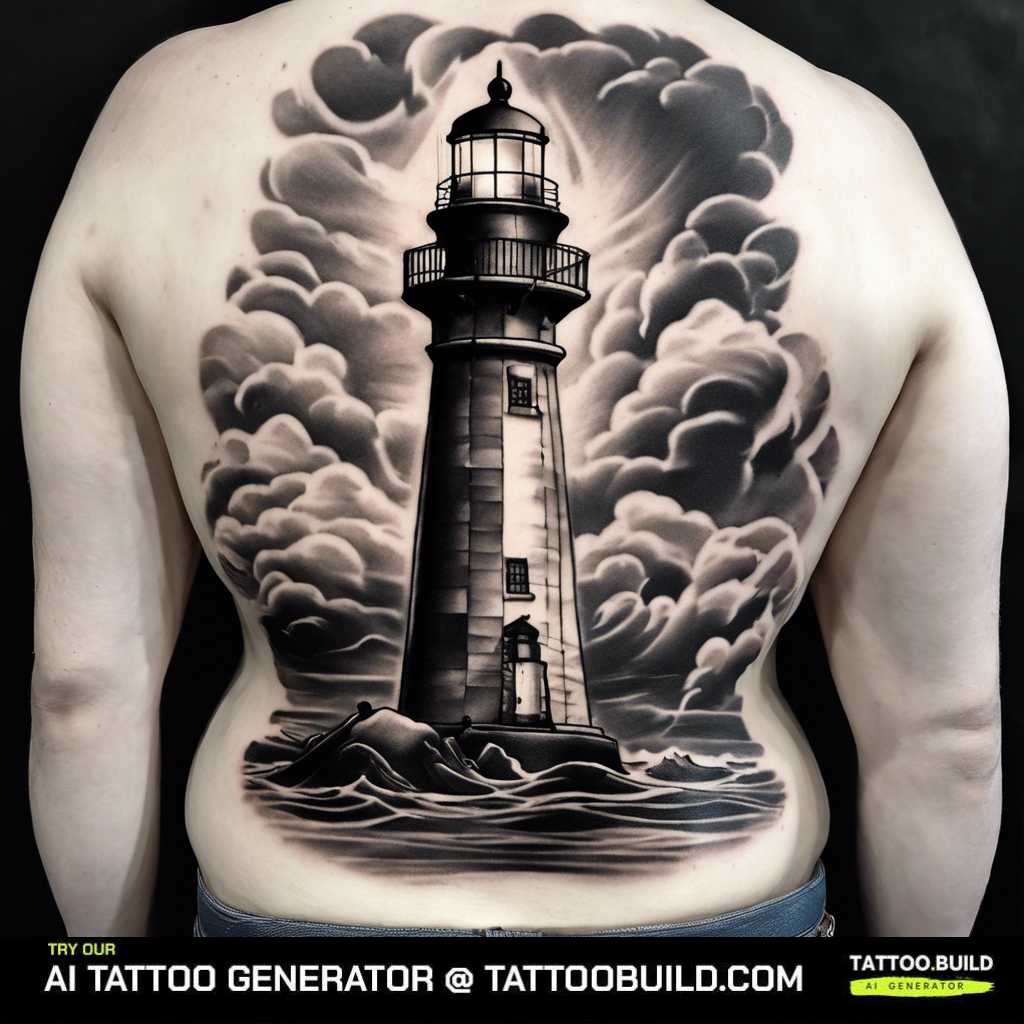
I would call black and gray the safest bet for a lighthouse, and it is the style I steer most first-timers toward. The grayscale range lets an artist build a moody sky, textured stone, and a real sense of depth without relying on color that will fade.
When I tested how these pieces held up on older clients, the black and gray realism work almost always looked the sharpest a decade later. It reads clearly from across a room, which matters more than people expect.
It also blends beautifully into larger arm work, so it is a smart anchor if you might expand into black and white forearm work down the line.
Color and Watercolor
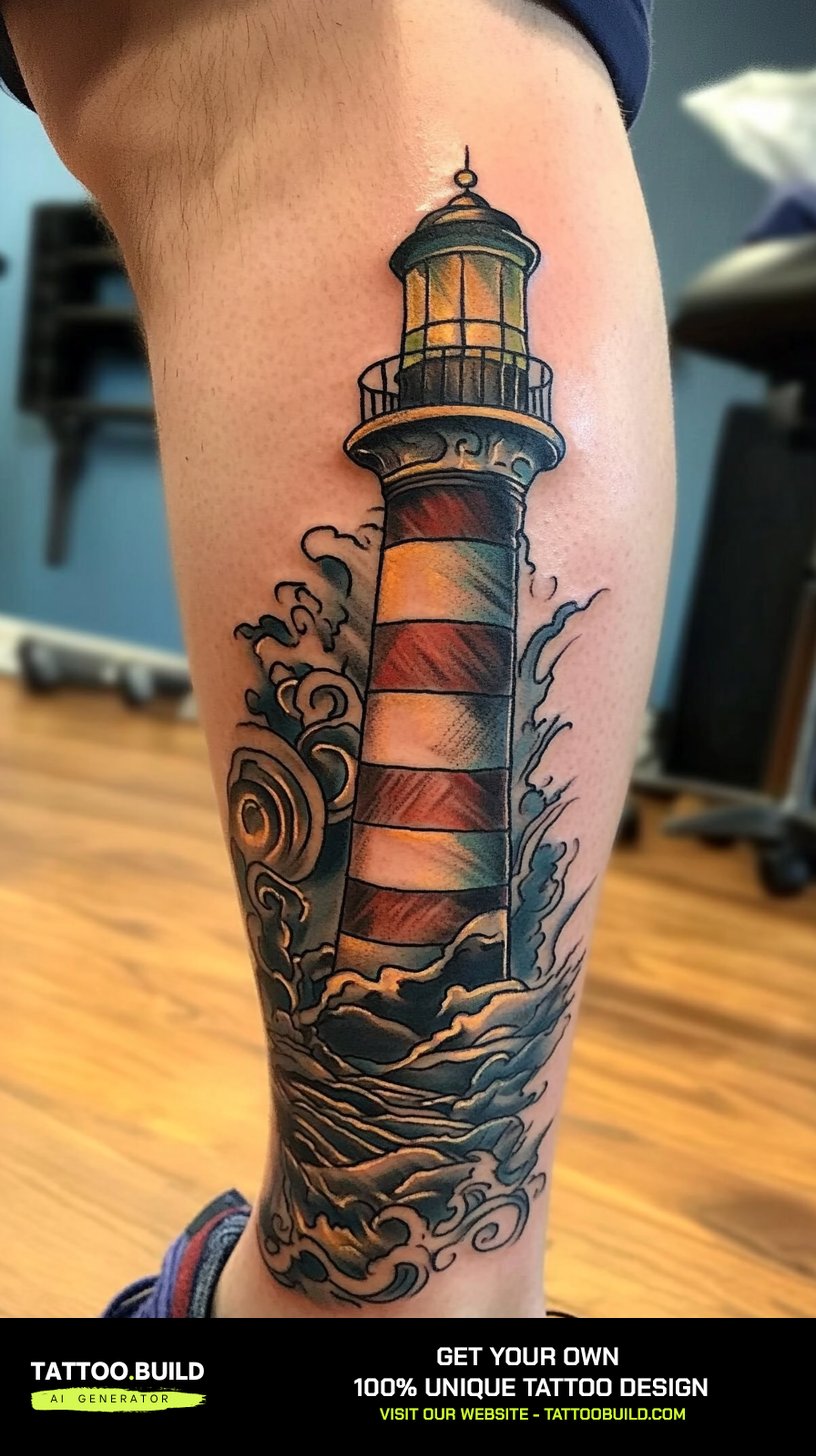
Color turns a lighthouse into a scene. A red-and-white striped tower against a blue sky, or a warm sunset bleeding behind the beam, is hard to beat for visual punch.
Watercolor takes it further, letting soft washes of teal and orange spill past the outlines like paint on wet paper. It is romantic and eye-catching, and every artist I have asked agrees it photographs wonderfully when fresh.
Be honest with yourself about upkeep, though. Color fades faster than gray, and sun exposure speeds it up, so expect a touch-up sooner than you would with grayscale.
Fine-Line and Minimalist
Not everyone wants a dramatic tower. A single thin-line lighthouse on the wrist or ankle can say just as much with a fraction of the ink.
These pieces lean on negative space and restraint. In my experience they suit people who want the meaning without the spectacle, and they slot neatly around existing tattoos.
The trade-off is durability. Very thin lines can soften and blur over the years, so I usually nudge clients toward slightly bolder linework than they first ask for.
Neo-Traditional and American Traditional
If you want something that will still read crisp in thirty years, bold traditional work is tough to beat. Heavy black outlines and a limited palette are built to last.
Neo-traditional updates that look with richer shading and more illustrative detail while keeping the strong structure. It is a favorite for statement pieces that need to hold their shape.
These styles pair naturally with waves, rope, and banners, which is why they show up so often in maritime flash sheets.
Lighthouse With Waves and Ocean
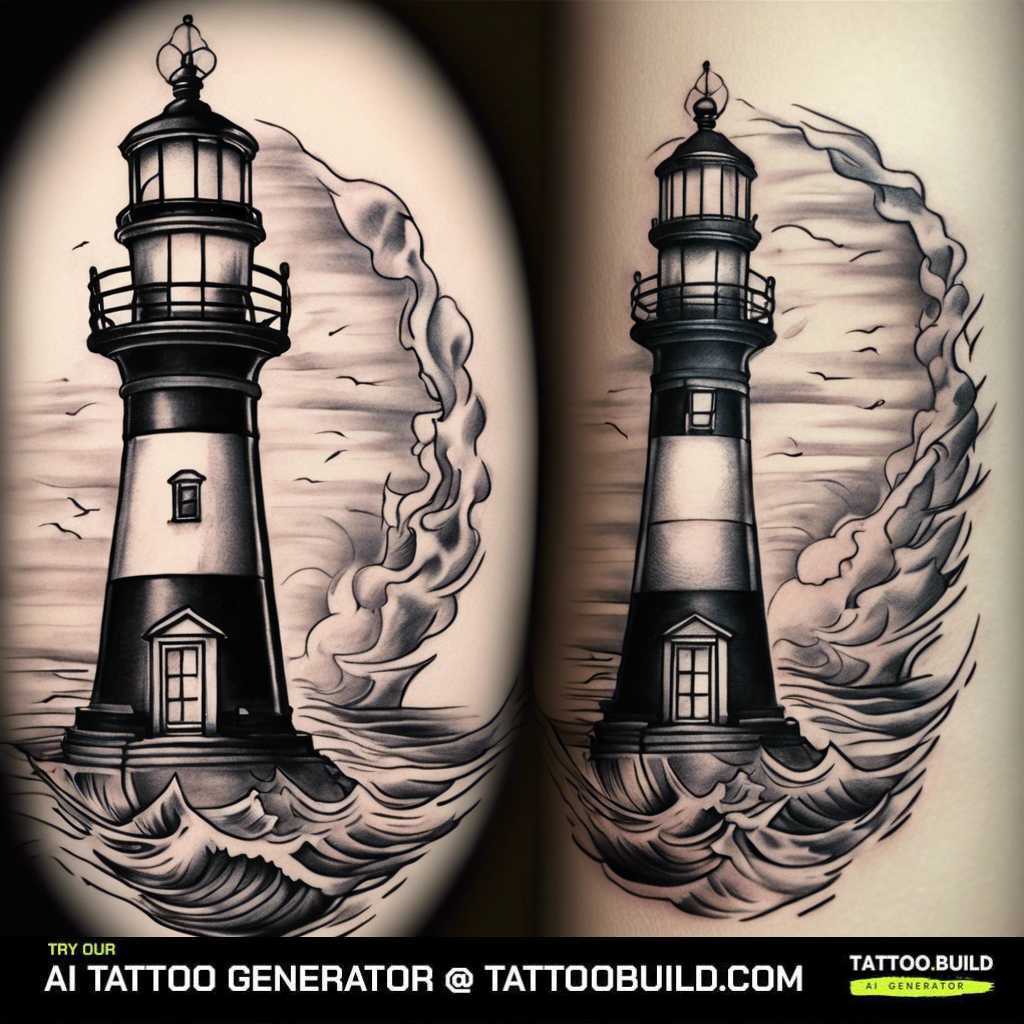
Adding water changes the whole story. Crashing waves at the base give the lighthouse something to stand against, and that tension is the heart of the design.
I like to remind clients that the sea is doing narrative work here. A calm tide reads as peace, while a violent swell reads as survival.
This is also the version that expands most gracefully into a half or full sleeve if you decide you want more later.
Lighthouse and Compass
Pairing a lighthouse with a compass tattoo doubles down on the theme of direction. One guides you home, the other keeps you oriented while you are still out there.
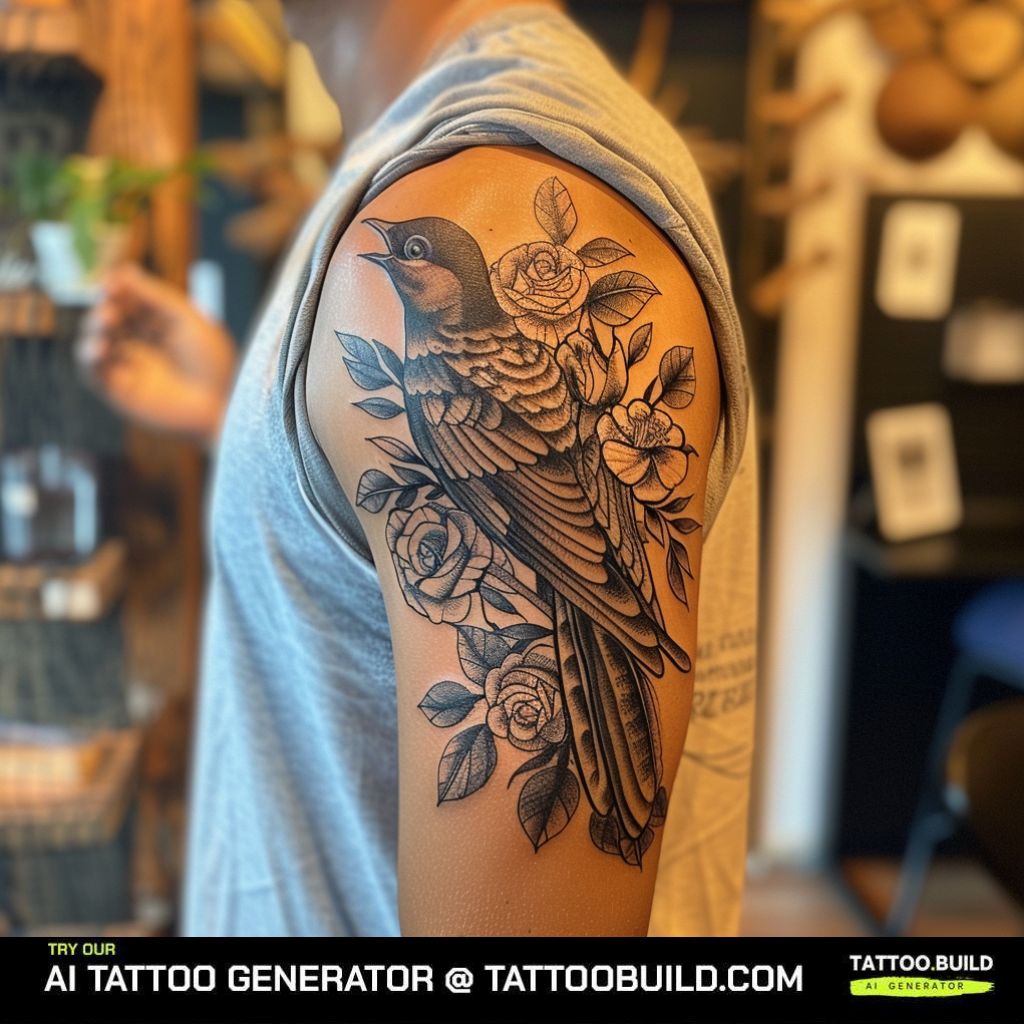
Nautical elements like rope, anchors, and swallows fold in easily, and an anchor tattoo in particular sits well beside the tower without crowding it.
Keep the composition breathing. When people cram too many symbols together, the lighthouse stops being the focal point and the whole piece loses its meaning.
Geometric and Abstract
For a more modern feel, geometric framing gives the lighthouse a fresh edge. Think a tower housed inside a circle, a triangle, or a mosaic of clean facets.
Dotwork shading and mandala backdrops turn the design into something almost decorative while keeping the silhouette recognizable.
Precision is everything here. Straight lines and even spacing expose a shaky hand, so this is one style where I would never compromise on the artist.
Placement Ideas for Lighthouse Tattoos
Because a lighthouse is naturally tall and narrow, placement matters more than with most designs. The wrong spot forces an artist to distort the proportions.
Forearm
The forearm is my go-to recommendation. Its vertical shape mirrors the tower perfectly, so nothing has to be squashed to fit.
It is also easy to show off or cover with a sleeve, which makes it a practical choice for work environments.
Upper Arm and Bicep
The upper arm gives you a bit more width for waves, sky, and surrounding detail. It is a comfortable canvas that most people tolerate well during a long session.
If you think you might keep going, this spot flows naturally into a half-sleeve later on.
Thigh
The thigh is one of the best spots for a large, detailed lighthouse scene. There is room for a full seascape, and the area tends to hold ink well over time.
It also gives you privacy, which many clients appreciate for a piece this personal.
Back
A back piece lets the design breathe at full scale. You can add a sweeping horizon, birds, and layered waves without ever feeling cramped.
The downside is you will rarely see your own tattoo, so this suits people who want the meaning more than the daily view.
Shoulder
The shoulder handles a medium lighthouse gracefully and wraps well toward the chest or arm. It is a flattering spot for a lighthouse shoulder tattoo with soft shading.
Leg and Calf
The calf offers another naturally vertical canvas that flatters the tower shape. It is easy to cover and generally an easier area to sit through than bonier spots.
Aftercare and Keeping Your Lighthouse Tattoo Sharp
A lighthouse lives or dies on its clean lines, so aftercare is not optional. The first two weeks decide how the piece will look for the next decade.
Keep it clean, moisturized, and out of direct sun while it heals. Follow the specific instructions your artist gives you, since they know exactly what ink and technique they used.
Long term, sunscreen is the single best thing you can do to slow fading, especially on color work. Reputable dermatology guidance on caring for tattooed skin backs this up.
If you ever notice spreading redness, swelling, or oozing that gets worse instead of better, do not tough it out. See a doctor, because that can signal an infection and this article is not a substitute for medical advice.
Still Not Sure? Common Lighthouse Tattoo Mistakes
The regrets I hear about are rarely about the symbol itself. They are almost always about execution.
The most common one is going too small for too much detail. A tiny lighthouse crammed with windows, waves, and a beam will turn into a dark blob within a few years.
The second is picking an artist by price instead of portfolio. A lighthouse demands clean verticals and controlled shading, the same discipline you would want for a piece like a shark and anchor tattoo.
The third is overloading the composition. Usually one strong tower with a little supporting detail beats a crowded scene that has no clear focal point.
Frequently Asked Questions
What does a lighthouse tattoo symbolize?
A lighthouse most often symbolizes guidance, hope, and steadiness through hard times. Because its real purpose is to warn ships and lead them safely to shore, people use it to represent finding their way, being a steady presence for loved ones, or surviving a rough chapter. In my experience the exact meaning is deeply personal and varies from one wearer to the next.
How much does a lighthouse tattoo cost?
It depends heavily on size, detail, color, and your artist’s rate, so any single number would be misleading. A small fine-line piece might take an hour, while a detailed thigh or back scene can run multiple sessions. The best move is to bring your reference to a few reputable artists and get real quotes rather than trusting an online estimate.
Where is the best place for a lighthouse tattoo?
Because the design is tall and narrow, vertical areas flatter it most, so the forearm, calf, and thigh are usually the strongest choices. The upper arm and back give you room for a full seascape if you want more detail. In most cases the right spot balances the design’s proportions with how visible you want it to be.
Do lighthouse tattoos fade quickly?
Fading depends far more on style and care than on the subject. Bold black and gray work holds up longest, while bright color fades soonest, especially with sun exposure. Daily sunscreen and good aftercare make a genuine difference, though almost every tattoo needs a touch-up eventually.
Is a lighthouse tattoo only for sailors?
Not at all. While it has strong nautical roots, most people who choose it today have no seafaring background. They connect with the symbolism of guidance and resilience rather than the maritime tradition, and that is a completely valid reason to get one.
Quick Summary
- A lighthouse tattoo symbolizes guidance, hope, resilience, and steadiness.
- Black and gray realism is the most durable and beginner-friendly style.
- Color and watercolor look stunning but fade faster, especially in the sun.
- Vertical placements like the forearm, calf, and thigh flatter the shape best.
- Adding waves, a compass, or an anchor deepens the maritime story.
- Avoid going too small for the level of detail you want.
- Choose your artist by portfolio, never by price alone.
- Diligent aftercare and daily sunscreen keep the lines sharp for years.
Whatever version you land on, pick the one that keeps pulling your eye back. That instinct is usually right.