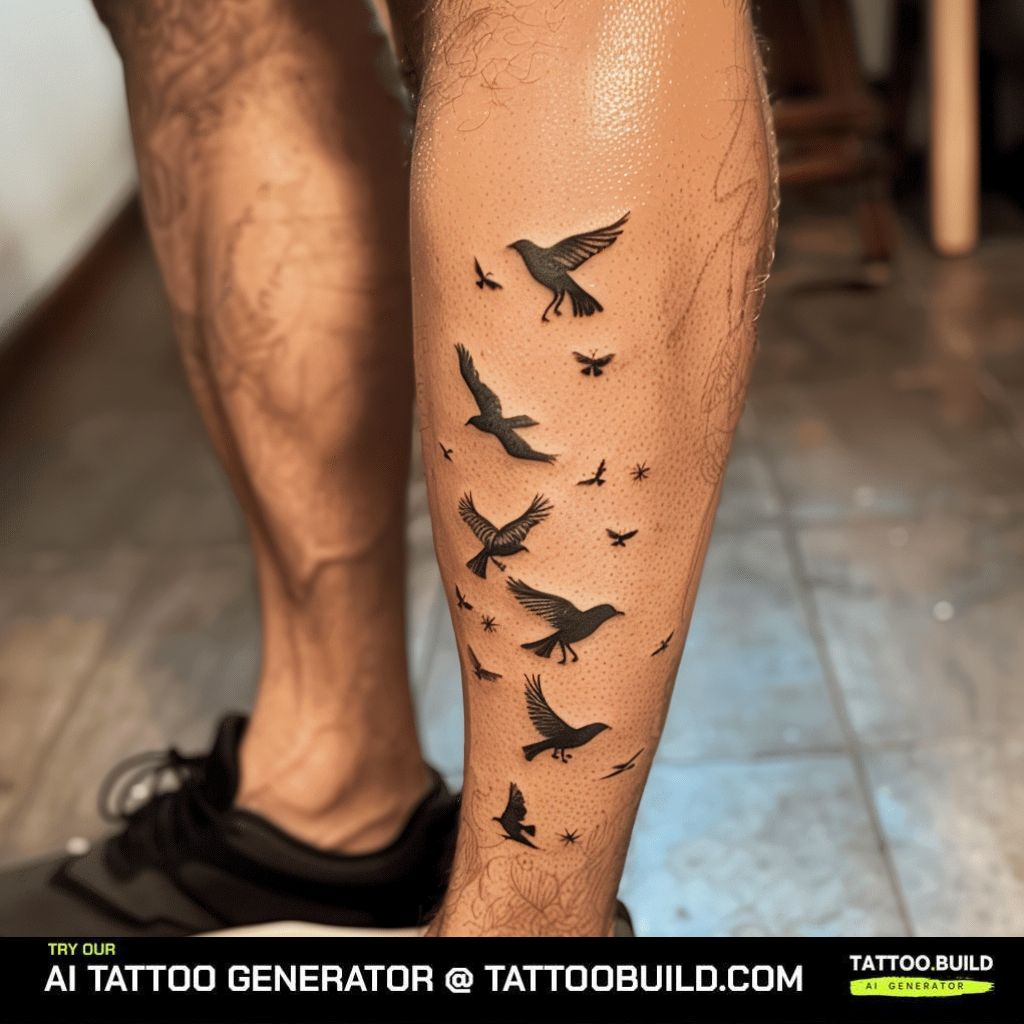
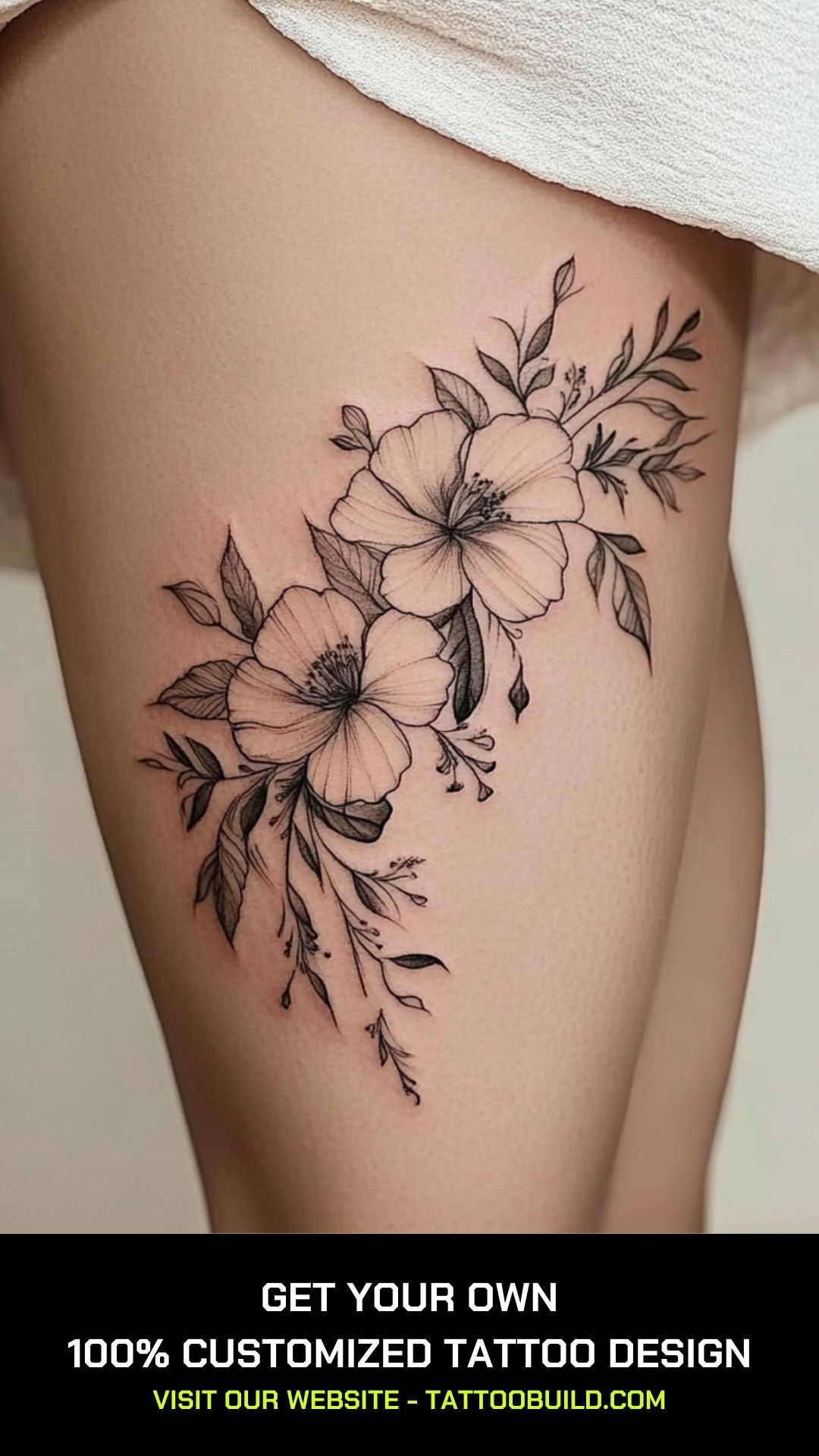
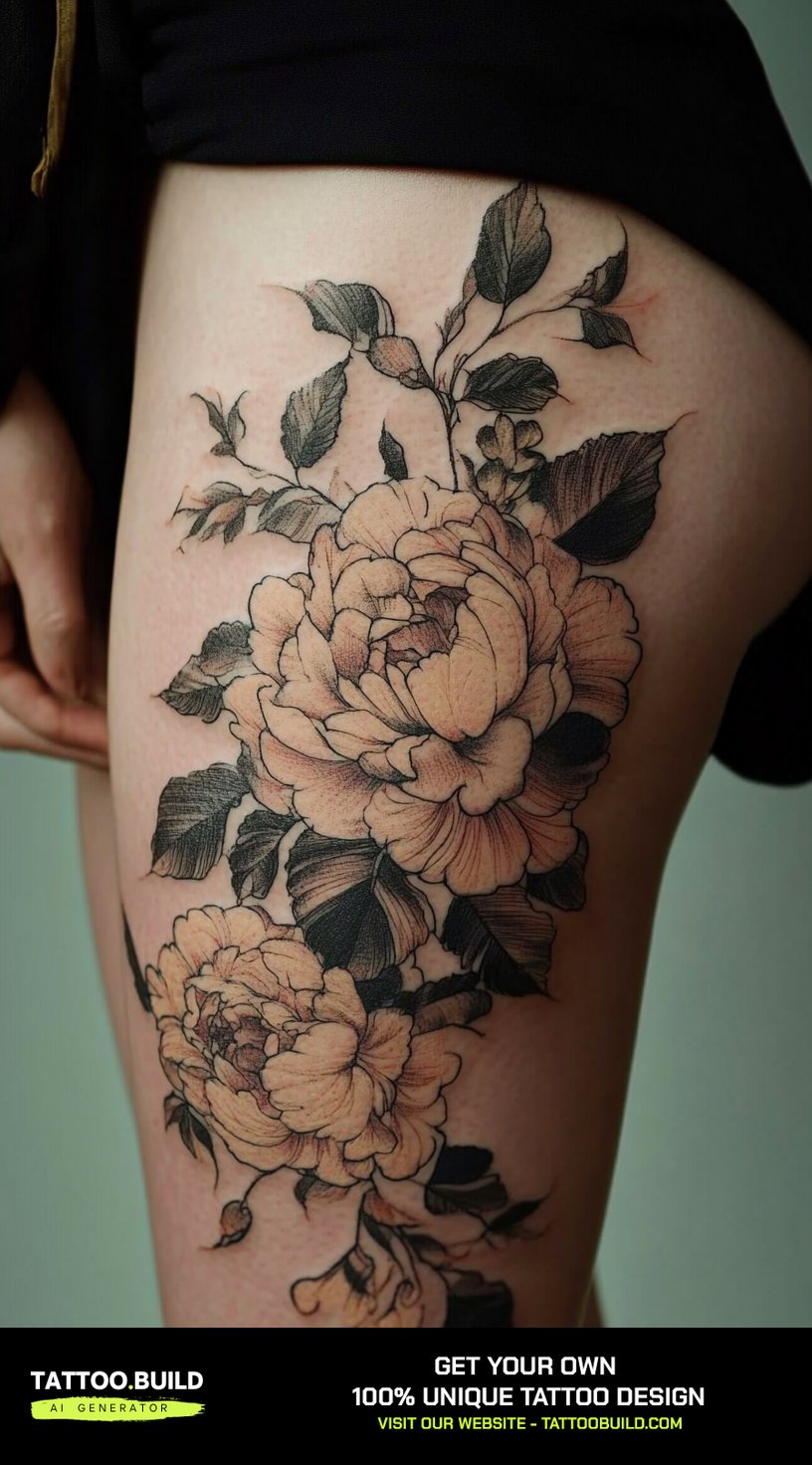
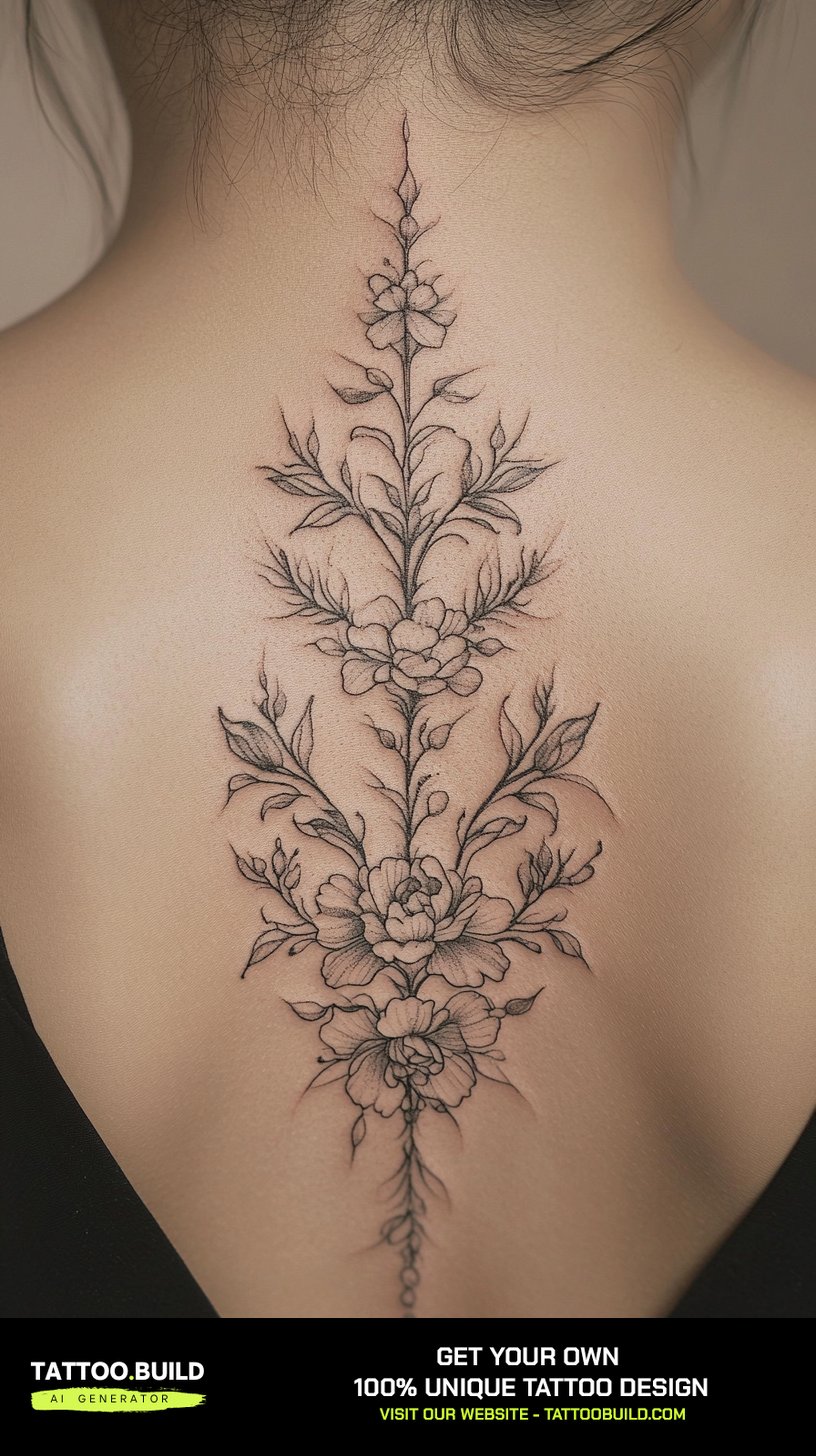
A small leg or thigh tattoo is the most forgiving piece a guy can get — it is cheap enough to be a low-risk experiment, private enough to cover with shorts, and roomy enough that the artist is not fighting for space.
I have sat for work on both the calf and the outer thigh, and the leg is still where I send friends who want something real without committing to a sleeve.
The trap is treating “small” as a design shortcut. A shrunken portrait turns into a smudge in five years, while a simple shape with clean spacing still reads perfectly a decade later.
This guide covers the placements, the styles that actually hold up small, what the sessions feel like, and what to do afterwards. If you want to browse finished work first, our small leg and thigh tattoo gallery for guys is a good starting point.
Which Leg Placement Is Right for You?
Every spot on the leg trades something off — comfort against visibility, or flat working surface against how the design ages.
This is the shorthand I use when someone asks where to put a first small piece.
| Placement | Typical discomfort | Best suited to | Everyday visibility |
|---|---|---|---|
| Outer calf | Low to moderate | First tattoos, 3-5 inch designs, bold linework | Shorts only |
| Inner calf | Moderate | Private pieces, vertical shapes | Low |
| Outer thigh | Low | Detail-heavy small work, ornamental panels | Almost none |
| Front thigh (quad) | Low | Designs you want to see yourself, longer sittings | Almost none |
| Shin | High — bone is close to the surface | Short, simple pieces you can finish fast | Shorts only |
| Above the ankle | High | Tiny symbols, bands, minimal linework | Sock-coverable |
The one row people argue with is the shin. It is genuinely sharper than the calf, and no amount of psyching yourself up changes the anatomy.
Why Small Leg Tattoos Age Better Than Small Tattoos Elsewhere
Ink spreads slightly over the years as the body reacts to the pigment — that is normal, not a mistake by the artist.
Where that spread becomes a problem is on skin that stretches, creases, or gets constant friction and sun. Hands, fingers and the tops of feet are the usual casualties.
The thigh and calf sit at the opposite end of that scale. The skin is thick, it is covered most of the year, and it does not fold the way the inner elbow or the knuckles do.
That is a big part of why I steer guys planning a first tattoo towards the leg. You get a piece that stays sharp longer and a session short enough that you learn how your body handles the needle.
It is also a sane place to test your pain tolerance before booking anything larger — the pain management basics matter far more on a rib or sternum piece than they do on a calf.
Small Leg and Thigh Tattoo Ideas That Actually Work at This Size
The styles below are the ones I keep seeing hold up. They share one trait: they are built from shapes an artist can keep separated, not from detail that has to survive being shrunk.
Fine-Line Geometry and Clean Shapes
Triangles, arcs, split circles and simple grids are the safest small design there is, because the eye reads them instantly even at three inches.
The catch is line weight. Hair-thin lines look stunning on the day and soften noticeably as they settle, so I ask for a slightly heavier line than the reference photo suggests.
Ask your artist to space the elements wider than feels natural. Gaps close up over time; they never open back up. If this is your direction, our geometric tattoo ideas for men has a deeper set of references.
Blackwork Symbols and Solid Shapes
Solid black is the single most durable thing you can put in skin at small scale. There is no fine detail to blur, so a well-packed shape looks close to the same at year one and year twelve.
When I tested a small solid-black piece against a fine-line one on the same leg, the difference after healing was obvious — the blackwork stayed crisp, the linework went slightly softer.
The trade-off is honesty about cover-ups: dense black is hard to change later. Browse blackwork tattoo ideas for men if you want to see how far the style stretches.
Compact Nature and Landscape Pieces
Mountains, pine treelines, waves and single leaves shrink well because their silhouette carries the meaning — you do not need the texture.
Every artist I have asked about small landscapes says the same thing: cut the sky, cut the foreground, keep two planes maximum.
A range of peaks with a simple horizon line is the version that consistently survives. Mountain tattoo ideas for men covers the layouts worth stealing.
Animals Built From Solid Shapes
A wolf, snake, hawk or bear can absolutely work small — as an illustration, not a portrait.
In my experience the failure point is always fur or feather texture. Ask for the animal reduced to outline plus two or three shadow masses and it stays readable.
Anything requiring realistic shading needs more room than a small leg placement gives it. If realism is what you want, plan a larger calf piece instead and be patient.
Script, Dates and Single Words
Lettering on the thigh ages better than lettering almost anywhere else, because the skin there moves less.
Keep it to one line. Two-line quotes at small size close up between the rows faster than people expect.
I always tell people to print the wording at actual size, tape it to their leg, and live with it for a week before booking. Roman numerals and single words survive that test more often than sentences do.
Ornamental Bands and Dotwork
An ornamental band that follows the calf or wraps the lower thigh gives the impression of a much bigger commitment for a fraction of the sitting time.
Dotwork shading is worth asking about here — it adds depth without widening the design.
Bands are also modular. Most artists can extend one later into a half-leg piece if you decide you want more, which is not true of a standalone illustration.
Traditional and Neo-Traditional Small Pieces
American traditional was designed around the constraint we are talking about — heavy outline, limited palette, no unnecessary detail.
That is why a small traditional dagger, swallow or anchor on the calf still looks like itself decades later.
If you want colour in a small tattoo, this is usually the style I would point you to first, since traditional colour packing is solid rather than blended.
Minimal Symbols With Personal Meaning
Coordinates, a mountain outline for a specific hike, a simple emblem tied to family — the smallest tattoos are often the ones people regret least.
The reason is straightforward: the meaning does not depend on the execution being spectacular.
Keep the reference concrete. Vague “something that represents growth” briefs produce generic results; a specific object or place gives the artist something to design around.
Alternatives and Variations Worth Considering
If the leg is not quite right, or you want a plan that scales, these are the directions guys most often end up taking instead.
Go Slightly Bigger Instead of Slightly More Detailed
When a design will not simplify, the answer is usually size, not skill. Moving from three inches to five often costs less than you think and solves the ageing problem outright.
Start a Band, Not a Standalone
A small band around the calf is an easy first step that can grow into a half-leg sleeve without a redesign.
Move Down to the Ankle
If you need something you can hide at work entirely, the ankle covers under a sock. It hurts more than the calf, but the sessions are short — see ankle tattoo ideas for men for scale references.
Pair Two Small Pieces Instead of One Busy One
Two clean designs on the same leg, spaced apart, read better than one crowded piece trying to say two things.
Session Prep, Aftercare and Keeping It Sharp
Eat properly beforehand and skip alcohol the night before — thinner blood means more wiping, and more wiping means an irritated session for both of you.
Most small leg pieces are done in one sitting of roughly one to two hours. Surface healing usually takes about two to three weeks, with the deeper skin settling over a couple of months; the American Academy of Dermatology has straightforward guidance on caring for tattooed skin.
Sun is the main thing that ages a leg tattoo. Once it is fully healed, sunscreen on exposed calves in summer does more for longevity than any aftercare balm.
Follow the aftercare your artist gives you rather than advice from the internet, and see a doctor promptly if you get spreading redness, swelling that worsens after the first few days, pus, or a fever — Mayo Clinic outlines the infection and allergic-reaction risks worth knowing. Reactions to specific pigments are also possible, and the US FDA publishes consumer information on tattoo ink safety.
Never attempt to tattoo or remove ink yourself. Both belong with a licensed professional working in a sterile setup.
Common Mistakes — and What to Do If You Are Still Not Sure
The mistake I see most is choosing the design before choosing the placement. Size and style should follow the spot, not the other way round.
Second is booking on price alone. A cheap small tattoo from a mediocre artist costs far more to fix than it saved.
Third is over-moisturising during healing. A thin film is the goal; a thick layer traps moisture and softens the lines.
Still undecided? Compare against a different placement with small forearm tattoo ideas for men, or work backwards from meaning with small meaningful tattoo ideas for men.
And if nothing has stuck yet, wait. In my experience the ideas worth getting are still interesting six months later.
Frequently Asked Questions
How much does a small leg or thigh tattoo cost?
Most shops work to a minimum charge, and a small single-session leg piece typically lands at or a little above it. In the cities I have been tattooed in, that minimum has generally sat somewhere in the low hundreds, though it varies widely by country, city and artist demand. Colour, dense shading and custom design time all push the figure up. Ask for a quote at the consultation rather than assuming an hourly rate applies.
Does a calf tattoo hurt more than a thigh tattoo?
Usually the thigh is the easier of the two, especially the outer thigh where there is more muscle and fat between the needle and bone. The calf is still considered a comfortable spot by most people. The shin and the area just above the ankle are the sharp exceptions, because the bone sits close to the surface there. Pain is individual, so treat any ranking as a rough guide.
How long does a small leg tattoo take to heal?
The surface usually looks healed in about two to three weeks, once peeling and flaking have finished. The deeper layers keep settling for another month or two, which is when the final look becomes clear. Legs can be slower than arms if clothing rubs the area or if you are back to running early. Follow your artist’s instructions and check in with them if healing looks unusual.
Will a small tattoo blur over time?
Some softening is normal for any tattoo as ink settles in the skin. Small designs show it sooner because there is less space between elements to absorb the spread. Bolder lines, wider gaps and simpler shapes slow the effect considerably. Sun protection after healing makes a real difference to how sharp it stays.
Can a small leg tattoo be extended into a sleeve later?
Often yes, and it is worth raising at the consultation even if a sleeve is only a maybe. Bands, panels and pieces with open space around them extend most easily. A tightly framed illustration placed dead centre on the calf is harder to build around. Telling your artist your long-term plan costs nothing and can change where they place the first piece.
Quick Summary
- The outer calf and outer thigh are the most comfortable, most forgiving spots for a small first piece.
- The shin and the area above the ankle are noticeably sharper — keep designs there short and simple.
- Bold lines, wide spacing and solid black age far better at small size than fine detail.
- Simplify nature and animal designs to silhouette plus two or three shadow masses.
- Keep lettering to a single line, and test the wording at actual size before booking.
- Most small leg pieces finish in one sitting of roughly one to two hours.
- Surface healing usually takes two to three weeks; sunscreen afterwards protects sharpness.
- Choose the placement first, then design to fit it — and plan ahead if you may extend it later.