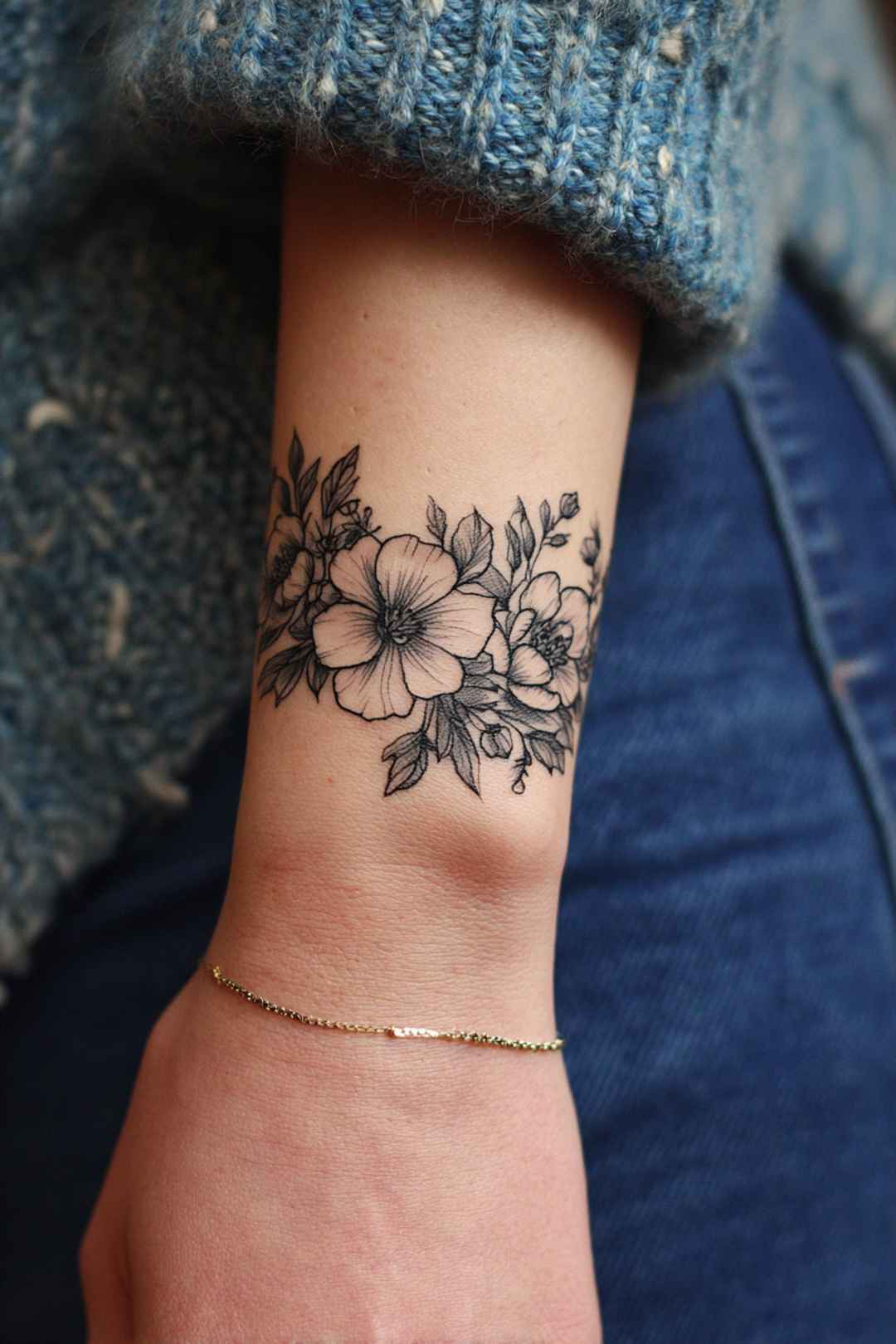
A wrap around wrist tattoo has to work from every angle, because unlike almost any other placement, people will see all of it — the top, the inner wrist, and the seam where the two ends meet.
That single constraint is why so many of these designs either look incredible or look slightly off, and why I spend more time talking clients through this placement than almost any other.
I have watched artists redraw a wrist band three times on the skin before they were happy with where the join landed. The stencil that looks perfect on a flat arm can buckle the moment the wrist rotates.
Below are twenty real wrap around designs, grouped by the style families that actually behave well on a wrist, plus the practical notes I wish someone had given me the first time. If you are still deciding on placement in general, our broader guide to wrist tattoo ideas is a good companion read.
Which Wrap Around Wrist Style Is Right for You?
Every style on this page behaves differently once it curves around the arm. This is the shorthand I use when someone is torn between two directions.
| Style | Typical session | How it ages | Best for |
|---|---|---|---|
| Fine-line botanical | 1–2 hours | Softens; may need a touch-up in a few years | A first tattoo, or anyone wanting it subtle |
| Solid blackwork band | 2–4 hours, sometimes split | Holds the longest of anything here | A bold statement you will not second-guess |
| Tribal / geometric | 2–3 hours | Very well, if the linework is thick enough | Cultural or heritage designs done properly |
| Chain or lace cuff | 1–3 hours | Fine detail can blur; keep gaps generous | Anyone who wants it to read as jewellery |
| Colour floral | 3–5 hours | Needs sun protection and occasional refreshing | A statement piece you are committed to maintaining |
| Single thin line | Often under an hour | Can spread slightly; easy to touch up | Minimalists and testing the placement |
What Makes the Wrist Different From Any Other Band Placement
The wrist is not a cylinder. It is an oval that changes shape every time you turn your hand, which is why a band drawn as a perfect circle rarely sits straight once it is on.
Good artists compensate for this by tilting the stencil slightly, so the band follows the natural angle of the wrist rather than fighting it. A band that looks level on a relaxed arm should also look level when the palm faces up.
Skin thickness varies enormously across those few centimetres too. The outer wrist is fairly forgiving; the inner wrist is thin, close to bone and tendon, and considerably sharper to tattoo.
That is the part people underestimate. In my experience the outer half of a wrist wrap is unremarkable and the inner half is the bit clients remember, which is worth knowing before you book — our tattoo pain chart puts it in context against other placements.
There is also the healing question. The wrist bends constantly, catches on sleeves and cuffs, and gets washed more than almost any other tattooed area, all of which slows things down slightly compared with, say, a thigh.
Wrap Around Wrist Tattoo Ideas That Actually Work on Skin
These are grouped by style family rather than by theme, because the style is what determines how the design behaves once it curves.
1. Botanical Vines, Leaves and Lotus Wraps
This is the most requested version of the wrap, and for good reason: a vine has a natural start and end, so it never has to close into a seam.
The trick is to let the stems taper. A leaf branch that thins out as it comes around the inner wrist looks like it grew there; one that stays the same weight all the way around looks like a printed sticker.
Lotus and single-bloom versions work slightly differently — the flower becomes an anchor on the inner or outer wrist and the band trails off either side of it.
Every artist I have asked about botanical wraps says the same thing: leave more negative space than feels right on the drawing. Leaves that touch each other on paper will merge into a dark mass within a few years.
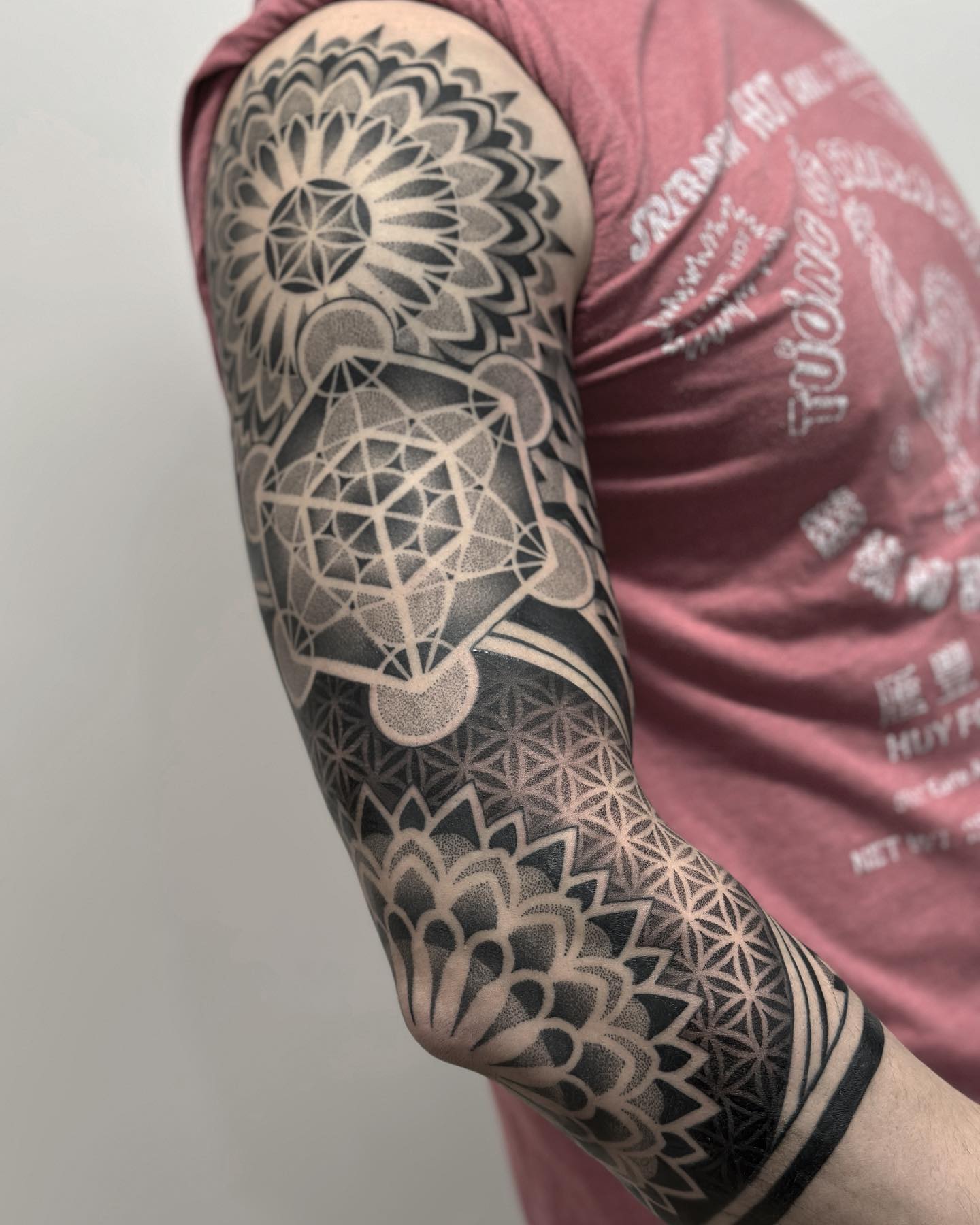
2. Solid Blackwork and Tribal Bands
A solid black band is the most permanent thing on this page. Dense black holds its edges longer than any fine-line work, which is exactly why it deserves the most thought before you commit.
Solid bands are also genuinely difficult to cover or remove later, so this is not the style to choose on a whim during a holiday.
Geometric and Polynesian-inspired bands sit in the same family but read very differently. If you are drawn to a specific cultural style, find an artist who works within that tradition rather than asking a generalist to copy the pattern.
When I have watched these done well, the artist maps the repeat first so the pattern meets itself cleanly on the underside of the wrist. A mismatched repeat is the single most common flaw in a tribal wrap.
3. Chain, Lace and Charm Bracelet Tattoos
These are designed to be mistaken for jewellery, and the good ones genuinely are at a glance.
Charms and pendants give the band a front and a back, which solves the composition problem: the detail sits where you can see it and the plain chain runs around the far side.
Fine chains carry a risk worth naming. Very small links placed close together tend to blur into a solid line over time, so ask for slightly larger links than the reference image suggests.
If this is the direction you are leaning, we have a whole gallery of bracelet-style tattoo designs and a companion piece on bracelet tattoo ideas for women with more variations on the same idea.
4. Single-Line and Minimalist Bands
One thin unbroken line around the wrist is the smallest wrap you can get, and it is the one I most often suggest to people who are nervous about visibility at work.
It is also the most honest test of your artist. There is nowhere to hide a wobble in a single continuous line that has to meet itself perfectly.
Thicker solid bands sit at the other end of this same minimal family — no imagery at all, just weight and placement doing the work.
Expect fine single lines to spread very slightly as they settle. That is normal ink behaviour rather than bad work, and it is why fine-line designs are usually built with a little breathing room.
5. Floral Wraps in Black, Grey and Colour
A full floral wrap is the most ambitious project in this list and usually the longest sitting.
Black and grey florals age more predictably than colour, because grey wash fades gradually rather than shifting hue. Colour is more striking on day one and asks more of you afterwards.
Colour on a wrist gets more UV exposure than almost anywhere else on the body, since your hands are out in daylight even when the rest of you is covered.
Every artist I have asked recommends daily sunscreen over a healed colour wrist piece, and honestly, that advice is the difference between a piece that still looks good in five years and one that does not.
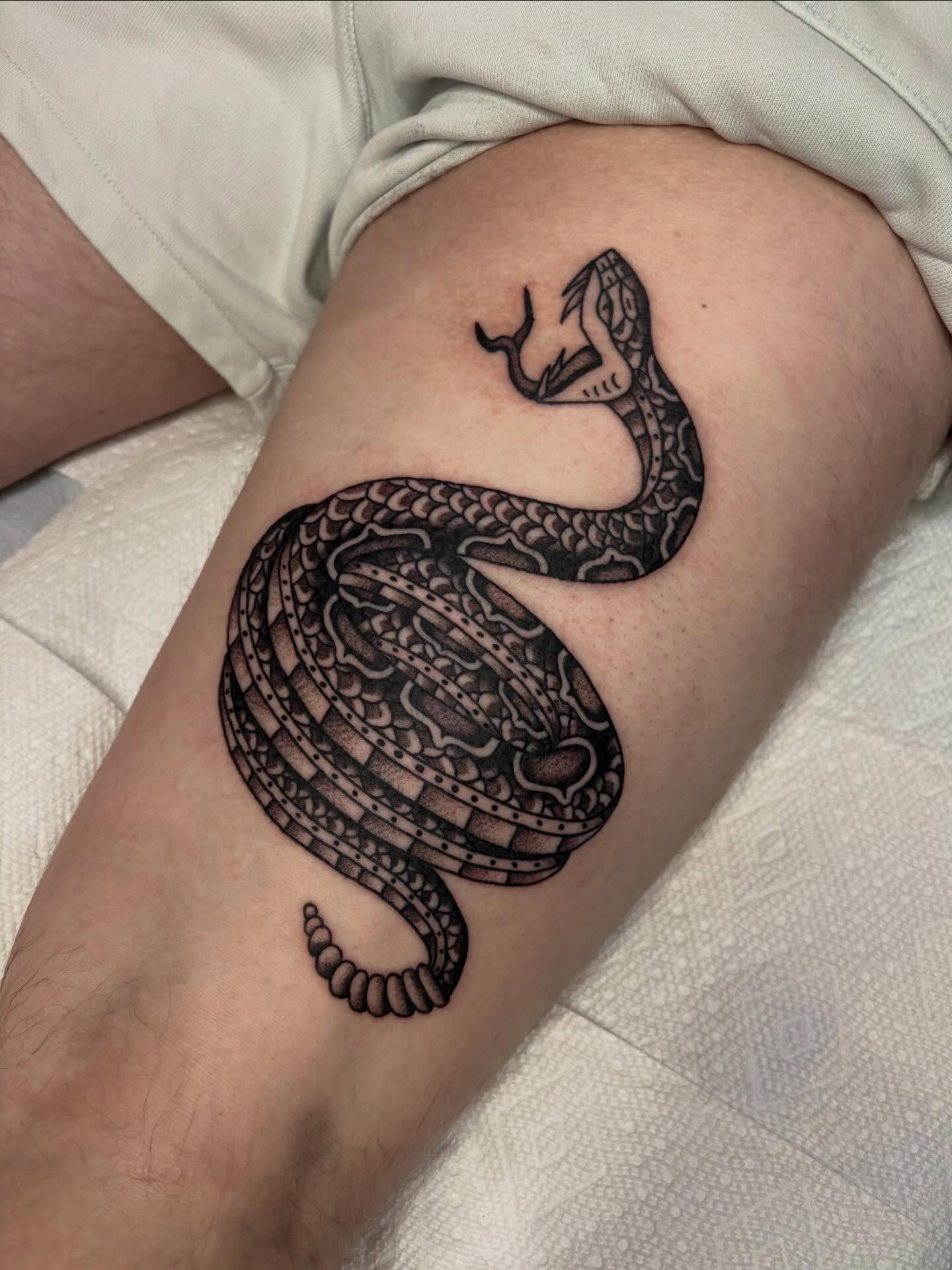
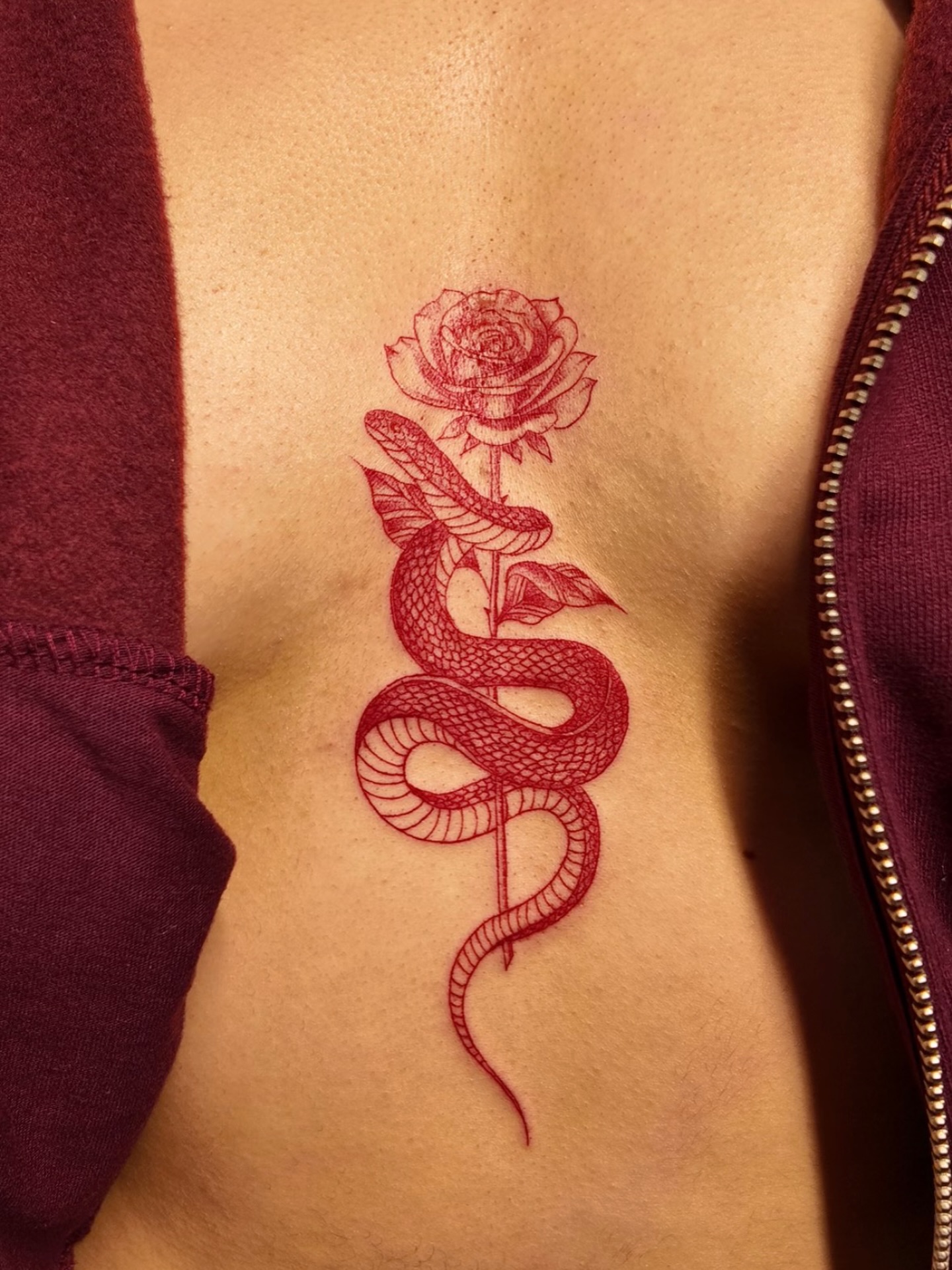
6. Snakes and Coiling Creatures
A snake is the one subject that genuinely wants to wrap. The body naturally coils, so the placement does half the design work for you.
It also gives you a head and a tail, meaning the composition has a clear beginning and end rather than an awkward join.
Red ink versions have become far more common recently. They read beautifully, but red pigments are the ones most often associated with delayed skin reactions, so mention any history of pigment sensitivity to your artist first.
If you are unsure, a small patch test is a reasonable request and most studios will accommodate it without fuss.
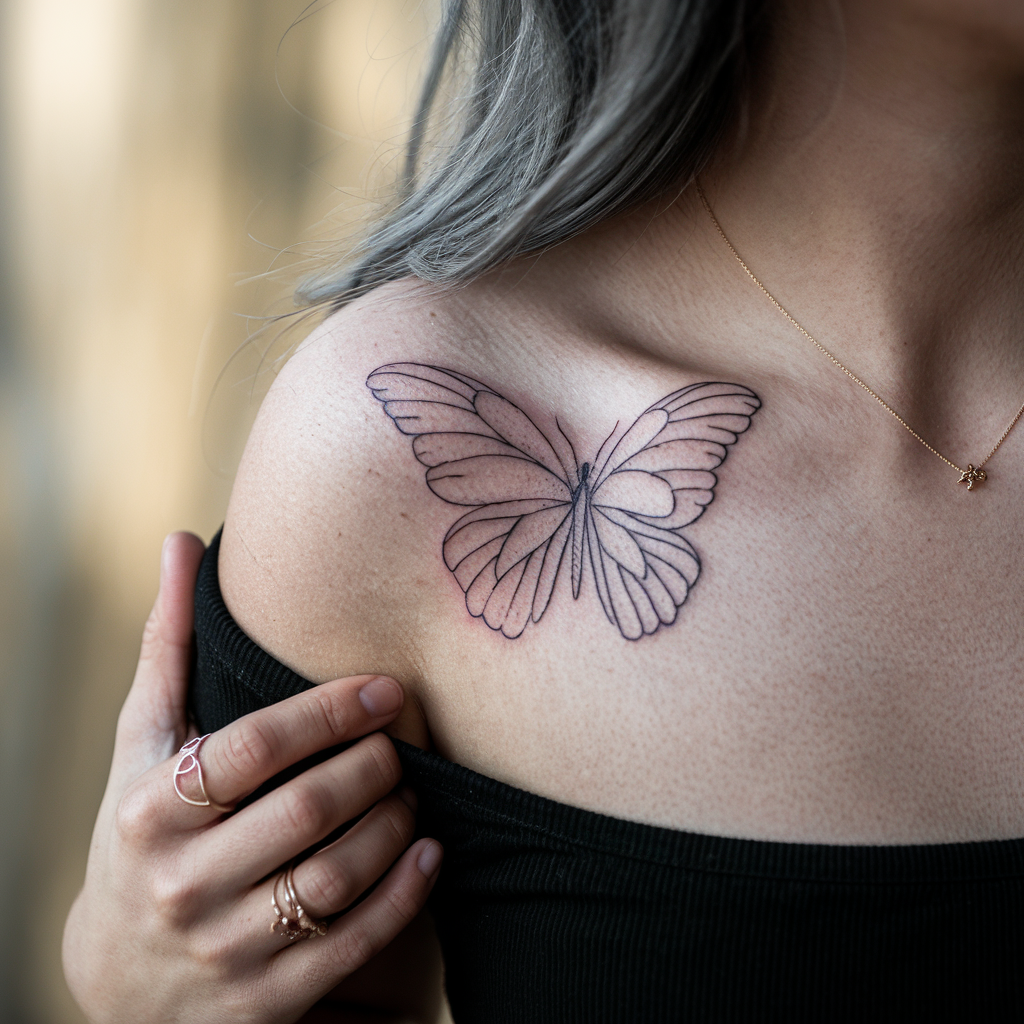
7. Butterfly and Symbol Bands
Butterflies work as a wrap because they can be scattered rather than repeated, so the band has rhythm instead of a mechanical pattern.
Sizing matters more than the drawing here. Wings smaller than roughly a fingernail tend to lose their internal detail as they heal, leaving a dark shape where the pattern used to be.
The strongest versions I have seen use two or three sizes together — a larger butterfly as the focal point and smaller ones trailing away around the wrist.
This is also an easy design to extend later, which is worth knowing if you like the idea of adding to it over time.
8. Mandala and Ornamental Cuffs
Ornamental cuffs borrow their structure from henna and lace, and they suit the wrist because the pattern can radiate outward from the band.
A drop or pendant extending onto the back of the hand is what turns a band into a cuff, and it is the detail that makes these look intentional rather than half-finished.
Be honest with yourself about hand visibility before agreeing to that extension. Wrists disappear under a sleeve; the back of the hand does not.
Density is the other decision. Heavier ornamental work holds up far better over decades than very fine lace, so if you want this to last, ask for the bolder version.
Alternatives and Variations Worth Considering
If a full wrap feels like too much commitment, there are several ways to get most of the effect with less of it.
The three-quarter wrap
The design covers roughly three-quarters of the circumference and stops before the inner wrist. You get the wrapped look from every normal viewing angle without tattooing the sharpest, thinnest skin.
The open band
Two ends that approach each other but never meet, exactly like an open cuff bracelet. This removes the seam problem entirely and is the version I recommend most often to first-timers.
Moving the band up the forearm
A few centimetres higher and everything gets easier: less pain, faster healing, more surface area to work with, and simpler to cover with a sleeve when needed.
Switching limbs entirely
The same designs translate almost perfectly to the ankle, and are far easier to keep out of sight — our guide to ankle bracelet tattoo ideas covers that variation in detail.
Aftercare and Keeping a Wrist Wrap Looking Sharp
The wrist heals like any other tattoo, but it is used constantly, which makes it easier to disrupt during the first fortnight.
Follow the aftercare your artist gives you rather than anything you read online, including this page. The general principles are well summarised by the American Academy of Dermatology’s guidance on caring for tattooed skin, and your artist knows your specific piece.
Practical things that genuinely help: take your watch and bracelets off that wrist for the first couple of weeks, keep the area out of pools and baths while it is healing, and resist scratching when it starts to flake.
Watch for anything beyond normal tenderness. Spreading redness, heat, swelling that worsens after a few days, or a rash appearing weeks or months later all warrant a doctor rather than a forum — the AAD’s summary of tattoo skin reactions explains what to look out for. This article is design guidance, not medical advice.
Common Mistakes, and What to Do If You Are Still Not Sure
The mistake I see most often is choosing a design from a flat drawing without ever seeing it stencilled on a real wrist. Ask for the stencil, then rotate your arm fully before you agree to anything.
The second is going too fine, too small, too close together. Detail that is invisible at arm’s length is detail that will blur into a smudge later.
The third is underestimating cost. A wrap is a longer piece than most people expect because it covers the full circumference — our breakdown of what a small tattoo costs is a realistic starting point, though a full wrap sits above that range.
If you are not ready to commit to a full circle, start smaller. A tiny wrist tattoo tells you how your skin takes ink and how you feel about visible work, and it can often be built into a wrap later. Men looking for less decorative directions will find more options in our guide to wrist tattoos for men.
Frequently Asked Questions
Do wrap around wrist tattoos hurt more than other placements?
The outer wrist is generally moderate, but the inner wrist is thin skin over bone and tendon and is noticeably sharper for most people. Because a wrap covers both, you will pass through the easier section and the harder one in the same sitting. Most clients describe the inner section as intense but short, since there is not much area to cover. If pain is your main concern, a three-quarter wrap that stops before the inner wrist is a reasonable compromise.
How long does a wrap around wrist tattoo take?
A single thin line can be done in well under an hour, while a detailed floral or ornamental wrap commonly runs three to five hours and is sometimes split across two sittings. Solid blackwork bands usually land somewhere in the middle. The circumference is what drives the time more than the complexity of any single element. Ask your artist for an estimate at the consultation rather than assuming a small tattoo means a short session.
Will the two ends of the band line up?
Only if the artist plans for it. A skilled artist maps the repeat or the composition so the join lands on the underside of the wrist where it is least visible, or designs the band so it never closes at all. Vines, snakes and open-cuff designs sidestep the problem entirely by having a natural start and end. If a geometric pattern is what you want, ask specifically how they intend to handle the seam.
Do wrist tattoos fade faster than other placements?
Wrists get more sun, more washing and more friction from sleeves and watches than most placements, so they do tend to need touch-ups sooner. Fine lines and colour are the most affected; solid black holds up best. Daily sunscreen on healed work makes a real difference over the years. Plan on the possibility of a refresh rather than treating it as a sign something went wrong.
Can a wrap around wrist tattoo be covered for work?
A wrist band is one of the easiest visible tattoos to hide, since a long sleeve, a watch or a wide cuff covers most of it. Designs that extend onto the back of the hand are a different matter and cannot realistically be concealed. If your workplace has a policy, check it before choosing a design that crosses onto the hand. Moving the band a few centimetres up the forearm also buys you a lot of flexibility.
Quick Summary
- Choose a design with a natural start and end — a vine, a snake or an open cuff — and the seam problem disappears.
- Ask to see the stencil on your wrist and rotate your arm fully before agreeing to anything.
- The inner wrist is the sharp part; a three-quarter wrap avoids it while still reading as a full band.
- Solid blackwork lasts longest but is the hardest to cover or remove later.
- Leave more negative space than the reference image shows — fine detail merges as it settles.
- Colour on a wrist needs daily sunscreen once healed, or it will not last.
- Extending onto the back of the hand changes the piece from concealable to permanently visible.
- Follow your artist’s aftercare, and see a doctor for spreading redness, heat or a delayed rash.