The first time a client asked me for a cobweb design, she wanted it tucked into the crook of her elbow to mark a hard year she had finally climbed out of. A cobweb tattoo is one of the most misunderstood pieces in the shop, carrying a history that swings from prison folklore to quiet symbols of resilience and time.
In my experience, no two people walk in wanting the same thing from a web. Some want the raw, old-school elbow web. Others want something delicate and lace-like that could pass for fine jewelry.
This guide pulls together what I have learned inking these designs over the years — the meanings, the best placements, the styles that age well, and the practical stuff most articles skip. If you like the eight-legged theme, it pairs naturally with classic spider tattoo ideas too.
By the end you should know exactly what a cobweb says about you, where it will look best, and what to ask your artist before the needle touches skin.
Which Cobweb Style Is Right for You?
Before you book anything, it helps to see how the main approaches actually differ. Here is the honest breakdown I give people at the counter.
| Style | Best For | How It Ages | Rough Sitting Time |
|---|---|---|---|
| Old-school elbow web | Bold statement pieces | Excellent — thick lines hold | 1–2 hours |
| Fine-line web | Subtle, delicate looks | Softens over time | 1–2 hours |
| Blackwork web | High-contrast coverage | Very well with touch-ups | 2–4 hours |
| Dotwork web | Textured, shaded webs | Good, needs skilled hand | 2–4 hours |
| Web + spider or rose | Story-driven pieces | Depends on detail level | 3–5 hours |
If you are torn, my usual advice is to start bolder than you think you want. A web that reads clearly from a few feet away almost always looks better a decade later than one crammed with fragile detail.
What a Cobweb Tattoo Really Means
The cobweb carries more baggage than almost any other classic tattoo, and it is worth understanding before you commit.
Its most cited origin is prison folklore, where a web inked on the elbow often signaled long stretches of time served — the idea of sitting so still that spiders spun webs on you. Reputable tattoo historians and outlets like iNKPPL Tattoo Magazine trace this reading back through 20th-century tattoo culture.
That said, in most modern shops the meaning has softened. Today a web more often stands for the passage of time, being caught in life’s circumstances, or the resilience it takes to break free of them.
Every artist I have asked agrees the symbol is deeply personal now. Some wearers want the old grit; others just love the geometry. Neither reading is wrong, but I always tell clients to know the history so they can answer the question when someone asks.
If you are drawn to the darker, moodier side of this symbolism, it sits comfortably alongside gothic tattoo drawings and other shadowy motifs.
Cobweb Tattoo Styles and Placements
This is the part people actually come for. Here is how the web changes depending on where it lands and how it is drawn.
The Classic Elbow Web
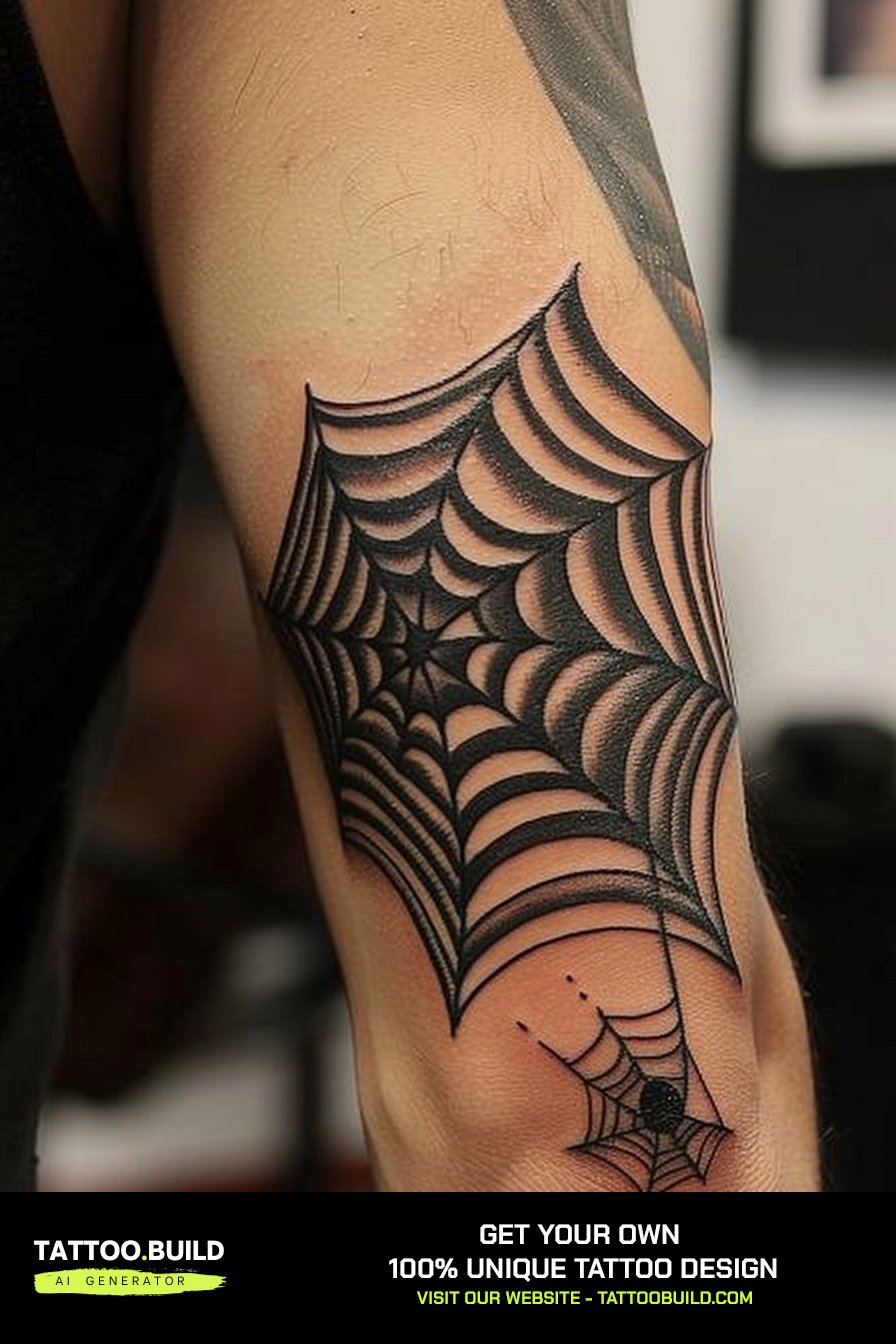
The elbow is the spiritual home of the cobweb, and for good reason. The joint’s natural creases radiate outward exactly like the spokes of a real web.
When I place a web here, I anchor the center on the elbow point and let the strands fan across the surrounding skin. It reads instantly and looks intentional from any angle.
Be warned: the elbow is one of the more tender spots to sit through, and it can take a little longer to heal cleanly. In most cases the visual payoff is worth it. For more on this placement, browse dedicated elbow tattoo ideas.
Hand and Finger Webs
Hand webs make a bold, visible statement and often pair beautifully with a small spider crawling along one strand.
I usually keep these on the smaller side, because the skin on the hands turns over quickly and fine detail can blur within a few years. Simpler lines here almost always age better.
Hands are a serious commitment — they are hard to hide and notoriously fade faster than most placements. I only recommend them to people who are certain about a visible piece.
Forearm and Wrist Webs
The forearm gives an artist room to breathe. You can stretch a full web down the arm or tuck a smaller one near the wrist.
This is the placement I steer nervous first-timers toward. It heals predictably, it is easy to cover for work, and the flat surface holds detail well over time.
Webs here also blend naturally with other elements — I have woven them around roses, clocks, and lettering with good results.
Fine-Line and Dotwork Webs
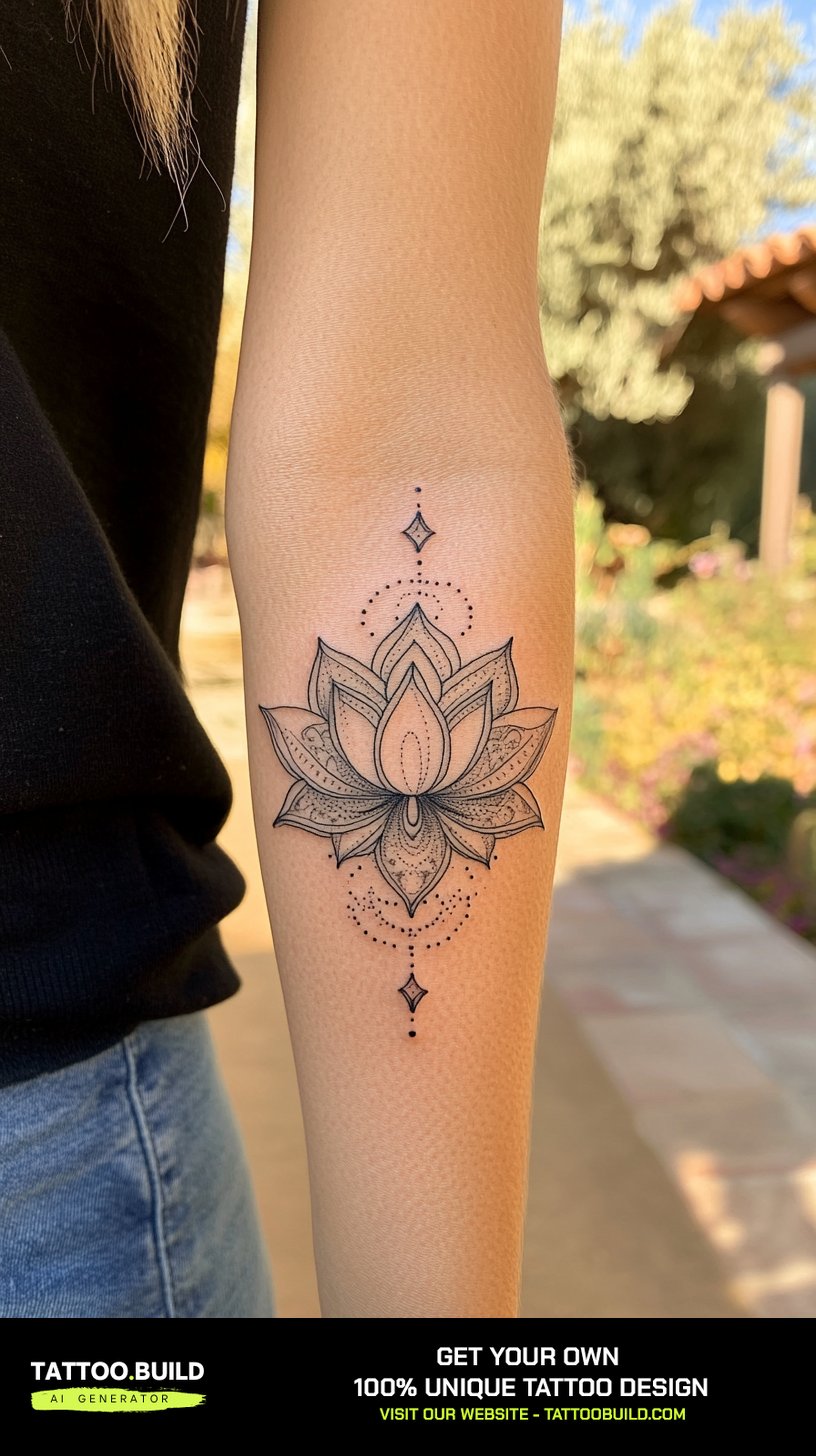
For a softer, more delicate feel, fine-line and dotwork approaches turn the web into something almost lace-like.
Dotwork in particular lets a skilled artist build shadow and depth without heavy black fill, giving the web a misty, atmospheric quality. It is one of my favorite ways to render a web on someone who wants subtlety.
These techniques demand a steady, experienced hand — if you like this direction, look closely at an artist’s healed dotwork tattoo ideas before booking.
Blackwork and Gothic Webs
When a client wants maximum impact, I reach for blackwork. Solid black strands and dense shading make the web read like a graphic panel on the skin.
This style ages exceptionally well because there is no fine detail to lose. Bold black holds its shape for decades with only minor touch-ups.
It also layers well into larger dark sleeves. If that is your direction, the piece sits naturally among blackwork tattoo ideas for men.
Placement Across the Body
Beyond the classics, I have placed webs on shoulders, knees, necks, and behind the ear. Each spot changes the mood entirely.
Rounded areas like the shoulder or knee let the web curve in three dimensions, which can look striking. Flatter zones keep the geometry crisp and symmetrical.
The one rule I hold to: match the web’s scale to the body part. A tiny web lost on a large shoulder rarely looks as good as one sized to fill the space.
Variations and Creative Twists
If a plain web feels too stark, there are plenty of ways to make it your own.
Adding a Spider
A single spider suspended on a strand adds narrative and movement. I usually place it off-center so it does not fight the web’s symmetry.
Webs with Flowers or Roses
Softening a web with a rose is a popular request, especially among clients who want the resilience symbolism without the harder edge.
Colored and Dew-Drop Webs
A few subtle dew drops or a hint of color can turn a gothic web into something almost whimsical. Used sparingly, it reads beautifully; overdone, it muddies the design.
Aftercare and Practical Tips
A web is only as good as its healing. Because these pieces often sit on high-movement joints like elbows and hands, aftercare matters more than usual.
Keep the fresh tattoo clean, follow your artist’s washing and moisturizing routine, and resist the urge to bend the joint constantly in the first few days. Movement across a healing elbow can pull ink and slow things down.
If you ever notice spreading redness, swelling, warmth, or discharge, that can signal infection — stop guessing and see a doctor. This article is general guidance, not medical advice, and a licensed professional should handle any healing concern.
Finally, plan for a touch-up. In my experience, webs on hands and elbows often need a small refresh after a year or two, and any reputable artist will expect that.
Still Not Sure? Avoid These Common Mistakes
The regrets I see almost always trace back to a handful of avoidable errors.
The biggest is cramming too much fine detail into a small, high-wear area. Skin on hands and elbows moves constantly, and delicate lines there rarely stay crisp.
The second is ignoring the meaning. You do not have to care about the prison history, but you should know it exists so a comment never catches you off guard.
The third is choosing an artist who cannot show you healed work. If you want something bold and graphic, compare it against strong black and white tattoo portfolios, and for moodier feminine takes look at dark feminine tattoos or bold skull tattoo ideas for pairing inspiration.
Frequently Asked Questions
Does a cobweb tattoo always mean prison time?
No. While the elbow web has roots in prison folklore signaling time served, that reading has faded in modern tattoo culture. Today most webs symbolize the passage of time, being caught in circumstances, or resilience. The meaning is largely personal to the wearer.
Where does a cobweb tattoo hurt the most?
Bony, high-nerve areas like the elbow, hands, and knees tend to be the most tender spots for a web. The forearm and shoulder are generally more comfortable. Pain is subjective, though, so your experience may differ from someone else’s.
How long does a cobweb tattoo take?
A simple line web usually takes one to two hours, while detailed blackwork or a web combined with a spider or rose can run three to five hours. The exact time depends on size, placement, and how much shading is involved.
Do cobweb tattoos age well?
Bold, simple webs age very well because thick lines hold their shape for years. Fine-line and detailed webs on high-movement areas like hands tend to soften faster and may need a touch-up after a year or two. Placement matters as much as style.
Can a cobweb tattoo be covered up or removed?
Yes, though it depends on size and ink density. A small line web is easier to cover or lighten than a dense blackwork piece. For removal, see a licensed laser professional rather than attempting any DIY method, which can scar or damage skin.
Quick Summary
- A cobweb tattoo’s meaning ranges from prison folklore to resilience and the passage of time — know the history before you commit.
- The elbow is the classic placement, using the joint’s natural creases as web spokes.
- Forearms and shoulders are the most beginner-friendly, healing-predictable spots.
- Hand and finger webs look bold but fade faster and are hard to hide.
- Bold blackwork ages best; fine-line and dotwork demand a highly skilled artist.
- Spiders, roses, and dew drops are popular ways to personalize a plain web.
- Aftercare on high-movement joints is critical — keep it clean and plan for a touch-up.
- Any sign of infection means seeing a doctor, not troubleshooting it yourself.