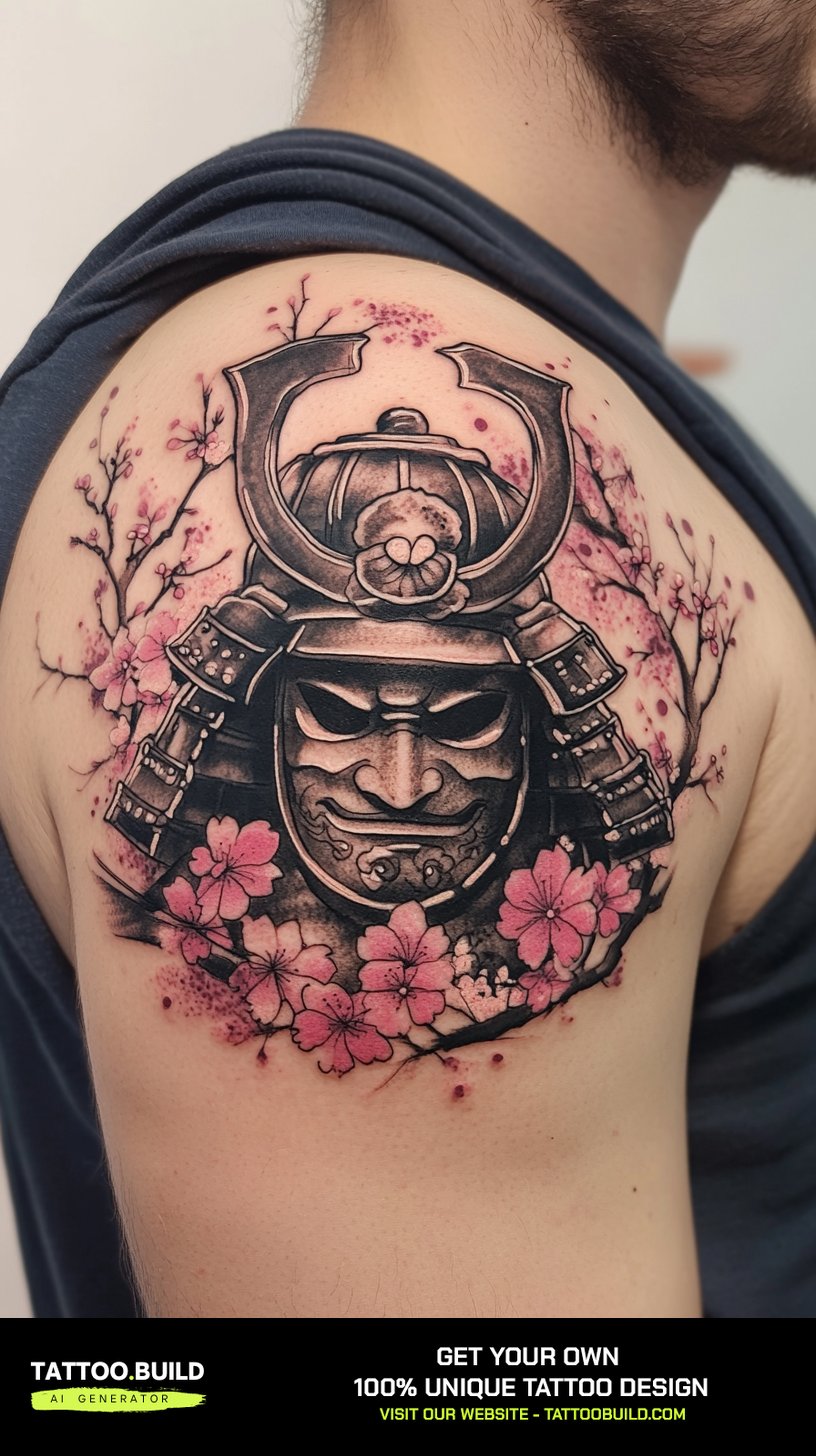
The forearm is the placement I recommend most often to women getting their first serious tattoo, and after years of looking at healed work I still think it is the hardest spot to get wrong.
You can see it all day without a mirror. You can cover it with a sleeve in ten seconds. And the skin there takes ink about as evenly as skin anywhere on the body.
What follows is a working guide rather than a gallery dump: thirty-three real forearm designs, sorted by style, with honest notes on what each one costs you in sitting time, healing patience and future touch-ups. If you want a broader sweep across both genders, we also keep a general collection of forearm tattoo ideas for men and women.
Every artist I have asked says the same thing about this placement: bring a shape, not just a subject. The forearm is a long, tapering panel, and the designs that look best are the ones drawn to that shape from the start.
Which Forearm Style Is Right for You?
This is the comparison I end up drawing on a napkin for friends, so here it is properly.
| Style | Best for | Typical sitting time | How it usually ages |
|---|---|---|---|
| Fine-line botanical | First tattoos, subtle everyday wear | 1–3 hours | Softens fastest; expect a touch-up within a few years |
| Black-and-grey illustrative | Roses, peonies, anything you want readable from across a room | 3–6 hours | Holds shape well thanks to contrast |
| Ornamental / mandala | Symmetrical designs that follow the arm | 2–5 hours | Good, though tight dot patterns can blur |
| Portrait / Japanese panel | A single statement piece filling the whole forearm | Two or more sessions in most cases | Very well when the artist keeps strong black anchors |
| Colour work | Birds, blossoms, anything you want to pop | 3–6 hours | Needs sun protection more than any other style |
Sitting times above are what I have seen quoted by artists for mid-size pieces. Your studio may work faster or slower, and a consultation is the only way to get a real number.
Why the Forearm Works So Well for Women
The forearm has one quality almost no other placement offers: you control who sees it and when.
A three-quarter sleeve covers it for a job interview. A t-shirt shows it off completely. Nothing else on the body flips between private and public that quickly.
It is also, in my experience, one of the more comfortable places to sit through. The inner forearm is softer and more sensitive than the outer, and most people describe the wrist end as the sharpest part of the session.
Healing is straightforward because the area is easy to keep clean, easy to moisturise and rarely rubs against clothing. The main risk is knocking a fresh tattoo against a desk or a car door, which happens more than you would think.
If you want to compare it with the softer, more hidden option next door, we have a separate look at inner arm tattoos for women that covers how much more the skin there tends to fade.
Forearm Tattoo Ideas for Females, Style by Style
Everything below is grouped by how the design is drawn rather than by what it shows, because the drawing style is what determines how the piece will look in ten years.
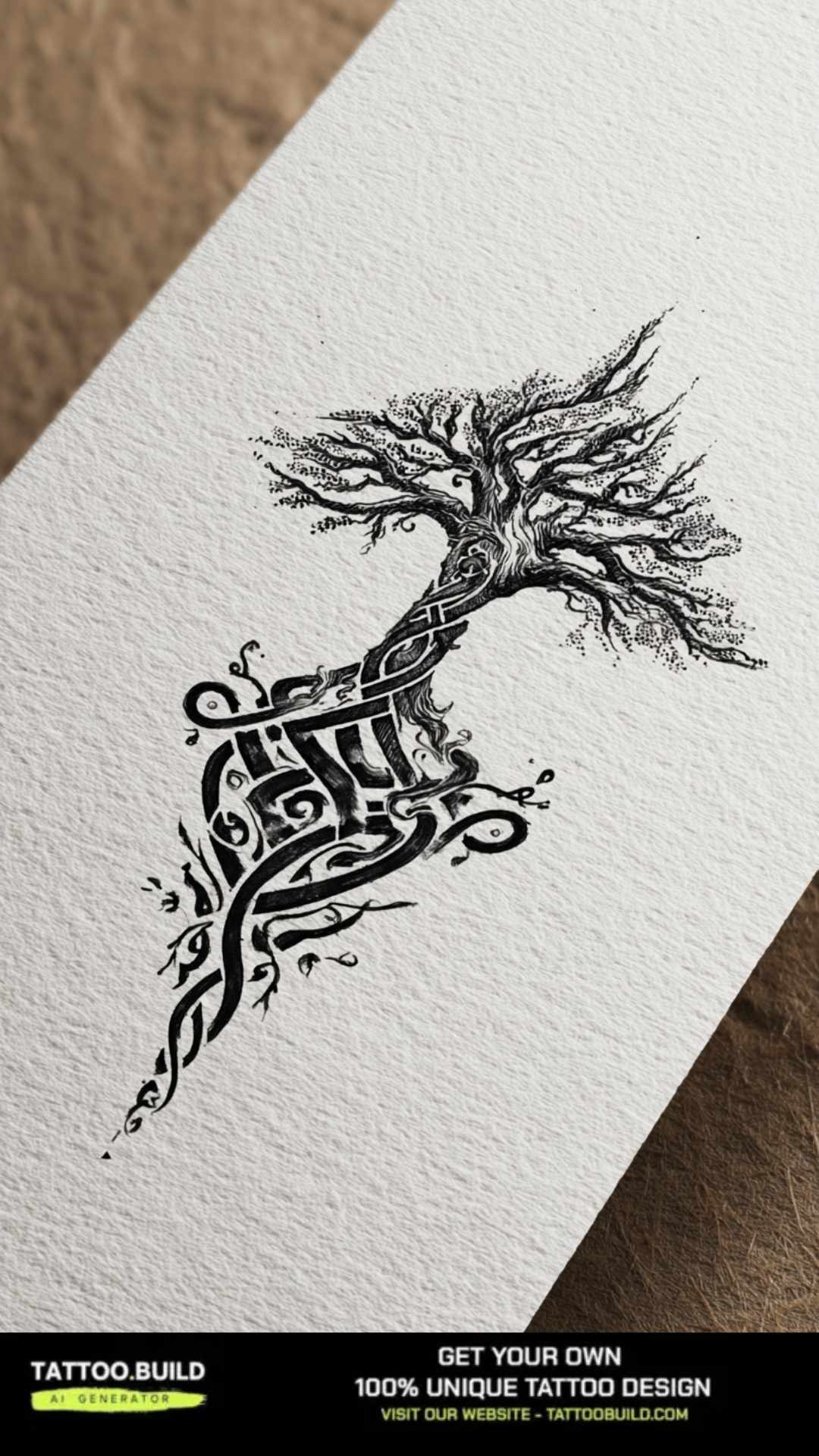
Fine-Line Botanicals That Follow the Arm
A single stem running from wrist to elbow is the most requested forearm tattoo I have seen women ask for, and there is a good reason for that.
A branch naturally follows the taper of the arm, so it looks intentional rather than pasted on.
When I tested this style against a wider floral panel on the same arm, the thin stem read better in photos but faded noticeably sooner. Fine lines carry very little ink, and skin keeps moving.
Ask your artist about line weight before you commit. A slightly thicker line still reads as delicate and buys you several extra years before the first touch-up.
If you want more of this look specifically on the lower arm, we have a whole set of floral lower arm tattoo designs for women.
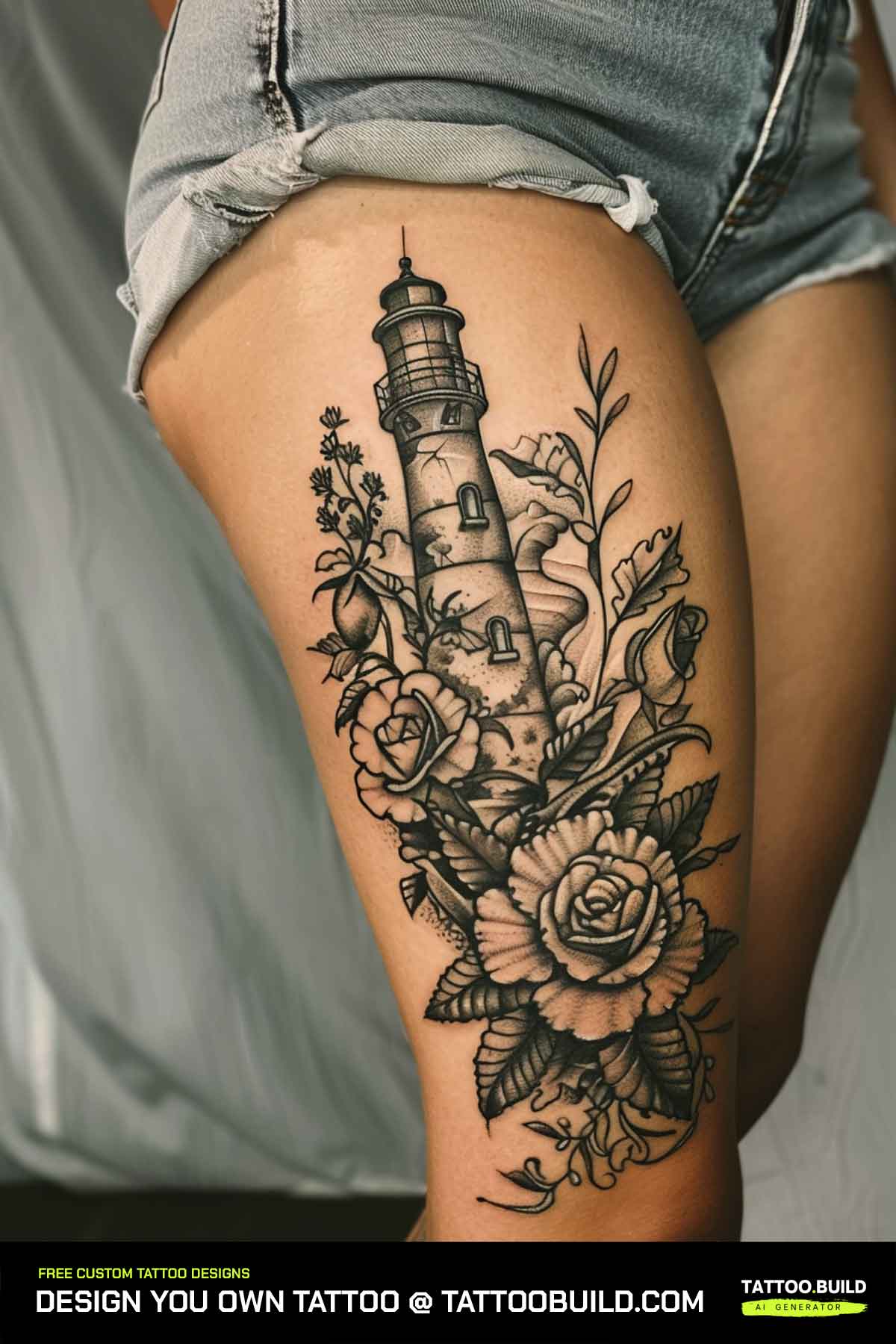
Black-and-Grey Roses and Peonies
Roses stacked down the forearm are the safest bet in this entire guide.
They have been tattooed for over a century, artists everywhere know how to draw them, and the strong contrast between petal and shadow keeps the shape legible as the ink settles.
In my experience the ones that age worst are the ones where the artist packs grey wash into every gap. Leaving some skin visible between the blooms is what stops a rose panel turning into a grey smudge.
Two or three large roses usually fill a forearm better than five small ones. Bigger elements mean bigger gaps, and gaps are what keep the design readable.
For a darker take on the same flower, see our collection of black rose tattoos for women.
Ornamental Mandala and Lotus Designs
Ornamental work is the style that most rewards symmetry with the arm, because a mandala centred on the inner forearm lines up with the natural axis of the limb.
Lotus designs with a beaded drop are especially popular right now, and they suit the forearm because the chain element extends toward the wrist without needing to wrap.
The honest downside is dot density. Tight stippling can blur together over the years, particularly on the softer inner arm, so a good ornamental artist will vary dot size deliberately.
These pieces also demand precision. Any wobble in a symmetrical design is instantly visible, which is not true of a rose.
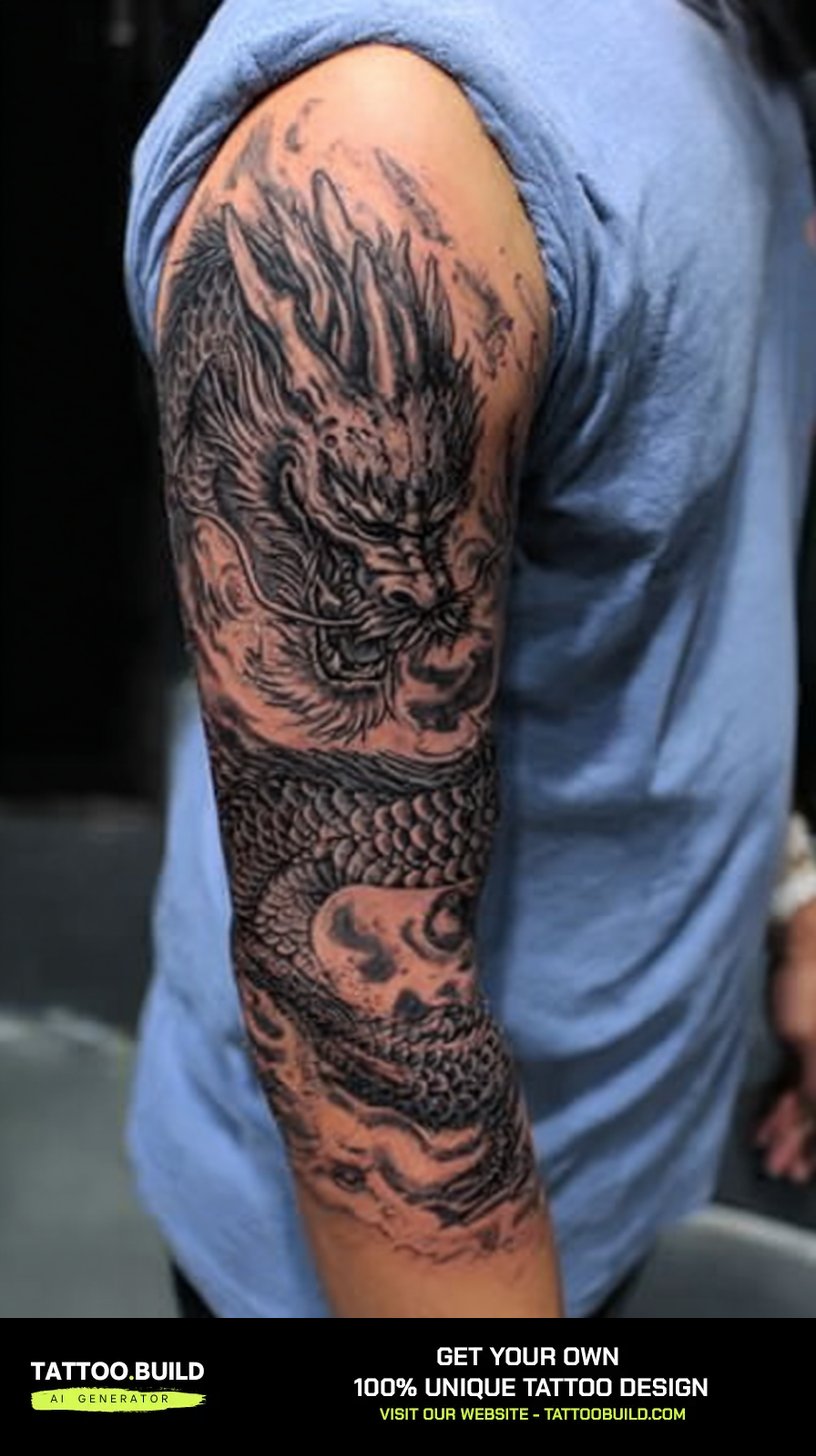
Japanese-Inspired Portrait Panels
A geisha panel filling the whole forearm is a commitment, and it is usually the most expensive option on this page.
It is also the style that tends to age best, because traditional Japanese work is built around heavy black anchors that hold the composition together as the greys soften.
Every artist I have asked about this style says the same thing: book a consultation first and expect more than one session. A full forearm panel is rarely finished in a single sitting.
Look closely at the examples below and you will notice the background flowers are doing structural work, filling the space so the portrait does not float on bare skin.
If you like the tonal range but not the subject, browse our wider selection of black and grey tattoo ideas for women.
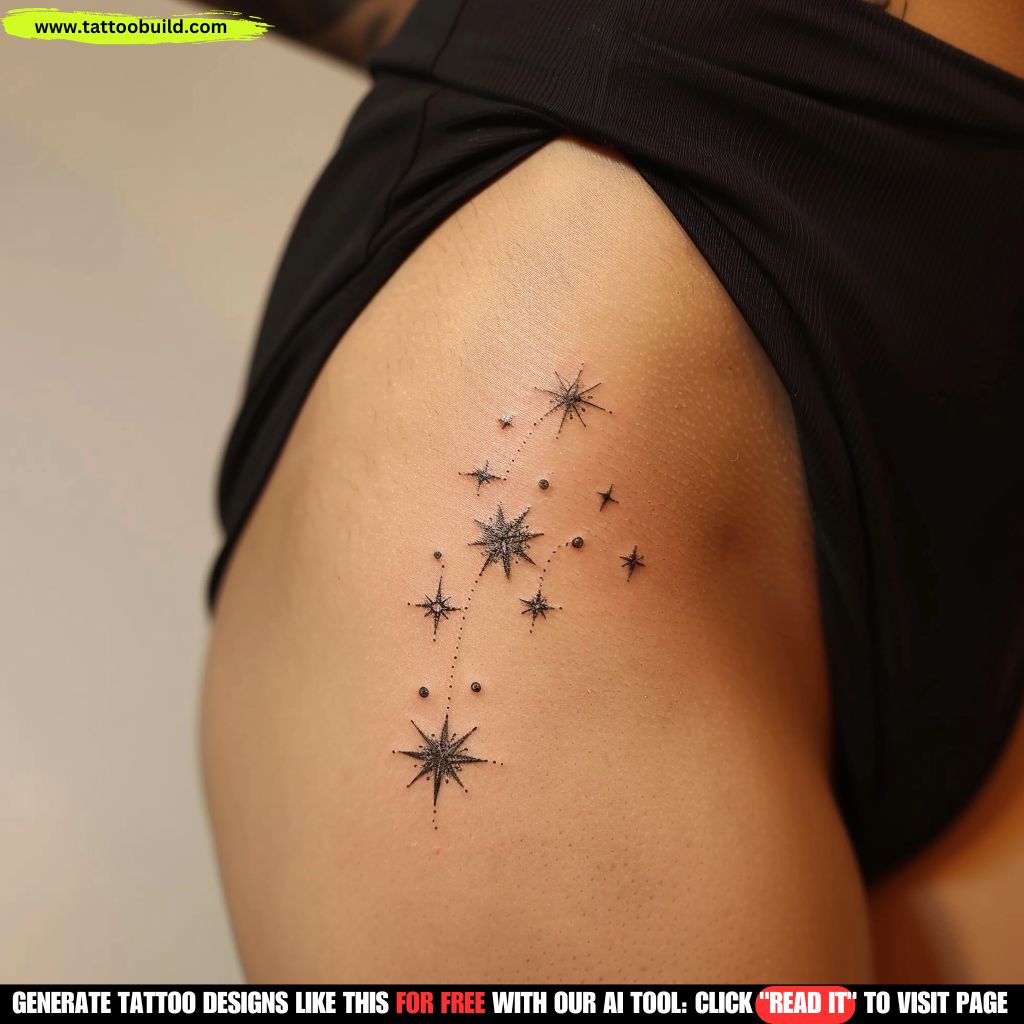
Celestial Women, Mermaids and Moons
This is the most personal category in the guide, and the one where people most often bring their own reference.
A figure holding a moon, a mermaid curled around a crescent, a woman with flowers for hair — these read as illustration rather than decoration, and they suit the long vertical space of the forearm.
When I tested this style on friends’ arms visually, the versions with a dotwork halo behind the figure held up best in low light. Contrast is doing the heavy lifting.
The trap here is detail density. A face the size of a coin will not stay a face. Ask your artist to size the head first and build the rest around it.
The second group leans more spiritual, with radiant halos and heavier dotwork behind the figure.
Phoenix, Swallows and Other Birds
Birds are the motif that fits the forearm’s shape most naturally, because a wing or a tail feather can be stretched or shortened without breaking the design.
A phoenix in particular gives an artist a long sweeping tail to work with, which is exactly what you want running toward the wrist.
Smaller bird work — a scatter of swallows along a branch — is the low-commitment version, and it is genuinely easy to extend later if you decide you want more.
In my experience the fine-line phoenix designs need a touch-up sooner than the ones with solid black in the wings. Ink density matters more than line count.
Whales, Koi and Water Symbolism
Water motifs have quietly become one of the styles I get asked about most.
Koi swimming upward along the inner forearm is the traditional arrangement, and it carries a meaning of persistence that most people already know.
Whales are the newer favourite, usually paired with a crescent moon and a scatter of blossoms so the composition has something to sit against.
These designs use a lot of negative space, which is both the appeal and the risk. Bare skin between elements looks clean now and can look sparse in fifteen years, so most artists will suggest at least some grey wash to hold the shapes.
Big Cats and Butterflies
A leopard or tiger portrait with a butterfly above it is a pairing I have watched spread through fine-line studios over the last few years.
The contrast is the point: something heavy and predatory paired with something light. It gives the artist an obvious top-to-bottom composition, which is exactly what a forearm wants.
Pay attention to where the eyes land. In my experience a big cat portrait looks best when the eyes sit near the middle of the forearm rather than close to the elbow, because that is the part of the arm most often visible when your hands are down.
Spot patterns are also a maintenance question. Dense stippling on a leopard’s coat can merge over the years, so a little extra spacing now is worth it.
Variations Worth Considering Before You Commit
Most people arrive with a subject and no plan for size, placement or colour. These are the three decisions that actually change the outcome.
Inner Forearm vs Outer Forearm
The inner forearm hurts slightly more for most people but is the softer, more private canvas.
The outer forearm takes more knocks and more sun, which is the main reason it fades faster in my experience.
If your design is delicate and you want it to last, the inner arm is usually the better home. If you want it seen constantly, the outer arm wins.
For a smaller starting point on the same limb, look at our wrist tattoo ideas for women instead.
Sizing Up Into a Half Sleeve
A forearm piece is the natural first panel of a half sleeve, and plenty of the designs above were drawn with that in mind.
Tell your artist if you might extend later. Leaving a deliberate edge near the elbow makes the next piece far easier to blend.
If that is where you are heading, our guide to classy half sleeve tattoo ideas for women covers how the panels connect.
Colour or Black and Grey
All but one of the thirty-three designs on this page are black and grey, which reflects what women actually walk into studios asking for rather than any rule.
Colour is not worse — it just asks more of you. Warm tones like the orange blossom below sit beautifully on most skin tones, but they need consistent sun protection to stay bright.
Ask to see healed colour work from your artist specifically, not fresh photos. Fresh colour always looks good.
Fine-Line Faces and Portrait Fragments
Split faces, butterfly wings replacing hair, and half-illustrated portraits are the current fine-line favourite.
They photograph extremely well, which is part of why they spread so fast.
Be honest with yourself about maintenance. Very fine facial linework is the category I would most expect to need refreshing, and any artist who tells you otherwise is overselling.
Aftercare and Practical Advice for Forearm Tattoos
The forearm is one of the easiest placements to heal well and one of the easiest to knock during the first week, which is the whole aftercare story in a sentence.
Follow the instructions your artist gives you, because they know what ink and what wrap they used. Where general advice helps, the American Academy of Dermatology has a clear, non-commercial rundown on caring for tattooed skin that is worth reading before your appointment.
Sun is the long game. Once the tattoo has fully healed, sunscreen on the forearm does more to preserve it than any lotion, and the forearm gets more incidental sun than almost anywhere else on the body.
Watch for anything that does not look like normal healing — spreading redness, heat, swelling that increases after a few days, or a rash that appears weeks or months later. Those are reasons to contact your artist and, if it does not settle quickly, a doctor. The AAD also documents several delayed skin reactions to tattoos, and the FDA keeps a plain-language page on tattoo safety and ink risks. This article is not medical advice, and nothing here replaces a professional opinion.
One last practical note: never attempt to tattoo or remove a tattoo yourself. Both belong in the hands of a licensed professional, and home removal in particular carries a real risk of scarring and infection.
Still Not Sure? Common Mistakes to Avoid
The most common mistake I see is choosing a design at the wrong scale for the arm. A design that looks perfect on a phone screen is often far too detailed at life size.
The second is booking on impulse with whichever artist has an opening this week. Style specialisation matters enormously — a brilliant traditional artist is not necessarily the right person for fine-line ornamental work.
The third is not thinking about the elbow. If there is any chance you will extend upward, that edge needs planning now.
If you want more meaning-led inspiration before you decide, we keep a collection of meaningful forearm tattoos for women, and if the delicate end of the spectrum is calling you, our fine line sleeve tattoo ideas show how these designs behave at larger scale.
Budget is worth researching too. Forearm pieces vary enormously by artist and region, and our breakdown of how much a sleeve tattoo costs gives a sense of what larger work involves.
Frequently Asked Questions
How much does a forearm tattoo hurt?
Most people rate the forearm in the lower half of the pain scale, which is part of why it is such a common first placement. The inner forearm is generally more sensitive than the outer because the skin is thinner and there is less muscle underneath. The area closest to the wrist and the crease of the elbow tends to be the sharpest. Pain is highly individual, though, so treat any description as a rough guide rather than a promise.
How long does a forearm tattoo take to heal?
The surface usually looks settled within two to three weeks, while the deeper layers continue healing for a couple of months. During the first week the biggest practical risk is knocking the fresh tattoo against a desk, a doorframe or a car door. Follow the specific aftercare your artist gives you rather than generic internet advice. If anything looks infected, contact your artist and see a doctor.
Will a fine-line forearm tattoo fade?
All tattoos soften over time, and fine-line work shows it soonest because each line carries very little ink. In my experience delicate botanical and portrait linework on the forearm is the category most likely to want a touch-up within a few years. Slightly heavier lines, a bit more contrast and consistent sunscreen all extend the life of the piece. Ask your artist to show you their own healed fine-line work before booking.
Can a forearm tattoo be covered for work?
Yes, and that is one of the main reasons this placement is so popular. A long-sleeve shirt or a three-quarter sleeve hides the entire forearm, and unlike a hand or neck tattoo it does not need makeup. If your workplace has a visible-ink policy, the forearm is usually the largest area you can tattoo while staying within it. Check your specific policy rather than assuming.
Should I start with a small design or go straight to a big piece?
There is no wrong answer, but starting small has one real advantage: you learn how your own skin takes and holds ink before committing to a full panel. Plenty of women start with a single stem or a small ornamental piece and extend it later. If you already know you want a full forearm design, tell your artist upfront so nothing gets placed where it will block the larger composition. Either way, plan the whole arm before the first needle.
Quick Summary
- The forearm is the most flexible placement for women — visible when you want it, covered in seconds when you do not.
- Pick your drawing style before your subject; style is what determines how the tattoo ages.
- Fine-line botanicals are the easiest entry point and the fastest to need a touch-up.
- Black-and-grey roses and Japanese panels hold their shape longest because of strong contrast.
- Ornamental and mandala work rewards symmetry but demands a precise artist.
- Inner forearm keeps delicate work safer; outer forearm shows it off but sees more sun.
- Leave a deliberate edge near the elbow if you might extend into a half sleeve later.
- Sunscreen on healed skin does more for longevity than anything else you can buy.