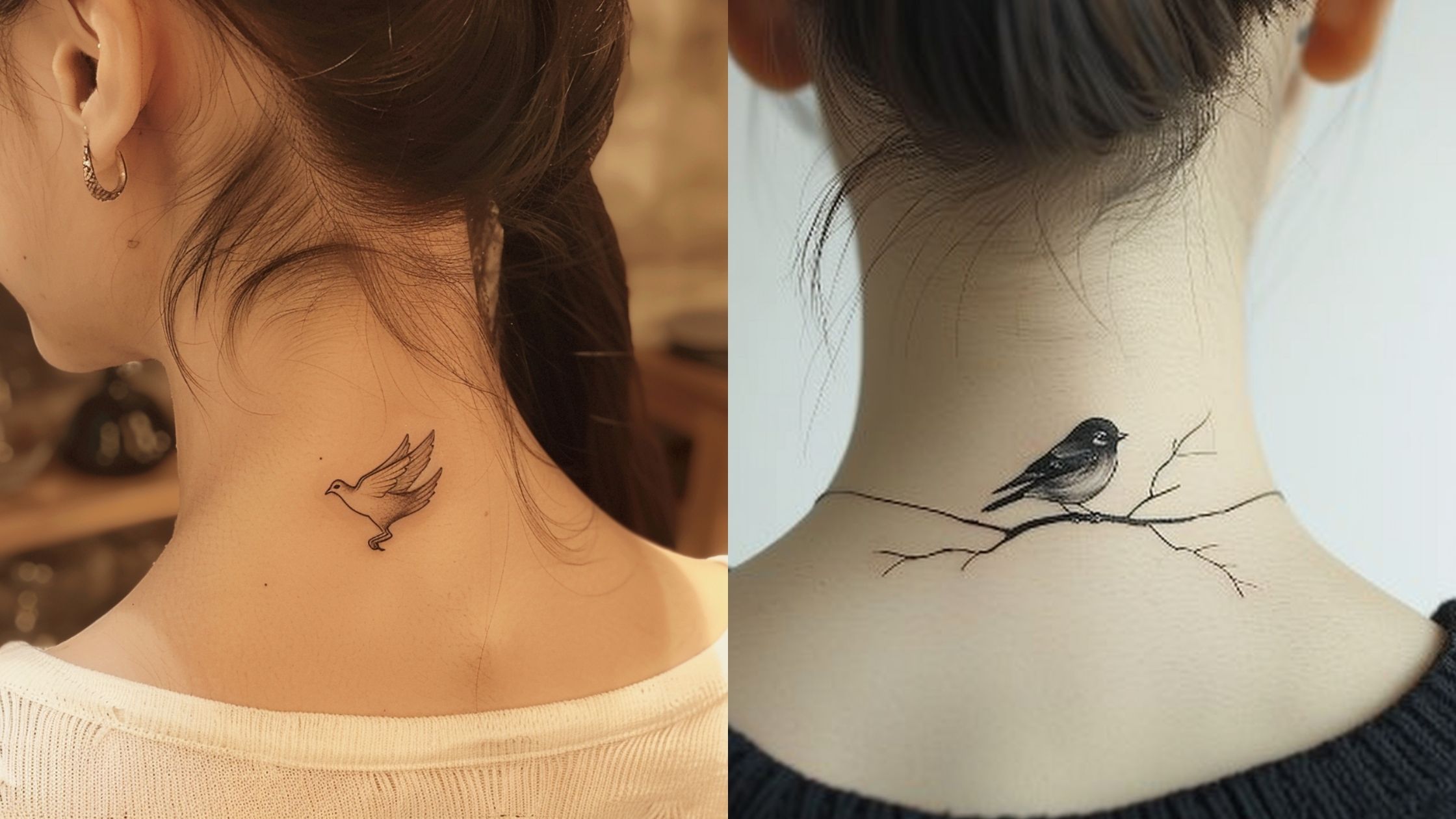
A bird tattoo on the neck is one of the few small designs that still reads as a statement, because placement does most of the talking. The same swallow on an ankle disappears; on the throat it becomes the first thing anyone notices.
I have sat in on more neck sessions than I can count, and the pattern is always the same. Women come in with a saved photo of a tiny flock, and leave with something slightly larger and simpler than the reference.
That is not the artist overruling you. Neck skin is thin, it moves constantly, and detail that looks crisp on paper closes up over a few years.
This guide covers the styles that actually hold, the placements that hurt least, and how to pick a bird that means something to you rather than one that was trending the month you booked. If you are still deciding on the bird itself, our guide to bird tattoo meanings is a good place to start.
Which Bird Style Is Right for You?
Every style below works on the neck, but they age differently and they suit different tolerances for attention and pain.
| Style | Best Placement | Typical Sitting | How It Ages | Coverability |
|---|---|---|---|---|
| Black silhouette flock | Side of neck, nape | 45–90 minutes | Very well — solid shapes stay readable | Easy with hair down |
| Fine line single bird | Behind the ear, nape | 30–60 minutes | Softens noticeably; may need a touch-up | Easy |
| Shaded dove or sparrow | Side of neck | 1–2 hours | Good if the shading has contrast | Moderate |
| Colour flamingo or parrot | Side of neck, toward collarbone | 2–4 hours, often two visits | Depends heavily on sun exposure | Harder — colour draws the eye |
| Crane or heron line work | Side of neck, follows the muscle | 1–3 hours | Well when the linework is confident | Moderate |
| Throat centrepiece | Front of throat | 2–4 hours | Fine, but it is permanent visibility | Very difficult |
If you are torn between two rows, pick the one that is easier to cover. In my experience the regret I hear about is almost never the design — it is the visibility.
What Actually Affects a Neck Tattoo
The neck is not one surface. It is at least four, and each behaves differently under a needle.
The nape sits over bone and firm muscle, so it takes ink cleanly and is the calmest area of the four for most people I have spoken to.
The side of the neck is softer and stretches with every turn of the head, which is why artists tend to push for simpler shapes there.
The throat is the sharpest. Thin skin sits directly over cartilage and the windpipe, and almost every artist I have asked rates it among the harder spots on the body — comparable to the ribs or sternum on a tattoo pain map.
Behind the ear is small, awkward to work on, and surprisingly tender, but it heals quickly because the piece is usually tiny.
Sun exposure is the factor most people underestimate. The neck catches daylight year-round in a way a thigh never does, and unprotected colour work fades faster there than anywhere except the hands.
Bird Tattoo Ideas for the Neck, Style by Style
The designs below are grouped by how they behave on skin, not by how they look on a screen.
Swallows and Sparrows: the Classic Small Bird
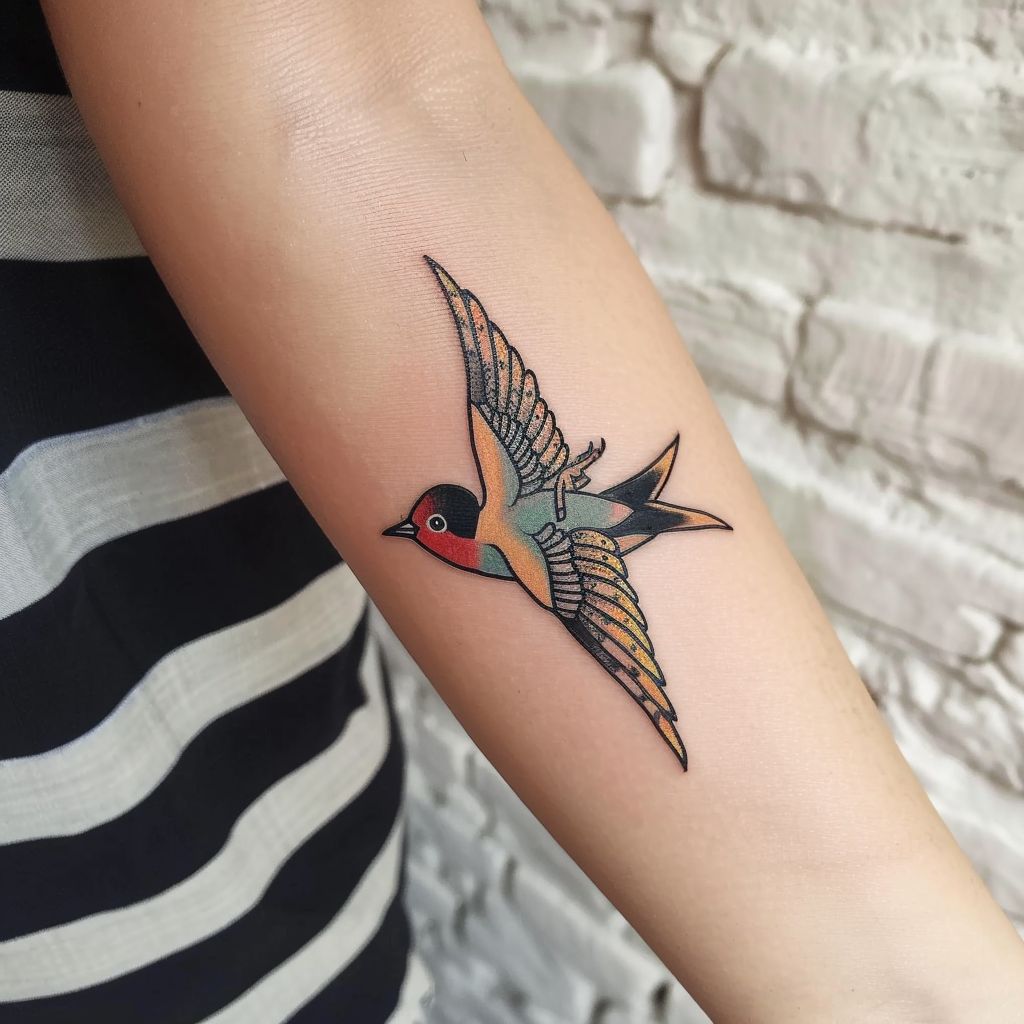
The swallow is the default neck bird for a reason. It has a strong outline, an obvious head-and-tail read, and it survives being drawn small.
Traditional swallows come with a sailor’s history — a bird per distance travelled, a promise of returning home — but most people I have tattooed choose them for the shape rather than the folklore.
Sparrows are the softer cousin. Rounder body, shorter tail, and they sit more naturally in a pair than a swallow does.
If you want something under two inches, keep the wing feathers as three or four shapes rather than twelve. Small tattoos survive by having fewer decisions inside them. The same logic applies to any of the small tattoo ideas that work on delicate skin.
Silhouette Flocks and Scattered Birds
A scattered flock is the most requested neck bird design I see, and also the one most often executed badly.
The failure mode is spacing. Birds placed too close together read as a smudge from three feet away, which is the only distance anyone will ever see your neck from.
Ask your artist to stencil the flock, then step back and look in a mirror from across the room before anything is permanent.
Three to seven birds is the range that usually works. More than that and you are committing to a much larger area than the reference photo suggests.
Doves, Peace and Memorial Pieces
Doves carry the clearest meaning of any bird in the tattoo vocabulary, which is exactly why so many memorial pieces use them.
A dove with an olive branch reads as peace. A dove in flight with an open wing usually reads as release, and that is the version I see most often on the neck.
Because doves are pale birds, they need shading rather than solid black to look right, and shading on the side of the neck needs contrast to stay visible over the years.
If you are working out the drawing first, our dove tattoo drawing reference covers the wing angles that translate best to skin.
Flamingos and Colour-Led Designs
Flamingos are the exception to the rule that colour struggles on the neck, mostly because the pink sits against a very simple silhouette.
The long leg and curved neck of the bird also happen to follow the natural line of a human neck, so the composition tends to fit without forcing.
Colour on the neck does demand more aftercare. Daily sunscreen once the tattoo is fully healed is not optional if you want the pink to still be pink in five years.
Expect two sessions for a saturated colour piece. Packing colour into thin skin in one sitting is uncomfortable and often produces patchy results.
Parrots, Peacocks and Tropical Colour
Parrots and peacocks are the maximalist end of this category, and they need real estate.
A peacock tail compressed into two inches loses the thing that makes a peacock a peacock. When I have seen these work, they run from behind the ear down toward the collarbone.
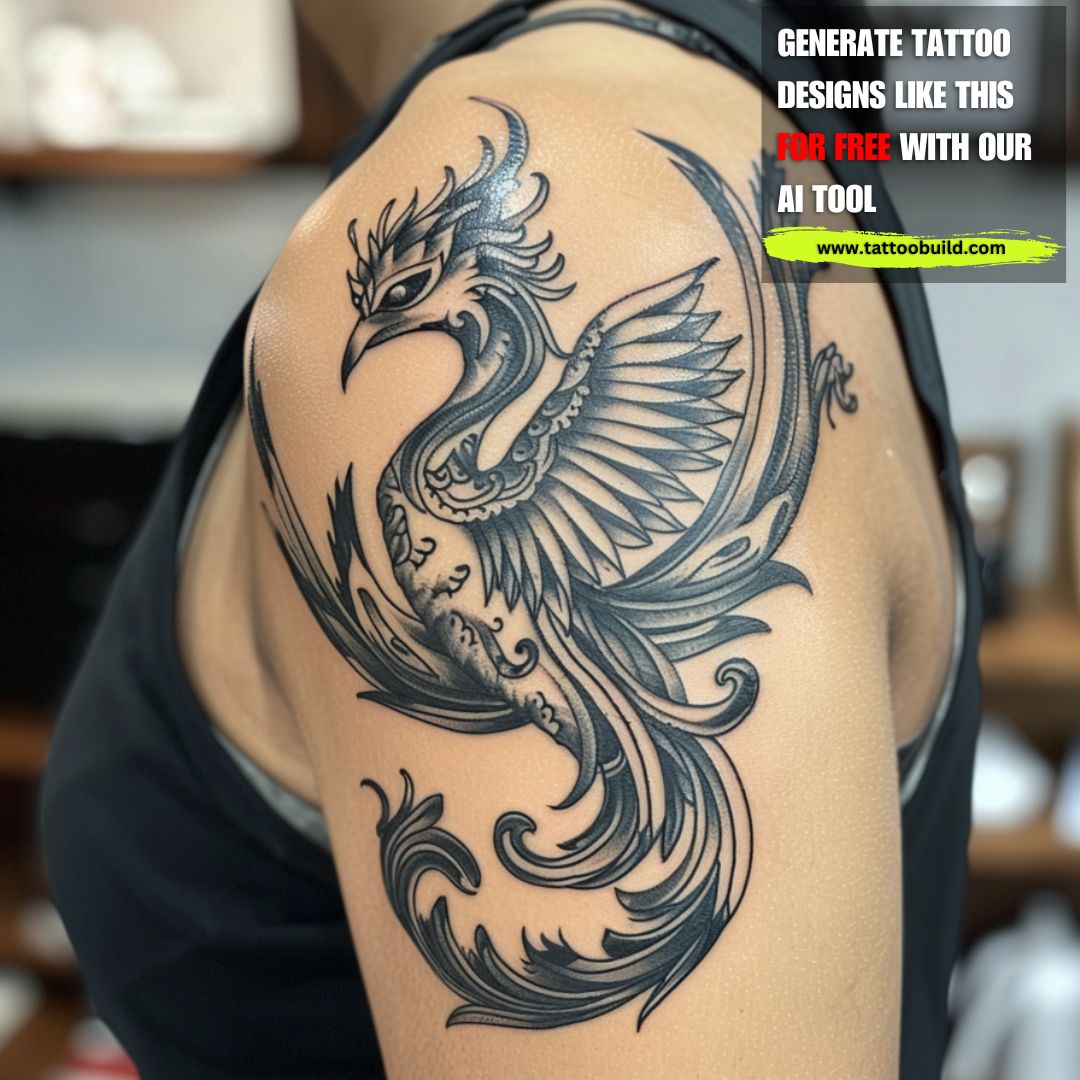
Peacock feathers also carry an ornamental reading in a lot of traditions — renewal, watchfulness, the eye motif — which gives the design more to say than colour alone.
If you want the drama without the size, borrow the palette rather than the bird. A simple silhouette in peacock blues and greens gets you most of the way there. The same trade-off applies to phoenix tattoo designs, which need scale to read properly.
Cranes, Herons and Long-Necked Birds
Cranes are my favourite recommendation for the side of the neck, because the shape of the bird and the shape of the placement agree with each other.
A crane drawn with its neck extended can run vertically down the sternocleidomastoid — the muscle you can feel when you turn your head — and the design moves with you instead of against you.
In Japanese tradition the crane is tied to longevity and fidelity, which is why it appears so often in wedding and anniversary pieces.
Herons work the same way and read slightly more austere. Both rely almost entirely on line confidence, so this is a design where the artist matters more than the reference.
Fine Line and Feather Detail Work
Fine line is the most photographed neck style and the least predictable one.
Very thin lines in thin, mobile skin can spread over time, and a design built entirely from hairline strokes may look softer at year five than it did at week five.
That is not a reason to avoid it — it is a reason to accept a touch-up as part of the plan and to choose an artist who works in this style constantly rather than occasionally.
Mixing weights helps. A slightly heavier outline with fine interior detail holds its shape far better than uniform hairlines. Our fine line tattoo guide goes deeper on this.
Behind the Ear and Nape Placements
If this is your first visible tattoo, behind the ear is the gentlest way in.
The piece is small, the session is short, and you can hide it completely by leaving your hair down — which matters more than people expect in the first month at a new job.
The nape is the other low-commitment option, and it takes ink beautifully because the skin sits over firm structure.
Both spots are worth considering before you commit to the throat. You can always extend a nape piece downward later; you cannot make a throat tattoo less visible. Our roundup of neck tattoos for women shows how these placements look in practice.
Alternatives and Variations Worth Considering
If the neck feels like too much too soon, these variations keep the idea and lower the stakes.
Move It to the Back of the Neck
The same design, placed on the nape, is invisible in most professional settings and identical in every photo you actually want it in.
It is the swap I suggest most often, and almost nobody regrets it. Our guide to back of neck tattoos covers the sizing differences.
Shrink It and Simplify It
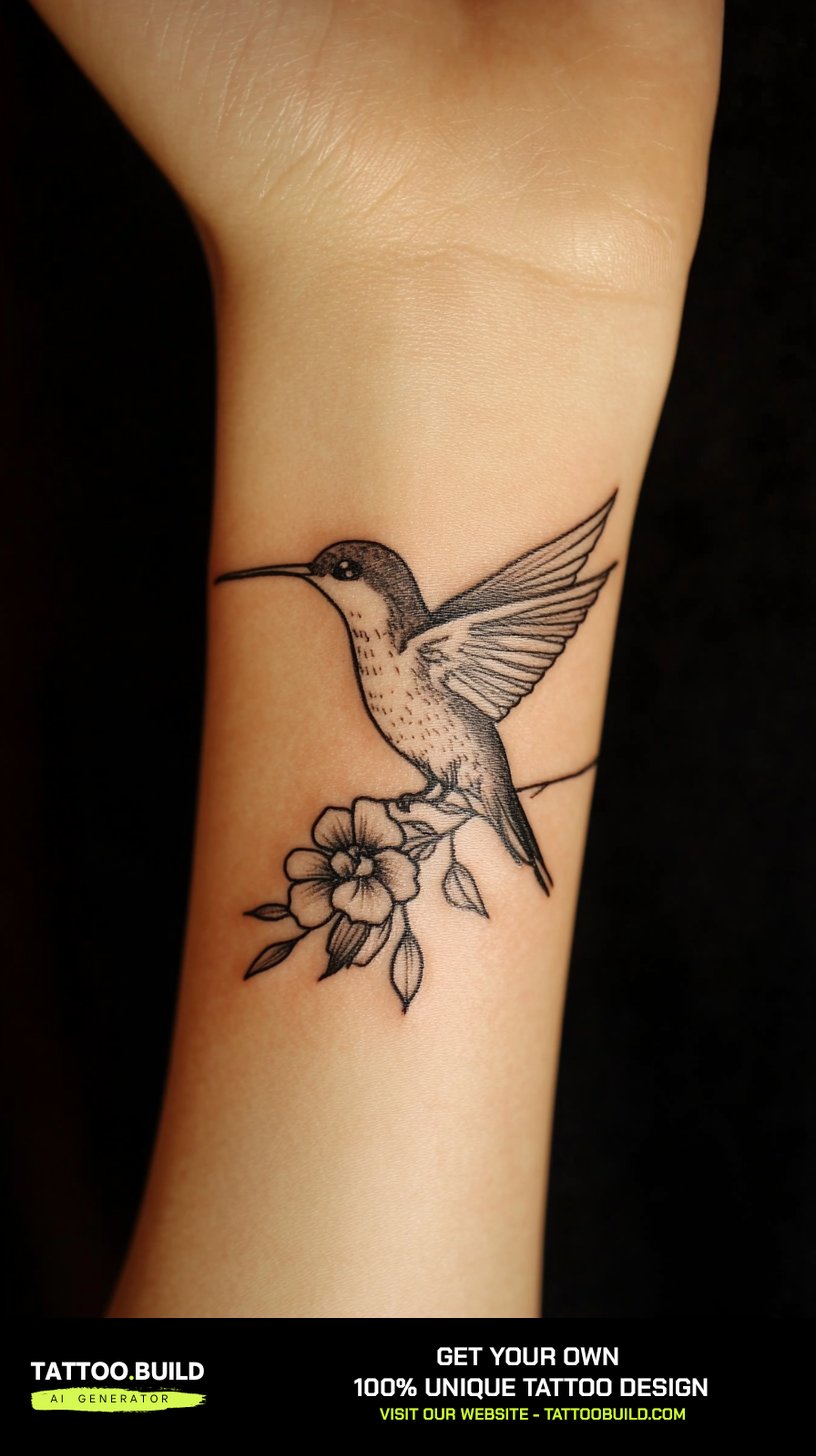
A single bird in clean linework says most of what a flock says, in a quarter of the space.
Simplification is also insurance. The fewer marks in a design, the less there is to blur.
Add the Bird to an Existing Piece
If you already have a shoulder or upper-back tattoo, a bird that flies up out of it toward the neck reads as one composition rather than two.
This is usually cheaper than a standalone neck piece and it looks more considered.
Try It Before You Commit
Have your artist print the stencil, or use a temporary tattoo of the same size, and live with it for a week.
Photograph it in work clothes, in a video call, and in a mirror. That week tells you more than any amount of scrolling.
Aftercare and Practical Advice for Neck Tattoos
Neck tattoos are not harder to heal than other placements, but they are easier to disturb.
Collars, seatbelts, long hair, hair products and pillowcases all make contact with the area constantly, so the first ten days need more attention than a covered placement would.
Wash gently with clean hands and unscented soap, pat dry, and apply a thin layer of whatever aftercare product your artist recommends. Thick layers trap moisture and slow healing rather than speeding it up.
Tie your hair back, sleep on a clean pillowcase, and hold off on shampoo running over the area where you can. Dry shampoo for a few days is a reasonable workaround.
Once the tattoo is fully healed, sunscreen is the single most useful habit for keeping it sharp. The American Academy of Dermatology has straightforward guidance on caring for tattooed skin.
Some redness and swelling in the first few days is normal. Spreading redness, increasing pain after day three, pus, or a fever are not — those warrant a call to your artist and, if they persist, a doctor. This article is general information, not medical advice.
It is also worth knowing that reactions to tattoo ink, though uncommon, do happen and can appear well after healing. The US Food and Drug Administration publishes a plain-language fact sheet on tattoo inks and reported reactions.
Common Mistakes — and What to Do If You Are Still Not Sure
The mistake I see most is choosing the reference photo instead of the artist.
A saved image was made by a specific person in a specific style, and handing it to someone who does not work that way rarely ends well. Find the artist whose healed neck work you like, then design with them.
The second mistake is going too small for the detail requested. A design with twelve feather strokes at one inch will not stay a design with twelve feather strokes.
The third is underestimating visibility. Sit with the throat option for longer than you think you need to.
The fourth is skipping the healed-work check. Ask any artist for photos of the same design six months after it was done, not the day it was finished — fresh tattoos all look good.
If none of the styles above have clicked yet, browse our minimalist tattoo ideas for stripped-back options, or the owl tattoo collection if you want a bird with more presence.
Frequently Asked Questions
How painful is a bird tattoo on the neck?
It is generally rated as one of the more uncomfortable placements, because the skin is thin and sits close to bone, cartilage and nerves. The nape is usually the most tolerable area and the throat the sharpest. Most small neck birds are done in under an hour, so the discomfort is short-lived even when it is intense. Pain tolerance varies a great deal between people, so treat any ranking as a rough guide rather than a promise.
How much does a neck bird tattoo cost?
Pricing depends far more on your artist and city than on the design itself, so ask for a quote rather than working from an online figure. Small single-bird pieces are often charged at a studio minimum, while colour work or a crane running down the side of the neck is usually priced hourly across one or two sessions. Neck work also tends to attract a slight premium because it demands more precision. Always get the quote confirmed before you book.
How long does a neck tattoo take to heal?
The surface usually looks settled within two to three weeks, while the deeper layers continue healing for a couple of months. Neck tattoos can feel like they heal quickly because the pieces are often small, but friction from collars, hair and pillowcases can extend the process. Keep the area clean and undisturbed and follow your artist’s specific instructions. If anything looks or feels wrong, contact your artist rather than waiting it out.
Will a bird tattoo on my neck affect my job?
That depends entirely on your industry and employer, and attitudes have shifted a lot in some fields while barely moving in others. A nape or behind-the-ear piece can be covered with hair or a collar in most situations, which is why I suggest those placements for anyone unsure. A throat tattoo is effectively permanent visibility. If you have any doubt, check your workplace policy before you book.
What does a bird tattoo on the neck symbolise?
There is no single meaning, and that is part of the appeal. Swallows have historically been tied to travel and returning home, doves to peace and remembrance, cranes to longevity, and phoenixes to renewal. Many people choose a bird simply for freedom or a fresh start, and that reading is just as valid as any traditional one.
Quick Summary
- Pick the placement before the design — nape and behind the ear are easy to cover, the throat is not.
- Simple silhouettes and confident linework age far better than dense fine detail on neck skin.
- Swallows, sparrows and doves are the most reliable small options; cranes and herons suit the side of the neck.
- Colour work like flamingos and parrots needs more space, more sessions and lifelong sunscreen.
- Space a scattered flock properly and check the stencil from across the room before committing.
- Choose the artist by their healed neck work, not by a saved reference photo.
- Protect the healing tattoo from collars, hair products and friction for the first ten days.
- Contact your artist, and a doctor if it persists, for spreading redness, worsening pain or fever.