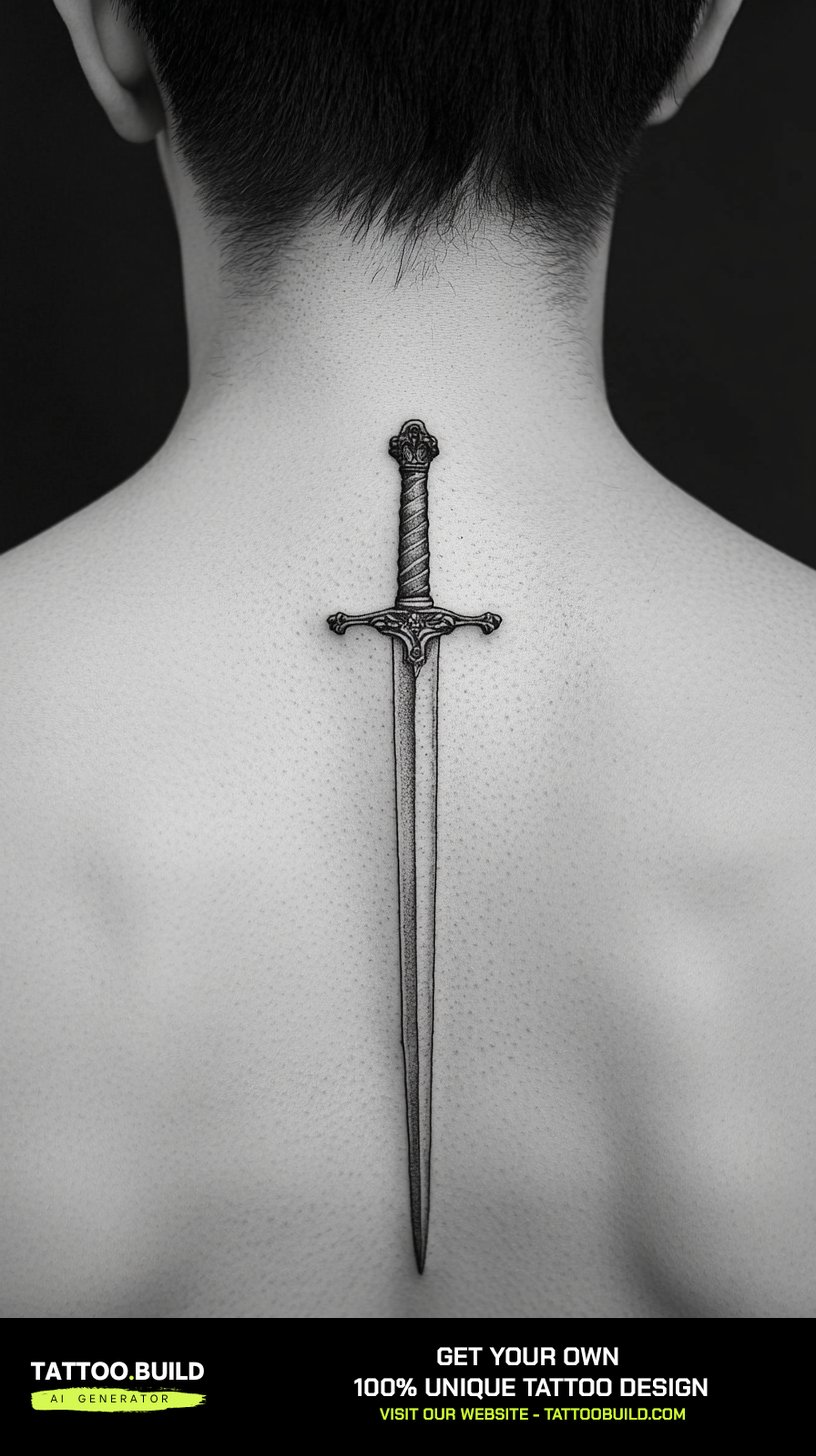
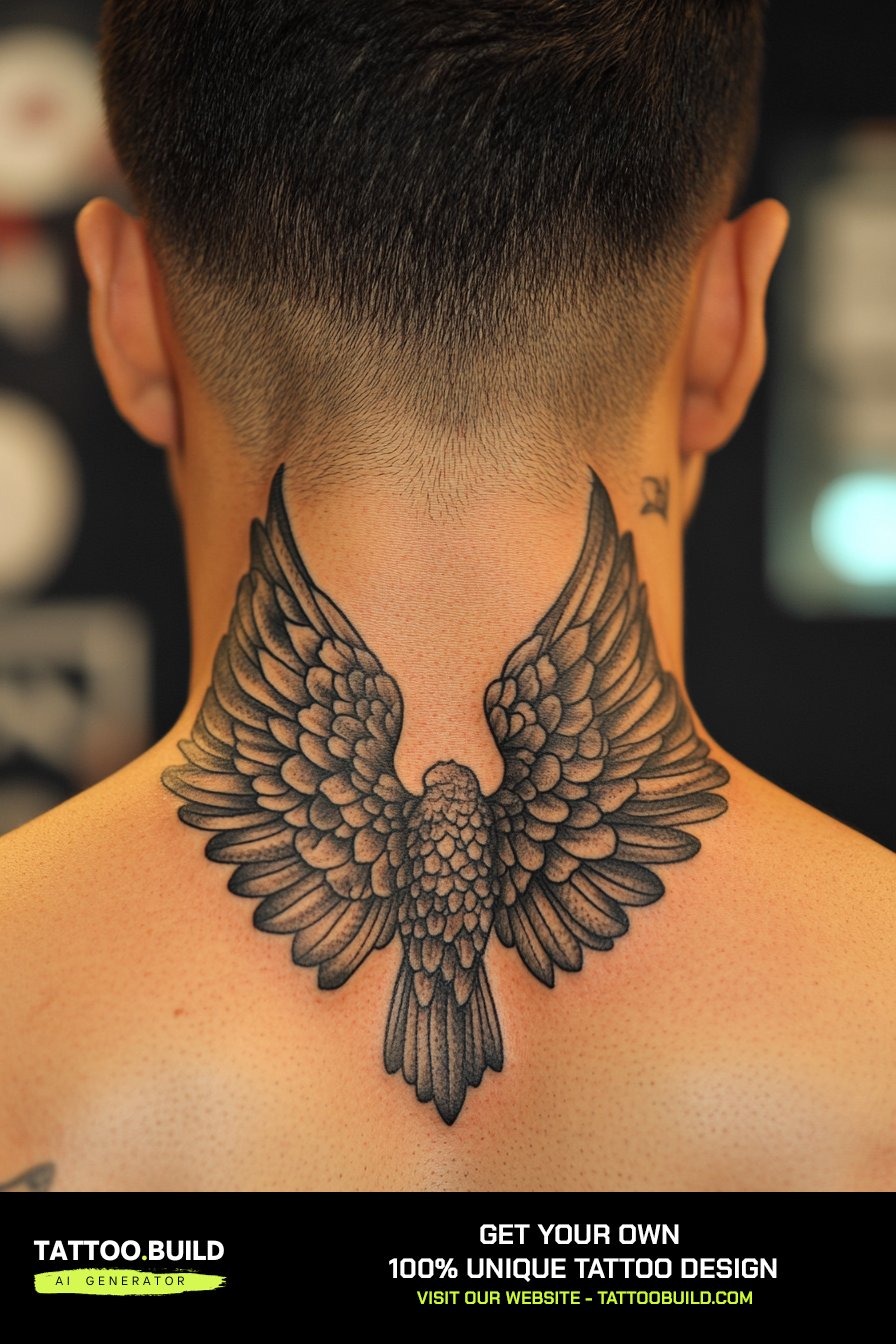
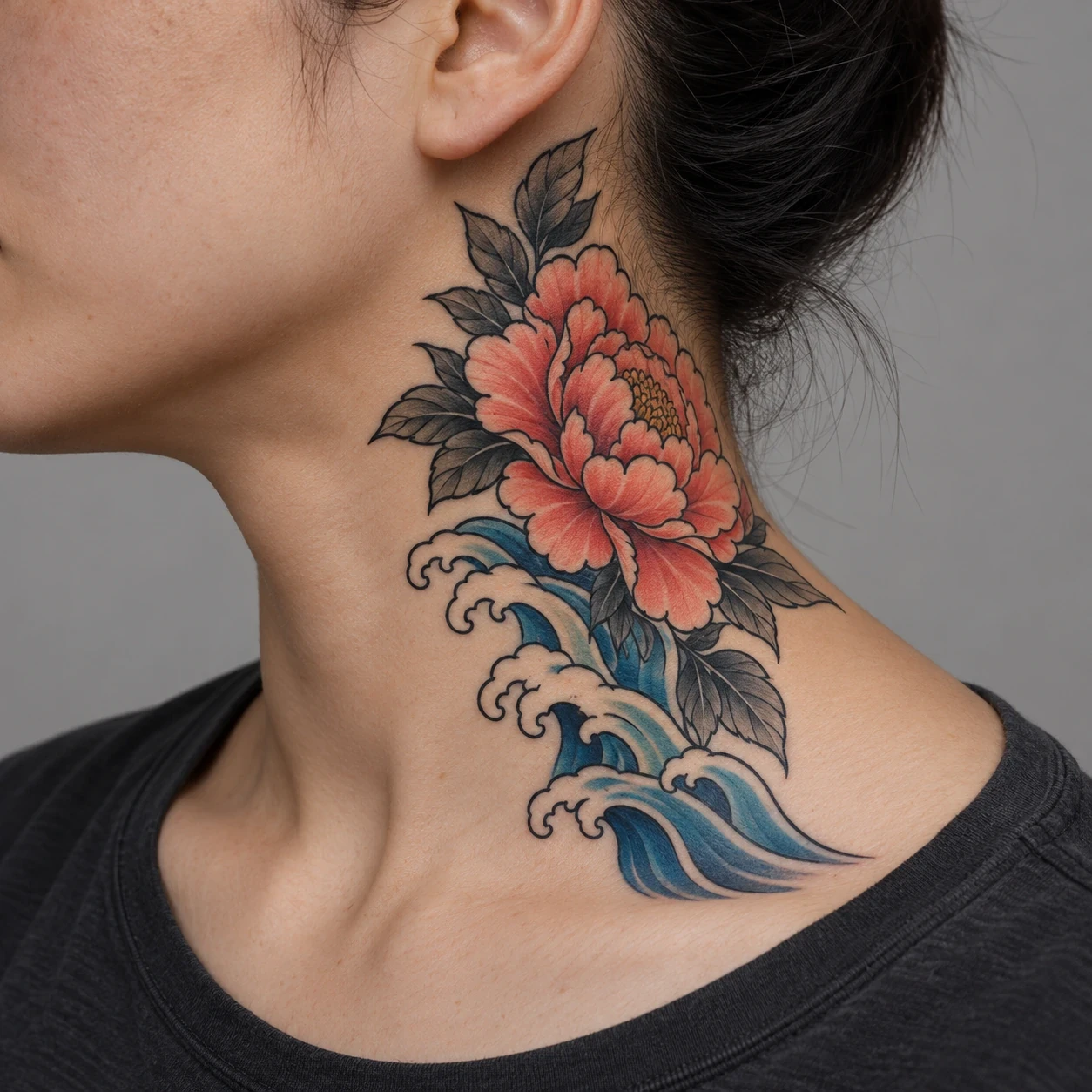
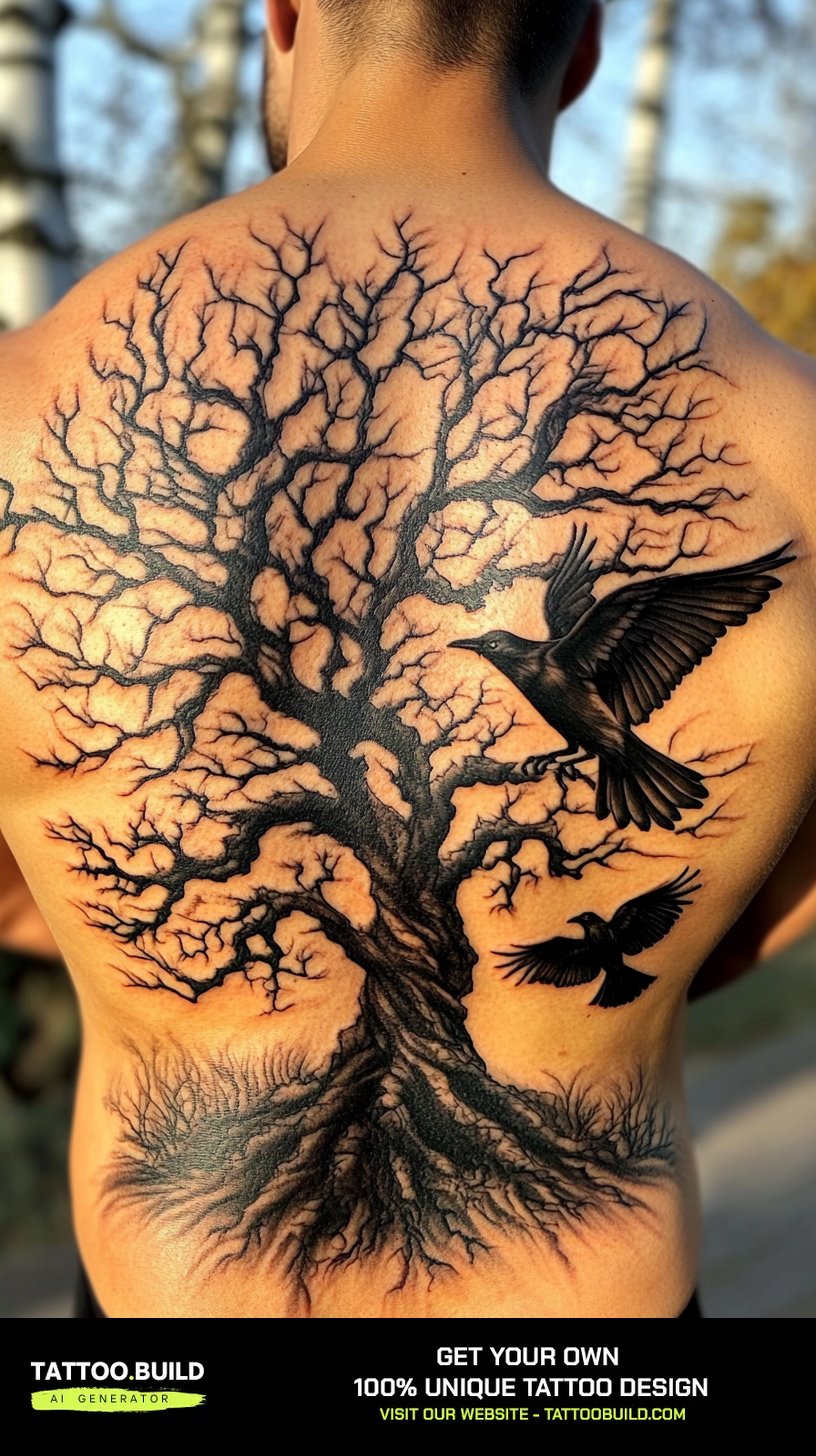
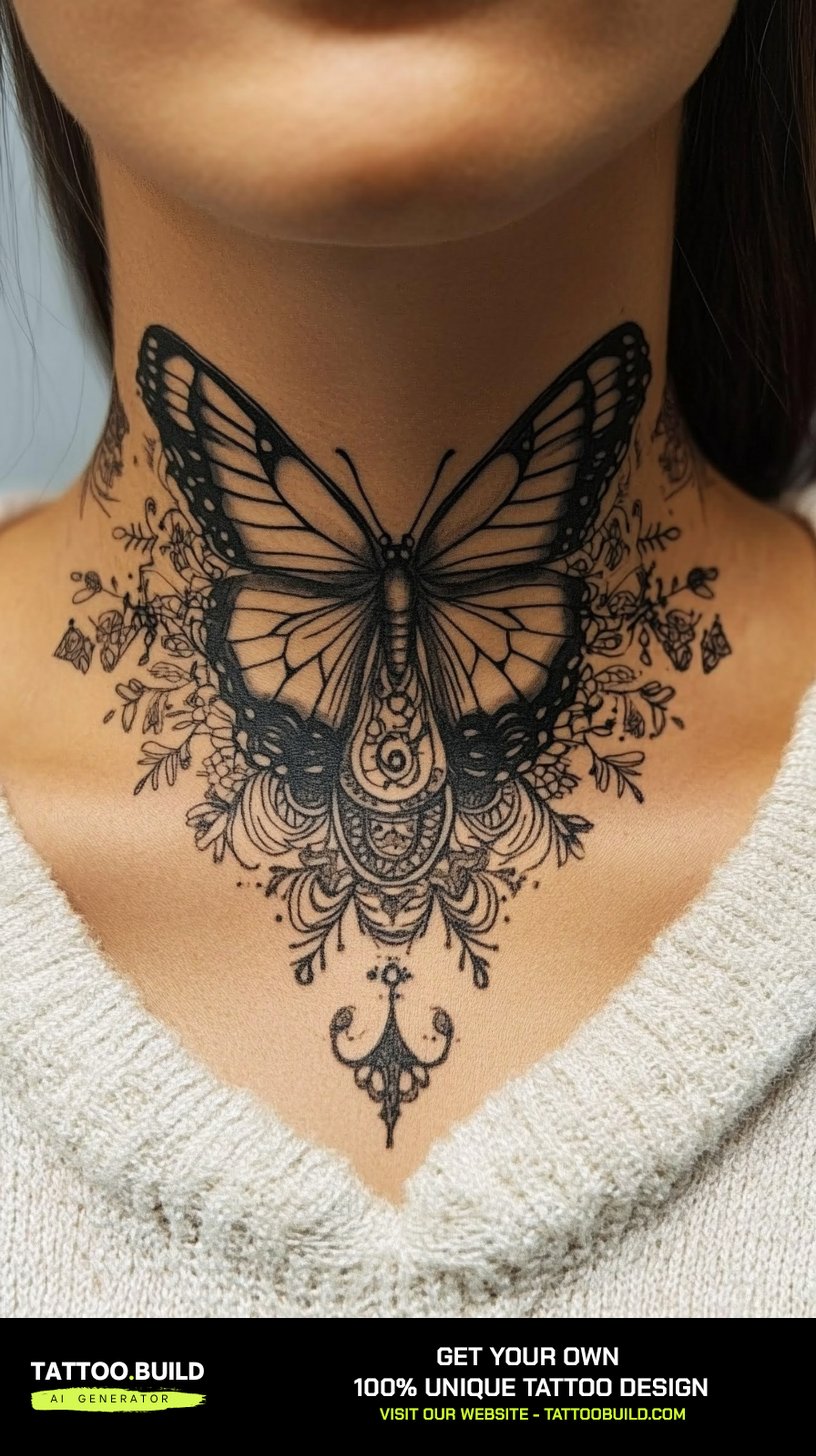
The back of the neck is the placement people book when they want a tattoo for themselves rather than for everyone else. A back neck tattoo is one of the few spots on the body where you get to decide, every single morning, whether it is visible or completely invisible.
I have sat with a lot of people choosing this spot, and the conversation almost always goes the same way. They arrive expecting to talk about the design and end up talking about hair, collars and family dinners.
That is the real question with a nape piece. Not what to get, but how often you actually want it seen — and the honest answer changes the size, the style and even the height on the neck.
Below I have pulled together the designs that keep working on this placement, what the session realistically feels like, and the mistakes I see repeated. If you are still weighing up placements, the wider guide to neck tattoos for women is worth reading alongside this one.
Which Back Neck Tattoo Style Is Right for You?
Every style below works on the nape, but they behave very differently once hair, collars and ten years of ageing get involved.
| Style | Typical Size | Sitting Time | Hides Under Hair? | Ages Best If… |
|---|---|---|---|---|
| Fine line floral | 2–4 in | 1–2 hours | Yes, easily | Lines are kept a hair thicker than the sketch |
| Single small symbol | 1–2 in | 30–60 min | Yes, completely | You avoid micro-detail inside a tiny shape |
| Black and grey illustrative | 3–5 in | 2–4 hours | Mostly | The artist leaves real gaps between shaded areas |
| Ornamental / mandala | 3–4 in | 2–3 hours | Partly | The pattern is symmetrical to the spine |
| Script or lettering | 2–5 in | 45–90 min | Yes | You resist tiny fonts and thin serifs |
| Nape-to-spine trail | 6–10 in | 3–5 hours | Top half only | It is planned around your natural spine curve |
The sitting times are the ranges I have seen most often for a competent artist working at a normal pace. A very detailed piece can run longer, and a first-timer who needs breaks will add to it.
What Makes the Nape Such a Good Canvas
The nape sits in an unusual sweet spot anatomically. It is flat enough for clean linework, but curved enough to give a design a sense of movement as you turn your head.
The skin there is also relatively thick compared with the sides of the neck, which is part of why the pain is manageable for most people.
And there is the sun factor. Unless you wear your hair up constantly, the nape gets far less UV exposure than a forearm or a hand, which is genuinely good news for how the ink ages.
The trade-off is friction. Collars, hair, backpack straps and car seats all pass over this exact patch of skin, which matters far more during healing than most people expect.
It is also a narrow canvas. Anything wide tends to spill toward the shoulders, which is a different placement entirely — closer to a small shoulder tattoo in how it reads.
Back Neck Tattoo Ideas That Actually Work
Fine Line Florals
This is the most requested nape design I come across, and for good reason. A slim stem with two or three blooms follows the vertical line of the neck without fighting it.
The style photographs beautifully and heals into something that looks almost drawn on rather than tattooed.
My one caution: ask your artist to run the lines slightly heavier than the reference image. Fine line work that looks perfect on day one can soften noticeably over the years, and a fraction more ink buys you a lot of longevity.
Single-needle and three-round-liner work both appear under the fine line label, and the difference in how they hold up is real. Ask which your artist is using.
Botanical Trails Down the Spine
If you want something larger, running a floral design from the nape a few inches down the spine gives you scale without widening the piece.
It also lets you control visibility in a clever way — the top of the design shows with an updo, the whole thing hides under a collar.
This is the direction to explore if you like the look of a spine tattoo but do not want to commit to the full length of the back.
Expect a longer session. Once you cross about six inches you are usually into a three-to-five hour sitting, and the lower you go, the more the bone underneath makes itself known.
A Single Rose
The rose is the most durable design idea in tattooing and it earns its place on the nape specifically because it fills a narrow vertical space naturally.
Layered petals give an artist somewhere to put shading, which is what keeps a small tattoo from turning into a grey smudge over time.
There is a lot of range within one flower, from heavy traditional outlines to whisper-soft linework — the rose tattoo ideas guide covers the variations in more depth.
Symbolic and Illustrative Pieces
Not everyone wants flowers. An owl, a moth, a crescent moon or a small animal gives the nape a focal point with a bit more personality.
Illustrative black and grey suits this placement because the shading can be built around the natural centre line of the neck.
The thing that separates a good illustrative nape piece from a muddy one is negative space. Ask your artist to leave real gaps between shaded areas rather than filling every millimetre.
In my experience these pieces also survive scaling better than fine line work does, because there is more ink holding the shape together.
Ornamental and Mandala Designs
Ornamental work is the most underrated option for the nape. A symmetrical pattern centred on the spine looks deliberate in a way that a randomly placed motif does not.
Because the design is built around a centre line, it also stays visually correct when you tilt your head — something asymmetrical pieces can struggle with.
Ask for the stencil to be lined up against your actual spine, not just eyeballed. Symmetry is the whole point, and a two-degree tilt is visible forever.
Small and Minimalist Marks
A one-inch symbol at the base of the hairline is the most discreet tattoo you can get outside of behind the ear.
It is also the cheapest and the fastest — often a thirty to sixty minute appointment including setup.
The trap with tiny tattoos is detail. Anything intricate crammed into a small shape will blur as the ink settles, which is why the best minimalist tattoo ideas strip a design down to its simplest recognisable form.
If you are testing whether you like having a tattoo at all, this is a sensible place to start.
Lettering and Script
Short words, initials or a date suit the nape because the space is narrow and lettering is naturally narrow too.
Keep the font simple. Thin serifs and tight cursive loops are the first things to close up as a tattoo ages, and on a small piece that closing-up turns letters into shapes.
Get the spelling checked by two people before the stencil goes on. I have never regretted being annoying about this.
Nape-to-Upper-Back Compositions
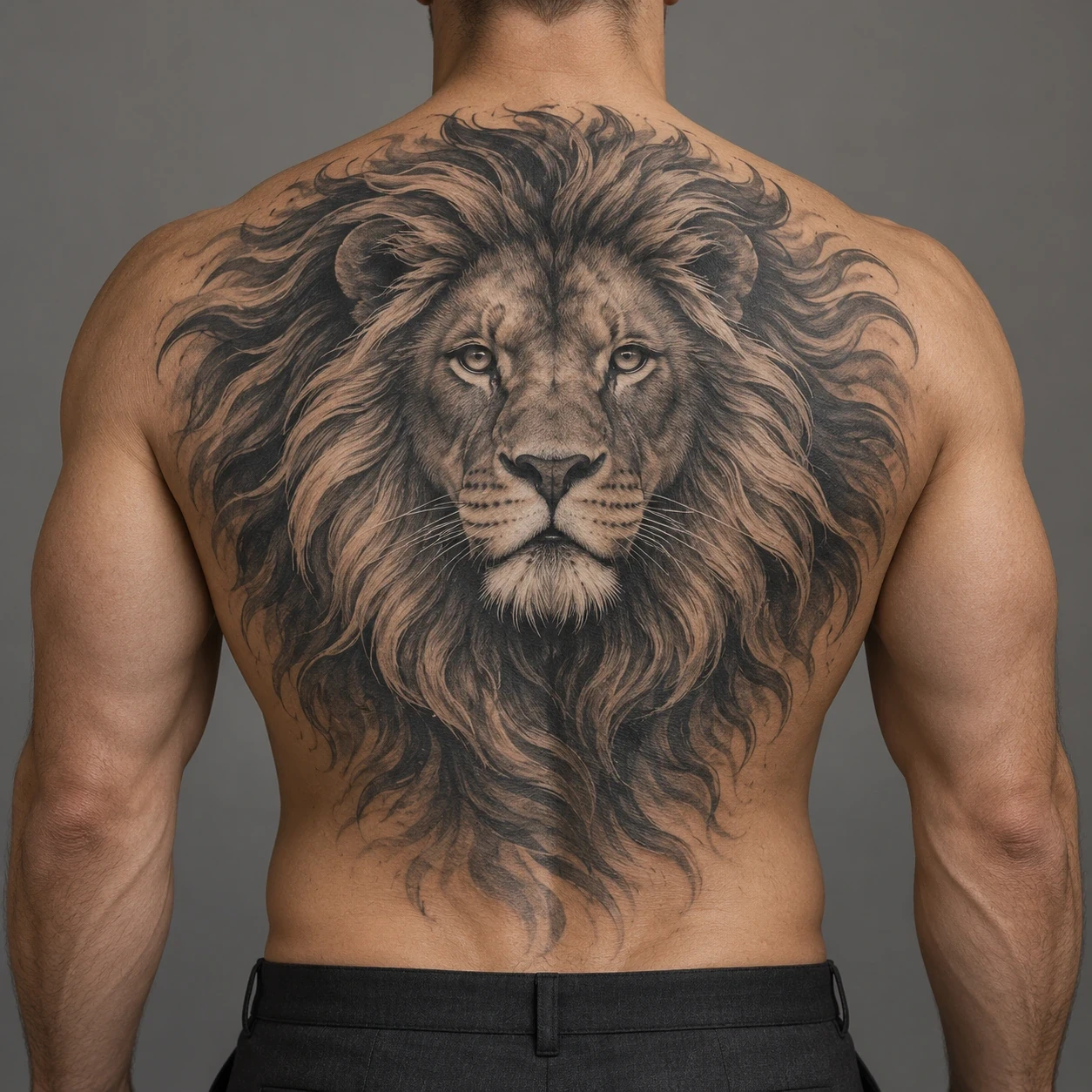
The most ambitious version of this placement treats the nape as the top of a larger upper-back piece rather than a design on its own.
Done well, it means the tattoo has somewhere to grow later without looking bolted on.
If that is the direction you are leaning, planning it as part of a floral back tattoo from the start will save you a redesign in three years.
Nearby Placements Worth Considering
If something about the nape does not quite fit, these placements scratch a similar itch.
Behind the Ear
Even more discreet, and a shorter sitting — but the space is genuinely tiny and the skin is thin, so the pain is sharper than the nape.
Upper Spine
Starts a couple of inches lower and gives you far more vertical room. It also sits directly over bone, which most people find noticeably more intense.
Small Shoulder or Trapezius
Easier to sit through, easier to see in a mirror yourself, and it works well with wider designs that would crowd the neck.
Side of the Neck
Far more visible day-to-day and much harder to hide at work. Worth being honest with yourself about that before booking.
Aftercare for a Neck Tattoo
Neck aftercare is ordinary tattoo aftercare with one extra problem: everything touches it. Hair, collars, pillowcases, seatbelts, headphones.
For the first week I would tie long hair up and away from the area, sleep on a clean pillowcase, and skip anything with a high collar. Wash gently with unscented soap and pat dry, then apply a thin layer of whatever your artist recommends — thin, because a thick layer suffocates the skin and slows healing.
Skip swimming pools, saunas and hot tubs until it is fully closed, usually around two weeks. Once it is properly healed, sunscreen is the single best thing you can do for it — the American Academy of Dermatology has straightforward guidance on caring for tattooed skin.
On safety: an infected tattoo is a medical issue, not a design issue. Spreading redness, heat, swelling, pus or fever means see a doctor, not your artist. The US FDA fact sheet on tattoos and permanent makeup covers the risks worth knowing, including reactions to specific pigments. Never attempt to treat, cover or remove a tattoo yourself, and if you want one removed, that is a conversation for a licensed clinician.
Common Mistakes — and How to Avoid Them
The most frequent one is choosing the design before choosing the size. A reference image looks completely different scaled down to fit between two hairlines.
The second is not checking the stencil properly. You cannot see your own nape, so use two mirrors or your phone camera, and look at it with your hair both up and down.
The third is underestimating the sitting. It is not the worst placement on the body, but it is not the easiest either — the tattoo pain chart by body part puts it in the middle of the range, and a few pain management basics genuinely help.
The fourth is booking with an artist who does not have healed neck work in their portfolio. Fresh photos flatter everyone. Healed photos tell you the truth.
Frequently Asked Questions
How much does a back neck tattoo hurt?
Most people describe it as moderate — sharper than the outer arm, easier than the ribs. The soft area below the hairline has enough tissue to buffer the needle, but it gets noticeably more intense as the artist works toward the bony bump at the base of the neck. Sittings for this placement are usually short, which helps more than people expect. Tell your artist beforehand if you are anxious so they can pace the session.
Can I hide a back neck tattoo at work?
With hair past your shoulders, a nape tattoo stays hidden almost all the time. A collar or a scarf covers whatever hair does not. The risk comes with short hair or a habitual updo, so think about how you actually wear your hair rather than how you wear it on a good day. Placing the design a little lower buys you extra cover.
How long does a back neck tattoo take to heal?
The surface usually settles in about two weeks, while the deeper layers keep repairing for roughly two to three months. Necks heal awkwardly because collars, hair and seatbelts constantly rub the area. Keep it clean, keep it lightly moisturised and keep hair off it while it is raw. Spreading redness, heat, swelling or discharge means see a doctor rather than waiting it out.
Will I need to shave my neck?
Yes, and your artist will do it regardless of how little hair you think is there. Fine vellus hair traps stencil ink and holds bacteria, so the area gets shaved as a matter of course. If your hairline sits low, a small strip of it may be shaved too. Ask in advance exactly how high they plan to go so there are no surprises in the mirror.
Do fine line back neck tattoos fade faster?
Fine line work is generally less forgiving over time than bolder linework, simply because there is less ink in the skin. The nape does have one advantage: it gets far less sun than hands or forearms, which slows fading considerably. Sunscreen once healed makes a real difference. Plan for the possibility of a touch-up somewhere in the five to ten year range.
Quick Summary
- The nape is one of the few placements you can hide or show at will, which makes it a strong first tattoo.
- Vertical designs suit the space better than wide ones — florals, script and single symbols all work naturally.
- Pain is usually moderate, rising as the artist moves toward the bone at the base of the neck.
- Fine line work looks stunning fresh; ask for slightly heavier lines so it holds up over the years.
- Small pieces run 30–60 minutes; nape-to-spine trails can take three to five hours.
- Check the stencil with two mirrors, hair up and hair down, before any ink goes in.
- Healing is complicated by friction from hair and collars, so keep both off it for the first week.
- Signs of infection are a doctor’s job, not an artist’s — and never attempt DIY removal.