
In recent years, neck tattoos have become increasingly popular among women, breaking away from traditional tattoo placements like the arm, back, or ankle. Once considered edgy or even taboo, neck tattoos are now embraced as a powerful form of self-expression, symbolizing confidence, individuality, and artistry. For women, a neck tattoo can be a statement of empowerment, a celebration of personal identity, or simply a way to showcase their unique style.

The Rise of Neck Tattoos Among Women
Neck tattoos have a long history, often associated with rebellion, counterculture, and nonconformity. In the past, they were more commonly seen on men, particularly in subcultures like bikers, sailors, and musicians. However, as societal norms have evolved, so too has the perception of tattoos, especially for women.
Today, neck tattoos are no longer confined to a specific gender or group. Women from all walks of life are choosing to adorn their necks with meaningful designs, turning this once-controversial placement into a canvas for creativity. Celebrities like Rihanna, Halsey, and Cara Delevingne have proudly displayed their neck tattoos, further normalizing and popularizing the trend.

The rise of neck tattoos among women reflects a broader shift in how society views body art. Tattoos are no longer seen as a mark of rebellion but as a legitimate form of self-expression and artistry. For many women, a neck tattoo is a way to reclaim their bodies and assert their individuality in a world that often imposes rigid beauty standards.
Why Women Choose Neck Tattoos
The decision to get a neck tattoo is deeply personal and can be influenced by a variety of factors. Here are some of the most common reasons why women opt for this bold placement:
1. A Statement of Confidence
A neck tattoo is undeniably eye-catching. It’s a placement that can’t easily be hidden, making it a bold declaration of self-assurance. For many women, choosing a neck tattoo is a way to embrace their confidence and show the world that they are unapologetically themselves.


2. A Symbol of Empowerment
For some women, a neck tattoo represents empowerment and liberation. It can serve as a reminder of their strength, resilience, or personal journey. The visibility of a neck tattoo makes it a powerful symbol of owning one’s story and identity.
3. Aesthetic Appeal
The neck is a unique and elegant canvas that can enhance the natural contours of the body. Many women are drawn to the aesthetic appeal of neck tattoos, which can complement their style and add an element of sophistication or edge to their look.

4. Personal Meaning
Like any tattoo, a neck tattoo often holds deep personal significance. It might commemorate a loved one, represent a cherished belief, or symbolize a transformative experience. The visibility of the neck makes it a meaningful placement for such designs.

5. Breaking Stereotypes
For some women, getting a neck tattoo is a way to challenge societal stereotypes and redefine beauty standards. It’s a statement that beauty comes in many forms and that self-expression should not be limited by gender norms.

The Decision-Making Process: Is a Neck Tattoo Right for You?
While neck tattoos are undeniably striking, they are not a decision to be taken lightly. Here are some key factors to consider before committing to this bold placement:
1. Visibility and Professional Implications
Unlike tattoos on more discreet areas of the body, neck tattoos are highly visible and difficult to conceal. This can have implications for your professional life, depending on your career field. It’s important to consider how a neck tattoo might be perceived in your workplace and whether it aligns with your long-term goals.

2. Pain Tolerance
The neck is a sensitive area with thin skin and proximity to bone, making it one of the more painful places to get tattooed. If you have a low pain tolerance, you may want to think carefully about whether you’re prepared for the discomfort.
3. Design and Placement
The neck offers a variety of placement options, from the side of the neck to the back of the neck or even the front. Each placement has its own aesthetic and practical considerations. It’s important to work closely with your tattoo artist to choose a design and placement that complements your anatomy and personal style.

4. Long-Term Commitment
Tattoos are permanent, and neck tattoos are particularly difficult to remove or cover up. Before getting inked, make sure you’re fully committed to the design and its placement.
5. Choosing the Right Artist
Not all tattoo artists are experienced in neck tattoos, which require a high level of skill and precision. Take the time to research and choose an artist who specializes in this placement and has a portfolio that aligns with your vision.

The Tattooing Process: What to Expect
Getting a neck tattoo is a unique experience that requires careful preparation and aftercare. Here’s what you can expect during the process:
1. Consultation
Before the tattooing begins, you’ll have a consultation with your artist to discuss your design, placement, and any concerns you may have. This is also an opportunity to ask questions and ensure that you’re comfortable with the process.

2. Preparation
On the day of your appointment, your artist will clean and prepare the area, then apply a stencil of the design to ensure proper placement. This is your chance to make any final adjustments before the tattooing begins.
3. The Tattooing Process
The actual tattooing process can take anywhere from a few minutes to several hours, depending on the complexity of the design. While the neck is a sensitive area, many women find the pain to be manageable, especially if they focus on their breathing and stay relaxed.

4. Aftercare Instructions
Once the tattoo is complete, your artist will provide detailed aftercare instructions to ensure proper healing. This typically includes keeping the area clean, avoiding direct sunlight, and applying a recommended ointment.
Neck Tattoo Aftercare: Tips for Optimal Healing
Proper aftercare is crucial for ensuring that your neck tattoo heals well and retains its vibrancy. Here are some essential tips:
1. Keep It Clean
Gently wash your tattoo with mild soap and water, then pat it dry with a clean towel. Avoid scrubbing or using harsh products that could irritate the skin.

2. Moisturize Regularly
Apply a thin layer of tattoo-specific ointment or unscented moisturizer to keep the skin hydrated and prevent scabbing.
3. Avoid Sun Exposure
The neck is often exposed to sunlight, which can fade your tattoo over time. Protect your tattoo by applying sunscreen or covering it with clothing when outdoors.
4. Don’t Pick or Scratch
It’s normal for your tattoo to itch or peel during the healing process, but resist the urge to pick or scratch, as this can damage the design and lead to scarring.

5. Follow Your Artist’s Advice
Every tattoo artist has their own aftercare recommendations, so be sure to follow their specific instructions for the best results.
Societal Perceptions of Neck Tattoos for Women
Despite the growing acceptance of tattoos, neck tattoos can still elicit strong reactions, particularly when it comes to women. Here’s a closer look at the societal perceptions surrounding this trend:
1. Challenging Beauty Standards
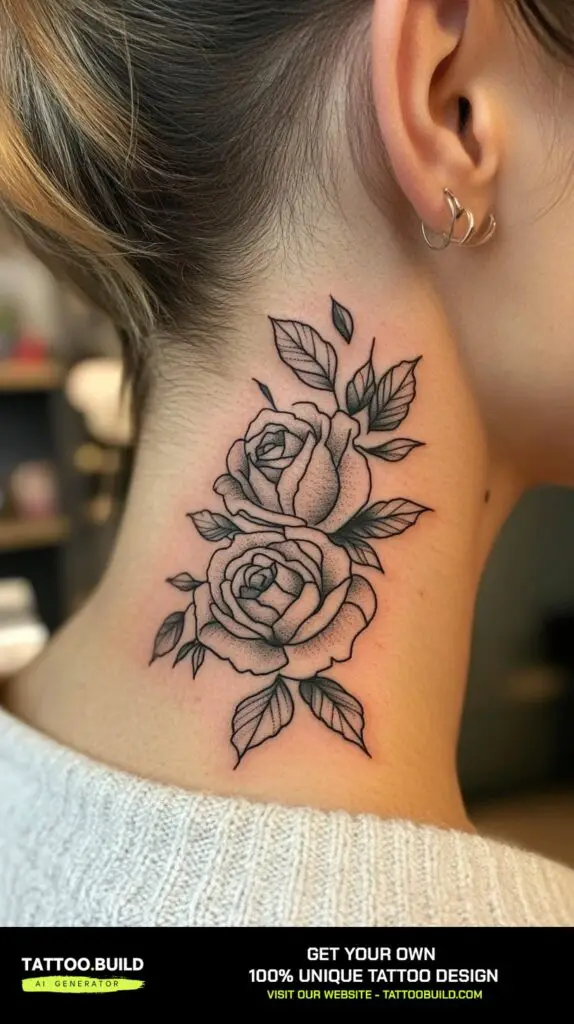
Neck tattoos challenge traditional beauty standards, which often emphasize modesty and conformity. For many women, this is precisely the appeal—a way to reject societal expectations and embrace their unique identity.

2. Professional Stigma
While tattoos are becoming more accepted in the workplace, neck tattoos can still carry a stigma in certain industries. Women with neck tattoos may face judgment or discrimination, particularly in conservative fields.
3. Empowerment vs. Objectification
Some people view neck tattoos on women as a form of empowerment, while others may unfairly associate them with negative stereotypes. It’s important to recognize that a woman’s choice to get a neck tattoo is her own and should be respected as such.

4. Cultural and Generational Differences
Attitudes toward neck tattoos vary widely across cultures and generations. In some communities, they are celebrated as a form of artistry, while in others, they may be viewed with skepticism or disapproval.
The Future of Neck Tattoos for Women
As tattoos continue to gain mainstream acceptance, it’s likely that neck tattoos will become even more popular among women. Advances in tattoo technology and techniques are making it easier than ever to create intricate, high-quality designs, while shifting societal attitudes are reducing the stigma associated with visible tattoos.

For women, neck tattoos represent more than just a trend—they are a celebration of individuality, creativity, and self-expression. Whether you choose a delicate design or a bold statement piece, a neck tattoo is a powerful way to wear your story on your skin.
Final Thoughts
Neck tattoos for women are more than just a fashion statement—they are a testament to the evolving landscape of self-expression and body art. While they come with their own set of challenges and considerations, they also offer a unique opportunity to showcase your personality, values, and style in a way that is both bold and beautiful.