A cross tattoo is one of the few designs that can be read as devotional, decorative or deeply personal depending entirely on how it is drawn — and that flexibility is exactly why so many women keep coming back to it.
I have spent years looking at cross designs in artist portfolios, and the pattern is consistent: the ones that hold up are the ones where the woman knew what the cross meant to her before she picked a style.
Some are three centimetres of clean linework behind an ear. Others are ornamental pieces that run the length of a spine. Both are cross tattoos, and neither is more valid than the other.
In this guide I walk through the placements, the styles, the honest trade-offs on pain and ageing, and the mistakes I see most often — with the same practical detail I would want if I were booking the appointment myself. If you are still deciding between faith-led symbols in general, our roundup of Christian tattoo ideas is a useful companion read.
Which Cross Tattoo Style Is Right for You?
Style choice drives almost everything else: how big the piece has to be, how much it costs, and how it will look in a decade.
Here is how the main options compare on the factors that actually matter when you are sitting in the consultation.
| Style | Typical Size | Best Placements | Ageing Notes | Session Time |
|---|---|---|---|---|
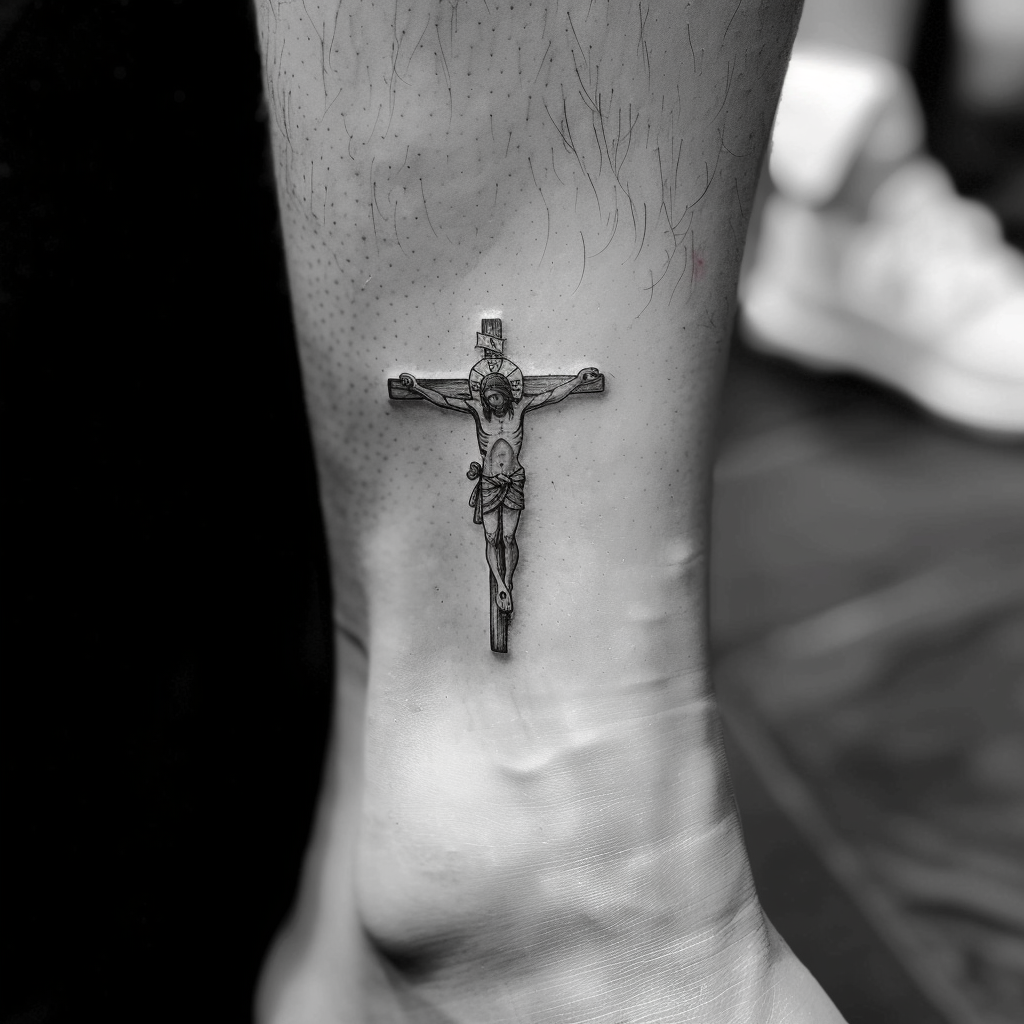
| Fine-line minimalist | 1–5 cm | Wrist, behind ear, finger, ankle | Softens fastest; may need a touch-up within a few years | 20–45 min |
| Bold blackwork | 5–15 cm | Forearm, upper arm, calf | Holds its shape best of any style | 1–2 hrs |
| Ornamental / filigree | 10–30 cm | Spine, back, thigh, sternum | Fine internal detail can close up over time | 2–5 hrs |
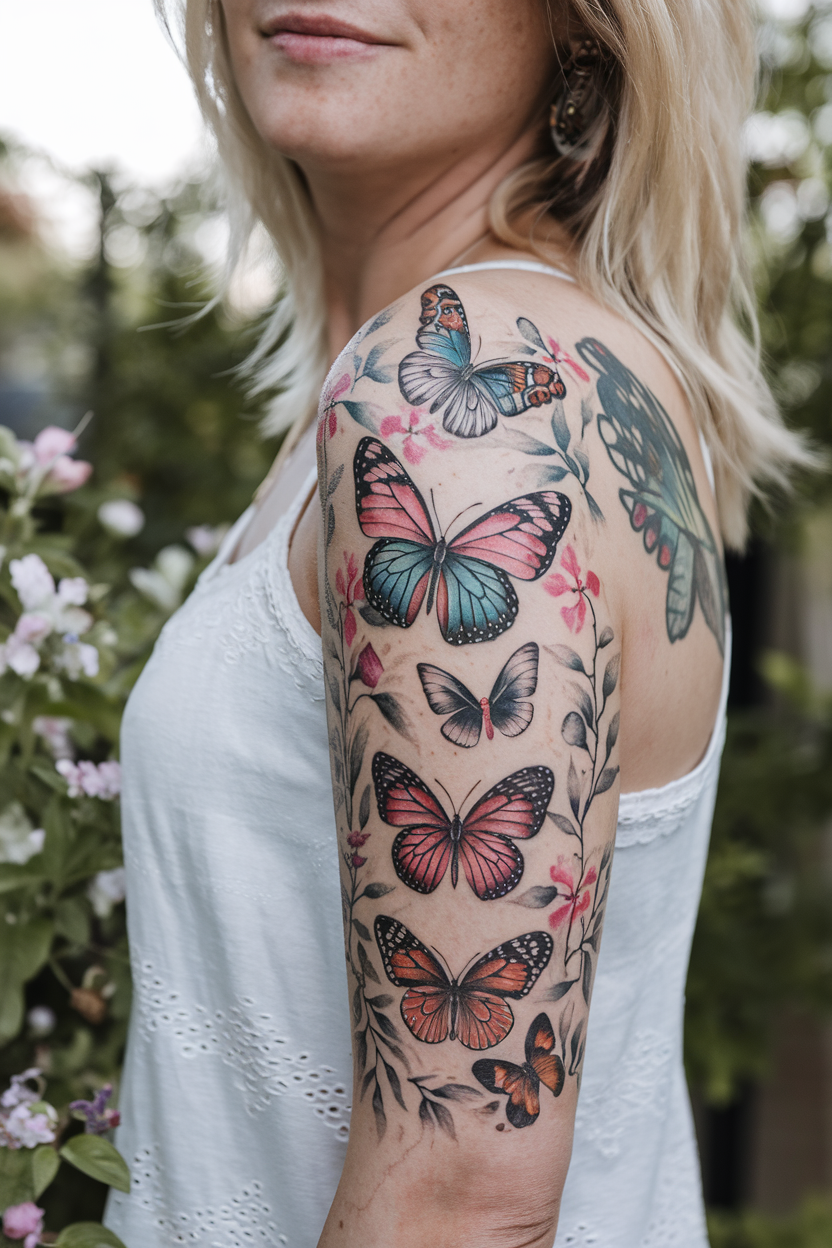
| Cross with florals | 8–25 cm | Thigh, shoulder, forearm, back | Good, if the artist leaves space between elements | 2–4 hrs |
| Celtic / knotwork | 6–20 cm | Upper arm, back, calf | Depends entirely on line spacing in the knots | 2–4 hrs |
| Script & date memorial | 3–10 cm | Inner arm, ribs, collarbone | Small lettering is the first thing to blur | 30–90 min |
What Actually Affects How a Cross Tattoo Ages
The single most useful thing I ever learned about tattoos is that line weight and spacing matter more than style.
Ink spreads slightly in the skin over years. Two lines drawn a millimetre apart will eventually read as one thicker line, which is why over-detailed ornamental crosses can turn muddy while a simple bold cross still looks crisp.
Sun exposure is the other big variable. Placements that live under clothing — ribs, spine, upper thigh — usually hold their contrast noticeably longer than hands, forearms and ankles.
Skin movement plays a part too. Areas that stretch and flex a lot, like the inner wrist and the side of the finger, tend to lose fine detail sooner than flatter, more stable areas.
None of this means you should avoid delicate work. It just means you should choose it knowing a touch-up may be part of the deal, and budget for that rather than being disappointed by it.
Cross Tattoo Placements for Women, and What Each One Asks of You
Placement decides visibility, pain and how large the design can realistically be. Here is what I have observed about each of the popular spots.
The Wrist — Visible, Personal, Slightly Unforgiving
The wrist is probably the most requested cross placement for women, and it makes sense: you see it constantly, and it reads as personal rather than performative.
The inner wrist is more tender than the outer wrist because the skin is thinner and sits closer to nerve endings, but most people describe it as a sharp scratch rather than a serious ordeal. It is a short session either way.
The trade-off is longevity. Wrists get daily sun, constant movement and frequent hand-washing, so fine-line work here often softens sooner than the same design on an upper arm.
If you want a wrist cross that stays legible, ask for slightly heavier lines than you think you need. It looks bolder for the first month and better for the next ten years. There are more ideas for this area in our guide to female wrist tattoo ideas.
Behind the Ear — The Discreet Option
Behind the ear is where I send anyone who wants a cross that is genuinely theirs rather than a statement to the room.
It is hidden by hair most of the time and revealed only when you choose. That quality appeals to a lot of women in workplaces with conservative dress expectations.
Be realistic about size here. The area is small and curved, so anything with internal detail will not survive at that scale. A clean two-line cross, maybe two to three centimetres, is the sweet spot.
Pain-wise, most people find it brief but buzzy — the vibration against the skull bone bothers some more than the needle does. It is over in under half an hour.
Back of the Neck — Elegant and Easy to Hide
The nape sits in a nice middle ground: visible when your hair is up, invisible when it is down.
It also ages well. The area is relatively flat, gets little direct sun under most hairstyles, and does not stretch much, so linework tends to stay sharp.
A vertical cross following the spine’s line looks natural here. Horizontal placements often fight the anatomy and can look slightly off-centre once the head moves.
If you like this area generally, our collection of back neck tattoos for women covers designs beyond crosses that suit the same spot.
The Thigh — Where You Can Actually Go Big
If you want an ornamental cross with real detail, the thigh is the placement I would push you toward first.
There is room for scale, the skin is relatively forgiving, and the area stays covered, which protects contrast over the years.
Pain varies more here than people expect. The outer thigh is generally one of the milder spots on the body; the inner thigh, closer to the groin, is reported as considerably sharper.
Expect a longer sitting. An ornamental thigh cross with shading is realistically a two-to-four-hour appointment, sometimes split across two sessions.
Spine and Upper Back — Dramatic, but Commit Properly
A cross running down the spine is one of the most striking placements available, and one of the most demanding.
Bone proximity makes it genuinely painful for most people, particularly over the vertebrae themselves and near the tailbone. Nearly every artist I have asked ranks it among the harder sits.
The payoff is that vertical designs suit the spine’s natural line beautifully, and the placement stays covered by almost anything you wear.
If you are weighing this up, it is worth reading our discussion of whether spine tattoos are dangerous before booking.
Forearm and Inner Arm — The Practical Middle Ground
The forearm is the placement I recommend most often to people who want to see their tattoo without it dominating their body.
It takes detail well, the pain is moderate for most, and it suits both a small standalone cross and a larger piece with florals or script.
The inner arm is softer and slightly more tender, but it is shaded from the sun most of the day, which helps it hold contrast.
One honest caveat: forearms are the hardest placement to cover at short notice. Think about that before you commit, not after.
Collarbone and Sternum — Delicate and Deliberate
A small cross sitting just under the collarbone is a quietly elegant choice, and it frames well with most necklines.
Bone is close to the surface here, so expect it to be sharper than a fleshy placement, though the sessions are usually short.
Sternum crosses are more of an undertaking — centred, symmetrical and often larger, which means both more time and more discomfort.
Symmetry matters enormously in this area. A centre-line piece that is even a few millimetres off will be obvious in photographs forever, so choose an artist with a strong stencil-placement reputation.
Cross Tattoo Variations Worth Considering
Once you have a placement in mind, the design language is where the piece becomes yours.
Cross and Rose
Pairing a cross with a rose is one of the oldest combinations in tattooing, and it endures because the two symbols pull in useful directions — one solemn, one alive.
It also solves a compositional problem: a bare cross can look stark, and a bloom at the base or intersection gives the eye somewhere to rest.
Ask for breathing room between the petals and the cross arms. Crowded designs are the ones that blur first. Our wider black rose tattoos for women gallery is a good place to see how different rose styles behave.
Fine-Line and Minimalist Crosses
Minimalist crosses have dominated requests for years, and for good reason: they are quick, affordable and suit almost any placement.
The honest downside is durability. Very thin single-needle work sits shallower and lighter in the skin, and it is the style most likely to need a refresh.
If you love the minimalist look, keep the design simple rather than the lines impossibly thin. A small cross in a moderate line weight reads just as delicate and lasts far longer.
Celtic and Knotwork Crosses
The Celtic cross, with its ring joining the arms, carries heritage meaning for many women alongside its religious reading.
Knotwork is beautiful and technically demanding. The interlacing only works if the artist leaves consistent gaps, so this is not a design to bargain-shop.
See how different artists handle the form in our Celtic cross tattoos for ladies roundup.
Memorial Crosses with Dates or Names
A great many cross tattoos are memorials, and these deserve extra care in the planning stage.
Get every date and spelling checked twice on the stencil before the needle touches skin — by you, not just the artist. I have heard more than one story of a misspelled name that took a cover-up to fix.
Script size is the other trap. Lettering under about a centimetre tall tends to lose its internal spacing as it settles, so give names and dates more room than feels necessary.
Ornamental and Filigree Crosses
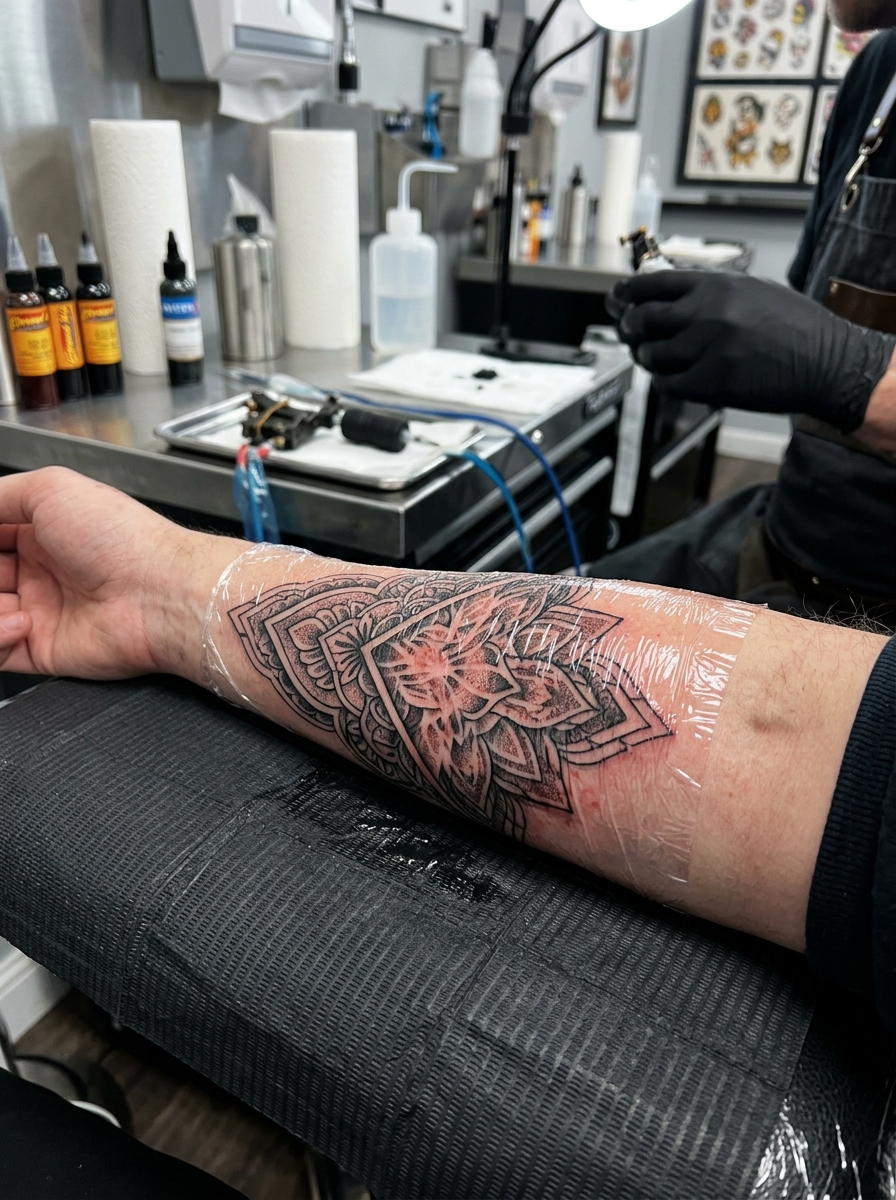
Ornamental crosses borrow from jewellery and architecture — scrollwork, lace patterns, dotwork shading around a central form.
They are stunning at scale and disappointing when squeezed too small. If you want this style, plan for at least ten to fifteen centimetres and a placement that can carry it.
Aftercare and Best Practice for a Cross Tattoo
Aftercare is the part you control, and it has a real effect on how your cross looks a year later.
Follow the specific instructions your artist gives you, since they know what equipment and inks they used. In broad terms: keep it clean, keep it lightly moisturised, and do not pick at it while it flakes.
Sun is the long-term enemy. Once fully healed, regular sunscreen on the area is the cheapest thing you can do to keep a cross tattoo sharp — the American Academy of Dermatology has straightforward guidance on caring for tattooed skin.
If you see spreading redness, swelling that worsens after a few days, discharge or a fever, that is not normal healing. Contact your artist and see a doctor — tattoo infections and allergic reactions are treatable, but not by waiting them out. The US Food and Drug Administration publishes consumer information on tattoo risks worth reading before you book.
This article is general guidance from someone who writes about tattoos, not medical advice. Anything involving your skin’s health belongs with a licensed professional artist or a physician.
Common Mistakes — and What to Do If You Are Still Not Sure
The errors I see repeated are almost never about taste. They are about process.
- Choosing size before style. Deciding “I want something small” and then picking an ornamental design forces the artist to compromise the drawing.
- Booking on portfolio breadth instead of relevance. Find someone whose existing cross and blackwork pieces you like, not just a generally good artist.
- Skipping the healed-work check. Ask any artist for photos of their work six months or a year on, not just fresh. Fresh tattoos all look good.
- Rushing a memorial piece. Grief is a bad design brief. Most artists will tell you the same thing.
- Not asking about touch-up policy. Many studios include one free touch-up within a set window. Find out before, not after.
If you are still weighing options, it helps to look sideways at related symbols before committing. Our guides to praying hands tattoos and angel tattoos for women cover overlapping territory, and cross tattoo drawings is worth browsing if you want to sketch your idea before the consultation.
And if you are specifically drawn to the ankle, we have a dedicated piece on the meaning of a cross tattoo on the ankle that goes deeper on that placement.
Frequently Asked Questions
Do cross tattoos have to be religious?
No. Plenty of women choose a cross for reasons that have nothing to do with organised religion — heritage, a memorial for someone they lost, a marker of a period they came through, or simply the geometry of the shape. In my experience the meaning is set entirely by the wearer and the context of the design. A cross paired with florals or ornamental scrollwork often reads as decorative rather than devotional. Nobody is owed an explanation of your tattoo either way.
How much does a cross tattoo for women usually cost?
It depends far more on time than on design. A small fine-line wrist or behind-the-ear cross is typically a studio-minimum job, while an ornamental thigh or spine piece is priced by the hour across one or more sessions. Rates vary widely by city and by artist reputation, so the only reliable answer comes from a consultation. Be wary of quotes that are dramatically below local norms — that is usually a signal about experience, not a bargain.
Which cross tattoo placement hurts the least?
Fleshier areas with more distance from bone are generally the mildest — the outer thigh, the upper arm and the calf come up most often. Wrist, collarbone, sternum, ribs and spine sit at the sharper end because bone is close to the surface. That said, pain is genuinely individual and some people find the “easy” spots worse than expected. The size of the piece matters too: a short session anywhere beats a long session somewhere comfortable.
Will a small fine-line cross fade quickly?
It will soften rather than vanish, and usually over years rather than months. Very thin single-needle work on high-movement, high-sun areas like the wrist and fingers is the most likely to need attention first. Keeping the healed area out of direct sun and using sunscreen makes a noticeable difference. Ask your artist about their touch-up policy at the time of booking so a refresh is a planned step rather than a surprise.
Can a cross tattoo be covered up or changed later?
Often yes — the cross’s strong geometry gives an artist useful structure to build on, and many are successfully expanded into larger ornamental or floral pieces rather than covered outright. Solid black crosses are harder to hide than light linework, so the darker and denser the original, the more limited the options. If you think you might extend the design one day, tell your artist at the first appointment so they can leave the composition open. A cover-up specialist is the right person to consult, not a general appointment.
Quick Summary
- Decide the meaning first. Faith, memorial, heritage or aesthetic — it changes the design brief entirely.
- Match style to scale. Ornamental and Celtic work needs room; minimalist work does not.
- Pick placement for visibility and longevity. Covered, low-movement areas hold detail longest.
- Do not go too thin. Moderate line weight still reads delicate and lasts far better than single-needle hairlines.
- Choose an artist by their healed cross work, not just their fresh portfolio.
- Triple-check names and dates on the stencil before any memorial piece is started.
- Protect it from the sun once healed — it is the single cheapest way to keep a cross tattoo sharp.
- Take anything that looks like infection to a doctor, promptly. Do not wait it out.