The wrist is the piece of skin you look at more than any other. That single fact should drive the whole decision — you are not choosing a tattoo for other people, you are choosing one you will glance at forty times a day for the rest of your life.
I have spent a long time collecting and comparing wrist work, and the pattern is consistent: the designs women stay happy with are rarely the most complicated ones. They are the ones that sit correctly on the anatomy.
A wrist is roughly 6 to 7 centimetres across on most adult women, curved in two directions, and thin over the tendons. Detail that would read beautifully on a thigh can turn into a grey smudge here within a few years. If you are leaning very small, the ideas in my guide to tiny wrist tattoos for women are worth reading alongside this one.
Everything below is organised by style, with real photographs rather than flat illustrations, so you can see how each approach actually behaves on a wrist.
Which Wrist Tattoo Style Is Right for You?
This is the comparison I wish someone had handed me before my first wrist consultation. Times are typical ranges from artists I have asked, not guarantees.
| Style | Typical sitting | How it ages | Best if you want |
|---|---|---|---|
| Fine-line botanical | 1–2 hours | Softens noticeably; may need a touch-up in a few years | Something delicate that reads as jewellery, not ink |
| Floral bracelet band | 3–5 hours, often split over two visits | Very well — shading carries the design as lines soften | A committed statement that works with sleeves up or down |
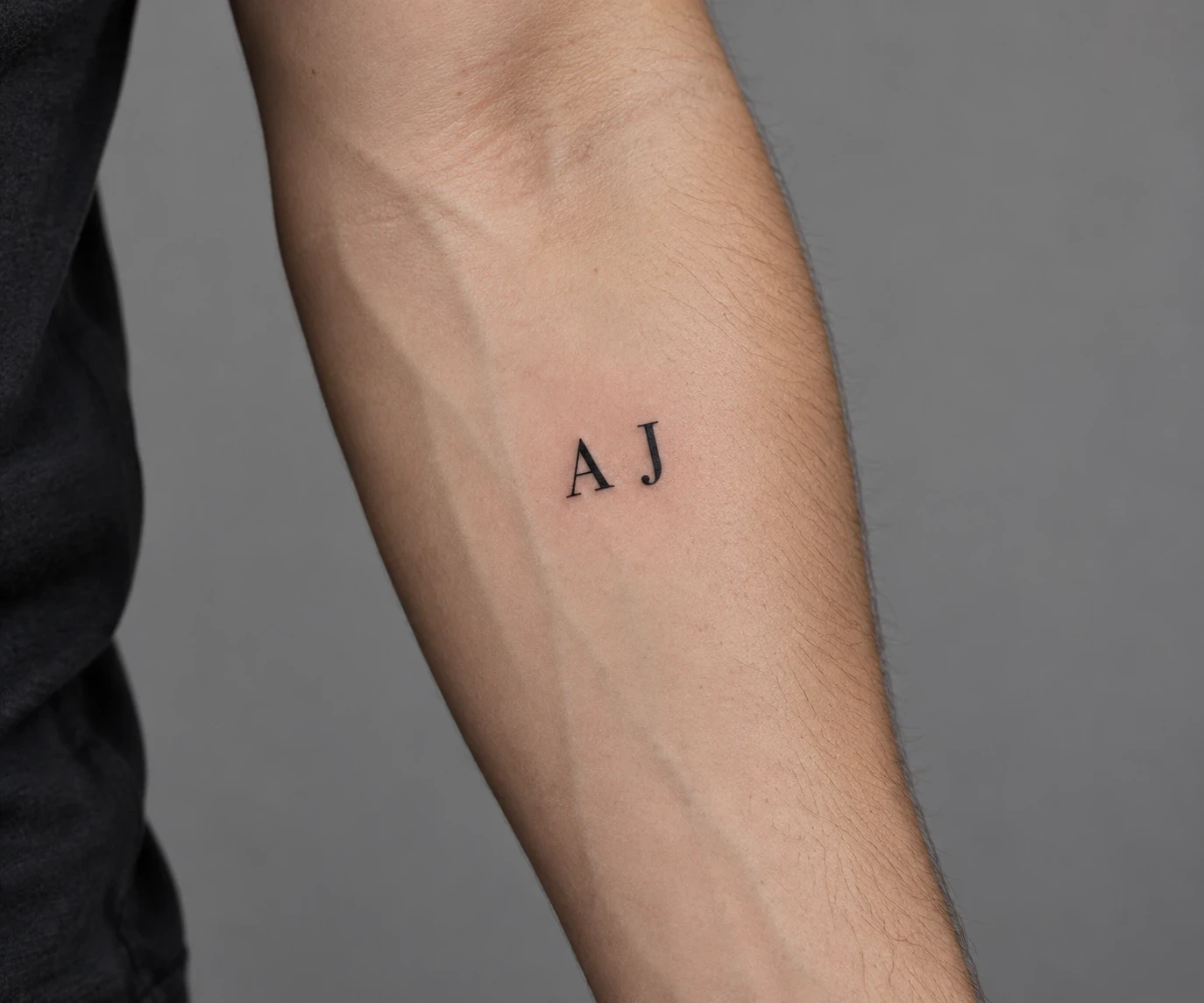
| Script or lettering | 30–90 minutes | Depends entirely on size; thin cursive can close up | Words that mean something specific to you |
| Ornamental / mandala | 2–5 hours | Strong, if the artist leaves real space between elements | Symmetry, pattern and an obviously decorative look |
| Micro symbol | Under an hour | The least predictable — small details blur first | Low commitment, easy to hide, quick to heal |
What Actually Affects How a Wrist Tattoo Ages
Line weight matters more than subject. A hair-thin line and a slightly heavier line look almost identical the week you get them, and completely different five years later.
The wrist also moves constantly. Skin here stretches and folds every time you flex your hand, and that flexing is part of why fine detail spreads faster on a wrist than on an upper arm.
Sun exposure is the other big one. Wrists are exposed year-round in a way that a thigh or back piece simply is not, and unprotected sun is the fastest route to a faded tattoo.
Pain is the question I get asked most. In most people’s experience the inner wrist is sharper than the outer wrist because the skin is thinner and closer to bone, though sessions here are usually short enough that it stays manageable. My tattoo pain chart breaks down how the wrist compares with other placements.
One more honest caveat: everyone heals differently. Two people can get the same design from the same artist and end up with visibly different results.
Female Wrist Tattoo Ideas by Style
Each section below groups the designs that behave similarly on the skin, not just the ones that look similar on a screen.
Fine-Line Botanical Trails
This is the style that made wrist tattoos mainstream again, and it is the one most likely to disappoint if it is done badly.
The idea is a single stem or vine that follows the natural line of the tendon from the wrist onto the back of the hand. Because it traces anatomy rather than fighting it, the design still looks composed when your hand is in any position.
When I have compared these side by side over time, the ones with slightly varied line weight held up much better than the completely uniform hairline versions. Leaves that are filled rather than outlined also survive better.
Expect to plan a touch-up. Most artists I have spoken to treat fine-line work as a design that will need attention within roughly three to five years, particularly on a hand. More examples of the technique sit in my fine-line tattoo ideas collection.
Single-Stem Roses and Small Blooms
If you want one recognisable image rather than a scattered composition, a single flower on the inner wrist is hard to beat.
The rose is the obvious choice and it earns the position. A rose has enough internal structure that an artist can build real depth into a piece only a few centimetres tall.
I would push back gently on going too small here. A rose under about four centimetres tends to lose its petal separation as it settles, and what you are left with reads as a dark blob rather than a flower.
Placing the stem along the length of the forearm rather than across it is the detail most people miss. Lengthways, the design flatters the limb. Crossways, it visually shortens the wrist.
Floral Bracelet and Cuff Bands
Of every wrist style I have looked at, the wrapping floral band is the one women seem least likely to regret.
There is a structural reason for that. A band has a defined top and bottom edge, so as the linework softens over the years the silhouette stays intact and the piece still reads as deliberate.
These are not quick tattoos. Wrapping a full circumference usually means several hours, and many artists prefer to split it across two sessions rather than push through swelling. My guide to women’s bracelet tattoo ideas covers the variations in more depth.
The one technical thing worth discussing at consultation is where the join sits. A band that closes on the underside of the wrist hides the seam; one that closes on top puts it in your own eyeline. See how different artists handle it in my wrap-around wrist tattoo collection.
Statement Blackwork Florals
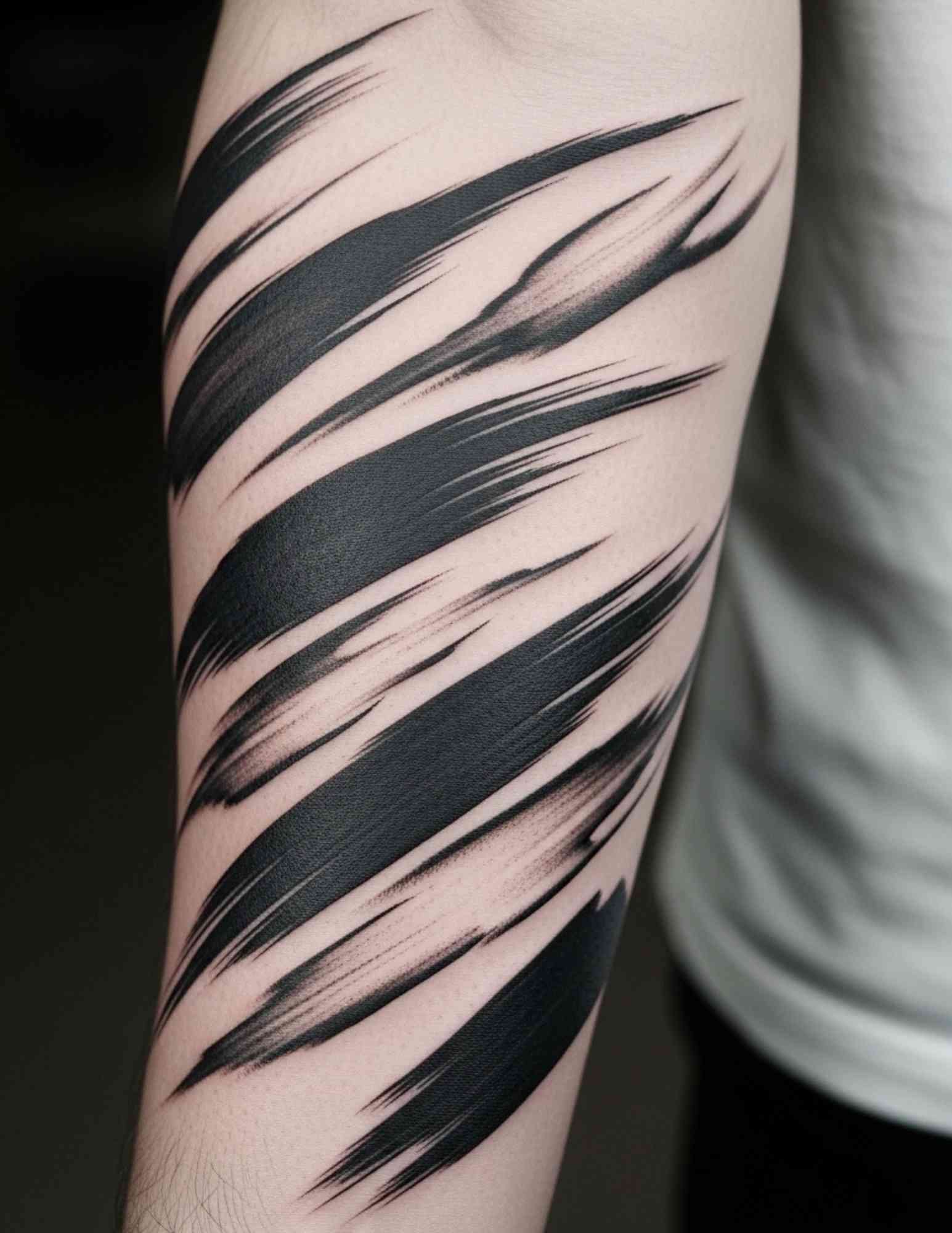
This is the opposite approach: instead of a delicate outline, the flower is built from solid black and heavy grey shading.
Peonies, magnolias and hibiscus all suit it, because they have large petals that give an artist room to work contrast rather than detail.
In my experience these are the wrist pieces that photograph best years later. Contrast is what survives; fine detail is what disappears.
The trade-off is commitment. A blackwork piece covering the wrist and back of the hand is difficult to cover up later and, being darker, it is also harder to remove. Be honest with yourself about whether you want something this permanent on visible skin.
Script and Lettering
Words on the inner wrist are the most personal option here, and the most technically unforgiving.
The rule I would give anyone: the thinner the script and the smaller the text, the sooner the letters will close up. Ink spreads slightly under the skin over time, and the gaps inside letters like a, e and o are the first casualties.
Ask your artist to draw the lettering at the exact final size rather than scaling a design down. And read it aloud once it is stencilled — a surprising number of regrets are simply typos. There are more phrasing ideas in my quote tattoo ideas for women guide.
If it is a word you would be uncomfortable explaining at a job interview, put it somewhere you can cover.
Ornamental, Lace and Mandala Work
Ornamental work uses pattern instead of imagery — filigree, lace, dotwork and mandala geometry.
It suits the wrist unusually well because the designs are naturally symmetrical, and a wrist is one of the few places on the body where a symmetrical band actually lines up.
The failure point is density. Lace patterns with very tight repeats can merge into solid grey as they heal, so the artists who do this well leave more space between elements than the design appears to need.
Henna-inspired dotwork is worth mentioning separately. It gives a similar look with a much lighter footprint on the skin, and it tends to heal faster than dense black panel work.
Symbolic and Meaning-Led Designs
Some people arrive with a shape rather than a style: a cross, a palm tree, a symbol tied to a place or a person.
The approach that works best is to let the symbol be the anchor and build a small amount of ornamental or floral work around it, so the piece has a composition rather than floating alone.
A bare symbol on a wrist can look unfinished. The same symbol set into a band or a spray of leaves usually looks intentional.
If the meaning is religious or memorial, take the extra week to sit with the design. In my experience these are the tattoos people most want to get right the first time.
Tiny Playful Micro-Tattoos
Not every wrist tattoo needs to be meaningful. Some of the ones I like most are simply cheerful.
Small character pieces, animals and cartoon shapes have become genuinely popular, and they suit the wrist because the whole design fits inside the flat inner area where the skin moves least.
Be realistic about detail at this scale. A face made of three tiny dots and a curve will still read as a face in ten years; a face made of twelve fine lines probably will not.
These also heal quickly, which makes them a reasonable first tattoo if you are unsure how your skin reacts.
Alternatives Worth Considering Before You Book
If anything above gave you pause, these placements deliver a similar look with a different set of trade-offs.
The Inner Forearm
Two or three centimetres further up your arm, the skin is flatter, less mobile and less sun-exposed. Fine-line work ages measurably better there, and you can still see it easily.
The Side of the Wrist
The outer edge below the thumb takes small designs well and is easy to hide with a watch or bracelet. It is also usually less sharp than the inner wrist.
Fingers and Knuckles
Beautiful, and the fastest-fading skin on the body. Fingers rub against everything, and most finger tattoos need repeated touch-ups. My finger tattoo ideas for women guide covers what holds up and what does not.
The Ankle
If you like the bracelet-band idea but want it covered most of the year, an ankle band gives you the same shape with far more control over who sees it.
Aftercare That Actually Matters on the Wrist
The wrist is a harder heal than most people expect, purely because you cannot stop using your hands. The Mayo Clinic sets out a roughly two-week routine: wash the area gently twice a day with soap and water, apply a mild moisturiser several times daily, keep it out of direct sun, and avoid swimming until it has healed.
The wrist-specific problems are sleeves and washing. Long cuffs drag across a fresh tattoo all day, and hand-washing means the area gets wet far more often than a tattoo elsewhere. Push sleeves up, and pat dry rather than rubbing.
Sun protection is the single highest-value habit after healing. Once the tattoo is fully settled, sunscreen on the wrist does more for its long-term appearance than anything else you can do. There is a fuller routine in my tattoo aftercare guide.
On safety: tattooing carries real risks including allergic reactions, skin infections and bloodborne infection from unsterile equipment. This article is not medical advice. If you see spreading redness, heat, swelling that worsens after a few days, pus or a fever, contact a doctor rather than your artist, and see the American Academy of Dermatology for dermatologist-reviewed skin guidance. Never attempt to tattoo or remove a tattoo yourself.
Common Mistakes — and What to Do If You Are Still Not Sure
The most common one is sizing down. People shrink a design to make it more discreet and destroy the detail that made them want it.
The second is choosing an artist by price rather than portfolio. Ask specifically to see healed wrist work, not fresh photographs — fresh tattoos always look sharp.
The third is rushing the placement. Ask for the stencil to be repositioned as many times as you need, and look at it with your arm relaxed at your side, not held out flat.
If you are still undecided, the honest advice is to wait. Save images for a month and see which ones you still like. Browsing my minimalist tattoo ideas alongside this page is a good way to test whether you actually want small and simple or bold and decorative.
Frequently Asked Questions
How painful is a wrist tattoo for women?
Most people describe the wrist as moderately painful — sharper than the outer forearm, milder than the ribs or the inside of the elbow. The inner wrist usually stings more than the outer wrist because the skin is thinner and sits closer to bone and tendon. The upside is that most wrist designs are small, so the sitting is short. Pain tolerance varies a lot between individuals, so treat any chart as a rough guide rather than a promise.
How long does a wrist tattoo take to heal?
The surface generally looks healed within two to three weeks, while the deeper skin usually takes a couple of months to fully settle. Wrists can be slower than average because the area is constantly moving and frequently washed. Follow your artist’s instructions rather than a generic timeline. If healing seems to be going backwards instead of forwards, speak to a doctor.
Will a fine-line wrist tattoo fade quickly?
Fine-line work does soften faster than bolder styles, and on a wrist that effect is more pronounced because of sun exposure and skin movement. Many people find their fine-line wrist tattoos benefit from a touch-up within a few years. You can slow it down considerably with daily sunscreen once the tattoo has healed. Choosing slightly heavier lines at the outset also helps more than most people expect.
Can I cover a wrist tattoo for work?
Usually yes, if you plan for it. A design that sits below the wrist bone is easy to hide under a watch, a cuff or a wide bracelet, while a wrap-around band or anything reaching onto the hand is much harder to conceal. It is worth checking your workplace’s policy before booking. If in doubt, keep the design on the inner wrist where a sleeve covers it naturally.
What size should a wrist tattoo be?
For a single recognisable image such as a flower, roughly four to six centimetres tends to be the sweet spot — big enough to keep its internal detail, small enough to sit comfortably on the wrist. Micro designs under two centimetres work best when they are made of very few, simple shapes. Bands are measured by the wrist’s circumference rather than by height. Your artist will give you a better answer once they see your actual wrist.
Quick Summary
- Choose the design for how it will look in ten years, not on the day — line weight matters more than subject.
- Fine-line botanicals are the most popular wrist style and the most likely to need a touch-up.
- Wrapping floral bracelet bands age the best of anything on this list, because the silhouette survives even as detail softens.
- Blackwork florals hold contrast for decades but are the hardest to cover or remove later.
- Script needs to be sized generously — thin, tiny lettering closes up from the inside out.
- Ornamental and mandala work suits the wrist, provided the artist leaves real space between elements.
- Sunscreen after healing does more for a wrist tattoo than any other single habit.
- Ask to see healed wrist work in an artist’s portfolio, and see a doctor rather than your artist if you suspect infection.