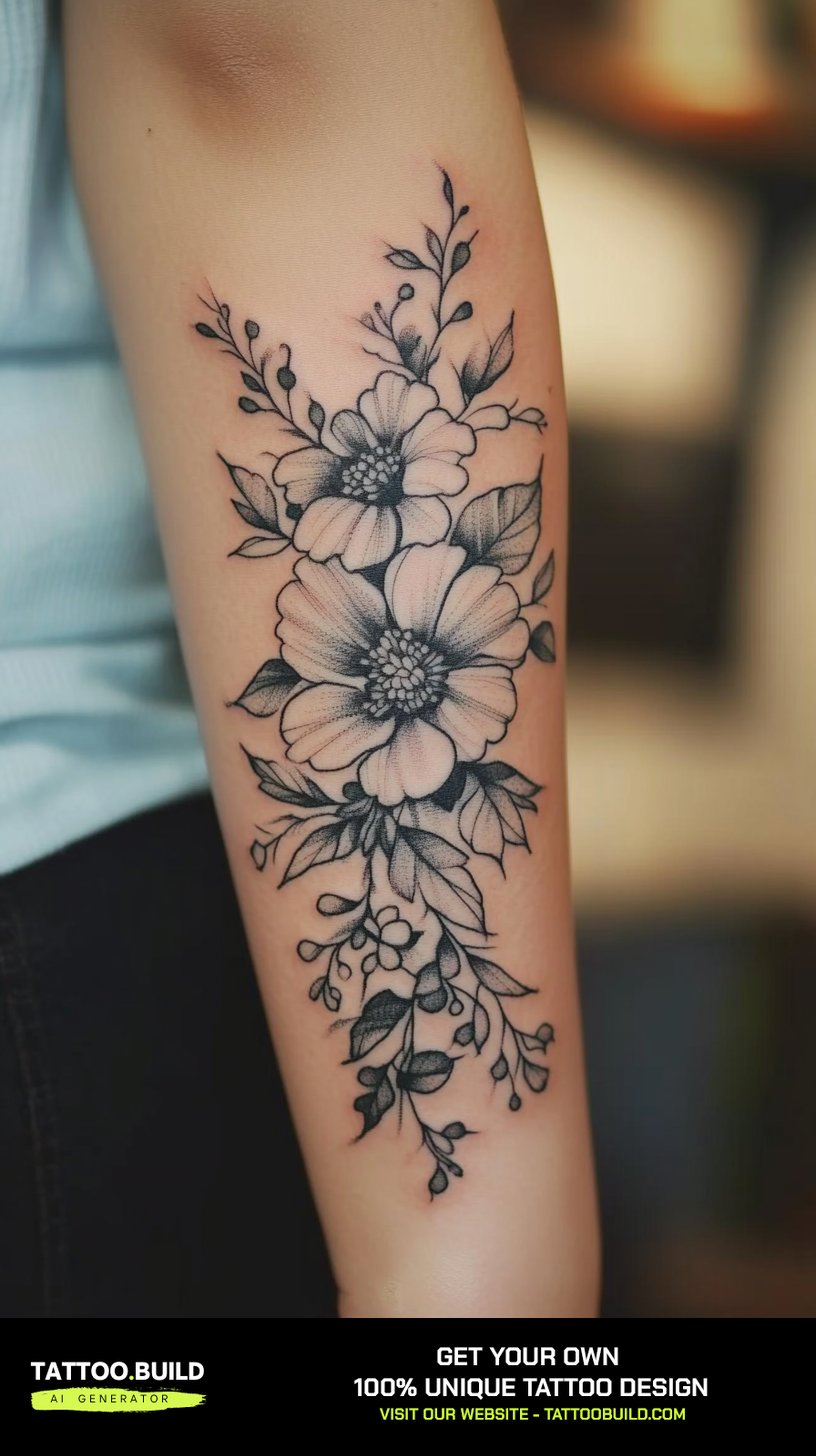
The inner arm is one of the few spots on the body where you get to decide who sees your tattoo and when. Sleeve down, it is invisible at work. Sleeve rolled, it is the first thing anyone notices.
I have watched more men choose this placement in the last few years than almost any other spot on the arm, and the reason is usually the same: they want something personal, not something on display.
That privacy changes what works there. The skin is softer, the surface curves in two directions, and the ink sits a little differently than it does on the outer bicep. It rewards designs built for a long, narrow canvas rather than ones squeezed into it.
Below are ten directions that consistently look good on the inner arm, along with what each one costs you in pain, healing and touch-up time. If you are still weighing placements, our guide to cool arm tattoo ideas for men covers the outer arm and shoulder alternatives.
Which Inner Arm Tattoo Style Is Right for You?
Style matters more than subject here. A design that holds up on the inner arm is one that survives soft skin, constant flexing and limited sun.
| Style | Best For | How It Ages Here | Typical First Session |
|---|---|---|---|
| Bold blackwork | Symbols, tribal, heavy graphic shapes | Very well — thick lines tolerate softening | 2–4 hours |
| Black and gray realism | Portraits, animals, religious imagery | Good, but light grays usually need a touch-up | 4–6 hours, often split |
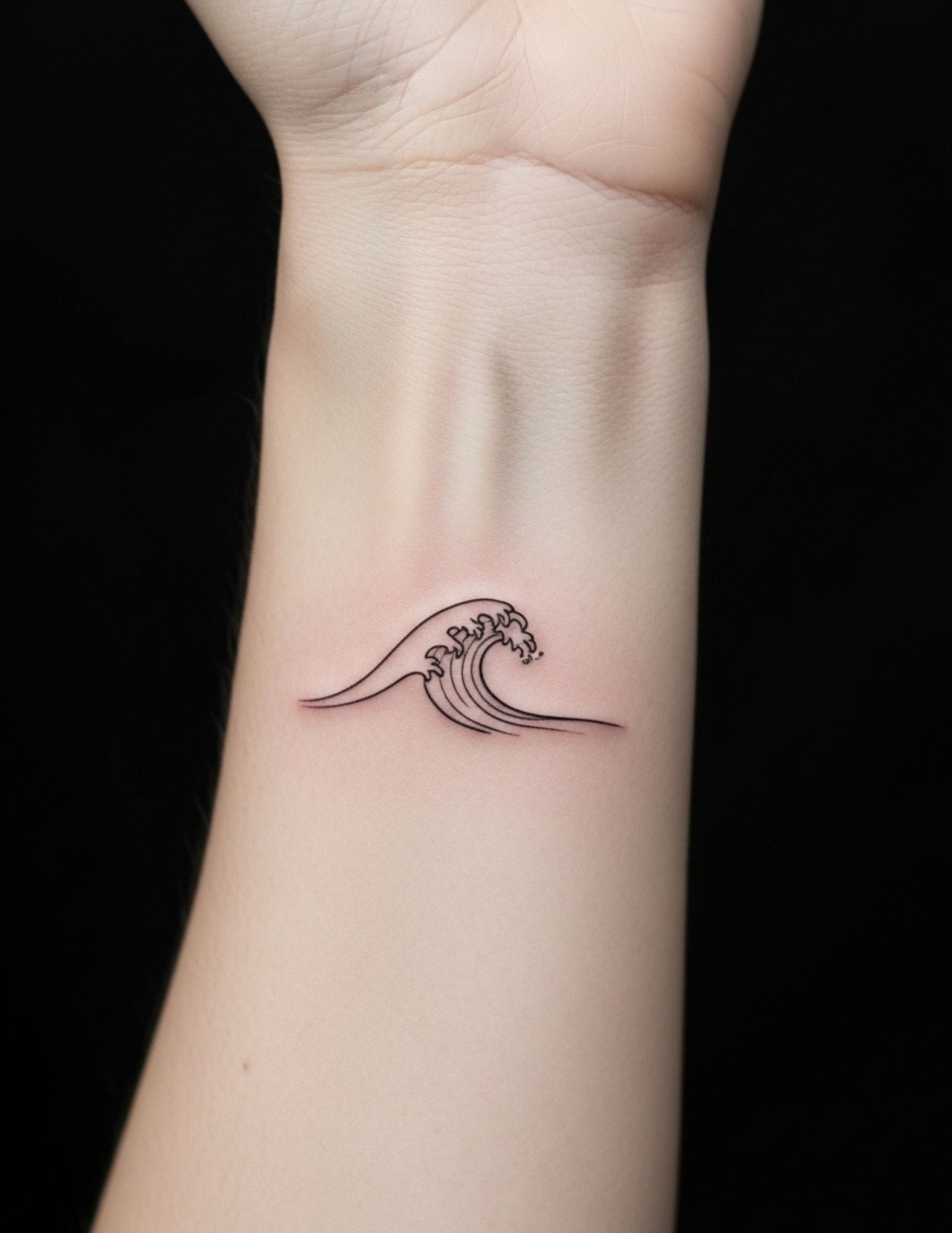
| Fine line / single needle | Script, small symbols, minimal linework | The most fragile choice on soft inner skin | 1–2 hours |
| Script and lettering | Quotes, names, dates | Depends entirely on spacing, not font | 1–3 hours |
| Geometric linework | Abstract, sacred geometry, patterns | Good if lines are medium weight or heavier | 2–4 hours |
If you want one rule from that table: the thinner the line, the more maintenance you are signing up for. That is true everywhere, and it is especially true on the inner arm.
Why Inner Arm Placement Matters
The inner arm sits on thinner, less weathered skin than the outside of the bicep. It sees far less direct sun over a lifetime, which is the single biggest reason tattoos there tend to hold their contrast.
The trade-off is sensitivity. Nerve endings are closer to the surface and there is less muscle padding near the armpit end, so most men I have talked to rate the top third of the inner arm as noticeably sharper than the outer bicep.
The shape of the space matters too. You are working with a panel roughly the length of your bicep and the width of three or four fingers, and it curves away on both sides.
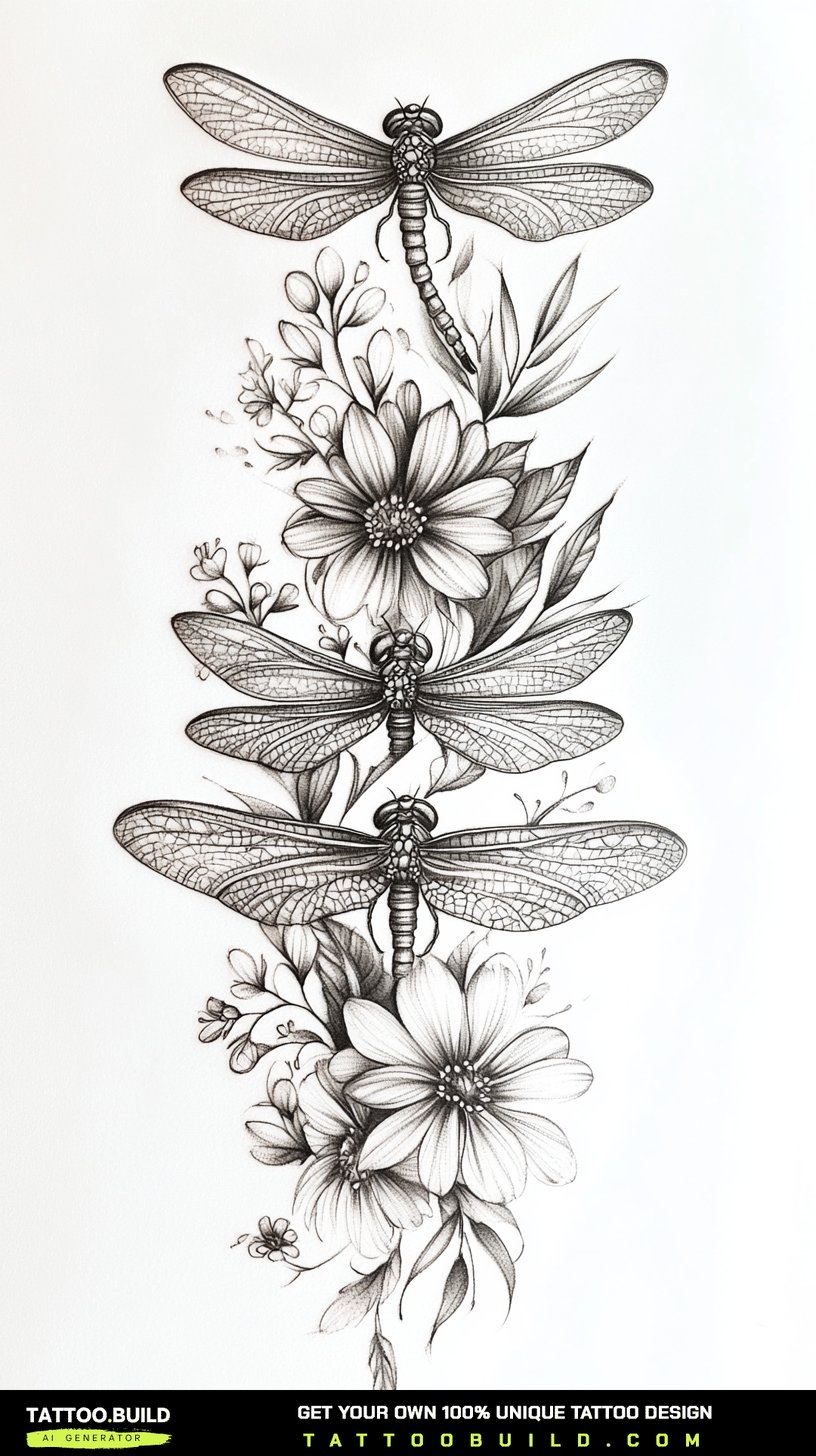
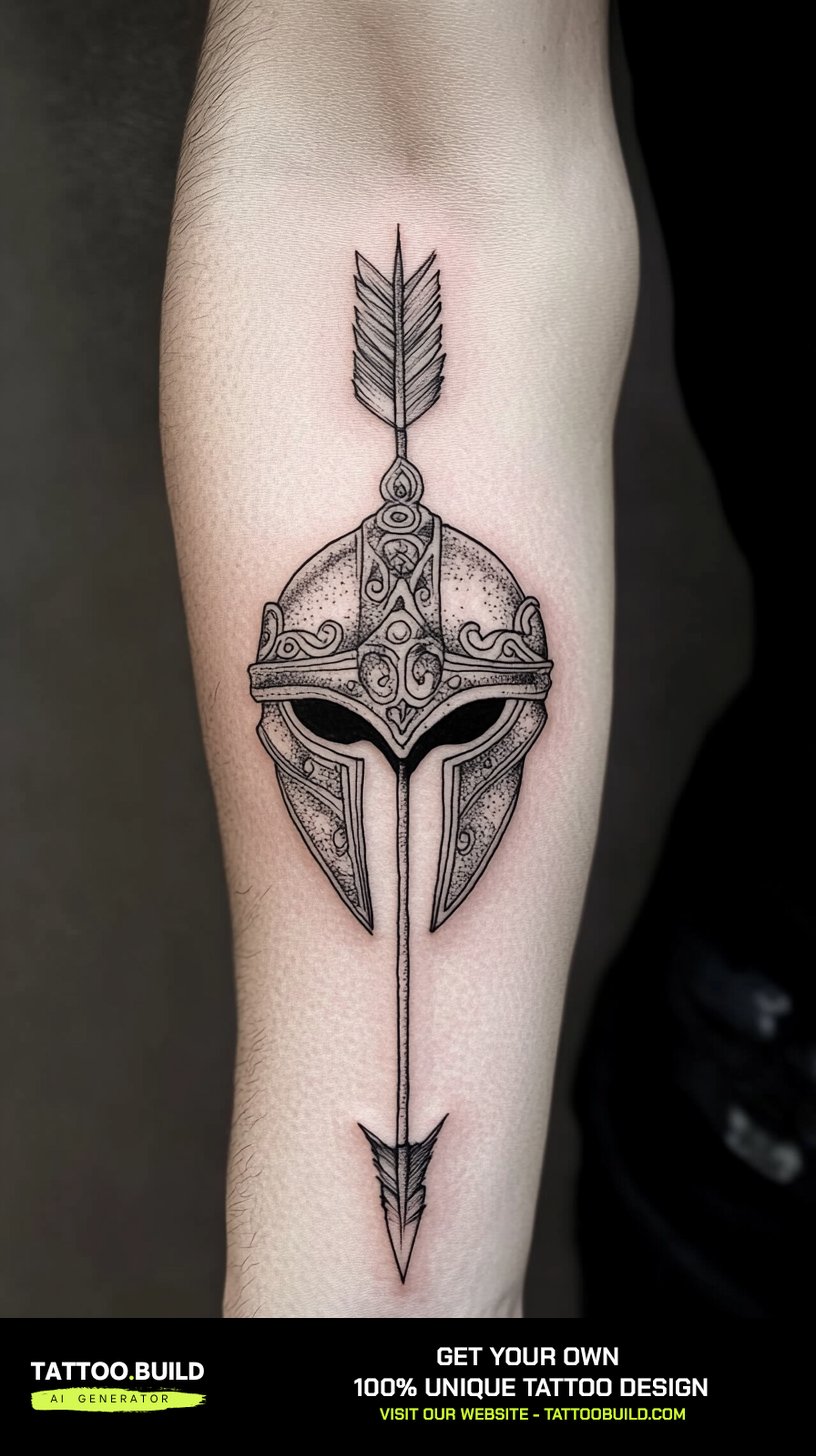
Designs with a clear vertical spine — a column of script, a stacked symbol, a long animal or object — sit naturally in that shape. Wide, square compositions get cut off by the curve and only read properly from one angle.
One more practical point: this placement flexes constantly. Skin here stretches every time you bend your elbow or bring your arm to your side, which is why healing needs a little more patience than a shoulder piece.
10 Inner Arm Tattoo Ideas for Men
These are grouped by intent rather than by style, because in my experience men land on the inner arm for a reason, not just for a look.
1. Strength and Resilience Symbols
Anchors, unbroken chains, mountains, the Greek letter sigma, semicolons, the phoenix — all of these work because they read clearly in a narrow vertical space.
The inner arm is where men tend to put the symbol they need to see, not the one they want shown. That changes the design brief: legibility to you at arm’s length matters more than impact across a room.
When I have seen these done well, the artist kept the silhouette simple and let the shading carry the weight. Overloaded resilience symbols turn into a dark smudge within a decade.
Our roundup of tattoos that mean strength and courage is a good place to find a symbol before you commit to a composition.
2. Script and Meaningful Quotes
The inner arm is the best script placement on the body. The panel is long, the skin is smooth, and the text sits naturally at reading angle when you turn your palm up.
Keep lines short. Four to six words per line, stacked in two to four lines, is the range that stays legible as the tattoo softens.
The mistake I see most often is font size, not font choice. Artists will tell you that very small script on the inner arm blurs faster than anywhere else on the arm, because the skin is soft and moves constantly.
For layout ideas that translate well to the inner bicep, see our collection of meaningful forearm tattoos for guys.
3. Cultural and Heritage Pieces
Celtic knotwork, Polynesian-inspired patterning, Nordic runes, Slavic motifs, Filipino batok-style linework — heritage work suits this placement because it is personal by nature.
Pattern-based designs have a real advantage here: they can be shaped to the arm rather than forced into a rectangle, and they flow into a sleeve later if you want one.
Do the research before the appointment, not after. Several of these traditions have designs that carry specific family or rank meaning, and artists who specialise in them will ask you what you actually want the piece to say.
4. Religious and Spiritual Icons
Crosses, rosaries, praying hands, Bible verse references, Om symbols, mandalas and lotus work all appear frequently on the inner arm.
The reason is placement psychology. A faith tattoo on the inner arm is close to the body and easy to keep private, which suits people who want it to be a reminder rather than a statement.
Vertical icons work best. A rosary draped down the inner bicep or a slim cross with light shading fits the panel far better than a wide, symmetrical religious scene.
5. Memorial Dates and Names
Dates in Roman numerals, a name in clean script, a birth or loss date paired with a small symbol — memorial work is one of the most common reasons men choose this placement.
Roman numerals have a specific pitfall: spacing. Ask your artist to print the numerals at actual size and hold the stencil on your arm before the needle touches you. Cramped numerals are the most common regret I hear about this style.
Some men add to a memorial piece over years — a second date, a small object, a line of text. The inner arm handles that well because there is room above and below without disturbing the original.
6. Geometric and Minimalist Linework
Sacred geometry, nested triangles, line-and-dot patterns and abstract forms have stayed popular for years, and the inner arm suits them because the flat panel keeps geometry from warping.
Precision is the whole point of this style, which means artist selection matters more than usual. Ask specifically to see healed photos of geometric work, not fresh ones.
Medium-weight lines outlast hairline ones by a wide margin here. Every artist I have asked about fine line work on the inner arm gives the same warning: expect a touch-up, and budget for it.
7. Nature and Animal Motifs
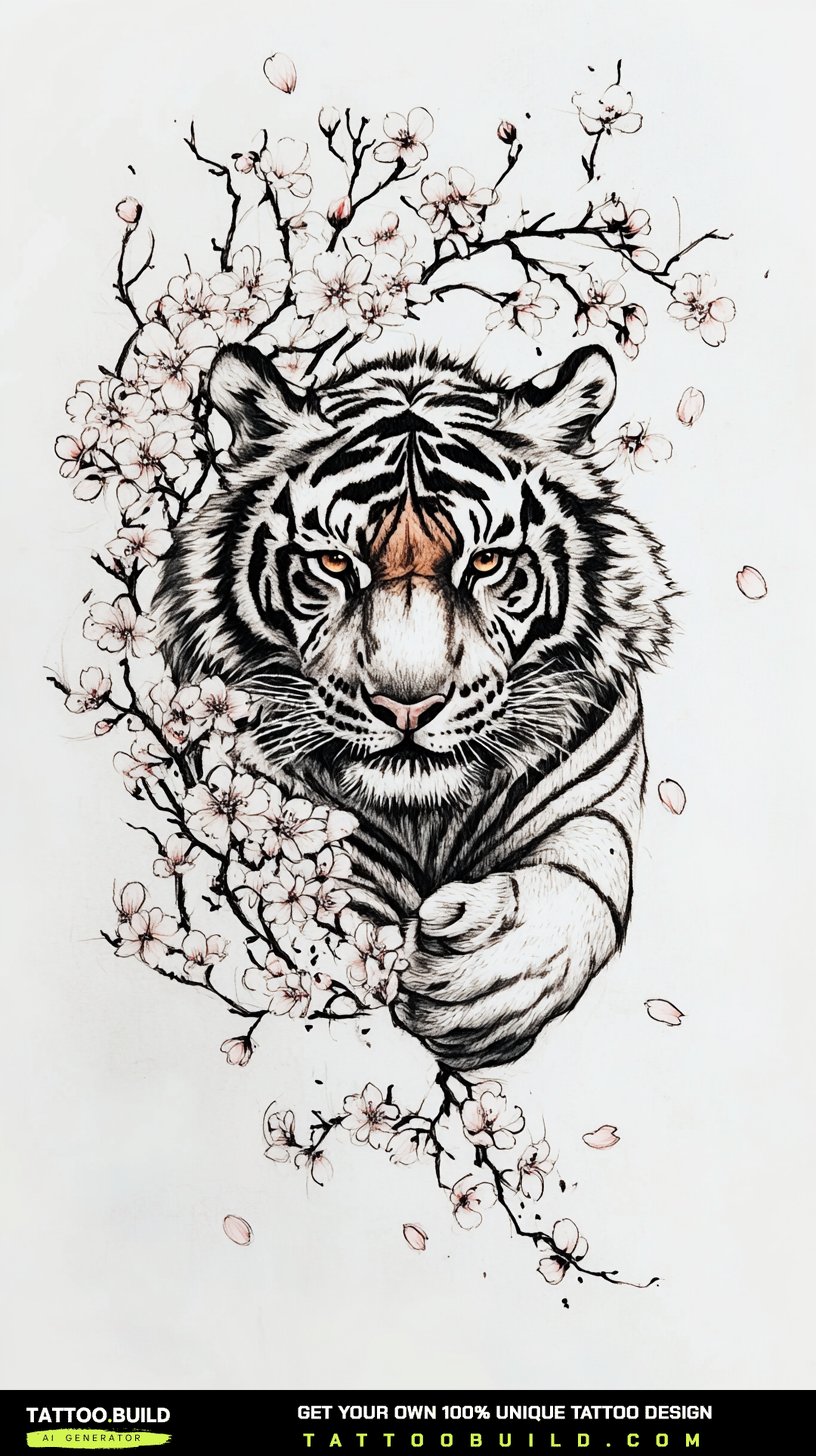
Wolves, lions, bears, snakes, koi, trees, mountain ranges and forest scenes all translate to the inner arm if the composition runs vertically.
Animals work better in profile or three-quarter view than head-on, because a head-on face gets distorted by the curve of the arm.
Tree and forest scenes are a quiet favourite for this spot — a treeline running the length of the inner bicep is one of the few wide-ish compositions that genuinely works here.
For subject inspiration, browse our guide to nature tattoos for men.
8. Compass and Nautical Designs
Compass roses, anchors, ships, lighthouses and coordinates are a long-running category, and they fit the inner arm for a structural reason: a compass rose is round and the inner bicep is one of the few arm surfaces flat enough to hold a circle without distortion.
Coordinates paired with a small compass have become one of the most requested combinations in this family — a place and a direction, stacked vertically.
If you want the full range of layouts, our compass forearm tattoo guide for guys covers sizing and placement that carries over directly.
9. Blackwork and Modern Tribal
Heavy black shapes, negative-space patterns and modern tribal are the most durable option on this list. Solid black holds its edge longer than any other approach.
The catch is commitment. Large areas of solid black are the hardest work to cover or remove later, so this is a style to be certain about rather than to try out.
Blackwork also asks more of the healing process. Saturated black needs more passes, which means more trauma to the skin and usually a longer, itchier heal than a line piece.
Our overview of blackwork tattoo designs shows how negative space is used to keep heavy pieces from reading as a solid block.
10. Portrait and Realism Work
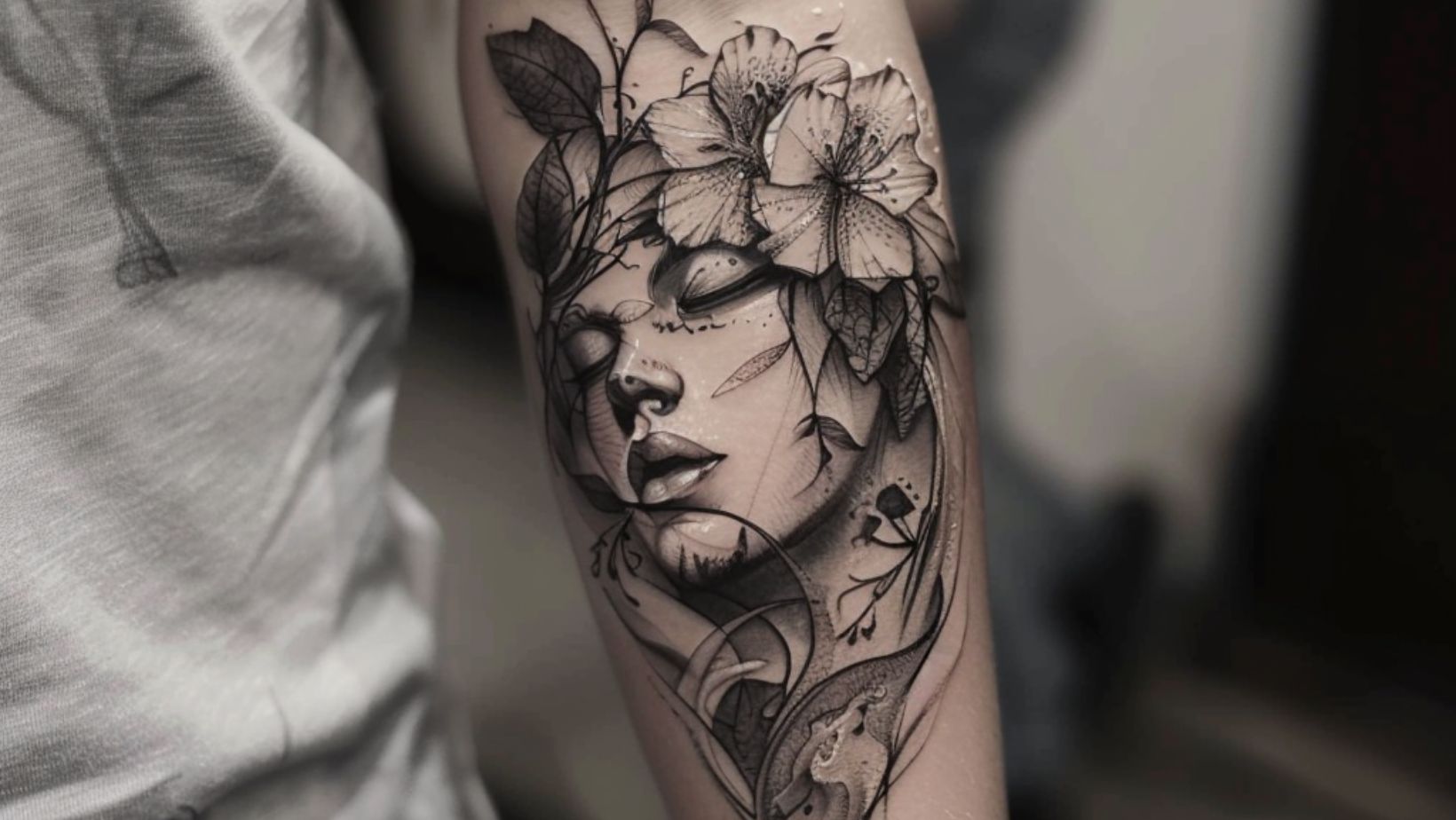
Portraits are the most demanding thing you can put on an inner arm, and the least forgiving of a mediocre artist.
The placement helps in one respect: limited sun exposure means the soft grays that make a portrait work degrade more slowly than they would on a forearm.
It works against you in another. Skin that flexes constantly can distort fine tonal gradients over the years, and a face is the subject where any distortion is immediately obvious.
If you want realism here, choose the artist first and the design second. Look for healed portrait work in their portfolio that is at least a year or two old.
Variations and Placement Extensions
Very few inner arm tattoos stay exactly where they started. Here is how they usually grow.
Growing Into a Half or Full Sleeve
The inner arm is the panel most sleeves leave until last, which makes it a reasonable place to start if a sleeve is the long-term plan.
Tell your artist at the first appointment. A piece designed with a sleeve in mind leaves connective space at the edges; one designed in isolation often has to be partly reworked later.
Our guide to half sleeve tattoos for men covers how the panels are usually sequenced.
Wrapping to the Forearm
Running a design from the inner bicep through the elbow ditch and onto the forearm creates real visual length, but the ditch is a difficult stretch.
It is one of the more painful areas on the arm, it heals unpredictably because it creases, and many artists will suggest a deliberate break in the design there rather than continuous detail.
Keeping It Simple and Standalone
There is nothing wrong with one well-placed piece and nothing else. A single symbol on the inner arm reads as intentional in a way a half-finished sleeve does not.
If that is your direction, our collection of simple tattoo designs for men is built around exactly that restraint.
Aftercare and Healing for Inner Arm Tattoos
Follow the aftercare instructions your artist gives you — they know what they used on your skin. What follows is general context, not medical advice.
The inner arm has one complication other placements do not: it presses against your torso all day. That contact traps moisture and friction exactly where a healing tattoo does not want either.
Loose sleeves help more than anything else in the first week. Tight shirts and gym compression wear are the two things most likely to irritate a fresh inner arm piece.
Keep it clean and lightly moisturised rather than heavily covered, avoid soaking it, and keep it out of the sun while it heals. The American Academy of Dermatology publishes clear general guidance on caring for tattooed skin.
Spreading redness, swelling that increases after the first few days, pus, or a fever are reasons to see a doctor, not to wait it out. Allergic reactions to ink are uncommon but real, and the Mayo Clinic’s overview of tattoo risks is worth reading before your appointment rather than after.
Never attempt to tattoo or remove a tattoo yourself. Both are medical risks handled properly only by a licensed professional, and removal in particular belongs with a qualified practitioner.
Common Mistakes and Still Not Sure?
The most frequent mistake is sizing. Men consistently underestimate how much the inner arm curve eats, and a design that looked right on paper ends up cramped.
The second is going too fine. Hairline work photographs beautifully on day one and needs attention within a few years on this placement.
The third is skipping the healed-work check. Fresh photos in a portfolio tell you what an artist can do in a chair; healed photos tell you what you will actually live with.
And the fourth is rushing a memorial piece. There is no deadline on it, and the versions people regret are almost always the ones booked within weeks.
If you are still undecided on subject matter entirely, our broader collection of tattoo ideas for men is the widest starting point on the site.
Design Your Inner Arm Tattoo With Tattoobuild AI
If you want to see a concept on a vertical panel before you book a consultation, you can generate design directions with our own tool.
It is a way to arrive at the studio with a reference and a direction rather than a vague description. It is a starting point for the conversation, not a replacement for your artist’s design work.
You can try it on the Tattoobuild design generator.
Frequently Asked Questions
Do inner arm tattoos hurt more than outer arm tattoos?
For most people, yes. The skin on the inner arm is thinner, there is less muscle padding, and nerve endings sit closer to the surface than on the outer bicep. The upper portion nearest the armpit is usually described as the sharpest part. That said, pain tolerance varies a great deal between individuals, and plenty of men find the inner arm entirely manageable for a two or three hour session.
Do inner arm tattoos fade faster?
Usually the opposite. The inner arm gets much less direct sun than the outer arm or forearm, and UV exposure is the main driver of fading. What does happen here is line softening, because the skin is thin and flexes constantly. Very fine lines and light grays are the elements most likely to need a touch-up, regardless of sun.
How big should an inner arm tattoo be?
The usable panel is roughly the length of your bicep and about three to four fingers wide, and it curves away at both edges. Designs that run vertically use that space best. Have your artist place the stencil and check it in a mirror with your arm relaxed at your side before anything permanent happens.
How long does an inner arm tattoo take to heal?
The surface typically closes within one to two weeks, with the deeper layers settling over the following weeks. The inner arm can take slightly longer than average because it rubs against your torso and flexes constantly. Loose clothing in the first week makes a noticeable difference. If anything looks infected, see a doctor rather than waiting.
Is the inner arm a good spot for a first tattoo?
It can be, with two caveats. It is more sensitive than the outer arm, so a shorter first session is sensible. And it is easy to conceal, which suits anyone whose workplace has a visible-ink policy. If you are nervous about pain specifically, the outer bicep is the gentler introduction.
Quick Summary
- The inner arm is a concealable placement — visible only when you choose to show it.
- It sees little sun, so contrast tends to hold well over time.
- It is more sensitive than the outer bicep, especially near the armpit.
- Vertical compositions fit the panel; wide, square designs get cut off by the curve.
- Bold blackwork ages best here; hairline fine line work needs the most upkeep.
- Script works well, but keep lines short and the size generous.
- Skin flexes constantly, so loose sleeves during the first week matter.
- Check healed portfolio work before booking, particularly for geometric and realism pieces.