I have been drawing and looking at warrior tattoos for years, and the same thing happens almost every time someone brings one to a consultation. They arrive with a picture of armour, and they leave having actually chosen a story about themselves.
That is the useful thing about this subject. A warrior tattoo is rarely about fighting anyone — it is about what someone came through, and what they want to keep in front of them.
This guide walks through the main cultural styles, what each one signals, where they sit best on the body, and the practical questions worth asking before you book. Along the way there are real design examples, and if you want the object-level symbolism there is a separate breakdown of sword and shield tattoo meanings that pairs well with this one.
Fair warning up front: I have tried to be honest about what does not work as well as what does. Some of these designs are demanding, and a few of them are a bad idea at small sizes.
Which Warrior Style Is Right for You?
Before the individual designs, here is the shortest useful comparison I can give. Sizes below are the smallest I have seen hold up well — not the smallest an artist will agree to do.
| Warrior Style | Best If You Want | Smallest Size That Works | How Well It Ages |
|---|---|---|---|
| Samurai | Discipline, honour, a full narrative figure | Roughly 8 inches tall for a full figure | Good in black and grey; armour detail can blur if crammed |
| Viking | Raw physicality, ancestry, heavy blackwork | 5–6 inches for a portrait | Very well — bold lines and solid black hold up |
| Spartan | One clean, instantly readable symbol | 3–4 inches for a helmet alone | Excellent — the silhouette carries it |
| Celtic | Pattern, heritage, ornamental structure | 4 inches, if the knot spacing is generous | Excellent, provided the interlace is not too tight |
| Gladiator | Motion, drama, arena storytelling | 7–8 inches for a full stance | Good with strong contrast; busy backgrounds soften first |
| Female warrior | Strength read as resilience rather than force | 5 inches for a head-and-shoulders piece | Good; very soft grey wash needs touching up sooner |
| Fantasy | Total creative freedom, invented armour | 8 inches and up — detail is the point | Variable; colour fades faster than black and grey |
| Modern soldier | A memorial or a personal service tribute | 5–6 inches for a portrait | Depends entirely on the artist’s realism skill |
If you are torn between two rows, the ageing column is usually the tiebreaker. A design that still reads clearly in fifteen years beats a design that photographs better next week.
What Warrior Tattoos Actually Symbolize
Every warrior culture in the tattoo world is doing roughly the same job with different vocabulary: it is putting a figure on your skin who did not quit.
Strength is the obvious reading, but it is the shallowest one. When I ask people why they chose a particular figure, the answers land far more often on survival, on grief, on a stretch of years they are proud of getting through.
There is also a protective reading that runs through most of these traditions. Armour, shields and helmets are defensive objects, and a lot of clients pick them precisely because they want the sense of being guarded rather than the sense of being dangerous.
Culture matters too, and it is worth being thoughtful about. Some imagery belongs to living traditions with real meaning attached to it, and borrowing it carelessly reads badly. In most cases, a short conversation with your artist about where a motif comes from is enough to avoid the obvious mistakes.
The strongest warrior tattoos I have seen are the ones with a specific reason behind them — a person, a period, an ancestry — rather than a general wish to look tough.
Warrior Tattoo Ideas by Culture and Style
What follows is grouped by tradition, because that is how artists tend to think about these pieces. Each section covers the look, the practical demands, and where it sits best.
1. Samurai Warrior Tattoos
The samurai is probably the most requested warrior tattoo I encounter, and for good reason — the armour is a gift to a tattoo artist.
Laminated plates, lacing, the horned kabuto helmet and the menpo face mask give an artist an enormous amount of texture to work with. The Metropolitan Museum of Art has a good overview of how that armour was actually constructed, which is worth a look before you settle on reference images.
The symbolism leans toward discipline and duty rather than aggression. Bushido, the code these figures are associated with, is about restraint as much as combat, and the best samurai pieces carry that stillness.
Practically, this is a large tattoo. A full standing figure needs roughly eight inches of height before the armour detail stops fighting itself, which makes the outer arm, back or thigh the natural homes for it. If you want something smaller, a mask alone works far better than a shrunken full figure. There are more composition options in this collection of samurai tattoo drawings.
2. Viking Warrior Tattoos
Viking pieces are the most physically direct of the group. Beards, axes, scars, heavy shoulders — the imagery is deliberately unsubtle.
That bluntness is an advantage. Bold linework and solid black are the two things that survive best in a tattoo over decades, and Norse-style work leans on both naturally.
One historical note worth having: the horned helmet is a nineteenth-century invention rather than an archaeological one. Plenty of people get it anyway because they like the look, which is fine — just know that is an aesthetic choice, not a historical one.
These pieces suit the outer arm, chest and calf. If you want to build outward, runes, knotwork borders and mythological figures all extend naturally; Norse mythology tattoo ideas covers that wider vocabulary.
3. Spartan Warrior Tattoos
If you want one shape that carries the entire idea, the Corinthian helmet is hard to beat.
It is the most efficient design in this whole article. The silhouette is so recognisable that it survives being reduced to three or four inches, which is unusual for warrior imagery.
The lambda shield and the crossed spear are the usual companions. Together they read as refusal to yield, which is why the imagery gets used so often for pieces marking a hard stretch of someone’s life.
Every artist I have asked about Spartan work says the same thing: keep the crest simple. Overworked plume detail is the first part to blur. Placement is flexible — forearm, calf, shoulder and chest all work. If the wider mythology appeals, look at Greek mythology tattoo ideas as well.
4. Native American Warrior Tattoos
This is the section that deserves the most care, and I would rather say so plainly than skip it.
Headdresses, war paint and specific regalia are not generic decoration — they carry meaning within living communities, and a lot of them are earned rather than worn freely. If you have a genuine family connection, that is a different conversation than if you simply like the look.
Where the connection is real, these are among the most striking tattoos in the category. Feather work in particular gives an artist room for delicate texture that most warrior imagery does not.
Technically, portrait-level detail is the constraint. Fine feather barbs and facial structure need size or they will soften into grey within a few years. The back, chest and outer thigh give you the room this style genuinely requires.
5. Celtic Warrior Tattoos
Celtic warrior work is really two things layered together: a figure, and a pattern system that frames it.
The interlace is what makes these pieces distinctive. Knotwork borders, spirals and triskeles give the design an ornamental structure that most other warrior styles lack.
Meaning-wise, the endless line of a knot gets read as continuity — ancestry, or something without an end. That makes it a common choice for memorial pieces as well as strength ones.
The one real technical rule here is spacing. Interlace that is drawn too tight will fill in and turn into a solid block as the tattoo ages, so give the artist room to open it up. If the pattern side interests you more than the figure, Celtic knot tattoo ideas goes deeper on that.
6. Roman Gladiator Tattoos
Gladiator pieces are the most cinematic option in the category, and they are built around motion rather than portraiture.
A fighter mid-stance, sword raised, shield angled — the diagonal lines are what give these tattoos energy. A static standing figure loses most of what makes the style work.
There is an interesting layer of meaning here that people often miss. Gladiators were largely enslaved or condemned; the story is survival inside a system someone did not choose. For a lot of clients that reading lands harder than a straightforward victory image.
Arena architecture and crowd detail can be added behind the figure, but I would keep it light. Busy backgrounds are the first element to go soft as a tattoo settles, and they compete with the figure you actually came for.
7. Female Warrior Tattoos
Some of the best warrior work I have seen recently has been in this category, largely because it is less bound by a single historical template.
Shield maidens, Valkyries, Joan of Arc, Amazons, and simply an unnamed armoured woman all sit here. The freedom means the composition can be built around the person getting it rather than around a reference photo.
The tonal range is wider too. A lowered sword and a steady expression reads as resilience; the same figure with the sword raised reads as force. Both are valid, and choosing deliberately between them matters more than the armour detail does.
Thigh, outer arm and upper back are the placements I see most. If you want the same idea without a figure at all, strength tattoo ideas for women covers the symbolic route.
8. Fantasy Warrior Tattoos
Fantasy is where you stop being accountable to history, which is either liberating or a trap depending on the artist.
Invented armour, impossible weapons, dragon-scale plating, creatures worked into the composition — nothing has to match a reference, so the artist’s own design sense carries the whole piece.
That is exactly why the artist choice matters more here than anywhere else in this article. Ask to see original fantasy work in their portfolio, not just clean copies of existing art.
Colour is the practical consideration. Fantasy pieces tempt people toward heavy saturation, and colour generally fades faster and less evenly than black and grey — particularly on skin that gets regular sun. Plan for touch-ups, or build the piece so it still reads if the colour dulls.
9. Modern Soldier Tattoos
These are usually the most personal tattoos in the category, and often the most difficult to get right.
Tactical kit, dog tags, unit insignia, a specific date — a lot of these are memorial pieces for someone real, which changes the stakes considerably.
When it is a portrait of an actual person, portrait realism is a specialty. It is worth travelling to a specialist rather than settling for a generalist nearby; a portrait that misses the likeness is the one tattoo people regret most bitterly.
Bring the clearest, highest-resolution photograph you have, and give the artist time. In my experience these pieces go better when they are booked well ahead rather than fitted into a gap in the schedule.
Placement Ideas and Variations
Placement decides how big the piece can be, how much it will hurt, and how well it will hold detail. Here is how the main options actually behave.
Back
The largest uninterrupted canvas on the body, and the obvious choice for a full battle scene or a life-sized figure. The trade-off is that you will rarely see it yourself, and it usually means several long sessions.
Chest
Strong symbolic placement — the tattoo sits over the heart, which matters for memorial and protective pieces. The sternum area is genuinely sharp, so plan sessions accordingly. There are more layouts in chest piece tattoo ideas for men.
Arm and Forearm
The outer arm is the most forgiving surface on the body: flat, stable, easy to sit through and easy to show or cover. It is where I would send most people getting their first large warrior piece.
Leg and Thigh
The outer thigh gives you back-sized room with far less pain than the ribs or spine, and it stays out of the sun most of the year, which helps colour last. The calf works well for taller, narrower compositions.
Ribcage and Shoulder
The ribs give a dramatic vertical canvas but are one of the more painful areas, and skin that folds will distort fine detail over time. The shoulder and deltoid handle round compositions — helmets, shields, knot medallions — particularly well.
Getting a Warrior Tattoo That Ages Well
Choose the artist before you finalise the design. A great artist will improve your idea; a mediocre one will faithfully reproduce a flawed reference and neither of you will be happy.
Bring several reference images rather than one, and be explicit that you want them redrawn rather than copied. Every artist I have asked prefers a client who brings a direction over one who brings a finished picture they are expected to trace.
Size up rather than down when you are uncertain. Almost every regret I hear about warrior tattoos involves detail that was crammed into too little space, not a piece that turned out larger than expected.
On healing, follow the aftercare instructions your artist gives you — they know what went into your skin. The American Academy of Dermatology publishes general guidance on caring for tattooed skin, and the U.S. Food and Drug Administration has a plain-language page on tattoo ink safety and reactions. If you notice spreading redness, pain that increases after the first few days, or any discharge, see a doctor rather than looking for an answer online. This article is design guidance, not medical advice.
Still Not Sure? Common Warrior Tattoo Mistakes
The most common mistake is choosing the culture for its aesthetic and then discovering the meaning does not fit. Work out what the tattoo is about first.
The second is going too small. A face at three inches will not stay a face — ink spreads slightly under the skin over the years, and fine facial detail is the first casualty.
The third is over-filling the background. Arena crowds, battlefields and skies all sound good at the sketch stage and then compete with the figure once they are on skin.
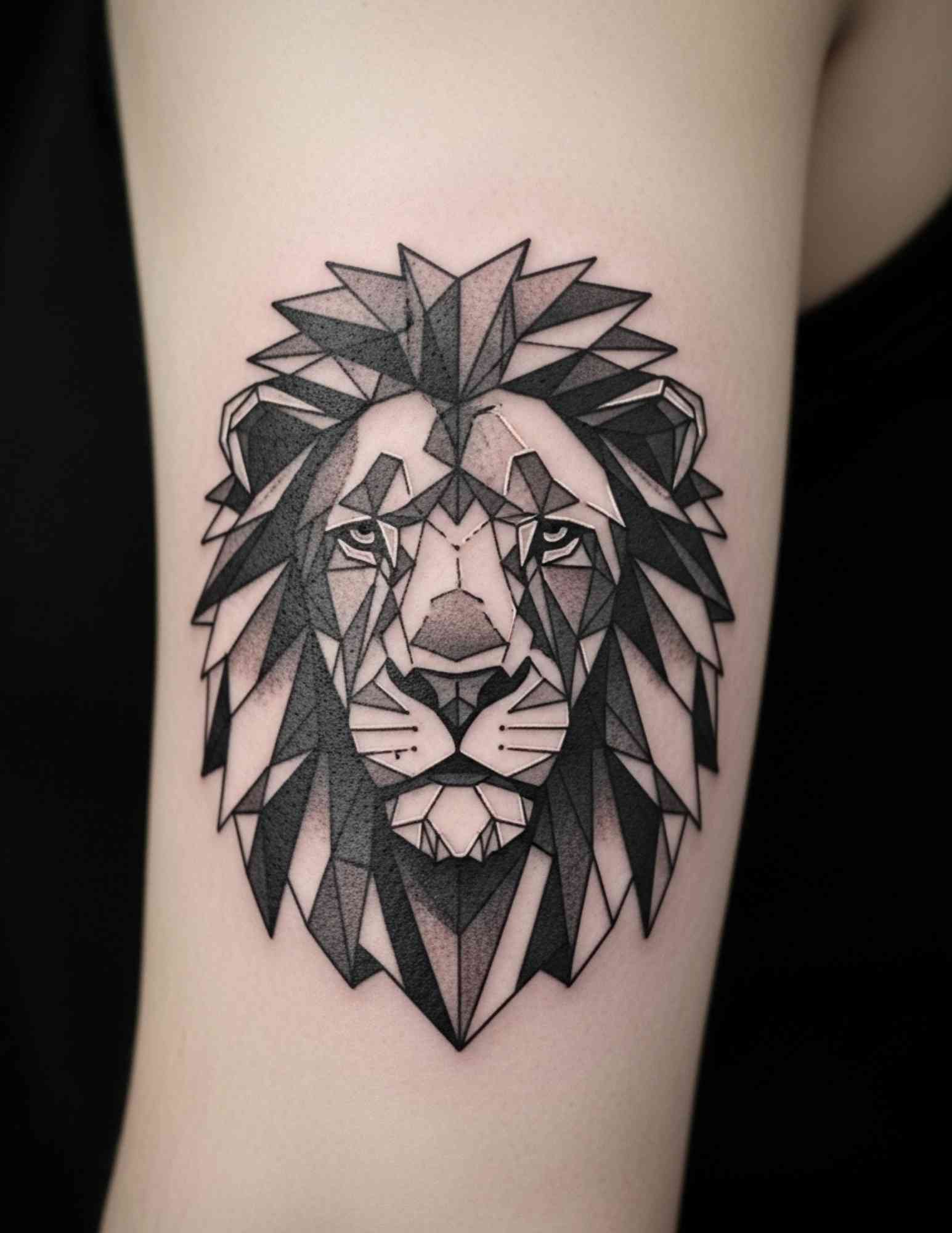
If none of the nine styles above quite fits, the symbolic route is worth exploring instead — tattoos that mean strength and courage covers designs that carry the same idea without a human figure, and lion tattoo ideas is the most common animal substitute for the same meaning.
Frequently Asked Questions
What does a warrior tattoo actually mean?
Broadly, a warrior tattoo stands for endurance under pressure — the willingness to keep going when something is genuinely hard. The specific meaning shifts with the culture you draw from: a samurai leans toward discipline and duty, a Viking toward raw physical defiance, a Spartan toward refusal to yield. In my experience, the people who are happiest with these pieces years later are the ones who picked a figure that matched something they had already lived through, not something aspirational. Ask yourself what the tattoo is commemorating before you ask what it should look like.
How much does a warrior tattoo cost?
It depends far more on time than on subject. Most artists charge either by the hour or by the piece, and a detailed full-figure warrior is usually a multi-session project rather than a single sitting. When I have asked artists about pieces like these, the estimates have consistently come back in hours rather than in a flat number — so the honest answer is to send your reference to two or three artists and compare their time estimates. Be wary of a quote far below the others; it usually means less detail or less experience.
Do warrior tattoos hurt more than other tattoos?
Not because of the subject, but often because of the size and placement they require. A full samurai or gladiator figure needs a large canvas, and large canvases mean long sessions, which is where most of the discomfort actually comes from. Ribs, sternum, inner arm and the back of the knee are reliably rougher than the outer arm or thigh. If pain is a real concern, tell your artist up front and plan shorter sessions rather than trying to push through one marathon.
Can a warrior tattoo be small?
Some styles yes, some no. A Spartan helmet, a single Celtic knot border or a stylised sword can work at three or four inches and still read clearly from a distance. A full armoured figure with facial detail cannot — shrink it and the face turns into a grey smudge within a few years as the ink spreads slightly under the skin. In most cases, if the design has a face in it, give it room.
How do I take care of a large warrior tattoo while it heals?
Follow the aftercare instructions your artist gives you, since they know exactly what they put in your skin. General guidance from the American Academy of Dermatology covers keeping the area clean, moisturised and out of direct sun while it settles. Large pieces mean a large healing surface, so expect more tightness and flaking than a small tattoo. If you see spreading redness, increasing pain after the first few days, or any discharge, stop guessing and see a doctor — that is a medical question, not a tattoo one.
Quick Summary
- Pick the culture first, the composition second — the meaning is what you will still care about in ten years.
- Samurai, Viking, Spartan, Celtic, gladiator, fantasy and modern soldier are the seven angles most warrior tattoos fall into.
- Anything with a detailed face needs real size; small faces blur as the ink settles.
- Black and grey ages more predictably than colour on large figure work.
- Back, chest, outer arm and outer thigh give you flat, stable canvas for big pieces.
- Bring reference images to the consultation, then let the artist redraw rather than copy.
- Budget in sessions, not in a single sitting — most full warrior pieces are multi-visit work.
- Follow your artist’s aftercare, and treat spreading redness or discharge as a reason to see a doctor.