I have watched hand tattoos go from a hard-line commitment that most shops quietly discouraged to one of the most requested placements on a men’s booking form. The hand is the most visible tattoo real estate on the human body, and that visibility cuts both ways — it is the reason the placement is so powerful and the reason it deserves more thought than almost any other spot.
Every artist I have asked about hands says the same thing first: the skin here behaves differently. It regenerates faster, it takes more abuse, and it holds ink less reliably than the forearm or the chest.
None of that is a reason to talk you out of one. It is a reason to walk in knowing what you are choosing, which designs survive the placement, and which ones quietly fall apart within two years.
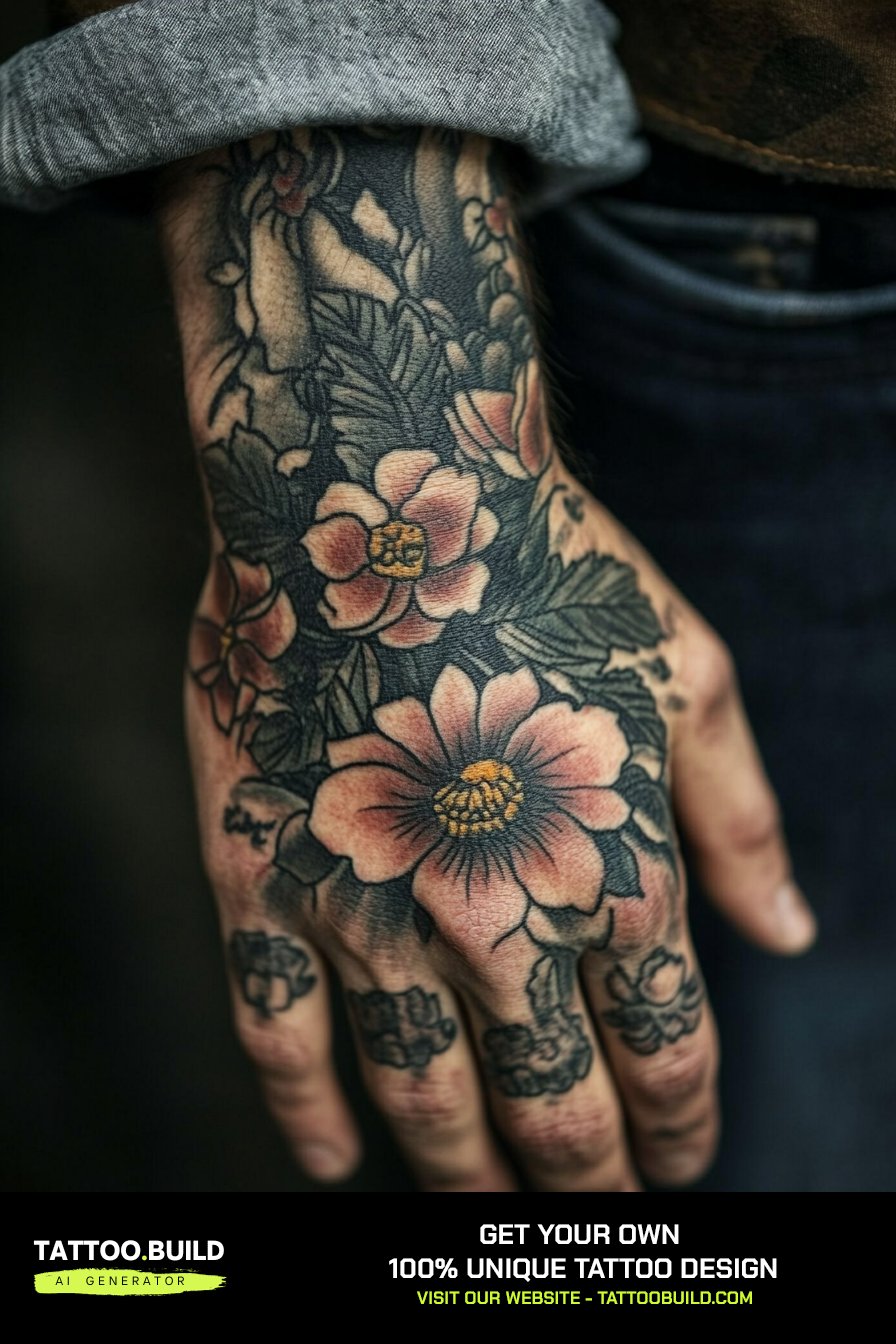
Below are the design directions I keep coming back to, drawn from a set of real hand pieces rather than renders — along with the practical detail I wish someone had given me before my first. If you want a broader sweep of the same territory, this companion gallery of hand tattoo ideas for men covers additional angles.
Which Hand Tattoo Style Is Right for You?
Style choice matters more on the hand than anywhere else, because the placement punishes some approaches and flatters others. Here is how the main options actually compare in practice.
| Style | How It Ages on Hands | Typical Sitting | Best For |
|---|---|---|---|
| Bold blackwork | Best of any style — solid fill stays readable | 2–4 hours | First hand tattoos, high-impact statements |
| American traditional | Very good — heavy outlines were designed for it | 2–3 hours | Classic motifs, anchors, skulls, roses |
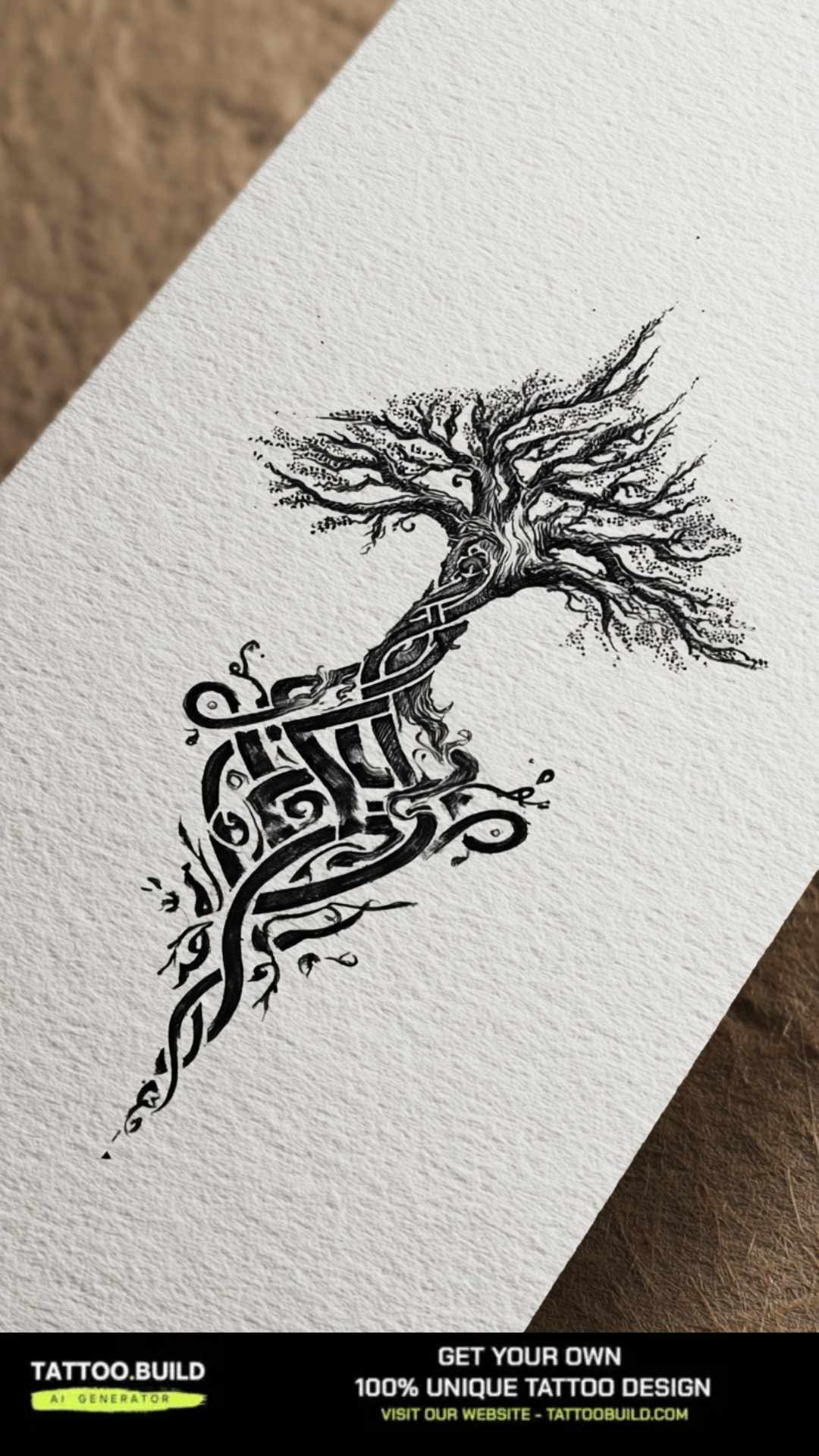
| Ornamental / tribal | Good — wraps contours and hides spread | 3–5 hours | Full back-of-hand coverage |
| Geometric linework | Fair — needs heavier line weight than usual | 2–4 hours | Symmetrical, structured designs |
| Fine line | Weakest — expect touch-ups within 1–3 years | 1–3 hours | Subtle pieces you accept will need upkeep |
| Grey-wash realism | Poor — soft shading drops out fastest | 4–6 hours | Experienced collectors committed to maintenance |
Why Hand Tattoos Behave Differently
The skin on the back of your hand is thin and sits directly over tendons and bone, with very little fat underneath to cushion the needle.
That thinness is why the placement stings, and why rankings of the most painful tattoo spots consistently rank the hands and fingers near the top.
More importantly, your hands are washed, scrubbed, sun-exposed and knocked against things constantly. The outer skin layer turns over quickly, and every one of those factors nudges ink toward fading.
In my experience the drop-off is not gradual and even — it shows up first as small gaps in fine lines and a general softening of edges, usually somewhere between the first and third year.
Plan for a touch-up rather than being surprised by one. Most reputable artists build the first hand touch-up into the conversation before you ever sit down, and many charge little or nothing for it within the first year.
Men’s Hand Tattoo Ideas Worth Considering
These are the directions I see working repeatedly on real hands, grouped by the design logic behind them rather than by subject matter alone.
1. Bold Blackwork and Solid Fill
If you want one piece of advice that applies to almost everyone, it is this: on hands, weight wins.
Solid black areas and thick outlines survive the placement far better than anything delicate. The ink sits in a broad enough band that when it does spread slightly, the shape still reads exactly as intended.
When I have compared five-year-old hand pieces side by side, the blackwork ones are almost always the only ones that still look deliberate. Everything else has softened in ways the wearer notices.
This is also the most forgiving style if you are unsure about long-term commitment to detail, because a blackwork design can usually be extended or reworked later without a cover-up specialist.
2. Ornamental and Mandala Patterning
Ornamental work — repeating petals, filigree, mandala segments — is a natural fit for the back of the hand because the design already assumes a curved, uneven surface.
A good ornamental artist maps the pattern to your tendon lines so it moves when your hand moves, which is something a flat graphic never quite achieves.
The practical advantage is subtle but real: repeating patterns disguise imperfection. If one small section heals unevenly, the eye reads it as texture rather than as a flaw.
Expect a longer sitting than you would for a comparable forearm piece. Ornamental hands are detail-dense and artists usually work slowly here to avoid overworking thin skin.
3. Skulls, Daggers and Traditional Motifs
American traditional imagery has an unfair advantage on hands, because the style was developed in an era when tattoos had to stay legible for decades without touch-ups.
Heavy black outlines, limited color, simple internal shapes — every one of those constraints is exactly what hand skin rewards.
Skulls in particular sit well centered on the back of the hand, where the flat plane gives the artist room to work. If you want to go deeper on that motif, there is a whole gallery of skull tattoo ideas for men worth browsing first.
One honest caveat: traditional color, especially reds and yellows, fades noticeably faster on hands than black does. Many artists will steer you toward black-and-red or black-only for this placement.
4. Geometric and Sacred Geometry Designs
Geometric work looks tailor-made for hands, and often is — the symmetry of the metacarpals gives an artist clean anchor points.
The catch is line weight. A geometric design drawn at forearm scale will look crisp on the stencil and slightly mushy two years after healing.
Every artist I have asked about this says the same fix: draw it heavier than feels right. If you are exploring the style broadly, these geometric tattoo ideas for men show how the same principles scale across placements.
Perfectly straight lines are also the hardest thing to execute on a hand, because the skin shifts under the needle. Ask to see healed geometric hand work specifically, not fresh photos.
5. Tribal and Cultural Blackwork
Tribal blackwork on hands has genuine historical depth — Polynesian, Berber, Filipino and many other traditions placed marks here long before Western tattooing did.
If you are drawn to a specific tradition, it is worth understanding what the motifs mean rather than picking them purely on shape. Many designs carry lineage or status meaning within their culture of origin.
Visually, the appeal is straightforward: flowing black bands follow the hand’s contours instead of fighting them, and they age about as well as anything can. This overview of tribal tattoo ideas is a reasonable starting point for the vocabulary.
Find an artist who actually specialises in it. Tribal work drawn by a generalist tends to read as generic black shapes rather than as a coherent design language.
6. Japanese Motifs and Flowing Compositions
Waves, clouds, koi and maple leaves come from a tradition built entirely around wrapping the body, which makes them unusually well suited to the hand’s curves.
Hands often function as the terminal point of a larger arm composition rather than as a standalone piece — a wave that starts at the elbow and breaks across the knuckles.
If that is the direction you are heading, plan the whole thing before you start. Retrofitting a hand onto an existing full sleeve tattoo rarely flows as well as designing both together.
In my experience these compositions also justify the sitting time better than most, because the hand section is short relative to the arm work already committed to.
7. Lettering, Symbols and Single Statements
A single word, a date, a small emblem — the minimal end of hand tattooing has real appeal, and it is where most people start.
Size it up. Lettering that looks generously proportioned on paper often turns out to be the first thing that closes in as ink spreads into the surrounding skin.
Serif and blackletter faces hold up better than thin script here, because they carry more weight in the strokes themselves.
The side of the hand and the area below the thumb take lettering particularly well, and both are marginally easier to cover with a cuff or a watch strap if a situation calls for it.
8. Finger and Knuckle Extensions
Fingers are their own category, and they are the most demanding skin on the body for holding ink.
Constant friction, frequent washing and very thin skin mean finger work fades faster than anything else — the sides and the inner surfaces worst of all.
That does not make it a bad idea, but it does make it a maintenance commitment. If you are set on it, read through these finger tattoo ideas for men first and go in expecting periodic touch-ups.
Some artists decline finger work outright, or will only do it once you have healed a hand piece with them. That is a good sign about the artist, not a red flag.
If the Hand Feels Like Too Much
There is no shame in deciding the visibility is more than you want right now. Several placements deliver a similar look with more control.
The Wrist and Lower Forearm
You keep most of the visual impact and nearly all of the design freedom, but the skin holds ink far better and a sleeve covers it completely.
This is the single most common redirect I see artists suggest, and these small forearm tattoo ideas for men show how much range the area actually has.
The Neck and Throat
Similar boldness, different trade-offs — neck skin holds ink better than hands do, though the visibility question is much the same.
Worth comparing directly before you commit either way; this collection of men’s neck tattoo designs makes the contrast clear.
Start With the Side of the Hand
A design along the outer edge of the hand, below the little finger, is a genuine middle ground. It is visible when you want it to be and largely hidden when your hands rest at your sides.
Several people I know used exactly this as a first step before committing to full back-of-hand coverage a year or two later.
Getting a Hand Tattoo Right: Practical Advice
Ask to see healed hand work from the specific artist — not fresh photos, and not hand work by someone else in the shop. Healed photos at two years or more tell you almost everything.
Book the sitting when you can genuinely rest afterward. Hands swell, and using them normally during the first few days is the fastest way to disrupt healing.
Sun is the biggest long-term enemy. Hands catch more UV than almost any other part of the body, especially on a steering wheel, and the American Academy of Dermatology recommends daily broad-spectrum sunscreen on tattooed skin once it is fully healed.
Follow your artist’s aftercare instructions rather than advice from the internet, including this article. If anything looks infected — spreading redness, heat, pus, fever — see a doctor rather than waiting it out. The Mayo Clinic notes that tattoos can also cause allergic reactions and other skin problems, sometimes years later.
Never attempt hand tattooing or ink removal yourself. Both carry real infection and scarring risk, and the U.S. Food and Drug Administration has documented contamination problems even in commercially sold inks — a licensed, inspected studio is not an optional nicety.
Common Mistakes — and What to Do Instead
Going too small and too fine on a first hand piece. It is the instinct almost everyone has, and it produces the pieces people regret soonest.
Choosing an artist by portfolio breadth rather than by hand-specific experience. Hands are a specialty; plenty of excellent artists rarely do them.
Underestimating employment reality. Attitudes have shifted a great deal, but they have not shifted everywhere or in every industry — think about the next ten years, not just this one.
Skipping the pain conversation. It is a sharp, bony sting rather than a dull burn, and knowing that in advance helps more than you would expect. This tattoo pain chart puts the placement in context against the rest of the body.
Treating the tattoo as finished once it peels. Hands need ongoing sun protection and, usually, at least one touch-up. Budget for it from the start.
Frequently Asked Questions
Do hand tattoos hurt more than other placements?
For most people, yes. The skin on the back of the hand is thin and sits directly over bone and tendon with very little padding, so the sensation is a sharp, vibrating sting rather than the duller burn you get on the outer arm. The upside is that hand sessions are usually short compared with large-scale work. Everyone’s pain tolerance differs, so treat rankings as a general guide rather than a prediction.
How long do men’s hand tattoos actually last?
The design lasts permanently, but its crispness does not hold the way it would on a forearm. In my experience the first visible softening of fine lines tends to appear somewhere between one and three years, with bold blackwork lasting considerably longer before it needs attention. Most people get at least one touch-up, and many artists expect it. Sun exposure and frequent hand washing are the two biggest accelerators.
Will a hand tattoo stop me getting hired?
It depends heavily on your industry and region, and general attitudes have relaxed noticeably over the past decade. That said, client-facing roles in conservative sectors still treat visible hand tattoos differently from a covered forearm piece. It is worth thinking about your realistic career path over the next decade rather than only your current job. Nobody can give you a universal answer here.
What is the best first hand tattoo for someone unsure about commitment?
Something bold, relatively simple, and placed on the outer edge or the back of the hand rather than across the fingers. Solid blackwork or a traditional motif with heavy outlines will look intentional for years and can be extended later if you want more. Avoid delicate fine-line work as a first piece, since it is the most likely to disappoint you. A good artist will usually suggest exactly this.
Can hand tattoos be removed or covered up later?
Both are possible but harder than on most placements. Laser removal on hands typically takes multiple sessions and results vary considerably with ink color and skin tone, and the thin skin here means the process needs a cautious, experienced practitioner. Cover-ups are constrained by how much darker and larger the new design has to be. Never attempt removal at home with creams, salt or DIY methods — consult a qualified dermatologist or laser clinic instead.
Quick Summary
- Weight beats detail. Bold blackwork and heavy outlines survive hand skin far better than fine lines.
- Expect a touch-up. Most hand tattoos need attention within one to three years — budget for it upfront.
- Choose a hand specialist. Ask to see healed hand work at two years or more, not fresh photos.
- Ornamental and tribal patterns age gracefully because repeating designs disguise minor unevenness.
- Fingers are the hardest placement of all — high friction and thin skin mean the fastest fading.
- Sunscreen daily once healed; hands catch more UV than almost anywhere else on the body.
- Consider the side of the hand or the wrist first if you want impact with more control over visibility.
- See a doctor, not a forum, for spreading redness, heat, pus or fever — and never attempt DIY tattooing or removal.