I have lost count of how many butterfly tattoos I have watched go on over the years, and I still think it is the most quietly underrated design in the shop. A butterfly works at almost any size, on almost any placement, in almost any style — which is exactly why so many people get one wrong.
The design is not hard. The decisions around it are: how small you can go before the wings turn into a smudge, whether colour will hold on your skin, and whether the artist you booked actually shades soft grey well.
This guide collects more than a hundred butterfly tattoo ideas I have gathered from real work, sorted by style and by placement, with honest notes on what each one costs you in healing time, touch-ups and legibility. If you are still deciding on scale, it pairs well with our roundup of small tattoo ideas.
Start here, then take three or four screenshots to your consultation. Artists work far better from a direction than from a single reference they are asked to copy.
Which Butterfly Tattoo Style Is Right for You?
This is the comparison I end up drawing on a napkin for almost every client. It is not exhaustive, but it sorts the five styles people actually choose between.
| Style | Smallest size that still reads | Typical sitting | How it ages | Best for |
|---|---|---|---|---|
| Fine-line / minimalist | About 1 inch wide | 30–60 minutes | Softens fastest; expect a touch-up in a few years | First tattoos, wrist, ankle, behind the ear |
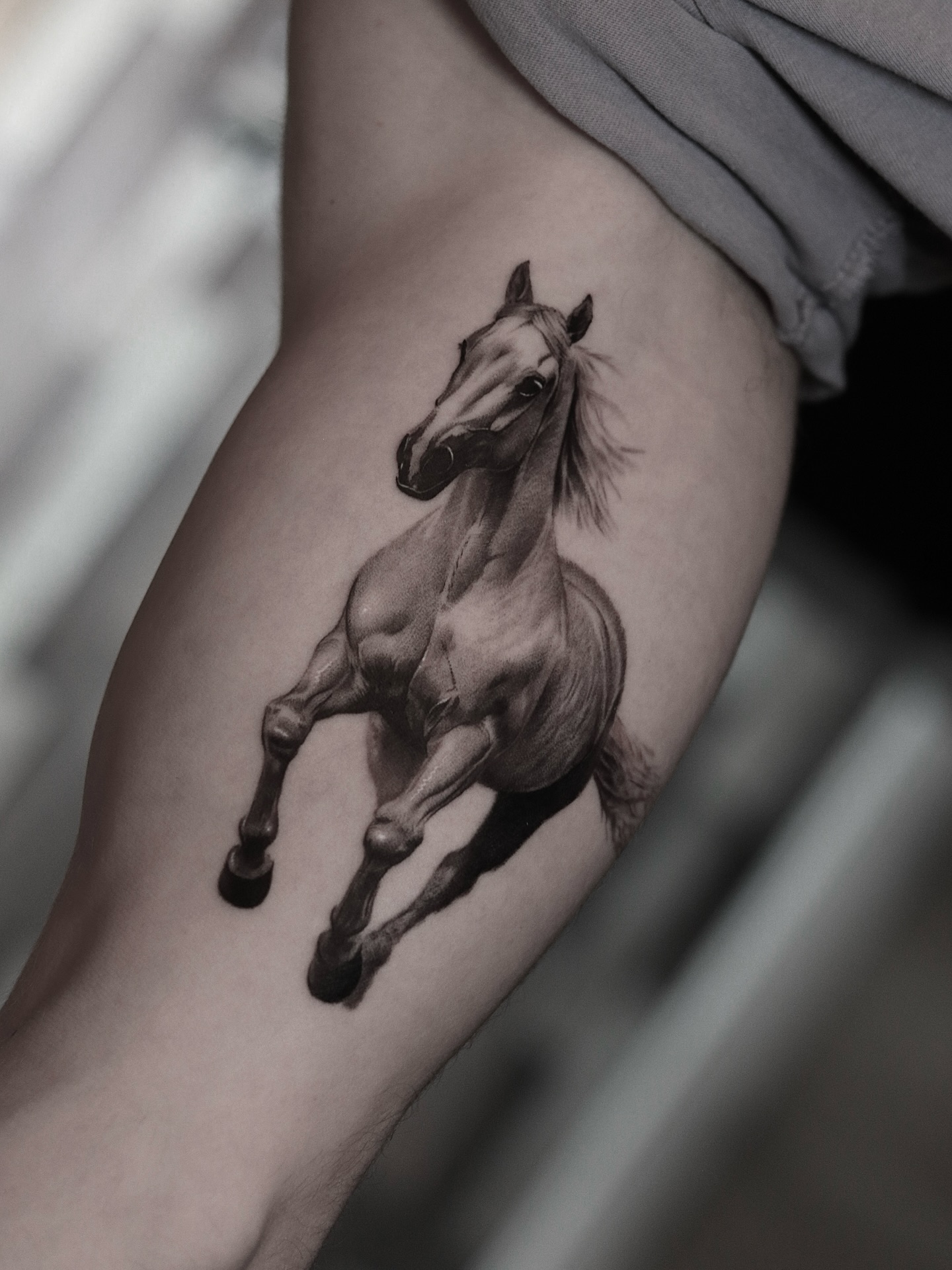
| Realistic / black and grey | About 3 inches wide | 2–4 hours | Very well if the grey wash is smooth | Forearm, shoulder, upper back |
| Watercolor | About 3 inches wide | 2–3 hours | Fades noticeably unless it has a line or shadow anchor | Shoulder, thigh, ribs — covered placements |
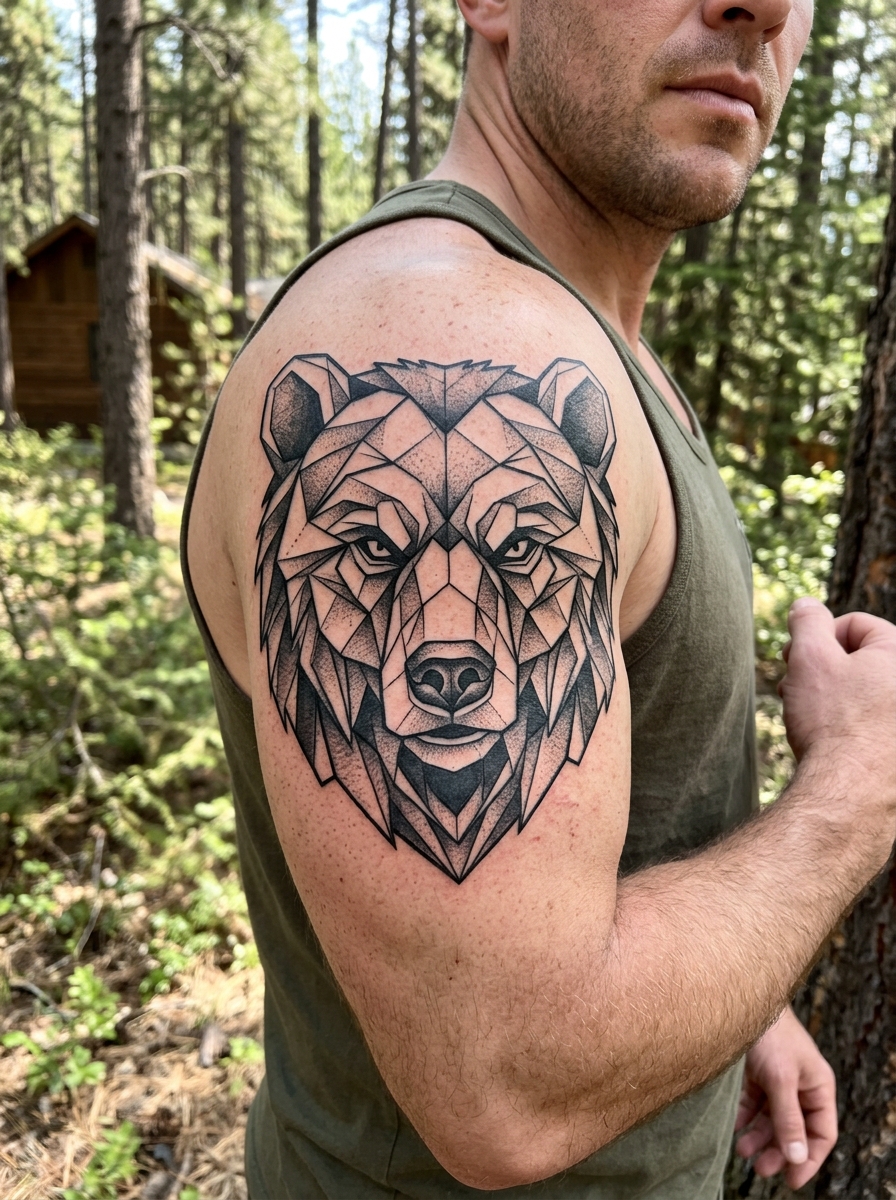
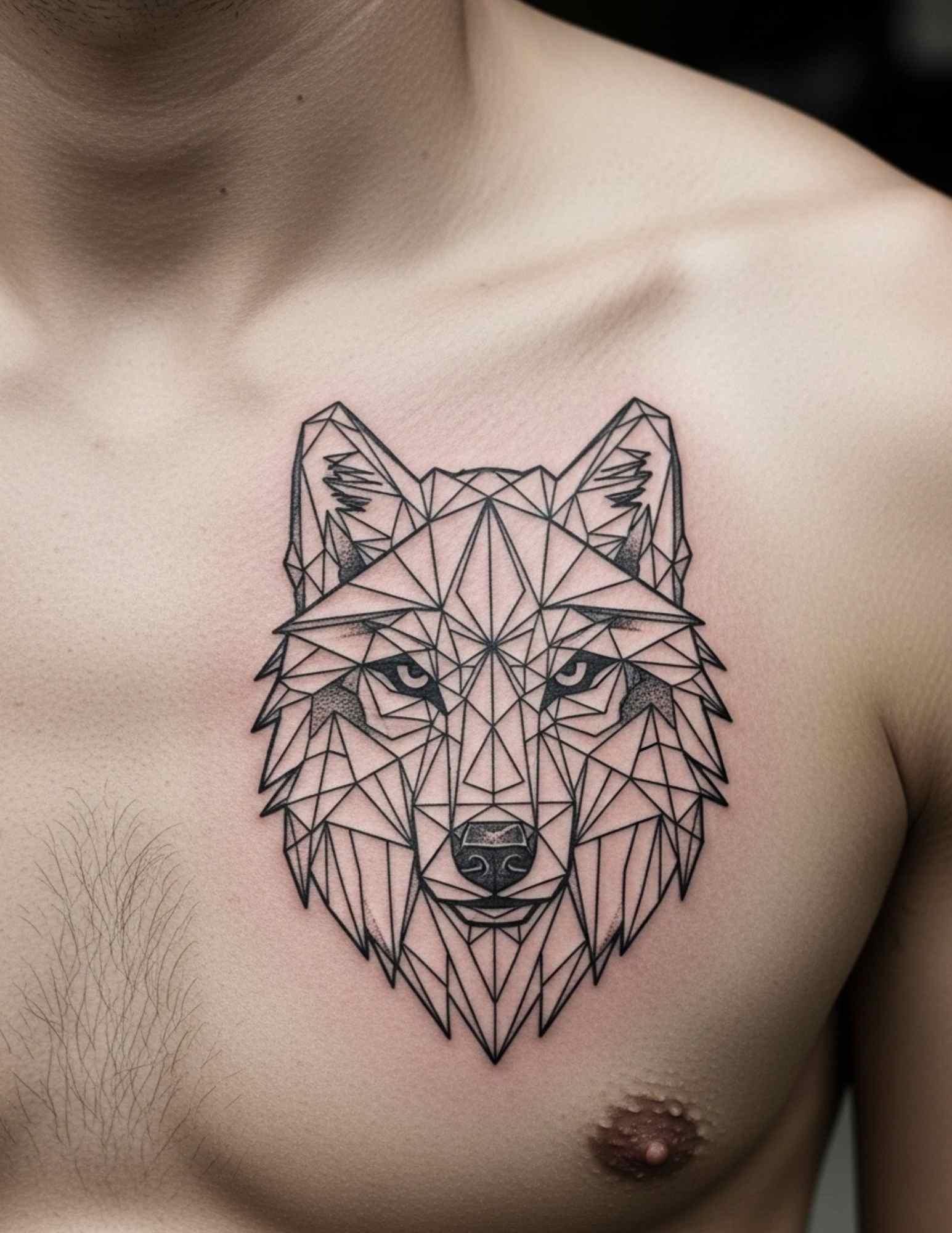
| Geometric / linework | About 2 inches wide | 1–3 hours | Cleanly, as long as the lines are not crowded | Forearm, spine, sternum |
| Tribal / blackwork | About 2 inches wide | 1–3 hours | Best of all — solid black holds longest | Shoulder blade, lower back, calf |
What Actually Makes a Butterfly Tattoo Work
Butterflies have been tattooed for as long as I have been paying attention, and the reason is structural rather than fashionable. The wings are symmetrical, which means the design already has a built-in composition before anyone draws a line.
That symmetry is also the trap. A butterfly that is even slightly off-centre reads as a mistake in a way a rose never does, because your eye has a reference for what the other half should look like.
The second thing that decides the outcome is size. Wing detail is a series of small enclosed shapes, and enclosed shapes close up as ink spreads under the skin over the years. In my experience, anything under an inch loses its interior pattern within about five years and settles into a silhouette.
Third is placement against sun exposure. Colour work on hands, forearms and ankles takes far more UV than a shoulder does, and colour is the first thing to go. If you want a watercolor piece to keep its punch, put it somewhere a t-shirt covers.
Everything below is organised around those three constraints — meaning first, then style, then placement.
What Butterfly Tattoos Mean
Transformation and Growth
This is the reason most people give me, and it is the rare tattoo meaning that is not a stretch. The metamorphosis is literal — the animal genuinely dissolves and rebuilds itself.
Because of that, butterflies get chosen after divorces, recoveries, career changes and losses far more often than they get chosen for decoration. I have tattooed the same design on two people in one week for completely opposite reasons.
If the piece is marking something specific, tell your artist. It usually changes the wing angle, the amount of negative space, or whether the butterfly is landing or leaving.
Freedom and Independence
Open wings, mid-flight, no ground line — that is the freedom version, and it is a real design brief rather than a vague sentiment.
Every artist I have asked draws this one differently. Some tilt the body so the butterfly is climbing; others leave one wing partly out of frame so it looks like it is leaving the skin.
The tell is the body angle, not the wings. A flat, front-facing butterfly reads as a specimen; a tilted one reads as motion.
Spirituality and Rebirth
In several traditions the butterfly stands in for the soul, and that reading turns up most often in memorial pieces. When I have done these, the client usually wants softer edges and more empty skin than a decorative butterfly would have.
Some people add a date, initials or a small companion element. My honest advice is to keep the text separate and small — lettering inside a wing rarely survives a decade.
Butterfly Tattoo Styles, and How Each One Ages
These are the seven style directions I actually see requested. Each one is a different set of trade-offs between detail now and legibility later.
1. Realistic Butterfly Tattoos
Realism is the most demanding butterfly on this list and the most rewarding when it lands. The whole effect rests on smooth grey wash across the wing membrane, which is a skill you cannot fake with linework.
Ask to see healed photos, not fresh ones. Fresh black and grey looks flawless on everybody; healed black and grey is where you find out whether the artist packed the mid-tones evenly.
Colour realism is a different job again, and I would budget for it accordingly — pigment saturation over a large wing takes multiple passes and often a second session.
Give it room. Under about three inches, realistic wing detail turns into grey mush within a few years. Forearm, outer shoulder and upper back are the placements that reliably work. If you like the tonal look but want a smaller piece, browse our black and grey tattoo ideas for scaled-down alternatives.
2. Minimalist and Fine-Line Butterflies
This is the most requested butterfly in every shop I have worked near, and it is the one I most often talk people into sizing up slightly.
Fine-line work uses a very small needle grouping and light pressure, which means the line sits shallow and softens sooner than a traditional bold outline. That is not a flaw, it is the deal you are making.
The designs that survive are the ones where the wing outline alone carries the image. Once you add interior veining at one inch wide, you are drawing lines that will merge.
Plan for a touch-up. In my experience most fine-line butterflies want a light refresh somewhere between years three and six, and that is normal rather than a sign of bad work.
3. Watercolor Butterfly Tattoos
Watercolor is the style people fall in love with online and the one that most often disappoints at year five, so it is worth being blunt about it.
The splashes and bleeds have no outline holding them in, so as the ink disperses there is nothing to keep the shape. The pieces that hold up almost always have a hidden anchor — a linework butterfly, a black shadow, or a dark core underneath the colour.
Ask your artist directly whether the design has an anchor. If the answer is that it is pure colour with no line, you are choosing a tattoo with a shorter good-looking lifespan, which is a legitimate choice as long as you make it knowingly.
Keep it covered. Watercolor on a forearm in a sunny climate is the fastest way to lose it, and daily sunscreen once healed makes a real difference.
4. Geometric Butterfly Tattoos
Geometry and butterflies get along because the subject is already symmetrical — you are formalising a structure that exists rather than imposing one.
The successful versions pick one idea and commit: either the wings dissolve into shapes, or a geometric frame sits behind a solid butterfly. Doing both at once produces a busy tattoo that never resolves.
Line spacing is the whole game here. Lines drawn closer than roughly two millimetres apart tend to close into a solid block as they spread, which is why good geometric work looks slightly sparse when fresh.
If the structural look appeals more than the insect, our wider collection of geometric tattoo designs is worth a look before you commit.
5. Butterfly and Flower Tattoos
This is the most natural extension of a butterfly and the easiest way to turn a small piece into a composition without changing the subject.
The mistake I see most is equal weight — a butterfly and a flower drawn at the same size and darkness fight each other. Pick which one is the subject and let the other support it.
Practically, flowers are also the best way to grow a tattoo later. A butterfly with a couple of leaves has somewhere obvious to expand if you decide in two years that you want a half sleeve.
Birth flowers are a common pairing and add a second layer of meaning without extra text.
6. Tribal Butterfly Tattoos
Tribal-style butterflies are the ones I would bet on in twenty years. Solid black holds its edge longer than any other application, and the shapes are large enough that spread does not destroy them.
They are also, honestly, the hardest to change your mind about. Solid black is difficult to cover and slow to remove, so this is the style where the design decision matters most.
A note worth making: much of what gets called tribal in Western shops is a decorative style rather than a piece of a living cultural tradition. If you want genuine Polynesian, Filipino or Bornean work, seek out an artist from that tradition. Our tribal tattoo ideas guide covers the distinction in more detail.
7. Butterfly and Skull Tattoos
Pairing a butterfly with a skull is the most direct symbolic contrast available — the short-lived thing against the thing that outlasts everything.
Composition matters more than in any other butterfly design. The version that works is usually a skull as the base with wings emerging, rather than two separate objects sitting side by side.
It is also a piece that reads very differently in bold traditional versus fine black and grey. I would decide the mood first and the style second. For the wider symbolism, see our piece on flower and skull tattoo meaning.
Butterfly Tattoo Placement Ideas
Placement changes the tattoo more than style does. The same design on a wrist and on a back are two different pieces with two different lifespans.
Butterfly Sleeve Tattoos
Butterflies are unusually good sleeve components because they are natural connectors. They fill the awkward gaps between larger elements without demanding attention.
If a sleeve is the eventual goal, say so at the very first appointment even if you are only booking one small piece. Placing a standalone butterfly badly is the single most common reason sleeves end up with dead space that has to be filled with filler.
Expect this to be a multi-session project measured in months. Most full sleeves I have seen take between four and ten sittings, spaced far enough apart for each section to heal. Our guide to sleeve tattoos for women covers the planning side properly.
Butterfly Ankle Tattoos
The ankle is a good butterfly placement and a slightly painful one. There is very little between skin and bone on the inner and outer ankle, and most people describe it as sharp rather than dull.
Healing is the real consideration. Socks, shoes and swelling all work against a fresh ankle tattoo, and it is the placement where I most often see patchy healing from friction.
Keep it above the bone rather than on it if you can, and expect a slightly longer settling period. More options in our ankle tattoo placement guide.
Butterfly Back Tattoos
The back is where butterflies get to be what they actually are — a symmetrical design on a symmetrical canvas, centred on the spine.
It is also the most forgiving skin on the body for detail. Large flat area, minimal stretch, low sun exposure, and it holds fine work better than almost anywhere else.
The trade-off is that you will rarely see it. Everyone I know with a large back piece describes the same thing: they forget it is there for weeks at a time. If placement is what you are weighing, our spine tattoo placement guide compares the nearby options.
Butterfly Wrist Tattoos
Wrists are visible, low commitment in size, and easy to cover with a watch or sleeve — which is why they are the most common first-tattoo placement I see.
They are also high-wear. The inner wrist gets constant movement and the outer wrist gets constant sun, and both accelerate fading compared with an upper arm.
Keep the design simple enough to survive that. A clean silhouette on a wrist will outlive a detailed one every time. Our wrist tattoo ideas roundup has more small-scale designs worth stealing.
Getting a Butterfly Tattoo That Lasts
Choose the artist before the design. Look specifically for healed photographs of work in the style you want — anyone can post a fresh tattoo, and fresh tattoos all look good.
Sunscreen once healed is the single highest-return thing you can do for a tattoo, particularly for colour and fine line work. UV breaks down pigment, and the American Academy of Dermatology has straightforward guidance on protecting tattooed skin.
During healing, follow the aftercare your artist gives you rather than advice from the internet, including this article. They know what they put in your skin and how your particular piece was worked.
Take the risks seriously. Tattoo inks are not pre-approved in the way medicines are, and the U.S. Food and Drug Administration documents both infection and allergic reaction as real, if uncommon, outcomes. If you develop spreading redness, heat, swelling, pus or a fever, contact a doctor rather than waiting it out — this article is not medical advice, and infections are treatable when caught early.
Still Not Sure? Common Butterfly Tattoo Mistakes
Going too small for the detail. This is the mistake I see most often, and it is invisible for about three years before it becomes obvious.
Copying one photograph exactly. Good artists work far better from a direction and three or four references than from a single image they are asked to reproduce, and copying another artist’s work outright is poor form.
Booking the available artist instead of the right one. If the person with the best healed black and grey portfolio is four months out, wait the four months.
Choosing colour for a high-sun placement without accepting the maintenance. Colour on a forearm is a commitment to touch-ups, not a one-time purchase.
Still deciding between symbols? It is worth reading about moth tattoo meanings before you settle — moths carry a noticeably different meaning and often suit bolder, larger work.
Frequently Asked Questions
How much does a butterfly tattoo cost?
It depends far more on your artist’s hourly rate and your city than on the butterfly itself. A small fine-line piece is usually a shop minimum job, while a detailed realistic butterfly is a multi-hour sitting and priced accordingly. The honest answer is to ask two or three local artists for a quote on the same brief, because rates vary widely by region. Never choose on price alone — a cheap tattoo you have to cover up is the most expensive option available.
Do butterfly tattoos hurt?
Placement decides this, not the design. Fleshy areas like the outer arm and thigh are generally the most tolerable, while ribs, sternum, ankle, spine and the tops of the feet sit over bone and tend to be sharper. Most small butterflies are finished in under an hour, which keeps even a tender spot manageable. Eat properly beforehand and tell your artist if you need a break.
How small can a butterfly tattoo be?
For a simple outline, around one inch wide still reads clearly. Below that the wing shape starts to close up as the ink spreads over the years, and interior detail is the first thing lost. If you want visible veining or shading, plan for at least two to three inches. Your artist will tell you honestly if a design is too small for the detail requested.
Are butterfly tattoos only for women?
No, though the association is common enough that it is worth naming. Butterfly and skull pieces, blackwork and tribal-style wings, and large-scale back work all read as neutral or masculine depending on execution. Style, scale and placement shape how a tattoo is perceived far more than the subject does. Get the one you want.
Can a butterfly tattoo cover an old tattoo?
Sometimes, and it is one of the better cover-up subjects because the wings give an artist a large area of dark shading to work with. Whether it will work for your specific case depends on how dark and how large the existing piece is. Some tattoos need a few sessions of laser lightening first before a cover-up is realistic. Take the old tattoo to a cover-up specialist for an honest assessment rather than deciding from photographs.
Quick Summary
- Butterflies work at almost any size, but under roughly one inch you are choosing a silhouette, not a detailed design.
- Fine-line and minimalist butterflies are the easiest entry point and the most likely to want a touch-up within three to six years.
- Realistic black and grey ages the best of the detailed styles — judge an artist on healed photos, never fresh ones.
- Watercolor needs a hidden line or shadow anchor to survive; pure colour with no anchor fades fastest.
- Tribal and solid blackwork butterflies hold longest, but they are the hardest to cover or remove later.
- Back and shoulder placements keep detail best; wrists, hands and ankles see the most wear and sun.
- If a sleeve is the long-term plan, tell your artist at the very first small piece so nothing lands in the wrong spot.
- Sunscreen after healing is the highest-return maintenance for any butterfly tattoo, especially colour work.